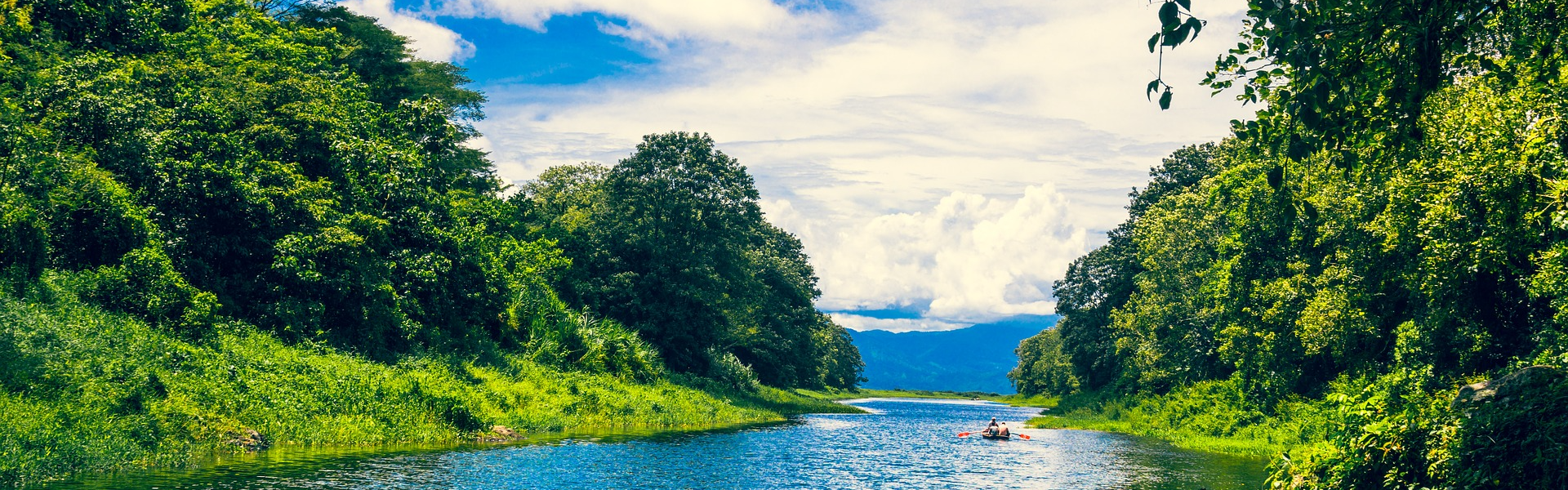
La Ceiba is a port city on the north coast of Honduras, backed by a two-thousand-four-hundred-metre mountain covered in rainforest. It is not a beach resort: it is the departure point for the Bay Islands, for one of the most spectacular national parks in Central America, and for the Garifuna villages along the coast.
The essentials in four lines
- Fly into La Ceiba (LCE) with a connection, or take a seasonal non-stop to Roatán and the ninety-minute ferry.
- Honduras runs one hour behind Montreal in winter and two in summer.
- The city is a gateway: its beaches are secondary, the interest lies around it.
- February to May is the driest season. Rain is frequent from October to January on this coast.
Pico Bonito national park
It begins fifteen minutes from downtown and rises to two thousand four hundred and thirty-five metres. Across that gradient you pass from lowland rainforest to cloud forest, which produces one of the highest concentrations of species in the country: four hundred bird species, jaguars and tapirs in the upper zones, howler monkeys and toucans within reach of the trails.
The Cangrejal river, which borders the park, is rafted on class III and IV rapids between June and February, and class II the rest of the year. Several lodges have opened along the river, twenty minutes from town.
The Cuero y Salado refuge
Forty-five minutes west, this refuge protects the estuary of two rivers and a mangrove where manatees live, a species now rare in the Caribbean.
Access is unusual: a small narrow-gauge railcar, inherited from the banana railways, crosses nine kilometres of pineapple plantations to the refuge entrance. The visit continues by skiff through the channels at first light, when the manatees surface to breathe and the howler monkeys start up.
The Cayos Cochinos
Thirteen islets an hour away by boat, designated a strict marine reserve: fishing banned, anchoring regulated, reef in excellent condition. On one of them, a stilted Garifuna fishing village prepares fish on the beach for day visitors. It is one of the most memorable excursions on this coast.
Garifuna culture
The Garifuna descend from African and Arawak populations of the Lesser Antilles, deported from Saint Vincent by the British in 1797 and landed on the Honduran coast. Their language, music and dance are on the UNESCO list of intangible cultural heritage.
The villages of Sambo Creek and Corozal, twenty minutes east, welcome visitors: drums, coconut cooking, cassava bread. The twelfth of April, the day of the 1797 arrival, is a holiday across the community.
Carnival
In the third week of May, La Ceiba hosts one of the largest carnivals in Central America, in honour of Saint Isidore. The festival runs a fortnight, with neighbourhood parties each evening and a final parade on Avenida San Isidro that draws several hundred thousand people.
The beaches and the city
The urban beaches, east of the port, are brown sand and used mainly by Hondurans at weekends. Playa de Perú, fifteen minutes east, is quieter and lined with coconut palms.
Swimming is not why you come here. If your trip is primarily a beach holiday, Roatán, ninety minutes by ferry or twenty by air, answers better.
Accommodation
There is no all-inclusive resort in La Ceiba. The supply consists of city hotels, nature lodges along the Cangrejal river and small addresses in the Garifuna villages, all sold without meals.
The usual approach is two or three nights for the park and the excursions, then on to the islands. For the beach portion, our criteria for choosing an all-inclusive hotel will apply.
For current entry conditions and official recommendations, see the Government of Canada page on Honduras, and discuss it with your advisor before fixing your dates.
When to go
From February to May the weather is driest and the rivers stay workable. From June to September, heat builds with short showers. From October to January this coast takes its heaviest rain, which makes the rafting more sporting and the trails harder.
Our guide on when to travel south from Montreal sets out the pricing calendar.
To plan this trip, see also our Honduras page, Roatan and our month-by-month calendar.


