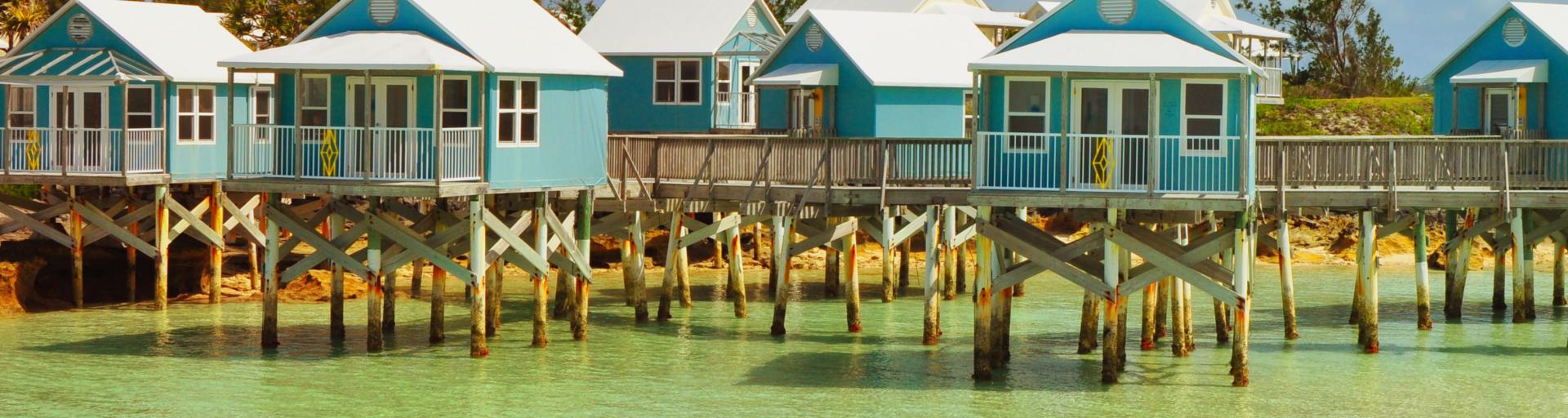
Bermuda is visited without a car, because the law forbids visitors from renting one. That constraint, surprising at first, ends up shaping the whole trip: you take the pink bus, the ferry, a scooter or an electric minicar, and you choose where to stay according to the network. Here is how the archipelago is organised.
The essentials in four lines
- Fly into L. F. Wade (BDA) with a connection from Montreal, usually via Toronto or the US east coast.
- No car rental for visitors: bus, ferry, taxi, scooter or two-seat electric minicar.
- The Bermudian dollar is at par with the US dollar and both circulate. Driving is on the left.
- May to October for swimming. From December to March the water drops below 20 °C: this is not a winter destination.
Getting around, in detail
The pink bus network covers the archipelago from Hamilton, with stops marked by poles: pink for services toward the city, blue for those heading away. Ferries link Hamilton to St George’s, the dockyard and several intermediate points, often faster than the road.
A one, two, three or seven-day transport pass covers both networks and is bought at the terminal. It is by far the cheapest solution.
Scooters remain widely used but call for caution: narrow roads, blind bends, left-hand driving and sudden rain. The electric minicar, available to rent for the past few years, is a more reassuring compromise.
The three hubs
Hamilton
The capital, in the centre, with the shops, restaurants, offices and the ferry terminal. It is the most practical base for anyone planning to move around. You pass businessmen in Bermuda shorts and knee socks: perfectly serious professional dress here.
St George’s
At the eastern end, founded in 1612, the oldest continuously inhabited English town in the New World and a UNESCO World Heritage site. Limestone lanes, a church unfinished since 1874, historical re-enactments on the main square.
The dockyard
At the western end, the former Royal Naval yard houses a maritime museum, craft workshops and the cruise terminal. You arrive by ferry from Hamilton in twenty minutes.
The beaches, in the south
They are concentrated on the south shore, between Southampton and Warwick parishes, linked by a continuous coastal path.
Horseshoe Bay is the best known and the best equipped. Take the path west: ten minutes brings you to a series of tiny coves, one of them a sheltered natural pool, perfect with small children. Warwick Long Bay, further along, is far quieter. Church Bay, small and at the bottom of a staircase, has the best shore-accessible snorkelling.
The sand tends toward pink because of a microscopic organism with a red shell that lives beneath the reefs; the tint shows best at sunrise and sunset.
Underwater
The reef platform surrounding the archipelago has sunk more than three hundred ships in four centuries. Many wrecks lie between eight and twenty metres, within reach of novice divers and sometimes snorkellers. It is the best wreck diving in the North Atlantic.
What to know before booking
Bermuda is not in the Caribbean: the archipelago sits in the North Atlantic, at the latitude of South Carolina. From December to March the air hovers near 19 °C and the water drops below 20: it is a destination for walking, golf and heritage, not for the beach. Many hotels close or cut services in those months.
All-inclusive barely exists: hotels sell by the room and you eat in the island’s restaurants, at prices among the highest in the world. Our criteria for choosing an all-inclusive hotel remain useful for comparing with a Caribbean destination, if only to measure the gap. If your goal is sand and warm water in February, our guide to winter sun destinations will serve you better.
When to go
From May to October the air holds between 26 and 30 °C and the sea reaches 27 in August. That is the only real beach season, and the hotel high season.
April and November are the two hinges: pleasant for everything except long swims, at lower rates. Our guide on when to travel south from Montreal sets out the pricing calendar.
To plan this trip, see also our Bermudes page and judging value for money.


