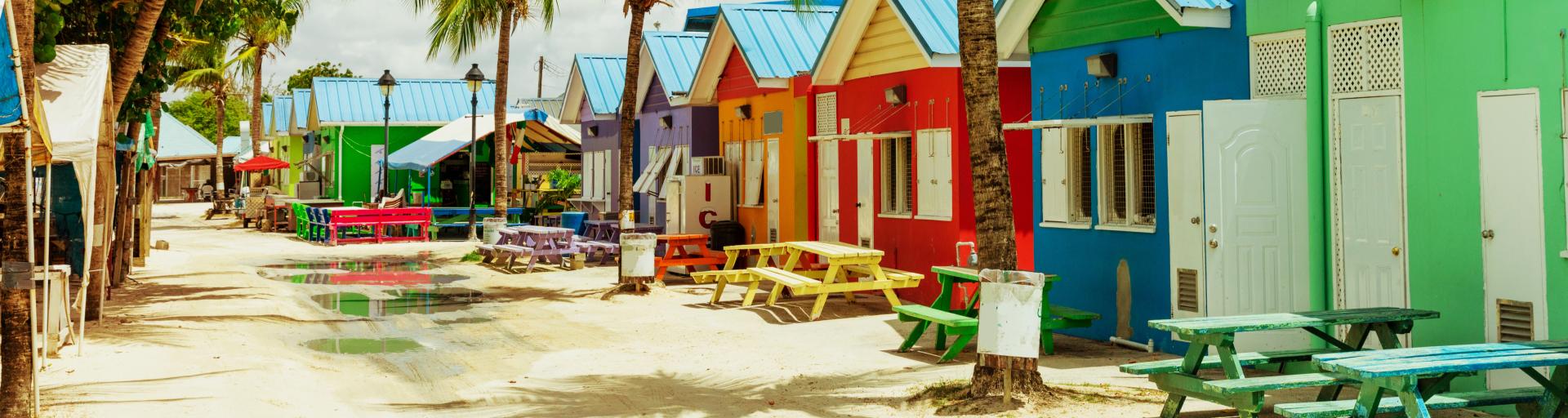
In Barbados everything hinges on which coast you pick. The island is the easternmost of the Antilles, out in the Atlantic, and its three coasts share neither the same sea, nor the same wind, nor the same mood. Choosing Barbados without choosing a coast is flipping a coin on your week.
The essentials in four lines
Which coast: the west for calm water and upscale hotels, the south for life and lower prices, the east for scenery and definitely not for swimming.
Best time to go: December to May, outside the rainy season. Hurricane season runs June to November.
Entry: Canadian passport valid for the length of the stay, no visa up to one hundred and eighty days, arrival form to complete at immigration.
Worth knowing: traffic drives on the left and English is everyone’s language.
Three coasts, three holidays
The west coast, known as the Platinum Coast
Facing the Caribbean Sea, sheltered from the wind. The water is flat, the beaches short and tree-lined, and this is where the island’s most expensive hotels sit, between Holetown and Speightstown. It is the coast for couples and for families with young children.
The south coast, around Dover and St Lawrence Gap
More wind, more waves, far more life. St Lawrence Gap packs restaurants and bars into a few hundred metres, within walking distance of the hotels. Rates run noticeably lower than the west for the same category. It is the best value on the island.
The east coast, facing the Atlantic
Bathsheba and its mushroom-shaped rocks, permanent swell, surfers and almost no hotels. You go for the day, for the landscape and for lunch. You do not swim: the currents are dangerous and there is no lifeguard.
When to go
From December to May the island is dry and the trade wind tempers the heat. That is high season, and it is markedly more expensive around the holidays.
The rainy season and hurricane season overlap, June to November. Barbados is the easternmost of the Antilles, which often places it at the edge of storm tracks, but heavy rain can cause flooding and landslides.
What you need in hand
A Canadian passport valid for the whole stay. No visa is required for a tourist stay of up to one hundred and eighty days, and the immigration officer sets the length granted on arrival.
An arrival form must be completed at immigration. Officers may ask for a return ticket, proof of accommodation and proof of sufficient funds.
For the current official advice, see the country page on travel.gc.ca.
On the ground
Money
The Barbadian dollar is pegged to the US dollar at a fixed two-to-one rate. Both circulate, and change often comes back in Barbadian dollars. The mental arithmetic is easy.
Getting around
Traffic drives on the left. Route buses and ZR minibuses cover the south and west coasts well for a few dollars, and riding one is an experience in itself. Renting a car requires a temporary local permit, issued on the spot.
Bridgetown
The capital and its garrison are a World Heritage site. Allow half a day, ideally on a day with no cruise ship in port.
Eating
On Friday nights the fishing village of Oistins turns into a huge open-air fish fry. It is the most popular thing on the island, and deservedly so.
Who Barbados suits
Travellers who want an English-speaking island that is safe and easy, with real local life next to the hotels. Couples looking for upscale on the west coast. Anyone who cares about food, because Barbados holds up far better than the Antillean average.
Less so anyone after a large low-cost all-inclusive. The format exists, but the island leans toward mid-sized hotels, and its cost of living runs higher than the Spanish-speaking Antilles.
To plan this trip, see also Bridgetown, Dover, how to choose an all-inclusive hotel and the All-inclusive vacations section.


