Choose a Cruiseline or a ship
Question or 
quote?

Ask an agent

American Cruise Lines: an 1886 law that explains almost everything

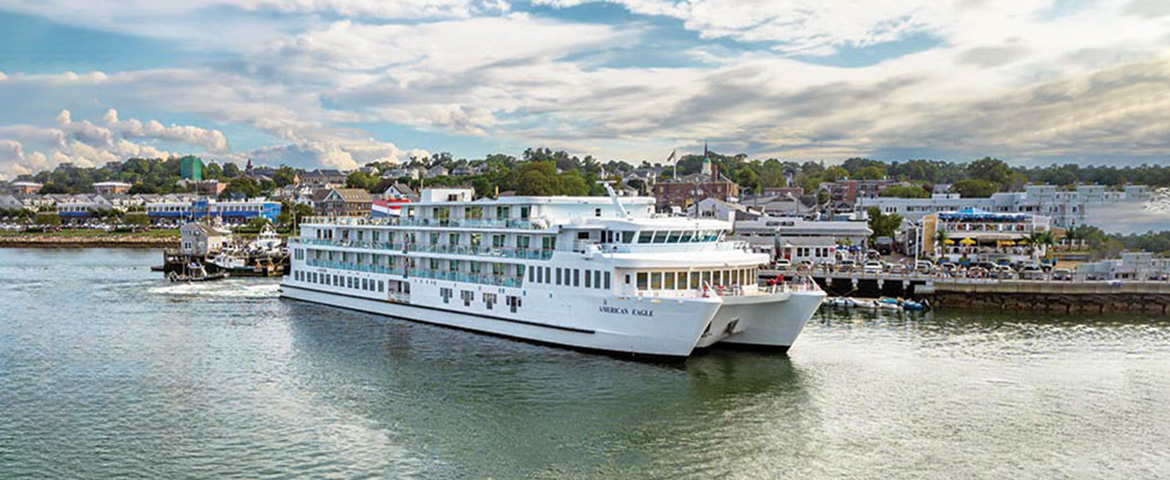
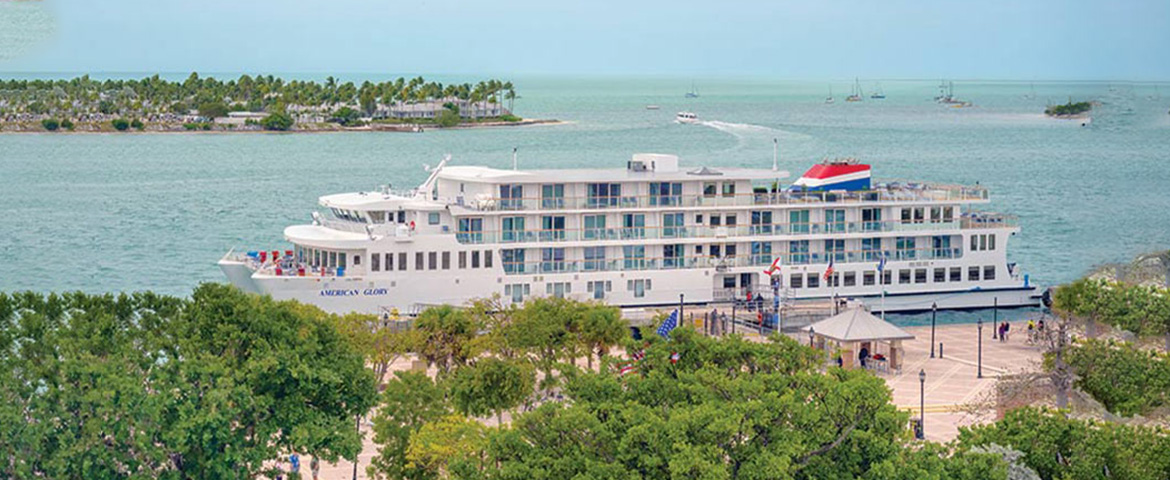
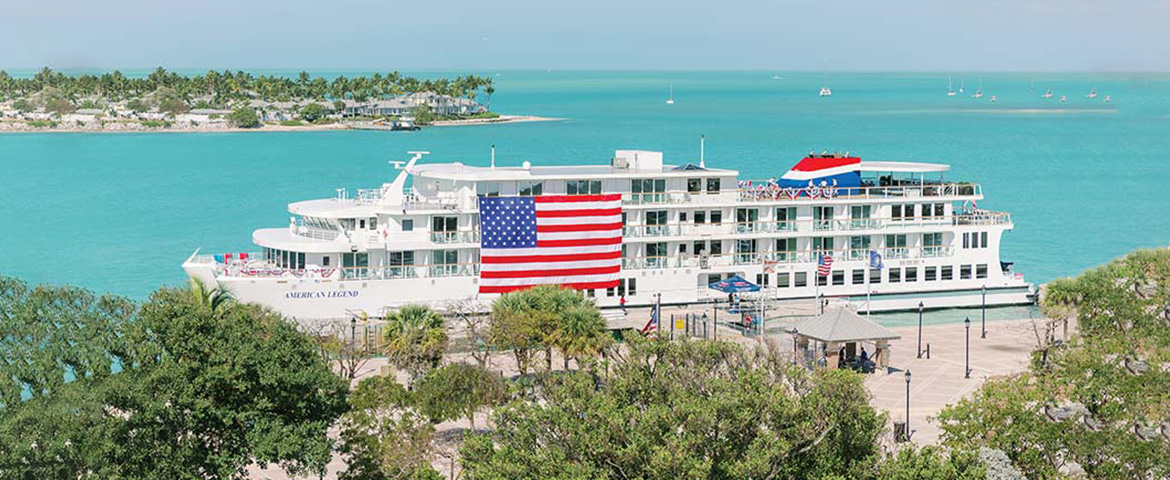
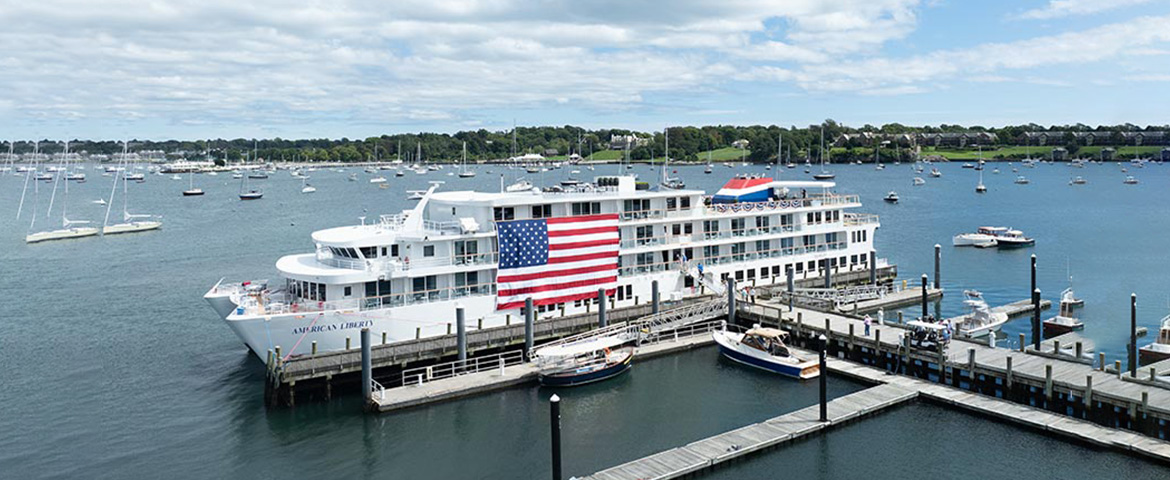
This line is among the most heavily programmed on our calendar, and its booking window is the furthest ahead we carry: you will find dates here that nobody else has opened yet. American Eagle is the most programmed, ahead of American Glory, American Legend and American Liberty. The number of cruises currently on offer is shown at the top of this page.

Many departures, few routes

Few routes for a very large number of departures: these ships repeat the same runs, very often, on short loops. You pick a date and a region, not a rare itinerary. It is the exact opposite of an expedition fleet, and it is what makes the product easy to book late.

The line owns its ships

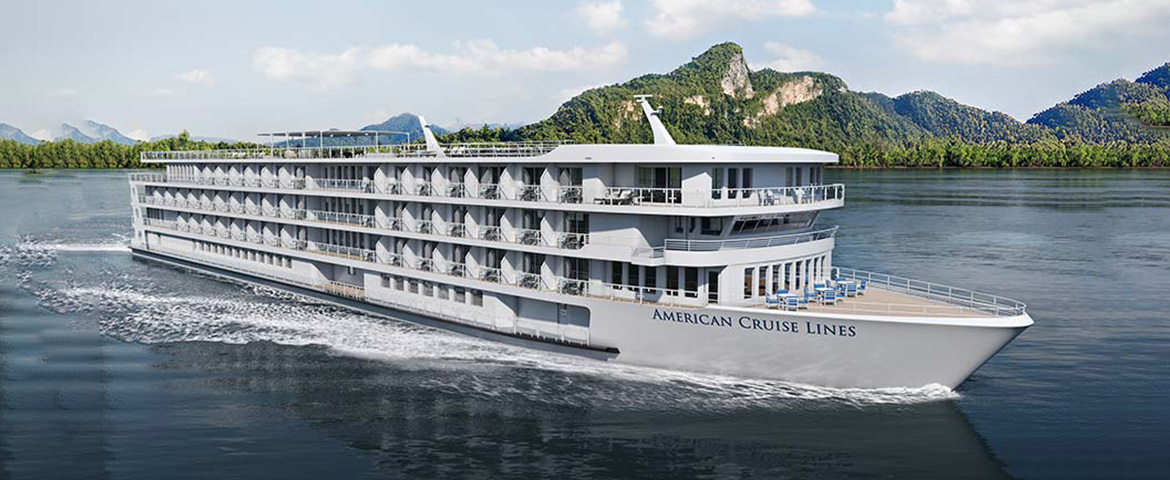
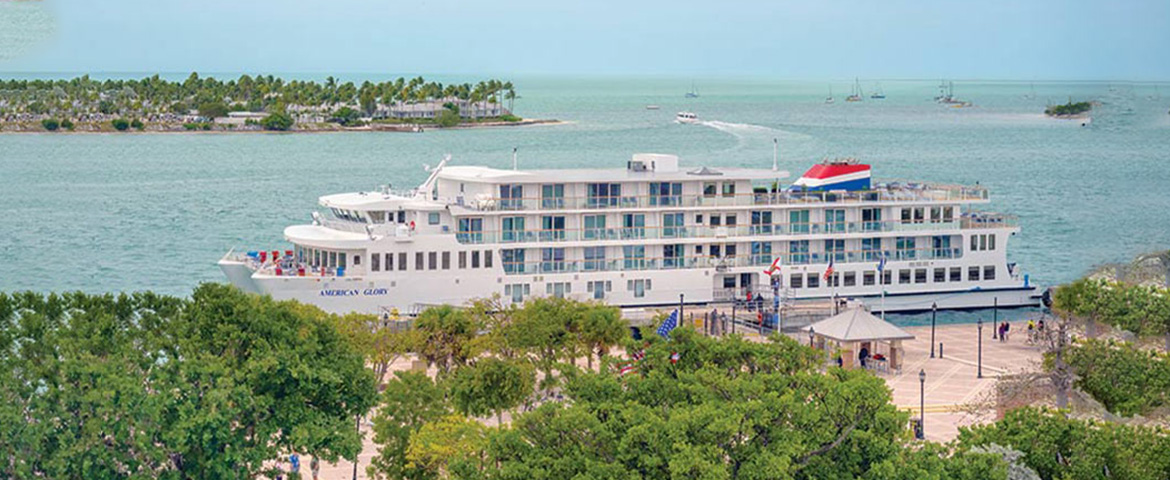
In a group where three lines out of four sell ships they do not own, this one is the exception. It has its ships built in the United States, registers them under the American flag and crews them with Americans. All its new ships come from the same Maryland yard; the two companies share a founder and a director, but the exact ownership link is not public, and we will not say it owns its yard.

Why it never touches Canada

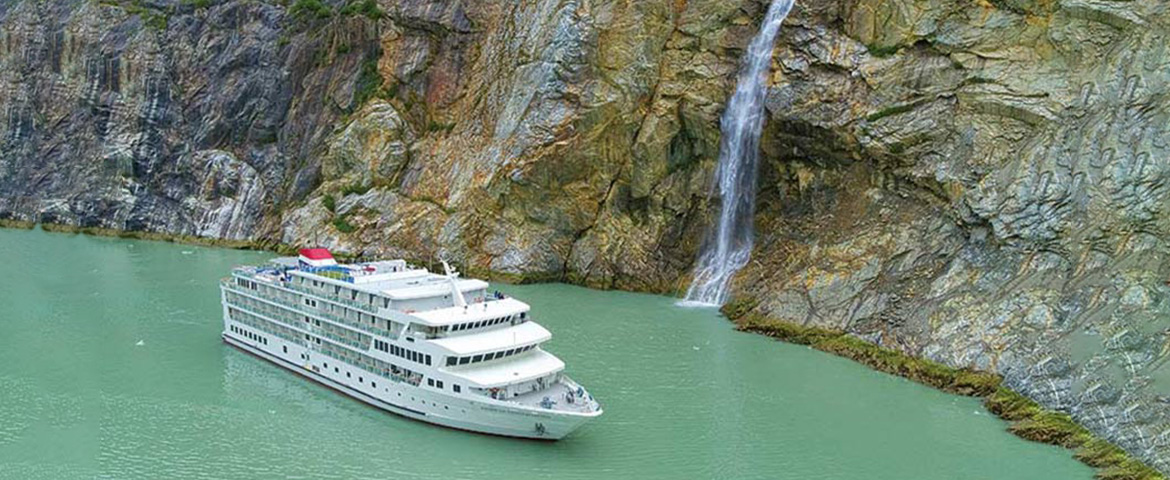
This is not an oversight, it is the business model. The Passenger Vessel Services Act of 1886 — the passenger law, often confused with the Jones Act of 1920, which covers freight — reserves carriage between two American ports to ships built in the United States, owned by American citizens and registered with a coastwise endorsement. This line meets all three conditions, so it needs no foreign call. Foreign-flag ships do need one: that is why Alaska cruises out of Seattle stop at Victoria or Vancouver. Here you board at Juneau, Ketchikan or Tacoma, and you will not see Canada.

A piece of the line's advice that does not apply to you

It suggests leaving your passport at home, since all its departures are American. That sentence is written for an American clientele. A Quebec resident entering the United States needs a valid passport and must meet American entry requirements, which are checked with government sources and not with the cruise line. It is the kind of detail settled in three minutes at booking that otherwise costs a trip to the airport.

Accessibility: better, with two reservations

The line announces accessible cabins and an elevator, because it is subject to the American disability act. That is a real gap with the European river ships in this group, one of which declares it has no accessible cabin at all. Two honest reservations, though: its FAQ notes that three ships have only limited elevator access, and in January 2024 it reached a settlement with the American Department of Justice committing it to make the fleet more accessible, to appoint a compliance officer and to train its staff. The exact state ship by ship is not published: have it confirmed.

The rhythm on board

Quiet, and better known in advance. There is no casino, no separate bar, no specialty restaurant, and evenings end early. The clientele is elderly. That is not a criticism, it is a profile: someone expecting the feel of a Caribbean ship has the wrong product, and someone who wants to see America by its rivers is exactly in the right place.
Frequently Asked Questions

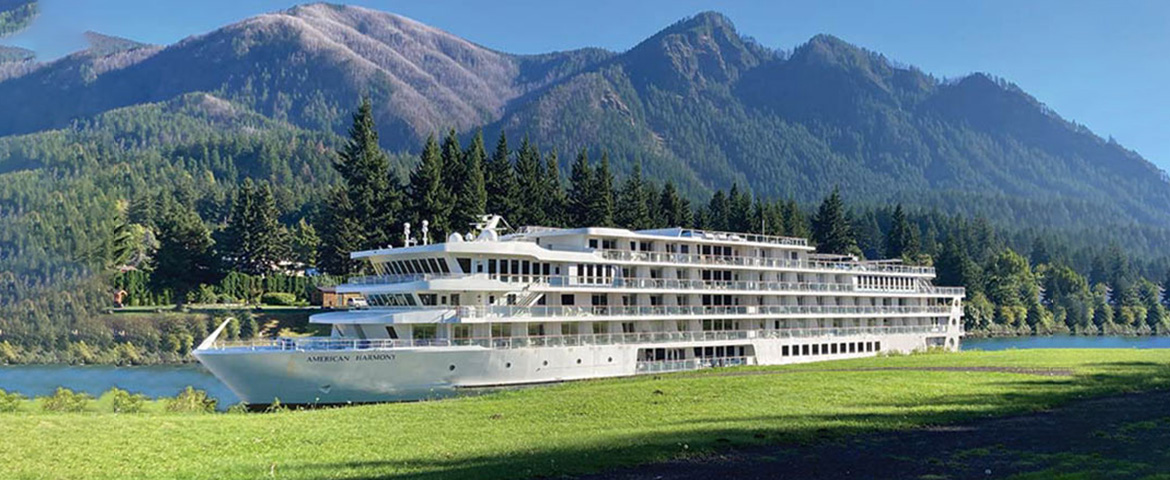
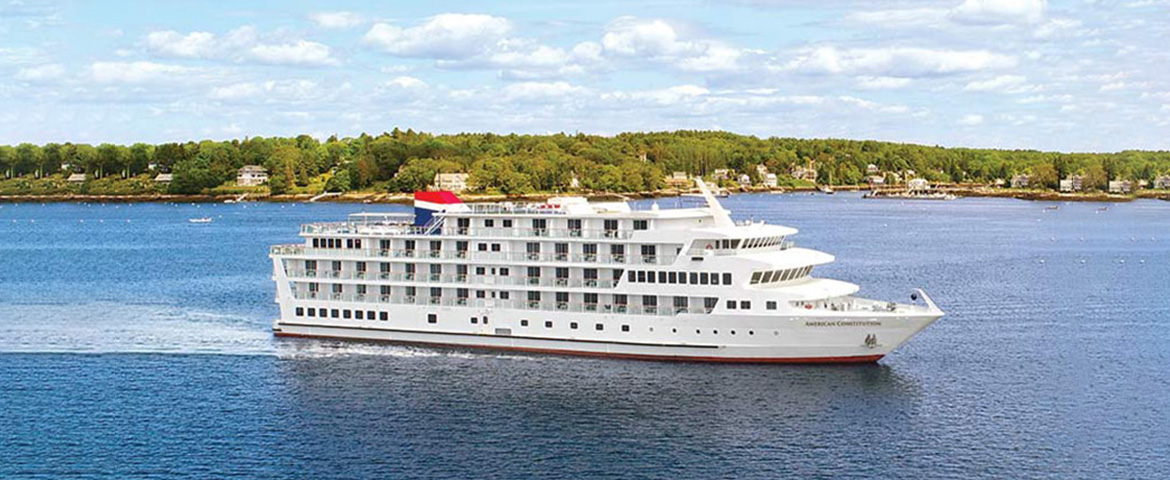
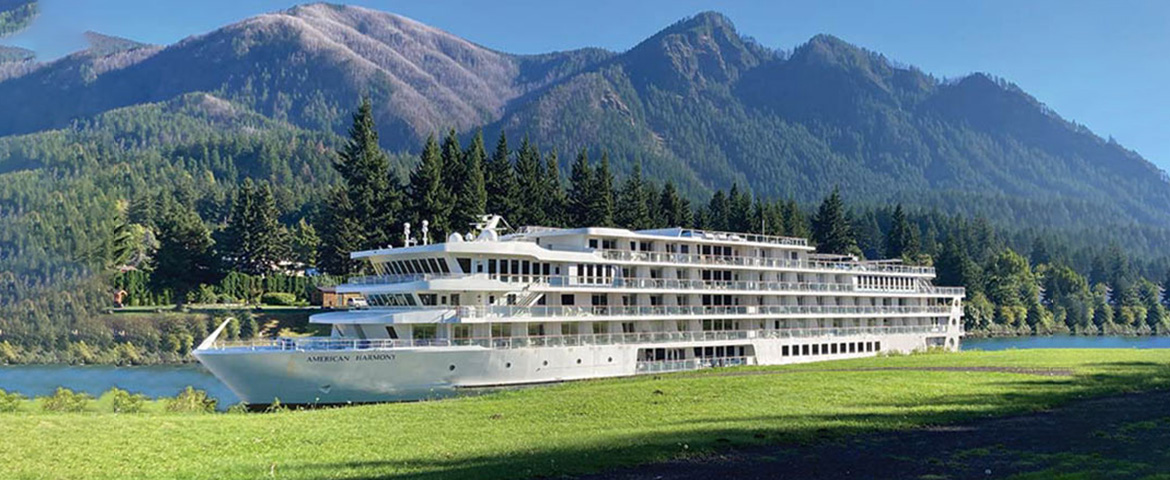
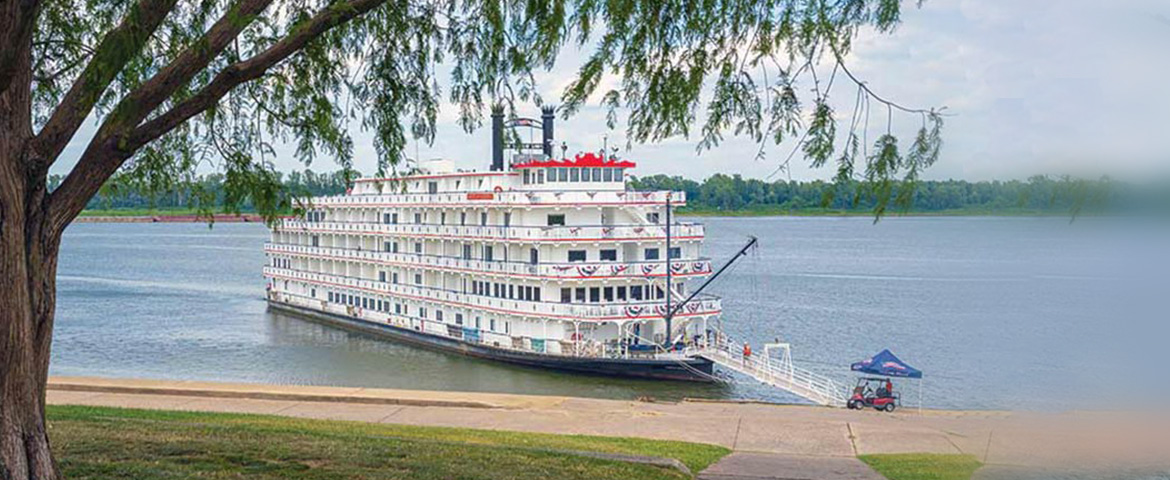
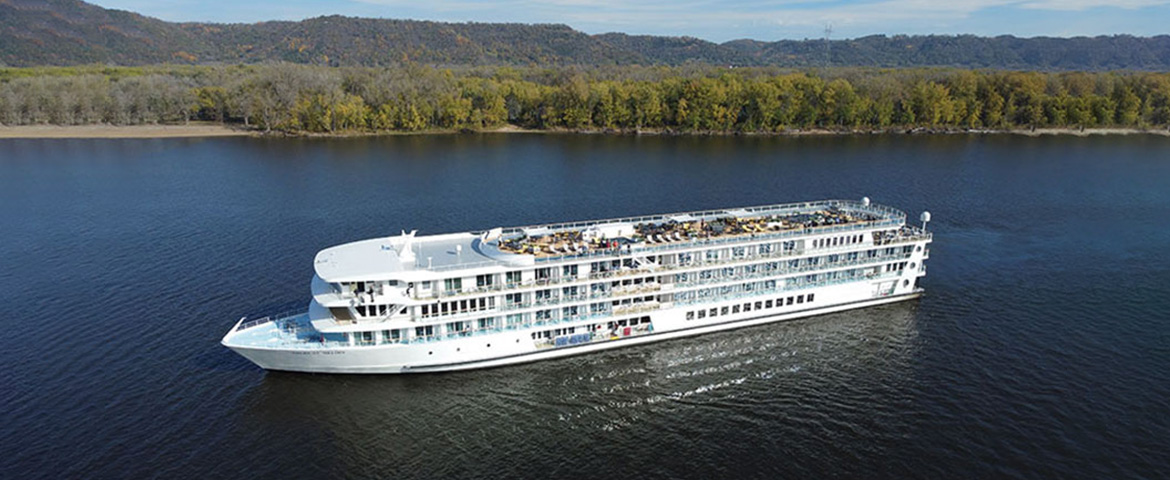
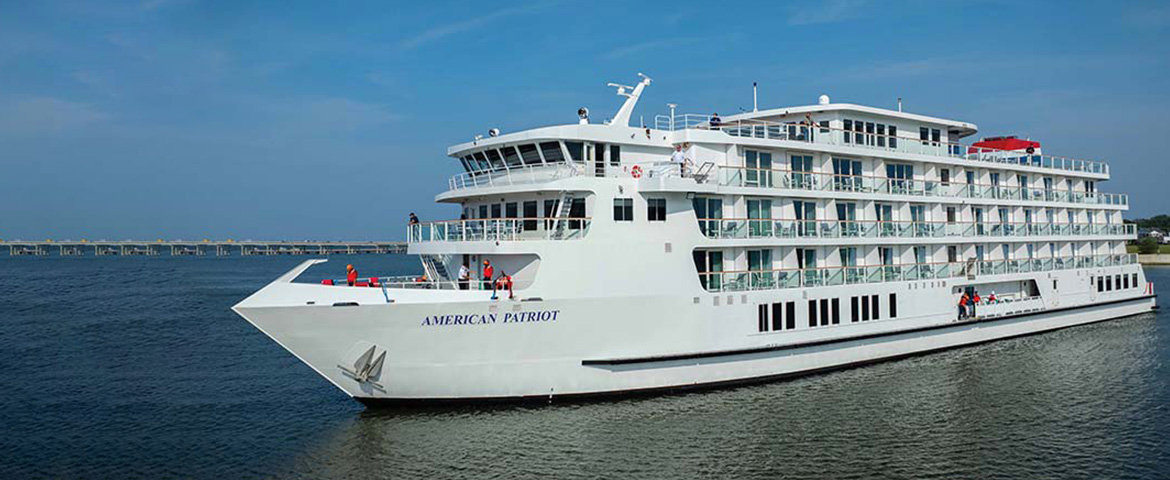
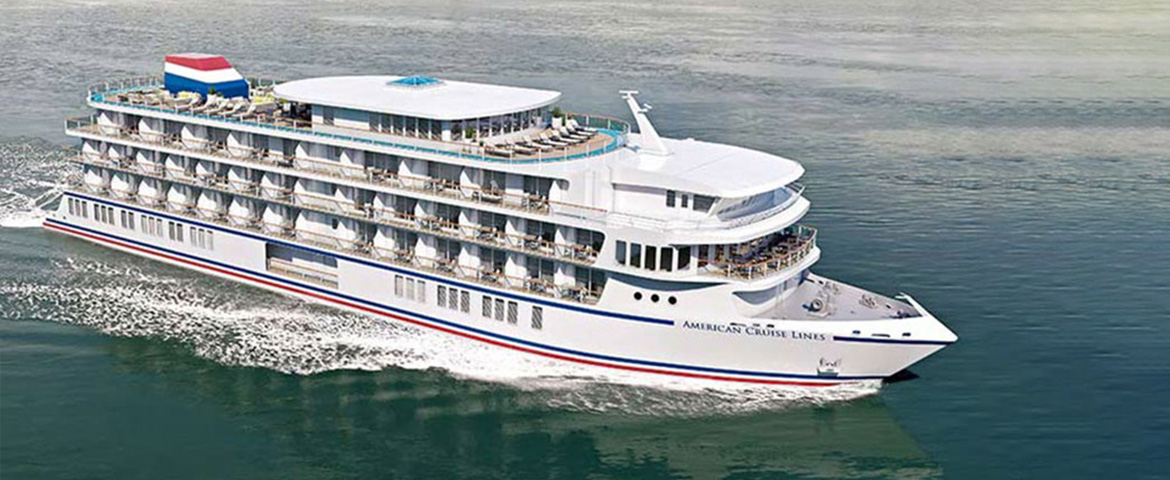
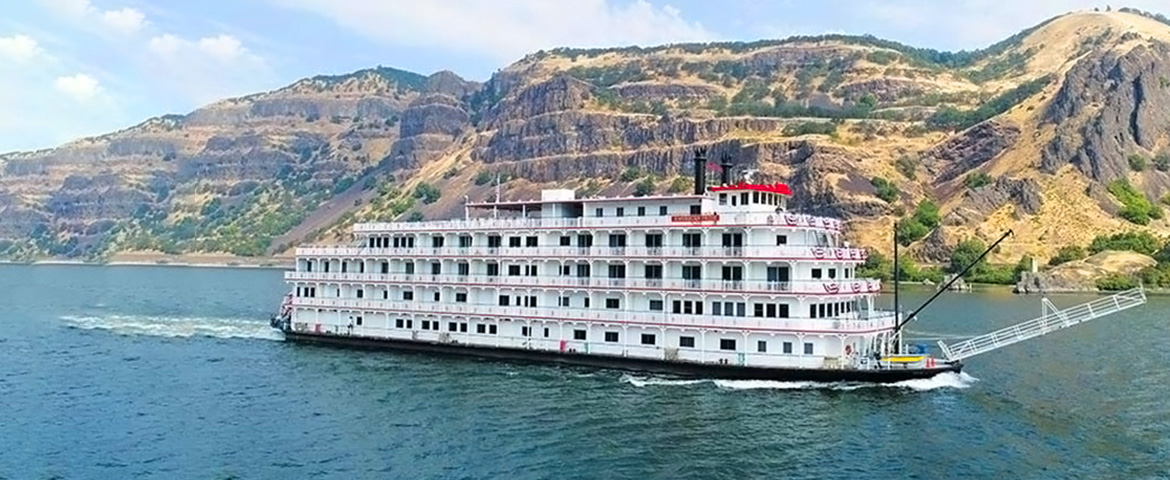
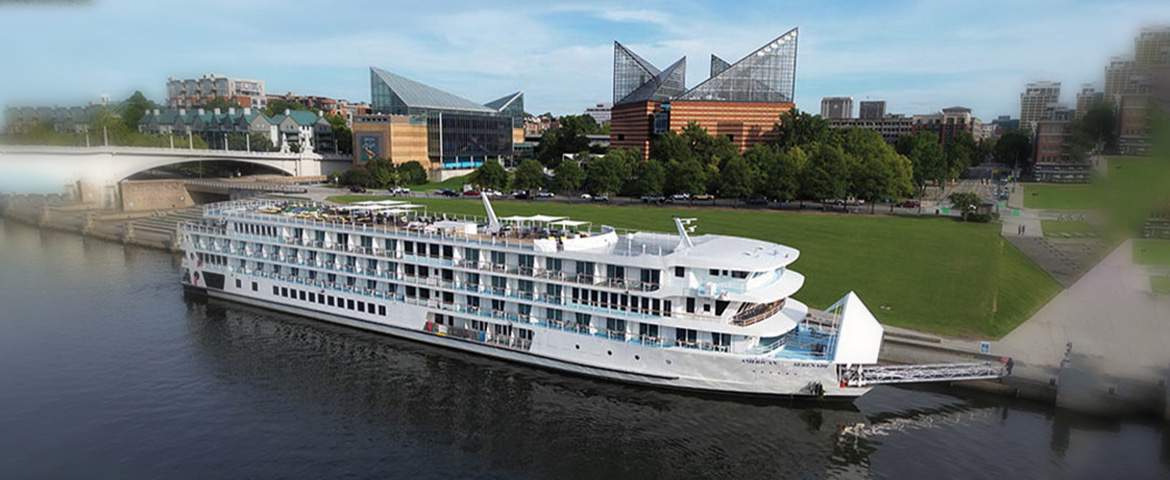
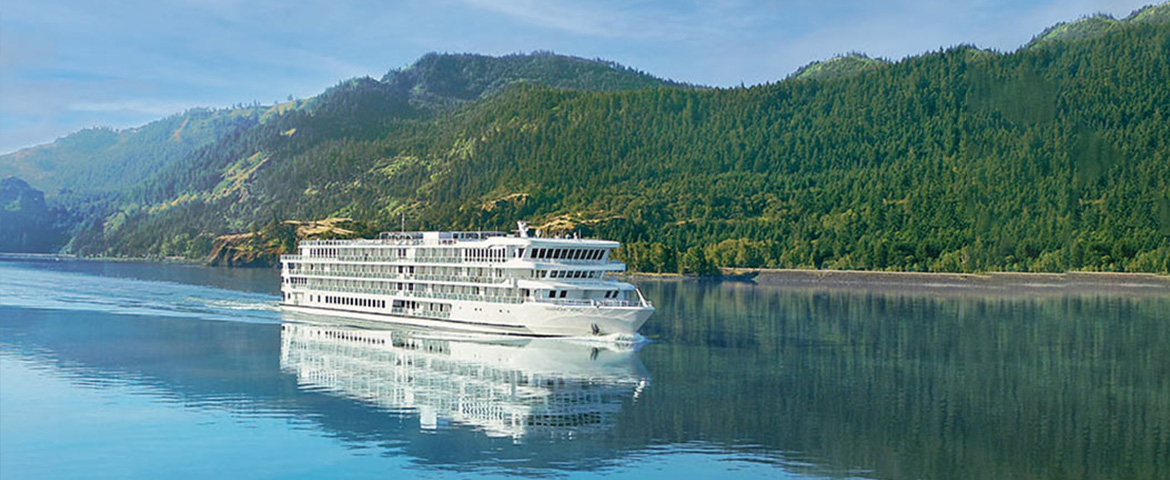
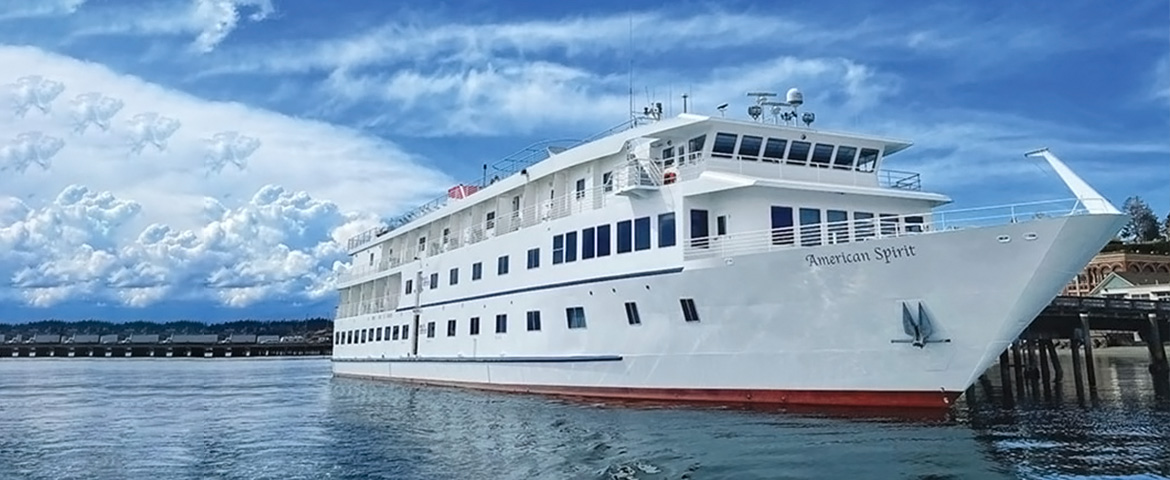
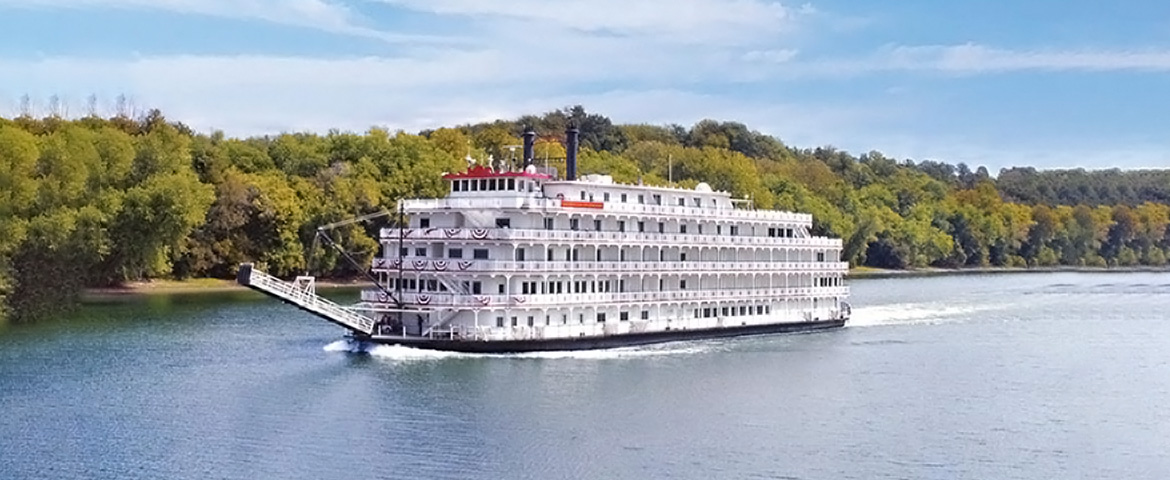
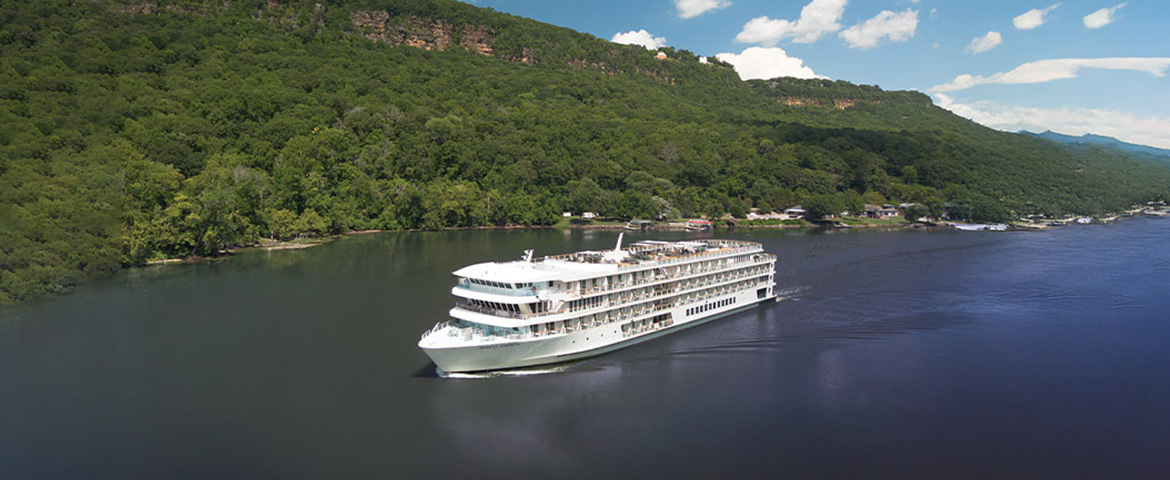
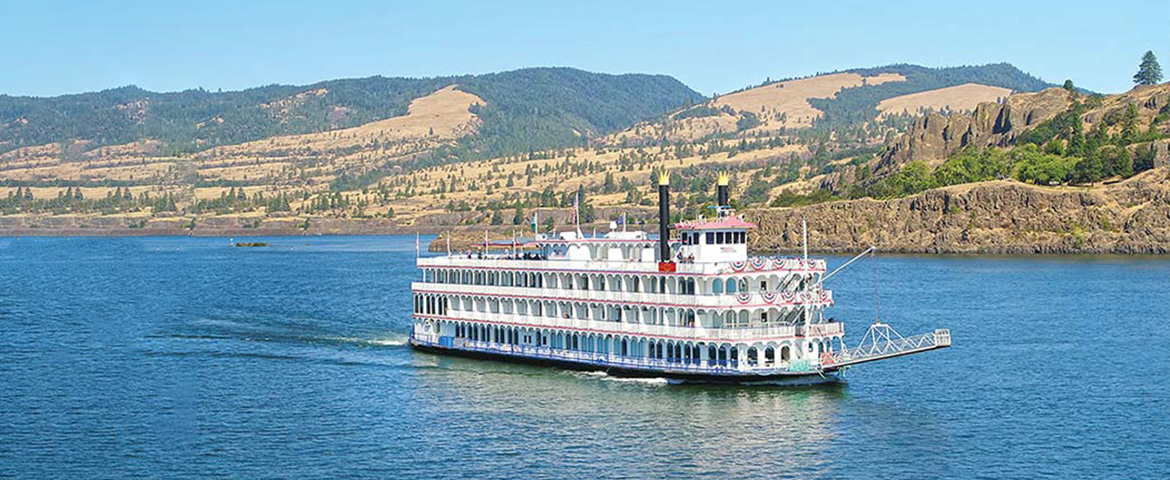
A fleet of around fifteen small ships — paddlewheelers, coastal catamarans and river vessels — all built in the United States and all on our calendar. The number of cruises currently on offer is shown at the top of this page.
Because these ships repeat the same runs, very often, on short loops. You pick a date and a region, not a rare itinerary. It is the opposite of an expedition fleet, and it is what makes the product easy to book late.
It owns its ships. It has them built in the United States, registers them under the American flag and crews them with Americans. In a group where three lines out of four sell ships they do not own, that is the exception.
Because that is the business model. The Passenger Vessel Services Act of 1886 — the passenger law, often confused with the Jones Act of 1920, which covers freight — reserves carriage between two American ports to ships built in the United States, owned by American citizens and registered with a coastwise endorsement. This line qualifies, so it needs no foreign call. Others do: that is why Alaska cruises out of Seattle stop at Victoria or Vancouver.
No. That sentence is written for an American clientele boarding in an American port. A Quebec resident entering the United States needs a valid passport and must meet American entry requirements. Check those with government sources, not with the cruise line.
More so than the European river ships, and measurably: the line announces accessible cabins and an elevator, because it is subject to the American disability act. Two honest qualifications, though. Its FAQ notes that three ships have only limited elevator access. And in January 2024 it reached a settlement with the American Department of Justice committing it to make the fleet more accessible, to appoint a compliance officer and to train its staff.
Quiet, and better known in advance. There is no casino, no separate bar, no specialty restaurant, and evenings end early. The clientele is elderly. That is not a criticism, it is a profile: someone expecting the feel of a Caribbean ship has the wrong product, and someone who wants to see America by its rivers is exactly in the right place.
The line announces at least one excursion in each port, meals, alcoholic and non-alcoholic drinks, crew gratuities and a hotel night before boarding with the transfer to the ship. Higher-grade excursions cost extra. Ask for the written list for your exact departure before booking.
Often, yes. Your advisor can look beyond what appears here. The online catalogue is a way in, not the limit of what exists.
It depends on the departure and the market, not on the line. On these fleets the working language on board is almost always English. If French matters to you, say so before booking: it is checked departure by departure.
On river ships, yes: few cabins, and the grades with a view go early. Talk cancellation terms through with your advisor before you decide.
Your agency, and it alone. Voyages AquaTerra operates under a licence from Quebec's Office de la protection du consommateur, your payments pass through a trust account, and the compensation fund for travel agency clients covers your departure. That holds whichever line you choose.