Malaga Spain Granada
1303
Cruises availables
At departure or passage at this port
Atlas Ocean Voyages (5 Cruises)


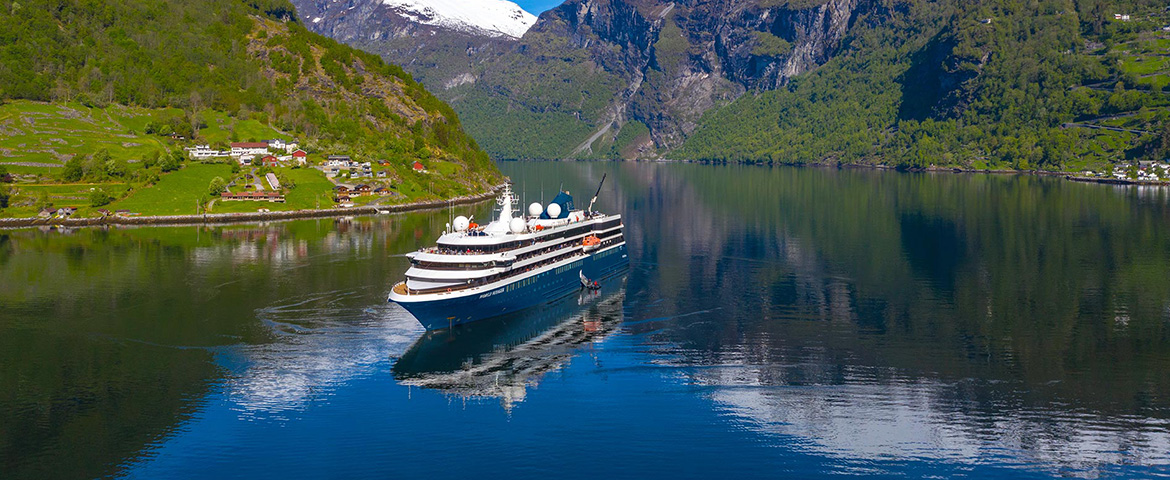

Azamara Club Cruises (88 Cruises)
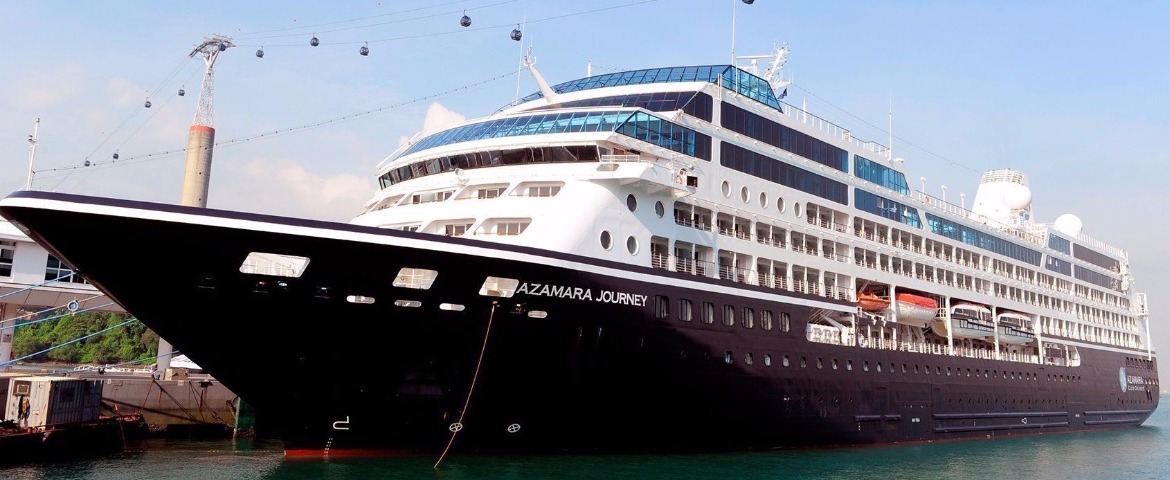
Azamara Journey
43 Cruises

| 29 March | 37 days | One-way from Miami to Fusina Venice |
450-628-6241
Call us
|
| 29 March | 38 days | One-way from Miami to Chioggia |
450-628-6241
Call us
|
| 15 May | 36 days | One-way from Civitavecchia-Rome to Dublin |
450-628-6241
Call us
|
| 22 May | 8 days | One-way from Barcelona to Lisbon |
450-628-6241
Call us
|
| 9 September | 41 days | One-way from Portsmouth UK to Piraeus-Athens |
450-628-6241
Call us
|
| 20 September | 10 days | One-way from Lisbon to Barcelona |
450-628-6241
Call us
|
| 10 November | 39 days | One-way from Fusina Venice to Lisbon |
450-628-6241
Call us
|
| 10 November | 39 days | One-way from Venice to Lisbon |
450-628-6241
Call us
|
| 15 February | 39 days | One-way from Piraeus-Athens to Lisbon |
450-628-6241
Call us
|
| 15 February | 39 days | One-way from Piraeus-Athens to Lisbon |
450-628-6241
Call us
|
Azamara Onward
27 Cruises
| 1 March | 93 days | One-way from Sydney to Barcelona |
450-628-6241
Call us
|
| 1 March | 94 days | One-way from Sydney to Barcelona |
450-628-6241
Call us
|
| 10 April | 54 days | One-way from Singapore to Barcelona |
450-628-6241
Call us
|
| 10 April | 53 days | One-way from Singapore to Barcelona |
450-628-6241
Call us
|
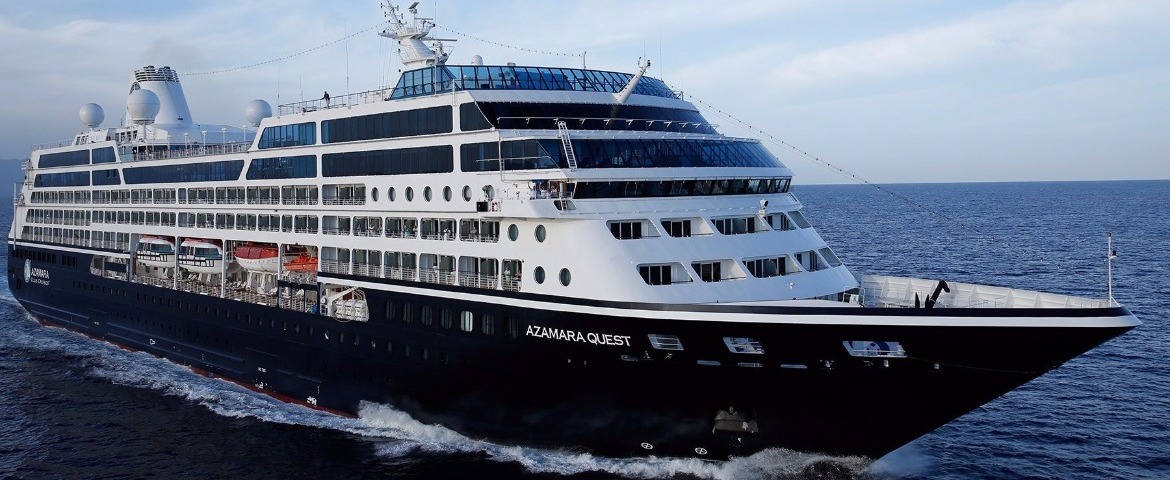
Azamara Quest
18 Cruises
Carnival Cruise Line (5 Cruises)




Celebrity Cruises (34 Cruises)




Celebrity Equinox
10 Cruises

Celebrity Infinity
10 Cruises


Celestyal Cruises (26 Cruises)
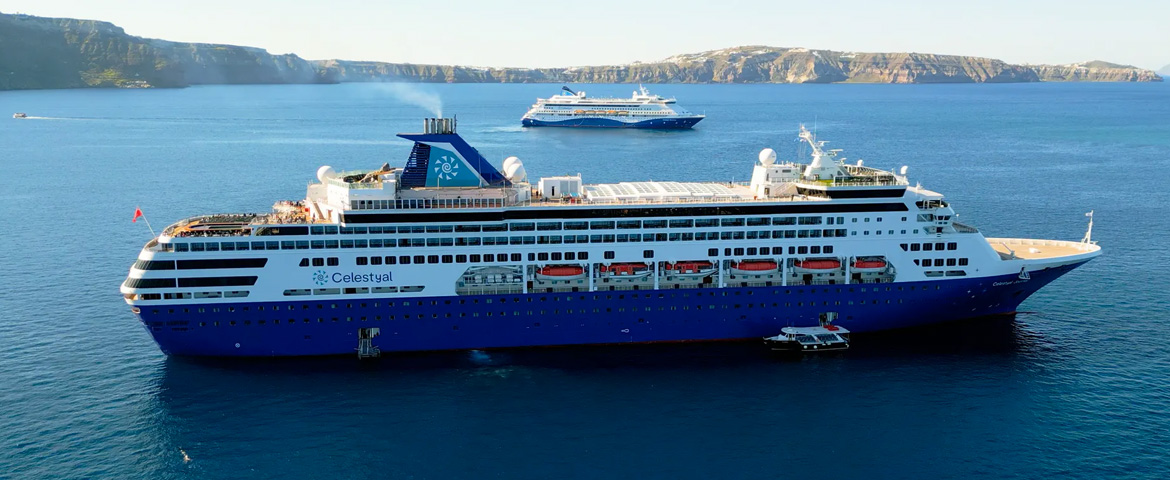
Celestyal Discovery
26 Cruises

Costa Cruises (162 Cruises)
Costa Diadema
39 Cruises


Costa Fascinosa
34 Cruises

| 28 February | 24 days | One-way from La Romana to Genoa |
450-628-6241
Call us
|
| 28 February | 25 days | One-way from La Romana to Marseille |
450-628-6241
Call us
|
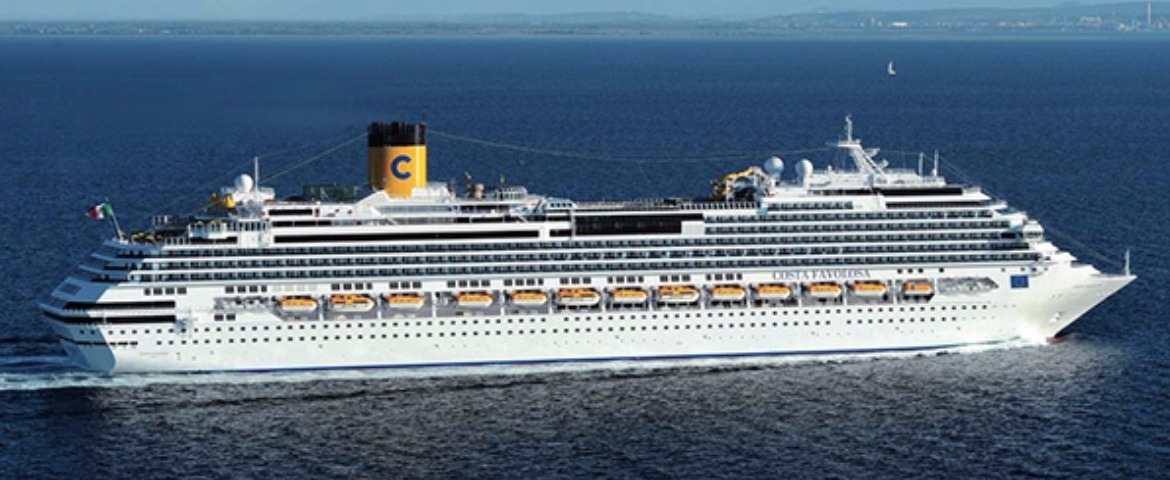
Costa Favolosa
18 Cruises
Costa Pacifica
47 Cruises

| 1 February | 13 days | Round-trip from Marseille, France |
450-628-6241
Call us
|
| 2 February | 13 days | Round-trip from Savona, Italy |
450-628-6241
Call us
|
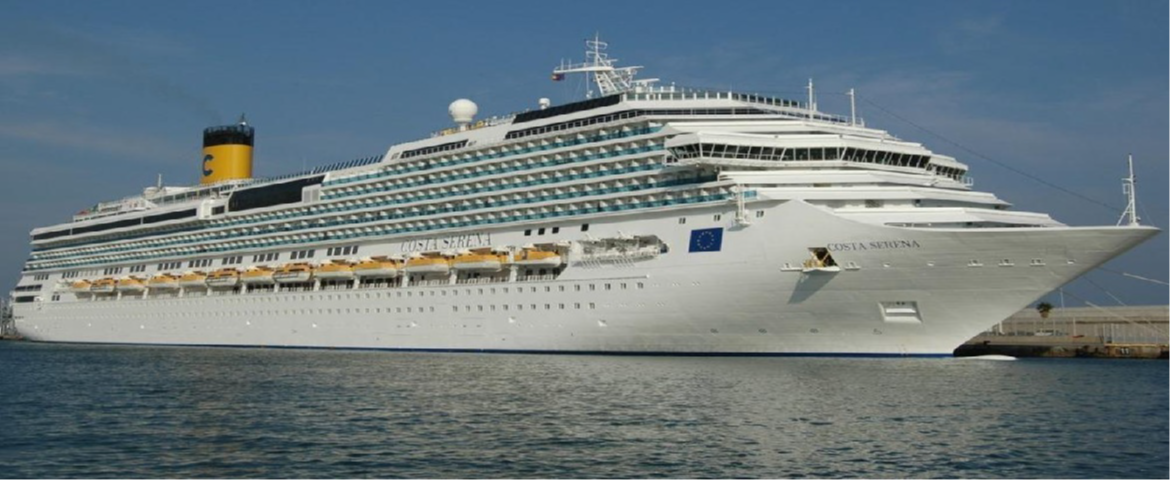
Costa Serena
9 Cruises
Costa Smeralda
15 Cruises

CroisiEurope (7 Cruises)


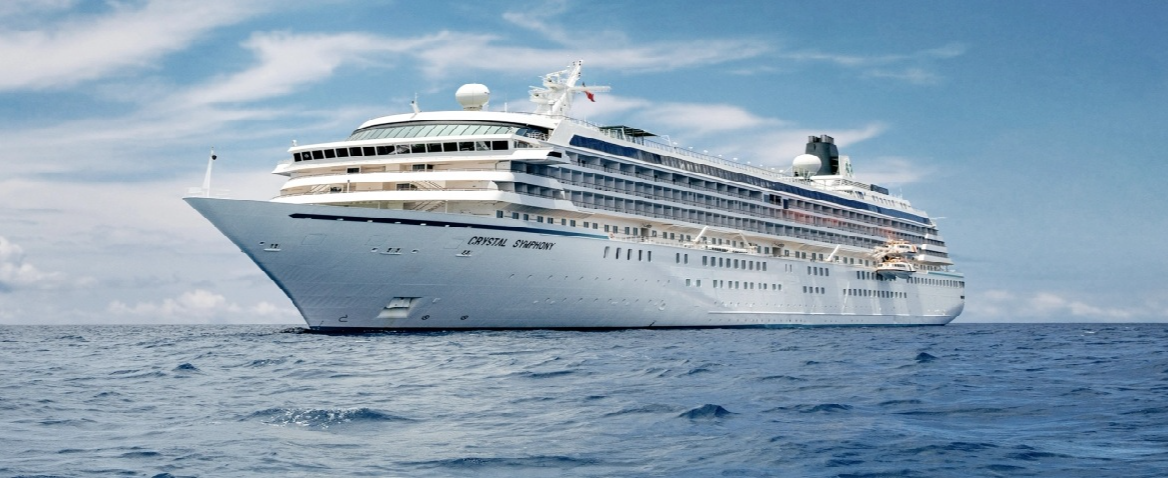
Crystal Cruises (2 Cruises)

Cunard (13 Cruises)
Queen Anne
4 Cruises


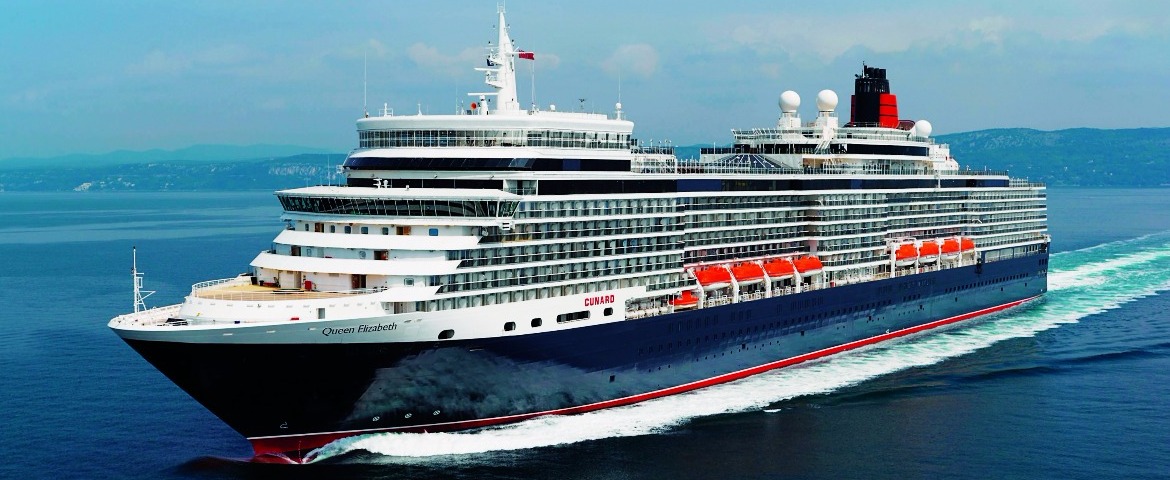
Queen Mary 2
4 Cruises

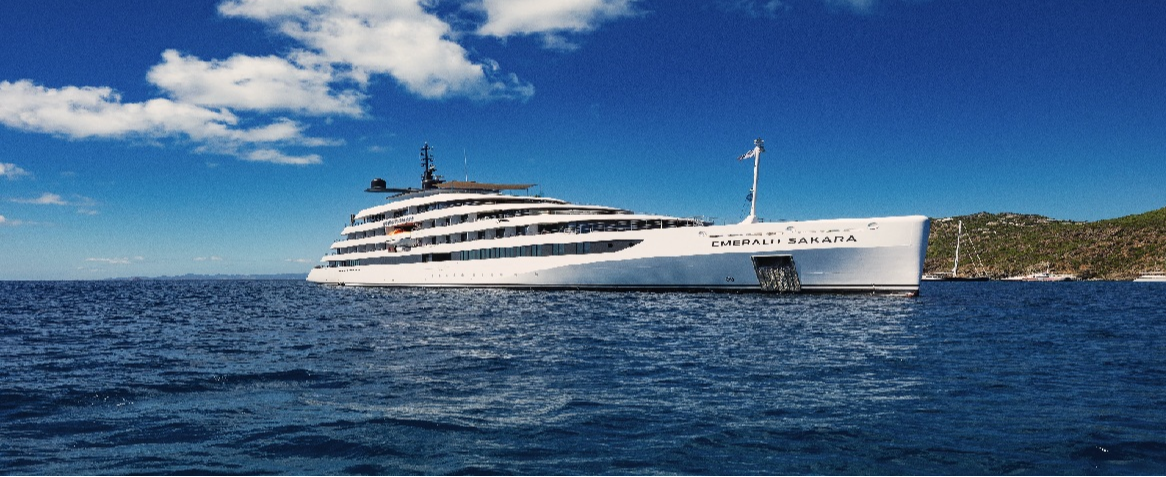
Emerald Waterways (18 Cruises)
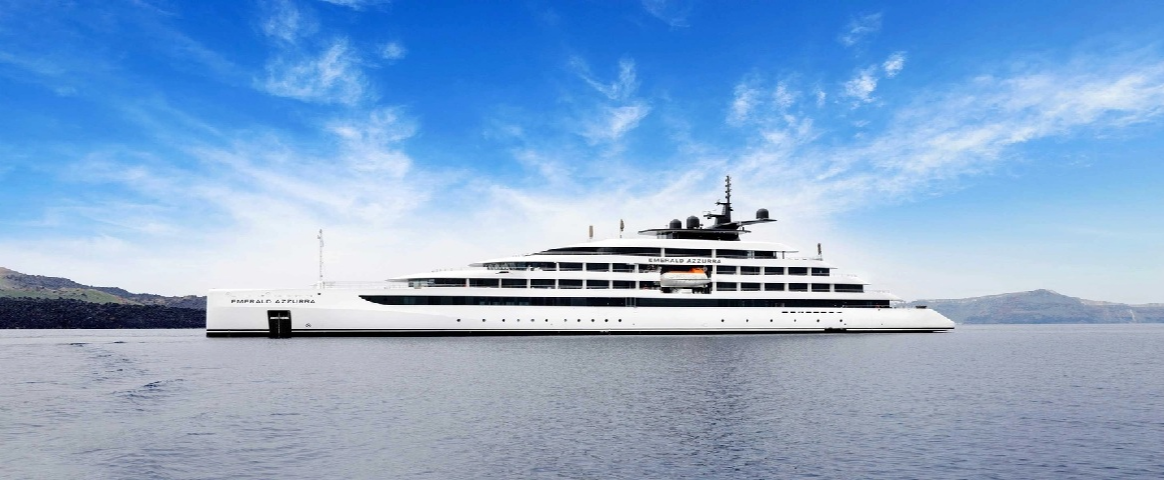

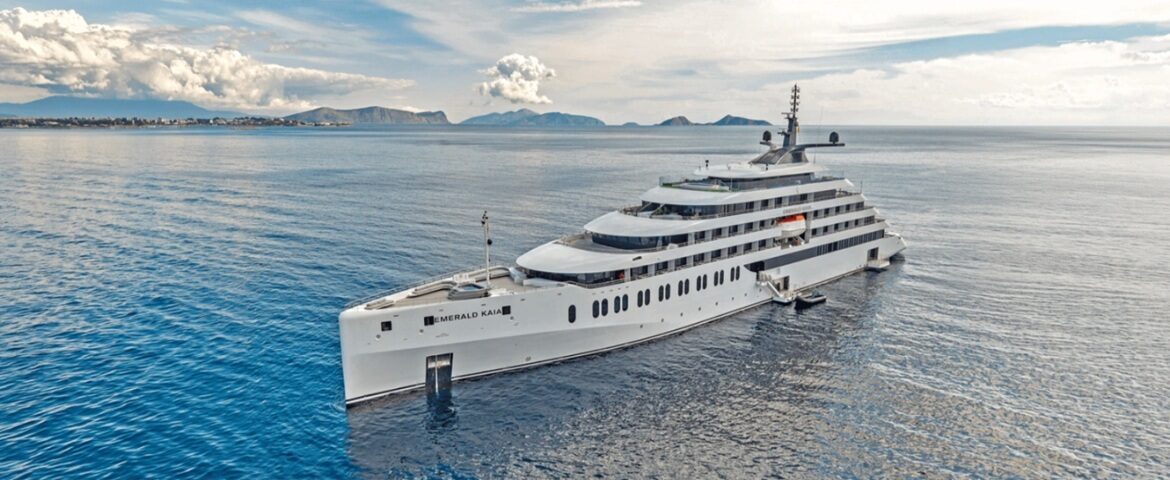
Emerald Kaia
8 Cruises
Explora Journeys (36 Cruises)
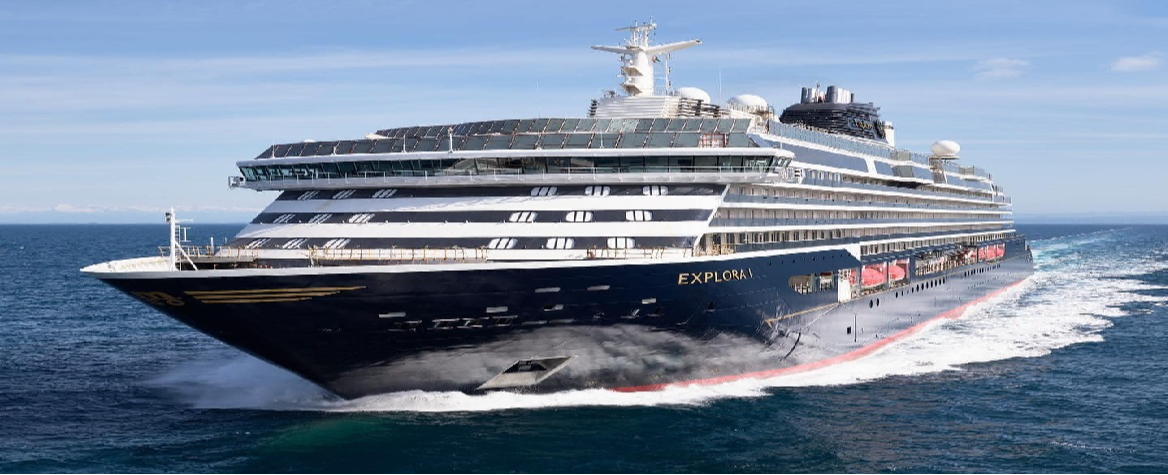
Explora I
5 Cruises

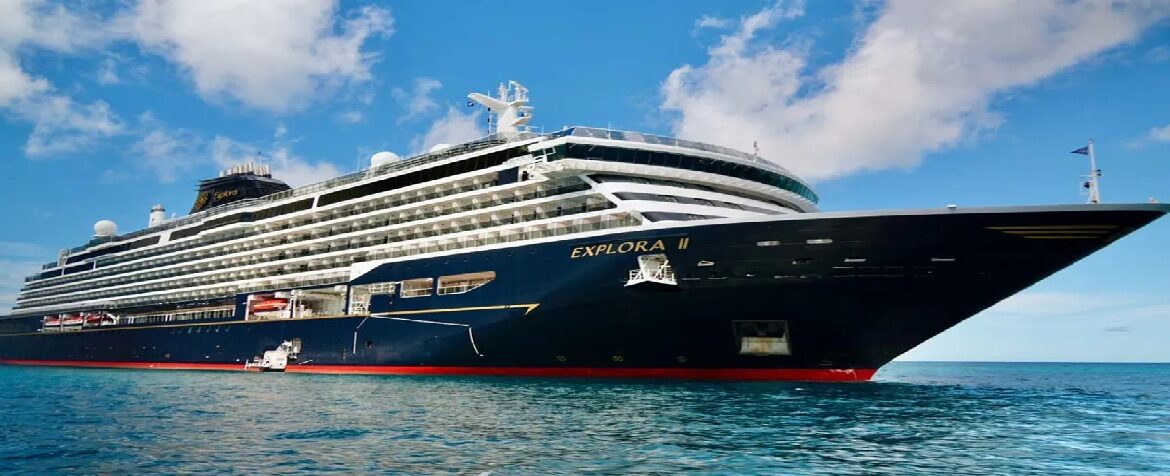
Explora II
27 Cruises
| 29 November | 30 days | One-way from Piraeus-Athens to Barcelona |
450-628-6241
Call us
|
| 29 November | 29 days | One-way from Piraeus-Athens to Barcelona |
450-628-6241
Call us
|
| 19 March | 17 days | One-way from Miami to Barcelona |
450-628-6241
Call us
|
| 19 March | 24 days | One-way from Miami to Barcelona |
450-628-6241
Call us
|

Holland America Line (23 Cruises)
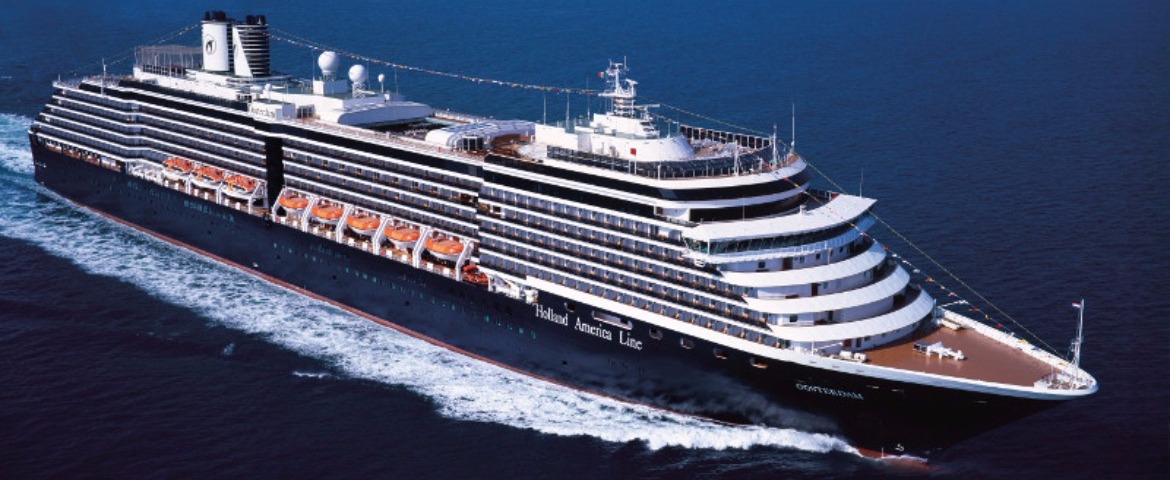
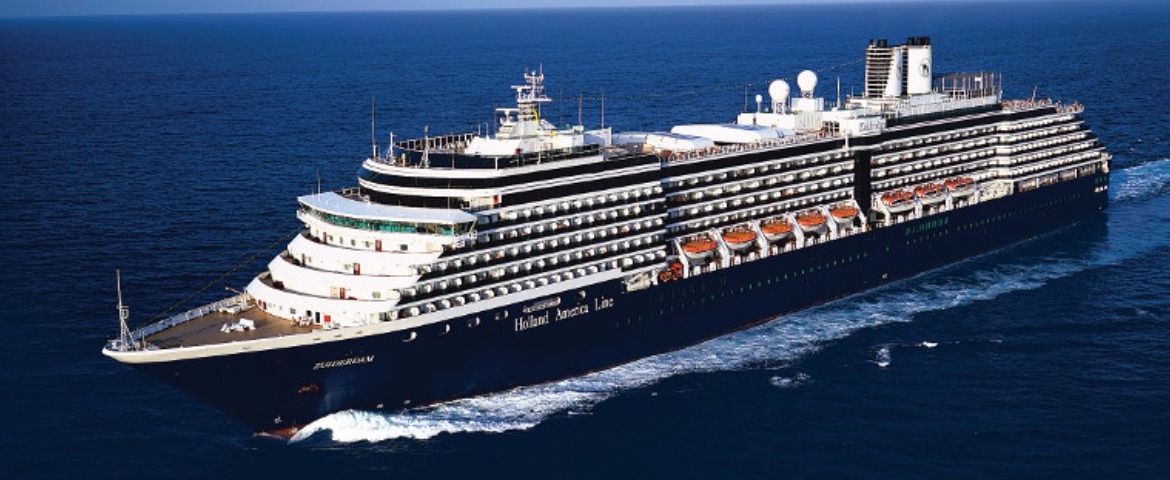
ms Oosterdam
14 Cruises

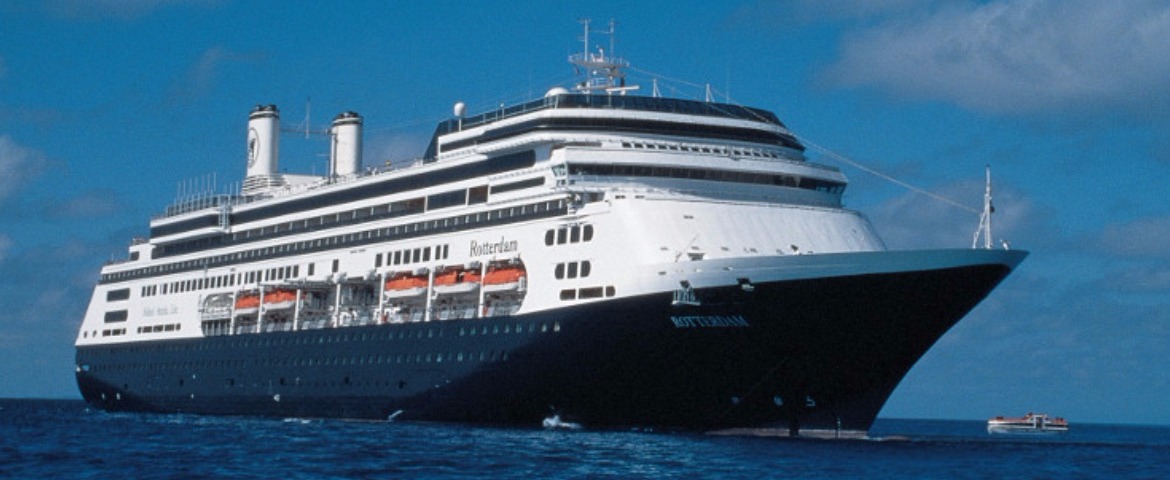
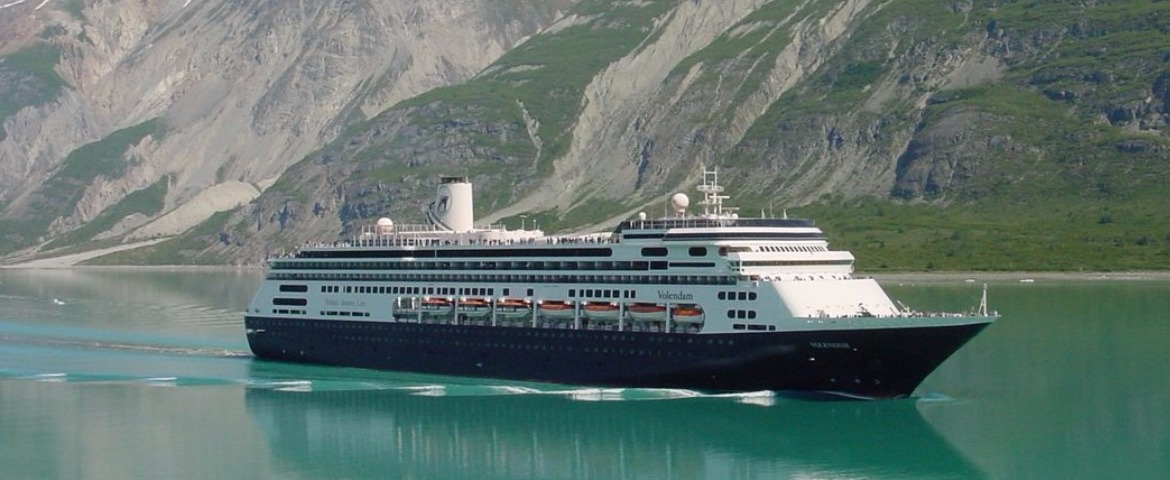
ms Volendam
4 Cruises
Lindblad Expeditions (6 Cruises)
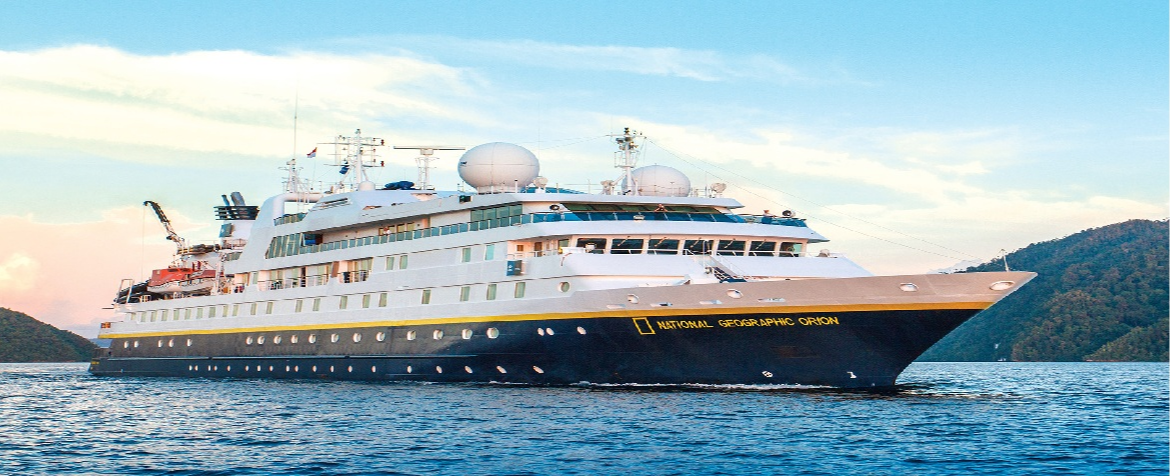
National Geographic Orion
6 Cruises

| 25 June | 11 days | One-way from Barcelona to Ponta Delgada |
450-628-6241
Call us
|
| 25 June | 13 days | One-way from Barcelona to Ponta Delgada |
450-628-6241
Call us
|
MSC Cruises (350 Cruises)
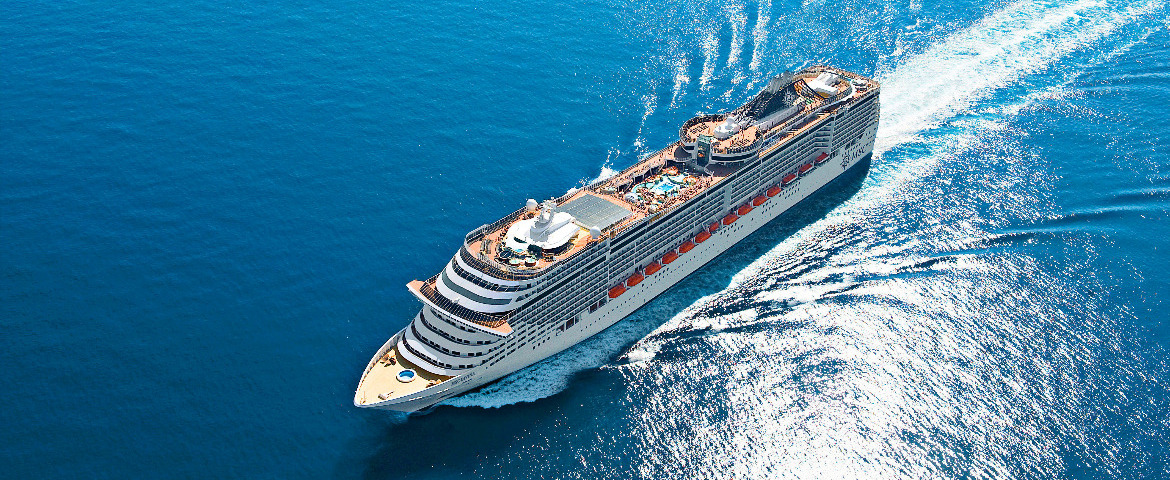
MSC Divina
8 Cruises

MSC Euribia
7 Cruises
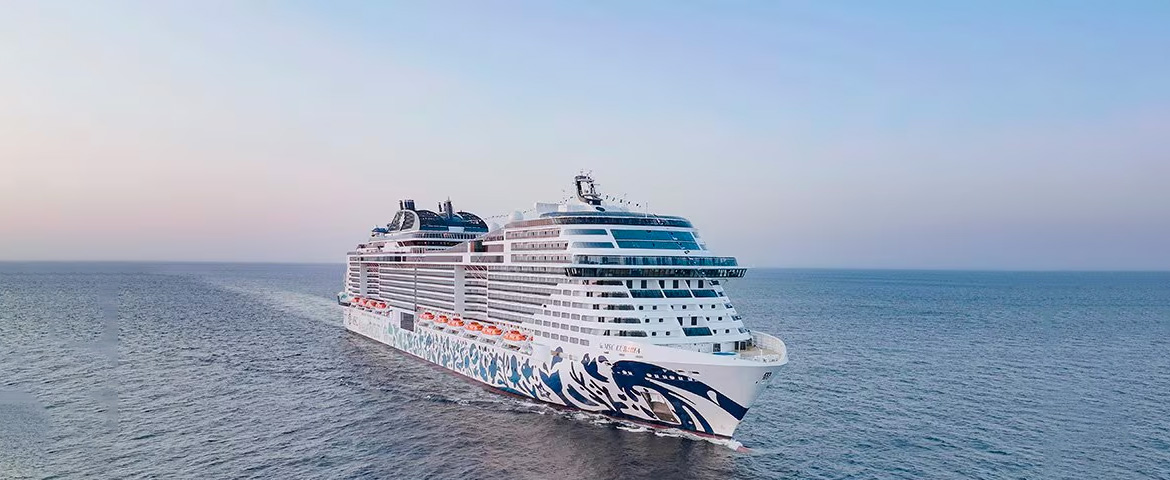
MSC Magnifica
35 Cruises
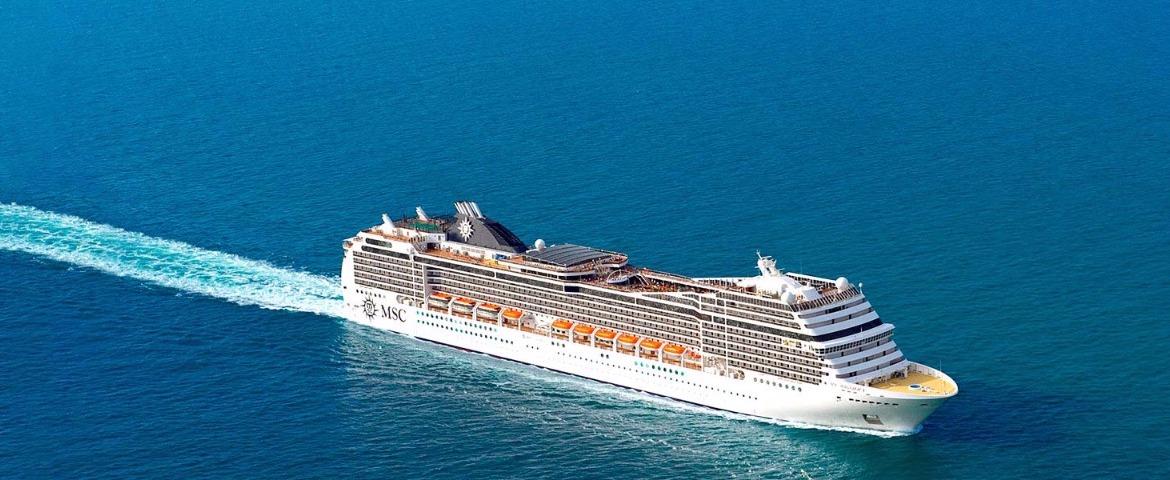
MSC Meraviglia
10 Cruises
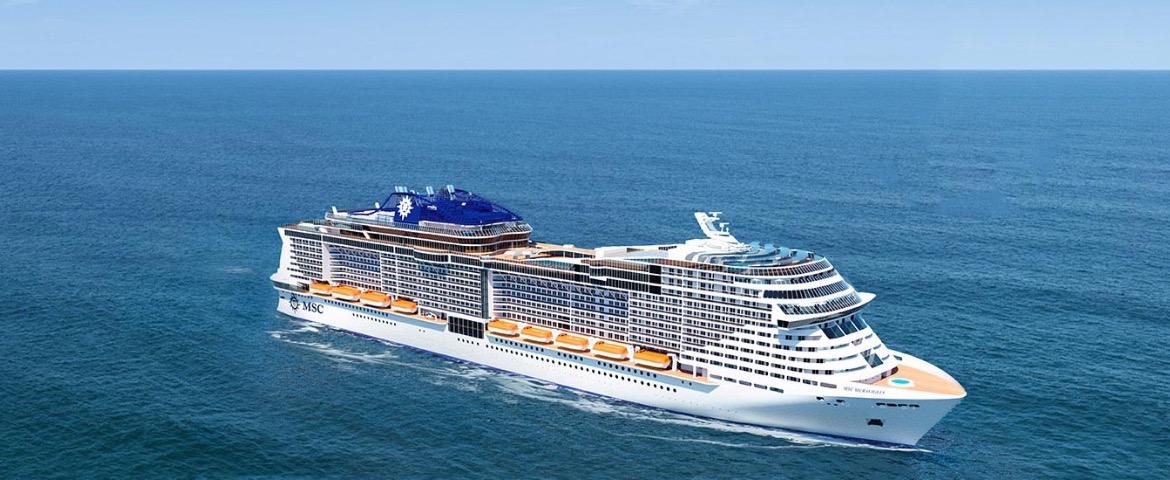
MSC Seaview
13 Cruises
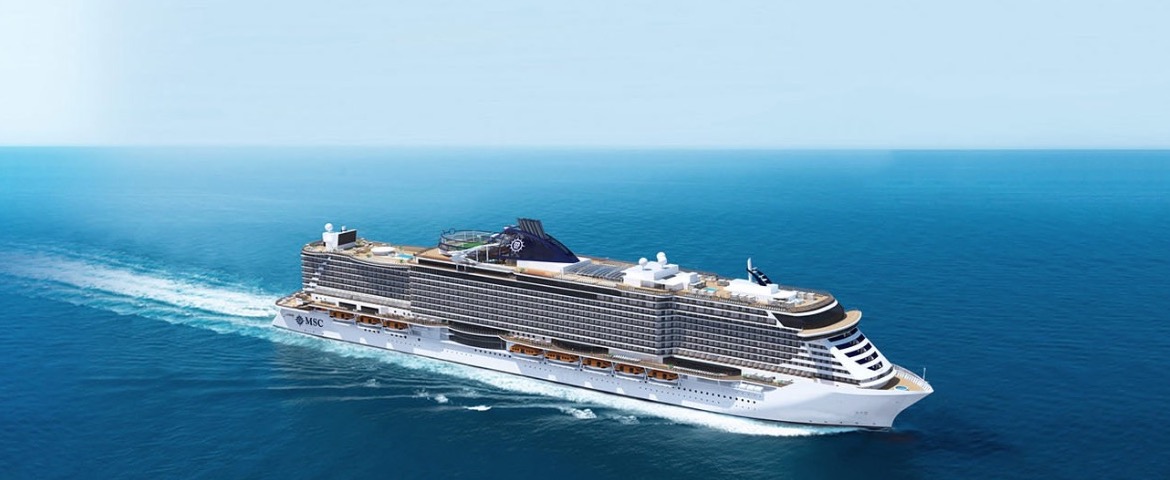
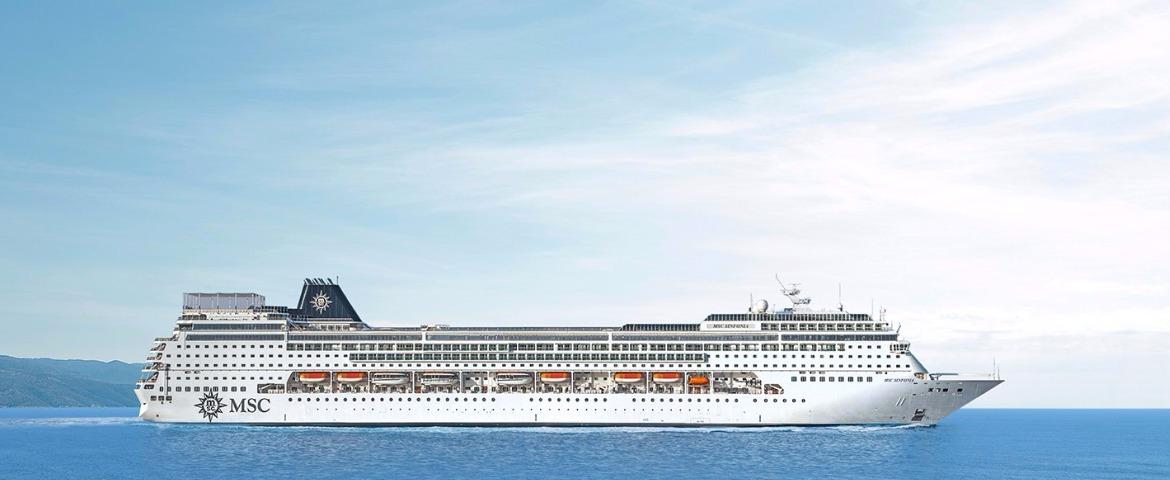
MSC Sinfonia
172 Cruises
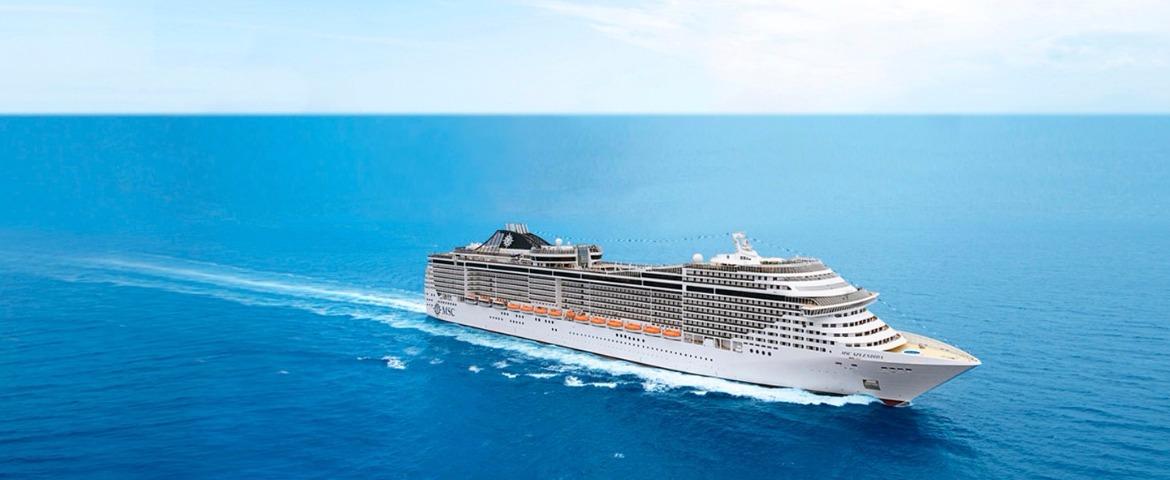
MSC Splendida
5 Cruises
MSC Virtuosa
14 Cruises

MSC World Europa
86 Cruises
 Image not available
Norwegian Cruise Line (1 Cruises)


Oceania Cruises (63 Cruises)
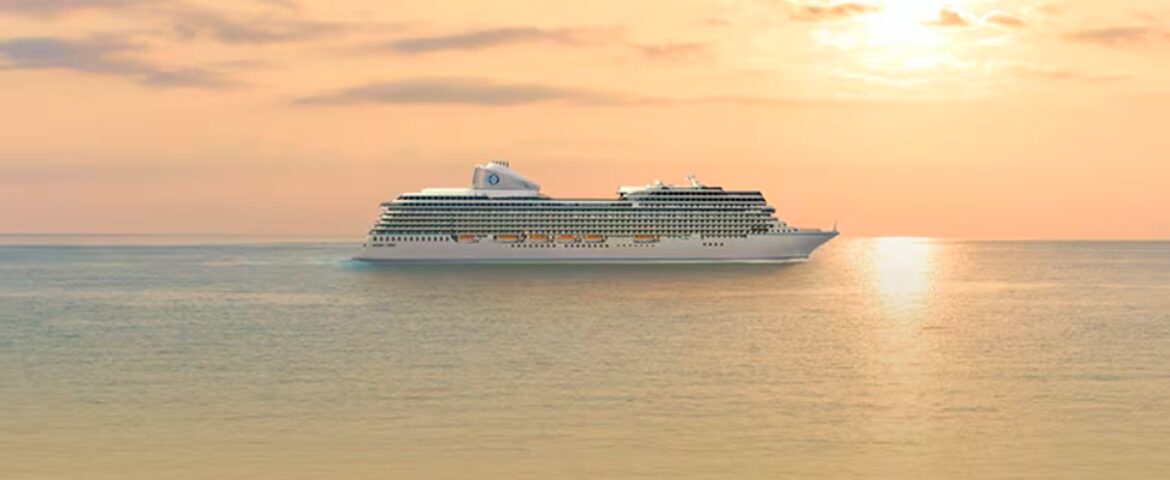
Oceania Allura
23 Cruises

| 4 June | 12 days | One-way from Barcelona to Lisbon |
450-628-6241
Call us
|
| 15 June | 8 days | One-way from Lisbon to Barcelona |
450-628-6241
Call us
|
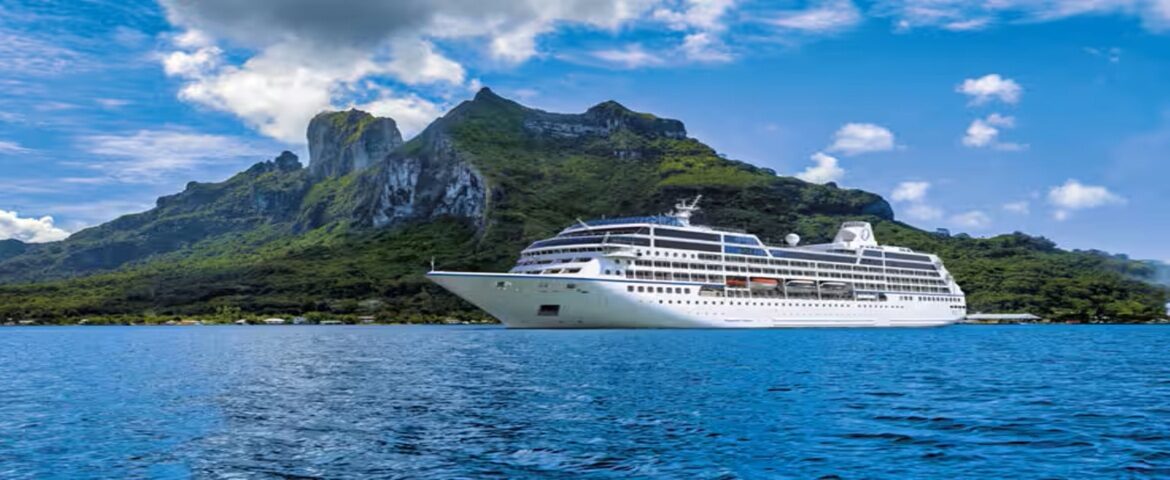
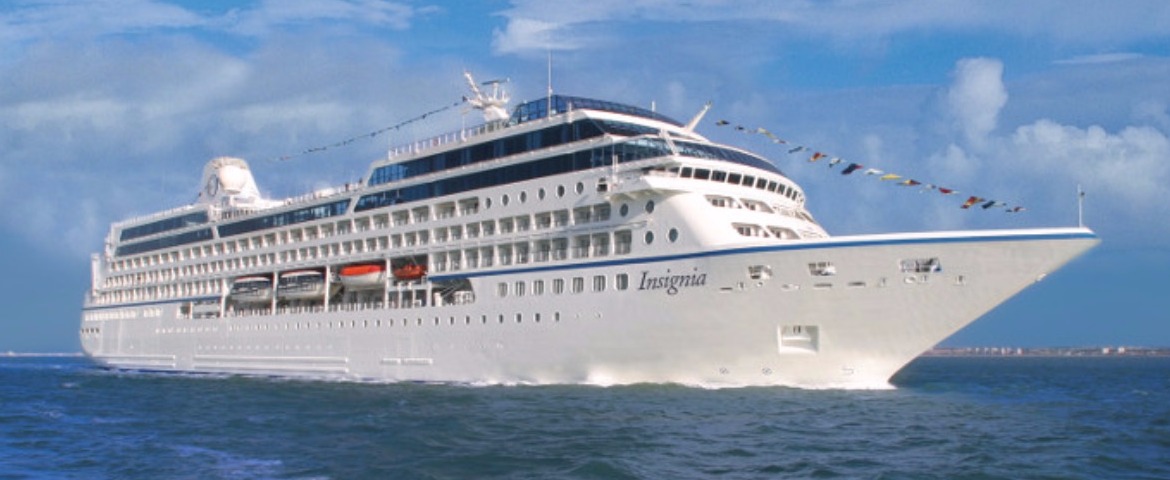
Oceania Insignia
9 Cruises
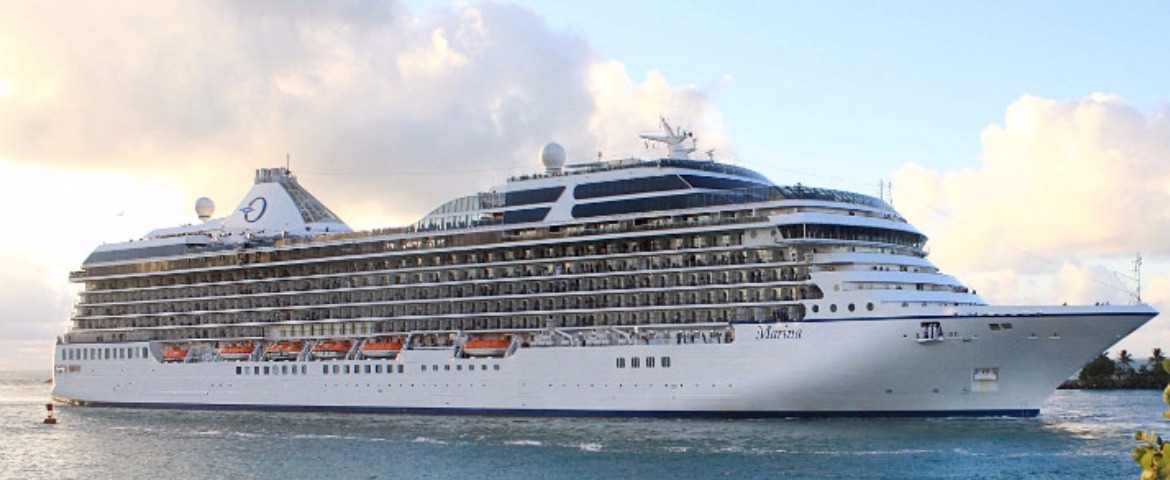
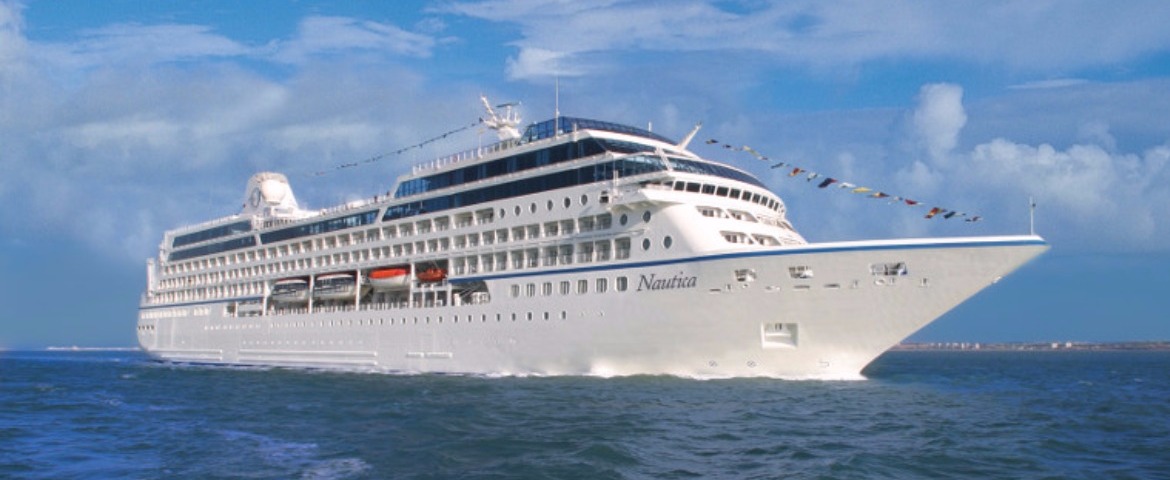
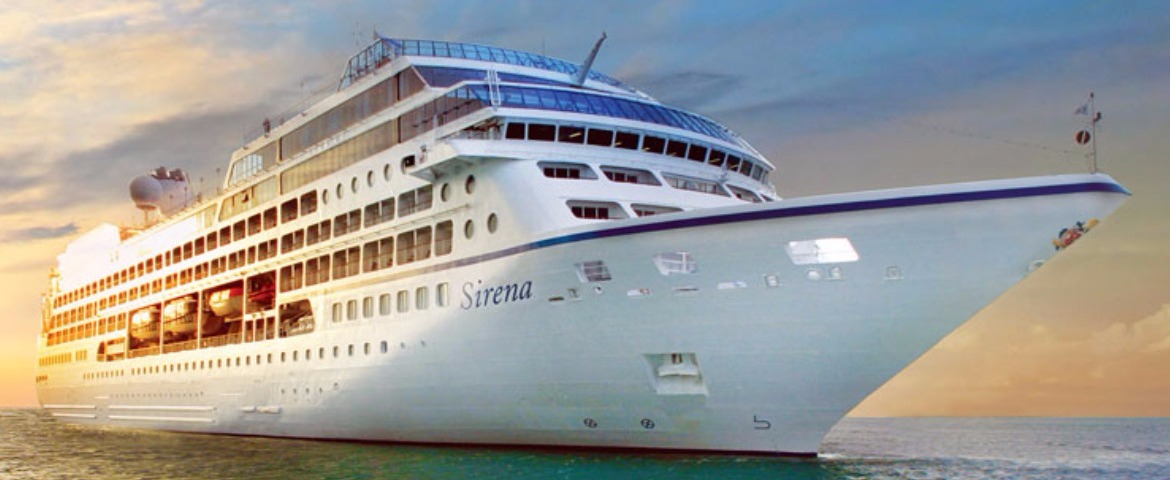
Oceania Sirena
5 Cruises
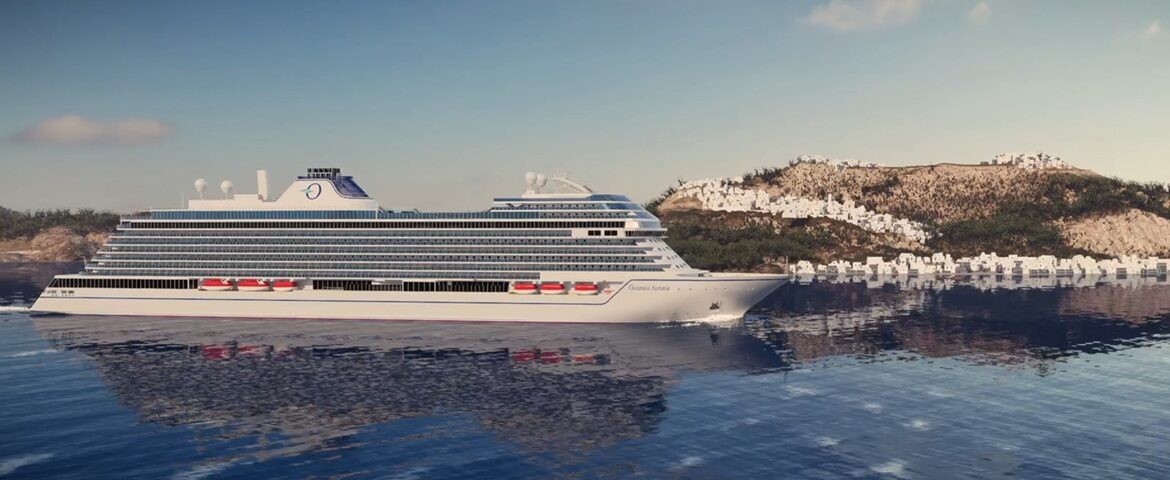
Oceania Sonata
12 Cruises
| 8 April | 43 days | One-way from Civitavecchia-Rome to Stockholm |
450-628-6241
Call us
|
| 8 April | 11 days | One-way from Civitavecchia-Rome to Lisbon |
450-628-6241
Call us
|
Ponant (25 Cruises)
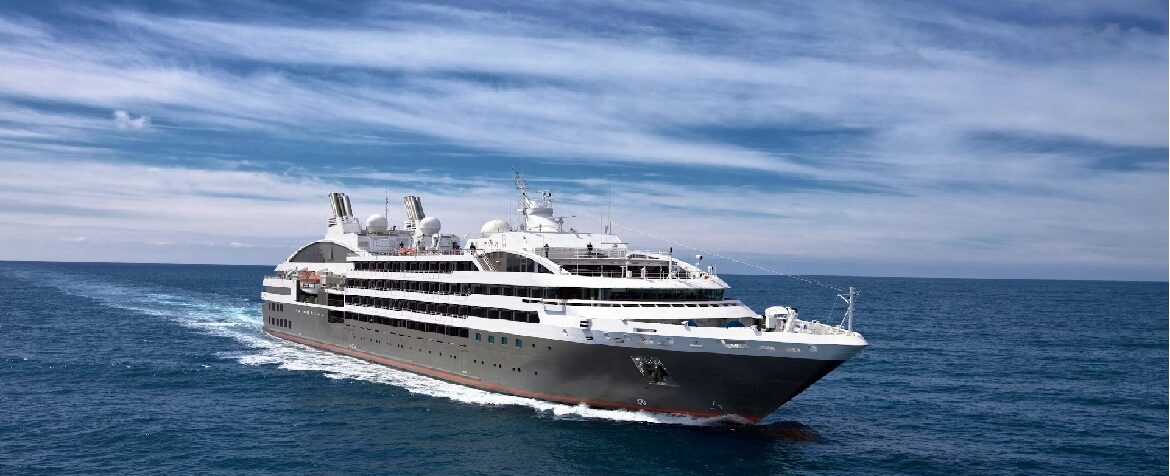

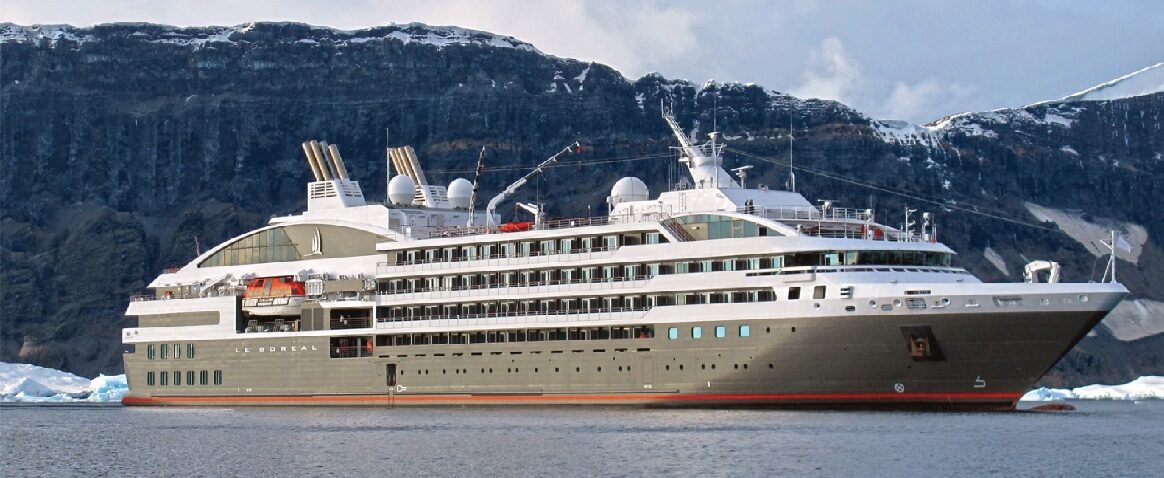
Le Boreal
7 Cruises
Princess Cruises (20 Cruises)

Coral Princess
8 Cruises


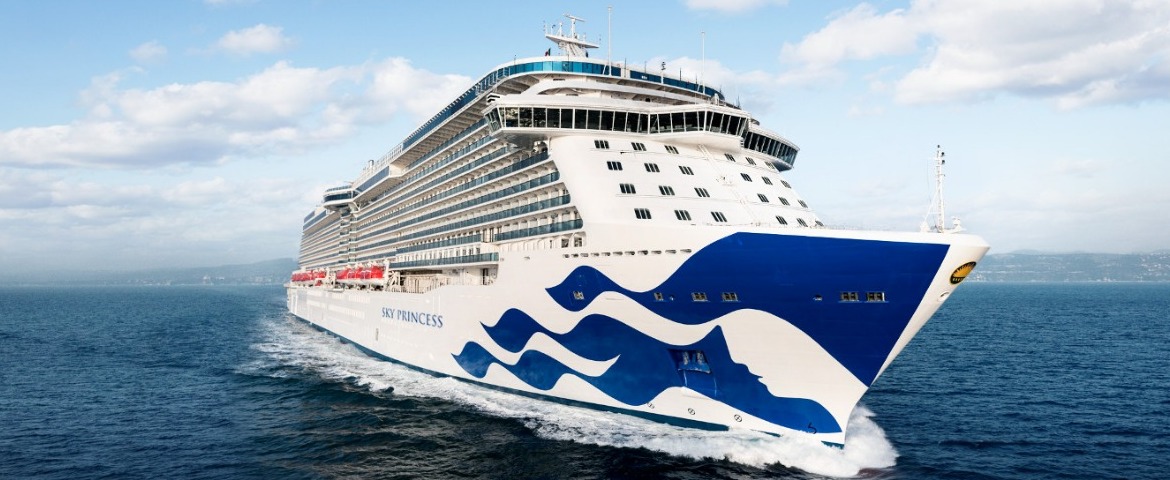
Sky Princess
4 Cruises

Regent Seven Seas Cruises (69 Cruises)
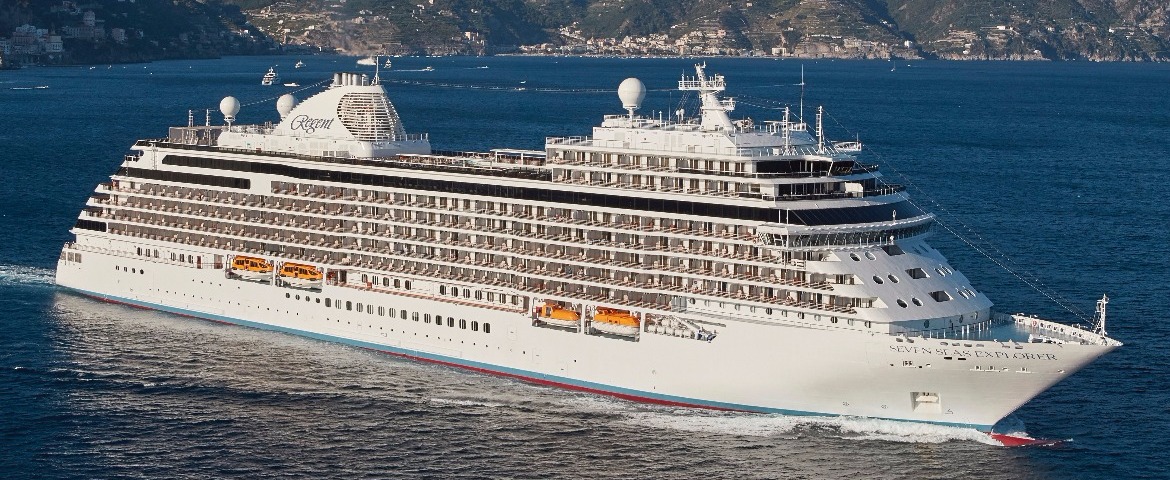
Seven Seas Explorer
8 Cruises

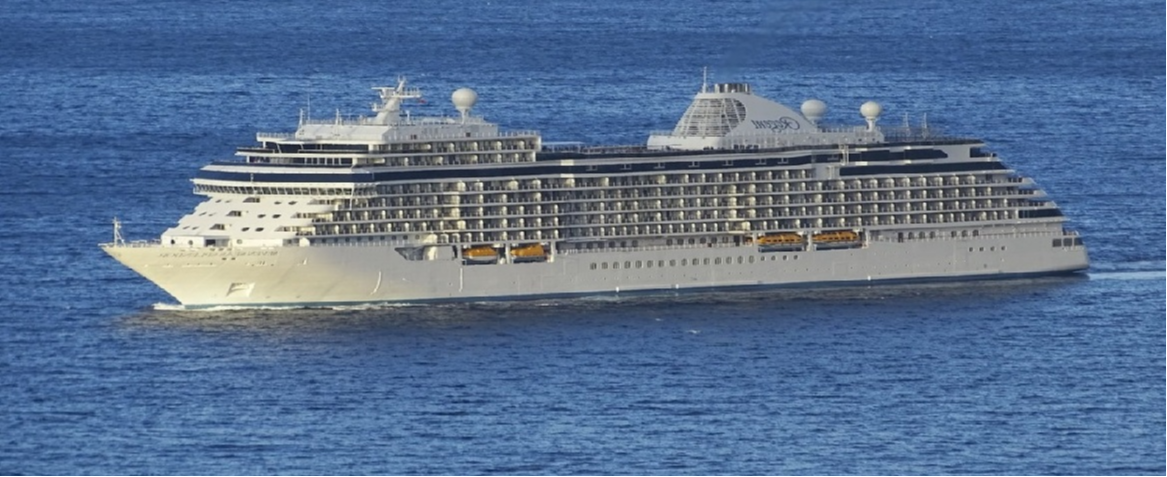
Seven Seas Grandeur
13 Cruises
| 14 April | 25 days | One-way from Miami to Lisbon |
450-628-6241
Call us
|
| 14 April | 15 days | One-way from Miami to Lisbon |
450-628-6241
Call us
|
Seven Seas Mariner
8 Cruises

| 29 April | 175 days | One-way from New York to Piraeus-Athens |
450-628-6241
Call us
|
| 29 April | 174 days | One-way from New York to Piraeus-Athens |
450-628-6241
Call us
|
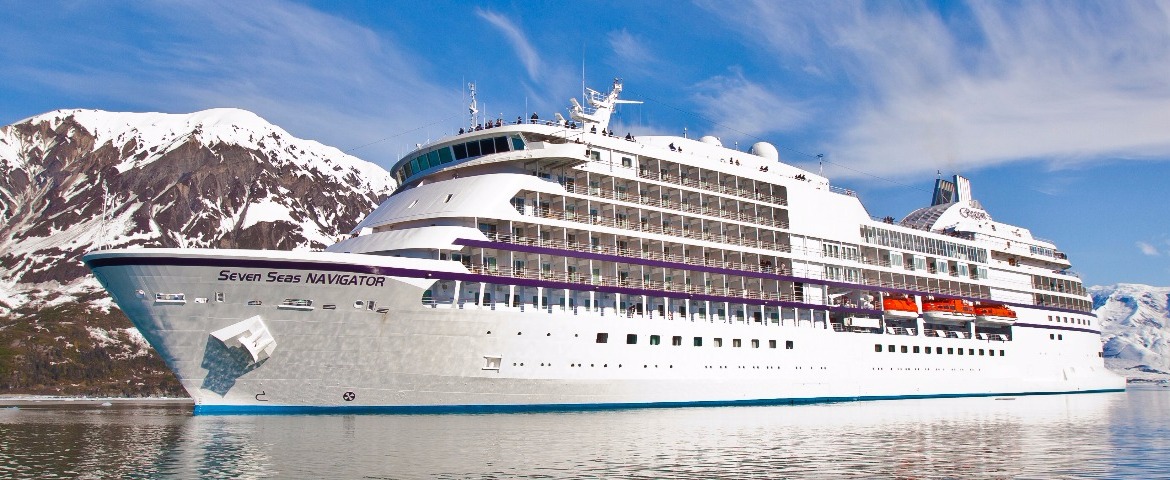
Seven Seas Prestige
7 Cruises
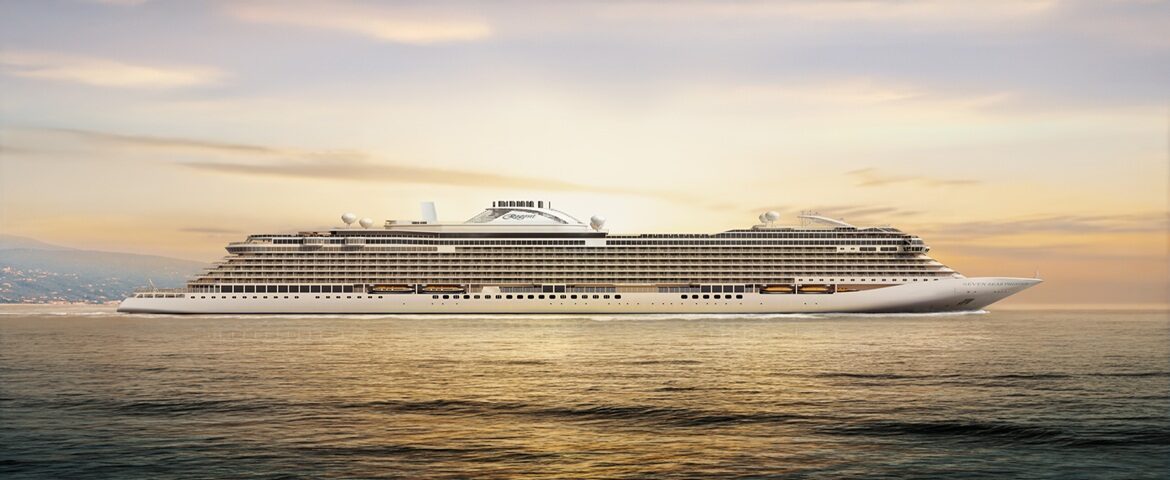
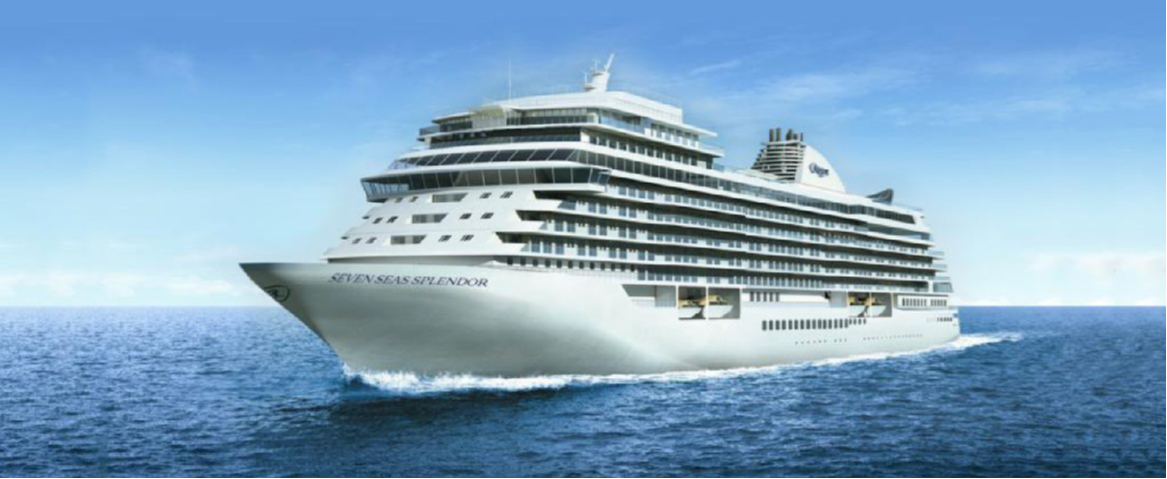
Seven Seas Splendor
7 Cruises
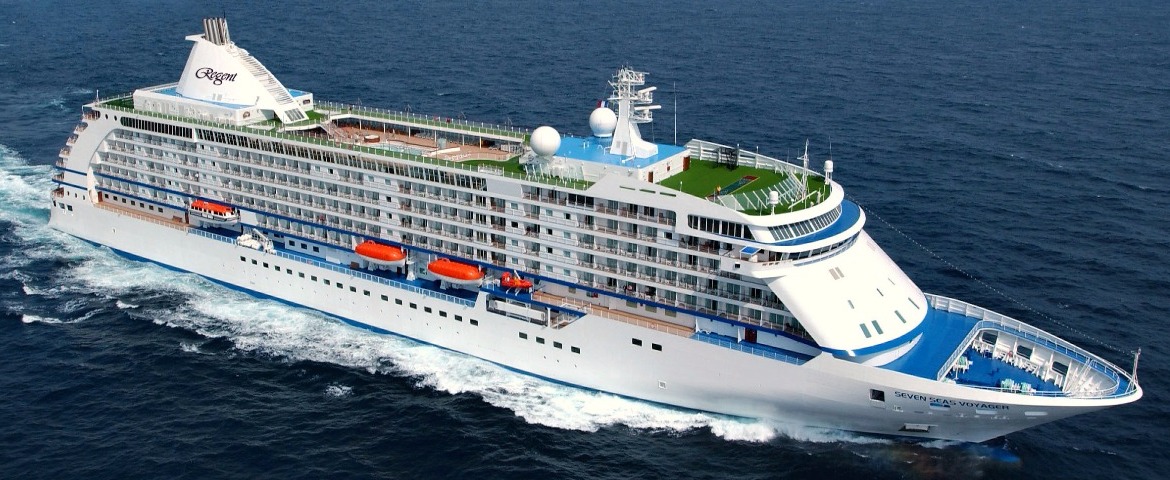
Seven Seas Voyager
21 Cruises
| 18 April | 23 days | One-way from Barcelona to Southampton |
450-628-6241
Call us
|
| 18 April | 12 days | One-way from Barcelona to Lisbon |
450-628-6241
Call us
|
| 29 January | 11 days | One-way from Barcelona to Civitavecchia-Rome |
450-628-6241
Call us
|
| 29 January | 10 days | One-way from Barcelona to Civitavecchia-Rome |
450-628-6241
Call us
|
| 26 February | 11 days | One-way from Civitavecchia-Rome to Barcelona |
450-628-6241
Call us
|
| 26 February | 10 days | One-way from Civitavecchia-Rome to Barcelona |
450-628-6241
Call us
|
Royal Caribbean Cruises (22 Cruises)




Mariner of the Seas
10 Cruises

| 11 May | 8 days | Round-trip from Barcelona, Spain |
From
1161$
|
| 18 May | 10 days | One-way from Barcelona to Lisbon |
From
1450$
|
| 27 May | 10 days | One-way from Lisbon to Barcelona |
From
1435$
|
| 16 July | 8 days | Round-trip from Barcelona, Spain |
From
1298$
|
| 23 July | 8 days | One-way from Barcelona to Lisbon |
From
1704$
|


Scenic Cruises (10 Cruises)
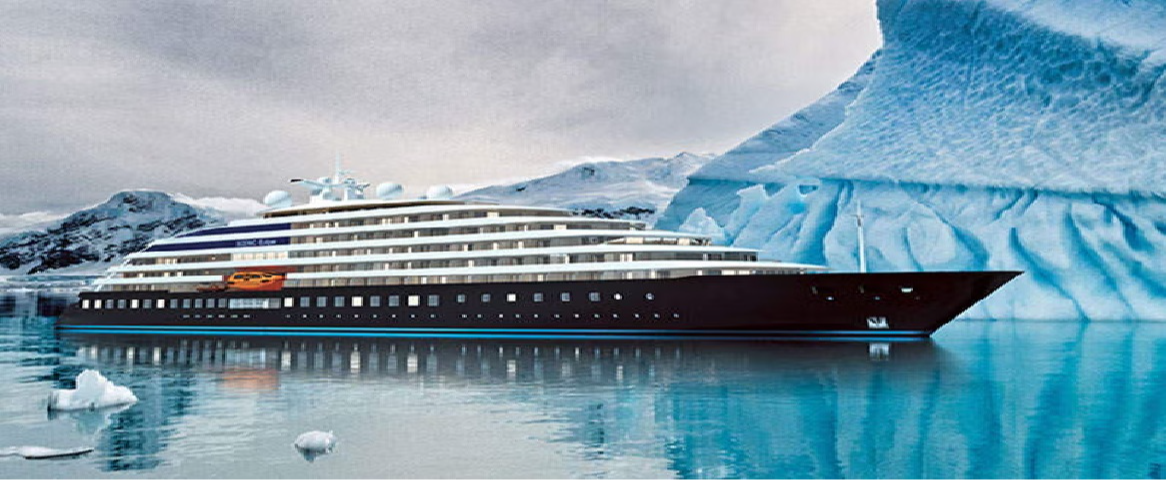
Scenic Eclipse
5 Cruises

Scenic Eclipse II
5 Cruises
SeaDream Yacht Club (16 Cruises)

Silversea Cruises (50 Cruises)
Silver Dawn
12 Cruises

Silver Ray
18 Cruises
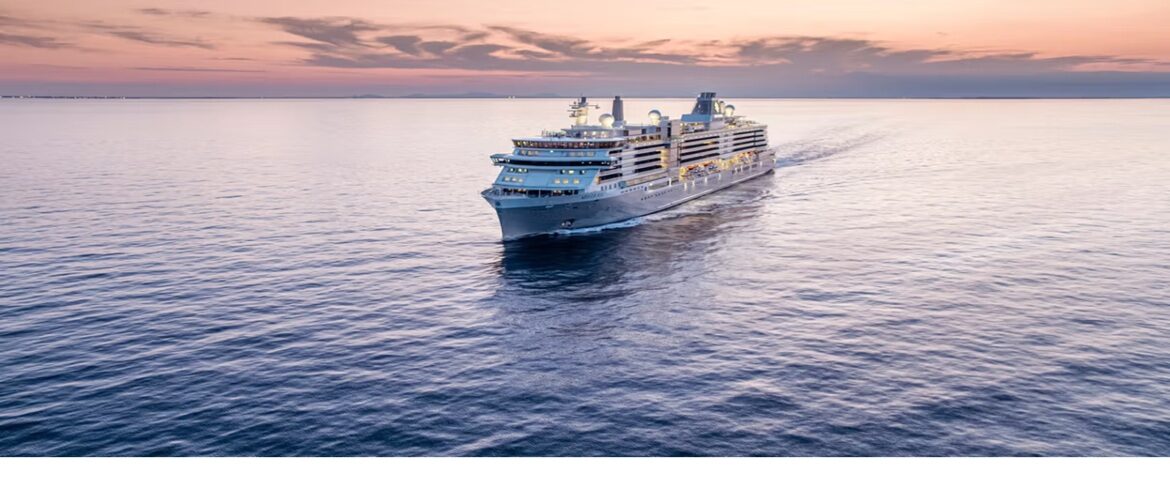
| 10 March | 26 days | One-way from Miami to Barcelona |
450-628-6241
Call us
|
| 24 March | 12 days | One-way from Lisbon to Barcelona |
450-628-6241
Call us
|
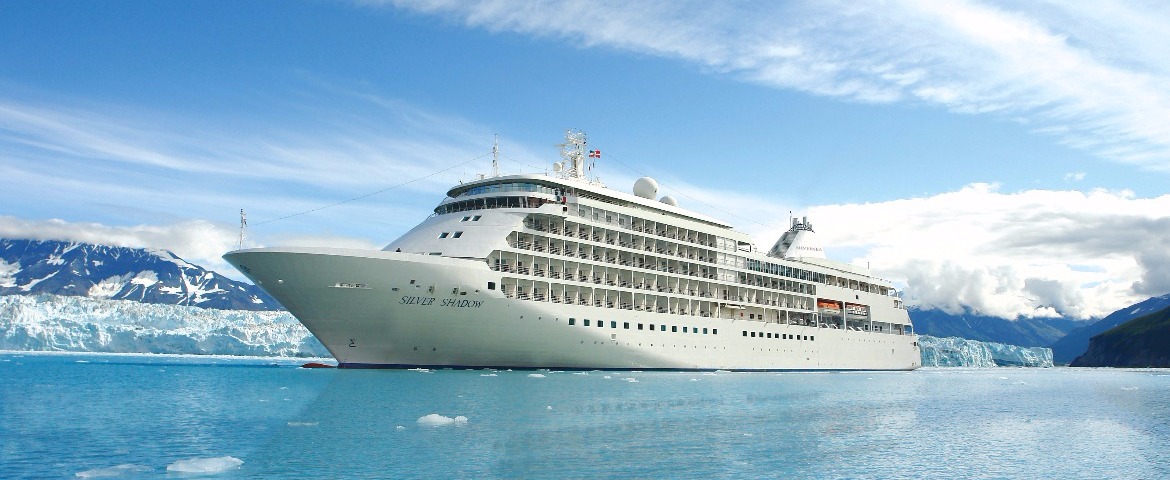
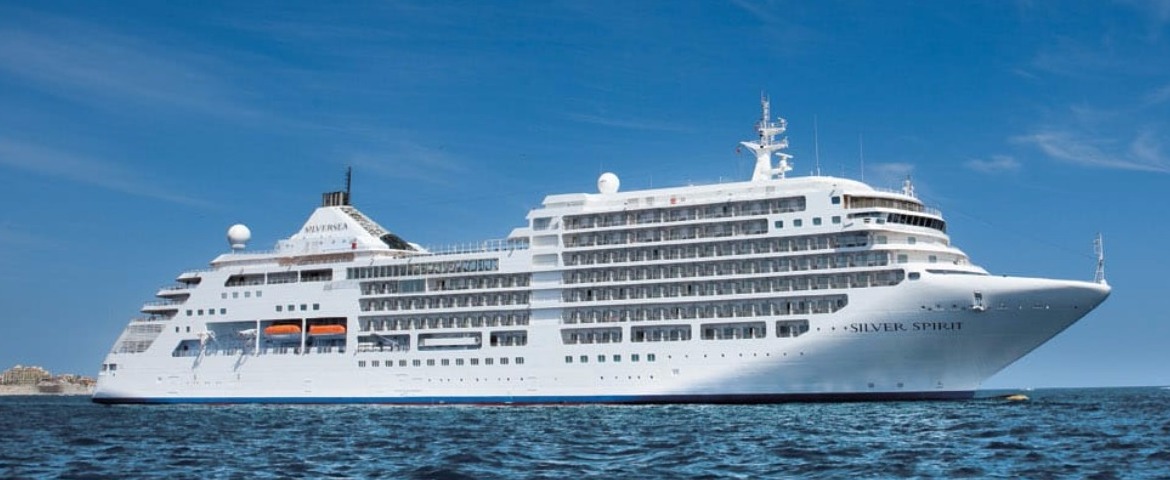
Silver Spirit
15 Cruises
Star Clippers (23 Cruises)
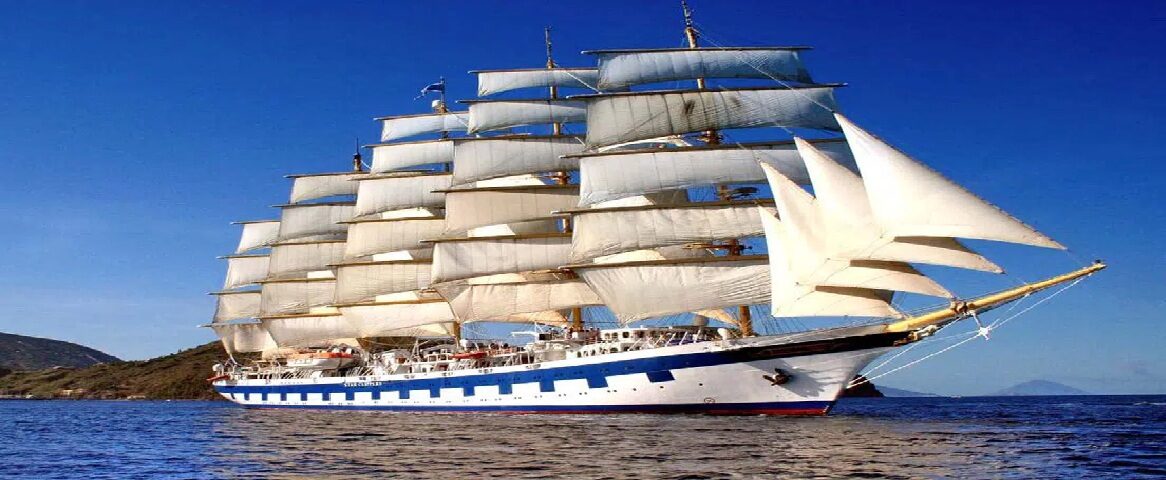
Royal Clipper
5 Cruises

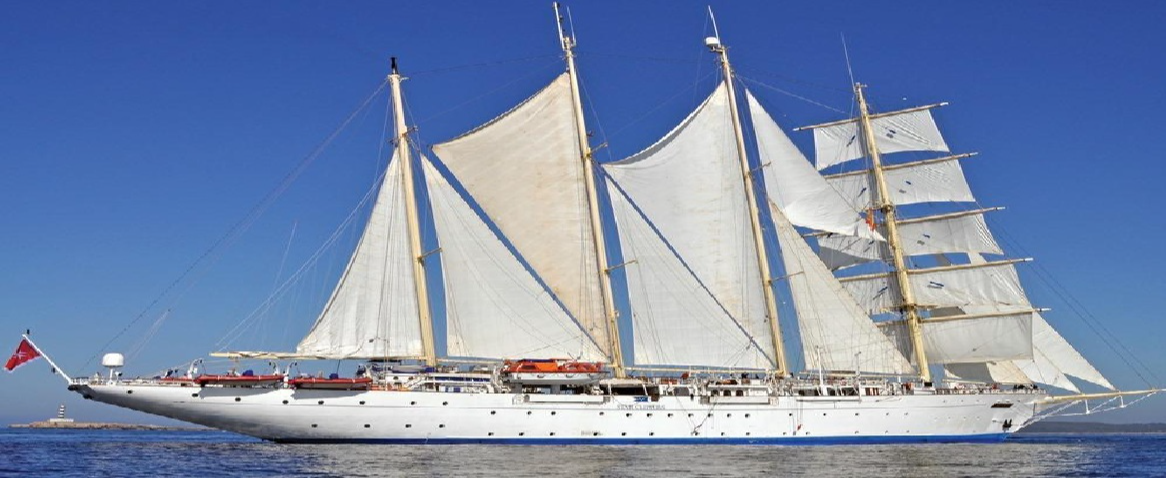
Star Clipper
8 Cruises
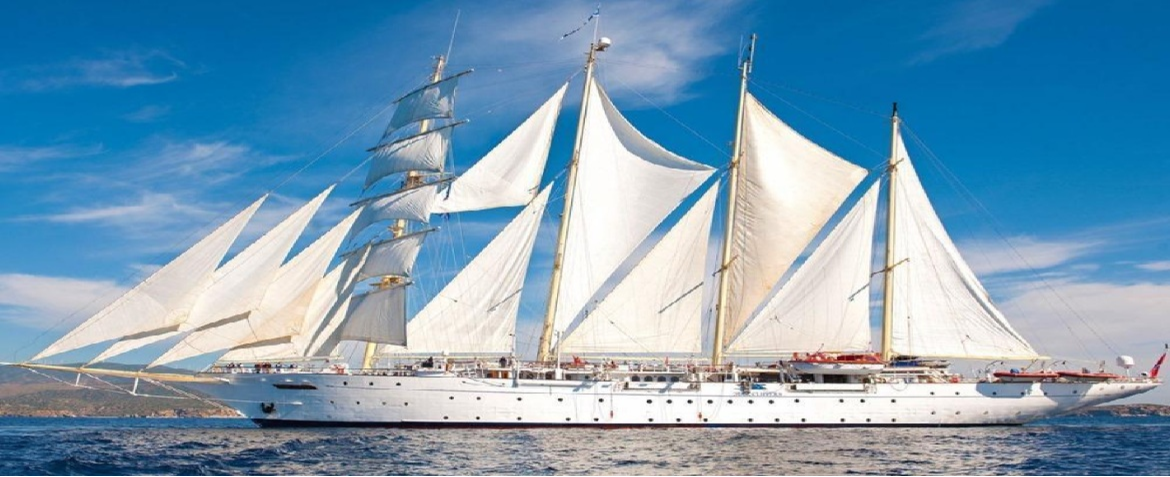
Star Flyer
10 Cruises
Viking Ocean Cruises (176 Cruises)
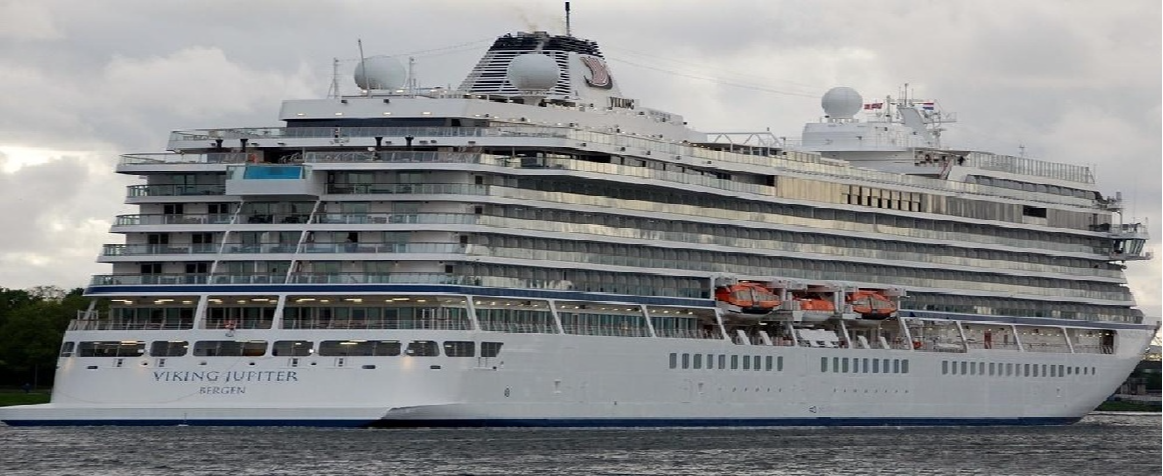
Viking Jupiter
46 Cruises

| 20 August | 34 days | One-way from Istanbul to Lisbon |
450-628-6241
Call us
|
| 26 August | 28 days | One-way from Piraeus-Athens to Lisbon |
450-628-6241
Call us
|
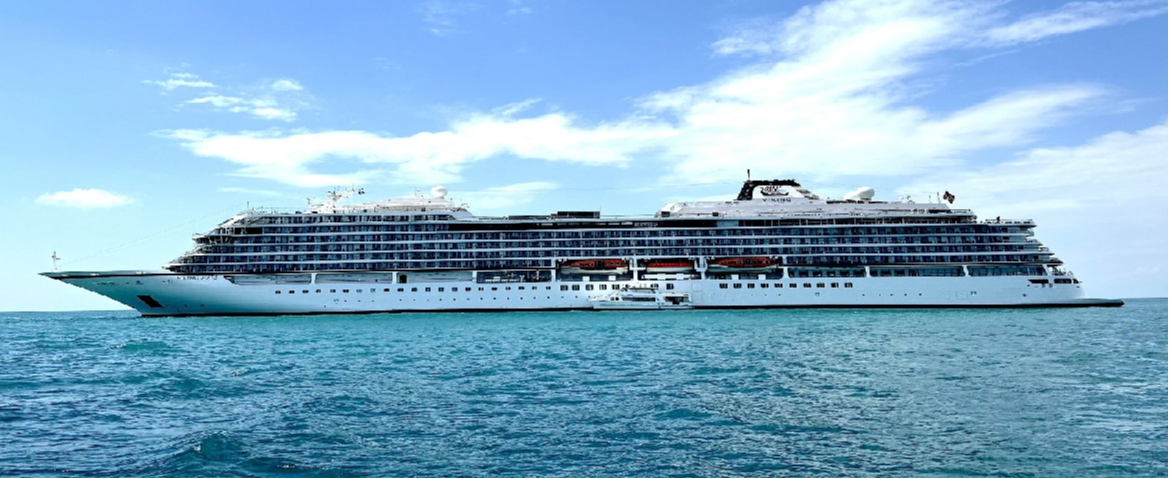
Viking Neptune
31 Cruises
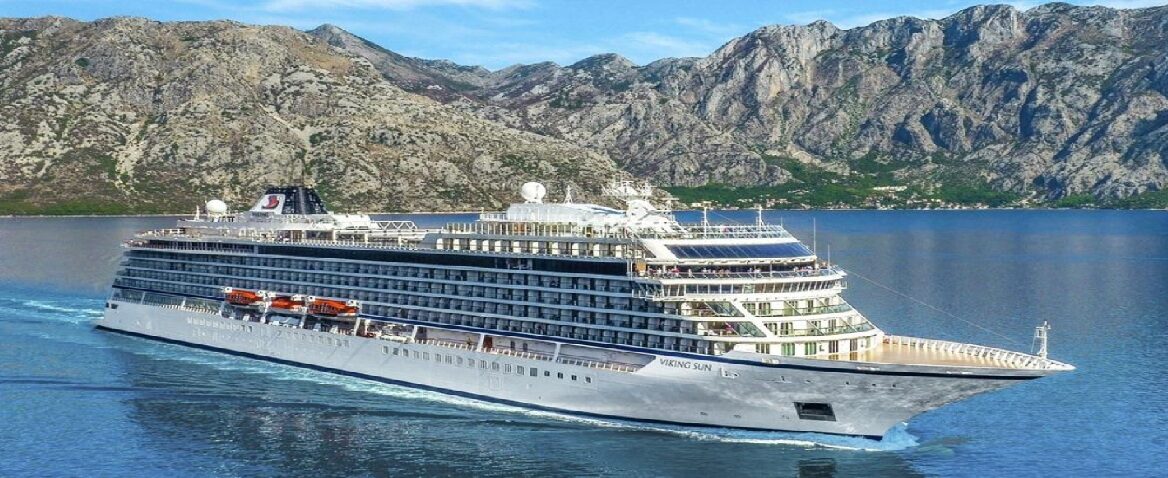
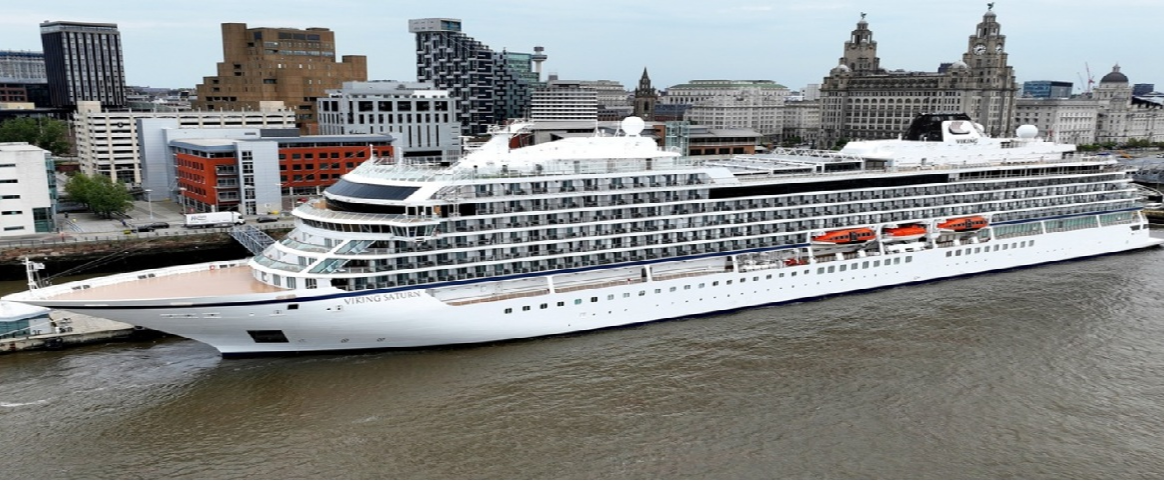
Viking Saturn
21 Cruises
| 4 February | 16 days | Round-trip from Barcelona, Spain |
450-628-6241
Call us
|
| 19 February | 16 days | Round-trip from Barcelona, Spain |
450-628-6241
Call us
|
| 19 March | 28 days | One-way from Piraeus-Athens to Lisbon |
450-628-6241
Call us
|
| 27 March | 20 days | One-way from Venice to Lisbon |
450-628-6241
Call us
|
Viking Sea
12 Cruises
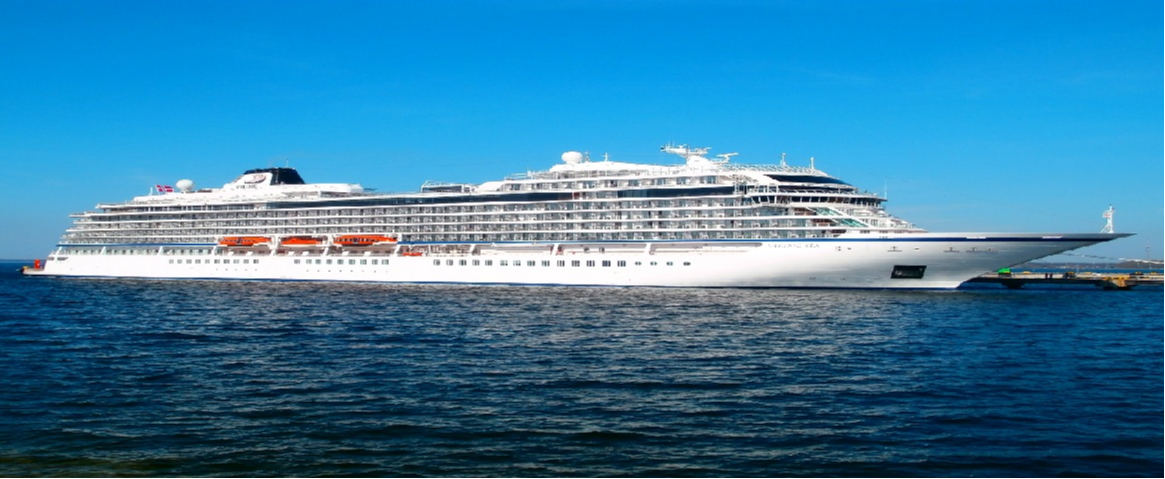
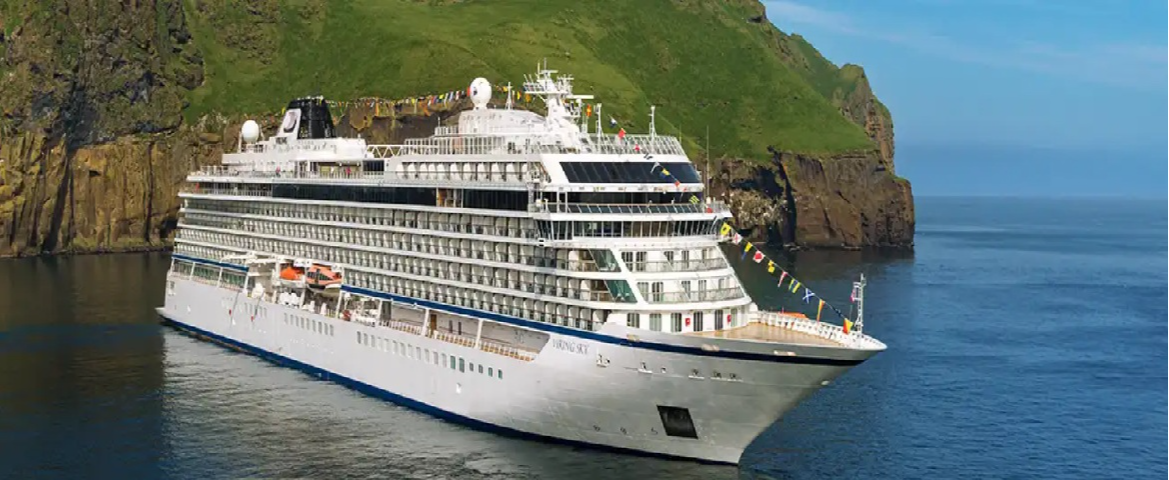
Viking Sky
16 Cruises
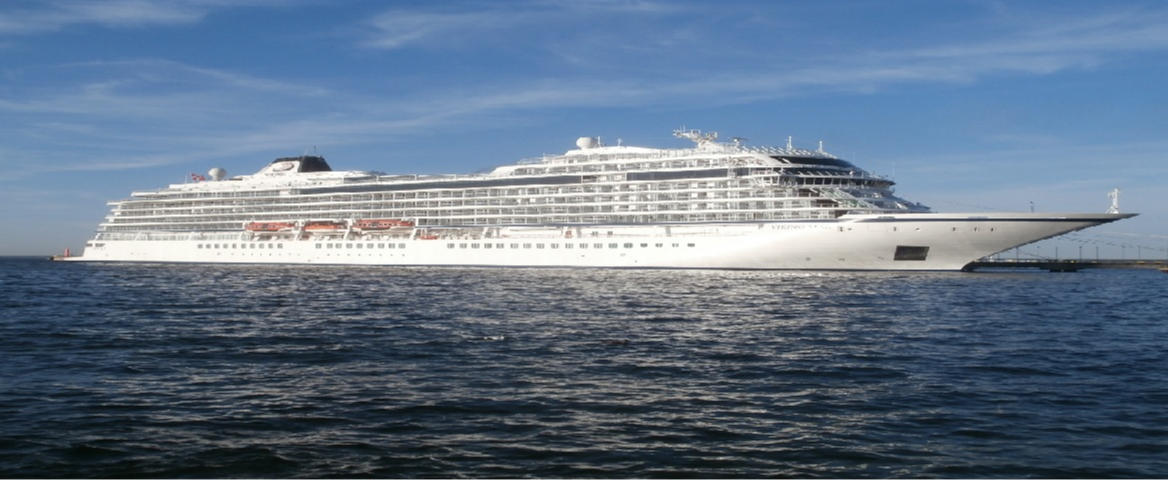
Viking Star
12 Cruises
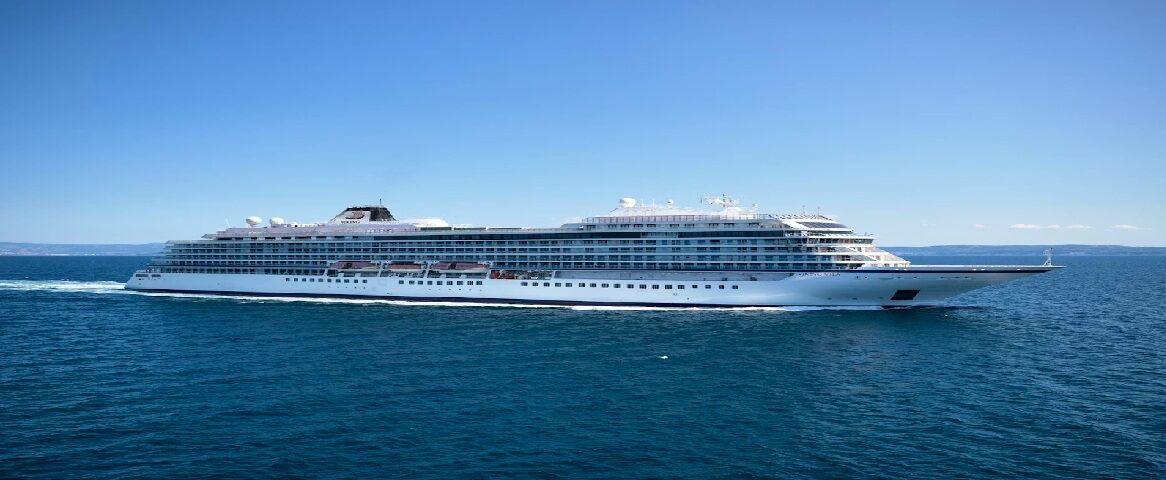
Viking Vela
34 Cruises
| 11 March | 16 days | Round-trip from Barcelona, Spain |
450-628-6241
Call us
|
| 26 March | 8 days | One-way from Barcelona to London-Tilbury |
450-628-6241
Call us
|
| 15 September | 19 days | One-way from London-Tilbury to Venice |
450-628-6241
Call us
|
| 15 September | 8 days | One-way from London-Tilbury to Barcelona |
450-628-6241
Call us
|
| 21 March | 28 days | One-way from Piraeus-Athens to Lisbon |
450-628-6241
Call us
|
| 29 March | 20 days | One-way from Venice to Lisbon |
450-628-6241
Call us
|
Virgin Voyages (2 Cruises)


Windstar Cruises (49 Cruises)
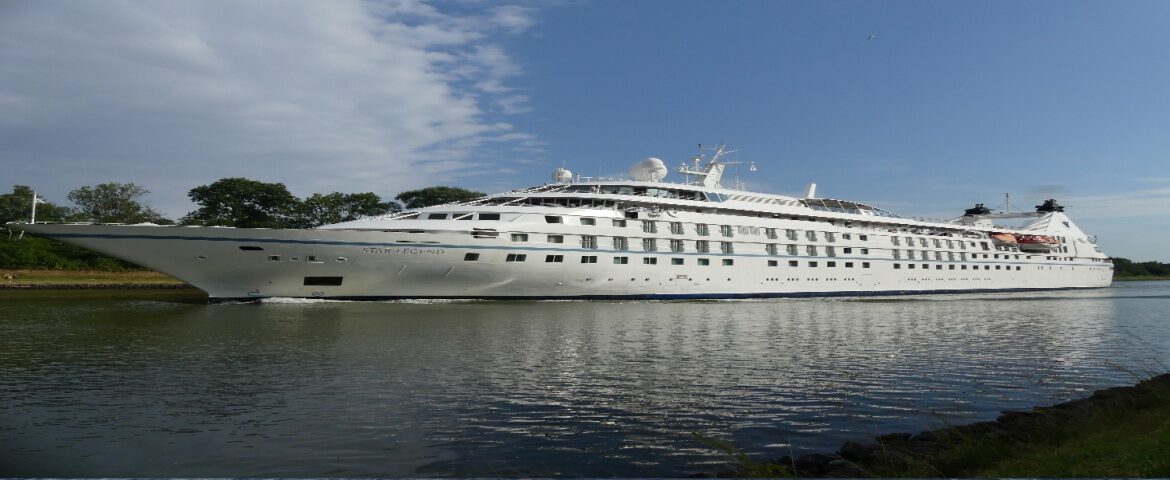
Star Legend
20 Cruises

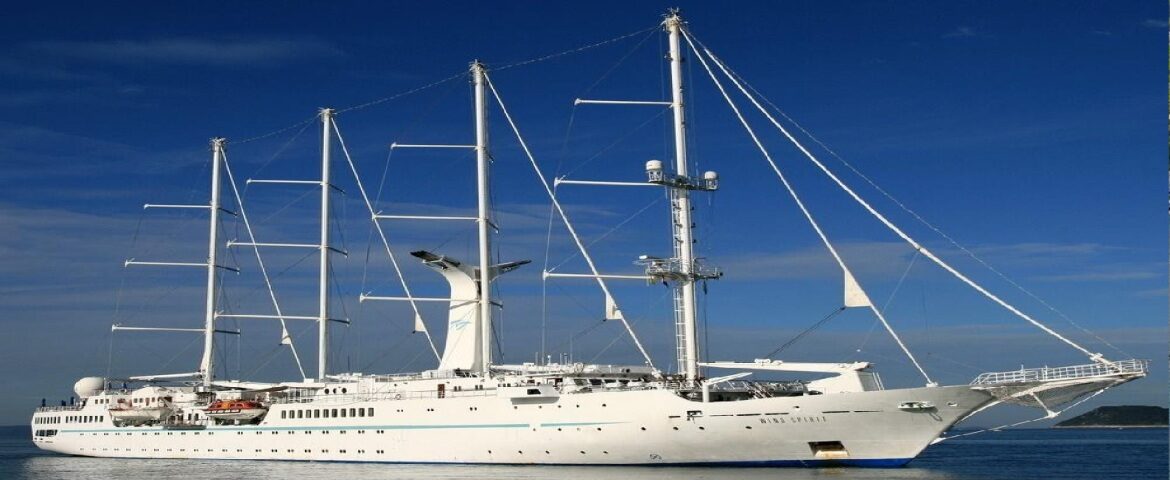
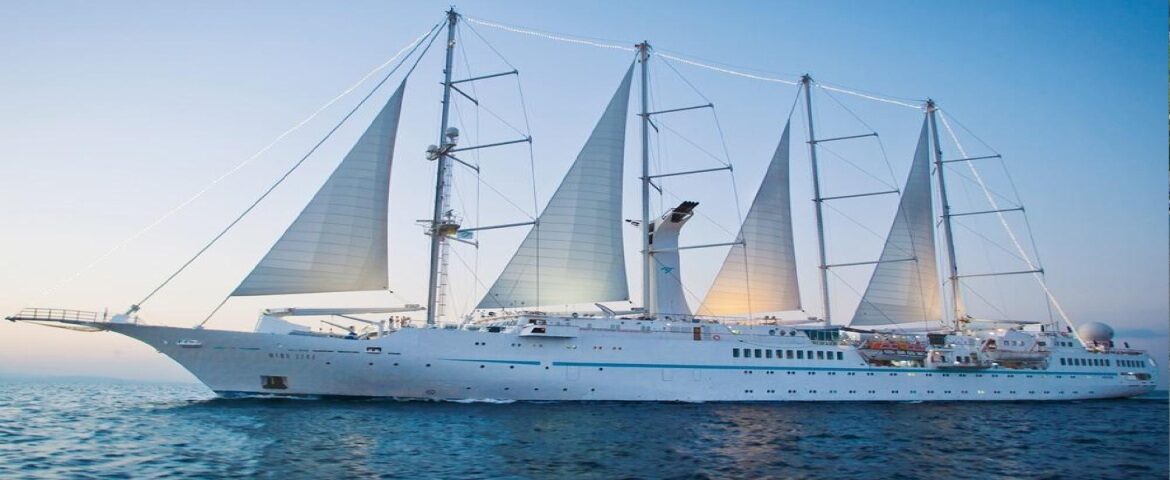
Wind Spirit
14 Cruises
Wind Star
6 Cruises
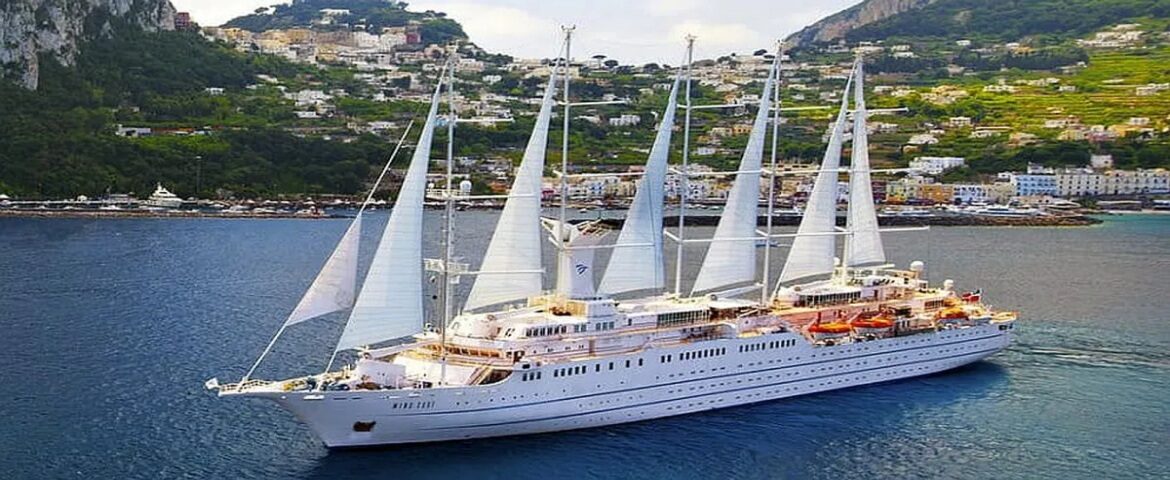

Malaga Spain | Costa del Sol Cruise Port & Travel Guide
Frequently Asked Questions
At the cruise berths, about two kilometres from the historic centre. A shuttle drops you at the Plaza de la Marina in five minutes, but the walk is pleasant and worth doing.
Yes, and it makes a fine introduction. The route follows the Palmeral de las Sorpresas, a palm-lined promenade, then Muelle Uno with its terraces and the multicoloured cube of the Centre Pompidou Málaga. Allow about twenty minutes.
The Alcazaba and its Roman theatre in the morning, then the Picasso Museum, then the Atarazanas market and Calle Larios. All on foot, no excursion needed. Adding Granada to the same day is a different proposition, and it would cost you Málaga.
A palace-fortress raised in the eleventh century by Moorish rulers at the foot of Mount Gibralfaro, backing onto a first-century Roman theatre. You climb from patio to patio among orange trees, pools and horseshoe arches, with wider and wider views over the harbour. Arriving at opening, around 9 a.m., spares you the queues and the heat.
Yes, if you have the legs and half an hour to spare. The path starts at the Alcazaba and the summit view takes in the bullring, the rooftops and the sea horizon. In hot weather, carry water: there is almost no shade.
Around two hundred works, from ceramics to cubist canvases, mostly donated by the artist's family, housed in the Buenavista palace. Allow one to one and a half hours and book ahead: Picasso was born here in 1881 and the museum is busy. Plaza de la Merced, five minutes away, surrounds his birthplace.
Yes. La Malagueta city beach is fifteen minutes' walk from the centre. The chiringuitos grill espetos there — sardines skewered on canes over embers. It is the taste of an Andalusian summer.
A nineteenth-century hall built behind a Moorish gateway and lit by a large contemporary stained-glass window: hams, almonds, glistening fish and juices pressed to order. It is the best place to see Málaga as it actually lives rather than as a postcard.
Very well. Flat ground between port and centre, a beach within walking distance, a lively market and a fortress to explore. Only the Gibralfaro climb and midday July heat call for caution with young children.
The euro and Spanish, with workable English in the centre. Cards are accepted everywhere. Spring and autumn give you the light without the furnace; in July and August, do your sightseeing early and keep the afternoon for the beach.


