Panama Canal
699
Cruises availables
At departure or passage at this port
Azamara Club Cruises (30 Cruises)
Azamara Journey
6 Cruises
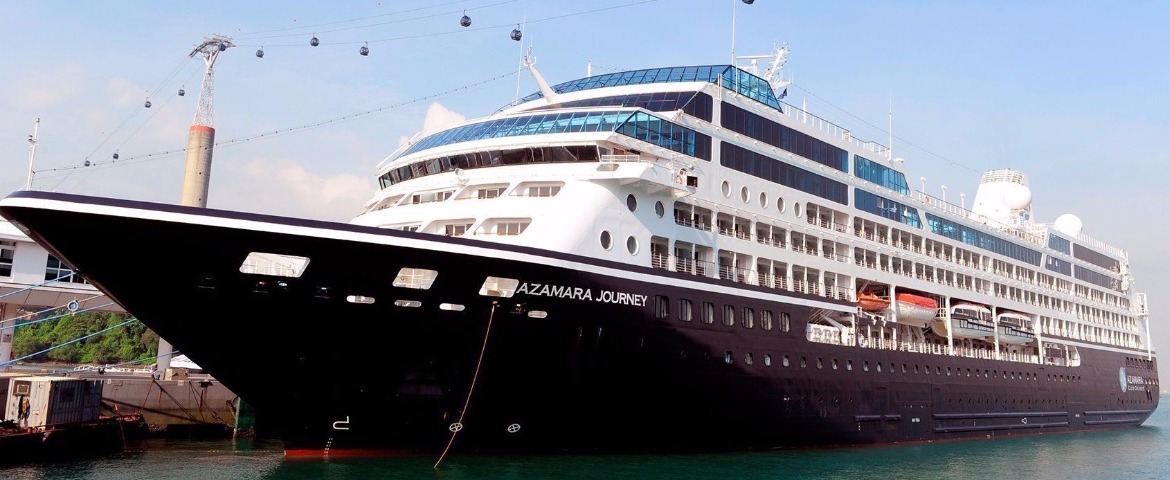

| 14 January | 74 days | Round-trip South America Azamara Journey Miami Fl |
450-628-6241
Call us
|
| 14 January | 75 days | Round-trip from Miami, USA |
450-628-6241
Call us
|
Azamara Onward
9 Cruises
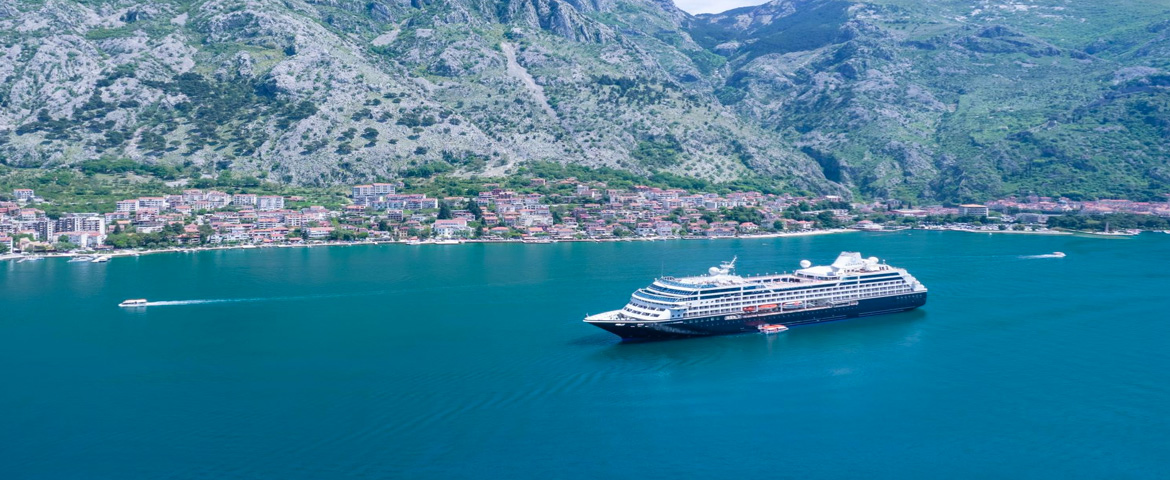
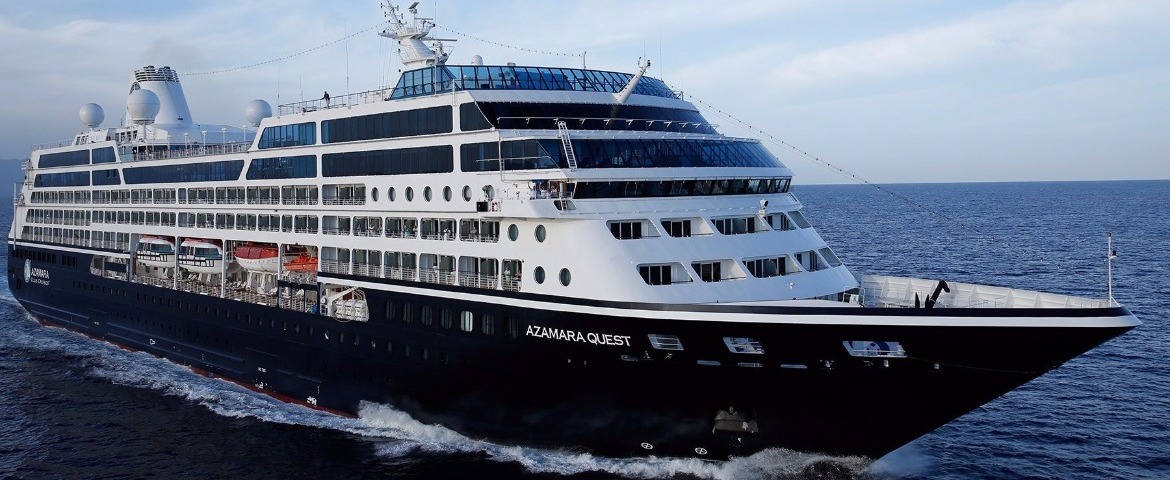
Azamara Quest
15 Cruises






Crystal Cruises (22 Cruises)
Crystal Serenity
14 Cruises
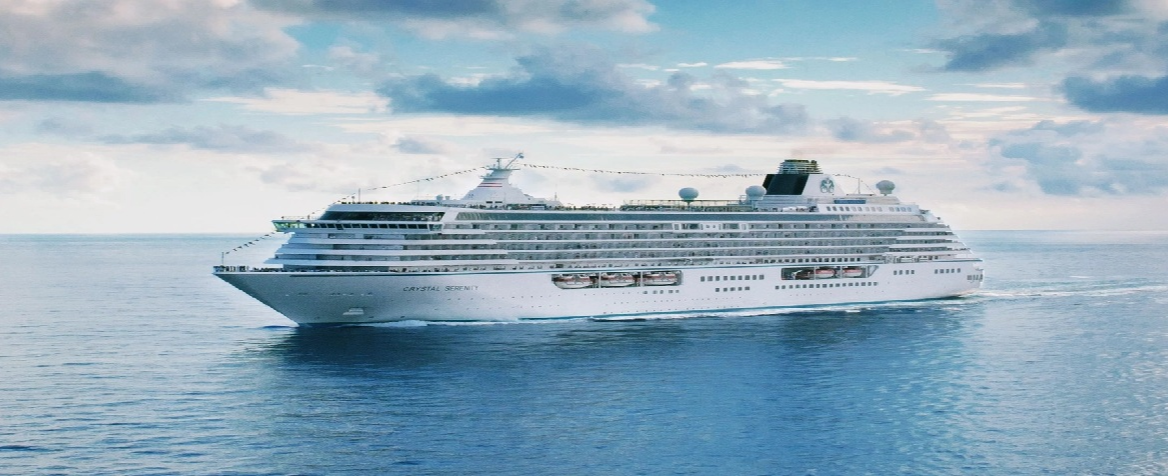

| 12 October | 71 days | One-way from New York to Fort Lauderdale |
450-628-6241
Call us
|
| 12 October | 72 days | One-way from New York to Fort Lauderdale |
450-628-6241
Call us
|
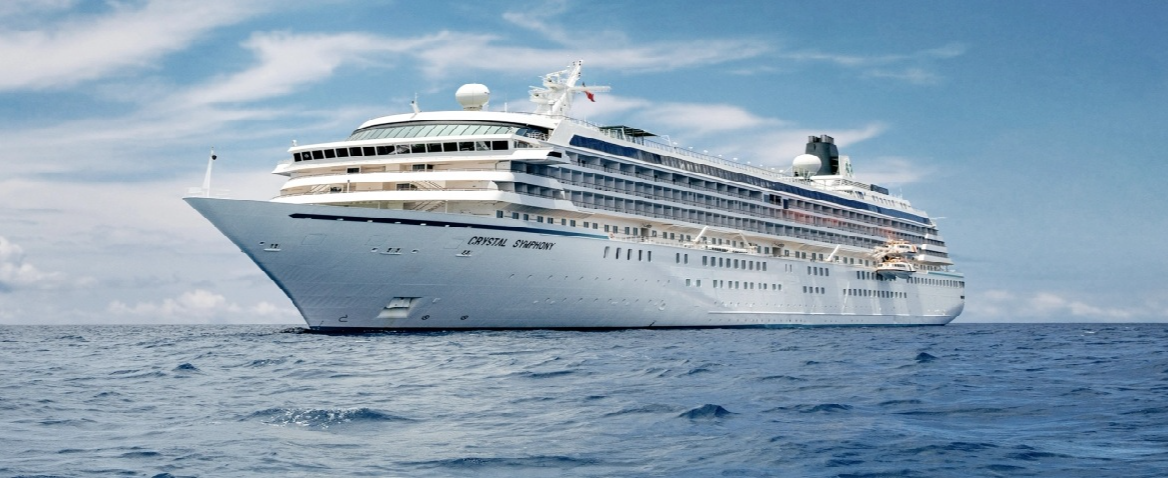
Crystal Symphony
8 Cruises
Cunard (41 Cruises)
Queen Anne
25 Cruises


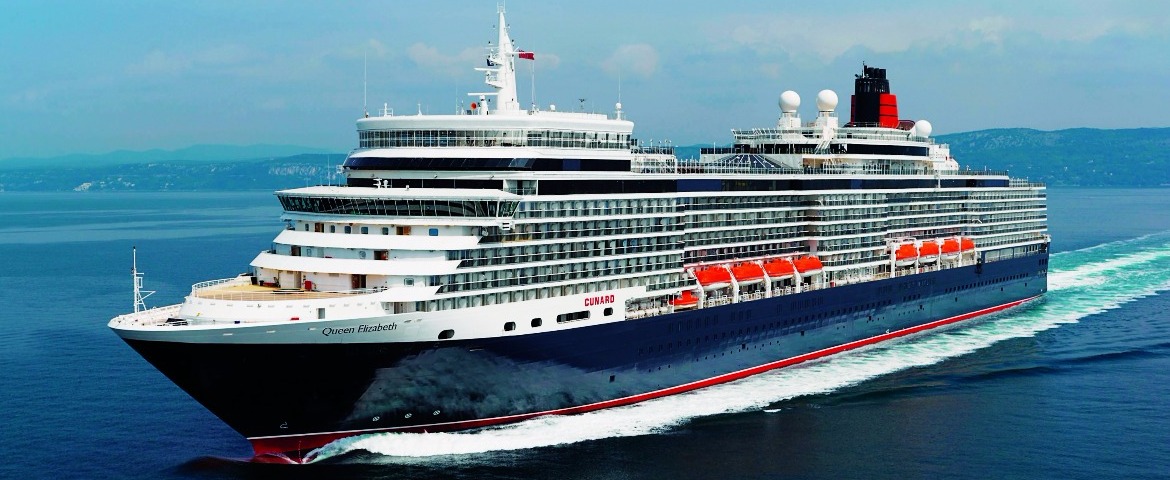
Queen Elizabeth
7 Cruises
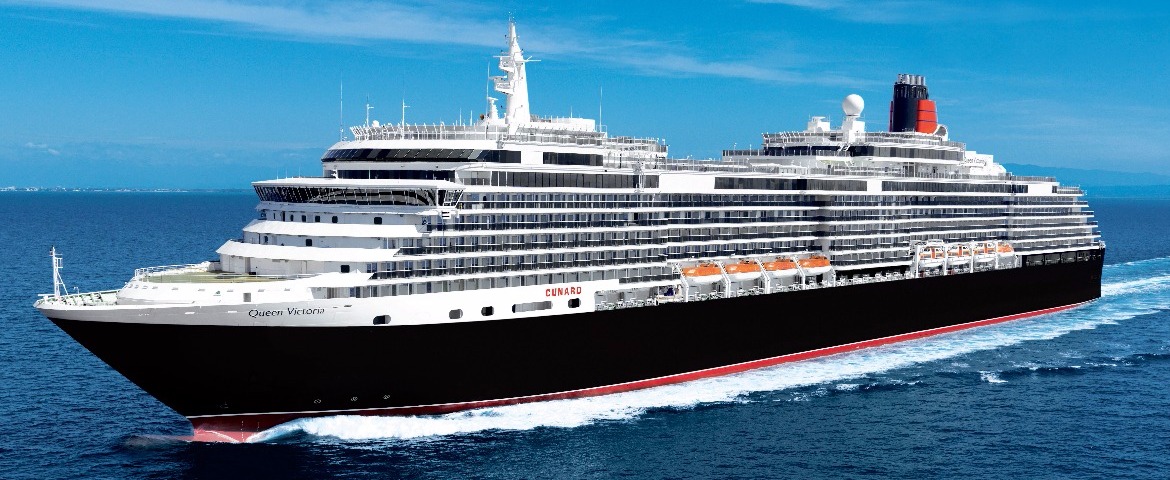
Queen Victoria
9 Cruises
Disney Cruise Line (2 Cruises)


Emerald Waterways (14 Cruises)
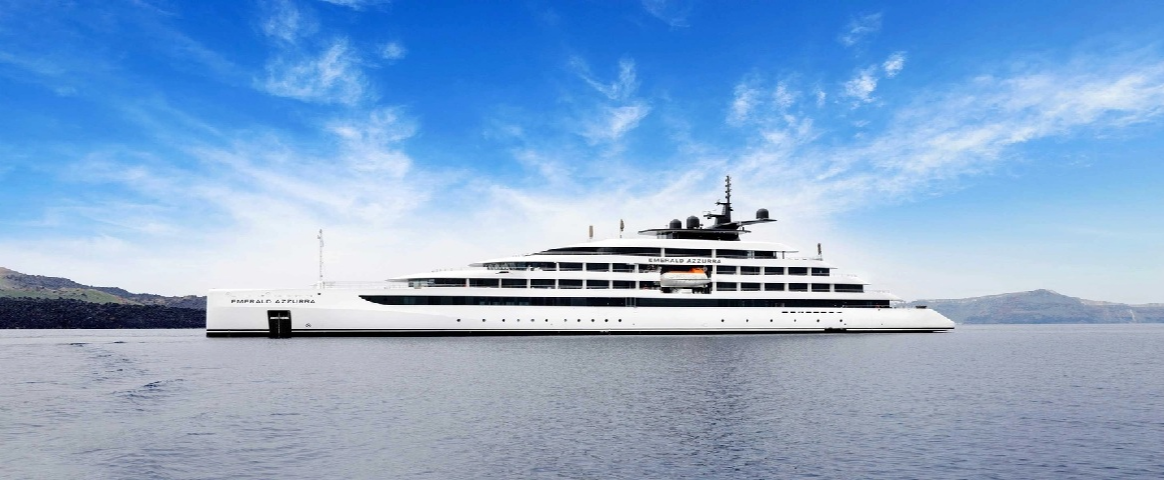
Emerald Azzurra
14 Cruises

Explora Journeys (8 Cruises)
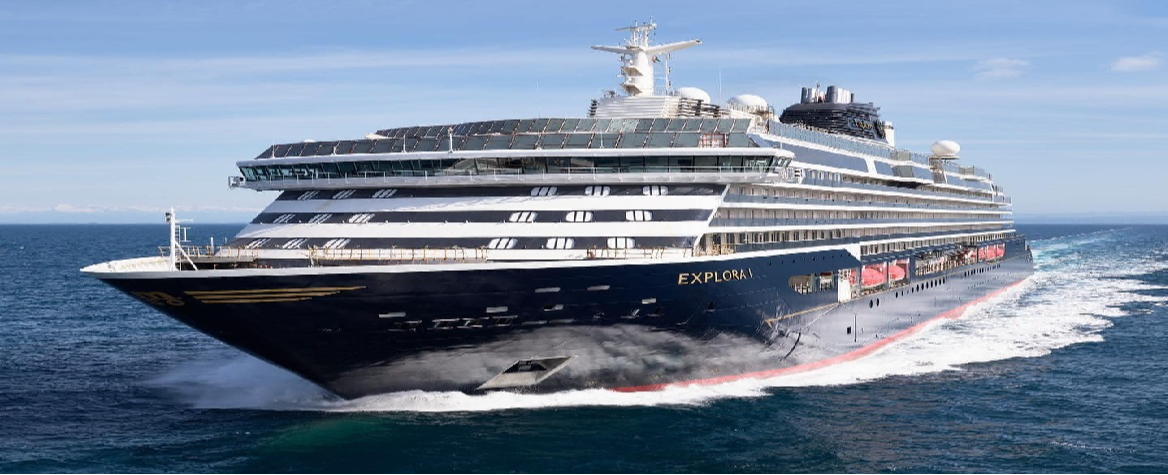

Explora III
5 Cruises
Holland America Line (99 Cruises)
ms Eurodam
13 Cruises


ms Nieuw Amsterdam
25 Cruises
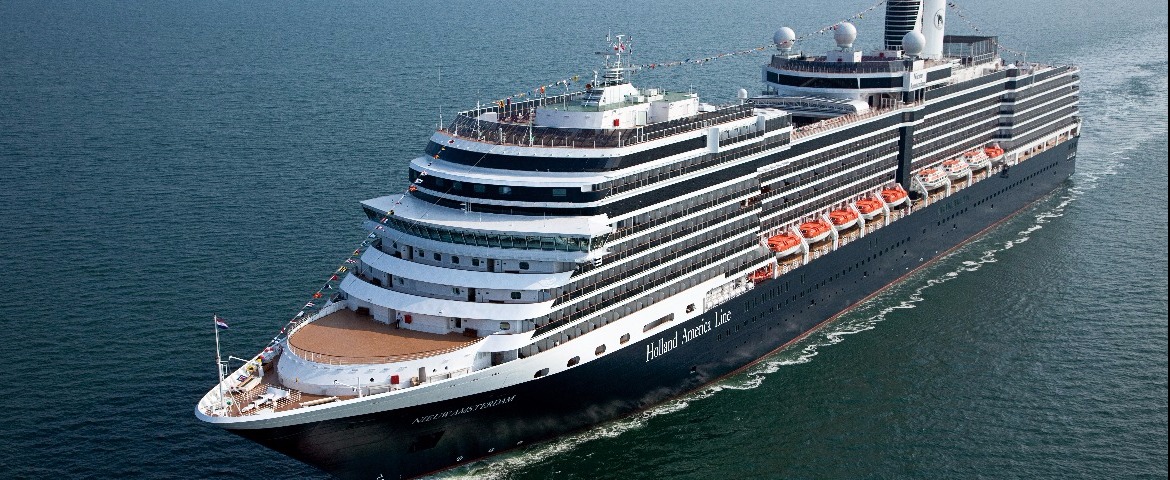
ms Nieuw Statendam
25 Cruises
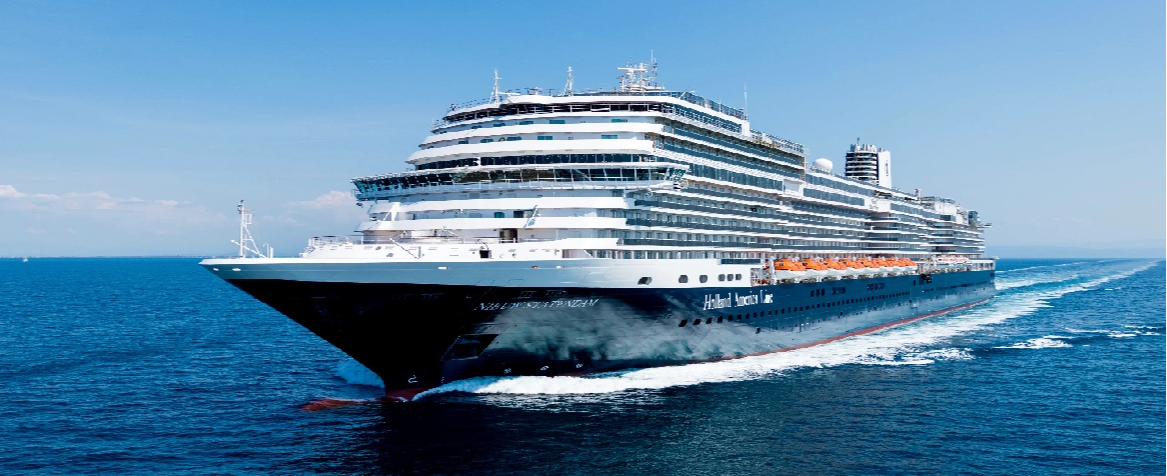
ms Oosterdam
21 Cruises
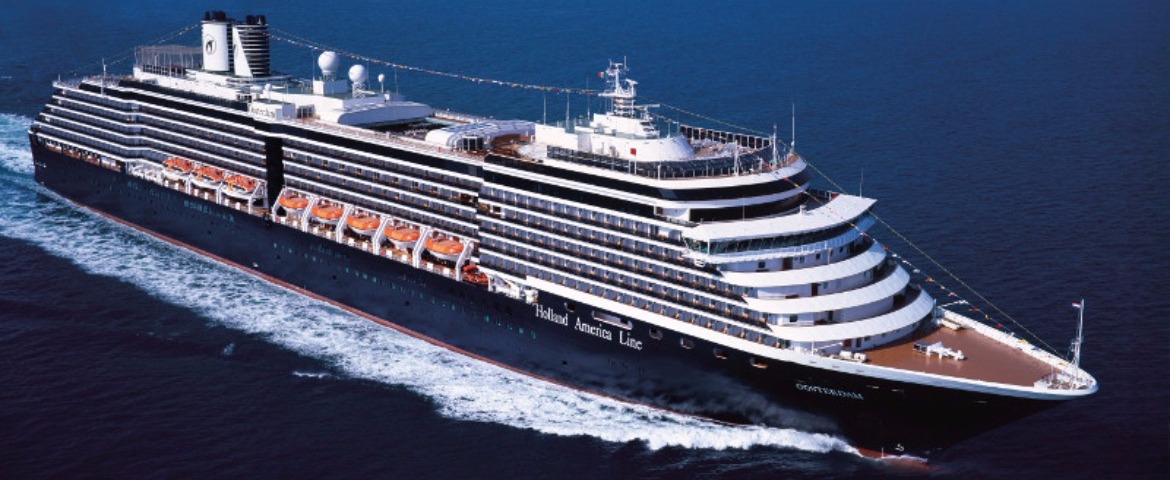
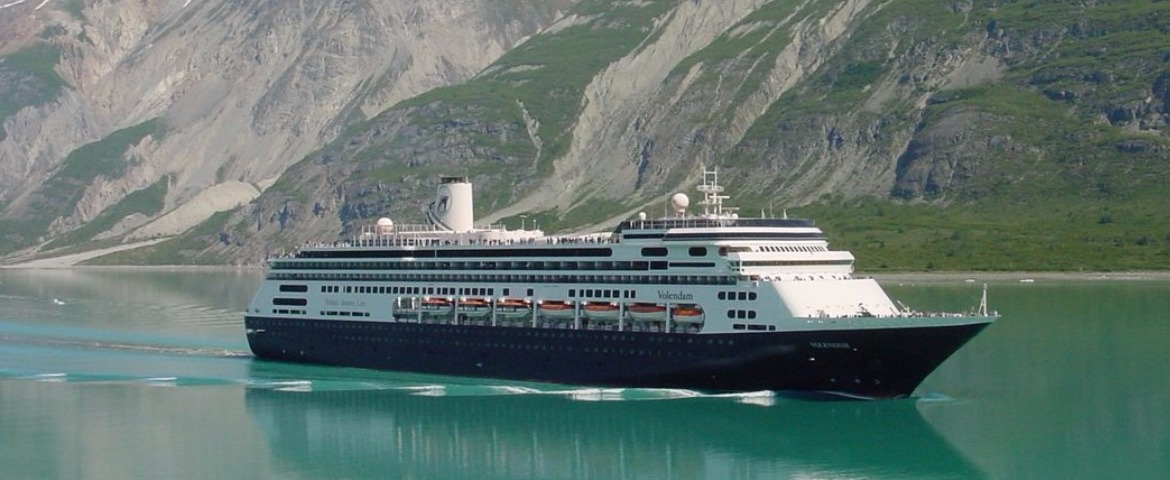
ms Volendam
4 Cruises
Lindblad Expeditions (51 Cruises)
National Geographic Quest
51 Cruises


| 24 October | 8 days | One-way from Panama City to Cartagena Colombia |
450-628-6241
Call us
|
| 31 October | 8 days | One-way from Panama City to Cartagena Colombia |
450-628-6241
Call us
|
MSC Cruises (24 Cruises)
MSC Magnifica
19 Cruises
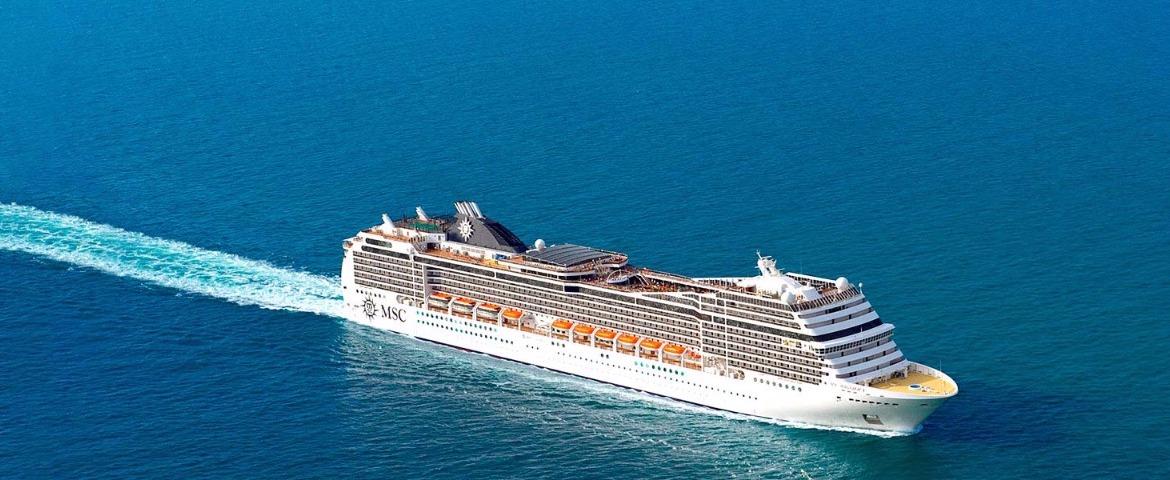

| 10 February | 87 days | One-way from Valparaiso-Santiago to Tarragona |
450-628-6241
Call us
|
| 10 February | 86 days | One-way from Valparaiso-Santiago to Marseille |
450-628-6241
Call us
|

Norwegian Cruise Line (34 Cruises)




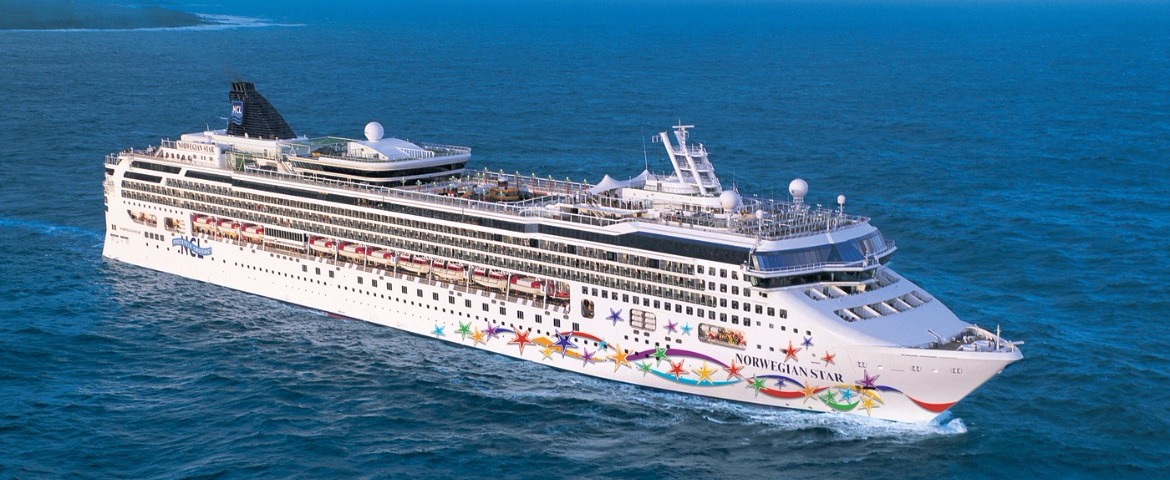
Norwegian Sun
15 Cruises

| 6 February | 12 days | Round-trip from Miami, USA |
From
1304$
|
| 17 February | 13 days | Round-trip from Miami, USA |
From
1423$
|
Oceania Cruises (44 Cruises)
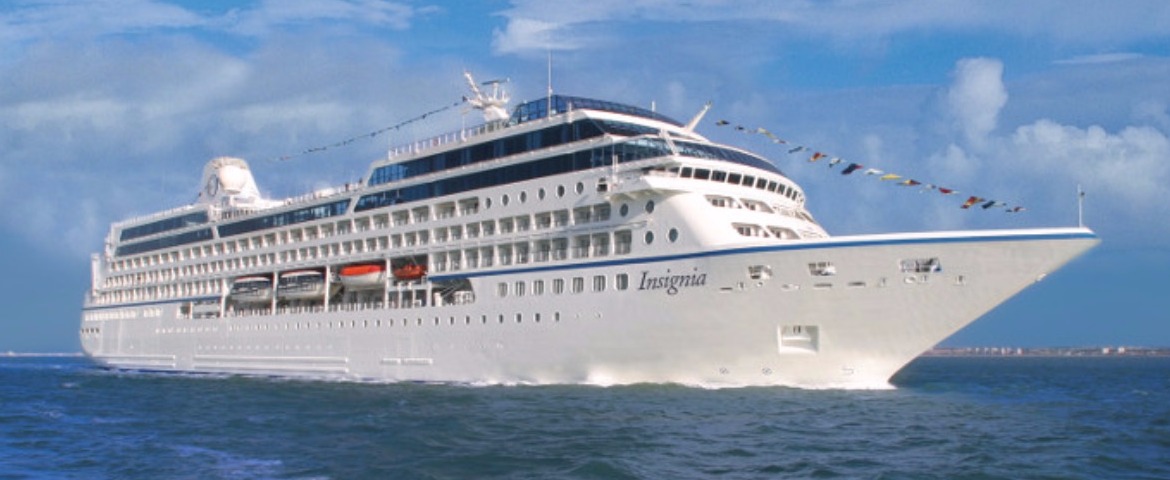

Oceania Marina
16 Cruises
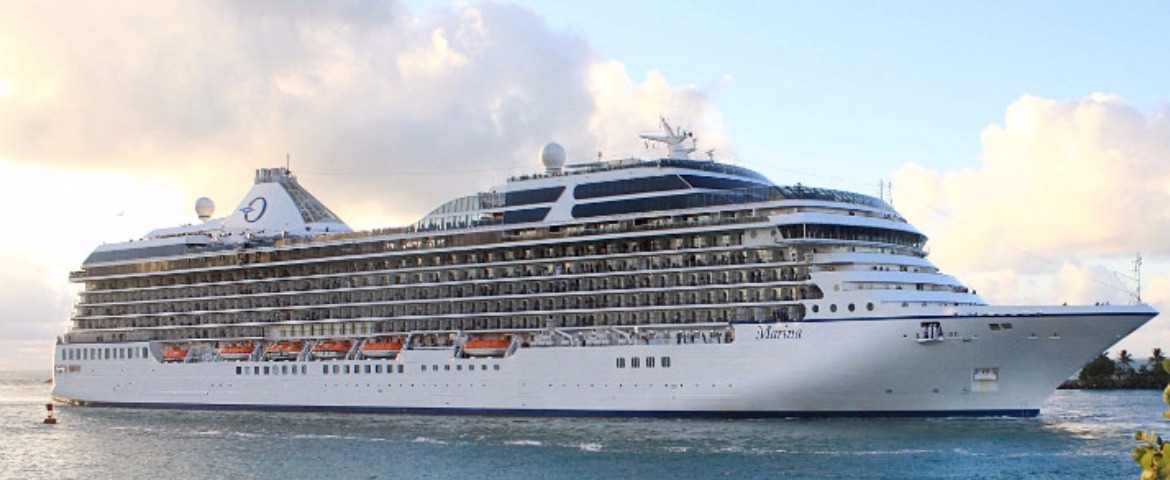
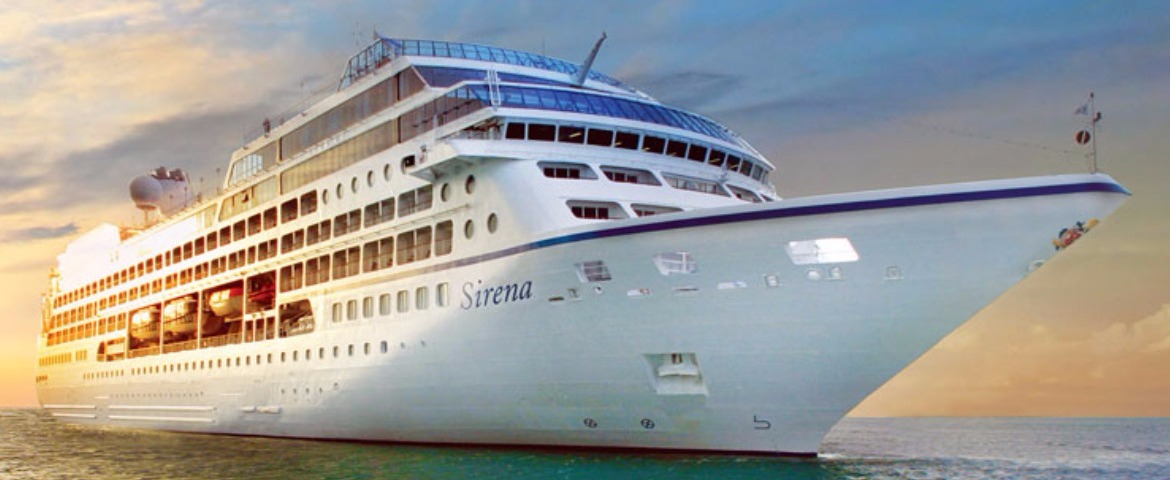
Oceania Sirena
4 Cruises
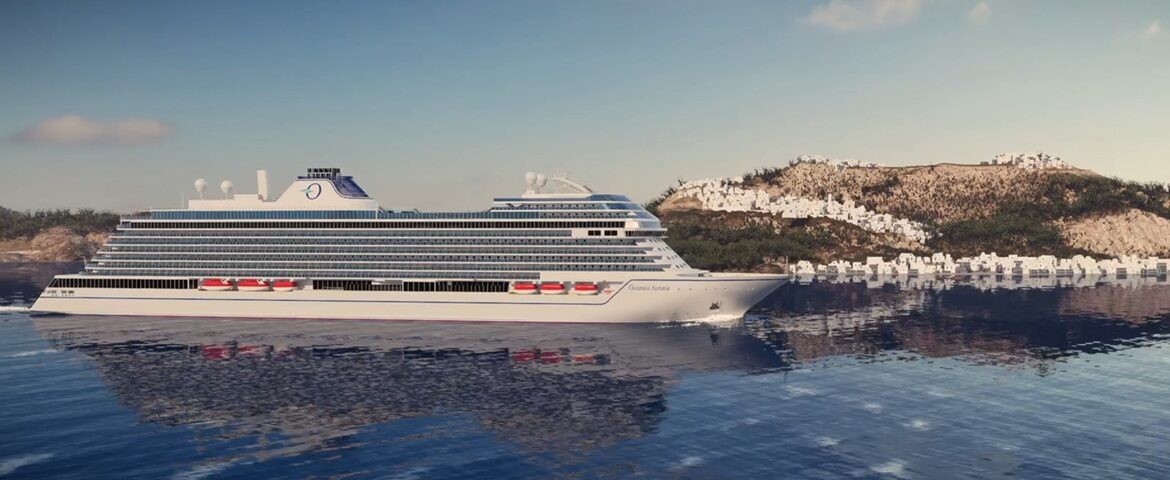
Oceania Sonata
12 Cruises
| 6 January | 17 days | One-way from Los Angeles to Miami |
450-628-6241
Call us
|
| 6 January | 45 days | One-way from Los Angeles to Miami |
450-628-6241
Call us
|
Ponant (38 Cruises)
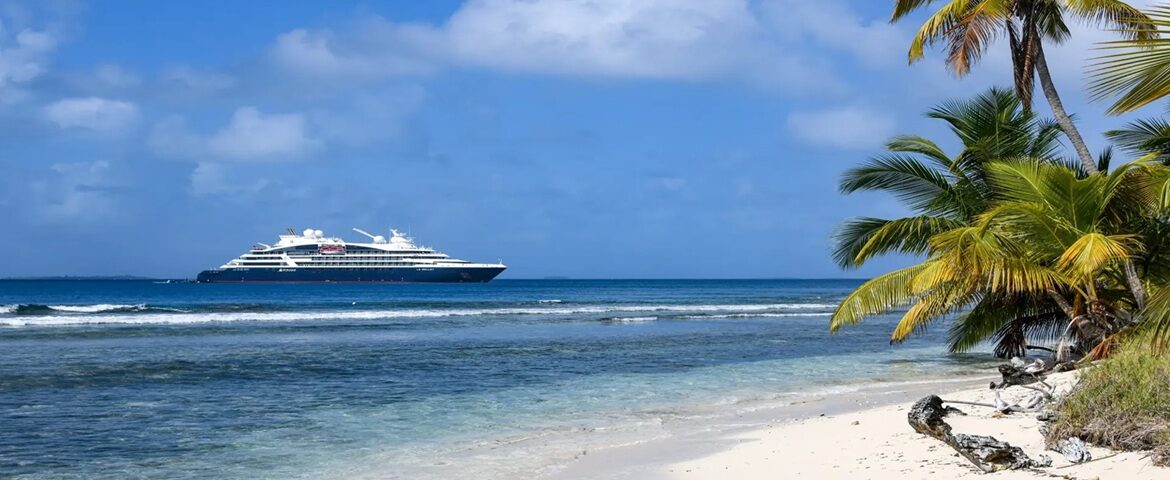
Le Bellot
22 Cruises

| 29 March | 11 days | One-way from Puntarenas to Colon |
450-628-6241
Call us
|
| 29 March | 9 days | One-way from Puntarenas to Colon |
450-628-6241
Call us
|
Le Bougainville
8 Cruises
Le Laperouse
8 Cruises
Princess Cruises (57 Cruises)
Caribbean Princess
13 Cruises

| 10 January | 13 days | Round-trip from Fort Lauderdale, USA |
450-628-6241
Call us
|
| 22 January | 13 days | Round-trip from Fort Lauderdale, USA |
450-628-6241
Call us
|
Coral Princess
14 Cruises


Island Princess
21 Cruises

| 13 January | 17 days | One-way from Fort Lauderdale to San Diego |
450-628-6241
Call us
|
| 29 January | 17 days | One-way from San Diego to Fort Lauderdale |
450-628-6241
Call us
|
| 2 March | 17 days | One-way from Los Angeles to Fort Lauderdale |
450-628-6241
Call us
|
| 18 March | 17 days | One-way from Fort Lauderdale to Los Angeles |
450-628-6241
Call us
|
| 14 January | 17 days | One-way from Fort Lauderdale to Los Angeles |
450-628-6241
Call us
|
| 30 January | 17 days | One-way from Los Angeles to Fort Lauderdale |
450-628-6241
Call us
|

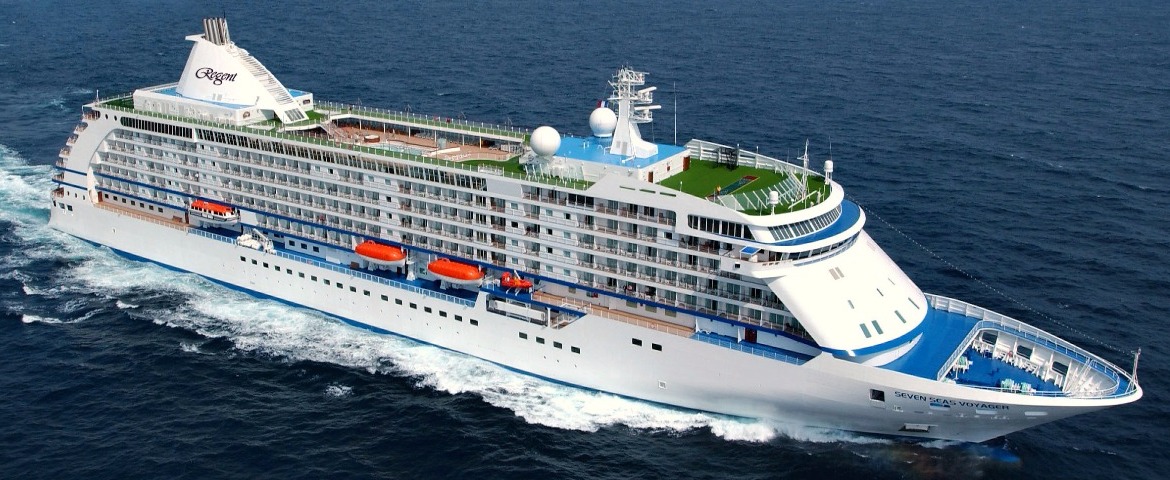
Regent Seven Seas Cruises (31 Cruises)
Seven Seas Grandeur
10 Cruises

Seven Seas Splendor
7 Cruises



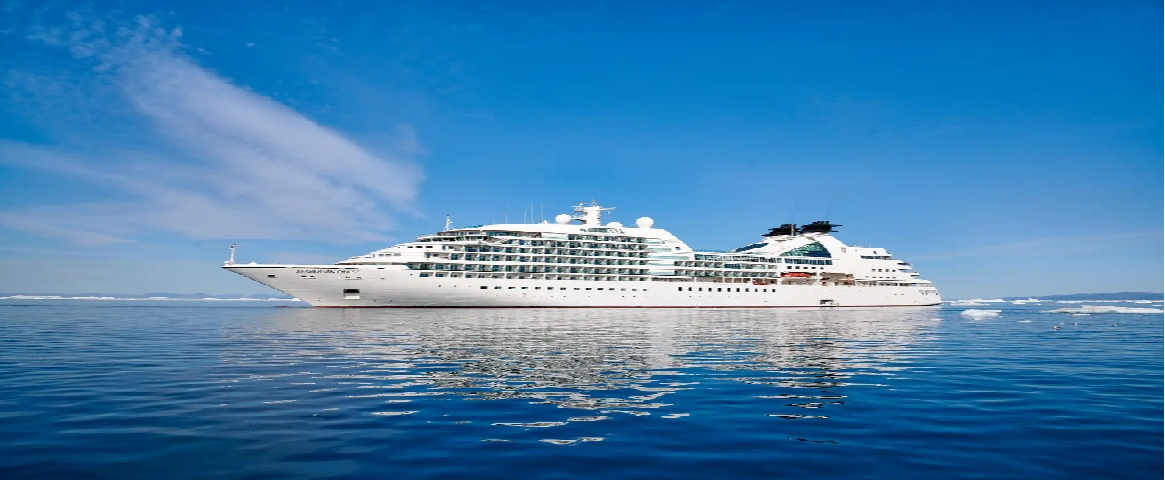
Seabourn Cruise Line (32 Cruises)
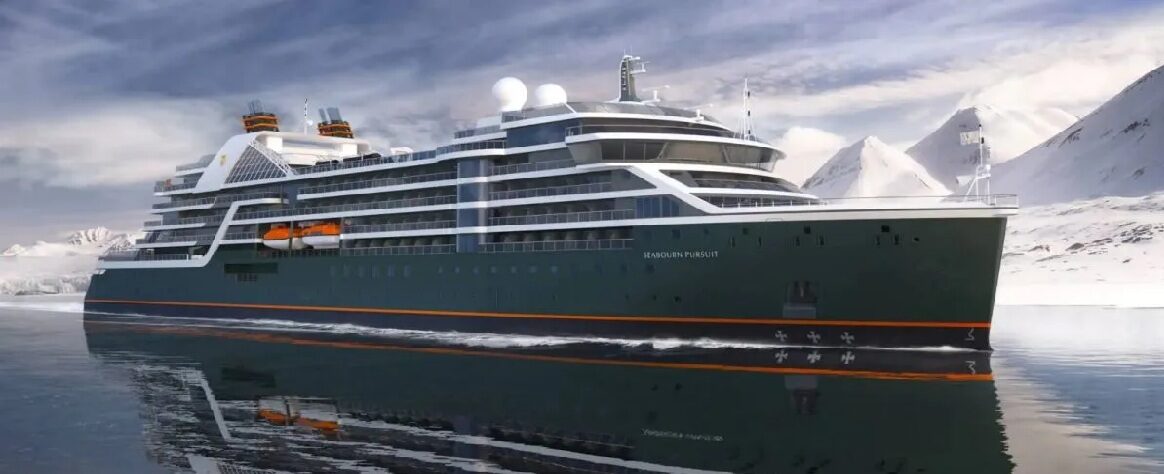
Seabourn Pursuit
8 Cruises

| 23 August | 79 days | One-way from Reykjavik to Ushuaia |
450-628-6241
Call us
|
| 23 August | 57 days | One-way from Reykjavik to Valparaiso-Santiago |
450-628-6241
Call us
|
Seabourn Quest
24 Cruises


Viking Ocean Cruises (55 Cruises)
Viking Mars
17 Cruises

| 10 January | 15 days | Round-trip from Fort Lauderdale, USA |
450-628-6241
Call us
|
| 10 January | 14 days | Round-trip 14 Night Panama Canal and Central America Cruise |
450-628-6241
Call us
|
Viking Octantis
20 Cruises

| 15 March | 63 days | One-way from Buenos Aires to Milwaukee WI |
450-628-6241
Call us
|
| 16 March | 60 days | One-way from Buenos Aires to Milwaukee WI |
450-628-6241
Call us
|
Viking Polaris
15 Cruises

| 14 March | 63 days | One-way from Buenos Aires to Milwaukee WI |
450-628-6241
Call us
|
| 15 March | 60 days | One-way from Buenos Aires to Milwaukee WI |
450-628-6241
Call us
|
Virgin Voyages (4 Cruises)


Windstar Cruises (75 Cruises)
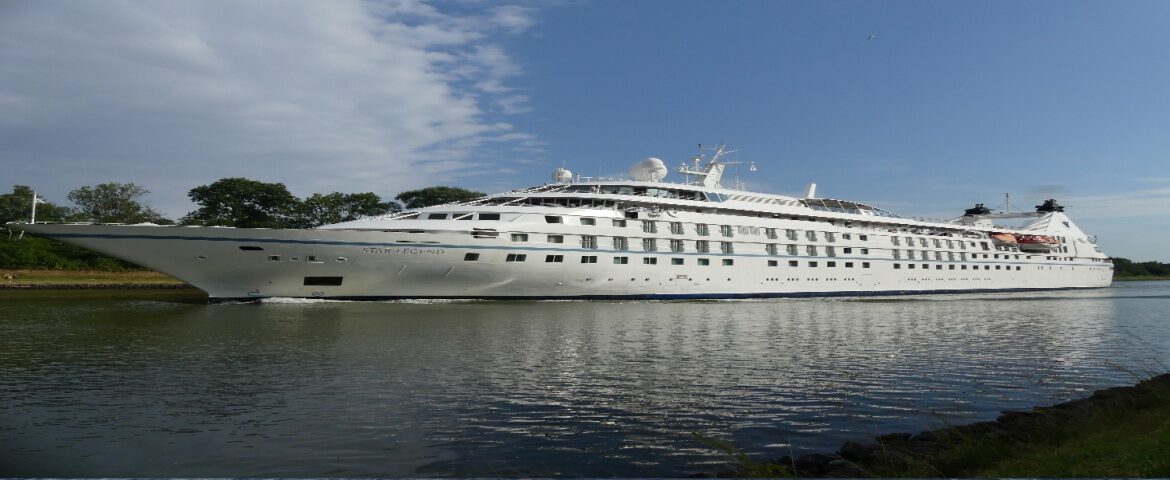
Star Legend
20 Cruises

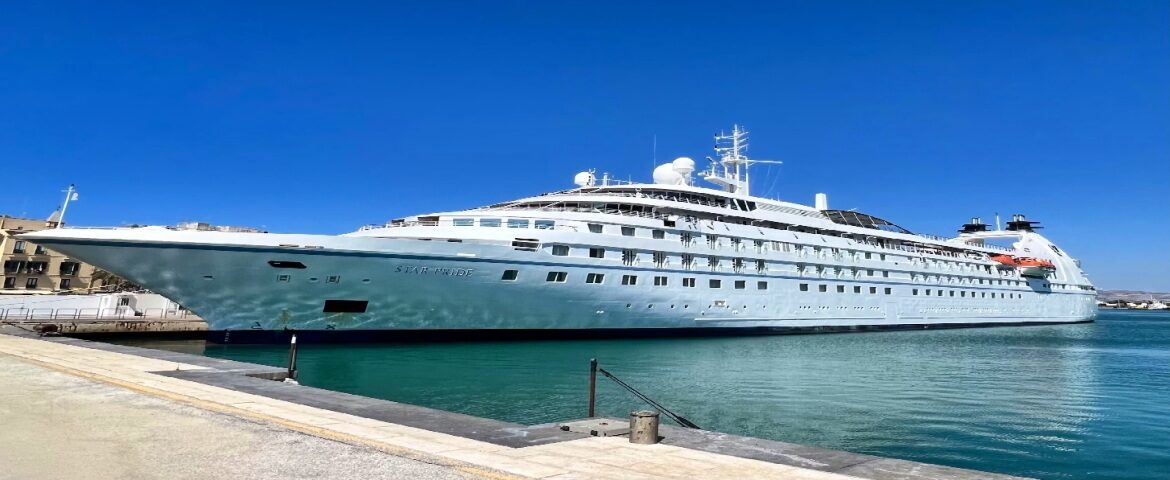
Star Pride
33 Cruises
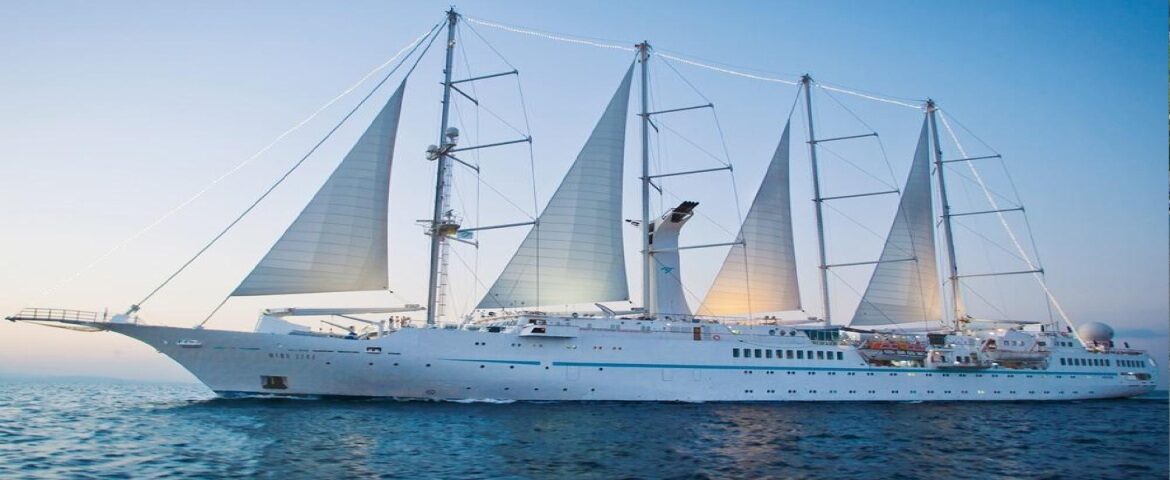
Wind Star
22 Cruises
| 24 November | 19 days | One-way from Bridgetown to Puntarenas |
450-628-6241
Call us
|
| 24 November | 18 days | One-way from Bridgetown to Puntarenas |
450-628-6241
Call us
|

Panama Canal, Panama | Cruise Port Guide
Frequently Asked Questions
Eight to ten hours, for 80 kilometres of locks, lake and cut carved through the mountain. Nobody goes ashore: this is a call experienced entirely from the decks.
Get up early and take the bow: entering the first lock is the high point of the morning, and the forward decks fill from first light. Then alternate viewpoints — the aft decks let you measure how far you have come. Port or starboard hardly matters; both banks have their show.
By water gravity alone, with no pumps. On the Caribbean side, the three Gatún chambers lift the ship about 26 metres, taking a few minutes per chamber. Each transit returns roughly 200 million litres of fresh water to the sea.
The electric locomotives that guide the hull along the lock walls. In the historic locks, sometimes only a few tens of centimetres of clearance remain on each side.
The canal pilot. It is the only place in the world where a captain formally hands over the conduct of his vessel: the pilot takes effective command for the whole transit.
The three Gatún chambers on the Caribbean side, the long crossing of Lake Gatún, the Culebra Cut carved through the continental divide, then the Pedro Miguel lock, the Miraflores reservoir and its final two chambers, which lower the ship to Pacific level. The Bridge of the Americas marks the exit.
The trench carved through the continental divide, the deadliest section of the construction. Rock walls slide past within easy view from the decks.
It opened in August 1914, after the resounding failure of a first French attempt and an American construction effort of unprecedented scale. The Spanish were already discussing linking the two seas in the sixteenth century. Since 2000 the canal has belonged fully to Panama, which doubled its capacity in 2016 with new locks for giant vessels.
Hat, water and shaded breaks: heat and humidity last all day. Binoculars help on Lake Gatún, for frigatebirds above the anchorages and the forested shores. Narration is often provided on board by a commentator who embarks for the occasion.
Not necessarily. Both banks have their show, and the best of it happens on the open decks, where you can move as the stages change. A fixed balcony costs you half the day.


