Panama City Fuerte Amador, Balboa
427
Cruises availables
At departure or passage at this port
Azamara Club Cruises (26 Cruises)
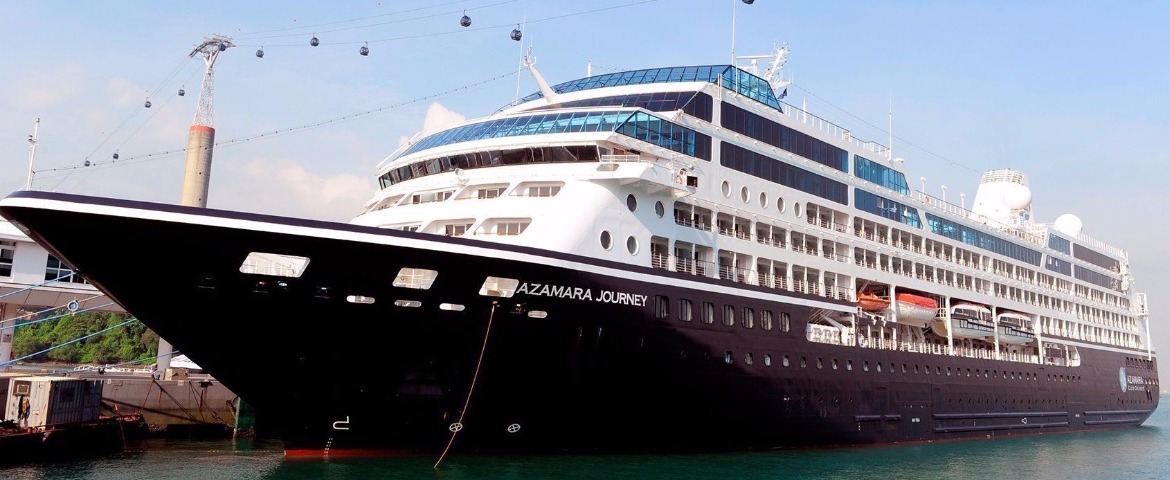
Azamara Journey
6 Cruises

| 14 January | 75 days | Round-trip from Miami, USA |
450-628-6241
Call us
|
| 14 January | 74 days | Round-trip South America Azamara Journey Miami Fl |
450-628-6241
Call us
|
Azamara Onward
9 Cruises
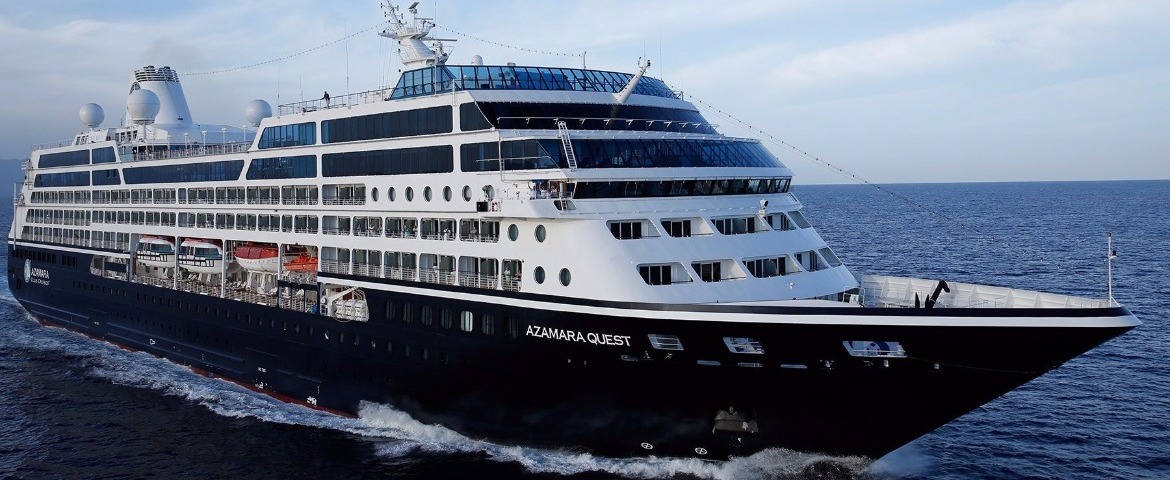
Azamara Quest
11 Cruises
Crystal Cruises (22 Cruises)
Crystal Serenity
16 Cruises


| 12 October | 72 days | One-way from New York to Fort Lauderdale |
450-628-6241
Call us
|
| 12 October | 71 days | One-way from New York to Fort Lauderdale |
450-628-6241
Call us
|
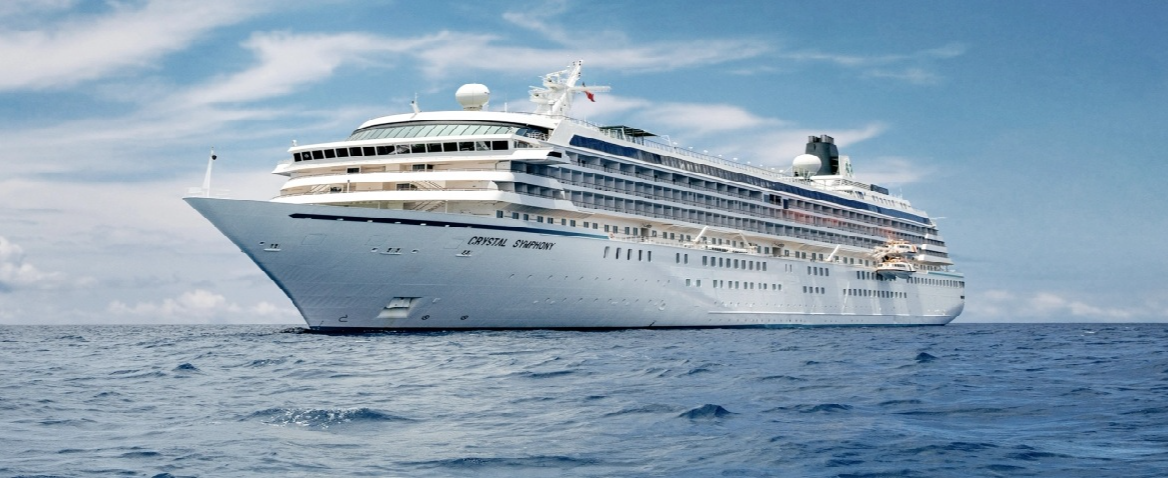
Crystal Symphony
6 Cruises
Cunard (12 Cruises)
Queen Anne
12 Cruises


Emerald Waterways (16 Cruises)
Emerald Azzurra
16 Cruises
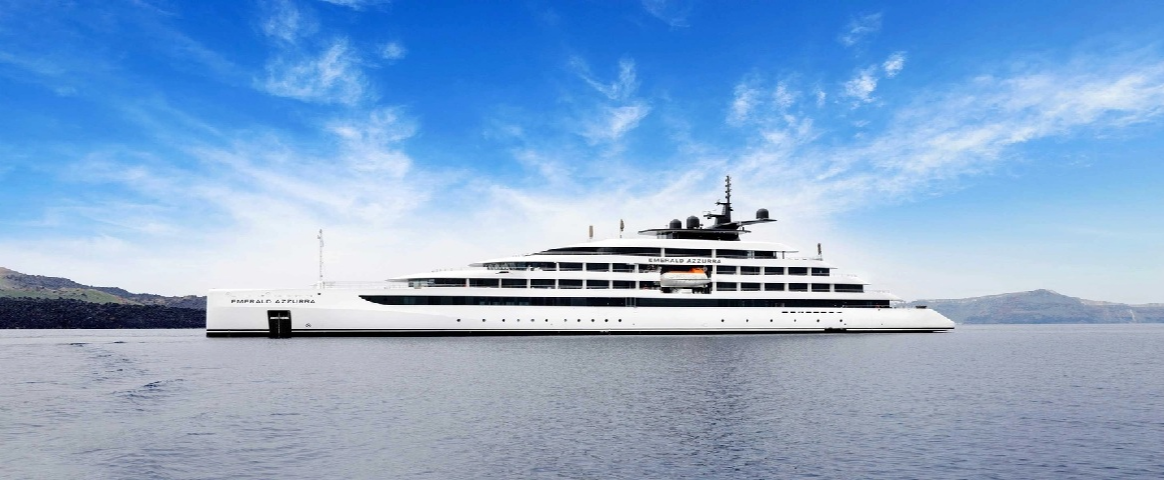

| 13 January | 12 days | One-way from Bridgetown to Panama City |
450-628-6241
Call us
|
| 24 January | 8 days | One-way from Panama City to Puntarenas |
450-628-6241
Call us
|
Explora Journeys (10 Cruises)
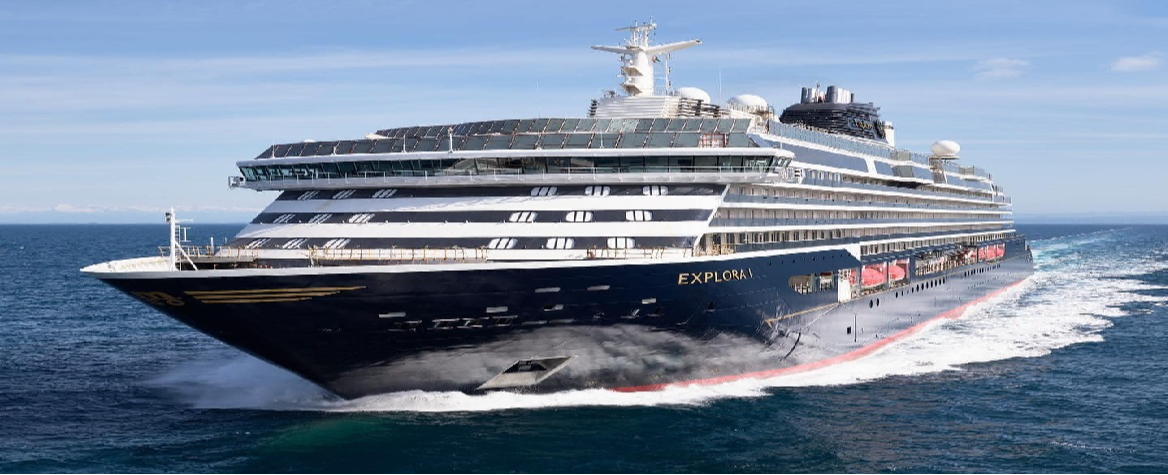

Explora III
7 Cruises
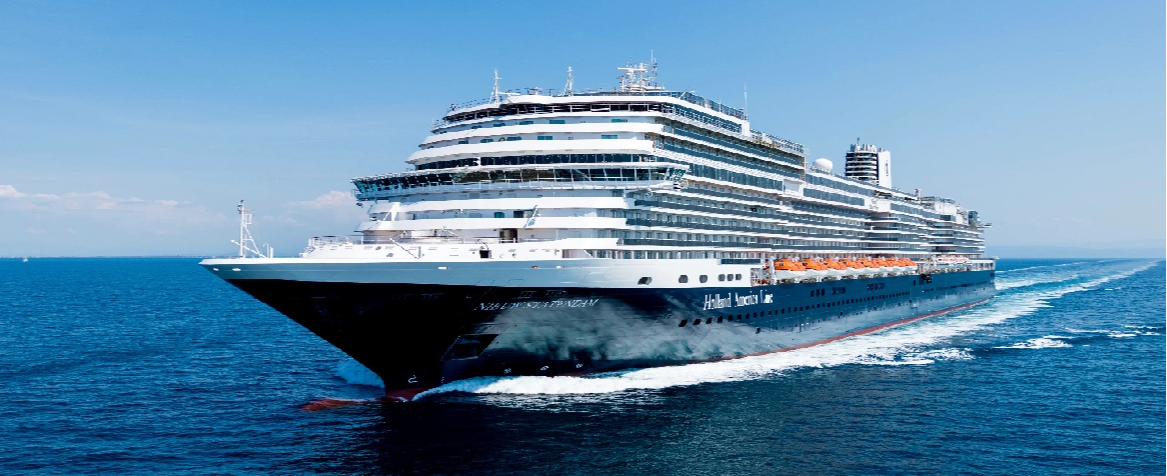
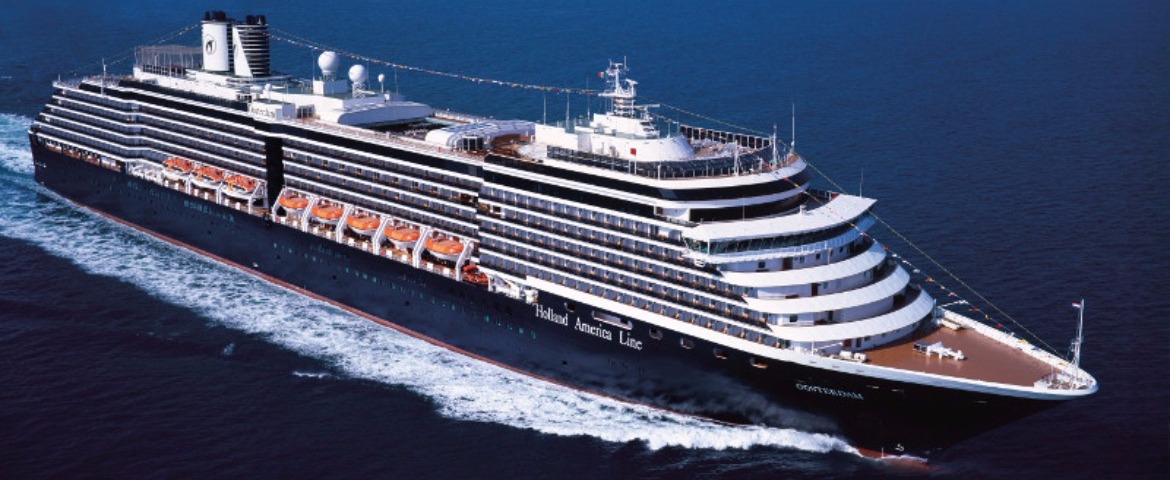
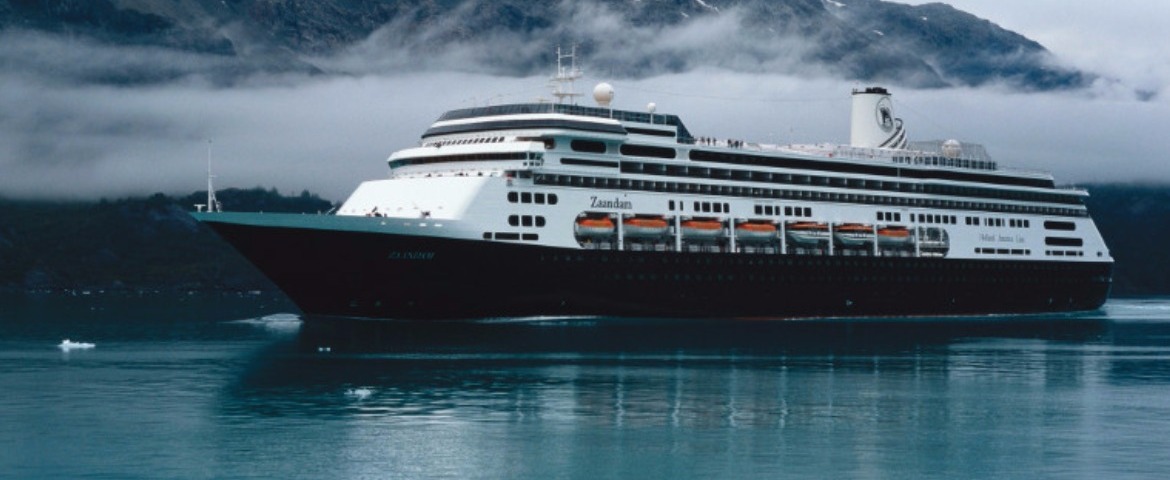
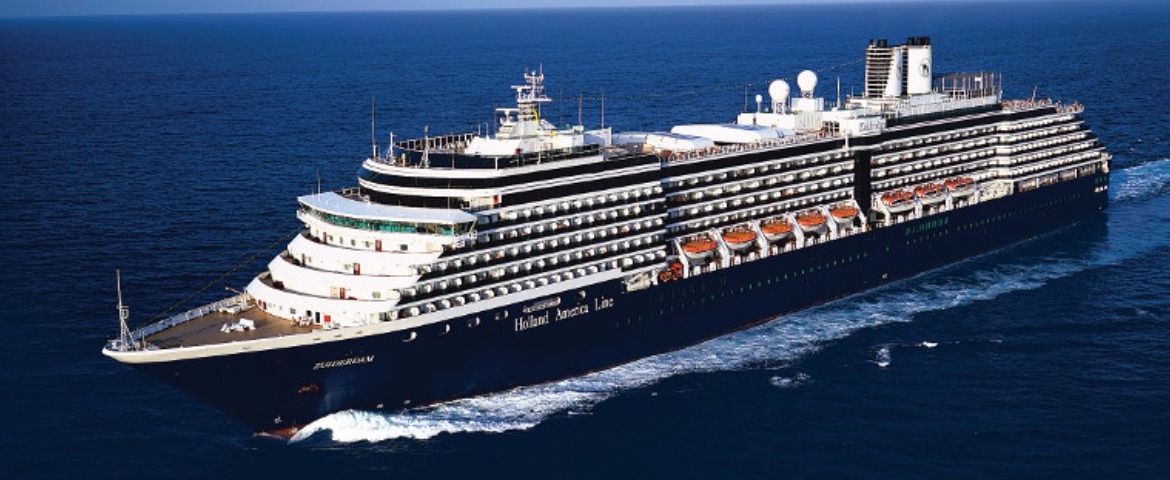
Holland America Line (15 Cruises)

Lindblad Expeditions (34 Cruises)
National Geographic Quest
34 Cruises


| 24 October | 8 days | One-way from Panama City to Cartagena Colombia |
450-628-6241
Call us
|
| 31 October | 8 days | One-way from Panama City to Cartagena Colombia |
450-628-6241
Call us
|
MSC Cruises (19 Cruises)
MSC Magnifica
19 Cruises
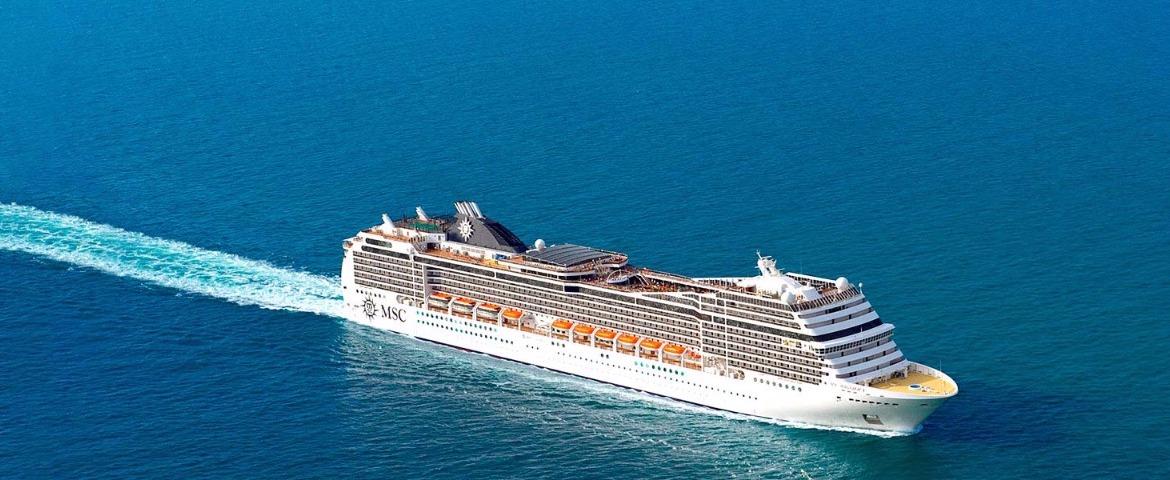

| 10 February | 86 days | One-way from Valparaiso-Santiago to Marseille |
450-628-6241
Call us
|
| 10 February | 87 days | One-way from Valparaiso-Santiago to Tarragona |
450-628-6241
Call us
|
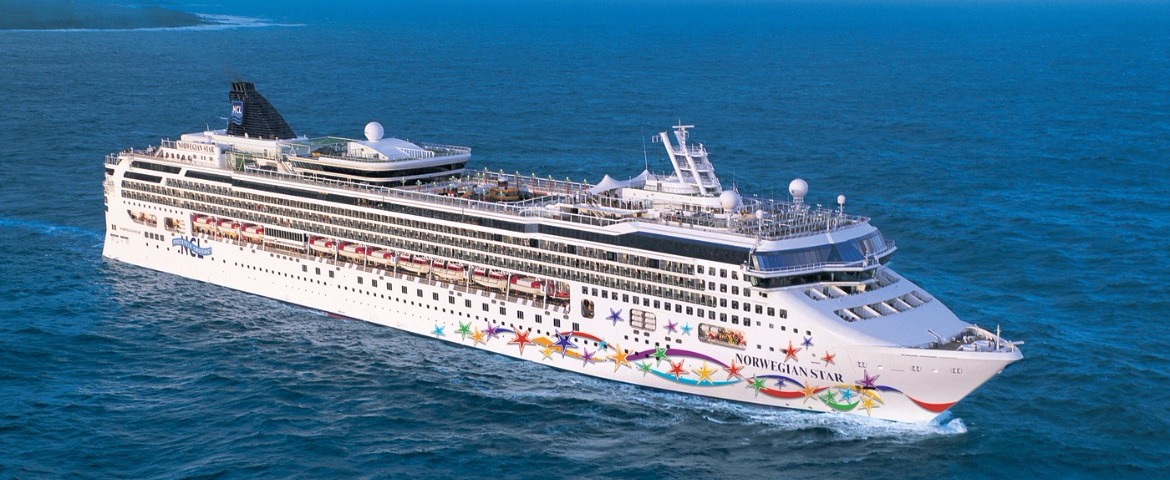
Norwegian Cruise Line (11 Cruises)




Oceania Cruises (25 Cruises)
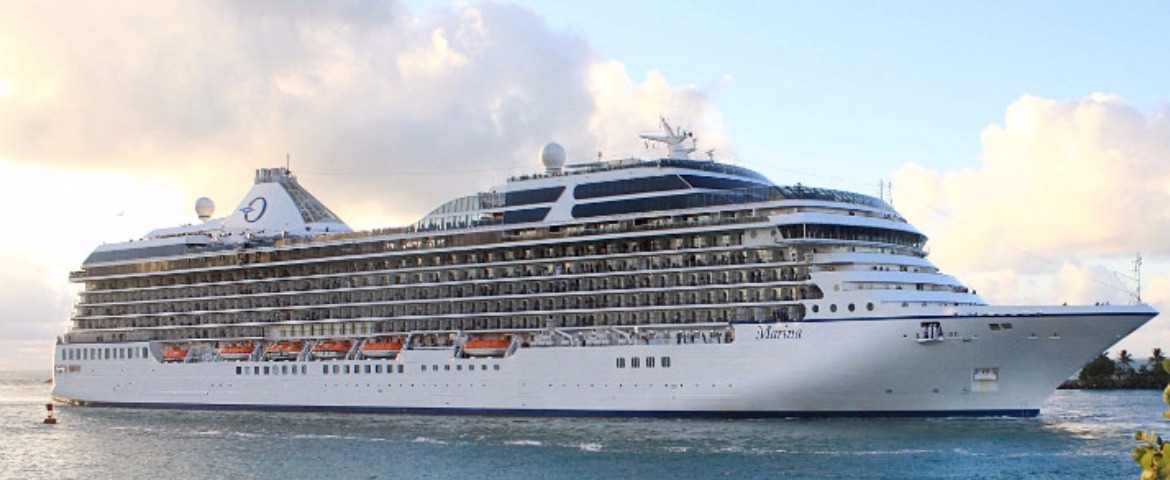
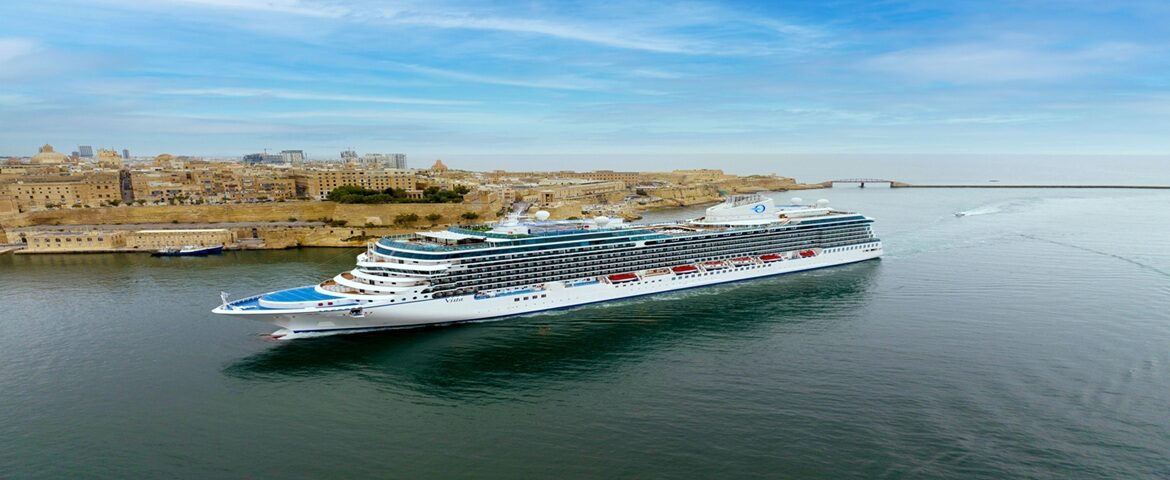
Oceania Marina
18 Cruises


Princess Cruises (35 Cruises)
Coral Princess
5 Cruises




Island Princess
21 Cruises

| 13 January | 17 days | One-way from Fort Lauderdale to San Diego |
450-628-6241
Call us
|
| 29 January | 17 days | One-way from San Diego to Fort Lauderdale |
450-628-6241
Call us
|
| 2 March | 17 days | One-way from Los Angeles to Fort Lauderdale |
450-628-6241
Call us
|
| 18 March | 17 days | One-way from Fort Lauderdale to Los Angeles |
450-628-6241
Call us
|
| 14 January | 17 days | One-way from Fort Lauderdale to Los Angeles |
450-628-6241
Call us
|
| 30 January | 17 days | One-way from Los Angeles to Fort Lauderdale |
450-628-6241
Call us
|

Regent Seven Seas Cruises (20 Cruises)
Seven Seas Grandeur
5 Cruises


Seven Seas Splendor
8 Cruises
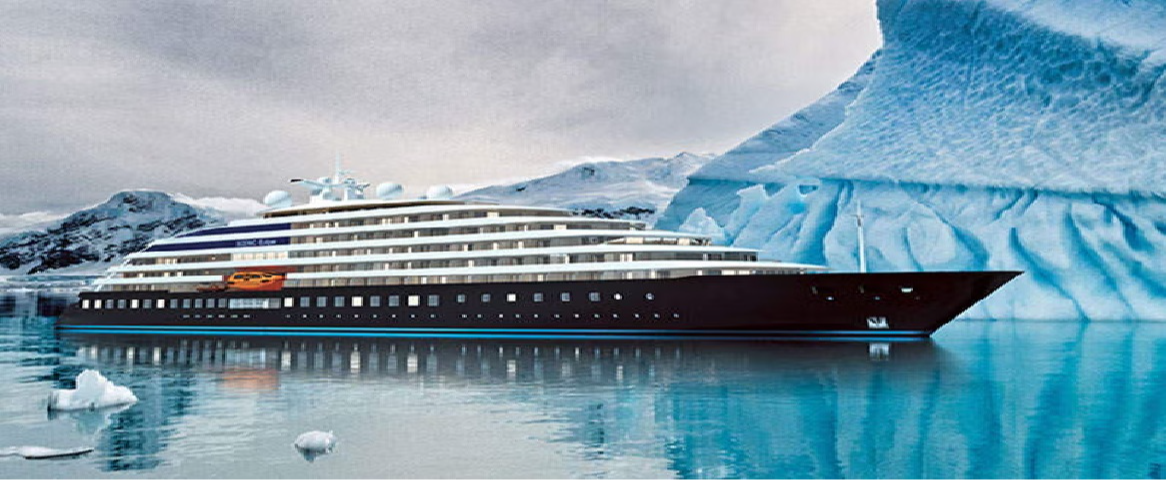

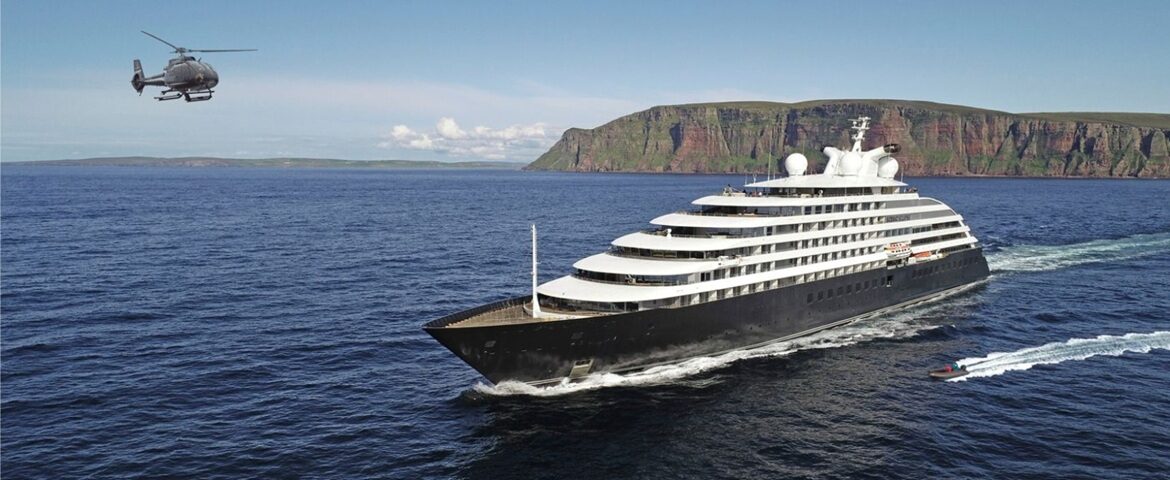
Seabourn Cruise Line (17 Cruises)
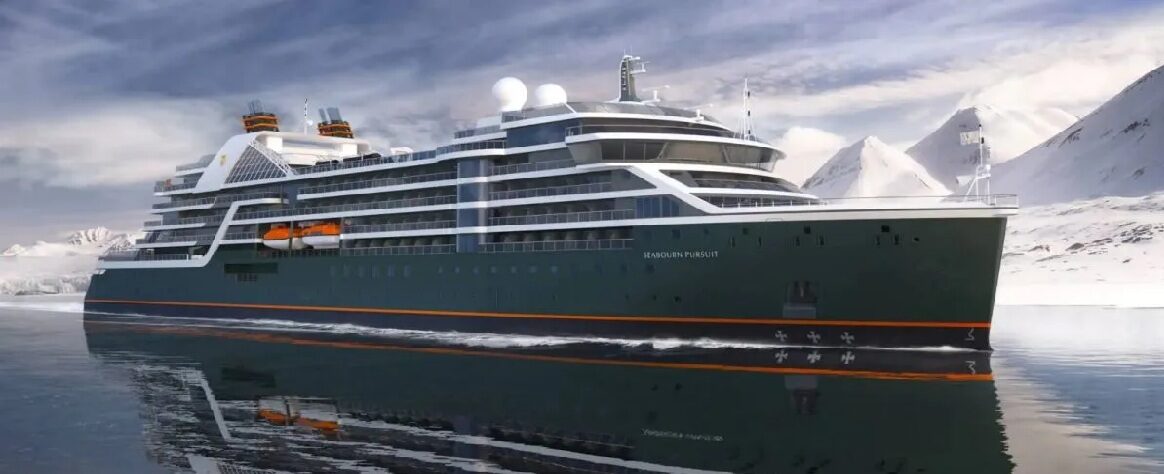
Seabourn Pursuit
8 Cruises

| 23 August | 79 days | One-way from Reykjavik to Ushuaia |
450-628-6241
Call us
|
| 23 August | 57 days | One-way from Reykjavik to Valparaiso-Santiago |
450-628-6241
Call us
|
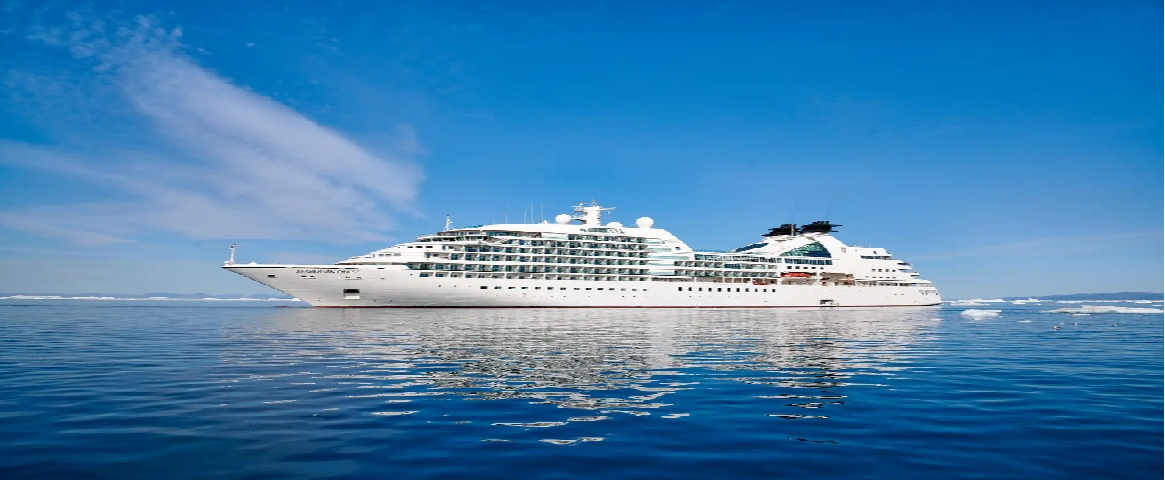
Seabourn Quest
9 Cruises
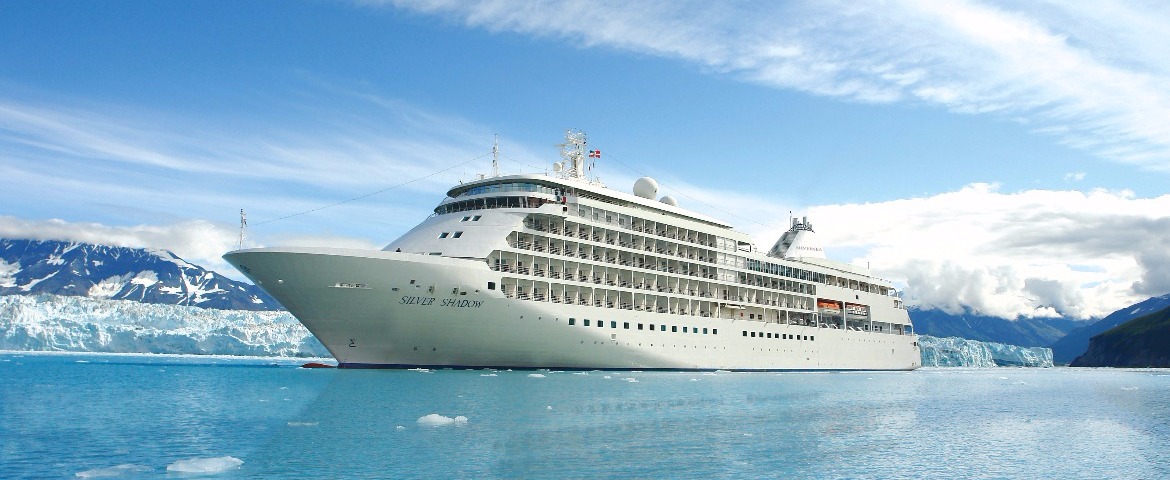
Silversea Cruises (4 Cruises)
Silver Shadow
4 Cruises

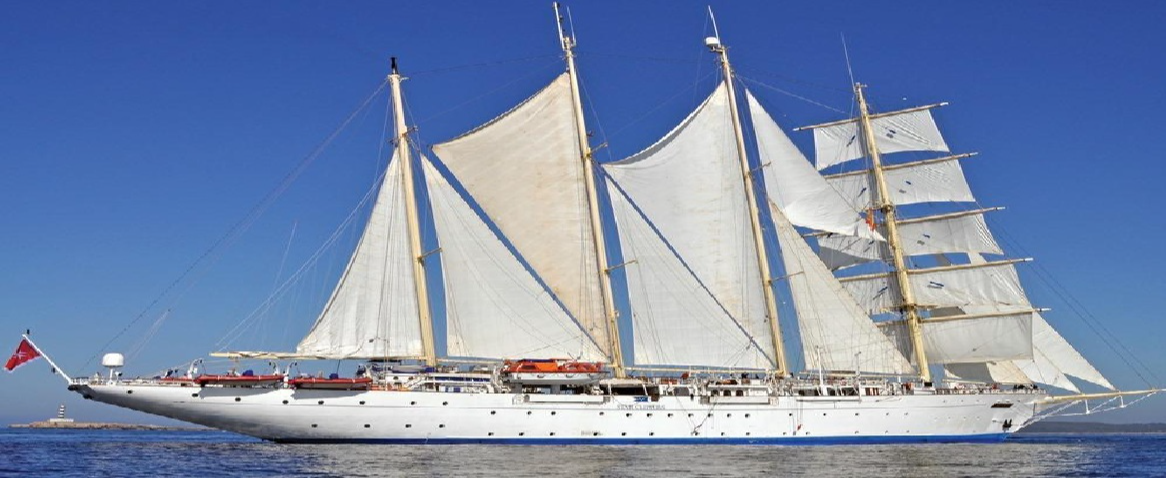
Star Clippers (13 Cruises)
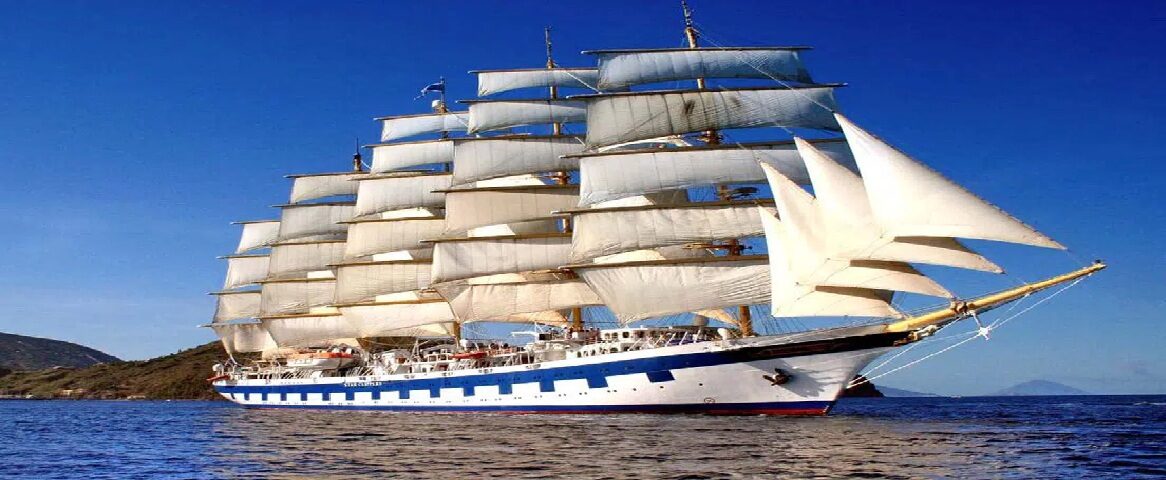

Star Clipper
10 Cruises
Viking Ocean Cruises (43 Cruises)
Viking Mars
8 Cruises
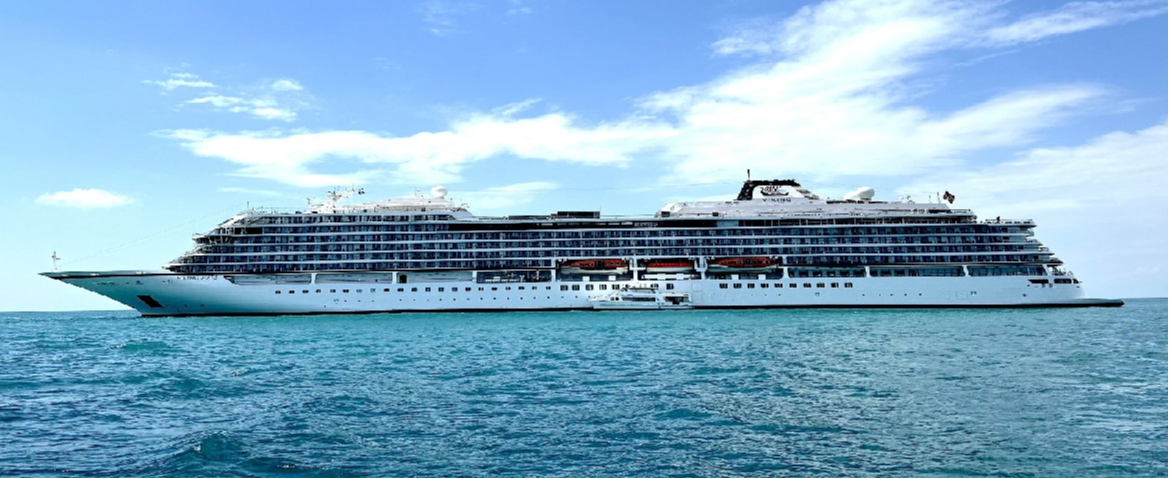

Viking Octantis
20 Cruises

| 15 March | 63 days | One-way from Buenos Aires to Milwaukee WI |
450-628-6241
Call us
|
| 16 March | 60 days | One-way from Buenos Aires to Milwaukee WI |
450-628-6241
Call us
|
Viking Polaris
15 Cruises

| 14 March | 63 days | One-way from Buenos Aires to Milwaukee WI |
450-628-6241
Call us
|
| 15 March | 60 days | One-way from Buenos Aires to Milwaukee WI |
450-628-6241
Call us
|
Virgin Voyages (2 Cruises)


Windstar Cruises (80 Cruises)
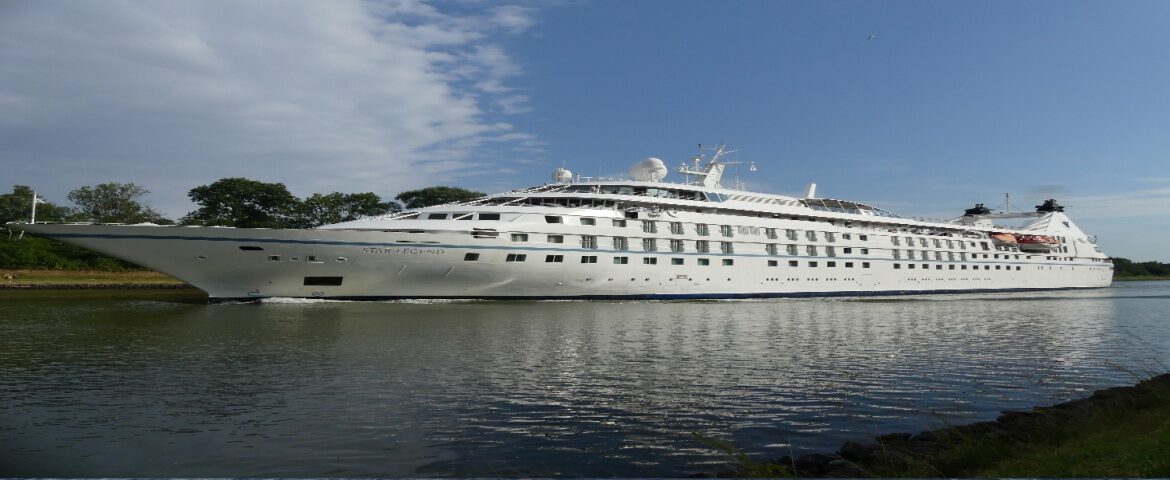
Star Legend
24 Cruises

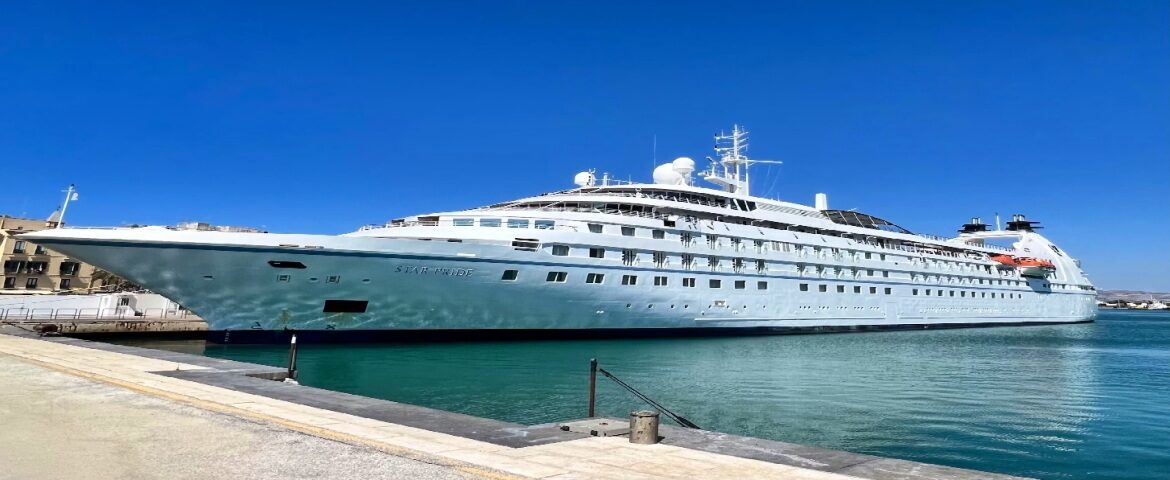
Star Pride
35 Cruises
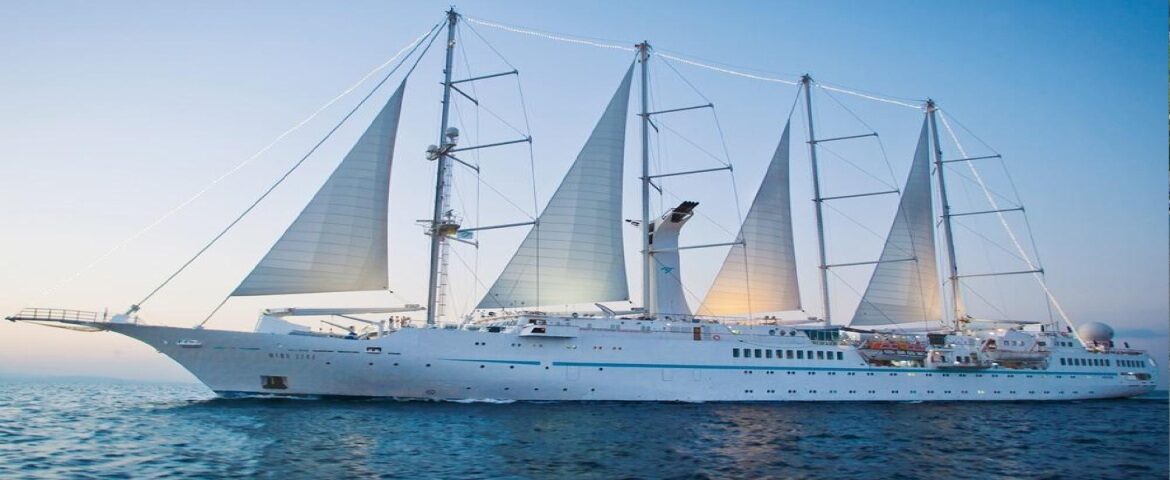
Wind Star
21 Cruises
| 24 November | 19 days | One-way from Bridgetown to Puntarenas |
450-628-6241
Call us
|
| 24 November | 18 days | One-way from Bridgetown to Puntarenas |
450-628-6241
Call us
|

Port of Fuerte Amador, Panama | Cruise Port Guide
Frequently Asked Questions
The ship anchors in Panama Bay and shuttles land passengers on the Amador Causeway, which is why the call is named Fuerte Amador. From there the whole Panamanian capital opens up.
A roughly 1.6-kilometre causeway laid across the water, built from spoil excavated for the interoceanic waterway, linking the mainland to the islands of Naos, Perico, Culebra and Flamenco. Marinas, terraces and a cycling promenade line it, with the skyline on one side and the parade of ships on the other.
A building with crumpled red, yellow and blue roofs designed by architect Frank Gehry, steps from the shuttle pier. Its galleries explain how the emergence of the Isthmus of Panama separated two oceans and transformed the continent's biodiversity. It is reachable on foot or a few minutes by car.
Casco Viejo and the Miraflores locks, often combined in a single excursion — the realistic option for a day call. If you would rather stay near the pier, the Biomuseo and the Amador Causeway promenade fill half a day.
The capital's colonial quarter, about fifteen minutes by taxi, listed as UNESCO World Heritage: wrought-iron balconies, restored colonial facades, old churches and shaded squares where fruit sellers sit alongside cafés. You walk it without a plan, square to square.
Yes, at the Miraflores locks, the closest to the capital, which have a visitor centre with observation terraces. You watch ships rise and fall in the chambers, guided by the electric locomotives.
Taxis wait at the pier exit: agree the fare before getting in, as meters are rarely used. Ride-hailing apps such as Uber work well in the city. Many passengers also take ship-organized excursions, which include return transport.
The US dollar, called the balboa in Panama, is accepted everywhere. Bring small notes for taxis and street vendors in Casco Viejo.
A ribbon of parkland laid out along the bay, linking the modern towers to the colonial lanes. It captures a metropolis that moves forward without erasing its past.
The density of worlds crossing there. In a single day you go from a Gehry-designed museum to colonial lanes, then to one of the most important engineering works on the planet. Many leave with one specific wish: to come back and transit the whole canal, ocean to ocean.


