Katakolon Olympia, Greece
928
Cruises availables
At departure or passage at this port
Azamara Club Cruises (18 Cruises)
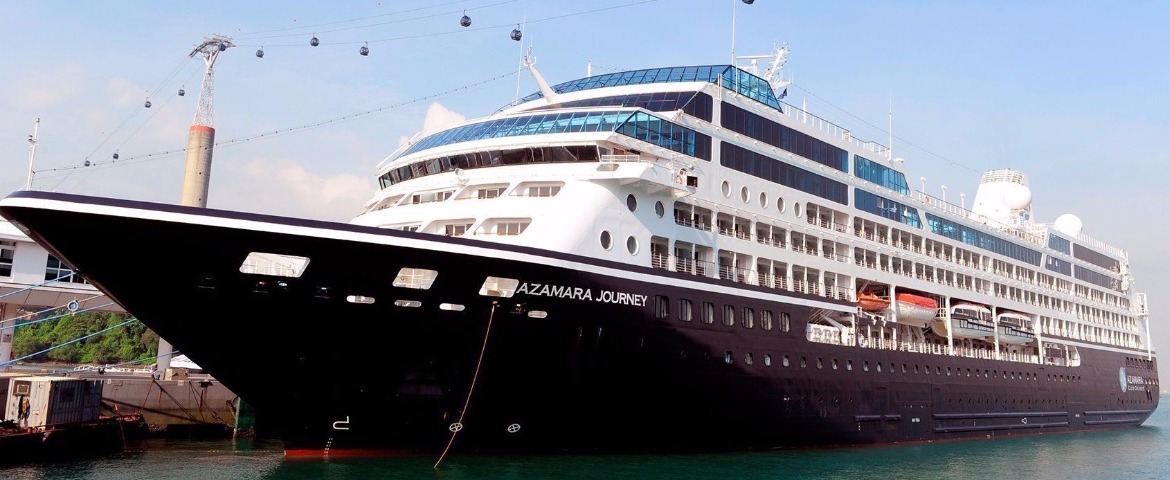
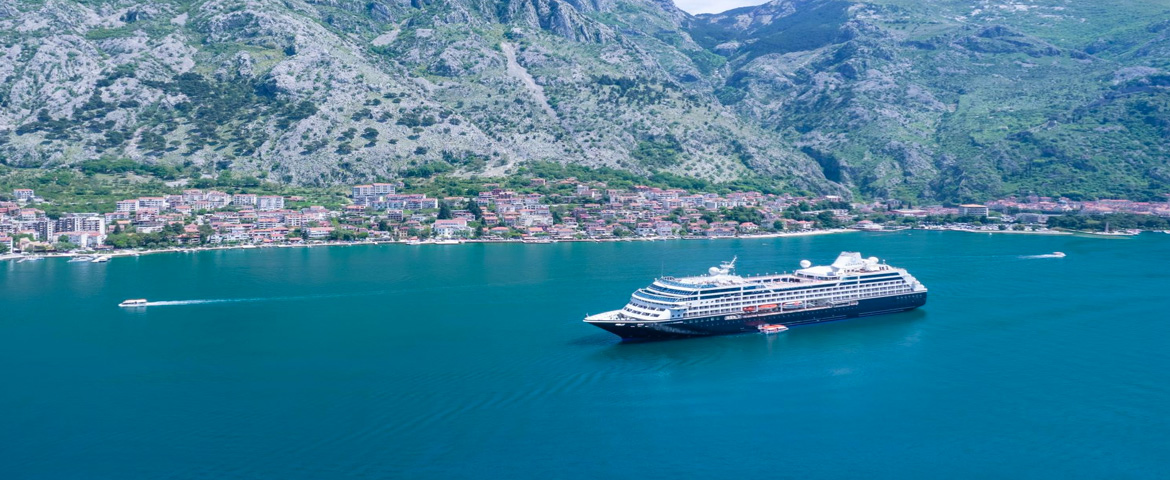
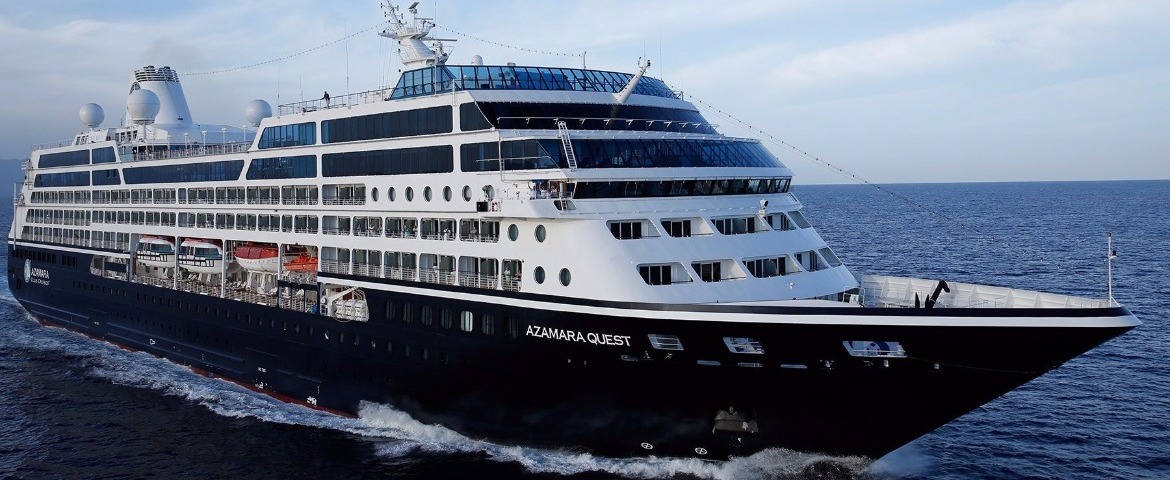
Azamara Journey
12 Cruises




Celebrity Cruises (23 Cruises)
Celebrity Ascent
16 Cruises


| 14 May | 11 days | Round-trip from Civitavecchia-Rome, Italy |
450-628-6241
Call us
|
| 14 May | 10 days | Round-trip Mediterranean Celebrity Ascent Civitavecchia Rome |
From
3148$
|
| 16 July | 10 days | Round-trip Mediterranean Celebrity Ascent Civitavecchia Rome |
From
2701$
|
| 16 July | 11 days | Round-trip from Civitavecchia-Rome, Italy |
450-628-6241
Call us
|

Celestyal Cruises (51 Cruises)
Celestyal Journey
51 Cruises


Costa Cruises (14 Cruises)
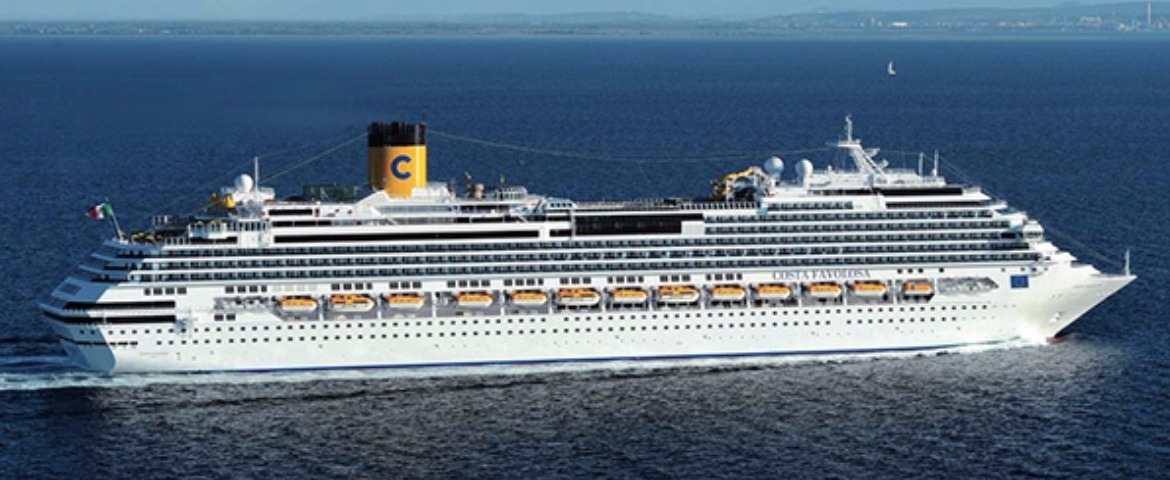
Costa Favolosa
14 Cruises

CroisiEurope (4 Cruises)


Crystal Cruises (6 Cruises)
Crystal Symphony
6 Cruises
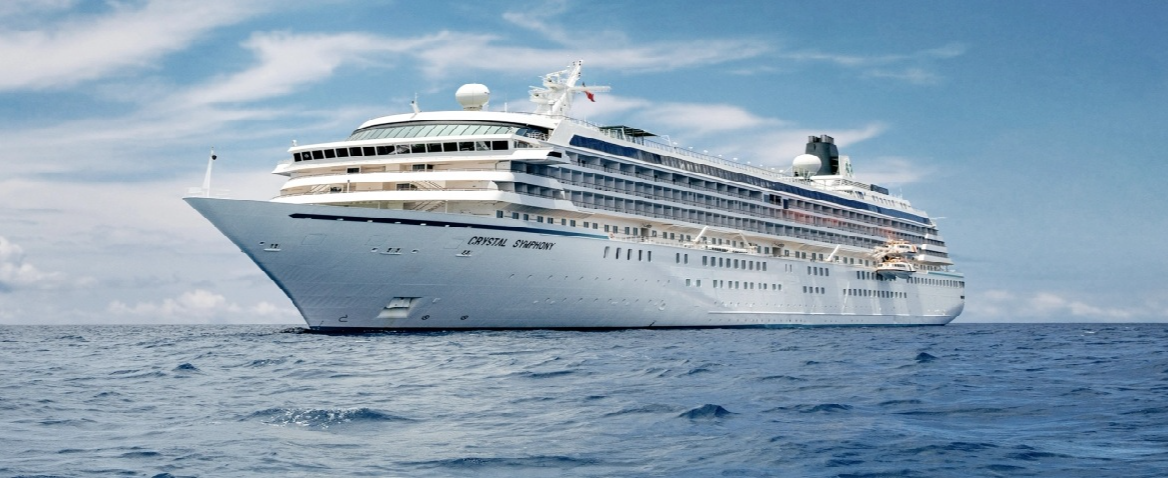

| 11 January | 151 days | Round-trip 150 Night Roundtrip Fort Lauderdale Cruise |
450-628-6241
Call us
|
| 11 January | 137 days | One-way from Fort Lauderdale to Barcelona |
450-628-6241
Call us
|
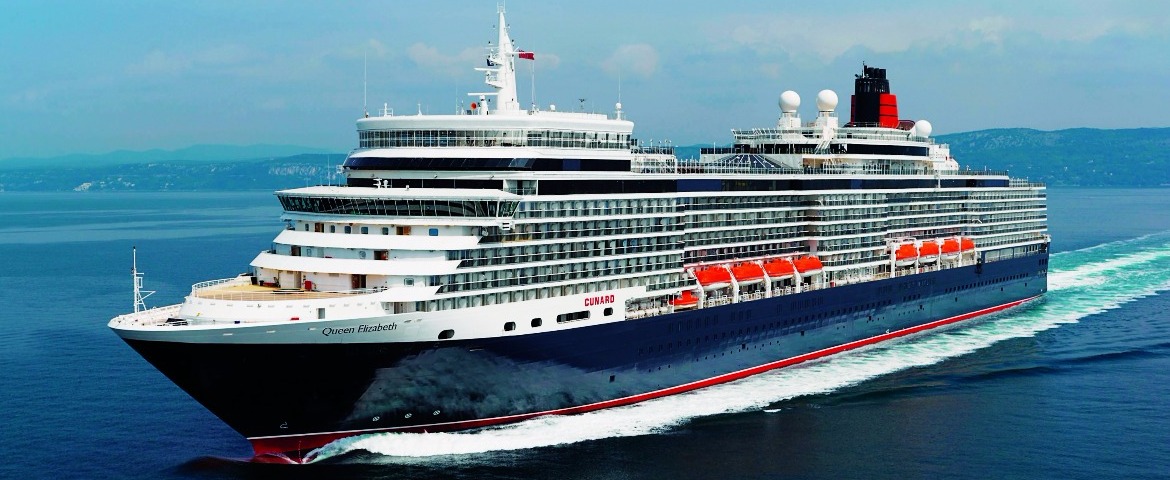
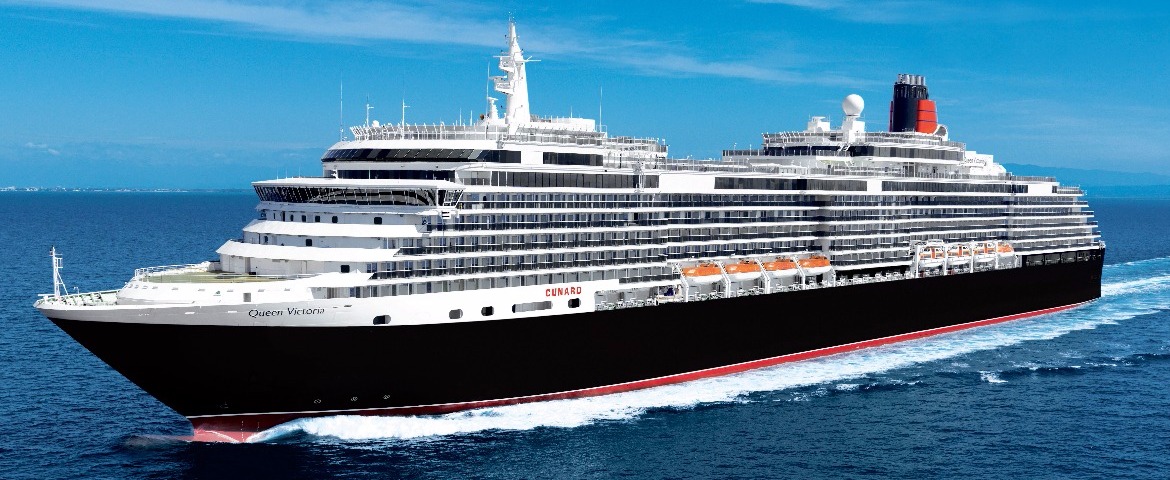
Cunard (53 Cruises)
Queen Elizabeth
52 Cruises

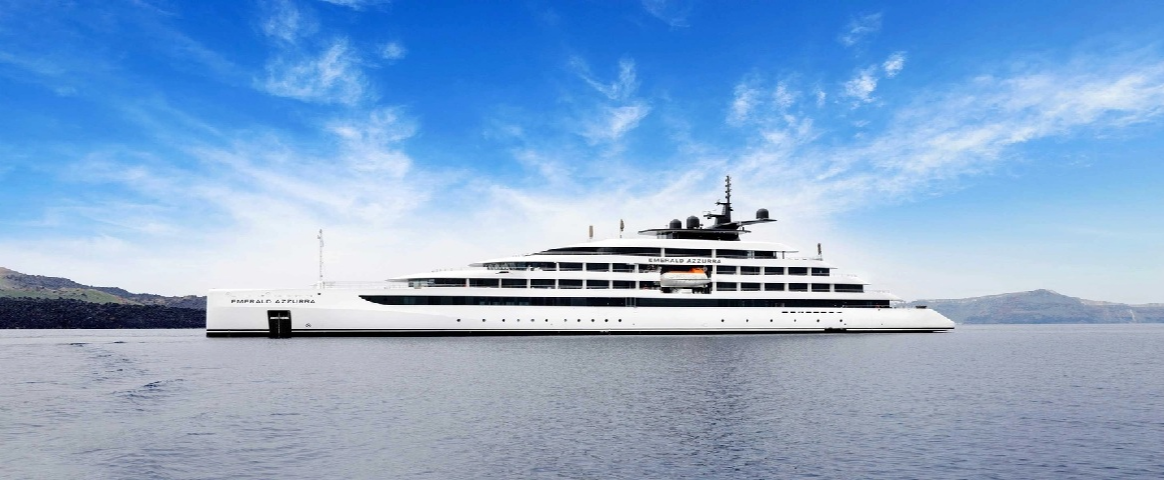
Emerald Waterways (1 Cruises)

Holland America Line (12 Cruises)
ms Oosterdam
12 Cruises
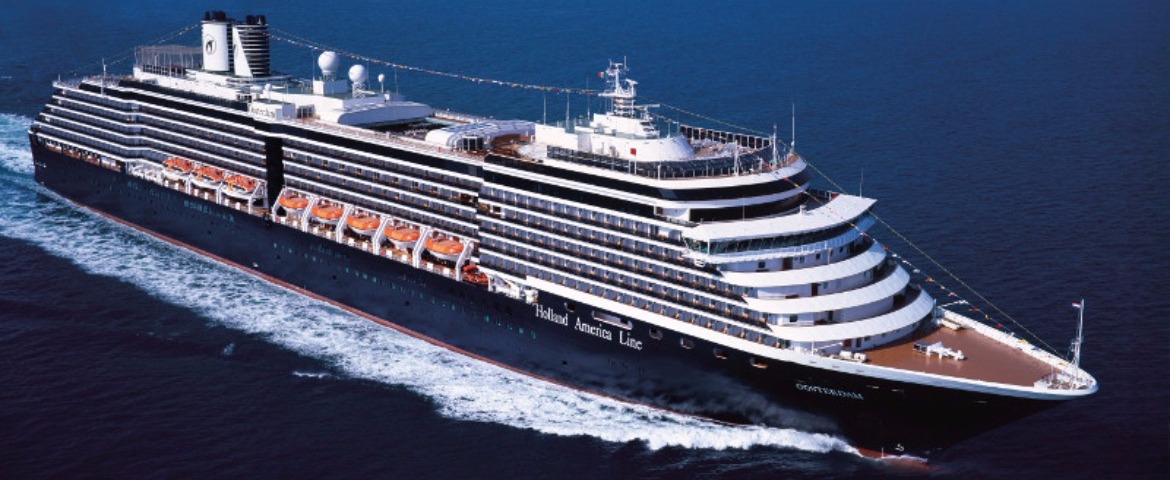

| 23 April | 22 days | One-way from Barcelona to Trieste |
450-628-6241
Call us
|
| 23 April | 23 days | One-way from Barcelona to Trieste |
450-628-6241
Call us
|
Lindblad Expeditions (2 Cruises)

MSC Cruises (167 Cruises)
MSC Fantasia
8 Cruises
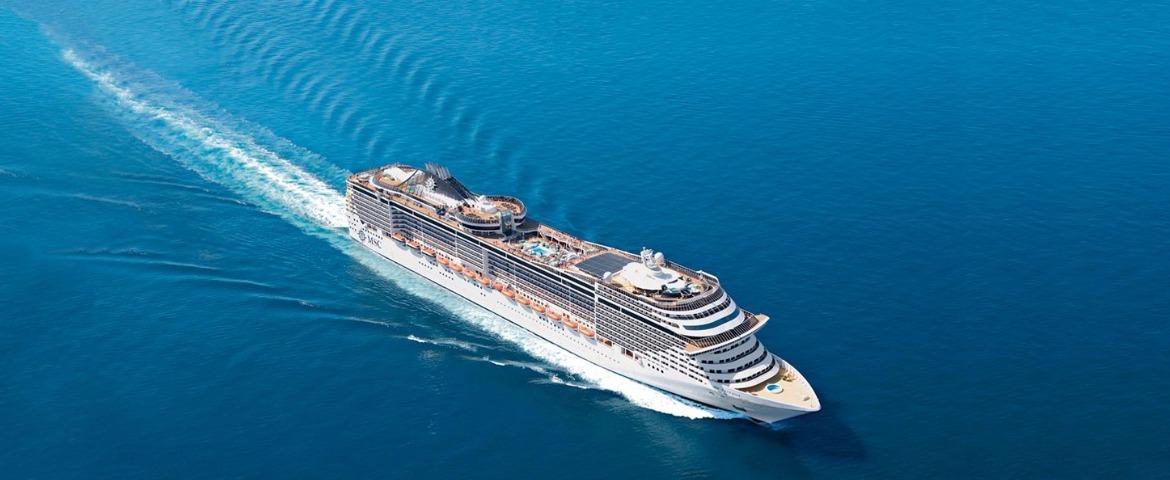

MSC Lirica
22 Cruises
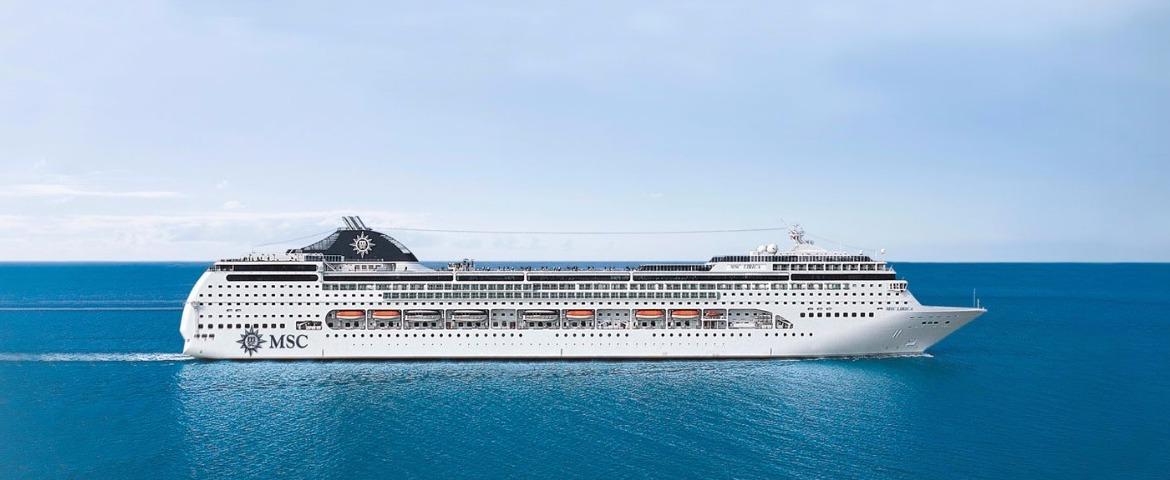
| 23 October | 13 days | One-way from Ancona to Venice |
450-628-6241
Call us
|
| 24 October | 12 days | Round-trip from Venice, Italy |
From
2309$
|
MSC Orchestra
104 Cruises
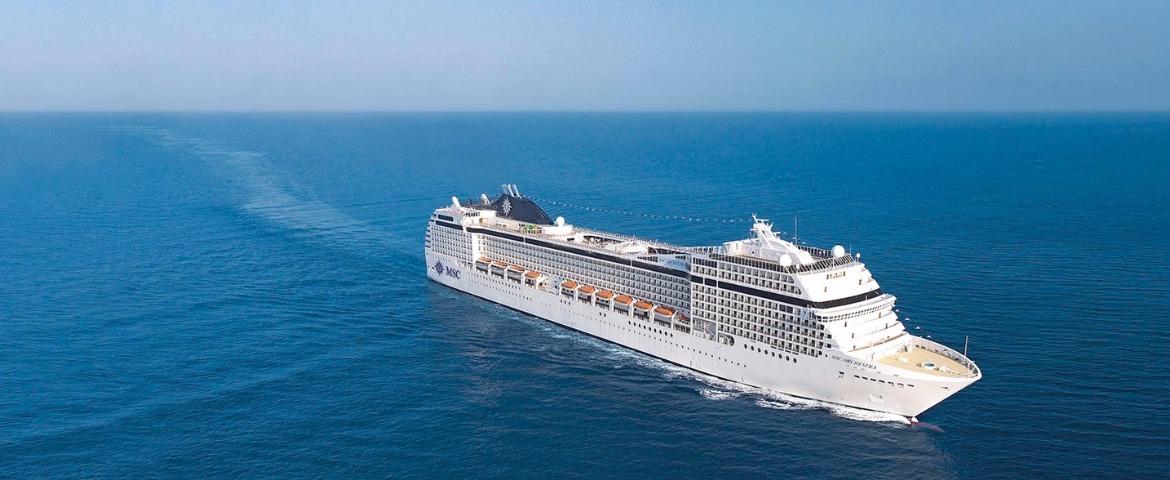
| 24 April | 8 days | Round-trip from Bari, Italy |
450-628-6241
Call us
|
| 27 April | 8 days | Round-trip from Piraeus-Athens, Greece |
From
1458$
|
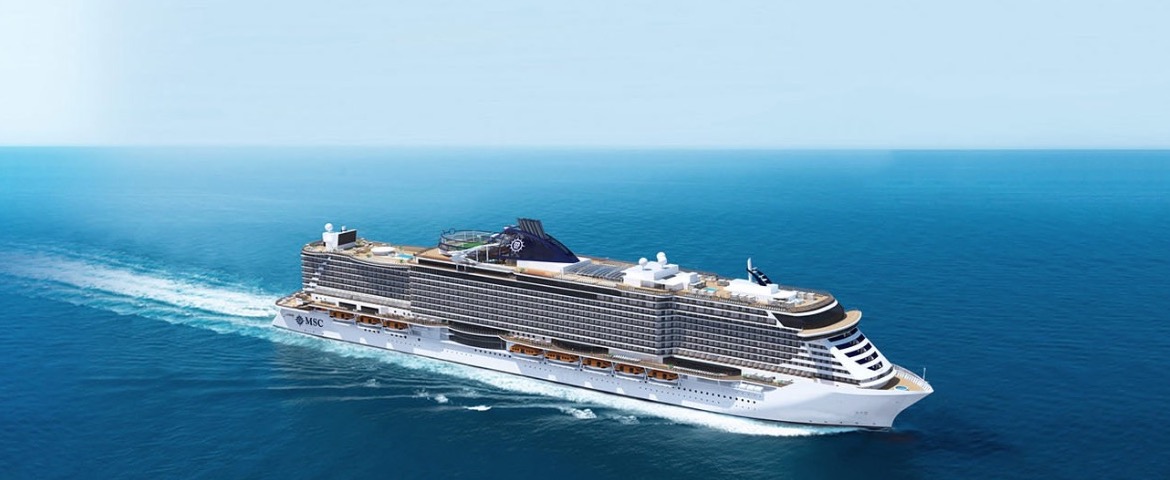
MSC Sinfonia
4 Cruises
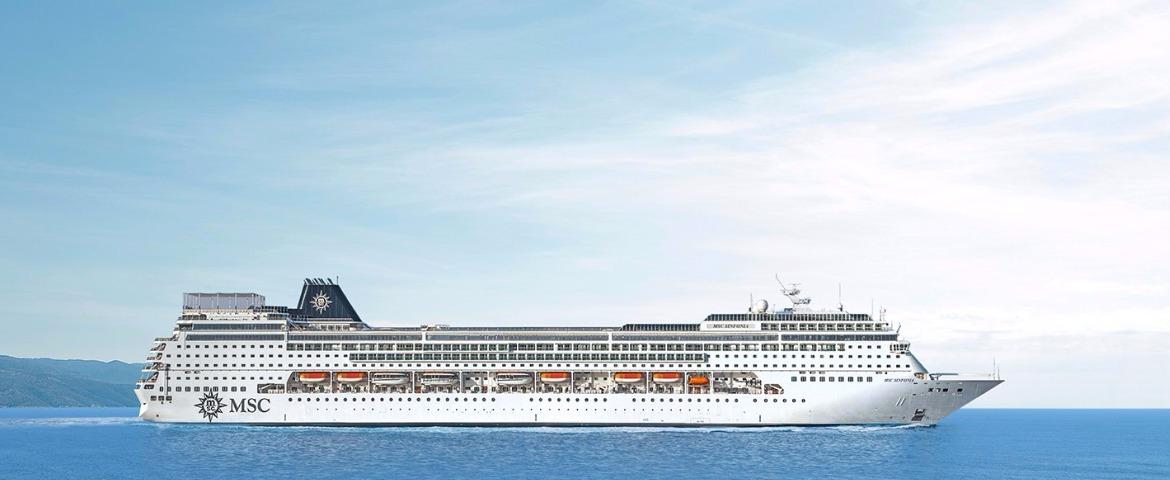
MSC Splendida
26 Cruises
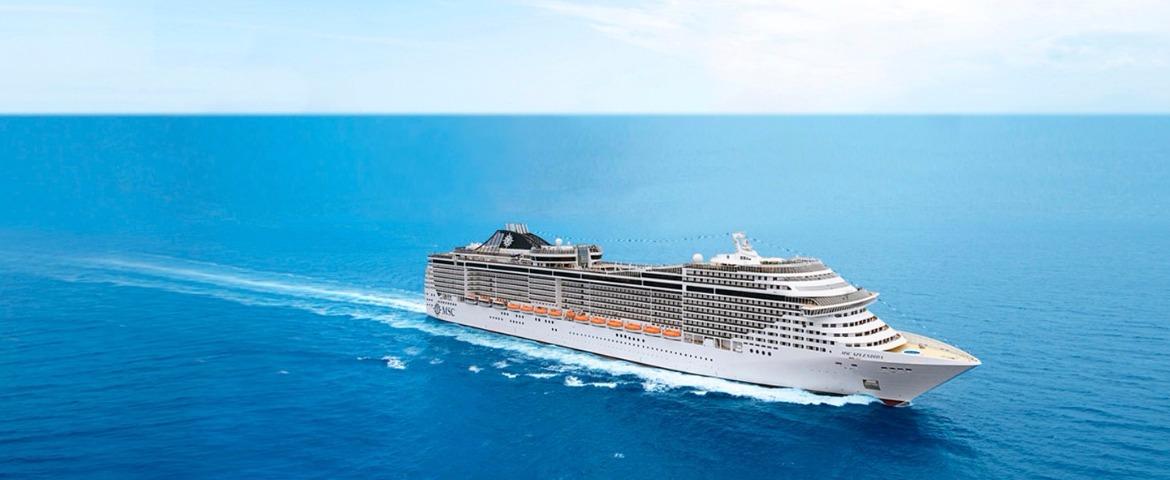
MSC World Europa
2 Cruises
 Image not available
Norwegian Cruise Line (40 Cruises)
Norwegian Gem
32 Cruises




Norwegian Viva
6 Cruises

Oceania Cruises (64 Cruises)
Oceania Allura
37 Cruises

| 18 June | 22 days | One-way from Trieste to Barcelona |
450-628-6241
Call us
|
| 25 June | 8 days | One-way from Piraeus-Athens to Civitavecchia-Rome |
450-628-6241
Call us
|
| 20 August | 8 days | One-way from Trieste to Piraeus-Athens |
450-628-6241
Call us
|
| 27 August | 8 days | One-way from Piraeus-Athens to Civitavecchia-Rome |
450-628-6241
Call us
|
| 8 March | 10 days | One-way from Barcelona to Piraeus-Athens |
450-628-6241
Call us
|
| 8 March | 11 days | One-way from Barcelona to Piraeus-Athens |
450-628-6241
Call us
|
Oceania Insignia
4 Cruises
Oceania Marina
6 Cruises
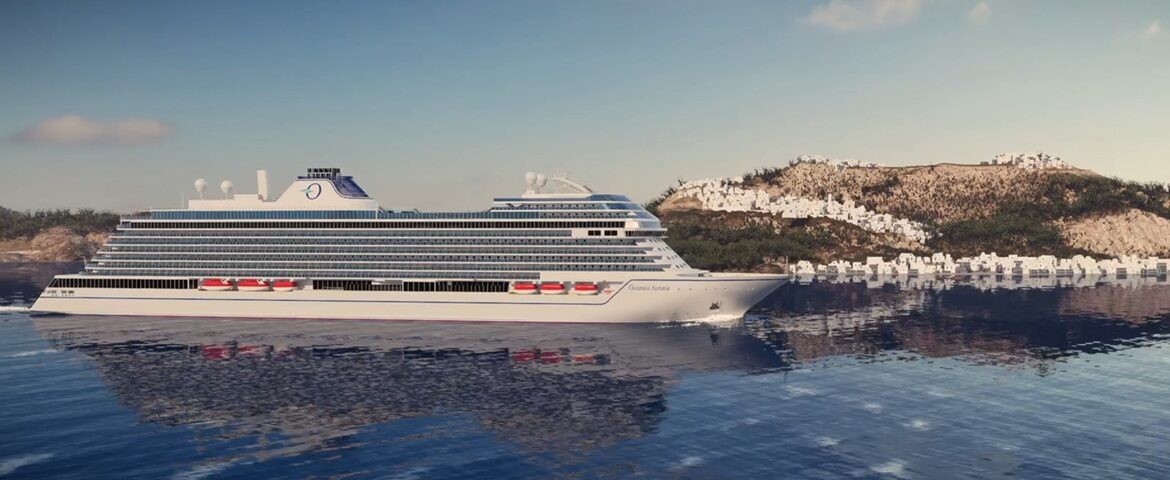
Oceania Sirena
16 Cruises

Princess Cruises (100 Cruises)
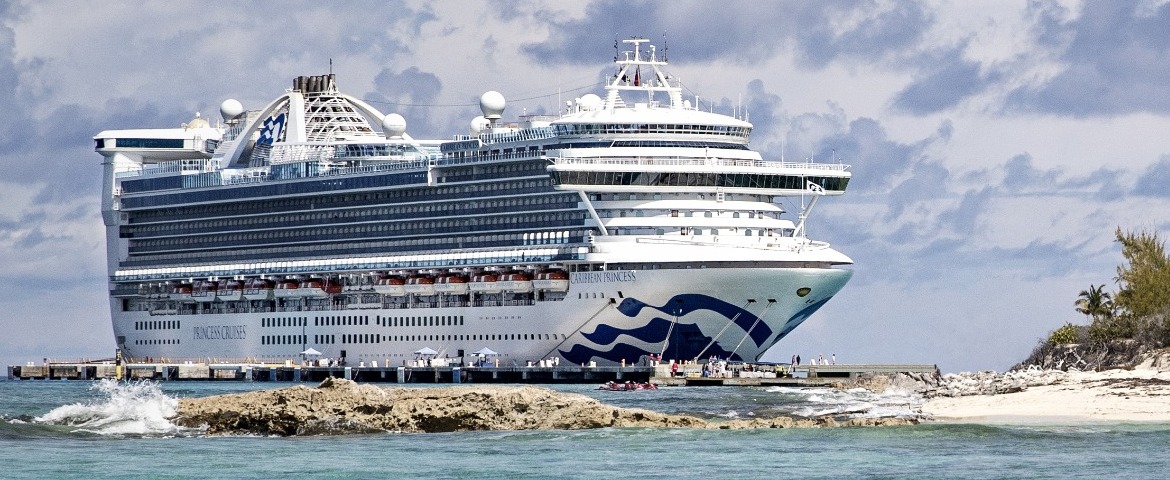
Caribbean Princess
6 Cruises

Enchanted Princess
90 Cruises

| 8 July | 28 days | One-way from Piraeus-Athens to Civitavecchia-Rome |
450-628-6241
Call us
|
| 8 July | 14 days | One-way from Piraeus-Athens to Civitavecchia-Rome |
450-628-6241
Call us
|
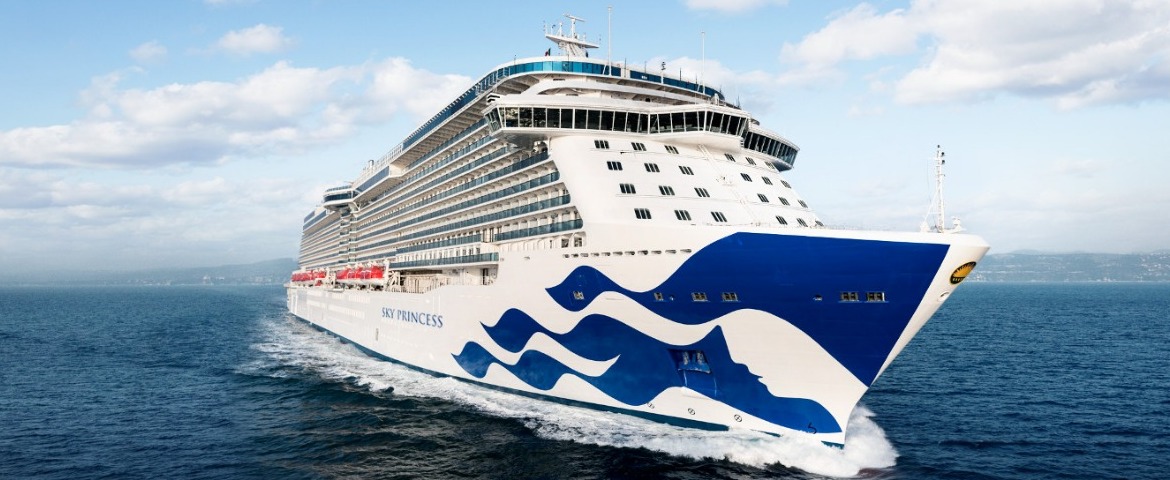
Sky Princess
4 Cruises
Regent Seven Seas Cruises (38 Cruises)
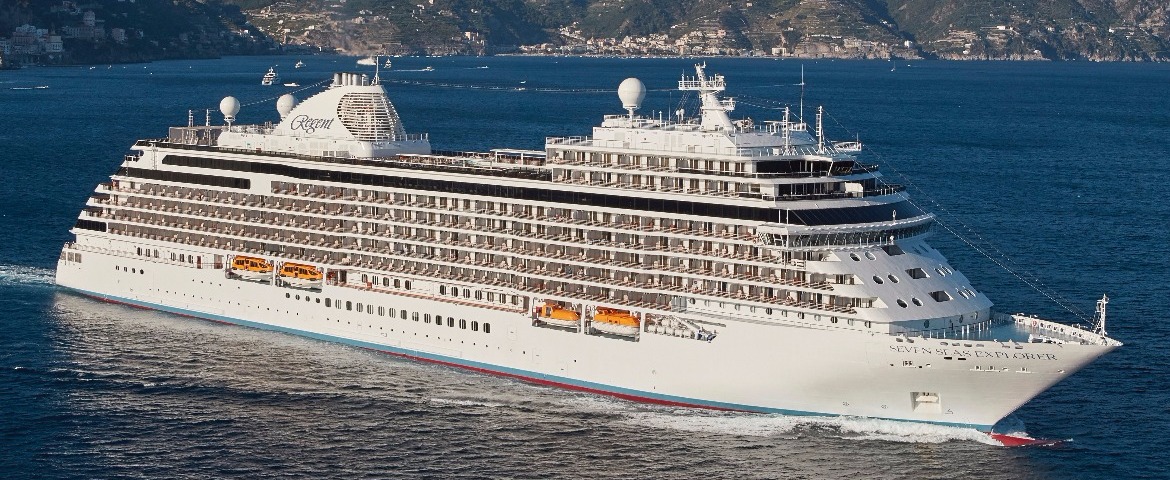
Seven Seas Explorer
6 Cruises

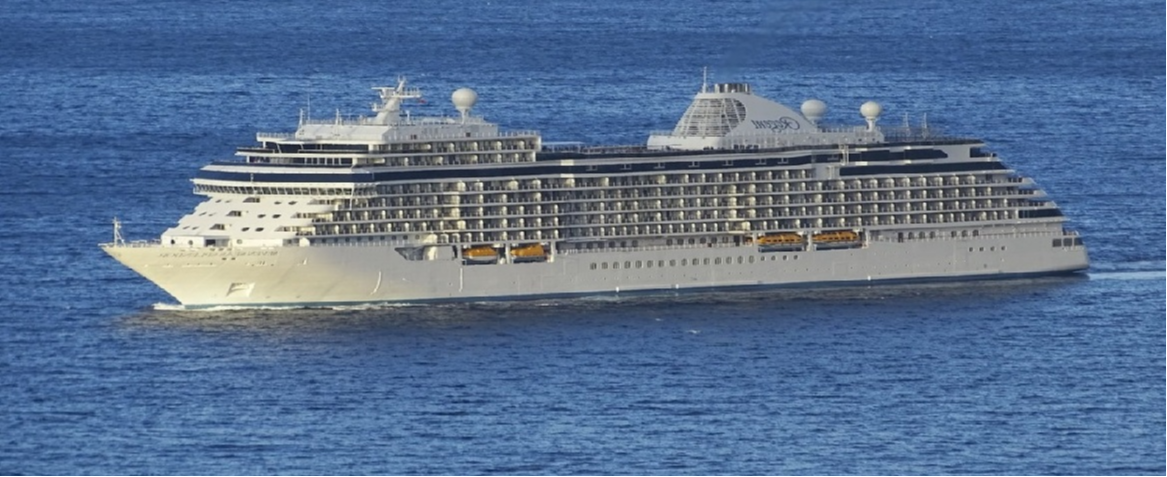
Seven Seas Grandeur
16 Cruises
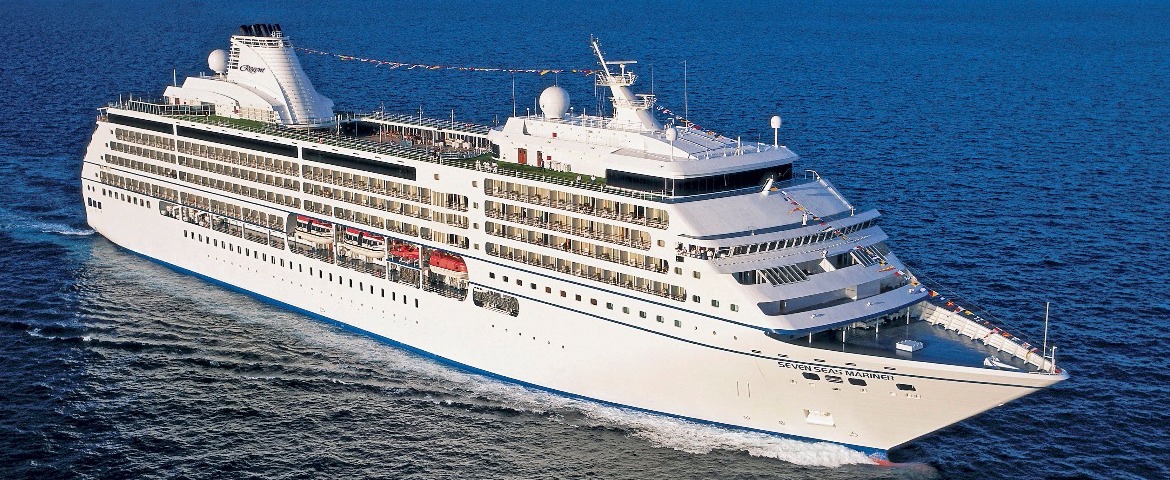
Seven Seas Mariner
8 Cruises
| 29 April | 175 days | One-way from New York to Piraeus-Athens |
450-628-6241
Call us
|
| 29 April | 174 days | One-way from New York to Piraeus-Athens |
450-628-6241
Call us
|
| 30 July | 82 days | One-way from Southampton to Piraeus-Athens |
450-628-6241
Call us
|
| 30 July | 83 days | One-way from Southampton to Piraeus-Athens |
450-628-6241
Call us
|



Seabourn Cruise Line (3 Cruises)

Silversea Cruises (27 Cruises)
Silver Dawn
8 Cruises

Silver Ray
8 Cruises
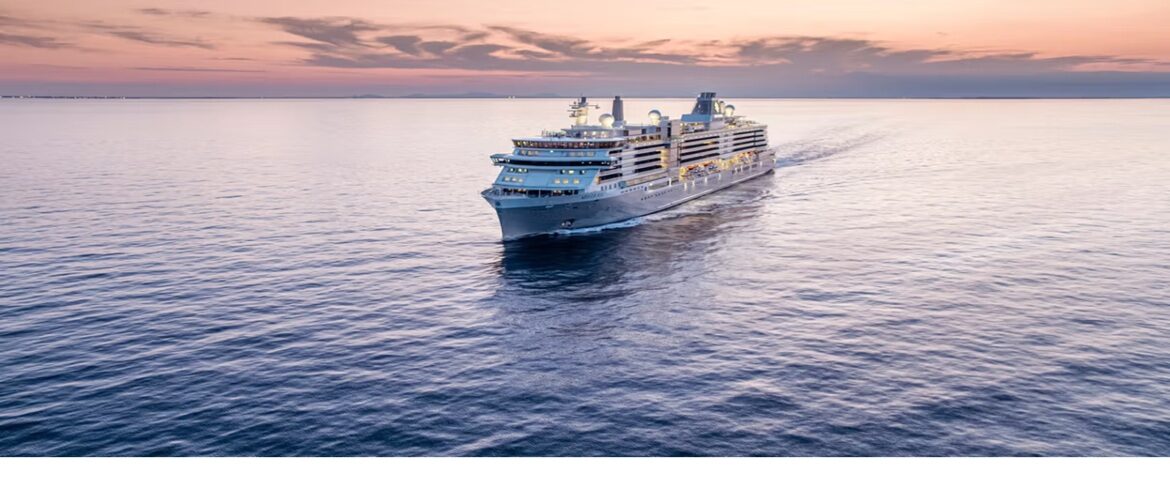
| 22 July | 8 days | One-way from Civitavecchia-Rome to Piraeus-Athens |
450-628-6241
Call us
|
| 22 July | 15 days | One-way from Civitavecchia-Rome to Piraeus-Athens |
450-628-6241
Call us
|
Silver Shadow
11 Cruises
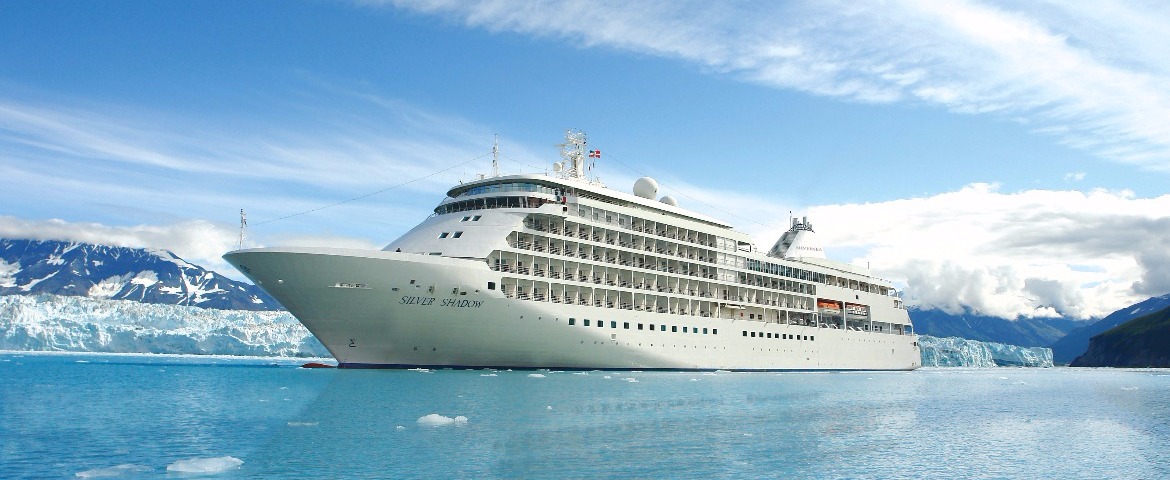
| 16 May | 25 days | One-way from Villefranche-sur-Mer to Piraeus-Athens |
450-628-6241
Call us
|
| 16 May | 13 days | One-way from Villefranche-sur-Mer to Piraeus-Athens |
450-628-6241
Call us
|
| 27 July | 13 days | One-way from Piraeus-Athens to Venice |
450-628-6241
Call us
|
| 27 July | 25 days | One-way from Piraeus-Athens to Villefranche-sur-Mer |
450-628-6241
Call us
|
| 13 September | 25 days | One-way from Piraeus-Athens to Villefranche-sur-Mer |
450-628-6241
Call us
|
| 13 September | 13 days | One-way from Piraeus-Athens to Venice |
450-628-6241
Call us
|
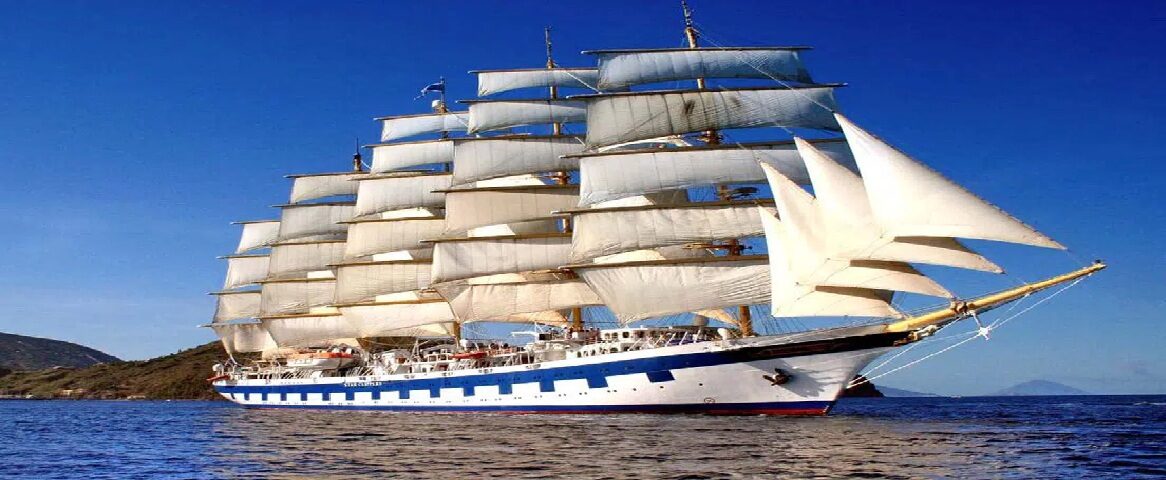
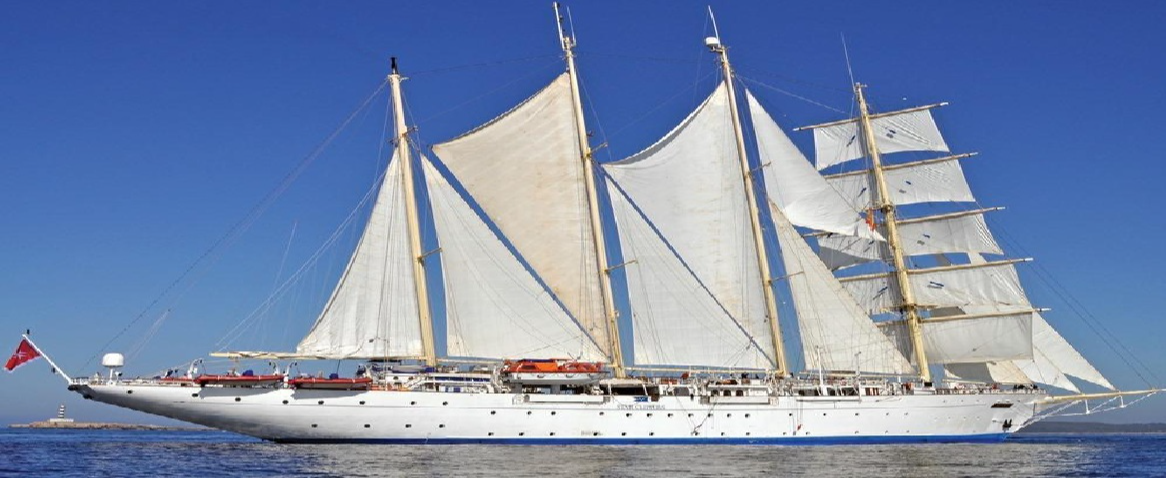
Star Clippers (6 Cruises)

Viking Ocean Cruises (288 Cruises)
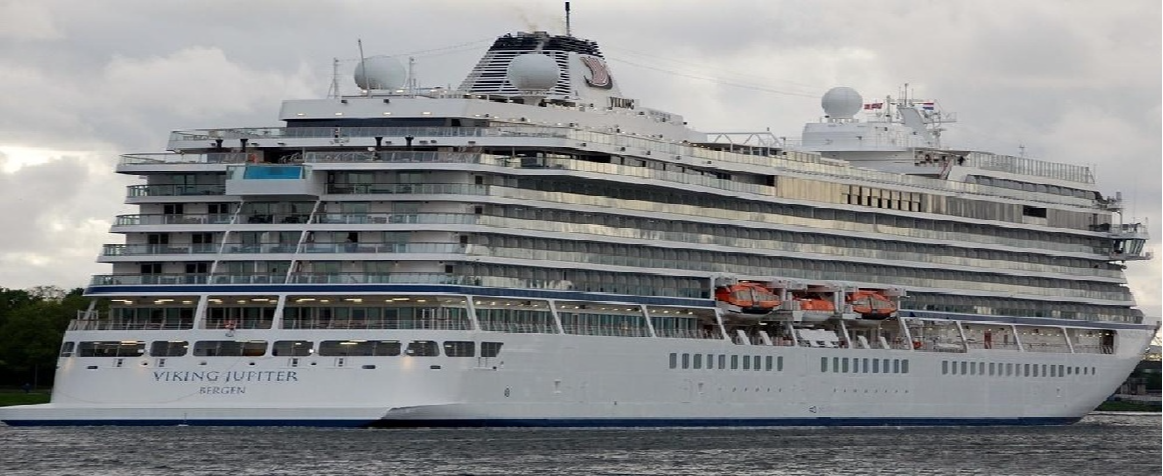
Viking Jupiter
71 Cruises

| 16 April | 8 days | One-way from Venice to Piraeus-Athens |
450-628-6241
Call us
|
| 16 April | 9 days | One-way from Chioggia to Piraeus-Athens |
450-628-6241
Call us
|
| 17 April | 9 days | One-way from Venice to Piraeus-Athens |
450-628-6241
Call us
|
| 17 April | 8 days | One-way from Venice to Piraeus-Athens |
450-628-6241
Call us
|
Viking Mars
34 Cruises
Viking Neptune
63 Cruises
Viking Saturn
11 Cruises
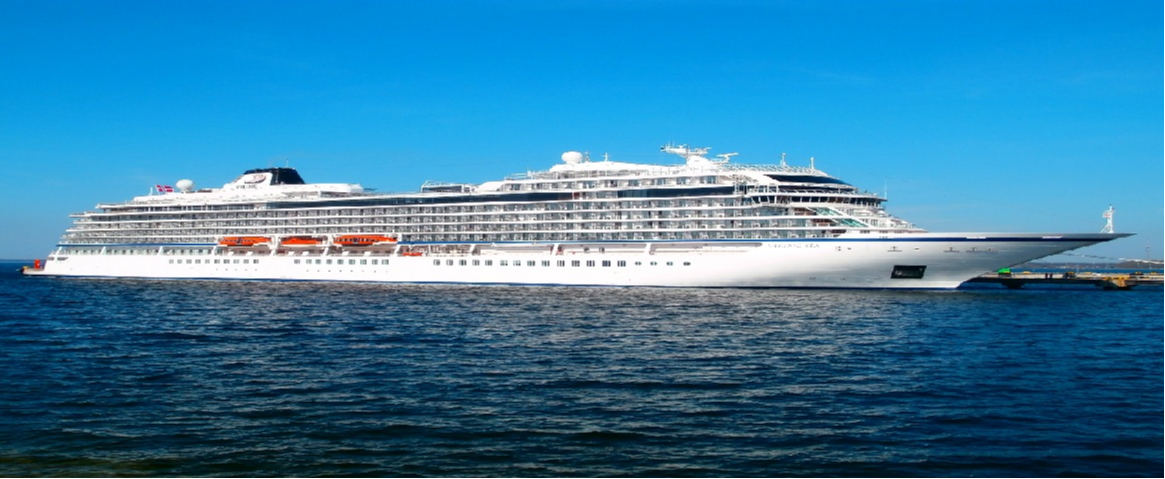
Viking Sea
21 Cruises
| 20 March | 21 days | One-way from Barcelona to Piraeus-Athens |
450-628-6241
Call us
|
| 26 March | 15 days | One-way from Civitavecchia-Rome to Piraeus-Athens |
450-628-6241
Call us
|
| 25 May | 9 days | One-way from Piraeus-Athens to Chioggia |
450-628-6241
Call us
|
| 25 May | 8 days | One-way from Piraeus-Athens to Venice |
450-628-6241
Call us
|
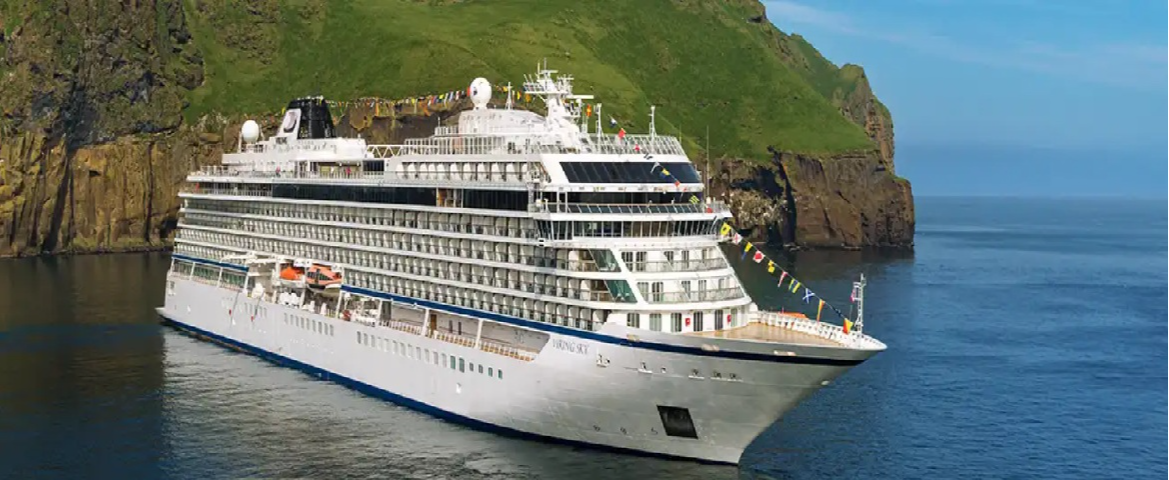
Viking Sky
22 Cruises
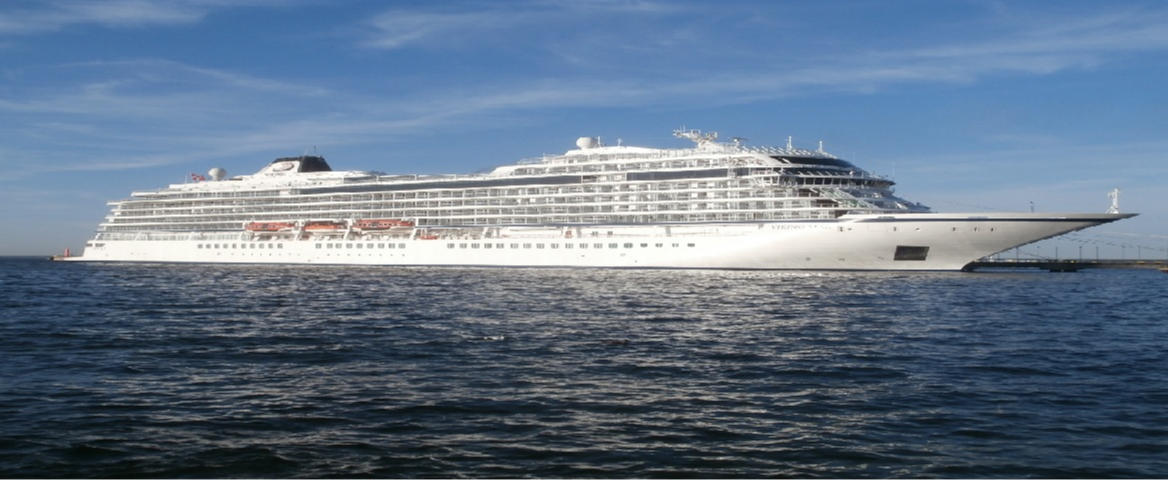
Viking Star
38 Cruises
| 20 January | 12 days | One-way from Civitavecchia-Rome to Piraeus-Athens |
450-628-6241
Call us
|
| 20 January | 13 days | One-way from Civitavecchia-Rome to Piraeus-Athens |
450-628-6241
Call us
|
| 10 June | 8 days | One-way from Piraeus-Athens to Venice |
450-628-6241
Call us
|
| 10 June | 9 days | One-way from Piraeus-Athens to Venice |
450-628-6241
Call us
|
| 27 July | 9 days | One-way from Venice to Piraeus-Athens |
450-628-6241
Call us
|
| 27 July | 8 days | One-way from Venice to Piraeus-Athens |
450-628-6241
Call us
|
| 6 August | 8 days | One-way from Piraeus-Athens to Venice |
450-628-6241
Call us
|
| 6 August | 9 days | One-way from Piraeus-Athens to Venice |
450-628-6241
Call us
|
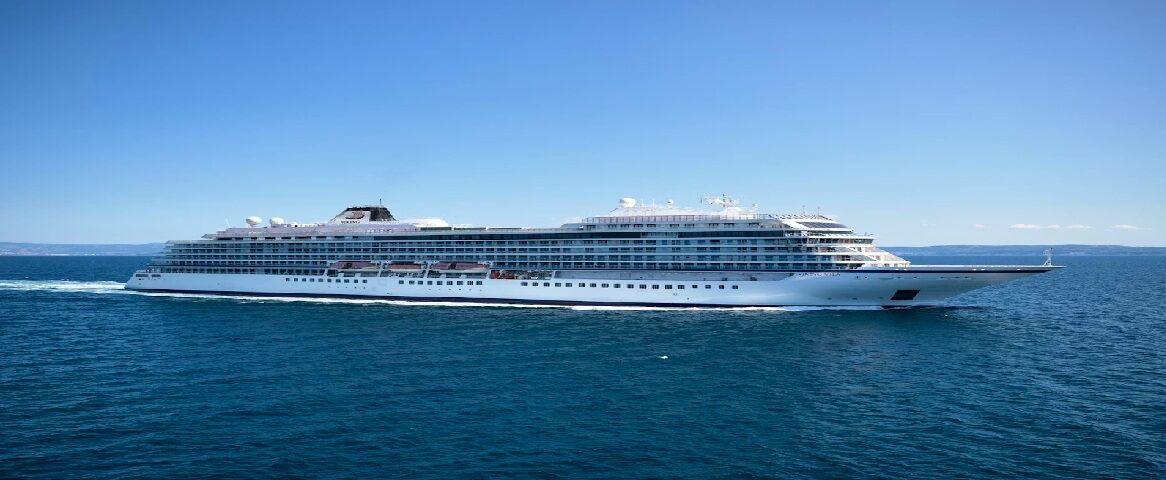
Viking Vela
28 Cruises

Katakolon Greece | Olympia Cruise Port & Ancient Heritage Guide
Frequently Asked Questions
Right at the mole, and the village centre begins practically at the foot of the gangway. Ten minutes on foot brings you to the main street and its terraces.
For Olympia. The village itself takes minutes to explore, but some thirty kilometres away lies the sanctuary where the Greek world invented the Games: few destinations offer such a shortcut to the origins of our sporting culture.
About 30 km, some 30 to 40 minutes by road on an excursion or by taxi. A train also makes the run in about 45 minutes for roughly ten euros return: check the day's timetable as soon as you step ashore.
Four to five hours in total including transport, and most call schedules allow it comfortably. The museum needs an hour for the essentials, the site about the same.
The gymnasium, the palaestra, the temples, the treasuries of the city-states and above all the stadium, whose stone starting line is still in place. Passing through the athletes' entrance vault and setting foot on the track gives a thrill that even the least antiquity-minded admit to feeling.
The most precious finds from the excavations, including the winged Nike of Paionios. The reconstructed pediments of the Temple of Zeus fill an entire hall, where the marble bodies still seem to wrestle and run.
The small beach of Plakes, two hundred metres from the quay, lines up its pebbles in clear water, with showers and changing rooms. The waterfront tavernas serve grilled fish and cold local white wine.
Olive oil shops offer tastings, and the most useful souvenir of the region often comes in a golden bottle. The main street also has jewellers and olive sellers.
Yes. The village is flat, the beach is two hundred metres away, and a small tourist train runs locally. At Olympia, bring water and a hat: the site is large and shade is limited to the Aleppo pines.
The euro and Greek, with English widely spoken in a village used to ships. Bring cash for site and museum entry tickets in high season, and for the train.


