Finland Travel from Canada: The Complete Guide
Finland is visa-free for Canadian citizens, for stays of up to 90 days in any 180-day period under Schengen rules. From Montreal, plan on 9 to 13 hours to Helsinki with one connection, usually through Frankfurt, Amsterdam, Paris or Copenhagen; from Toronto, Finnair relaunched a seasonal nonstop to Helsinki in May 2026, three times a week. The best time to go depends on your goal: November to March for the northern lights and Lapland safaris, June to August for the midnight sun and the lake district. Finland is a Nordic country with Nordic prices: as a guideline, budget about $290 CAD per person per day at mid-range. The currency is the euro, worth roughly $1.60 CAD, and Helsinki is 7 hours ahead of Montreal and Toronto.
The essentials at a glance
| Flights from Canada | One stop from Montreal, 9 to 13 hours total; seasonal Finnair nonstop from Toronto (3 flights a week, May to August) |
| Visa for Canadians | None for stays up to 90 days in any 180-day period (Schengen); EES at the border, ETIAS not yet required |
| Time difference | Helsinki is 7 hours ahead of Montreal and Toronto |
| Currency | Euro (1 € ≈ $1.60 CAD) |
| Language | Finnish and Swedish; English is widely understood |
| Best time to go | November to March for the northern lights and Lapland; June to August for lakes and the midnight sun |
| Driving | Right-hand side; winter tires mandatory in season and headlights on at all times |
| Electricity | 230 V, 50 Hz, type C/E/F plugs (adapter required) |
Why Finland
Start with the sauna. Finland has about 3 million saunas for just over 5.5 million people, nearly one for every two residents. It is part of daily life, at the cottage and in the city alike, and Helsinki's contemporary public saunas, such as Löyly, let you try it on day one. The country also sits at the top of the World Happiness Report year after year.
Then there is Lapland. Rovaniemi holds the title of official hometown of Santa Claus, and Santa Claus Village, set right on the Arctic Circle, is open year-round. Winter adds husky sledding, reindeer sleigh rides and, above all, northern lights visible about 150 nights a year. Summer flips the scenery entirely: north of the Arctic Circle, the sun stays up from May through August.
Finally, Finland is an easy country to travel. The Government of Canada rates it "take normal security precautions," its lowest risk level, and crime rates are among the lowest in the world. With an excellent rail network and a walkable capital, it works as well for a first Nordic trip as for a return visit to the continent. To weigh it against other destinations, see our Europe travel page.
When to go
Winter draws travellers for the auroras and Arctic activities; summer, for the lakes, the coast and days that never quite end. Prices follow demand: in Lapland, a summer stay costs 30 to 40% less than winter.
| Period | Climate | Verdict |
| November to March | Real cold in Lapland, routinely below −10°C and sometimes −30°C; very long nights | Peak season for auroras and safaris; book early for Christmas |
| Late August to October | Cool fall, nights getting longer | Aurora season begins, with smaller crowds and milder cold |
| June to August | 15 to 25°C in the south; midnight sun up north | Lakes, cottages, the archipelago; Lapland costs 30 to 40% less than in winter |
Getting there from Canada
From Montreal, every routing to Helsinki involves one connection. The most common itineraries run through Frankfurt or Munich (Lufthansa with Finnair), Amsterdam (KLM), Paris (Air France) or Copenhagen (SAS or Air Canada); Reykjavik (Icelandair) and London (British Airways with Finnair) also work well. Typical total travel time is 9 to 13 hours depending on the connection.
Toronto now has a better option. On May 4, 2026, Finnair relaunched its nonstop Toronto-Helsinki service, three flights a week on an Airbus A330, running seasonally until August 29. It is the first nonstop link between Canada and Finland since 2015, and it pairs easily with a short Montreal-Toronto or domestic connection for travellers elsewhere in Canada.
One booking tip: for Christmas week in Rovaniemi, book several months ahead. Domestic Helsinki-Rovaniemi flights climb to roughly 200 to 350 € return that week, versus 80 to 180 € the rest of the season, and hotels sell out early.
Regions and experiences worth knowing
Helsinki and the south
The capital is walkable in two or three days: the white cathedral on Senate Square, the rock-hewn Temppeliaukio Church, the Oodi library, the Old Market Hall and the design district. From Market Square, a ferry crosses to Suomenlinna, a sea fortress on the UNESCO World Heritage list. End the day at a waterfront public sauna such as Löyly. Our full guide to visiting Helsinki covers neighbourhoods and addresses in detail.
Lapland and Rovaniemi
Rovaniemi, the capital of Finnish Lapland, is the official hometown of Santa Claus: Santa Claus Village, on the Arctic Circle, welcomes visitors year-round. In winter, as a guideline, expect $145 to $225 CAD (90 to 140 €) for a two-hour husky safari and $95 to $145 CAD (60 to 90 €) for an hour by reindeer sleigh; snowmobiling and ice fishing round out the menu. The cold is serious, routinely below −10°C and sometimes −30°C, but outfitters usually supply thermal gear.
The northern lights
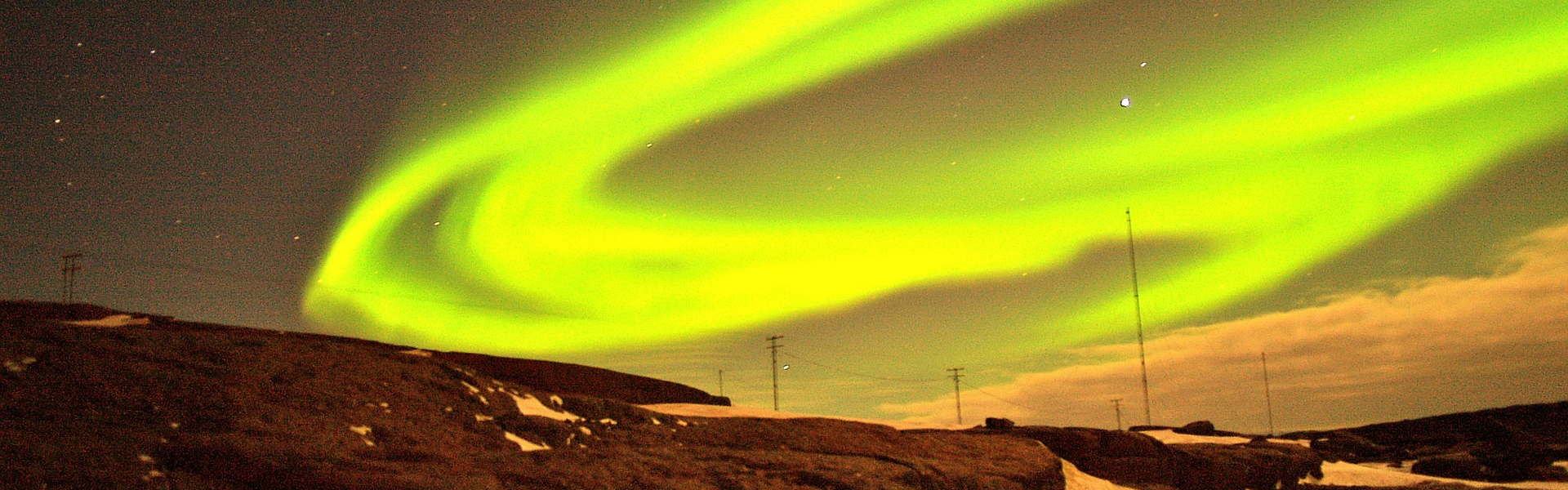
The auroras appear over Lapland from late August to early April, about 150 nights a year according to Visit Rovaniemi. The longest nights, November through March, give you the best odds. A guided aurora hunt of 3 to 4 hours runs about $130 to $210 CAD (80 to 130 €) per person, as a guideline.
The lake district
With around 188,000 lakes, central Finland is the Finland that Finns keep for themselves in summer: a lakeside cottage (mökki), a sauna heated at the end of the day, hiking and kayaking between islands. Summer temperatures in the south usually sit between 15 and 25°C. This is the slow half of a Finnish trip, best planned between June and August.
The archipelago and the coast
The Finnish coast belongs to summer. The Suomenlinna ferry gives you a first taste of the shoreline and its islands right from Helsinki, and the southwest coast around Turku opens onto the archipelago. Turku is also, along with Helsinki, one of the departure points for the night trains to Rovaniemi.
The budget, in Canadian dollars
Let's be frank: Finland is a Nordic country, so it is expensive, in the same range as Germany according to Budget Your Trip. With the euro at about $1.60 CAD in July 2026, the bill adds up quickly. The good news: the night train and Lapland's low summer season keep costs manageable.
| Item | Guideline range in CAD |
| Daily budget, economy (per person) | ≈ $120 |
| Daily budget, mid-range (per person) | ≈ $290 |
| Daily budget, luxury (per person) | ≈ $645 and up |
| Mid-range accommodation | ≈ $115 per night |
| 3-star hotel in Rovaniemi, winter | ≈ $145 to $400 per night (higher at Christmas) |
| Glass igloo in Lapland | ≈ $800 to $1,920 per night |
| Husky safari, 2 hours | ≈ $145 to $225 per person |
| Helsinki-Rovaniemi night train | from about $46 depending on the date |
These amounts are guidelines only, based on rates and prices observed in July 2026; confirm them at booking time.
Entry requirements and health for Canadian citizens
- Passport valid at least 3 months beyond your planned departure from the Schengen area; in practice, aim for 6 months of validity.
- Visa-free for tourist stays of up to 90 days in any 180-day period in the Schengen area.
- EES is in effect: on your first entry, fingerprints and a photo replace the passport stamp. There is no fee and nothing to do in advance; the data is kept for 3 years. Allow extra time at the border on that first crossing.
- ETIAS is not yet required as of July 2026. Launch is expected for late 2026, possibly early 2027, at a confirmed fee of 20 €; beware of websites claiming to sell it already.
- Dual Canadian-Finnish citizens must enter on their Finnish passport.
- Travel insurance is essential: provincial health plans cover only a fraction of medical costs abroad.
- Hikers should note the seasonal risk of tick-borne encephalitis (April to November) in some forested and coastal areas; discuss it at a travel clinic.
- Before departure, check the Finland page on travel.gc.ca (current level: "take normal security precautions").
Three tips from our advisors. Take the Santa Claus Express night train north, an experience in itself with its sleeper cabins, and fly back to save a day. Aim for late August or September if you want auroras without January's deep cold. And if Christmas in Rovaniemi is the dream, lock in flights and accommodation several months ahead: it is the absolute peak of demand.
Ready to plan your trip to Finland? Our travel advisors across Quebec and Canada help you at no cost and with no obligation. 450-628-6241 | 1-866-628-6241 | info@voyagesaquaterra.com
Voyages AquaTerra holds a Quebec travel agency permit.
Frequently asked questions about Finland
Do Canadians need a visa for Finland?
Canadian citizens enter visa-free for tourist stays of up to 90 days in any 180-day period under Schengen rules. The EES border system records your biometrics on first entry, with no fee and no advance paperwork. ETIAS is not yet required as of July 2026.
How long is the flight from Montreal or Toronto to Helsinki?
From Montreal, plan on 9 to 13 hours total with one connection, typically through Frankfurt, Amsterdam, Paris or Copenhagen. From Toronto, Finnair's seasonal nonstop, relaunched in May 2026, flies three times a week from early May to late August.
When is the best time to visit Finland?
It depends on your goal. Go from November to March for the northern lights, safaris and snowbound Lapland; from June to August for the midnight sun, the lakes and the archipelago. Late August and fall offer a good middle ground, with the first auroras and smaller crowds.
Is Finland safe?
Finland ranks among the safest countries in the world, with one of the lowest crime rates. The Government of Canada rates it "take normal security precautions," its lowest advisory level. Simply stay alert for opportunistic petty theft in Helsinki's tourist areas.
How much does a trip to Finland cost?
As a guideline, budget about $120 CAD per person per day on an economy trip, $290 CAD at mid-range and $645 CAD and up for luxury, excluding transatlantic flights. A typical 4-night Lapland stay runs about $1,280 to $1,920 CAD per person on a mid-range budget, before international flights.
What is the time difference between Canada and Finland?
Helsinki is 7 hours ahead of Montreal and Toronto, in summer and winter alike. When it is noon in Toronto, it is 7 p.m. in Finland. Give yourself a day or two to adjust after an overnight flight.
When can you see the northern lights in Finland?
From late August to early April in Lapland, where they appear about 150 nights a year, roughly two nights out of five during the season. Your best odds come between November and March, when nights are longest. A guided outing away from city lights improves your chances considerably.
Winter or summer: which season should you choose?
Winter for the auroras, Santa Claus Village, husky safaris and glass igloos; summer for the midnight sun, lakeside cottages and the coast. Summer costs 30 to 40% less in Lapland. Many travellers end up coming back to see the other season.
How do you get to Lapland from Helsinki?
The Santa Claus Express night train links Helsinki and Rovaniemi in about 12 hours, with seats or sleeper cabins, from around 29 € ($46 CAD) depending on the date. By air, the hop takes about 1 hour 20 minutes and return fares run 80 to 180 €, rising to 200 to 350 € during Christmas week.
Is Finland expensive?
Yes, like most Nordic countries: costs are comparable to Germany's, with the euro at about $1.60 CAD. To trim the bill, favour summer in Lapland (30 to 40% less than winter), the night train and simple accommodation. Arctic activities are the biggest expense; pick two or three rather than trying them all.