Departure

Return


Loading

Canada Destinations

Canada Travel from Montréal and Toronto: The Complete Guide

Some of the world's great trips start at home. No passport is needed on domestic flights: from age 18, a government-issued photo ID is enough. Toronto reaches Vancouver nonstop in about 5 hours and Halifax in about 2; from Montréal, count 5 h 30 to Vancouver and 1 h 30 to Halifax. High season runs June to September, fall colours peak from mid-September to mid-October, and winter belongs to skiers and northern-lights chasers. As a guideline, a week in the Maritimes runs about $1,500 to $2,500 per person with flights, and a week out West $1,800 to $3,500.

The essentials at a glance

ItemWhat to know
FlightsNonstop from Toronto: Vancouver about 5 h, Calgary 4 h, Halifax 2 h. From Montréal: Vancouver 5 h 30 to 5 h 45, Calgary 4 h 45, Halifax about 1 h 30
ID requiredNo passport needed on domestic flights; from age 18, one valid Canadian government-issued photo ID showing your name and date of birth, or two government-issued pieces, at least one with name and date of birth
Time differenceSix time zones; 4 h 30 separate Newfoundland from the Pacific coast
CurrencyCanadian dollar everywhere, no exchange fees
LanguageEnglish and French depending on the region; federal services are bilingual
Best timeJune to September overall; mid-September to mid-October for fall colours; December to March for skiing and auroras
DrivingYour provincial licence is valid across the country; right-hand traffic
Electricity120 V, the same plugs coast to coast

Why Canada

The second-largest country on Earth spans six time zones, with a 4 h 30 gap between Newfoundland and the Pacific. In between: the Saguenay fjord, the red-sand beaches of Prince Edward Island, the glaciers of the Rockies and the rainforest of Vancouver Island. Few destinations pack this much variety without a currency exchange or a new SIM card.

For Canadian travellers, a domestic trip strips away nearly all the logistics: no passport for flights, no exchange rate to watch, a driver's licence valid in every province and a phone plan that works from coast to coast. A few things still deserve a check before departure, health coverage between provinces among them, covered below.

Summer 2026 adds a concrete incentive: with the Canada Strong Pass, Parks Canada offers free admission to its national parks and historic sites from June 19 to September 7, 2026, plus 25% off camping. For a family heading to Banff, Fundy or Cape Breton Highlands, the savings are real.

When to go

The country is huge, but the rhythm is simple: summer for everything, fall for colours and softer prices, winter for snow and the northern sky.

PeriodClimateVerdict
June to September15 to 30 °C depending on the region, long daysHigh season: ideal everywhere; book Banff and the Cabot Trail early
Mid-September to mid-OctoberCrisp and bright, foliage at its peakSuperb in Charlevoix, Cape Breton and Ontario, with thinner crowds
December to MarchDry cold, deep snow in the mountainsSkiing in Banff and Whistler; northern lights in the Yukon
April to MayMelting snow, changeable weatherLow season: good deals on flights and hotels, muddy trails in places

Getting there from Montréal and Toronto

Air Canada, WestJet and Porter connect Toronto and Montréal nonstop to every major city in the country. From Toronto, Vancouver takes about 5 hours, Calgary 4 and Halifax 2; from Montréal, count 5 h 30 to 5 h 45 for Vancouver, 4 h 45 for Calgary and about 1 h 30 for Halifax. As a guideline, a round trip from Montréal or Toronto to Vancouver usually books between $450 and $800 two to three months out, and Halifax between $250 and $450. July and August fares climb fast.

Rail is the other great gateway. VIA Rail's Canadian links Toronto to Vancouver in four nights, twice a week, from about $450 in Economy and about $1,800 in a sleeper cabin with beds and meals. The Ocean runs overnight from Montréal to Halifax three times a week. Driving works too, about 12 hours from Montréal to Halifax, but for a one- or two-week vacation the plane remains your best ally.

Regions worth the trip

Charlevoix and Québec beyond the cities

An hour from Québec City, Charlevoix lines up the galleries of Baie-Saint-Paul, the slopes of Le Massif and farm-to-table kitchens working with Isle-aux-Coudres produce. Follow Route 138 and the free ferry at Baie-Sainte-Catherine to Tadoussac, gateway to the Côte-Nord whale route: fin whales and belugas show up from June to October, sometimes visible right from shore.

The Rockies: Banff and Jasper

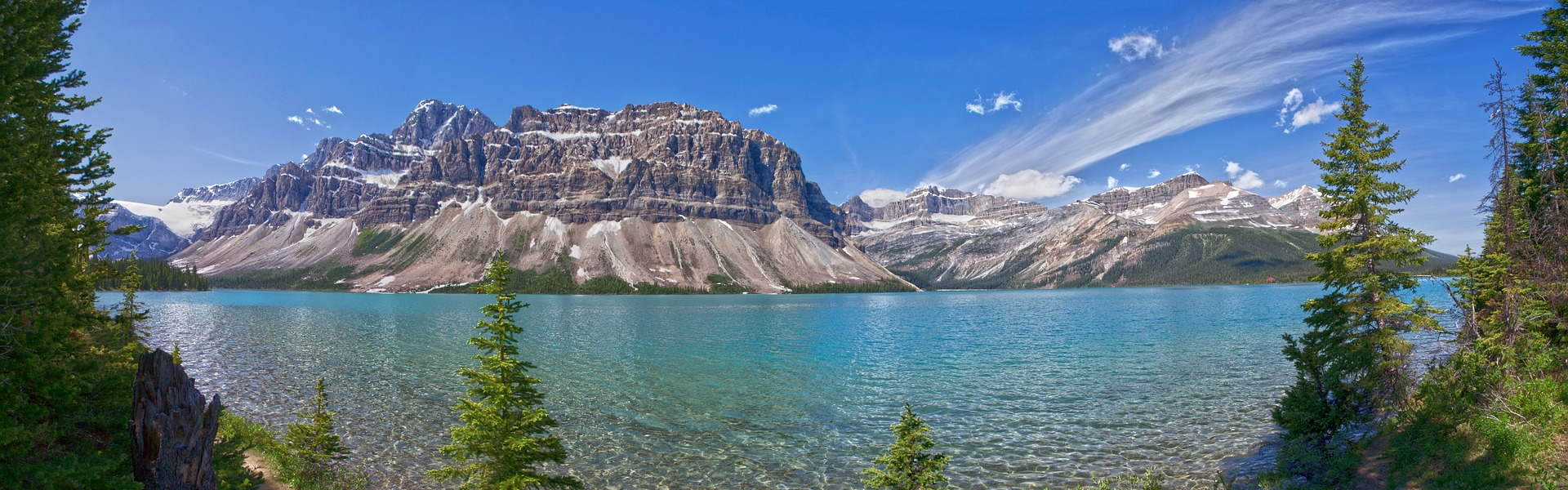
A 90-minute drive from Calgary's airport, Banff delivers the classic image of the West: Lake Louise, Moraine Lake (shuttle access only), hot springs and peaks above 3,000 m. The Icefields Parkway then runs 232 km to Jasper past waterfalls, turquoise lakes and the Columbia Icefield. Jasper is rebuilding after the 2024 wildfire; the park and most services are welcoming visitors again.

British Columbia: Vancouver and the Island

Vancouver is a city you live outdoors: cycling the Stanley Park seawall, grazing through Granville Island's public market, beaches with mountain views. BC Ferries crosses to Vancouver Island in 1 h 35; Victoria charms with its harbour and the Butchart Gardens, then the road crosses the island to Tofino, its surf beaches and its grey whales in spring.

The Maritimes: Nova Scotia, P.E.I. and the Cabot Trail

Halifax sets the tone with its lively waterfront and lobster rolls, a short drive from the Peggy's Cove lighthouse. On Cape Breton, the Cabot Trail unrolls 298 km of cliffs and Acadian villages, spectacular in October. Prince Edward Island, reached via the 12.9 km Confederation Bridge, adds warm beaches, red soil and Anne of Green Gables country.

Ontario: Toronto and Niagara

Toronto reveals itself neighbourhood by neighbourhood: Kensington Market, the Distillery District, the 553 m CN Tower and one of the most diverse food scenes on the continent. Some 130 km away, Niagara Falls impresses from the lookouts or from a boat at the base of the falls, before a stop among the wineries of Niagara-on-the-Lake.

The Far North: Yukon and the northern lights

Whitehorse is reached from Toronto or Montréal with a connection in Vancouver, about ten hours in total. The reward: northern lights from August to April, Kluane National Park and its glaciers, and Dawson City, frozen in the days of the Klondike gold rush. A trip apart, best planned carefully in winter.

Budget in Canadian dollars

ItemBudgetMid-rangeHigh-end
Domestic round-trip flight$250 to $500$500 to $900$1,200 and up (business class)
Accommodation (per night)$100 to $180$180 to $350$400 and up (Fairmont, lodges)
Meals (per day)$40 to $60$80 to $120$150 and up
Car rental (per day)$60 to $90$90 to $130$150 and up (SUV, RV)
Activities and parks (per day)$0 to $30$50 to $120$200 and up (heli-skiing, cruises)

These ranges are provided as a guideline only: Banff, Vancouver and Tofino cost noticeably more in July and August, while fall and spring trim the bill by 20 to 40%.

Good to know for Canadian travellers

  • ID on domestic flights: from age 18, show one valid Canadian government-issued photo ID with your name and date of birth (driver's licence, passport), or two government-issued pieces without photo, at least one showing name and date of birth. Expired documents are refused.
  • Health coverage: provincial plans do not cover everything outside your home province. Hospital care is generally covered through interprovincial agreements, but Québec residents are reimbursed for physician fees only at Québec rates, and ambulances or out-of-hospital medications are not covered. Travel insurance is recommended even within Canada.
  • Car rental: your provincial licence works everywhere. Book early for summer in the Rockies and on Vancouver Island, and watch for one-way drop-off fees between cities.
  • National parks: the Parks Canada Discovery Pass (about $75 per adult for a year) pays for itself quickly on a western itinerary; entry is free for ages 17 and under, and free for everyone from June 19 to September 7, 2026 with the Canada Strong Pass. Busy sites such as Moraine Lake require a shuttle or a reservation.
  • Time zones: mild but real. Give yourself an evening to adjust in Vancouver (3 hours behind the East) and remember Newfoundland lives 1 h 30 ahead of Montréal and Toronto.

Ready to rediscover your own country? Voyages AquaTerra advisors build tailor-made Canadian itineraries, from the Rockies to the Cabot Trail, with flights, trains, hotels and activities coordinated for you. 450-628-6241 | 1-866-628-6241 | info@voyagesaquaterra.com

Voyages AquaTerra holds a Québec travel agent permit.

Frequently Asked Questions

No. On domestic flights, passengers 18 and over must show one valid Canadian government-issued photo ID with their name and date of birth, such as a driver's licence, or two government-issued pieces of ID without a photo. A passport is accepted but not required.
About 5 hours nonstop from Toronto and 5 h 30 to 5 h 45 from Montréal, with Air Canada, WestJet or Porter. Calgary takes about 4 hours from Toronto and 4 h 45 from Montréal. Eastbound returns are often shorter thanks to prevailing winds.
June to September works everywhere, with peak crowds in July and August. Mid-September to mid-October brings fall colours to Charlevoix, Cape Breton and Ontario. December to March is for skiing in Banff and Whistler or chasing the northern lights in the Yukon.
Only partly. Hospital care is generally covered through interprovincial agreements, but coverage varies: Québec residents, for example, are reimbursed for physician fees only at Québec rates, and ambulances, prescription drugs and dental care are typically excluded. Travel insurance is recommended even for a trip within Canada.
As a guideline, expect about $1,500 to $2,500 per person for a week in the Maritimes including flights, and $1,800 to $3,500 for the Rockies or British Columbia. Accommodation in Banff and Vancouver drives summer costs; travelling in fall trims the bill by 20 to 40%.
Six, spanning 4 h 30 between Newfoundland and the Pacific coast. From Toronto or Montréal, Vancouver is 3 hours behind, Calgary 2 hours behind, Halifax 1 hour ahead and Newfoundland 1 h 30 ahead.
Yes, it is one of the world's great rail journeys: four nights between Toronto and Vancouver, twice a week in each direction. Fares start around $450 in Economy with a reclining seat and around $1,800 in a sleeper cabin with beds and meals included. Book several months ahead for summer.
On the St. Lawrence, Tadoussac and the Côte-Nord whale route near Charlevoix offer fin whales and belugas from June to October, sometimes visible from shore. On the Pacific coast, Tofino and Victoria deliver grey whales in spring and orcas in summer.
Usually yes: the Parks Canada Discovery Pass costs about $75 per adult for a year, and entry is free for visitors 17 and under. Notable exception: from June 19 to September 7, 2026, the Canada Strong Pass makes admission free for everyone, with 25% off camping.
The Yukon around Whitehorse and the Northwest Territories around Yellowknife rank among the best aurora destinations on the planet, from August to April. You need clear skies, little light pollution and a few nights on site to maximize your chances.
  • #Travel
  • #Canada
  • #tourism
  • #provinces
  • #cities
  • #nature
  • #landscapes
  • #culture
  • #history
  • #economy
  • #gastronomy
  • #attractions
  • #national parks
  • #activities
  • #winter
  • #summer
  • #sports
  • #hiking
  • #skiing
  • #festivals
  • #events
  • #multiculturalism
  • #immigration
  • #employment
  • #education
  • #healthcare
  • #climate
  • #wildlife
  • #flora
  • #francophonie.