Departure

Return


Loading

Burma Destinations

    Burma (Myanmar) Travel from Canada: The Complete Guide

    Let's be upfront: the Government of Canada advises Canadians to avoid all travel to Myanmar (Burma). That is Ottawa's highest advisory level, in place since the military coup of February 2021, due to armed conflict, political violence and the risk of arbitrary detention. This page is therefore not a sales pitch. It is an honest reference guide to help you understand the country, its temples of Bagan, Inle Lake, Yangon and Mandalay, and what a trip would involve if conditions ever allow it. Canadian citizens need an electronic visa, about 50 USD, for a maximum stay of 28 days. There are no direct flights from Montréal or Toronto: expect two connections, typically through Doha or Istanbul and then Bangkok or Singapore, for a total of 26 to 32 hours. The dry season runs from November to February. A Myanmar project should never be planned alone: it starts with a frank conversation with a travel advisor and a careful reading of the official advisory at travel.gc.ca.

    The essentials at a glance

    QuestionQuick answer
    Official Canadian advisoryAvoid all travel, the highest level; check travel.gc.ca before any decision
    Flights from CanadaNo direct flights; two connections, 26 to 32 hours from Montréal or Toronto via Bangkok or Singapore
    Visa for CanadiansElectronic visa required, about 50 USD, single entry, maximum stay of 28 days
    Time difference10.5 hours ahead of Montréal and Toronto in summer, 11.5 in winter
    CurrencyKyat (MMK); official rate around 1,500 kyats per CAD, with a higher and unstable market rate
    LanguageBurmese; limited English outside major tourist sites
    Best time to visitNovember to February, the dry and relatively cool season
    DrivingOn the right; travellers hire a local driver rather than rent a car
    Electricity230 V, plug types C, D, F and G; bring a universal adapter and a flashlight, power cuts are frequent

    Why Myanmar, and why patience matters

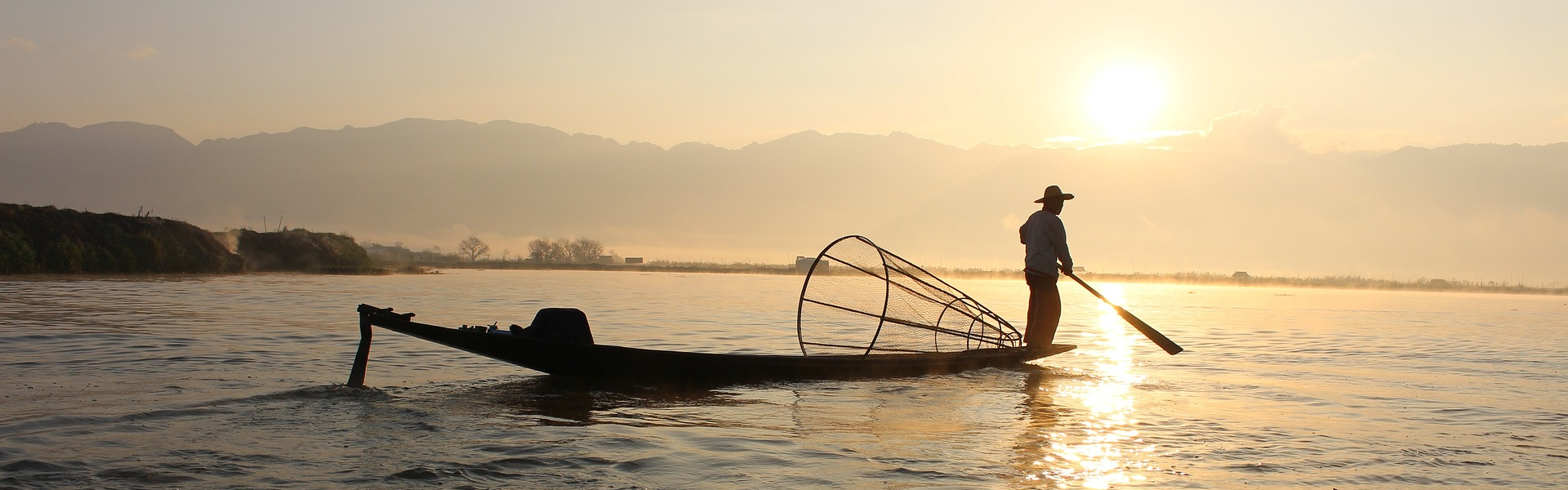
    Few countries in Asia hold heritage this dense. The plain of Bagan counts more than 2,000 temples and pagodas built between the 11th and 13th centuries, a UNESCO World Heritage Site since 2019. In Yangon, the Shwedagon Pagoda lifts its gilded, 99-metre stupa above the city. On Inle Lake, Intha fishermen row standing up, one leg wrapped around the oar, gliding past gardens that genuinely float. Buddhism shapes daily life, and travellers who knew the country before 2021 all mention the same thing: the rare warmth of its people.

    That is the dream. The reality in 2026 is harder. Since the 2021 coup, Myanmar has been in civil war. Ottawa cites political violence, air strikes in several regions, arbitrary enforcement of local laws that can lead to arrest, and the aftermath of the March 2025 earthquake. Chin, Kachin, Kayah, Mon, Rakhine and Shan states are considered especially dangerous, and Canada's ability to provide consular help on the ground is very limited. Our position as advisors is simple: Myanmar belongs on your list, but not at any price and not at any moment. In the meantime, other destinations in Asia, such as Thailand, Vietnam, Laos and Cambodia, offer culturally rich trips without an official advisory.

    When to go

    If security conditions ever change, here is the country's actual climate. Keep one thing in mind: as long as the avoid-all-travel advisory stands, weather is a secondary consideration.

    PeriodClimateVerdict
    November to FebruaryDry season, 24 to 32°C by day, cool nights on the Shan plateau and in KalawThe classic window for Bagan and Inle Lake
    March to MayExtreme heat, often above 40°C in Bagan and MandalayPunishing, especially for temple visits on foot
    June to OctoberMonsoon, heavy rain in the south and along the coast, roads sometimes cutDifficult; the central dry zone stays drier

    Getting there from Canada

    No airline flies nonstop from Montréal or Toronto to Yangon, and no North American carrier serves Myanmar at all. Yangon's airport is connected mainly to Bangkok, its principal gateway, along with Singapore and Kuala Lumpur, on carriers such as Thai Airways, Singapore Airlines, Malaysia Airlines and Myanmar Airways International. The typical routing from Canada therefore involves two connections: Montréal or Toronto to a major hub such as Doha or Istanbul, onward to Bangkok or Singapore, then a short regional flight to Yangon or Mandalay. Realistic total travel time is 26 to 32 hours, often more depending on layovers.

    A practical tip: build in an overnight stop in Bangkok or Singapore on the way in. You arrive rested, absorb part of the 10.5 to 11.5 hour time change, and give yourself a buffer if a regional flight is cancelled, which happens. Make sure every segment sits on a single ticket; otherwise a missed connection is your problem, not the airline's.

    The places behind the country's reputation

    Bagan and its plain of 2,000 temples

    At sunrise, mist clings to the red-brick stupas and the gilded spires appear one by one across the plain. It is Myanmar's most famous image, and it is not oversold: the archaeological zone holds more than 2,000 monuments spread over some 40 square kilometres along the Irrawaddy River. Most visitors explore by electric bike, temple to temple, from the standing Buddhas of the Ananda to terraces overlooking the whole plain.

    Inle Lake

    At 880 metres of altitude, Inle Lake lives on the water: stilt villages, floating tomato gardens, markets rotating between villages on a five-day cycle, and the famous leg-rowing fishermen. One honest note: the lake sits in Shan State, one of the regions Canada flags as especially dangerous. That is exactly the kind of detail a travel advisor must put on the table before any planning begins.

    Yangon

    The former capital keeps Southeast Asia's largest ensemble of British colonial architecture, from crumbling office blocks to pastel facades downtown. Everything converges on the Shwedagon Pagoda, covered in real gold, where families come to pray at sunset. The Circular Train, when it runs, loops around the city in about three hours and shows suburban daily life better than any guided tour.

    Mandalay and its surroundings

    The last royal capital before colonization, Mandalay remains the country's cultural and religious heart: gold-leaf workshops, marble carvers, teak monasteries. In nearby Amarapura, U Bein Bridge stretches 1.2 kilometres of teak across Taungthaman Lake; at dusk, monks and bicycles cross it in silhouette. The Sagaing hills, covered in white and gold pagodas, are less than an hour away.

    Budget in Canadian dollars

    On the ground, Myanmar has always been inexpensive. What weighs on the budget is the airfare, the specialized insurance and proper support. The ranges below are indicative only; prices swing with the country's situation and the kyat's exchange rate.

    ItemBudgetComfortHigh end
    Return flight from Montréal or Toronto$1,800 to $2,200$2,200 to $2,800$3,500 and up (business class)
    Accommodation (per night)$25 to $50$80 to $150$200 to $400
    Meals (per day)$10 to $20$25 to $50$60 and up
    Local transport and sights (per day)$15 to $30$40 to $80$100 and up

    Add the e-visa (about 50 USD) and, above all, adequate insurance: most standard policies exclude countries under an avoid-all-travel advisory. That point alone justifies a call to your travel advisor before you spend a dollar.

    Entry requirements and health for Canadian citizens

    • Official advisory: Canada advises against all travel to Myanmar due to armed conflict, political violence and the risk of arbitrary detention. Chin, Kachin, Kayah, Mon, Rakhine and Shan states are considered especially dangerous. Check travel.gc.ca before any decision; this page does not replace the official advisory.
    • Visa: a tourist e-visa is mandatory, about 50 USD, single entry, valid 90 days from approval for a maximum stay of 28 days. Processing takes 3 to 5 business days; apply at least two weeks before departure, only through the official Myanmar government site.
    • Passport: valid at least six months beyond your entry date, with one blank page.
    • Vaccines and health: routine vaccinations up to date, hepatitis A and typhoid recommended; depending on the itinerary, hepatitis B, Japanese encephalitis and rabies. Malaria and dengue are present in several regions, and the March 2025 earthquake weakened infrastructure and raised the risk of waterborne disease. See a travel health clinic 6 to 8 weeks before departure.
    • Insurance: read every clause. A standard policy generally becomes void in a country under an avoid-all-travel advisory; specialized coverage is required and expensive.
    • Money: cards are rarely accepted and ATMs are unreliable. Bring US dollars in crisp, unmarked bills; folded or damaged notes are often refused.
    • Communications: internet shutdowns and access restrictions can occur at any time; warn your family that you may be unreachable.
    • Consular help: Canada's ability to assist you inside Myanmar is very limited. Sign up for the Registration of Canadians Abroad service if you go despite the advisory.

    Our last piece of advice is the most important one: Myanmar is not a decision to make on impulse or on the strength of a beautiful Bagan photo. It is a project to build with someone who will read the official advisories with you, check your insurance line by line, and tell you honestly whether the time has come or whether it is wiser to wait.

    Still drawn to Myanmar? Have a frank conversation with a Voyages AquaTerra travel advisor: a review of the official advisories, an insurance check, and alternatives elsewhere in Asia if the timing is wrong. 450-628-6241 | 1-866-628-6241 | info@voyagesaquaterra.com

    Voyages AquaTerra holds a Québec travel agent permit.

    Frequently Asked Questions

    Yes. Canadian citizens must obtain a tourist e-visa before departure, at a cost of about 50 USD. It is valid for 90 days from approval, allows a single entry and a maximum stay of 28 days. Apply through the official Myanmar government site at least two weeks before travelling.
    Not according to the Government of Canada, which advises Canadians to avoid all travel to Myanmar, its highest advisory level. The country has been in armed conflict since the 2021 coup, with risks of political violence and arbitrary detention. Chin, Kachin, Kayah, Mon, Rakhine and Shan states are considered especially dangerous. Check travel.gc.ca before any decision.
    There are no direct flights from Canada to Yangon. The typical routing involves two connections, usually through Doha or Istanbul and then Bangkok or Singapore, for a total of 26 to 32 hours from either Montréal or Toronto. Bangkok is Myanmar's main air gateway.
    The dry season, from November to February, with daytime temperatures of 24 to 32°C and cool nights at altitude. From March to May the heat often exceeds 40°C in Bagan and Mandalay, and the monsoon runs from June to October. As long as the avoid-all-travel advisory stands, however, weather is a secondary consideration.
    As a rough guide, budget $1,800 to $2,800 CAD for return airfare from Montréal or Toronto, $25 to $150 per night for accommodation and $10 to $50 per day for meals. Daily life on the ground is inexpensive; the airfare and the specialized insurance required by the official advisory are what weigh on the budget.
    Myanmar uses UTC+6:30 year-round and does not observe daylight saving time. It is 10.5 hours ahead of Montréal and Toronto in summer and 11.5 hours ahead in winter. When it is 8 a.m. in Toronto in July, it is 6:30 p.m. in Yangon.
    Probably not with a standard policy. Most travel insurance excludes or limits coverage in countries under a Canadian avoid-all-travel advisory. Specialized coverage exists, but it is expensive and carries its own exclusions. Have a travel advisor review every clause before you book anything.
    Plan for cash almost everywhere. Credit cards are rarely accepted and ATMs are unreliable. Bring US dollars in crisp, unmarked bills, since folded, stained or older notes are often refused, and exchange them into kyats as you go. The market exchange rate fluctuates widely.
    The sites themselves remain: Bagan holds more than 2,000 UNESCO-listed temples and Inle Lake its stilt villages and leg-rowing fishermen. But Inle Lake lies in Shan State, one of the regions Canada flags as especially dangerous, and the whole country is under an avoid-all-travel advisory. No visit should be planned without a serious assessment of the situation with a travel advisor.
    Thailand, Vietnam, Laos and Cambodia offer comparable temples, floating markets and Buddhist culture without a Canadian government advisory. A travel advisor can build a Southeast Asia itinerary that answers the same wish list. Myanmar can wait for the right moment.
    • #Travel
    • #Burma
    • #tourism
    • #Myanmar
    • #culture
    • #pagodas
    • #temples
    • #Yangon
    • #Mandalay
    • #Bagan
    • #travelers
    • #trekking
    • #nature
    • #adventure
    • #tours
    • #cruises
    • #gastronomy
    • #market
    • #crafts
    • #traditions
    • #booking
    • #hotels
    • #holidays
    • #hiking
    • #beaches
    • #festivals
    • #history
    • #Buddhism
    • #experiences
    • #discovery