Departure

Return


Loading

argentina Destinations

Argentina travel from Canada: the complete guide

Canadian citizens enter Argentina without a visa for tourist stays; a passport valid for the length of the trip is all you need. Every itinerary from Canada involves at least one connection, through hubs such as Panama City, Atlanta, Bogotá or São Paulo: count on roughly 13 to 16 hours of total travel from Toronto and 14 to 17 hours from Montreal, landing at Buenos Aires' Ezeiza International Airport (EZE). Keep one fact front and centre: seasons are reversed, and the southern summer runs from December to March, right through the Canadian winter. Once you land, Argentina remains an affordable country for Canadian travellers, with meals around $40 to $80 CAD a day.

The essentials at a glance

FlightAbout 13 to 16 h from Toronto, 14 to 17 h from Montreal, with one connection; arrival at Ezeiza (EZE)
VisaNot required for Canadian citizens on tourist stays
Time differenceBuenos Aires is 1 h ahead of Eastern Time in our summer, 2 h in winter
CurrencyArgentine peso; $1 CAD ≈ 1,050 pesos (July 2026), a highly fluctuating rate
LanguageSpanish, with the Rioplatense accent and its famous "che"
Best timeOctober to April for Buenos Aires; November to March for Patagonia
DrivingOn the right; international driving permit recommended
Electricity220 V, type C and I plugs; adapter required

Why Argentina

A single plane ticket can take you from the subtropical Iguazú Falls on the Brazilian border to the channels of Tierra del Fuego at the bottom of the continent. In between: glaciers calving into lakes, vineyards at the foot of the Andes, the Patagonian steppe and a capital that eats dinner at 10 p.m. and dances tango in neighbourhood milongas.

The culture happens in the street rather than behind glass. Argentines will address you with the "che" and the voseo of Rioplatense Spanish, pass you a mate without ceremony and seat you at a parrilla where beef grills slowly over embers. Out on the pampa, estancias keep gaucho culture alive with horseback rides, asado and working-farm hospitality.

Here is a practical argument for Canadian travellers: the time difference is only 1 to 2 hours. You step off the plane without the fog that follows a flight to Europe or Asia, ready to use your first day.

When to go

Everything follows from one simple fact: seasons are reversed compared with Canada. The southern summer runs from December to March, which makes Argentina a natural escape during our winter. Each region has its own window, though.

Buenos AiresPleasant from October to April
Patagonia and Tierra del FuegoNovember to March, during the long days of the southern summer
Iguazú FallsYear-round; intense heat from December to March
MendozaMarch, at harvest time
Andean Northwest (Salta)Southern spring and fall

If wine is your priority, aim for March: the grape harvest is in full swing in Mendoza and the whole region runs on its rhythm. For a longer itinerary combining Buenos Aires and Patagonia, the November-to-March window covers both regions at their best.

How to get there from Canada

Every route from Canada to Buenos Aires includes at least one connection. From Toronto, the fastest itineraries take about 13 to 16 hours in total; from Montreal, plan on 14 to 17 hours, connecting through Toronto, Panama City, Atlanta, Bogotá or São Paulo. You land at Ezeiza International Airport (EZE), the country's main gateway. Budget roughly $1,200 to $1,900 CAD for a round trip from Montreal, for guidance only, depending on season and how far ahead you book.

Within the country, distances make flying the practical choice: Iguazú, Patagonia and Salta are all reached by domestic flights at about $150 to $350 CAD per segment, for guidance only. Book those segments at the same time as your international ticket, especially for travel between December and March, when Argentines are on holiday too.

The regions worth building a trip around

Buenos Aires

Give the capital at least three or four days. San Telmo for its antique dealers and Sunday market, La Boca for its painted sheet-metal facades, Palermo for its parks and restaurants, Recoleta for its famous cemetery. In the evening, pick between a tango show and a parrilla serving bife de chorizo grilled over coals. To plan your stay neighbourhood by neighbourhood, see our Buenos Aires travel guide.

Iguazú Falls

On the border with Brazil, Iguazú is a network of cataracts surrounded by subtropical forest. Walkways lead right to the edge of the Garganta del Diablo, where the river drops with a roar that drowns out conversation. Plan two nights on site, and note that the yellow fever vaccine is recommended for this region.

Patagonia

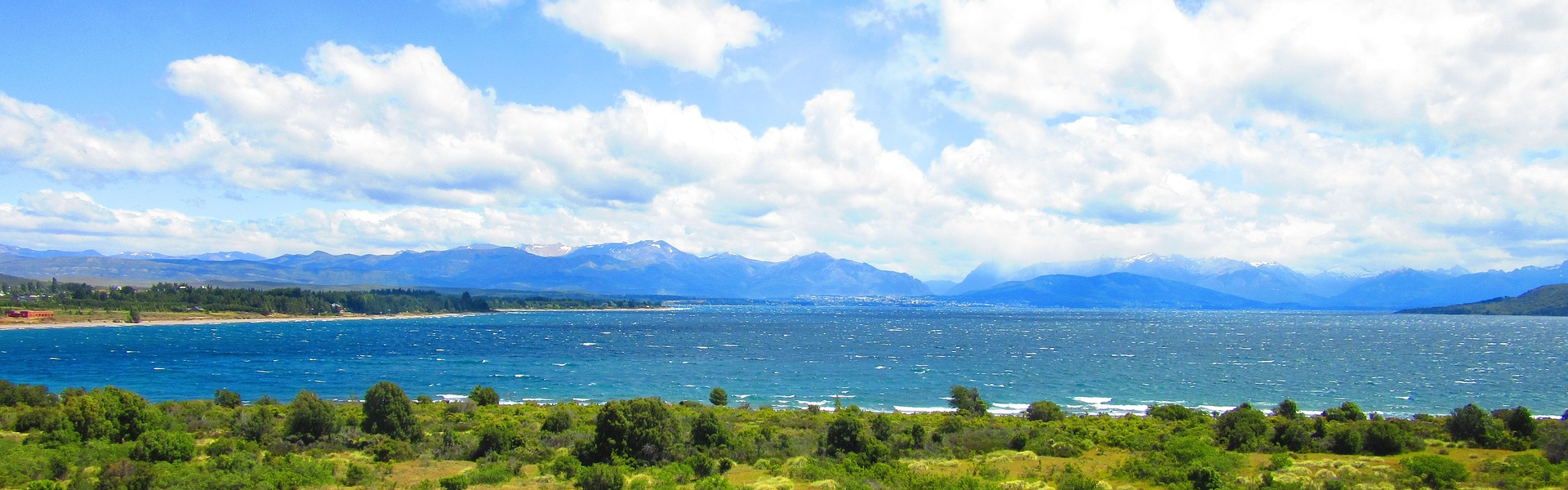
From El Calafate you reach the Perito Moreno glacier, a wall of ice you watch from walkways as it cracks and collapses into the lake. Farther north, Bariloche opens up the Lake District, its forests and its scenic drives. At the far south, Ushuaia sits on the Beagle Channel and serves as the gateway to Tierra del Fuego. Distances are long: pick two bases rather than trying to see everything.

Mendoza and Malbec country

Set against the Andes, Mendoza is the capital of Argentine Malbec. Wineries are easy to visit over a day or two, glass in hand, with the cordillera as a backdrop. In March, the harvest adds real energy to the whole region.

The Andean Northwest

Around Salta, Argentina changes character: colonial villages, arid valleys and the colour-streaked mountains of the nearby Quebrada de Humahuaca. The region rewards exploring by car; remember that driving is on the right and an international driving permit is recommended.

The budget, in Canadian dollars

The ranges below are for guidance only, in Canadian dollars. The peso fluctuates a great deal ($1 CAD ≈ 1,050 pesos in July 2026), so local prices move quickly, but Argentina remains affordable for Canadian travellers once you are in the country.

Round-trip flight from Montreal$1,200 to $1,900 CAD
3-4 star hotel in Buenos Aires$120 to $250 CAD per night
Meals$40 to $80 CAD per day
Domestic flights (Iguazú, Patagonia, Salta)$150 to $350 CAD per segment

As for payment, bank cards are widely accepted in Buenos Aires. Outside the major cities, carry cash in pesos for small shops and markets.

Entry requirements and health for Canadian citizens

  • Visa: not required for tourist stays (source: travel.gc.ca). Your passport must be valid for the length of your stay.
  • At the border: fingerprints and a photo are taken on entry and exit. Officers may ask for proof of an onward or return flight and sufficient funds.
  • Yellow fever: the vaccine is recommended depending on your itinerary, notably for Iguazú Falls and the northeast, though it is not required for entry.
  • Other vaccines: hepatitis A and B are recommended. See a travel health clinic a few weeks before departure.
  • Dengue: present in the country; protect yourself from mosquitoes with repellent and long clothing, especially in the north.
  • Medical care: good in Buenos Aires, but some facilities require payment in cash. Travel insurance that includes medical evacuation is strongly recommended.
  • Safety: normal precautions apply across the country; exercise extra caution against pickpocketing and distraction schemes in Greater Buenos Aires and in Rosario.

One last piece of advice: build your itinerary around two or three regions at most. The country is enormous and every transfer eats half a day; you will get far more out of Buenos Aires, Patagonia and Iguazú done properly than five regions done at a run.

Is Argentina calling your name? Our travel advisors build custom Argentine itineraries, domestic flights included, and know the right window for each region. One call is enough to validate your dates and your budget. 450-628-6241 | 1-866-628-6241 | info@voyagesaquaterra.com

Frequently Asked Questions

No, a visa is not required for tourist stays. You need a passport valid for the length of your trip. On entry and exit, authorities take your fingerprints and photo, and officers may ask for proof of a return flight and sufficient funds.
Every itinerary includes one connection, through hubs such as Panama City, Atlanta, Bogotá or São Paulo. Total travel time is roughly 13 to 16 hours from Toronto and 14 to 17 hours from Montreal, arriving at Ezeiza International Airport (EZE).
Seasons are reversed: the southern summer runs from December to March. Buenos Aires is pleasant from October to April, Patagonia is best from November to March, and Iguazú Falls can be visited year-round, with intense heat in the southern summer.
Yes, normal precautions are enough across most of the country. Extra caution is advised in Greater Buenos Aires, where pickpocketing and distraction schemes occur, and in Rosario.
For guidance only, plan on $1,200 to $1,900 CAD for a round-trip flight from Montreal, $120 to $250 CAD per night for a 3-4 star hotel in Buenos Aires and $40 to $80 CAD per day for meals. Once there, Argentina remains affordable for Canadian travellers.
Argentina stays on UTC-3 year-round, with no daylight saving time. Buenos Aires is therefore 1 hour ahead of Eastern Time during our summer and 2 hours ahead in winter. Jet lag is barely noticeable.
It is not required for entry into Argentina, but it is recommended depending on your itinerary, notably for Iguazú Falls and the country's northeast. Talk to a travel health clinic a few weeks before departure.
Bank cards are widely accepted in Buenos Aires. Outside the major cities, carry cash in pesos. The exchange rate fluctuates a great deal: in July 2026, $1 CAD was worth about 1,050 pesos.
Yes, it is the classic combination, linked by domestic flight ($150 to $350 CAD per segment, for guidance only). Aim for the November-to-March window, which suits both regions, and allow at least ten days to enjoy it without rushing.
The grape harvest takes place in March. It is the liveliest time to tour the Malbec wineries, with the Andes as a backdrop and the whole region running on the rhythm of the picking.
  • #Travel
  • #Argentina
  • #tourism
  • #culture
  • #attractions
  • #nature
  • #cuisine
  • #travelers
  • #tango
  • #Buenos Aires
  • #Patagonia
  • #Andes Mountains
  • #wine
  • #Mendoza
  • #hiking
  • #booking
  • #festivals
  • #history
  • #museums
  • #beaches