Departure

Return


Loading

China Destinations

China Travel from Canada: The Complete Guide

Good news for Canadian travellers: since February 17, 2026, Canadian citizens can enter China visa-free for stays of 30 days or less, an exemption confirmed until December 31, 2026. There are no non-stop flights from Montréal; Air Canada flies non-stop to Shanghai from Toronto and to both Shanghai and Beijing from Vancouver, so plan on 15.5 to 20 hours door to door depending on your routing. The best months to visit are April-May and September-October. As a guideline, budget $250 to $400 CAD per person per day at a mid-range comfort level, international flight not included.

The essentials at a glance

ItemWhat to know
Flights from CanadaNon-stop from Toronto and Vancouver to Shanghai; Vancouver to Beijing; from Montréal, connect through either hub (17-20 h total)
Visa for CanadiansVisa-free for stays up to 30 days, in effect until December 31, 2026; passport valid 6 months
Time differenceChina is 12 h ahead of Montréal and Toronto in summer, 13 h in winter
CurrencyYuan renminbi (CNY); $1 CAD is worth about 4.80 yuan
LanguageMandarin; limited English outside major hotels
Best time to goApril-May and September-October
DrivingInternational Driving Permit not recognized; use trains, subways and ride-hailing instead
Electricity220 V; plug types A, C and I, adapter required

Why China

Few destinations pack this much contrast into one trip. You walk the Great Wall in morning mist, and three days later you are sipping tea in a century-old Chengdu teahouse while giant pandas nap a few kilometres away. In between, a high-speed train has carried you at 350 km/h, on time, with wifi.

The timing is right, too. The 30-day visa exemption granted to Canadians in February 2026 removes the paperwork, the visa-centre appointment and the fees that used to slow travellers down. On the ground, your dollars stretch far: a bowl of hand-pulled noodles costs $4 or $5 CAD, a subway ride less than a dollar.

China also rewards a multi-stop itinerary. Distances are long, but the country runs the world's largest high-speed rail network, linking every classic stop: Beijing, Xi'an, Shanghai, Guilin, Chengdu. A two- to three-week route needs few or no domestic flights.

When to go

SeasonClimateVerdict
April to MayMild and fairly dry across most of the country; 15 to 25 °C in Beijing and ShanghaiPrime season, ahead of summer heat and crowds
June to AugustHot and humid, frequent rain in the south; 30 °C and upFine for Sichuan and higher-altitude regions; peak crowds and prices
September to OctoberClear skies, 18 to 26 °C, low humidityThe other prime window; avoid Golden Week, October 1 to 7
November to MarchCold and dry in the north (down to -10 °C in Beijing), mild in the southLow season with lower prices; Harbin ice festival in January

Two dates matter: Golden Week in early October and Chinese New Year (late January or February), when hundreds of millions of Chinese travellers are on the move at once. Trains sell out and major sites are packed. Shift your trip by a week and the picture changes completely.

Getting there from Canada

From Toronto, Air Canada relaunched its non-stop Toronto-Shanghai service in June 2026, four times a week on a Boeing 787-9, at roughly 15.5 hours westbound. From Vancouver, the airline flies daily to Shanghai (about 12 hours) and five times a week to Beijing.

From Montréal, there is no non-stop option: connect in Vancouver or Toronto and plan on 17 to 20 hours in total, including the 5.5-hour domestic leg to Vancouver. For Hong Kong, Cathay Pacific flies non-stop from both Toronto (about 15.5 hours) and Vancouver. An open-jaw ticket, arriving in Shanghai and returning from Hong Kong, saves you from backtracking.

Advisor's tip: book early for April-May and September-October departures, as economy cabins on the Vancouver-Shanghai route fill quickly, and allow at least two hours for your connection.

Regions and cities worth your time

Beijing and the Great Wall

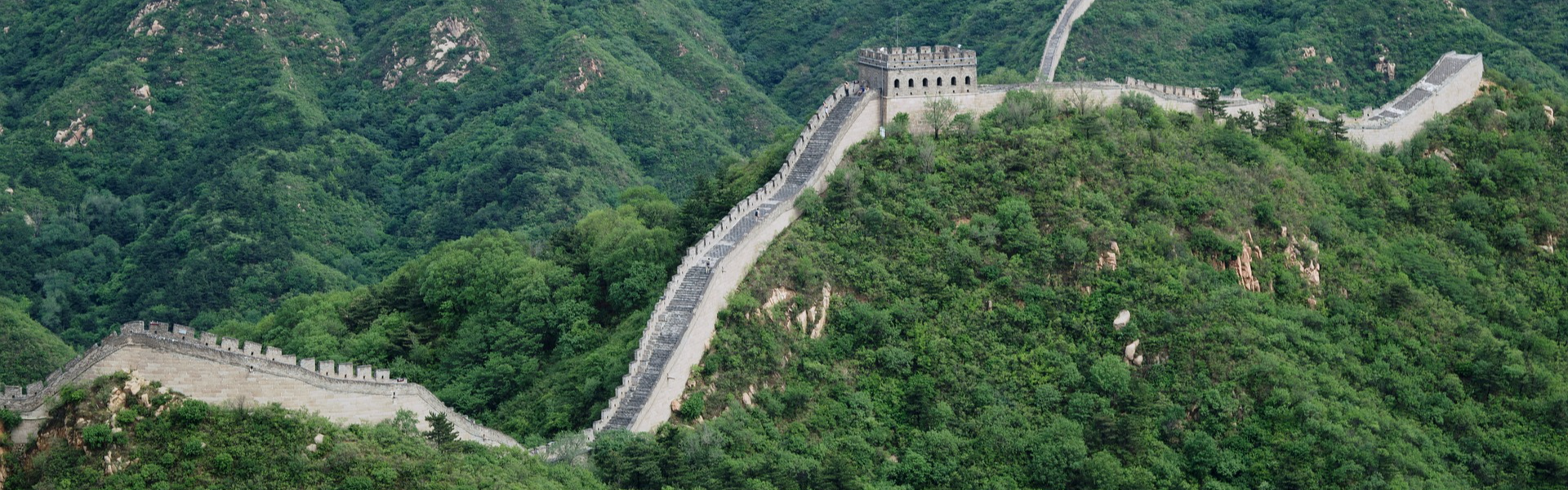
The capital holds the imperial core: the Forbidden City with its 980 buildings, the Temple of Heaven, and hutong alleys where dinner means Peking duck. Some 70 km north, the Mutianyu section offers a beautifully restored wall with fewer crowds than Badaling, a cable car up and a toboggan run down. Give it four days; our Beijing travel guide covers neighbourhoods and day trips.

Shanghai

This city of 25 million reads like a single riverside walk: 1920s facades along the Bund on one bank, the towers of Pudong on the other, including the 632-metre Shanghai Tower. In between, the old town around Yu Garden serves xiaolongbao, soup dumplings eaten scalding hot. See our Shanghai travel guide to plan two or three days there.

Xi'an

A 4.5-hour train ride from Beijing, Xi'an lines up the 8,000 soldiers of the Terracotta Army, buried 2,200 years ago. The city itself earns a stop: complete Ming-era ramparts you can cycle (14 km), and a Muslim Quarter selling cumin lamb skewers and biang biang noodles stretched by hand in front of you.

Guilin and Yangshuo

Southern China changes the scenery entirely: green limestone peaks rising out of rice paddies. The four-hour cruise on the Li River between Guilin and Yangshuo drifts through the landscape printed on the 20-yuan banknote. In Yangshuo, rent a bicycle and ride between villages; two hours away, the Longji rice terraces are at their best from April to October.

Chengdu

Sichuan's capital takes life slowly: teahouses, parks full of mah-jong players, and the Giant Panda Breeding Research Base, where the residents eat their bamboo breakfast around 8:30 a.m., the best moment to visit. Dinner is Sichuan hot pot, laced with peppercorns that numb your lips. Two hours away, the Leshan Giant Buddha stands 71 metres tall, carved into a cliff face.

Hong Kong

A territory with its own entry regime, Hong Kong welcomes Canadians visa-free for 90 days, with unfiltered internet and English as an official language. The Peak Tram, the Star Ferry and the city's dim sum halls easily fill three days. Our Hong Kong travel guide has the details; the city pairs naturally with mainland China at the end of an itinerary.

Budget in Canadian dollars

ItemBudgetMid-rangeHigh-end
Return flight from Canada$1,300 to $1,800$1,800 to $2,500$4,500 and up (business class)
Accommodation (per night, double occupancy)$50 to $90$120 to $250$350 and up
Meals (per person, per day)$15 to $30$40 to $80$120 and up
Beijing-Shanghai high-speed train (one way)about $115 (second class)about $195 (first class)about $400 (business class)

These figures are guidelines only and vary with the season and the exchange rate. On the ground, almost everything is paid by phone: download Alipay or WeChat Pay before you leave and link your Canadian Visa or Mastercard, as both apps accept foreign cards. Still carry some cash in yuan for small vendors; foreign credit cards are rarely accepted in shops.

Entry requirements and health for Canadian citizens

  • Visa: visa-free entry for stays of 30 days or less, in effect until December 31, 2026. Longer stays, work or study still require a visa. The program has an end date, so have your travel advisor confirm the rules before you book.
  • Passport: valid for at least 6 months from your date of entry into China.
  • Official advisory: the Government of Canada (travel.gc.ca) advises exercising a high degree of caution in China, notably due to the risk of arbitrary enforcement of local laws. Read the official advice before departure.
  • Hong Kong: separate entry regime; Canadians stay visa-free for up to 90 days.
  • Vaccines: none are mandatory for travellers arriving from Canada. Routine vaccines plus hepatitis A and typhoid are generally recommended; visit a travel health clinic six weeks before departure.
  • Water and food: tap water is not safe to drink; stick to bottled or boiled water.
  • Internet: Google, Gmail, Facebook, Instagram and WhatsApp are blocked in mainland China. Install a VPN before you leave, or use your Canadian carrier's data roaming, which bypasses the filtering. Hong Kong is not affected.
  • On the ground: hotels register foreign guests with local authorities, a routine formality. Keep your passport with you; it is also needed to buy train tickets and enter major sites.
  • Insurance: travel insurance covering medical care and repatriation is essential, as international hospitals require payment or a guarantee at admission.

One last piece of advice: resist the ten-cities-in-fifteen-days marathon. Four or five well-chosen stops connected by high-speed rail leave time for a night market or a teahouse, and that is usually where the trip becomes memorable for the right reasons.

Ready to see the Great Wall for yourself? Our travel advisors build custom China itineraries covering flights, trains, English- or French-speaking guides and insurance, and they track entry-rule changes for you. 450-628-6241 | 1-866-628-6241 | info@voyagesaquaterra.com

Voyages AquaTerra holds a Québec travel agent permit.

Frequently Asked Questions

No, not for tourist or business stays of 30 days or less. Since February 17, 2026, China has waived visas for Canadian passport holders, and the program is confirmed until December 31, 2026. Your passport must be valid for at least 6 months. Longer stays, work or study still require a visa.
Air Canada flies non-stop from Toronto to Shanghai in about 15.5 hours and from Vancouver to Shanghai in about 12 hours. From Montréal there is no non-stop service; with a connection in Vancouver or Toronto, plan on 17 to 20 hours in total.
April-May and September-October, when temperatures are mild and humidity is low across most of the country. Avoid Golden Week, October 1 to 7, and Chinese New Year, when hundreds of millions of domestic travellers are on the move and trains sell out.
Crime against tourists is low, even in the largest cities. The Government of Canada nonetheless advises exercising a high degree of caution, notably due to the risk of arbitrary enforcement of local laws. Follow local regulations, carry your passport and check travel.gc.ca before departure.
As a guideline, $250 to $400 CAD per person per day at a comfortable mid-range level (4-star hotels, restaurants, trains, guided visits), international flight not included. Budget travellers manage on $125 to $175 CAD per day. Return flights from Toronto or Montréal typically run $1,300 to $2,500 CAD.
China is 12 hours ahead of Montréal and Toronto during our daylight saving time and 13 hours ahead in winter, since China does not change its clocks. The whole country runs on a single time zone, Beijing time. Allow two or three days to adjust after arrival.
Mobile payment rules daily life: download Alipay or WeChat Pay before you leave and link your Canadian Visa or Mastercard, as both apps accept foreign cards. Credit cards are rarely accepted directly in shops. Carry some cash in yuan for small vendors; $1 CAD is worth about 4.80 yuan.
Google, Gmail, Facebook, Instagram and WhatsApp are blocked in mainland China. Install a VPN before departure, or use your Canadian carrier's data roaming, which bypasses the filtering. Internet in Hong Kong is not filtered.
High-speed rail is the most efficient option: Beijing to Shanghai takes 4.5 hours (1,318 km), and Beijing to Xi'an about the same. Tickets are sold online against your passport, ideally a few days ahead. Within cities, subway rides cost less than a dollar.
No. Hong Kong has its own entry regime, separate from mainland China: Canadians can stay visa-free for up to 90 days. It makes a natural final stop on a China itinerary, with non-stop Cathay Pacific flights back to Toronto and Vancouver.
  • #Travel
  • #culture
  • #tourism
  • #history
  • #art
  • #traditions
  • #cuisine
  • #languages
  • #economy
  • #politics
  • #society
  • #geography
  • #cities
  • #attractions
  • #Great Wall
  • #Beijing
  • #Shanghai
  • #Hong Kong
  • #Xi'an
  • #Chengdu
  • #Tibet
  • #dynasties
  • #UNESCO World Heritage
  • #pagodas
  • #temples
  • #mountains
  • #rivers
  • #markets
  • #festivals
  • #panda.