Departure

Return


Loading

Brazil Destinations

Brazil Travel from Canada: The Complete Guide

Since April 10, 2025, Canadian citizens need an electronic visa (e-Visa) to enter Brazil. You apply entirely online, the fee is about US$81 (roughly CAD 110), and the visa stays valid for five years, with stays of up to 90 days. Air Canada flies nonstop from Toronto to São Paulo year-round and from Montréal to São Paulo about four times a week, both in roughly 10 hours; a seasonal Toronto-Rio nonstop operates from December to late March. The best time to visit depends on the region: May to October for Rio and the Southeast, almost year-round for the Northeast beaches. As a guideline, budget CAD 3,000 to 5,500 per person for two weeks, flights included.

The essentials at a glance

ItemWhat to know
Flights from CanadaNonstop Toronto-São Paulo and Montréal-São Paulo (about 10 hours); seasonal nonstop Toronto-Rio (December to March)
Visa for CanadiansYes, an e-Visa has been mandatory since April 2025 (about US$81, valid 5 years)
Time differenceRio and São Paulo: 1 hour ahead of Eastern Time in summer, 2 hours in winter
CurrencyBrazilian real (CAD 1 equals about 3.60 reais)
LanguagePortuguese; English is limited outside tourist areas
Best time to goMay to October for Rio and the Southeast; December to March for beach season and Carnival
DrivingOn the right; an international driving permit is recommended
Electricity127 V or 220 V depending on the city, type N outlets: bring an adapter

Why Brazil

Brazil covers nearly half of South America. In a single trip you can go from the sands of Copacabana to the 275 waterfalls of Iguaçu, then sleep in an Amazon lodge. No other country on the continent packs this much variety, and its domestic flight network is the best in the region: LATAM, GOL and Azul connect the major regions in two to three hours.

It is also a country you live rather than simply visit. Music spills out of neighbourhood bars, Sunday churrasco is a family institution, and every February Carnival turns entire cities into a dance floor. Brazilians have a reputation as some of the warmest hosts in the Americas, and it holds up from your first conversation, even with three words of Portuguese.

The exchange rate works in your favour too. With the real worth about CAD 0.28, a full meal in a good neighbourhood restaurant often costs under CAD 20, and a solid hotel room can be found below CAD 120 a night. For a long-haul destination, day-to-day costs are remarkably gentle.

When to go

Brazil is vast and its seasons vary by region. The southern summer (December to March) is hot, humid and festive; the southern winter (June to September) is dry and mild in the Southeast.

PeriodClimateVerdict
December to MarchSouthern summer: 30 to 40°C in Rio, late-day showersHigh season, beach weather and Carnival; book early, prices climb
April to June22 to 28°C in the Southeast, rains easingExcellent value, smaller crowds
July to SeptemberMild, dry southern winter in Rio and São Paulo (18 to 26°C)Ideal for sightseeing; also the dry season in the Pantanal and the Amazon
October to NovemberHeat building ahead of the summer rainsGood period with reasonable fares

Carnival 2027 runs February 5 to 13. If that is your target, reserve flights and hotels six to nine months ahead.

Getting there from Canada

Air Canada flies nonstop from Toronto to São Paulo's Guarulhos airport year-round, and nonstop from Montréal to São Paulo about four times a week, both on the Boeing 787-9. Departures are in the evening with a morning arrival, after roughly 10 hours in the air. From December to late March, Air Canada also operates a seasonal nonstop between Toronto and Rio de Janeiro, three times a week.

Outside those dates, Rio is reached with one connection: fly to São Paulo and hop on a one-hour domestic flight with LATAM or GOL, or route through Panama City with Copa Airlines from Montréal or Toronto. Count on 12 to 16 hours door to door depending on the routing. Our Rio de Janeiro guide breaks down each option.

Advisor's tip: if your itinerary combines several regions such as Rio, Iguaçu and Salvador, use São Paulo as your hub. It is South America's largest air gateway and domestic fares are frequent and affordable.

Regions to explore

Rio de Janeiro

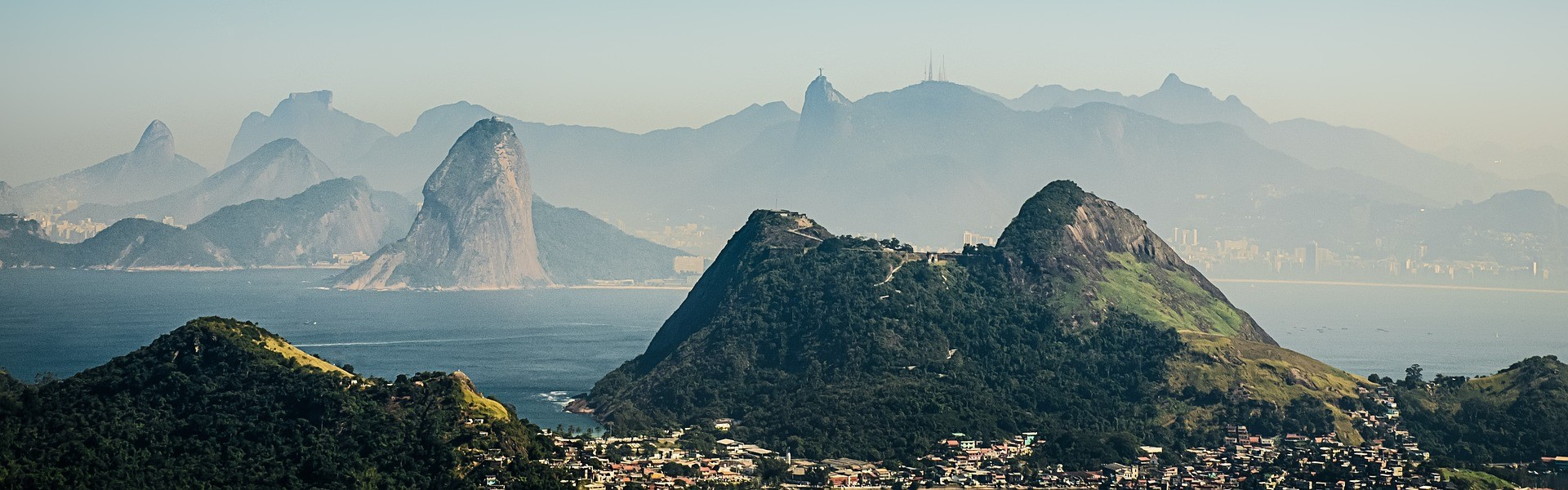
Guanabara Bay, Sugarloaf Mountain, Christ the Redeemer atop Corcovado: few cities anywhere enjoy a setting like this. Between beaches, climb to the bohemian streets of Santa Teresa or settle into a botequim in Lapa for dinner. Plan at least four nights. Every neighbourhood is covered in our dedicated Rio de Janeiro page.

São Paulo

The metropolis of 12 million is South America's food capital. Go for the restaurants, the Municipal Market and its mortadella sandwiches, the galleries around Oscar Freire street and the murals of Vila Madalena. Two or three nights work well at the start or end of a circuit, since your flight lands there. See our São Paulo guide to plan the stopover.

Salvador and the Northeast

Salvador is the Afro-Brazilian heart of the country: the colourful facades of the Pelourinho, drum rhythms in the streets and cooking rich with dendê oil. Beyond it, the Northeast coastline unrolls thousands of kilometres of warm beaches year-round, from Praia do Forte and Morro de São Paulo to the dunes and lagoons of Jericoacoara.

Iguaçu Falls

On the Argentine border, 275 waterfalls stretch across nearly 3 km of jungle. The Brazilian side delivers the panoramic views, the Argentine side the walkways right over the water; give each its own day. It is a two-hour flight from São Paulo or Rio.

The Amazon and the Pantanal

From Manaus, river cruises and jungle lodges take you deep into the world's largest rainforest. For wildlife, though, the Pantanal is more generous: caimans, capybaras, macaws and even jaguars during the dry season from July to October. Allow three to five days for each extension.

The budget, in Canadian dollars

ItemBudgetMid-rangeHigh-end
Return flight from CanadaCAD 900 to 1,200CAD 1,200 to 1,700CAD 3,500 and up (business class)
Accommodation (per night)CAD 60 to 110CAD 150 to 280CAD 450 and up
Meals (per day)CAD 25 to 40CAD 50 to 90CAD 130 and up
Local transport and activities (per day)CAD 15 to 30CAD 40 to 80CAD 150 and up

As a guideline, a two-week trip comes to about CAD 3,000 per person on a lean budget, CAD 4,500 to 5,500 in mid-range comfort with a few domestic flights, and well beyond that at the high end. Prices move with the season and the exchange rate; your advisor will prepare an up-to-date quote.

Entry requirements and health for Canadian citizens

  • Visa: an e-Visa has been mandatory since April 10, 2025. Apply on the official portal brazil.vfsevisa.com; the fee is about US$81 and the visa is valid for 5 years with multiple entries (90 days per stay, 180 days per year). Processing often takes 2 to 3 days, but leave a two- to three-week margin.
  • Passport: valid for at least the full length of your stay; six months of validity remains a prudent standard.
  • Official advisory: the Government of Canada advises exercising a high degree of caution in Brazil due to high crime rates in urban areas. Certain Rio favelas and border regions carry stricter advisories. Check travel.gc.ca before departure.
  • Vaccines: yellow fever vaccination is recommended depending on your itinerary, notably for the Amazon, the Pantanal and the Iguaçu region. Keep hepatitis A and B and routine vaccines up to date. Dengue, Zika and chikungunya circulate: protect yourself against mosquito bites.
  • Insurance: comprehensive travel medical insurance is essential; private Brazilian hospitals require a payment guarantee.
  • Money: cards are accepted almost everywhere; keep some cash in reais for beach kiosks and markets.

One final piece of advice: do not try to see everything. Brazil is best explored one large region at a time, and a successful first trip usually combines Rio, Iguaçu and a beach region or São Paulo. The rest gives you a reason to come back.

Ready to plan your trip to Brazil? Voyages AquaTerra advisors check your e-Visa, build your flights and stops, and stay with you before and during the trip. 450-628-6241 | 1-866-628-6241 | info@voyagesaquaterra.com

Voyages AquaTerra holds a Québec travel agent permit.

Frequently Asked Questions

Yes. Since April 10, 2025, Canadian citizens must obtain an electronic visa (e-Visa) before departure. You apply online on the official portal brazil.vfsevisa.com, the fee is about US$81, and the visa is valid for five years with stays of up to 90 days. Apply at least two to three weeks before you fly.
Air Canada flies nonstop from Toronto and from Montréal to São Paulo in about 10 hours, overnight. A seasonal Toronto-Rio nonstop operates from December to late March; otherwise Rio requires one connection, for a total of 12 to 16 hours.
May to October for Rio and the Southeast, when the weather is dry and mild at 18 to 26°C. The southern summer, December to March, is hot, humid and festive, with Carnival in February. The Northeast beaches are pleasant almost year-round.
The Government of Canada advises a high degree of caution due to urban crime. Tourist areas are fine with sensible habits: keep jewellery and phones out of sight, use registered taxis or ride-hailing apps at night, and never enter a favela without an official guide. Check travel.gc.ca before departure.
As a guideline, about CAD 3,000 per person on a lean budget, CAD 4,500 to 5,500 for mid-range comfort with domestic flights, and more at the high end. On-the-ground costs are low: a good restaurant meal is often under CAD 20.
Rio and São Paulo are one hour ahead of Eastern Time during the Canadian summer and two hours ahead in winter, since Brazil no longer observes daylight saving time. Jet lag is essentially nonexistent.
The official language is Portuguese. English is common in hotels and major tourist sites but rare elsewhere. A few words of Portuguese, or Spanish, which is partially understood, go a long way in restaurants and shops.
Credit and debit cards are accepted almost everywhere, even for small amounts, and locals mostly pay with the Pix mobile system. Still, keep some cash in reais for beach kiosks, markets and small vendors. CAD 1 is worth about 3.60 reais.
Restaurants normally add a 10% service charge (taxa de serviço) to the bill, and leaving more is not expected. For guides, drivers and porters, a modest tip in reais is appreciated but never mandatory.
It is not required for entry when arriving from Canada, but it is recommended depending on your itinerary, notably for the Amazon, the Pantanal and the Iguaçu Falls region. Visit a travel health clinic four to six weeks before departure.
  • #Travel
  • #Brazil
  • #tourism
  • #beach
  • #Rio de Janeiro
  • #São Paulo
  • #Amazon
  • #rainforest
  • #carnival
  • #culture
  • #music
  • #cuisine
  • #diving
  • #adventure
  • #nature
  • #Pantanal
  • #Northeast
  • #Salvador
  • #Recife
  • #Fortaleza
  • #Bahia
  • #São Paulo
  • #Rio Grande do Sul
  • #forró
  • #samba
  • #soccer
  • #football
  • #resorts
  • #hotels
  • #holidays