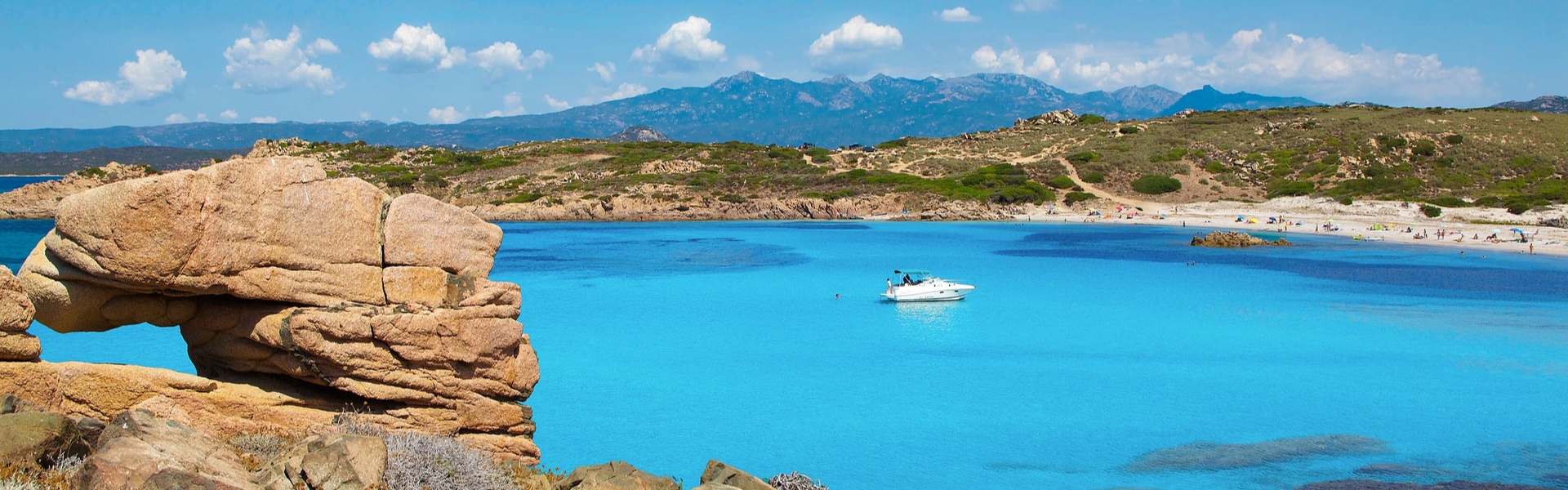
Corsica Travel from Canada: The Complete Guide
Corsica packs sandy beaches, high mountains and Genoese citadels onto one French island, and reaching it from Canada takes two steps: no direct flight links the two. From Montreal, you fly non-stop to Paris, Marseille or Nice (roughly 6 h 45 to 7 h 40), then connect on Air Corsica to Ajaccio, Bastia, Figari or Calvi, or board an overnight ferry from Marseille; from Toronto, the simplest routing is through Paris. Canadian citizens travel visa-free for stays of 90 days or less in the Schengen area. The season runs from May to October; May-June and September offer the best balance of weather, prices and crowds, while July and August are very busy and expensive. On the island, a rental car is close to essential. As a rough guide, budget $700 to $1,400 CAD return for the transatlantic flight depending on city and season, plus the connection to the island.
The essentials at a glance
| Flights from Canada | No direct flight to Corsica. Montreal-Paris (6 h 45 to 7 h), Montreal-Marseille or Montreal-Nice (7 h 40), or Toronto-Paris, then Air Corsica or a ferry |
| Visa for Canadians | Visa-free up to 90 days in any 180-day period (Schengen); EES in effect, ETIAS expected late 2026 |
| Time difference | +6 hours ahead of Montreal and Toronto |
| Currency | Euro (€1 ≈ $1.62 CAD, July 2026) |
| Language | French |
| Best time to go | May-June and September; season runs May to October |
| Driving | Right-hand side; rental car close to essential, narrow winding mountain roads |
| Electricity | 230 V / 50 Hz, type E plugs, adapter required |
Why Corsica
Few destinations squeeze this much contrast into so few kilometres. You can swim in the turquoise water of Palombaggia in the morning, drive a mountain pass above 1,000 m in the afternoon and have dinner in a hilltop village of the Balagne that evening. The Gulf of Porto, taking in the Calanques de Piana, the Gulf of Girolata and the Scandola nature reserve, has been a UNESCO World Heritage site since 1983. Those red granite spires plunging into the sea are best seen by boat, and Scandola can only be visited from the water.
The island carries real history too: Ajaccio is the birthplace of Napoleon Bonaparte, Bonifacio and Calvi still wear their citadels, and the GR20 draws Europe's most seasoned hikers. If you plan to pair the island with the mainland, our France travel guide covers the TGV network and domestic flights that make combinations easy.
One very practical argument for Canadian travellers: Air Transat's year-round direct Montreal-Marseille flight makes Marseille a natural gateway to Corsica, by air or by overnight ferry. Two trips in one, with no detour through Paris.
When to go
The Corsican season runs from May to October. May-June and September are the months we recommend first: pleasant weather, open trails, gentler prices, and the sea stays warm enough for swimming in September. July and August concentrate the crowds; ferries, rental cars and accommodations must then be booked months ahead, at peak prices.
| May-June | Mild and sunny, sea still cool | Ideal, especially for hiking |
| July-August | Hot and dry | Very busy and expensive; book very early |
| September-October | Still warm, swimming possible in September | Excellent choice, crowds thin out |
| November-April | Off-season | Poor fit for a first visit |
Getting there from Canada
The most flexible option: a non-stop flight to Paris (Air Canada, Air France or Air Transat from Montreal, year-round, 6 h 45 to 7 h; several carriers from Toronto), then an Air Corsica flight from Orly or Charles de Gaulle to Ajaccio, Bastia, Figari or Calvi. Air Corsica also serves Marseille, Nice, Lyon and Toulouse, on year-round or seasonal schedules depending on the route, with Air France and easyJet covering some legs as well.
Our favourite option for skipping the big Paris airports: Air Transat's direct Montreal-Marseille flight, offered year-round, with a weekly Quebec City-Marseille service added from May 21 to October 8, 2026. From Marseille you continue by air or by Corsica Linea or La Méridionale ferry: 11 h to 12 h 45 at sea, often overnight, from roughly €28 to €153 per passenger depending on the season. Third option: Montreal-Nice (Air Canada and Air Transat, about 8 weekly flights in summer 2026, 7 h 40 in the air), then a short flight or a Corsica Ferries crossing, which tends to be shorter from Nice. For July-August, book flights, ferry and car at the same time, months in advance.
Corsica region by region
Ajaccio and the west
Ajaccio, birthplace of Napoleon Bonaparte, is worth a stop for Maison Bonaparte, now a national museum, its gulf and the Sanguinaires islands at sunset. Heading up the west coast brings you to the Gulf of Porto and the Calanques de Piana, a UNESCO-listed sector: plan a boat trip, the only way to approach the Scandola reserve.
Bonifacio and the far south
Bonifacio is the most dramatic sight on the island: a citadel perched on white limestone cliffs above the Strait of Bonifacio, facing Sardinia. Boat excursions to the sea caves and the Lavezzi archipelago leave straight from the harbour.
Porto-Vecchio and its beaches
Porto-Vecchio is the base for beach lovers. Palombaggia and Santa Giulia, with their turquoise water, rank among the most famous beaches in the Mediterranean. In high season, arrive early: parking lots fill fast.
Bastia and Cap Corse
Bastia, the northern gateway with both a port and an airport, deserves more than a quick transit: an old harbour, a Genoese citadel and the feel of a town that lives year-round. It is also the starting point of the Cap Corse loop, a superb drive best done without hurrying.
Calvi and the Balagne
Calvi pairs a Genoese citadel with a long pine-backed beach. Its hinterland, the Balagne, strings hilltop villages between sea and mountain, making it an excellent base for a first stay in the northwest.
The mountains and the GR20
The GR20 crosses the island from north to south over roughly 180 km, in about fifteen stages. It is known as one of the most demanding trails in Europe: it is generally walkable from June to September, and the mountain huts must be reserved. Solid fitness and real preparation are required, even for just a few stages.
The budget, in Canadian dollars
Transportation is the main line item, in two segments: the transatlantic flight, then the connection to the island. On the ground, prices track the crowds and climb sharply in July-August. Here are cautious ranges, converted at roughly €1 = $1.62 CAD (July 2026).
| Return flight Canada-France | About $700 to $1,400 depending on city and season |
| Marseille-Corsica ferry (foot passenger) | About $45 to $250 (€28 to €153) depending on season |
| 3-star hotel, outside July-August | About $160 to $195 per night; noticeably more in midsummer |
| Meals (lunch set menu) | About $25 to $40 per person |
These amounts are indicative only: they vary with the season, the exchange rate and how far ahead you book.
Entry requirements and health for Canadian citizens
- Passport valid at least 3 months beyond your planned departure from the Schengen area.
- Visa-free for stays of 90 days or less in any 180-day period in the Schengen area (cumulative across all Schengen countries).
- A 1950 Canada-France bilateral agreement allows an extra 90 days in metropolitan France; you must declare it when crossing the French border.
- EES in effect since October 2025: photo and fingerprints collected on entry into the Schengen area, with no advance steps required.
- ETIAS not yet in force as of July 2026; launch expected late 2026. Beware of fraudulent websites, as no application is currently possible.
- Travel insurance with medical and cancellation coverage is strongly recommended before departure.
- The Government of Canada advises a high degree of caution in France (threat of terrorism); check travel.gc.ca before and during your trip.
Advice from our advisors, after years of sending clients to the island: reserve your rental car at the same time as your flights, because in summer cars sell out as fast as ferry cabins. Build slack into every drive, as mountain averages are slow and 70 km can take two hours. Pick two bases instead of changing hotels every night. And if you take the overnight ferry from Marseille, give yourself a day in the city before boarding; it earns the stop.
Ready to plan your trip to Corsica? Our travel advisors will build your itinerary, flights, ferry, car and accommodations, at no cost and with no obligation. 450-628-6241 | 1-866-628-6241 | info@voyagesaquaterra.com
Voyages AquaTerra holds a Quebec travel agency permit.
Frequently asked questions about Corsica
Do Canadians need a visa for Corsica?
Corsica is part of France, and therefore of the Schengen area. Canadian citizens can visit visa-free for up to 90 days in any 180-day period. The EES system records your photo and fingerprints on arrival, with no advance steps, and ETIAS is not yet in force as of July 2026.
How long is the flight from Montreal or Toronto?
Count on two segments, since no direct flight links Canada to Corsica. Montreal-Paris takes 6 h 45 to 7 h non-stop and Montreal-Nice about 7 h 40, with Toronto best routed through Paris; then add the connection and the flight to the island. All told, plan for a full day of travel.
How exactly do I get to Corsica from Canada?
Three realistic routings: fly to Paris, then take Air Corsica to Ajaccio, Bastia, Figari or Calvi; fly Montreal-Marseille (direct on Air Transat year-round), then continue by air or overnight ferry; or fly Montreal-Nice, then a short flight or a ferry. The right choice depends on your dates, your budget and whether you want to combine the island with the mainland.
Plane or ferry to reach the island?
The plane wins on time: Air Corsica links Paris, Marseille and Nice to four Corsican airports. The ferry wins on experience and luggage allowance: 11 h to 12 h 45 from Marseille, often overnight, from roughly €28 to €153 per passenger. In July-August, both sell out well in advance.
When is the best time to visit Corsica?
May-June and September. The weather is pleasant, prices sit well below midsummer levels and the sea is still warm enough for swimming in September. July and August are very busy: accommodations, ferries and rental cars book up months ahead.
Should I base myself in the south or the north?
The south (Porto-Vecchio, Bonifacio, Figari airport) for beaches and boat excursions. The north (Calvi, Bastia, the Balagne) for citadels, hill villages and Cap Corse. With ten days or more, combine them: two bases, one in each half of the island.
Is driving in Corsica difficult?
It takes attention more than expertise: narrow, winding mountain roads and slow averages. A rental car remains close to essential for exploring the island. The golden rule: allow extra time and measure your drives in hours, not kilometres.
Is Corsica safe?
The Government of Canada lists France under "exercise a high degree of caution" because of the threat of terrorism, an advisory aimed mostly at large mainland cities. On the island, normal precautions are enough. Check travel.gc.ca for the current advisory before you leave.
How much does a trip to Corsica cost?
As a rough guide: $700 to $1,400 return for the Canada-France flight depending on the season, $45 to $250 per foot passenger for the ferry from Marseille, about $160 to $195 per night for a 3-star hotel outside summer, and $25 to $40 per person for a lunch set menu. July-August pushes every one of those numbers up.
What is the time difference with Corsica?
Corsica runs 6 hours ahead of Montreal and Toronto, summer and winter alike, since clock changes are nearly synchronized. When it is noon in Toronto, it is 6 p.m. in Ajaccio. The overnight ferry even helps absorb the jet lag on the way in.
Good news for travellers leaving Quebec: Corsica is now reachable on a single booking, by way of Paris-Orly and a codeshare serving Ajaccio, Bastia, Calvi and Figari. We explain how in our article Montreal to Paris via Orly.