Montevideo Uruguay
Uruguay
411
Cruises availables
At departure or passage at this port
Azamara Club Cruises (31 Cruises)
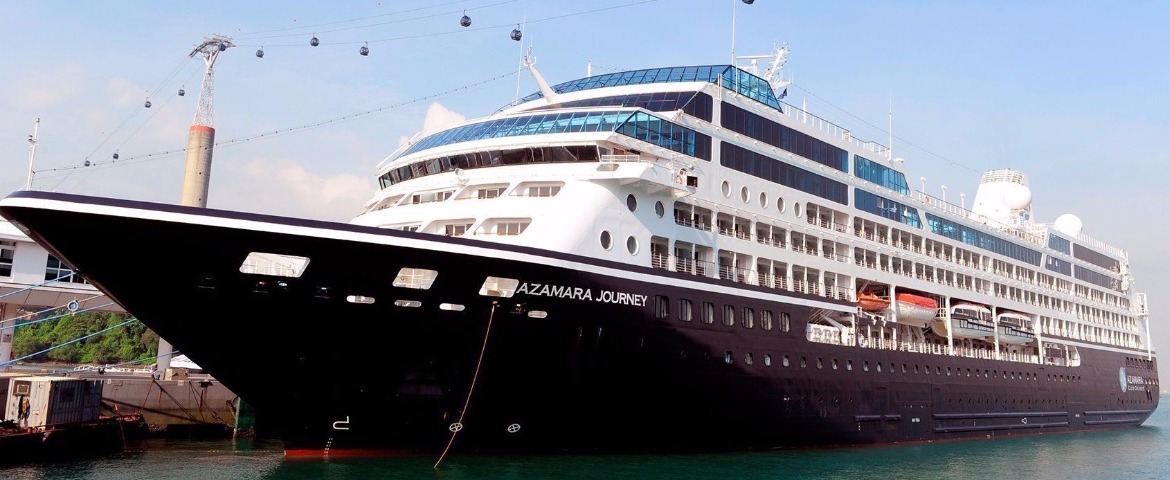
Azamara Journey
11 Cruises

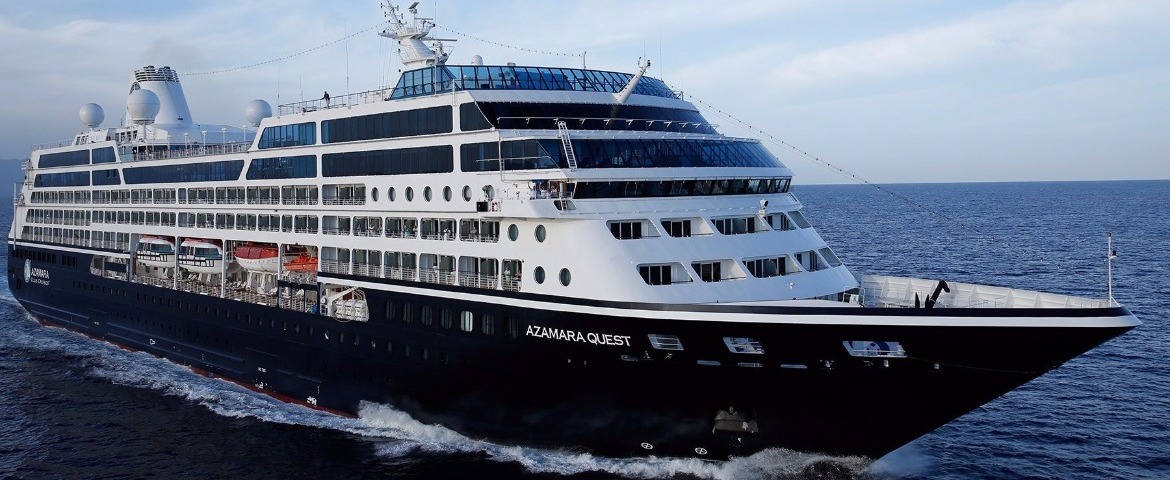
Azamara Quest
20 Cruises
Carnival Cruise Line (2 Cruises)


Celebrity Cruises (26 Cruises)
Celebrity Equinox
26 Cruises


Costa Cruises (85 Cruises)
Costa Diadema
51 Cruises


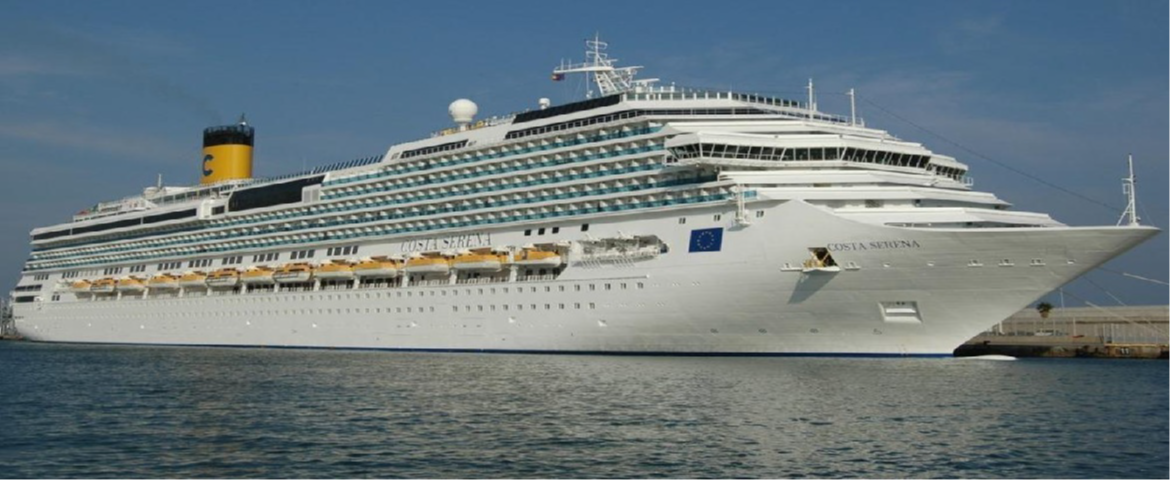
Costa Serena
34 Cruises
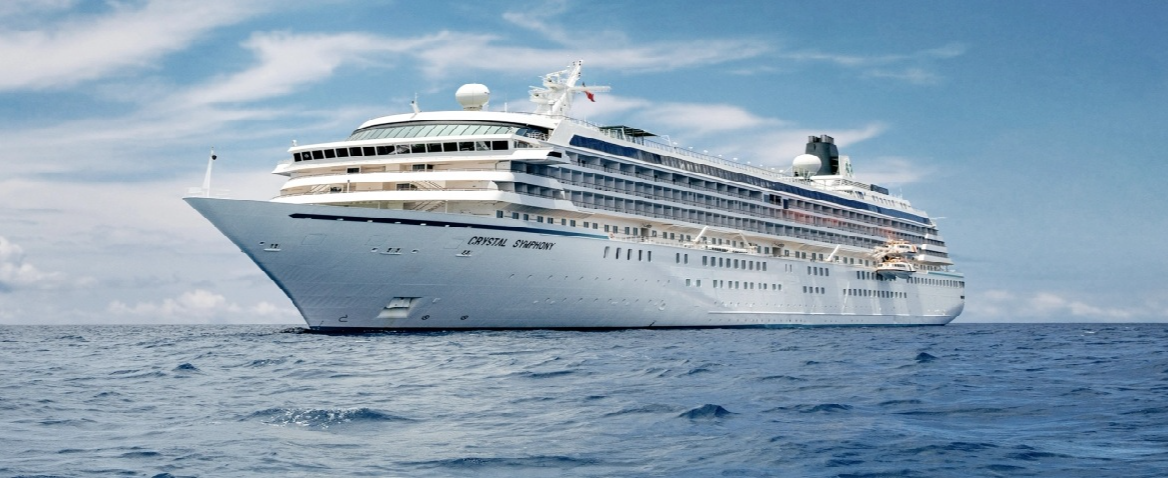
Crystal Cruises (10 Cruises)
Crystal Serenity
7 Cruises


Cunard (10 Cruises)
Queen Anne
10 Cruises


Holland America Line (62 Cruises)
ms Nieuw Amsterdam
22 Cruises
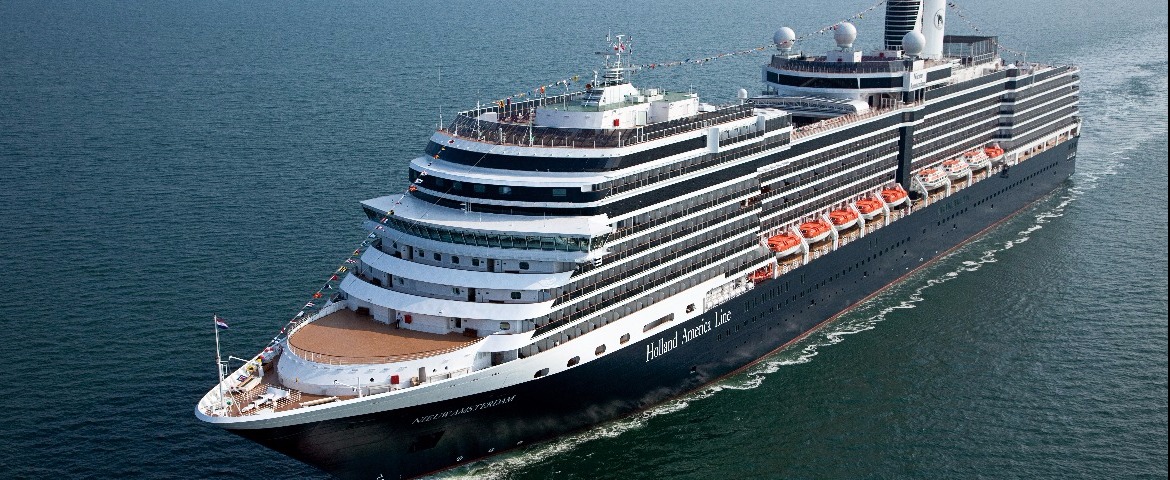

| 21 February | 14 days | One-way from San Antonio to Buenos Aires |
450-628-6241
Call us
|
| 21 February | 15 days | One-way from San Antonio to Buenos Aires |
450-628-6241
Call us
|
ms Nieuw Statendam
22 Cruises
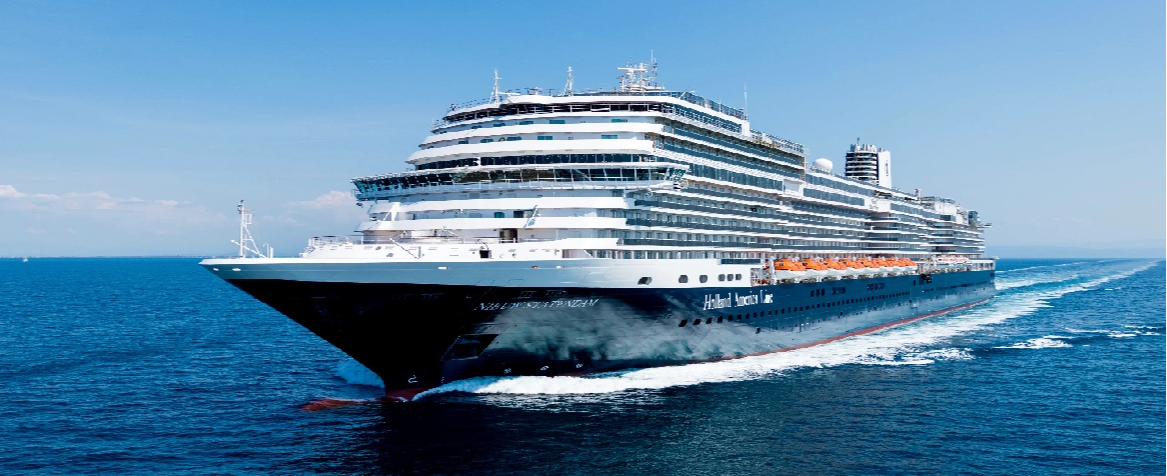
| 21 February | 15 days | One-way from San Antonio to Buenos Aires |
450-628-6241
Call us
|
| 21 February | 14 days | One-way from San Antonio to Buenos Aires |
450-628-6241
Call us
|
ms Oosterdam
15 Cruises
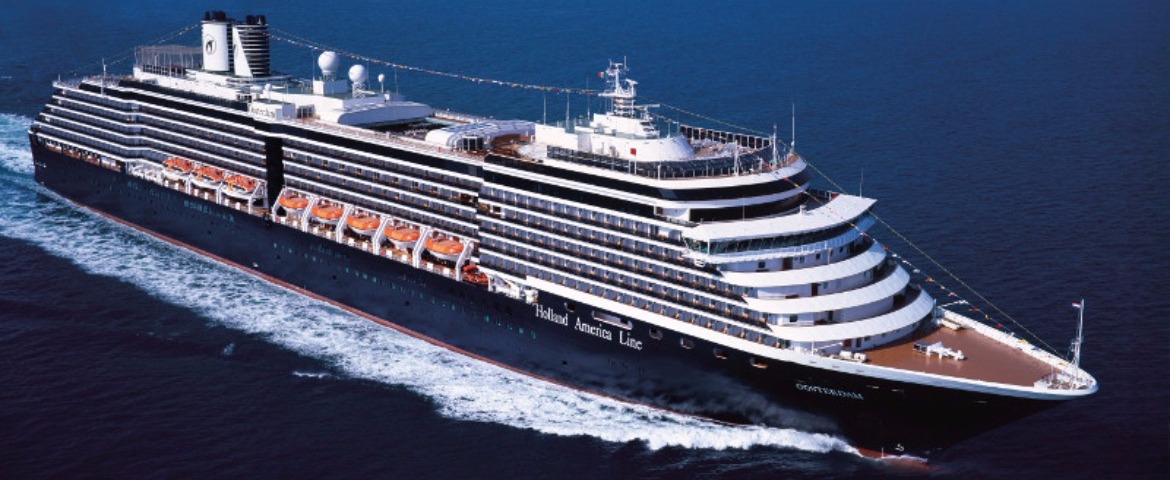
| 18 November | 31 days | One-way from Fort Lauderdale to Buenos Aires |
450-628-6241
Call us
|
| 18 November | 31 days | One-way from Fort Lauderdale to Buenos Aires |
450-628-6241
Call us
|
| 10 January | 22 days | One-way from San Antonio to Buenos Aires |
450-628-6241
Call us
|
| 10 January | 22 days | One-way from San Antonio to Buenos Aires |
450-628-6241
Call us
|


MSC Cruises (17 Cruises)
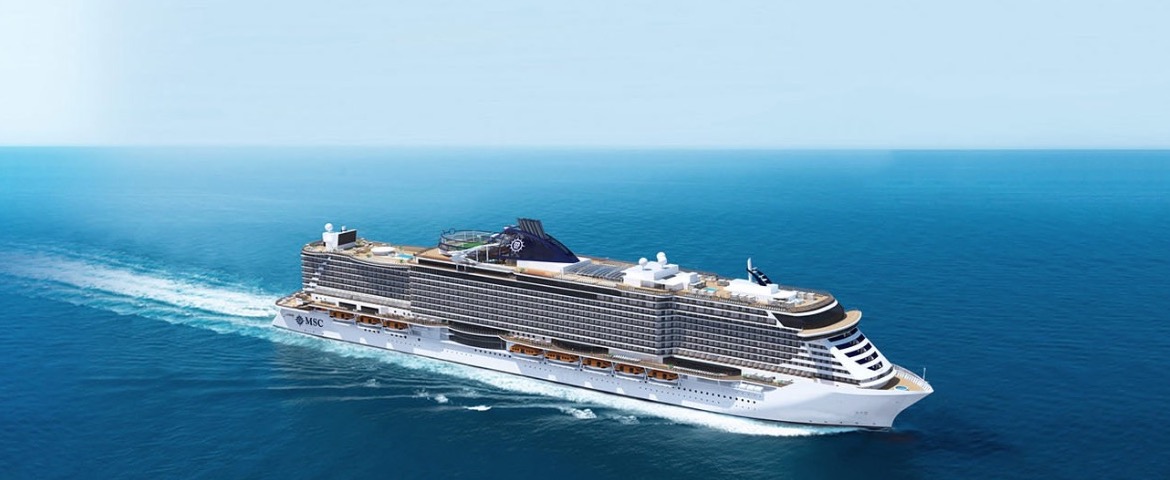

MSC Splendida
11 Cruises
Norwegian Cruise Line (7 Cruises)
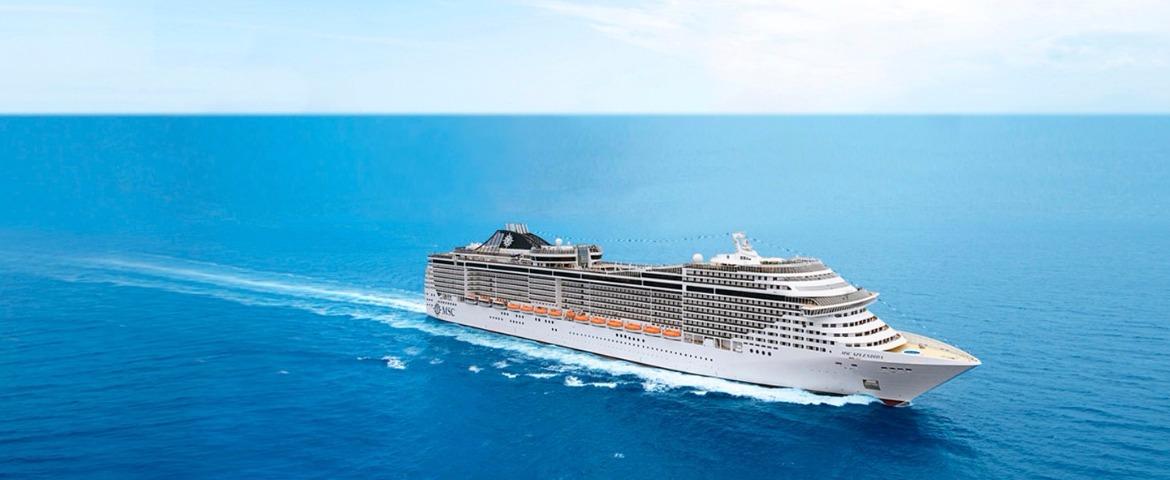
Norwegian Star
7 Cruises

Oceania Cruises (7 Cruises)
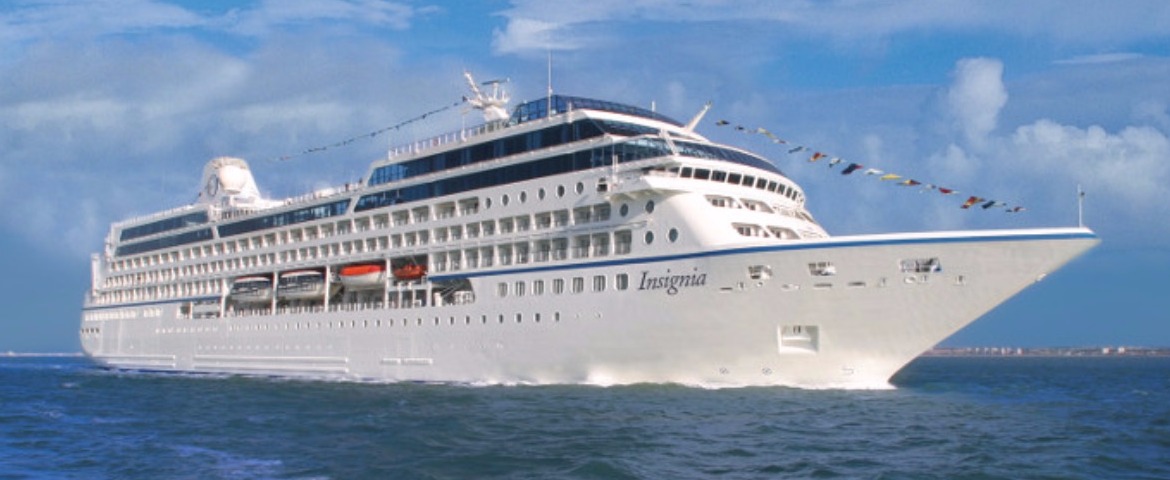
Oceania Insignia
7 Cruises

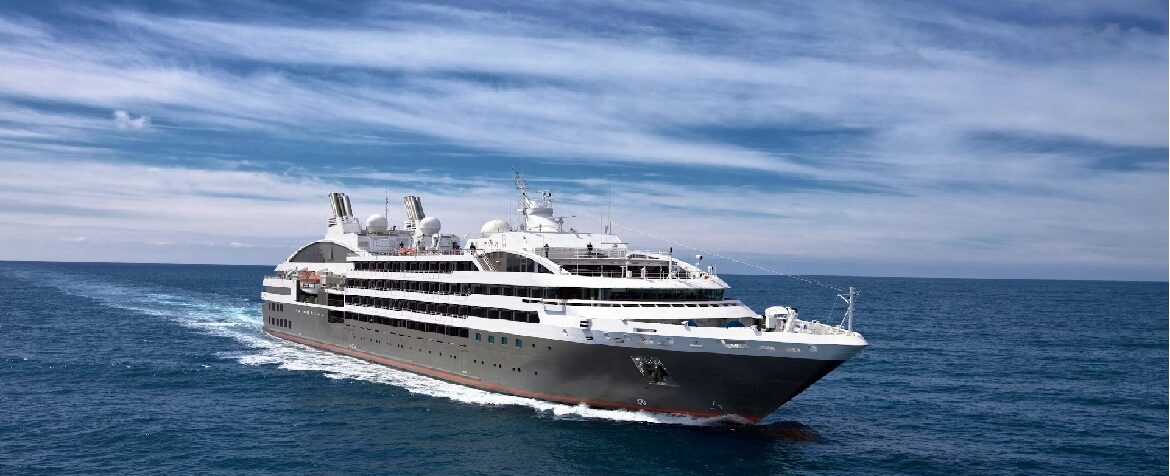
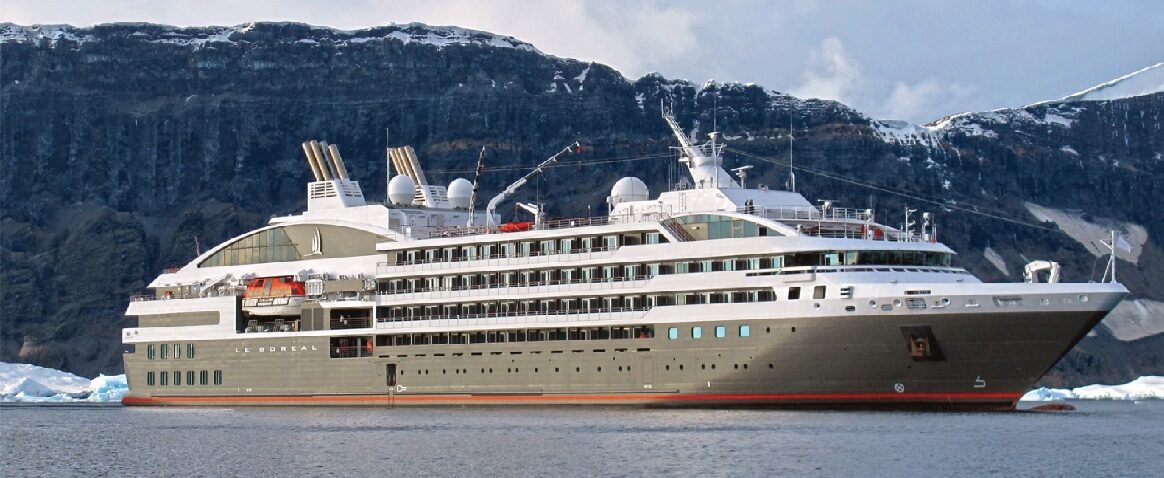
Ponant (4 Cruises)

Princess Cruises (44 Cruises)
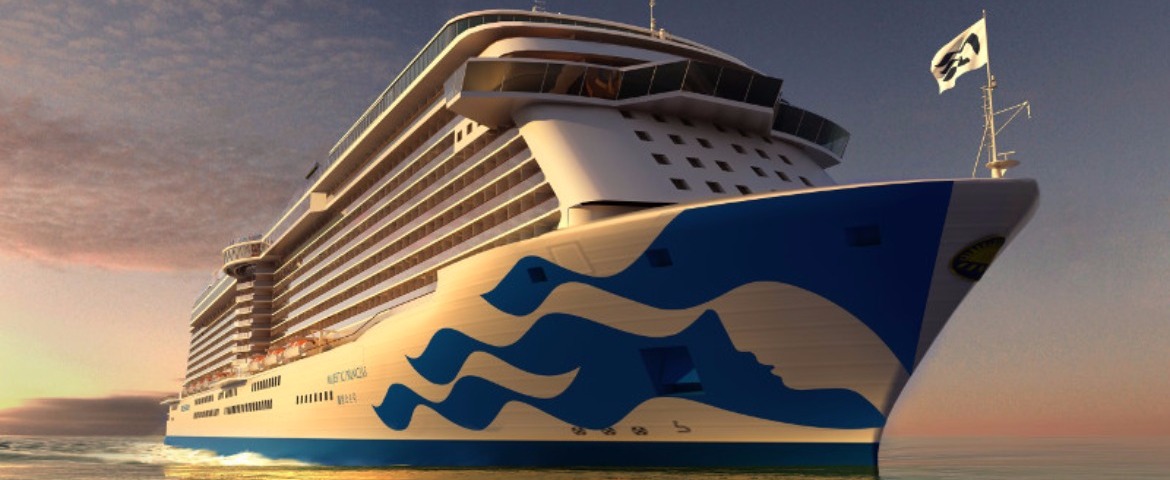
Majestic Princess
44 Cruises

| 21 November | 14 days | One-way from Buenos Aires to San Antonio |
450-628-6241
Call us
|
| 22 November | 15 days | One-way from Buenos Aires to San Antonio |
450-628-6241
Call us
|


Scenic Cruises (20 Cruises)
Scenic Eclipse
10 Cruises

Scenic Eclipse II
10 Cruises
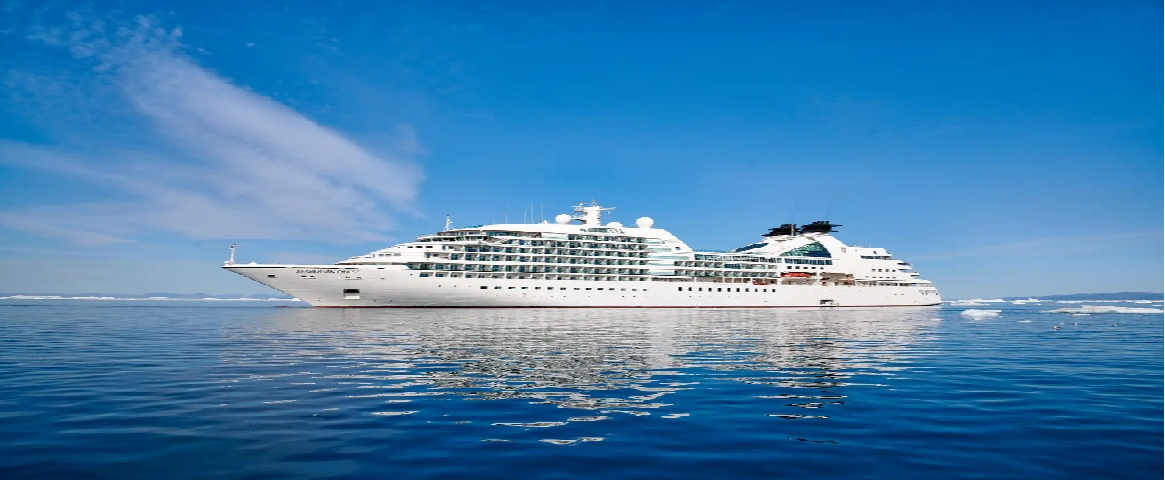
Seabourn Cruise Line (35 Cruises)

Seabourn Quest
12 Cruises
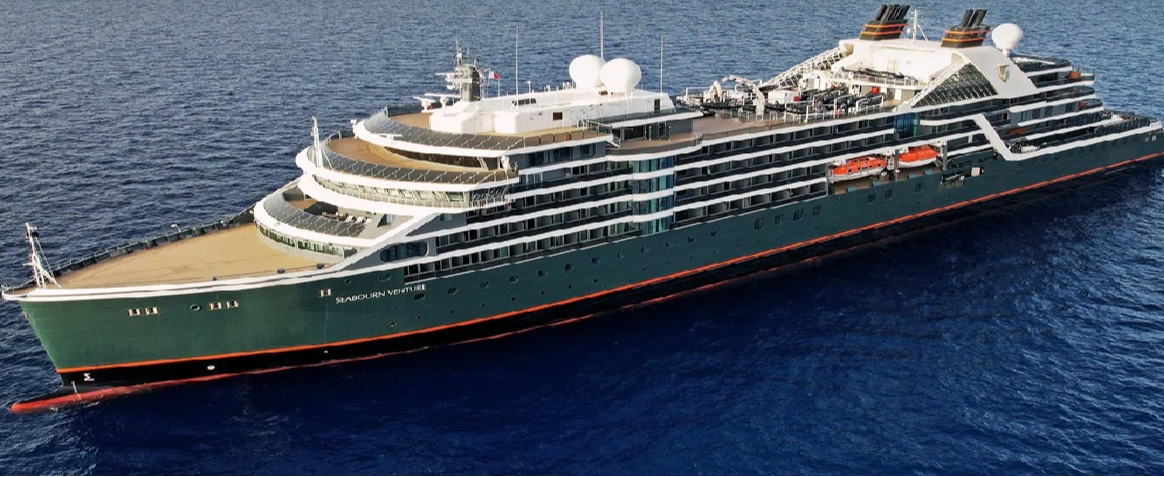
Seabourn Venture
21 Cruises
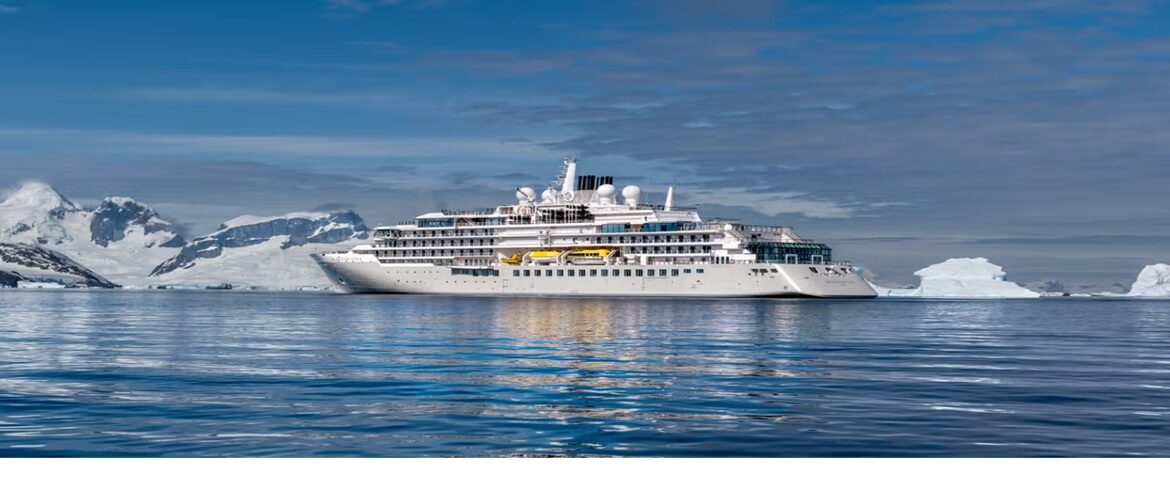
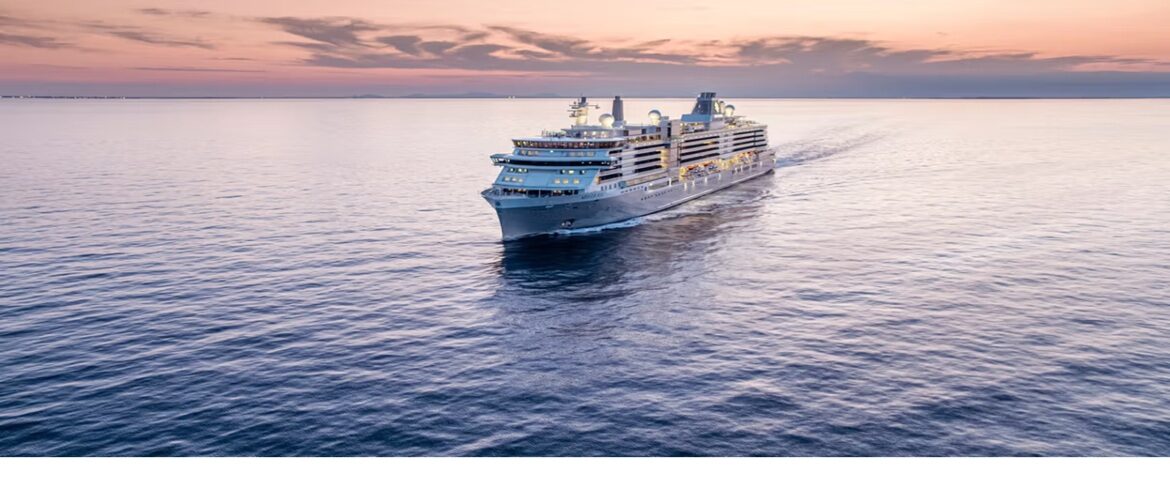
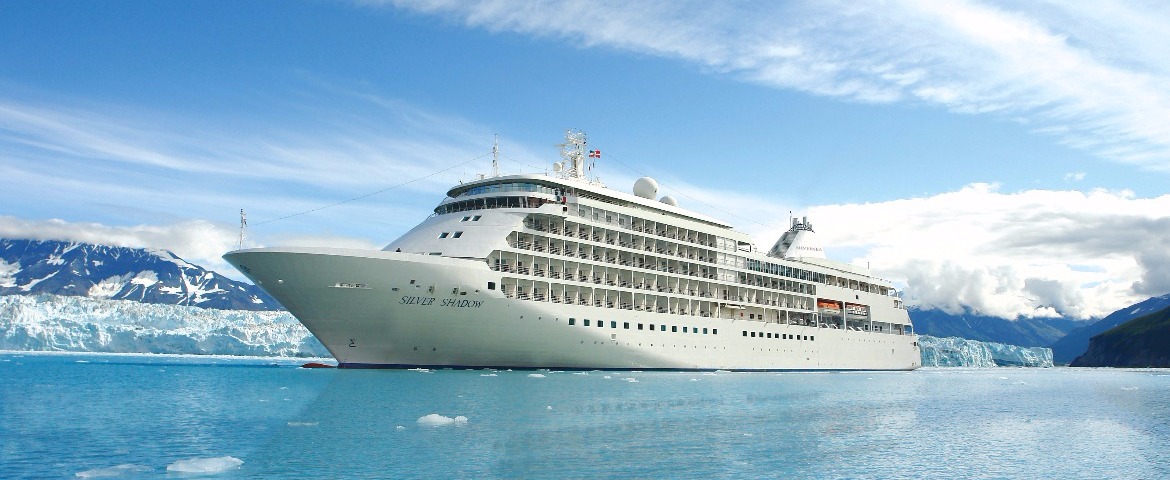
Silversea Cruises (8 Cruises)

Viking Ocean Cruises (30 Cruises)
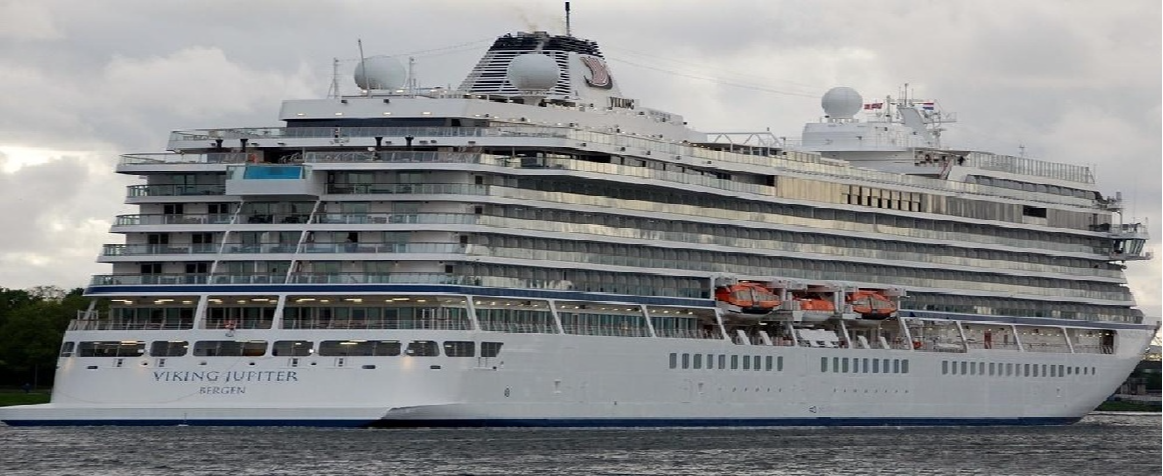
Viking Jupiter
30 Cruises

| 4 November | 28 days | One-way from Civitavecchia-Rome to Buenos Aires |
450-628-6241
Call us
|
| 12 November | 20 days | One-way from Barcelona to Buenos Aires |
450-628-6241
Call us
|
| 6 November | 28 days | One-way from Civitavecchia-Rome to Buenos Aires |
450-628-6241
Call us
|
| 14 November | 20 days | One-way from Barcelona to Buenos Aires |
450-628-6241
Call us
|

Port of Montevideo, Uruguay | Cruise Port Guide
Frequently Asked Questions
At the cruise terminal, which literally touches the Ciudad Vieja. No shuttle, no transfer: you pass the port gate and the capital begins. Few large South American cities are this easy to step into.
Yes, the whole historic core. The Mercado del Puerto stands right opposite the gates, pedestrian Sarandí street crosses the Ciudad Vieja, and Plaza Independencia is about a kilometre and a half away on foot. No transport is needed for a standard call.
A nineteenth-century wrought-iron market hall directly opposite the port, where the parrillas line up their embers: beef ribs, sausages and provoleta grilled in front of customers leaning on the counter. At midday the place hums with conversation and fragrant smoke.
Start at the Mercado del Puerto, continue through the Ciudad Vieja and Sarandí street, then reach Plaza Independencia with the Palacio Salvo and the Solís theatre. That kilometre-and-a-half route fills the half day without hurrying anything.
The equestrian statue of national hero Artigas, whose mausoleum lies beneath the square, and a lone stone gateway recalling the vanished citadel. The Palacio Salvo, an eccentric 1928 tower, was long the tallest in South America; the Solís theatre, the country's oldest stage, opens its colonnades to guided tours.
Grilled meat at the Mercado del Puerto, the chivito, a generous national sandwich, for the less carnivorous, and a glass of tannat, the country's signature grape. Uruguayans keep an almost religious relationship with the grill: sitting down early in the call explains the country at once.
A shared infusion, drunk from a gourd with a hot-water flask tucked under the elbow, at any hour and anywhere. Uruguayans are among the continent's heaviest drinkers of it, and the ritual is social: same water, same straw, each in turn.
The Uruguayan peso and Spanish. Cards work in city-centre shops and market restaurants, but keep pesos for street vendors, taxis and the booksellers on Sarandí.
The tourist route through the Ciudad Vieja and Plaza Independencia is straightforward by day. As in any large capital, keep an eye on cameras and bags in busy areas and avoid the empty streets of the old quarter away from the main thoroughfares.
The southern summer, November to March, which matches the South American cruise season: warm days, open terraces and a lively rambla. In the southern winter the city stays pleasant, but calls become rare.


