Stornoway Isle of Lewis and Harris, Scotland
United Kingdom
147
Cruises availables
At departure or passage at this port

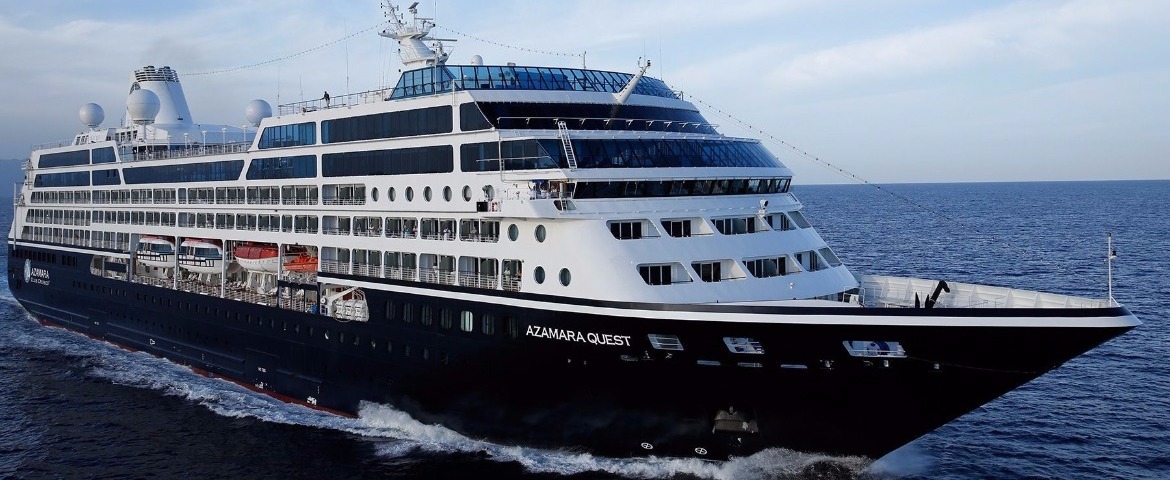
Azamara Club Cruises (4 Cruises)

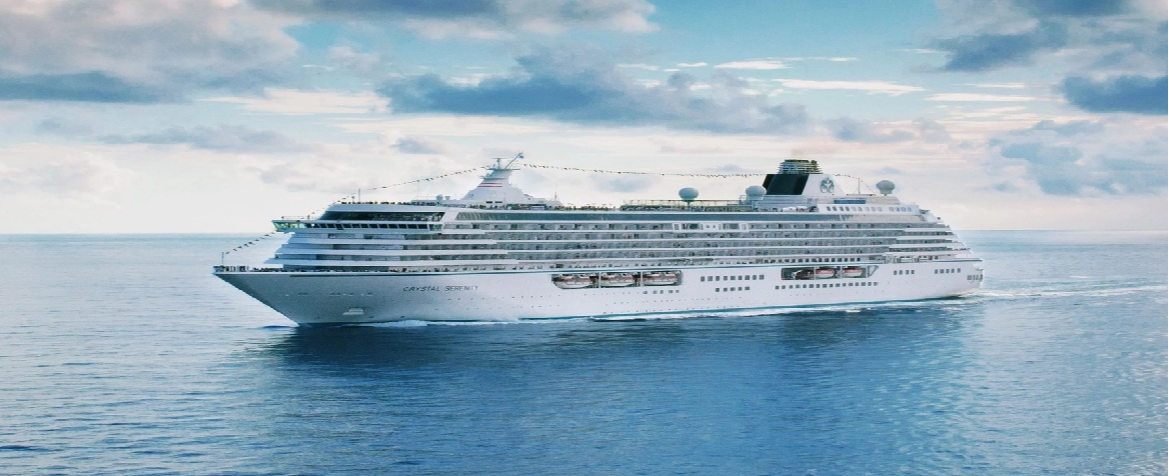
Crystal Cruises (4 Cruises)

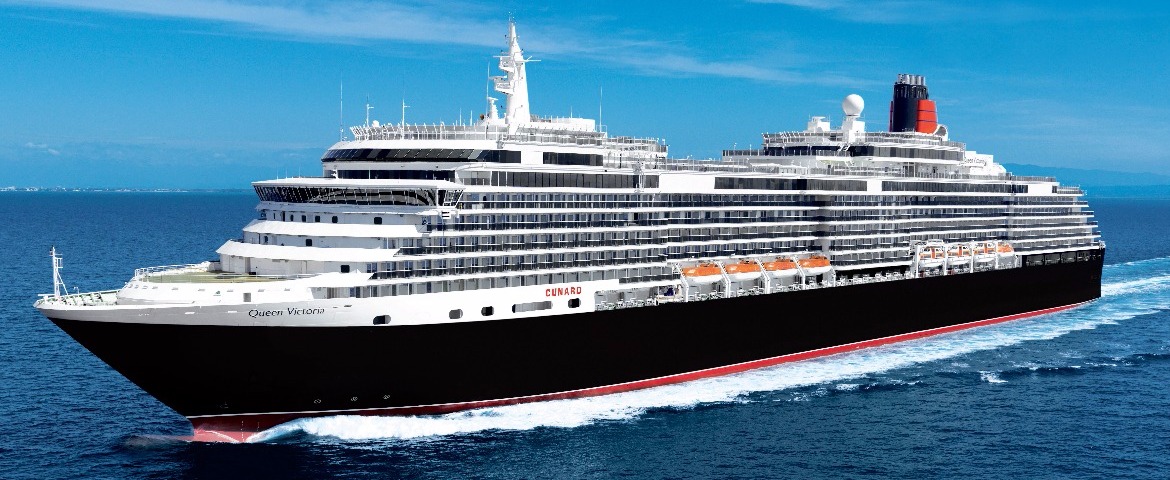
Cunard (1 Cruises)

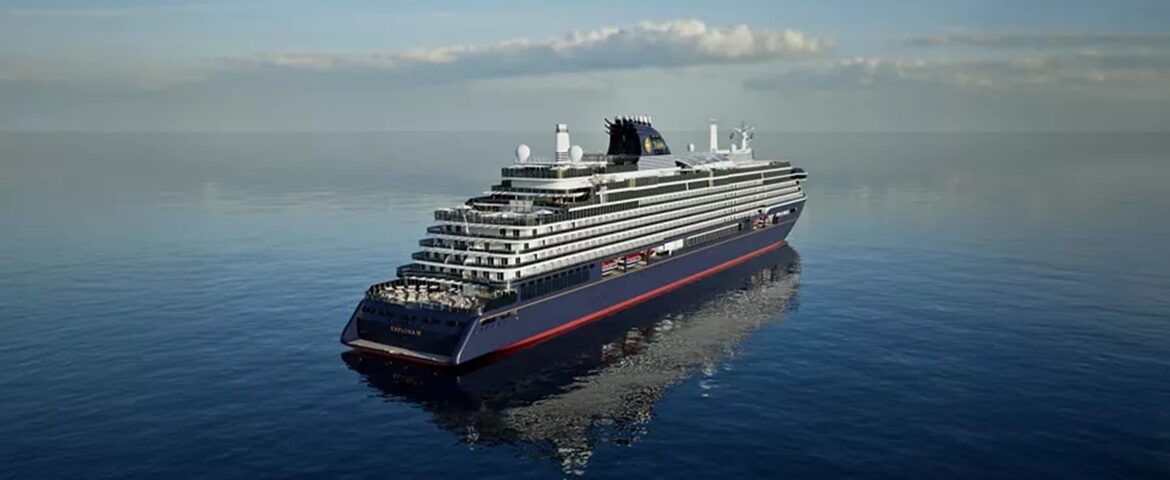
Explora Journeys (21 Cruises)
Explora IV
21 Cruises

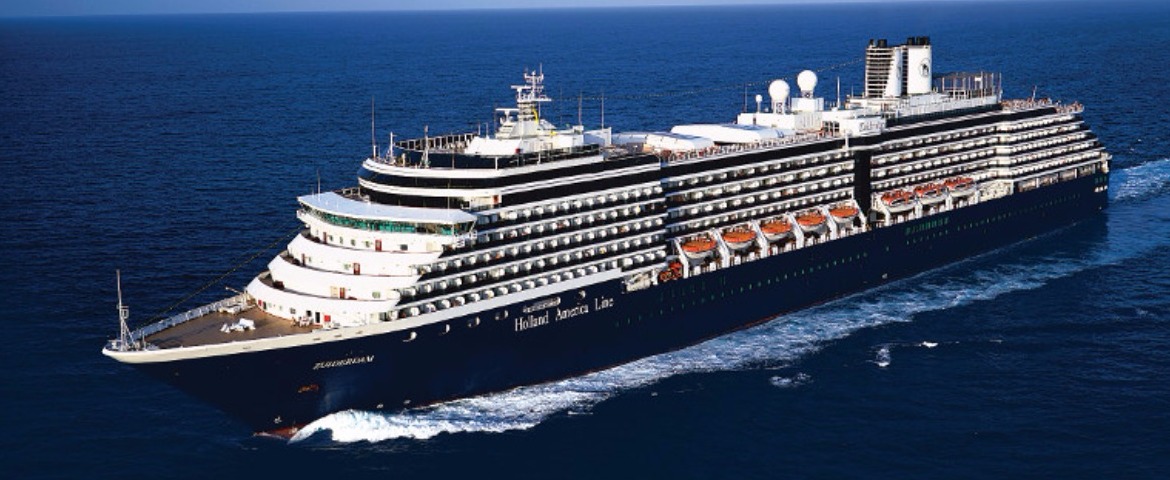
Holland America Line (6 Cruises)
ms Zuiderdam
6 Cruises

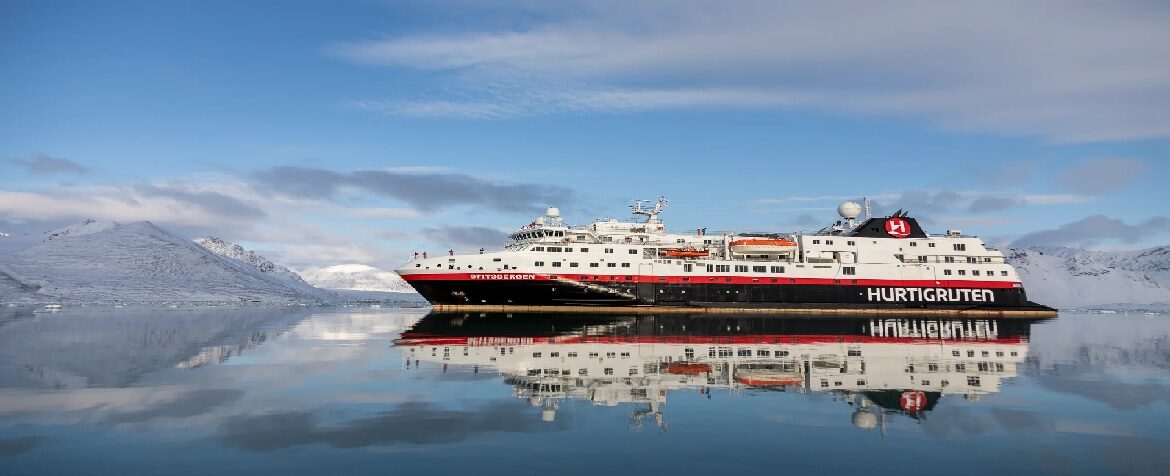
HX Expeditions (4 Cruises)

Lindblad Expeditions (2 Cruises)
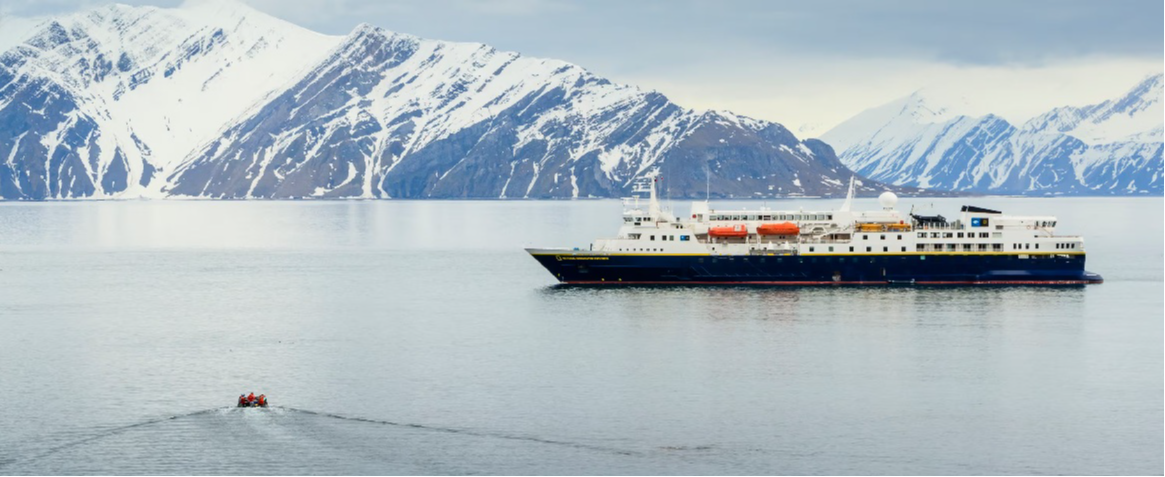

MSC Cruises (4 Cruises)
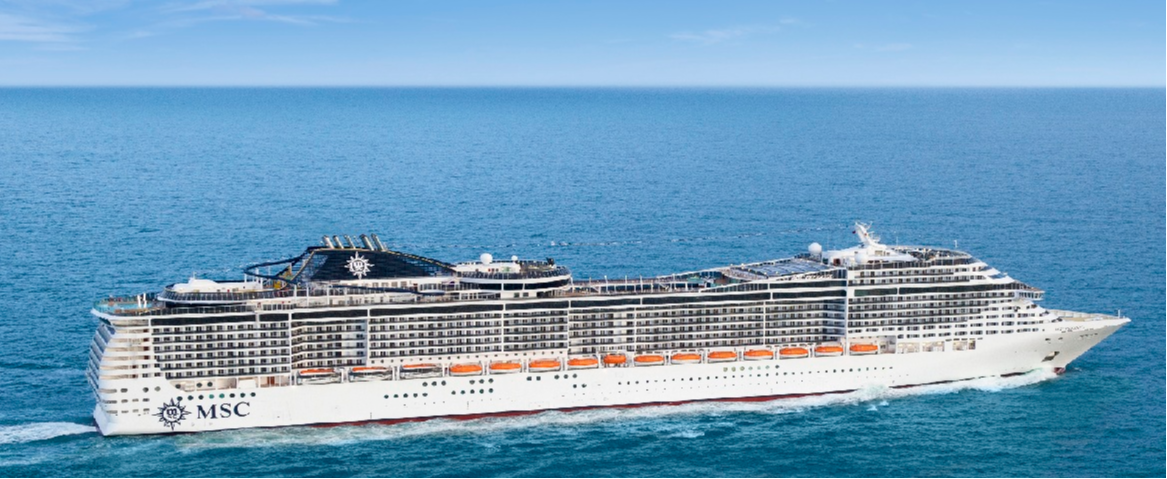

Norwegian Cruise Line (2 Cruises)
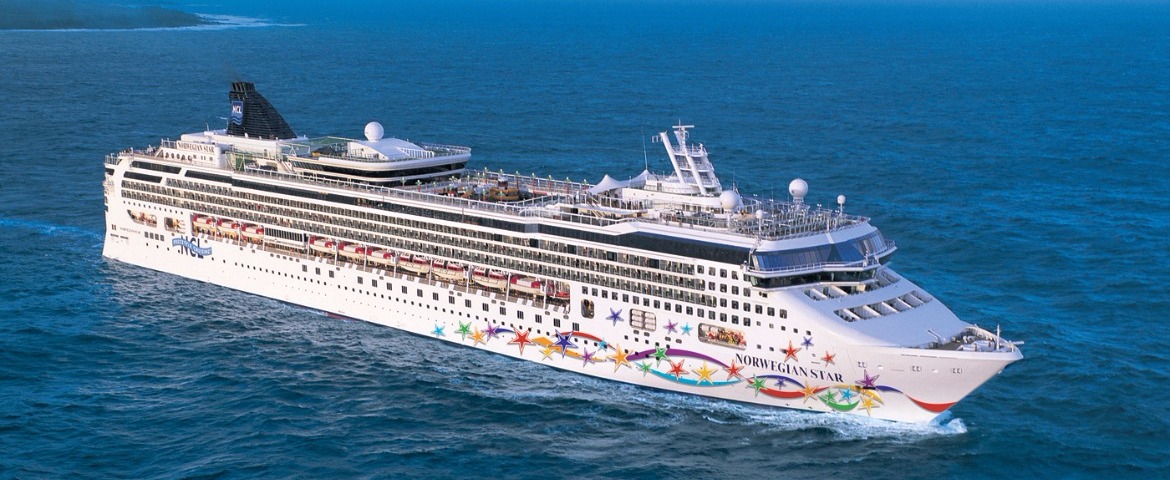

Oceania Cruises (23 Cruises)
Oceania Insignia
8 Cruises
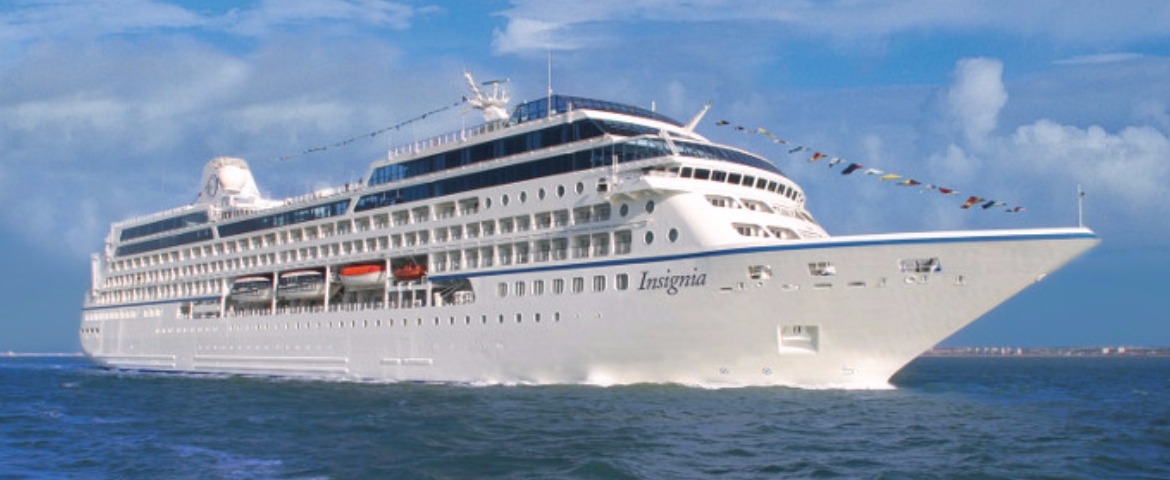

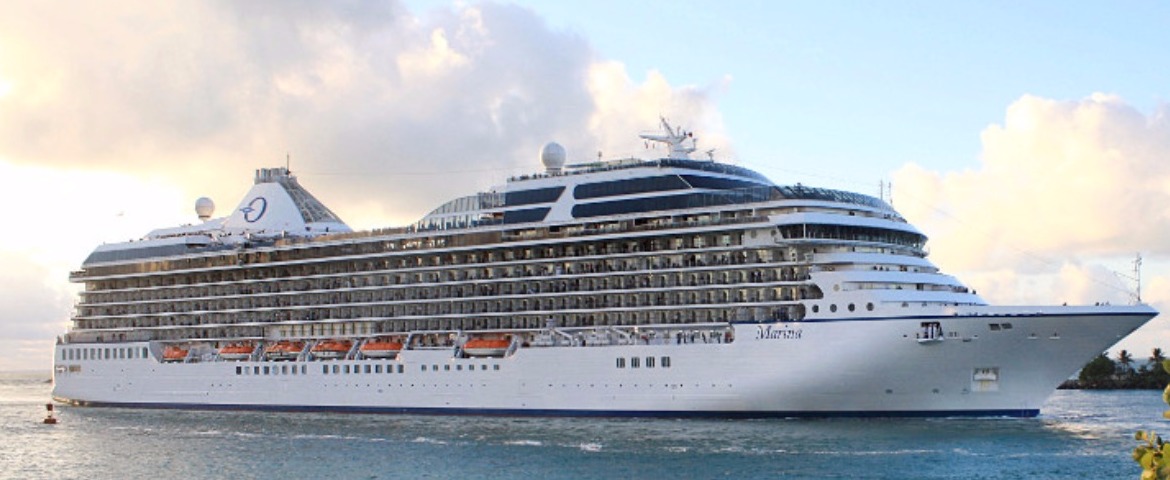
Oceania Marina
13 Cruises
| 17 April | 66 days | One-way from Trieste to Southampton |
450-628-6241
Call us
|
| 17 April | 67 days | One-way from Trieste to Southampton |
450-628-6241
Call us
|
Ponant (17 Cruises)
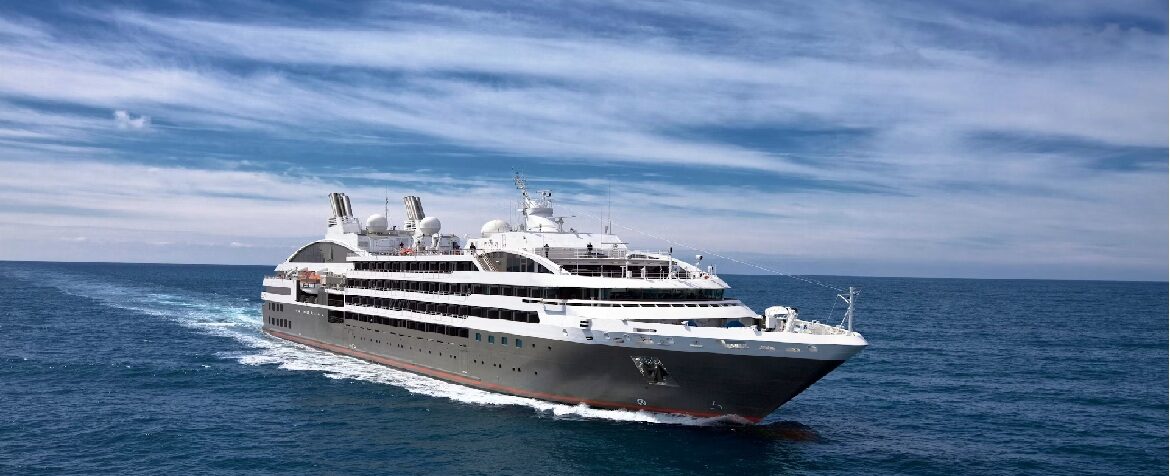

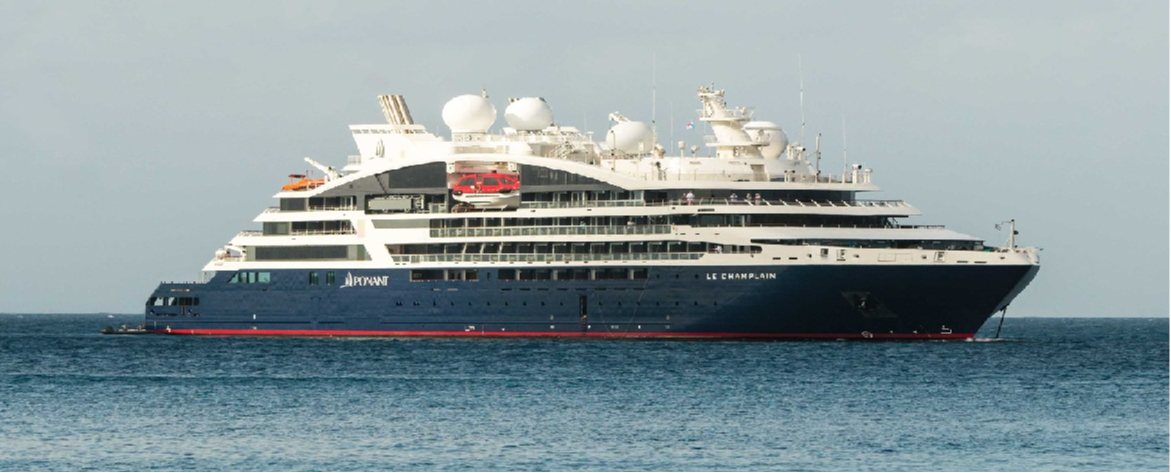
Le Champlain
5 Cruises
Princess Cruises (6 Cruises)
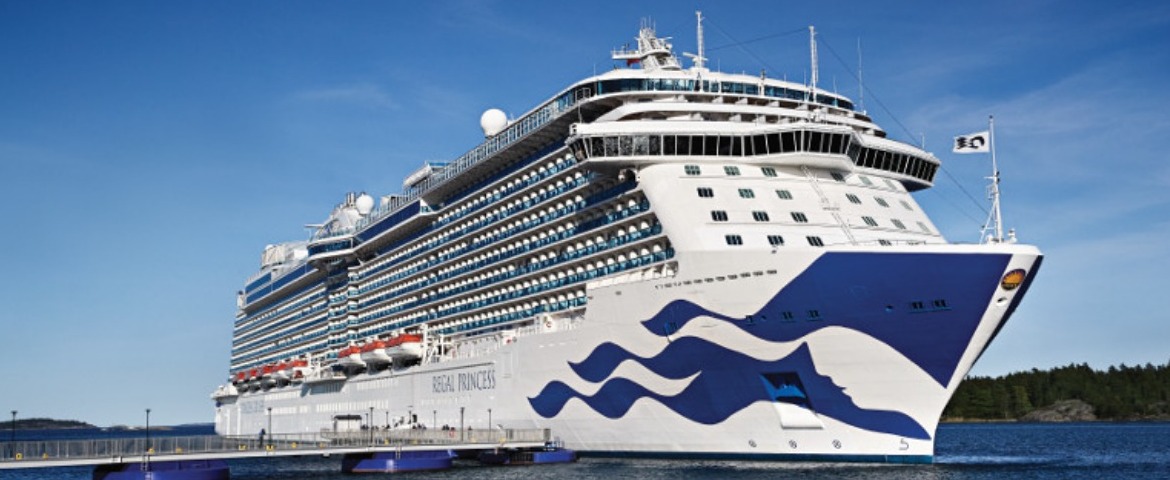
Regal Princess
6 Cruises

| 25 June | 36 days | Round-trip from Southampton, United Kingdom |
450-628-6241
Call us
|
| 25 June | 35 days | Round-trip British Isles Norway Iceland Regal Princess Southampton |
450-628-6241
Call us
|
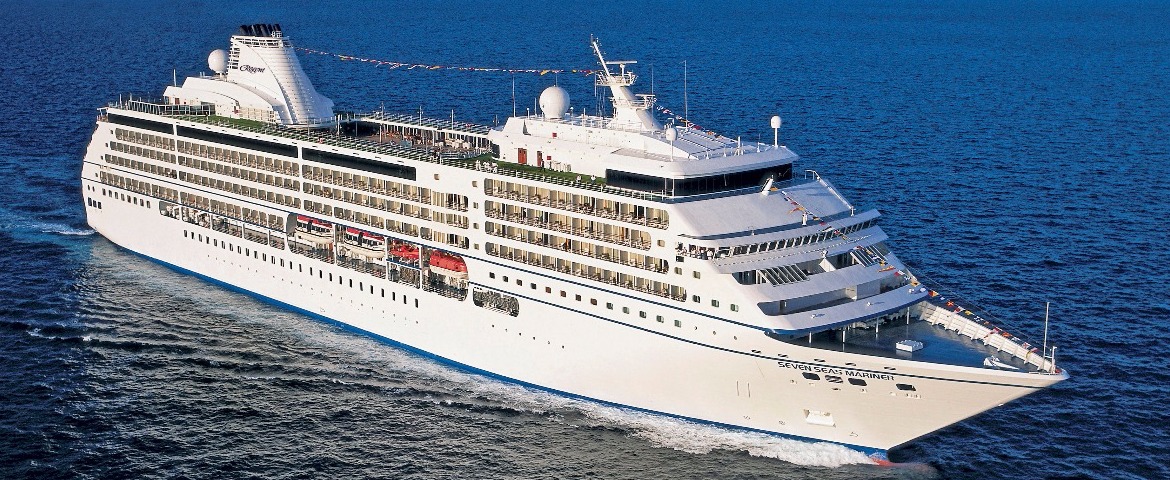
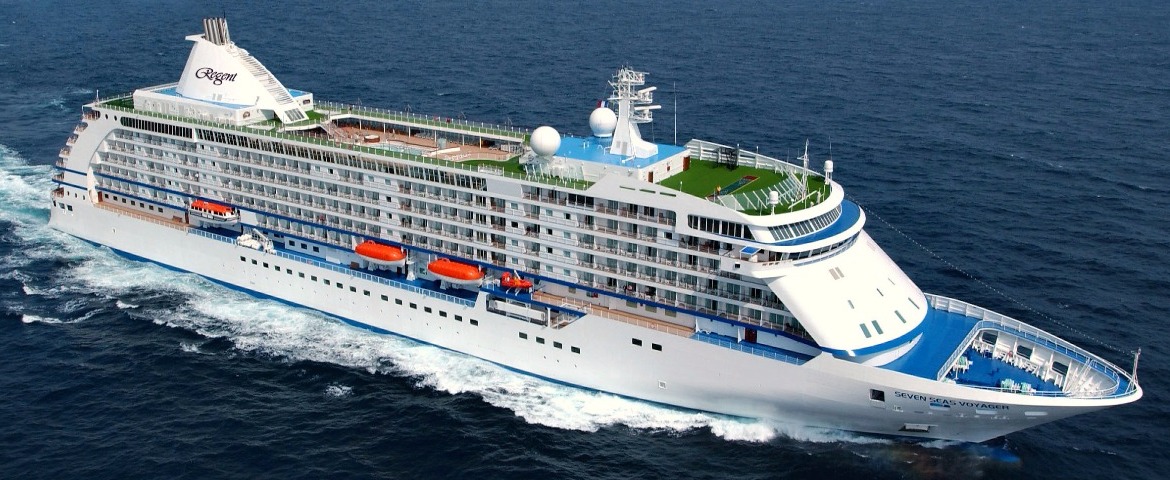
Regent Seven Seas Cruises (8 Cruises)


Seabourn Cruise Line (22 Cruises)
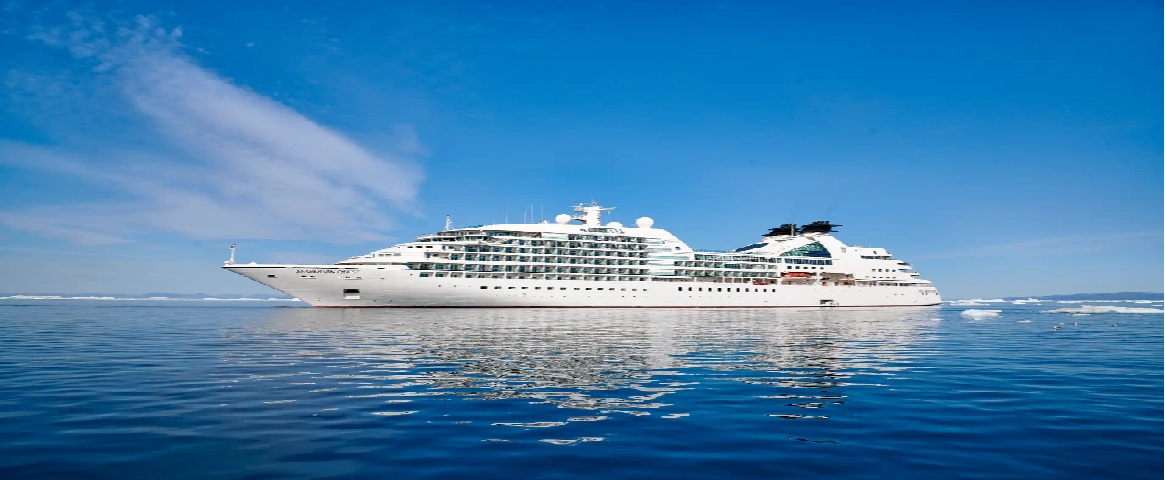
Seabourn Quest
6 Cruises

| 19 June | 28 days | Round-trip British Isles Seabourn Quest Dover |
450-628-6241
Call us
|
| 19 June | 29 days | Round-trip from Dover, United Kingdom |
450-628-6241
Call us
|
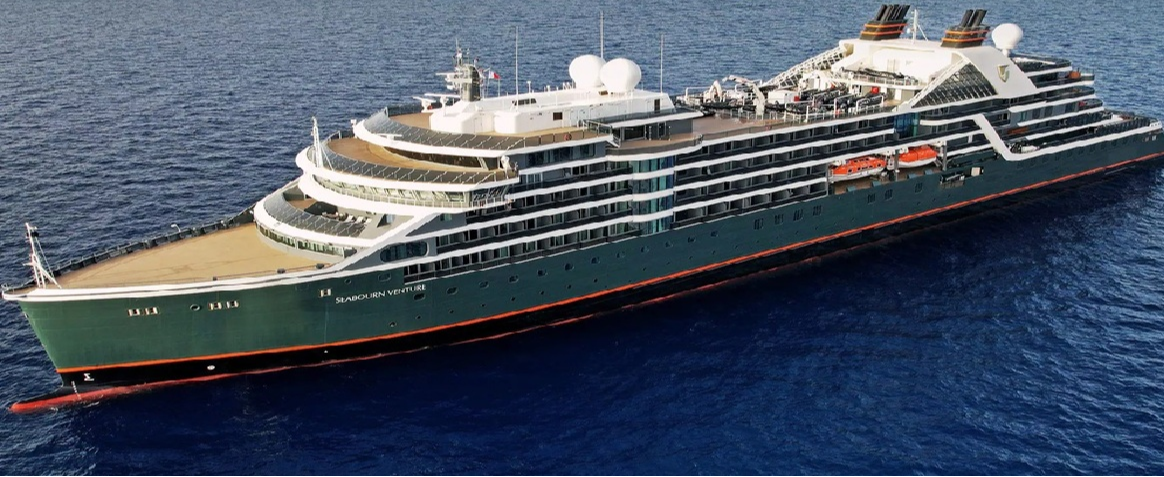
Seabourn Venture
16 Cruises
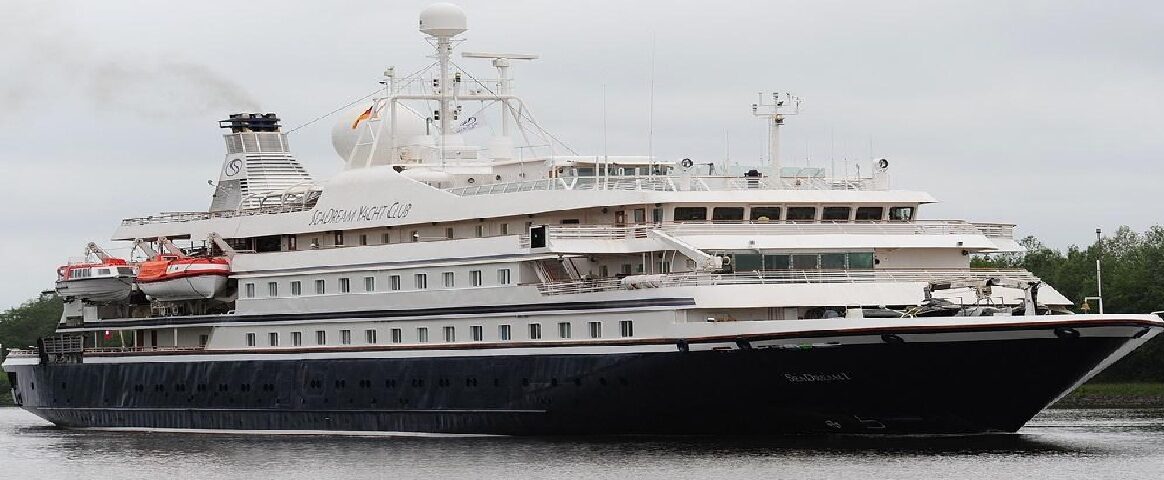
SeaDream Yacht Club (2 Cruises)

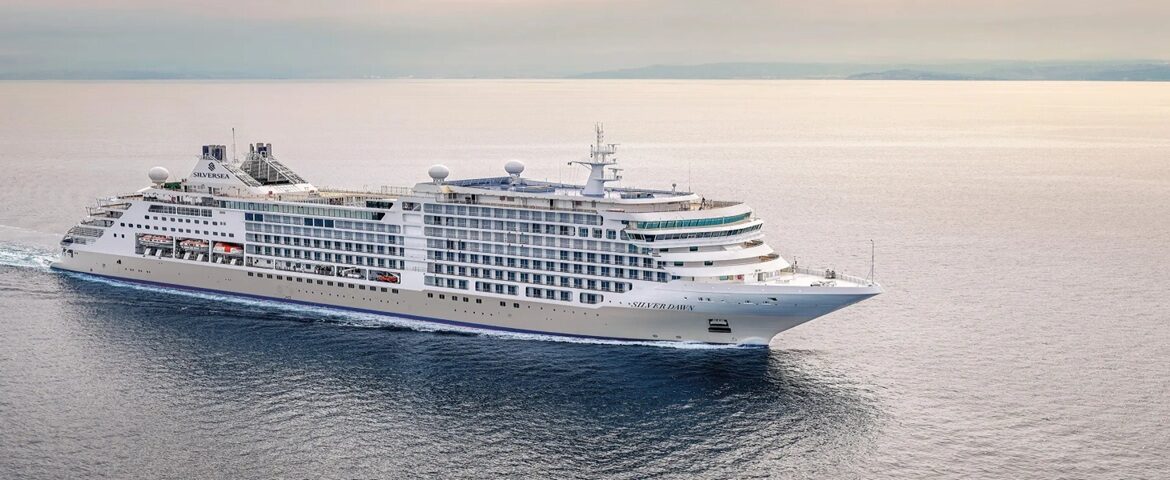
Silversea Cruises (2 Cruises)

Viking Ocean Cruises (15 Cruises)
Viking Mars
4 Cruises
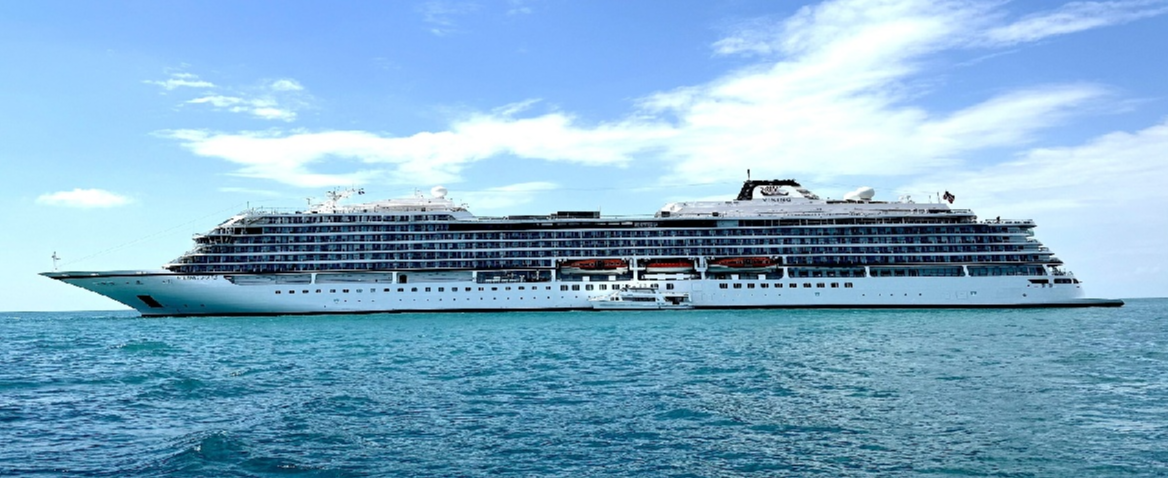

Viking Sky
4 Cruises
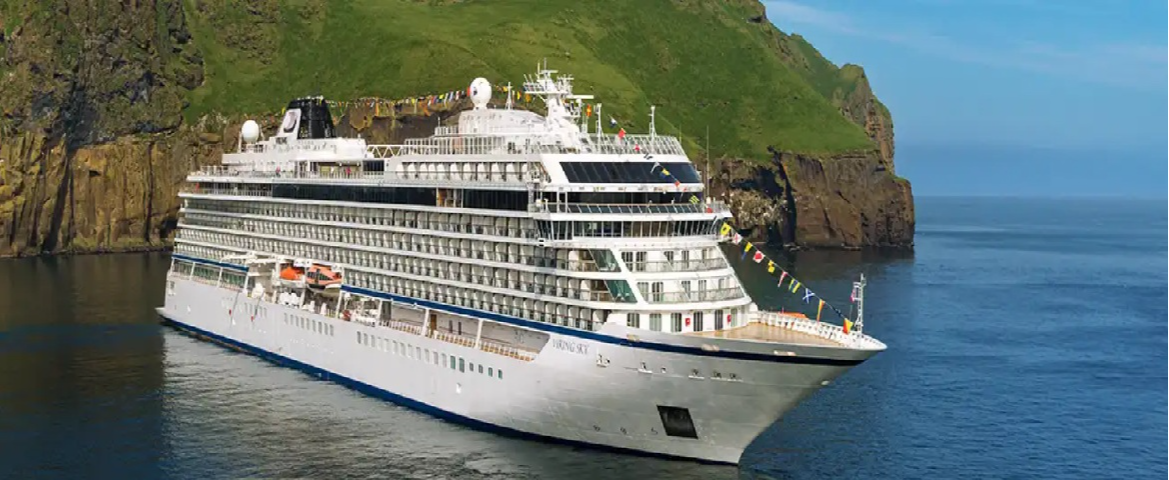
Viking Vela
7 Cruises
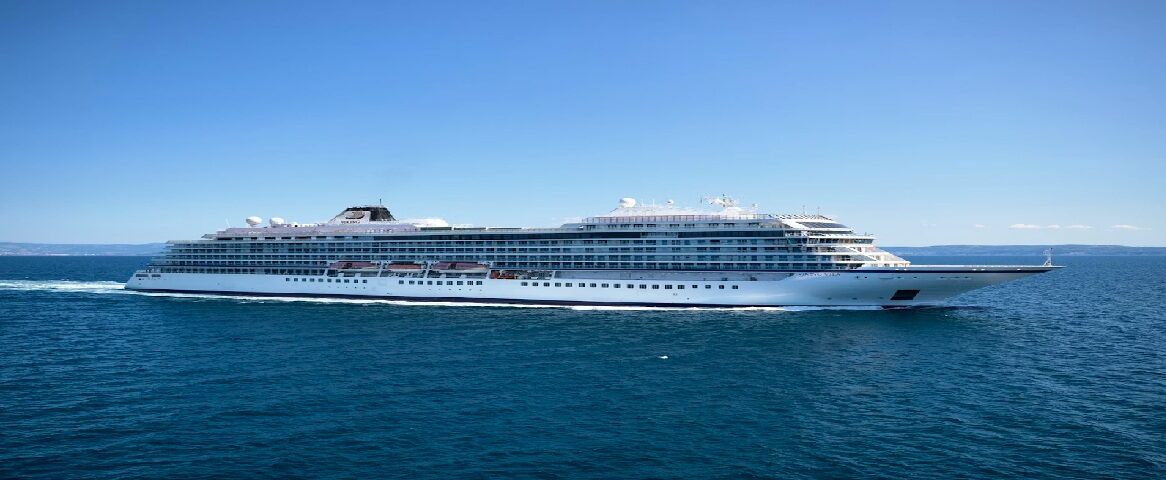
| 23 April | 20 days | One-way from Amsterdam to London-Greenwich |
450-628-6241
Call us
|
| 23 April | 21 days | One-way from Amsterdam to London-Tilbury |
450-628-6241
Call us
|
| 1 May | 12 days | One-way from Bergen to London-Greenwich |
450-628-6241
Call us
|
| 1 May | 13 days | One-way from Bergen to London-Tilbury |
450-628-6241
Call us
|
Stornoway, Scotland | Hebrides Cruise & Travel Guide
Frequently Asked Questions
At the deep-water terminal, recently built to take vessels of all sizes. From the quay it is under ten minutes' walk to the main streets. Depending on the ship and how busy the port is, passengers may instead be tendered to the marina.
Yes, easily. The waterfront with its shops and cafés opens directly onto the harbour basin, and Lews Castle is reached on foot along the far shore. Only trips to Callanish and the west of the island need a vehicle.
Two options fit the time: either the excursion to the Callanish stones, about thirty minutes away by road, or Lews Castle and its museum followed by a wander through the centre. Trying to do both in half a day means rushing and seeing nothing.
A neo-Gothic mansion of the 1850s built for Sir James Matheson, a merchant enriched by trade with the East. Its wooded grounds are now a public park, a rarity in an archipelago almost without trees, and since 2016 the castle has housed the Museum nan Eilean.
The culture of the archipelago: crofting life, the herring fishery, the Gaelic language, and several of the famous Lewis chessmen, carved from walrus ivory in the Middle Ages and found on a beach on the island.
A setting of standing stones raised around 5,000 years ago, older than Stonehenge, about thirty minutes away by road. They form a cross of gneiss facing the lochs and hills, with few barriers and no staging: just the stones, the wind and the sheep.
Tours often add the Carloway broch, an Iron Age defensive tower, and the restored blackhouse village of Gearrannan, where you learn about the weavers' way of life. Together they fill a good half day.
Yes, in the town centre shops: jackets, caps and blankets, often with the orb-stamped certificate of authenticity. Harris Tweed is the only cloth in the world protected by an Act of Parliament, with every metre required to be handwoven in the islanders' own homes.
English everywhere, and Scottish Gaelic, still very much alive in the Outer Hebrides: signage is bilingual and you will hear it in the shops. The currency is sterling, with Scottish banknotes in common circulation.
May to September, for the long Hebridean light and clear roads to the west of the island. Pack waterproofs whatever the season: the weather here changes several times in the same day.


