Tarragona Spain Costa Daurada
384
Cruises availables
At departure or passage at this port
Aurora Expeditions (1 Cruises)

Azamara Club Cruises (15 Cruises)
Azamara Journey
8 Cruises

Azamara Quest
7 Cruises
| 10 August | 80 days | One-way from Stockholm to Piraeus-Athens |
450-628-6241
Call us
|
| 10 August | 79 days | One-way from Stockholm to Piraeus-Athens |
450-628-6241
Call us
|
Celestyal Cruises (40 Cruises)
Celestyal Discovery
40 Cruises

| 27 November | 8 days | One-way from Piraeus-Athens to Tarragona |
450-628-6241
Call us
|
| 27 November | 23 days | One-way from Piraeus-Athens to Tarragona |
450-628-6241
Call us
|
Costa Cruises (2 Cruises)
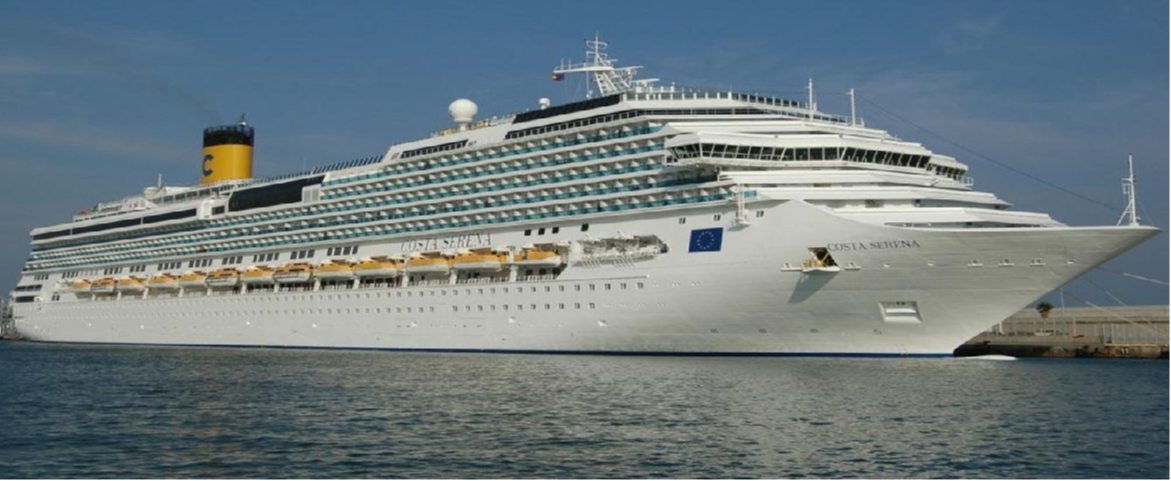

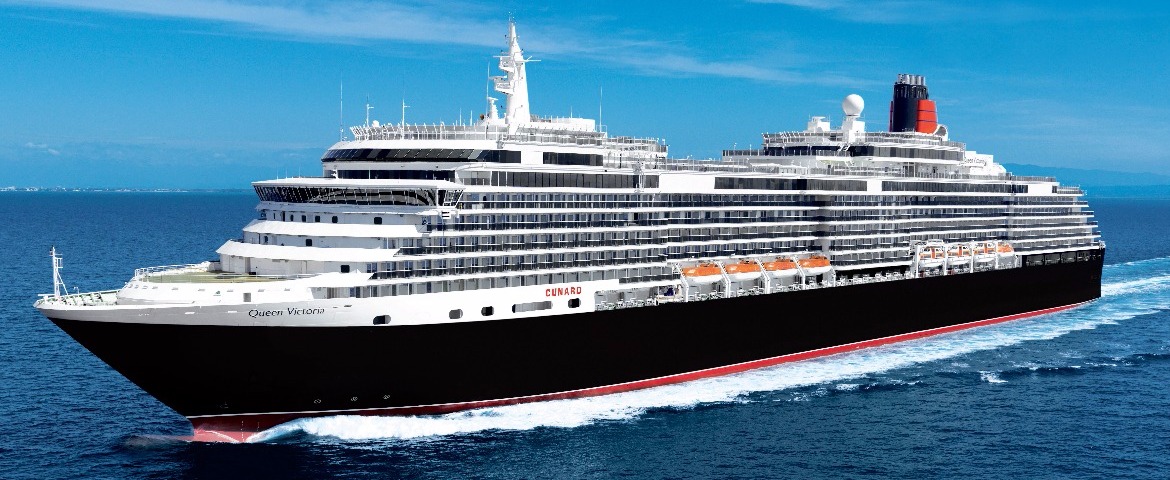
Cunard (14 Cruises)
Queen Elizabeth
11 Cruises
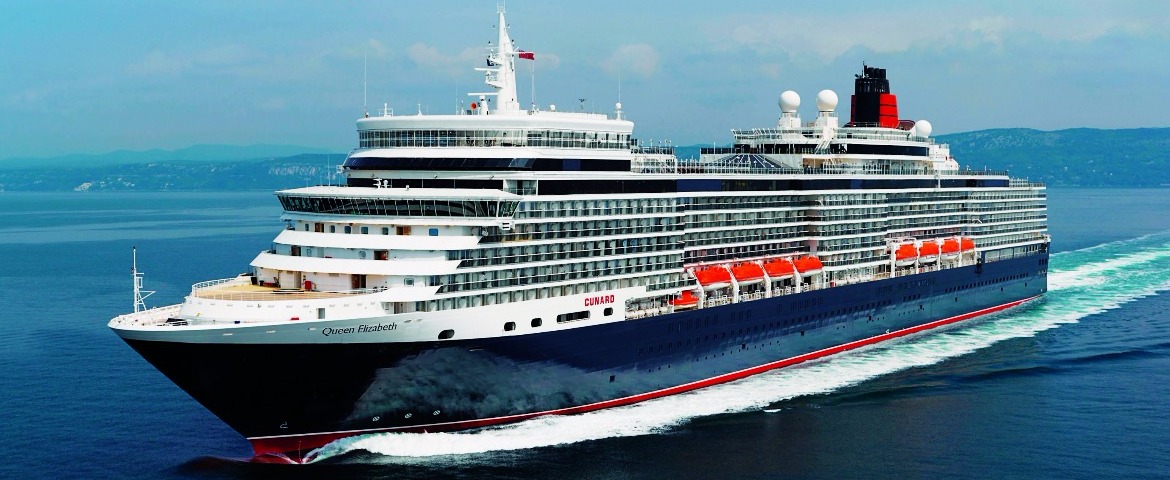

| 30 June | 21 days | Round-trip Western Mediterranean Adriatic Queen Elizabeth Civitavecchia Rome |
450-628-6241
Call us
|
| 30 June | 22 days | Round-trip from Civitavecchia-Rome, Italy |
450-628-6241
Call us
|
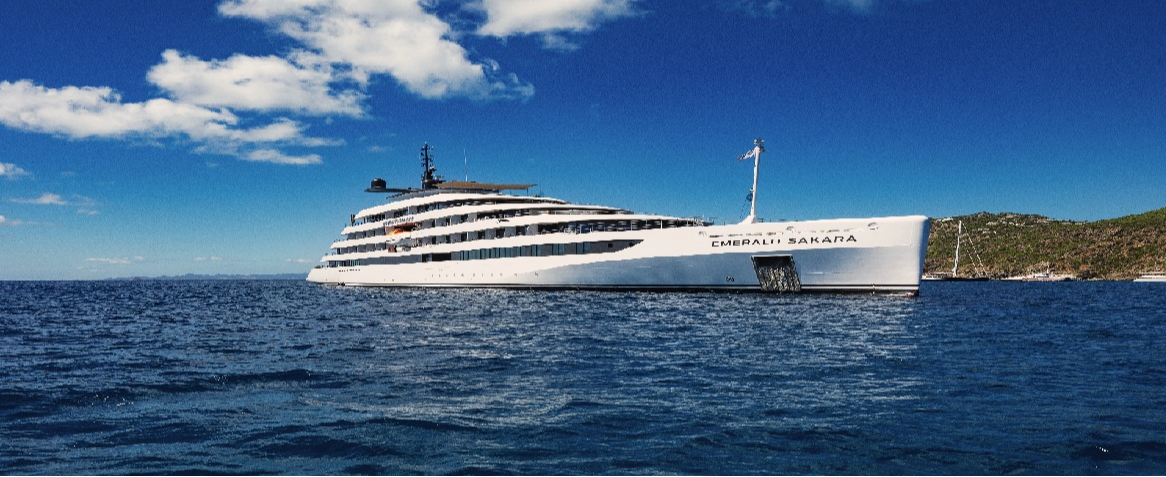
Emerald Waterways (1 Cruises)

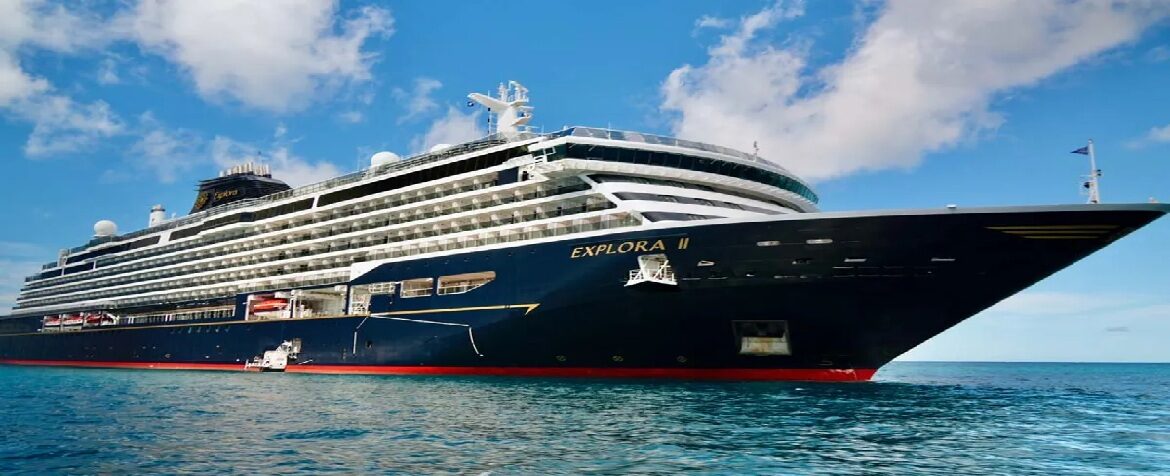
Explora Journeys (3 Cruises)

MSC Cruises (242 Cruises)
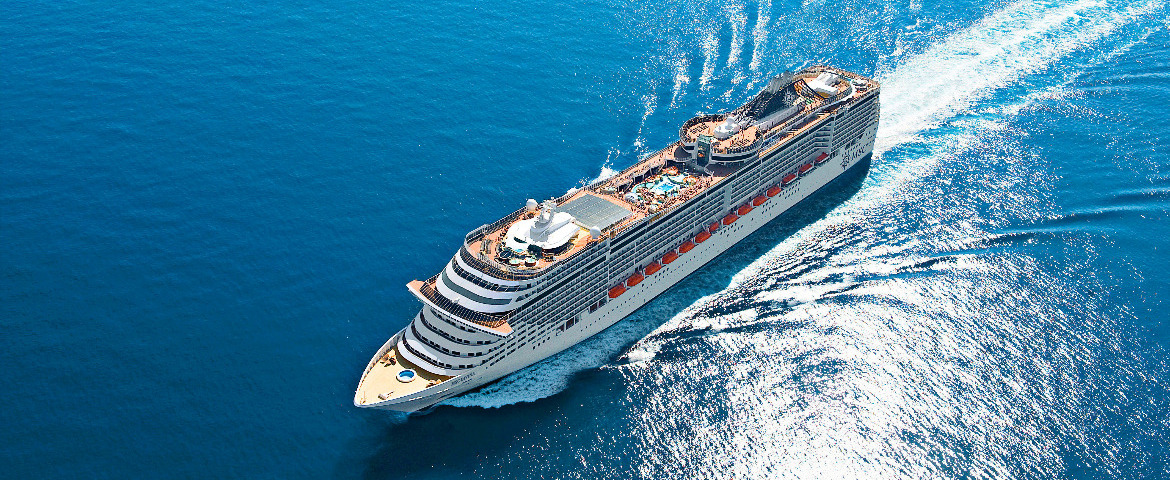
MSC Divina
11 Cruises

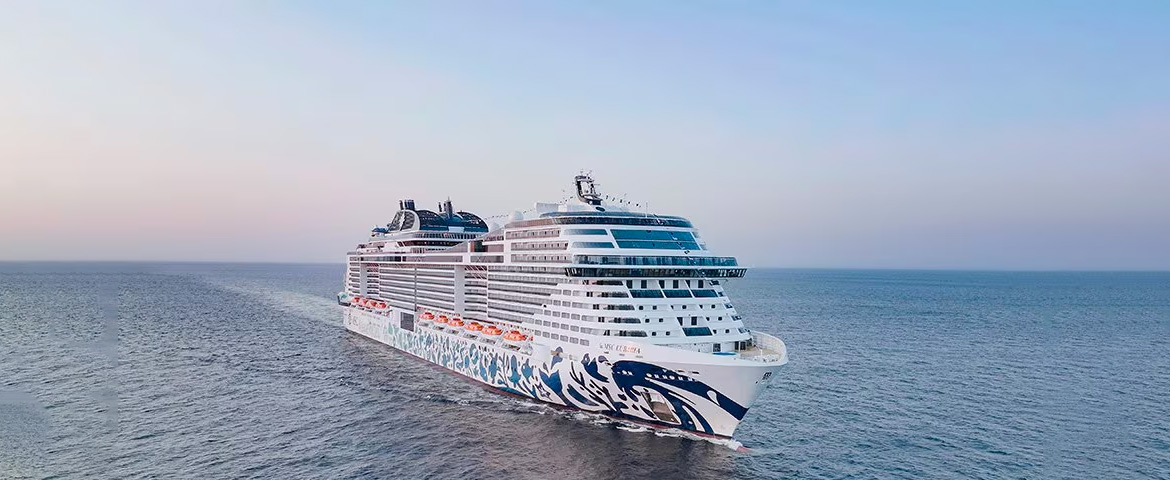
MSC Euribia
15 Cruises
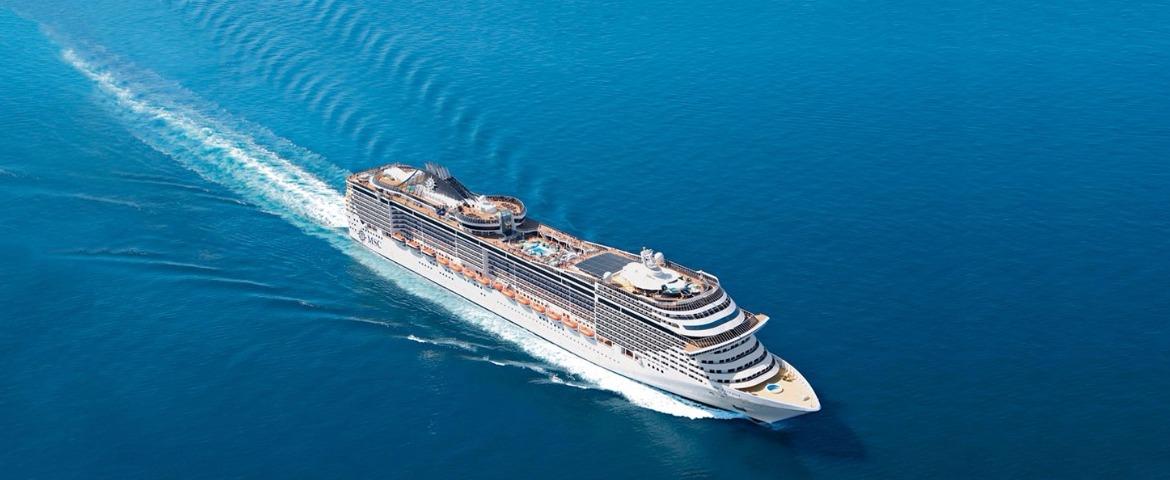
MSC Lirica
6 Cruises
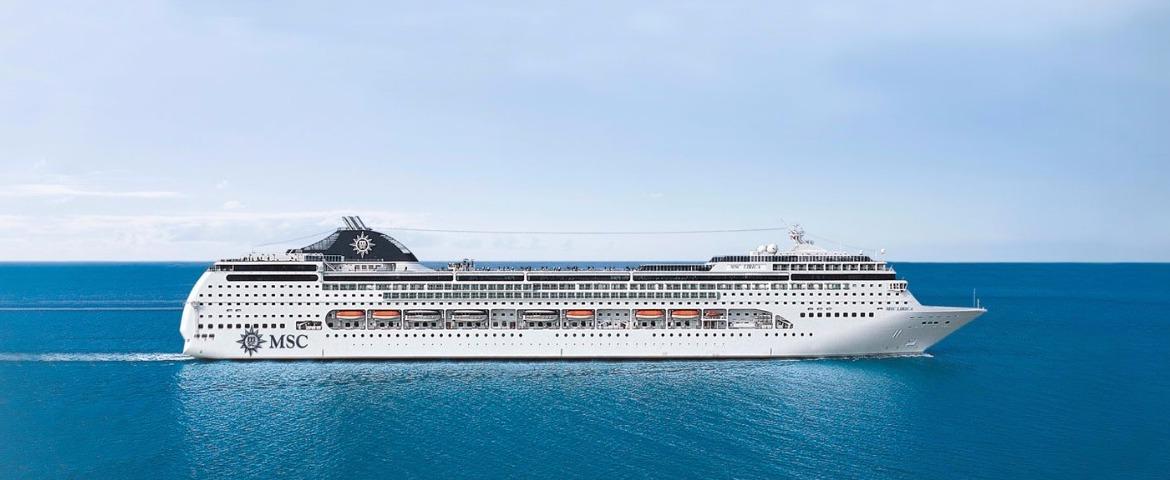
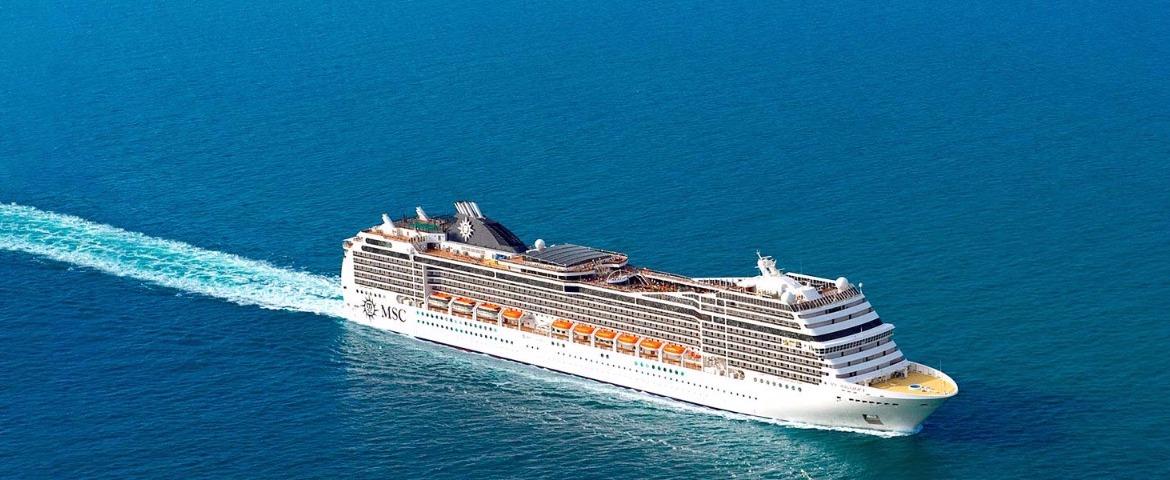
MSC Magnifica
168 Cruises
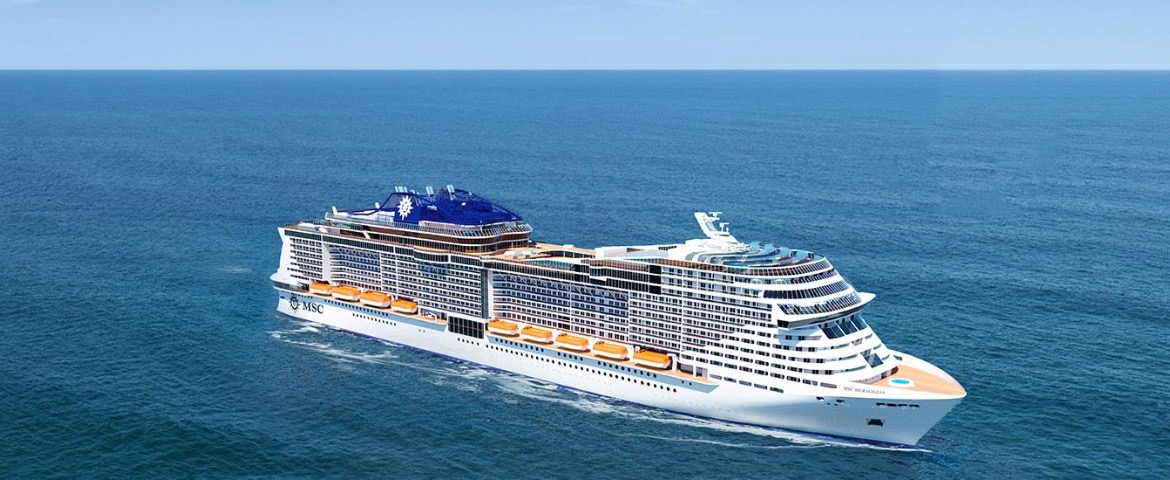
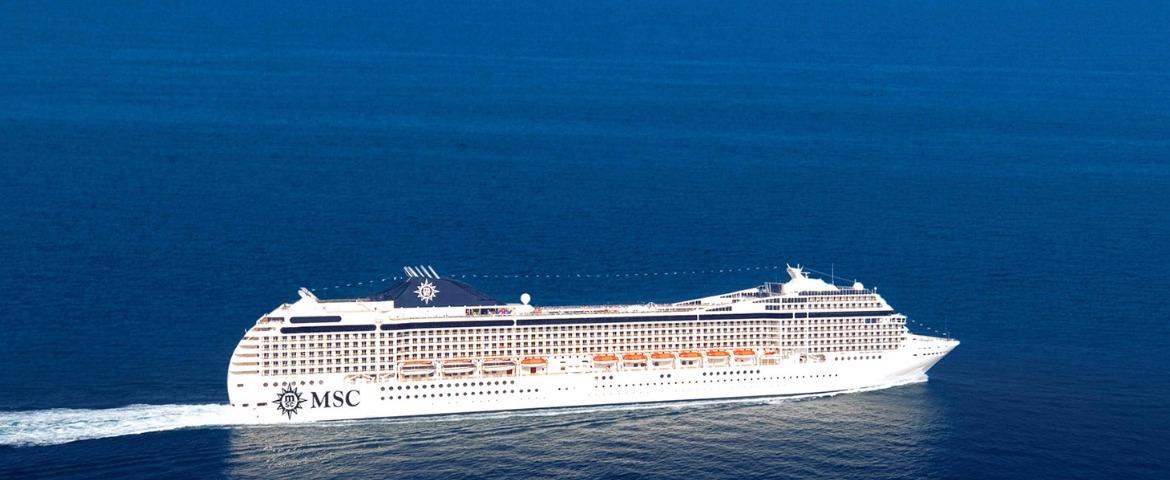
MSC Musica
10 Cruises
MSC Seaview
5 Cruises
MSC Sinfonia
6 Cruises
MSC Splendida
7 Cruises
MSC World Europa
1 Cruises
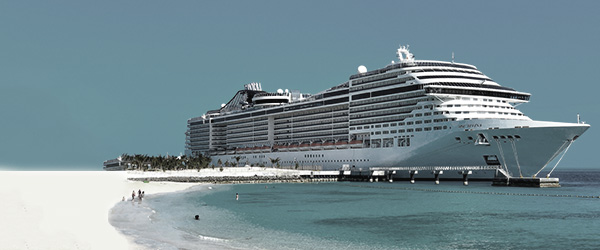 Image not available

Oceania Cruises (9 Cruises)
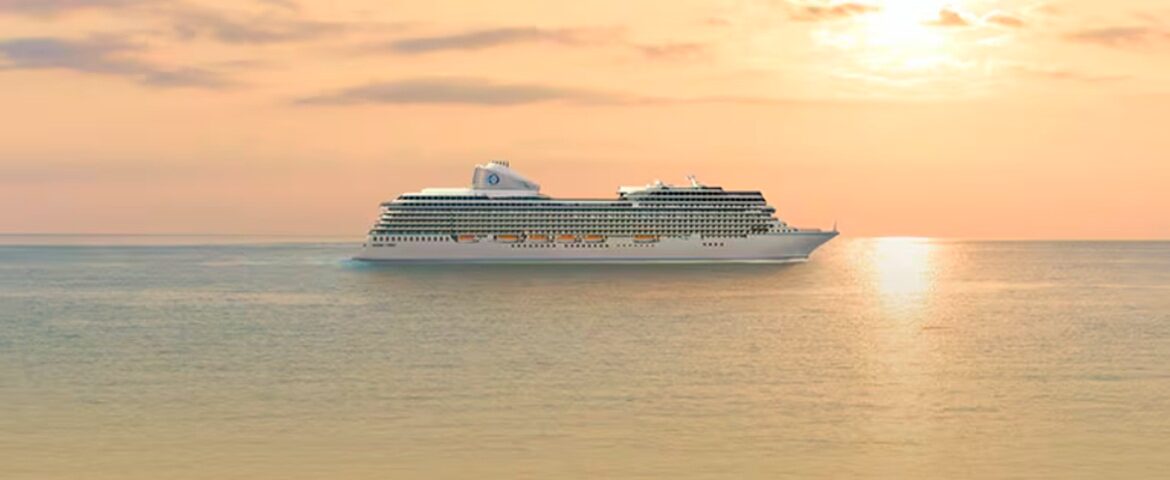
Oceania Allura
5 Cruises


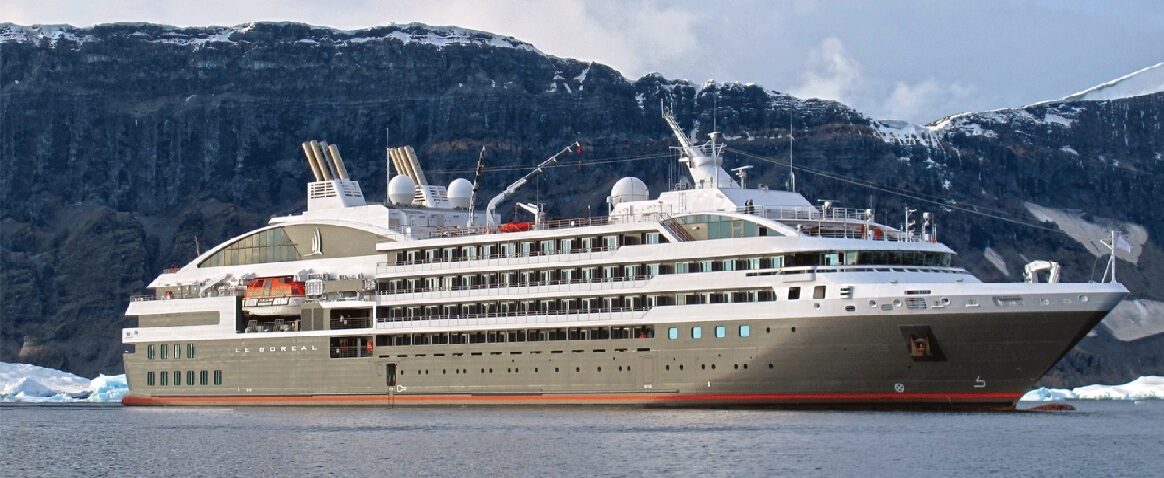
Regent Seven Seas Cruises (8 Cruises)
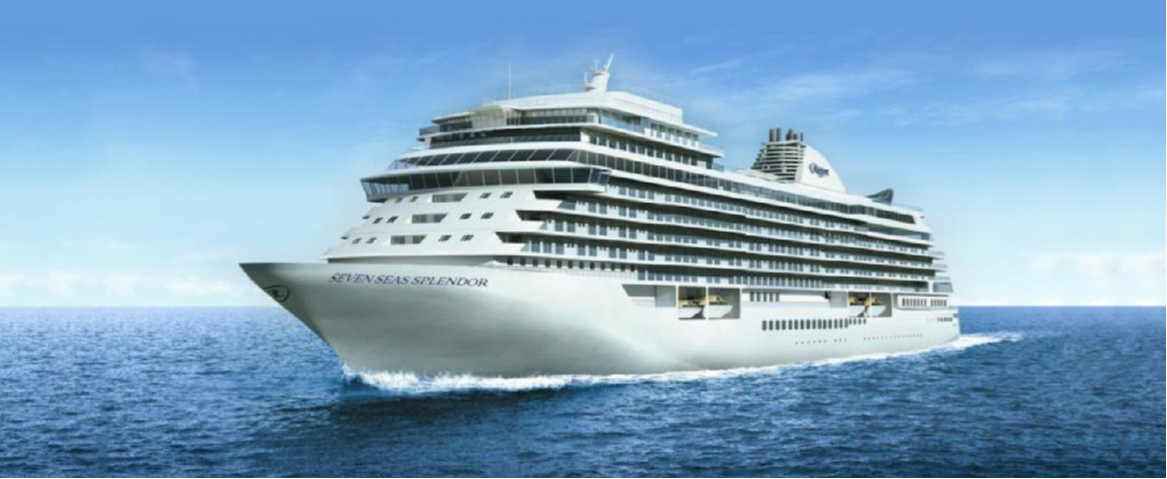

Seabourn Cruise Line (6 Cruises)
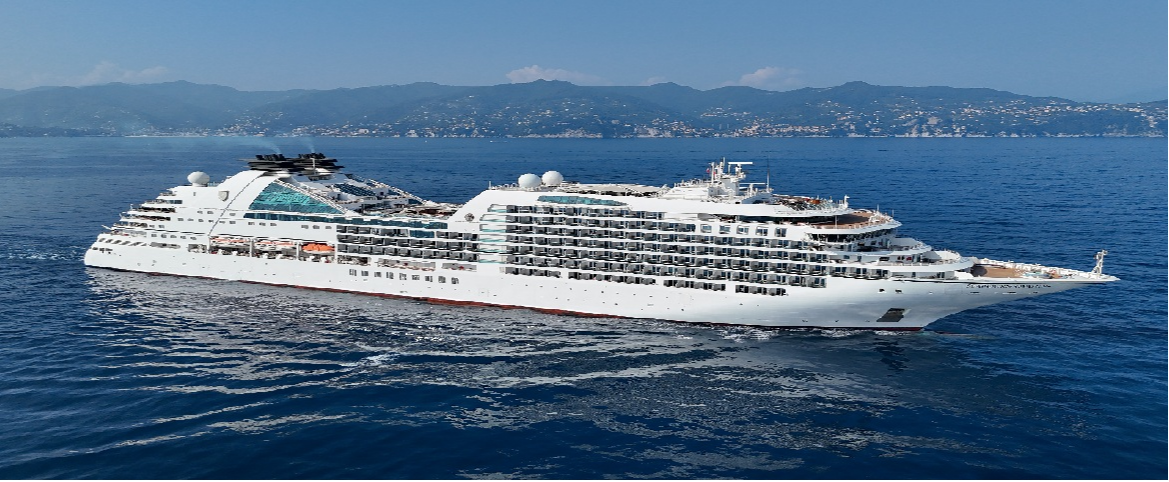
Seabourn Ovation
6 Cruises

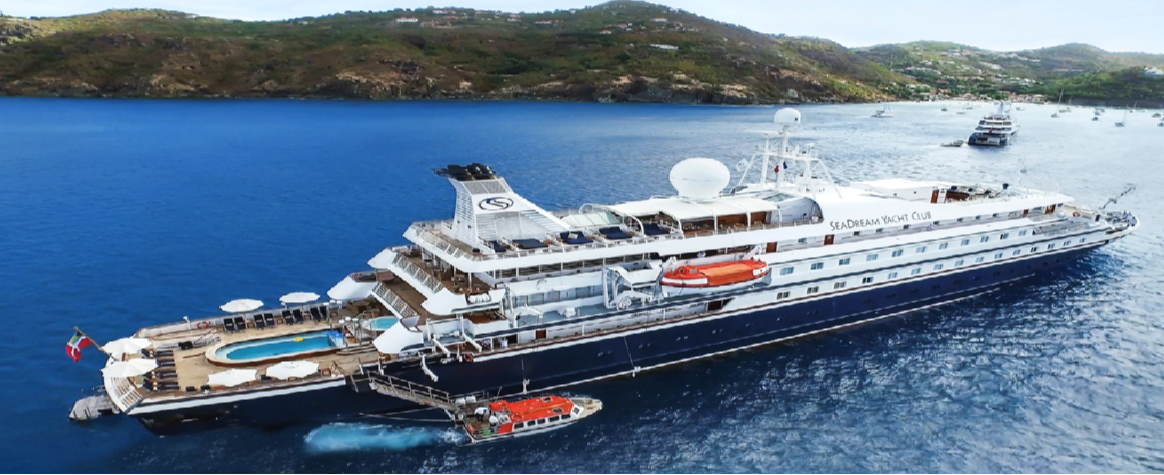
SeaDream Yacht Club (2 Cruises)

Silversea Cruises (1 Cruises)

Viking Ocean Cruises (10 Cruises)
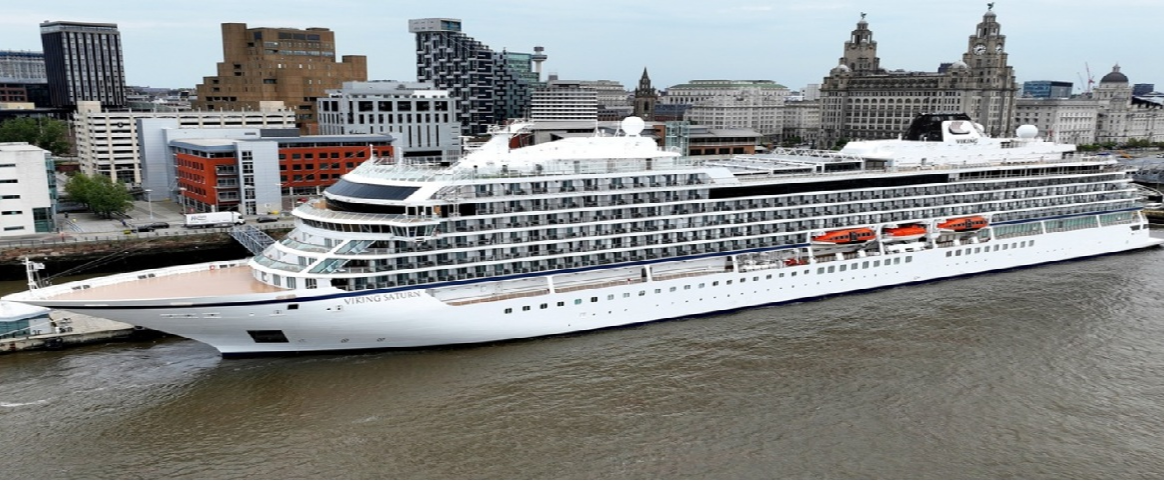
Viking Saturn
5 Cruises

Windstar Cruises (22 Cruises)
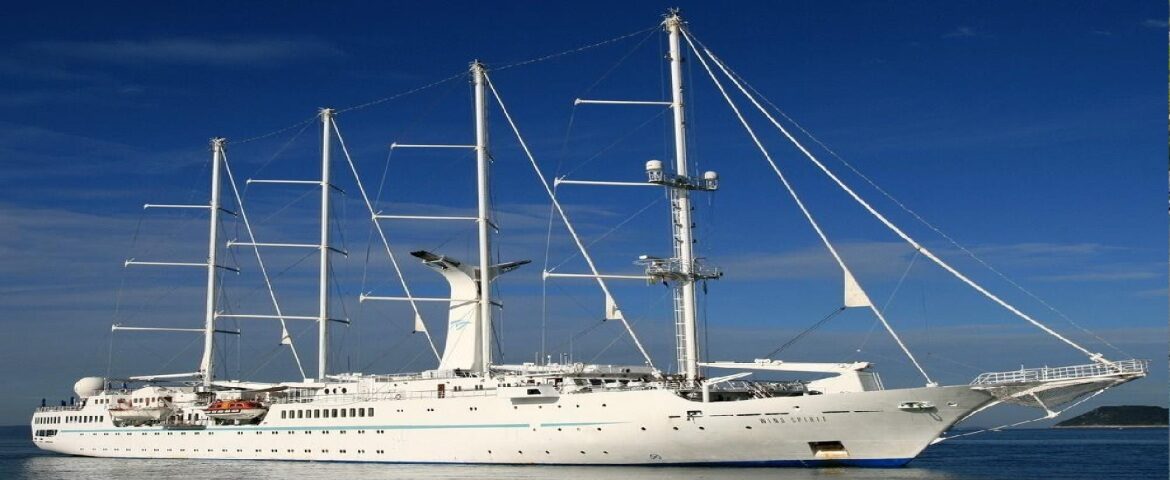
Wind Spirit
10 Cruises

| 15 March | 15 days | One-way from Malaga to Civitavecchia-Rome |
450-628-6241
Call us
|
| 15 March | 8 days | One-way from Malaga to Barcelona |
450-628-6241
Call us
|
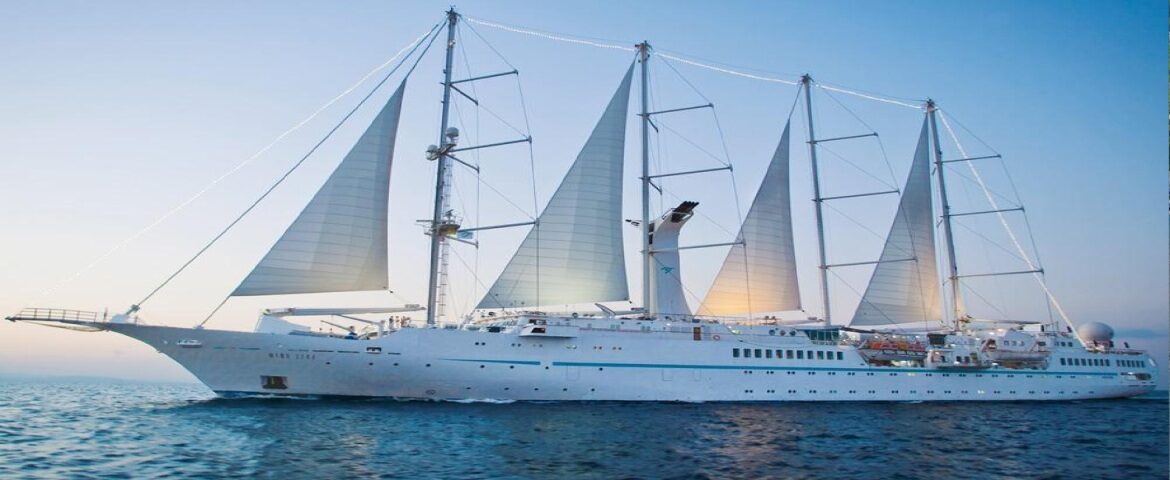
Wind Star
6 Cruises
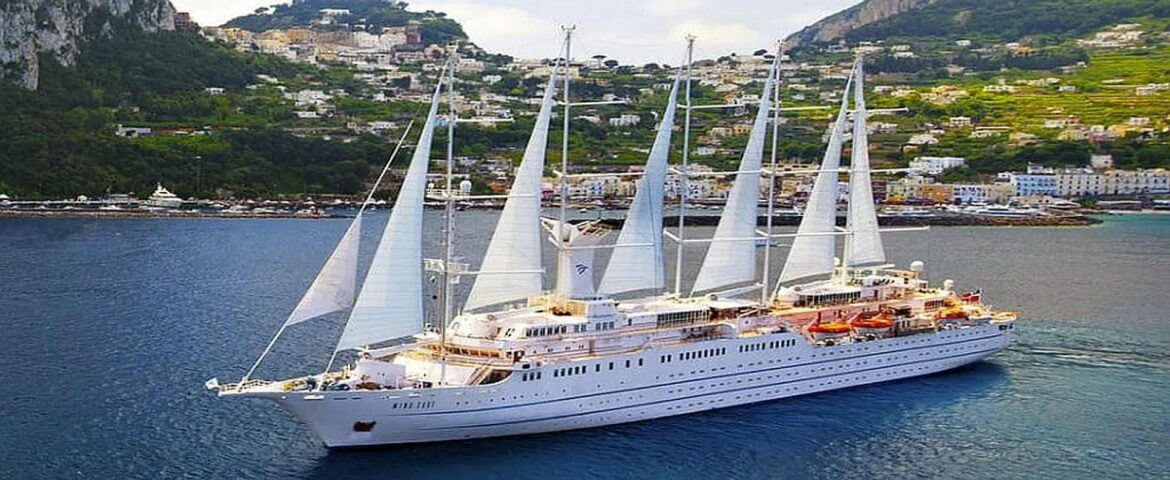
Wind Surf
6 Cruises
Port of Tarragona, Spain | Cruise Port Guide
Frequently Asked Questions
At the Moll de Balears, in the main commercial basin, about 2 to 3 kilometres from the old town. A shuttle links the quay to the centre in about fifteen minutes; walkers reach the amphitheatre on foot in under twenty.
Two thousand years ago Tarraco was the capital of the largest Roman province in Hispania, and emperors wintered here. The modern city grew on that ancient base without ever erasing it. The archaeological ensemble has been on the UNESCO World Heritage list since 2000.
The Roman amphitheatre, the Balcó del Mediterrani, then the Part Alta up to the cathedral and its cloister. El Serrallo for a meal if the timing suits. No distant excursion is needed.
Its setting. Built in the second century on the shore, it opened its tiers towards the sea, and the waves still form the backdrop to the arena. Few Roman monuments enjoy a position like it.
The upper town, where the centuries pile up at every corner. The vaults of the Roman circus, where chariots once raced, support medieval houses; the praetorium still commands the coast. The cathedral, begun in the twelfth century, marries Romanesque and Gothic behind a commanding rose window, and its orange-planted cloister offers a cool pause.
Human towers, on the UNESCO intangible heritage list, and Tarragona is one of their capitals. The strongest form the base, a shrill pipe called the gralla accompanies the climb, and the square holds its breath until the child at the top gives the salute. A bronze sculpture on the Rambla Nova freezes one mid-effort.
A wrought-iron viewing terrace at the end of the Rambla Nova, directly above the amphitheatre. Local custom says you should touch the iron for luck. From there a single glance takes in the amphitheatre, the beach and the open sea.
The maritime quarter between the terminal and the centre, its low houses gathered around the fishing basin. Late in the afternoon the trawlers come in and the auction gets going. The quayside restaurants serve the morning's fish, black rice with cuttlefish ink, and romesco.
A sauce of almonds and peppers that originated on precisely this coast. It goes with grilled fish and vegetables and is the most characteristic taste of the Costa Daurada. Almost every restaurant in El Serrallo serves it.
Yes. An amphitheatre at the edge of the sea speaks to children better than most museums, and the beach is just below the viewing terrace. The climb to the Part Alta asks for a little effort, no more.


