La Coruna Spain Galicia
257
Cruises availables
At departure or passage at this port
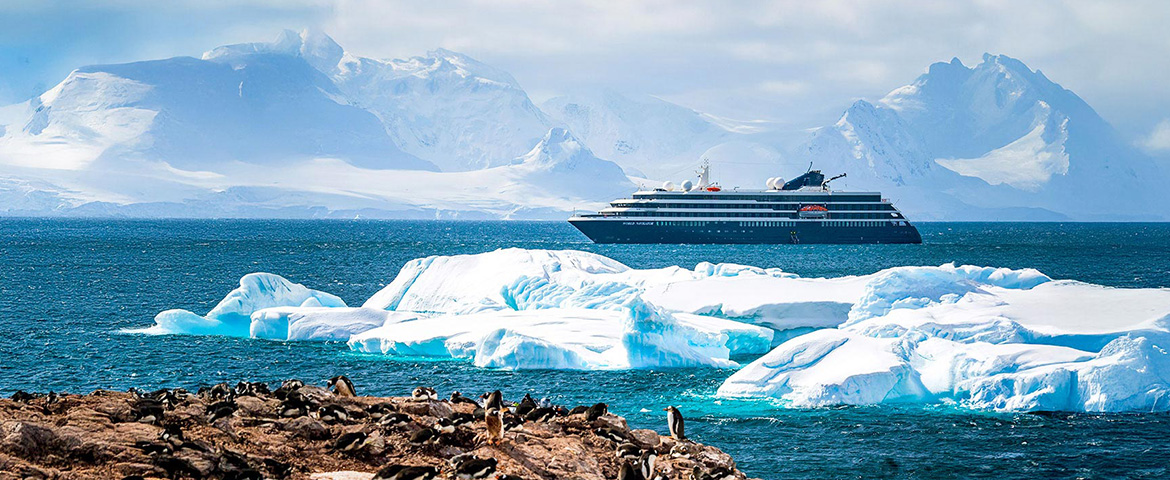
Atlas Ocean Voyages (2 Cruises)

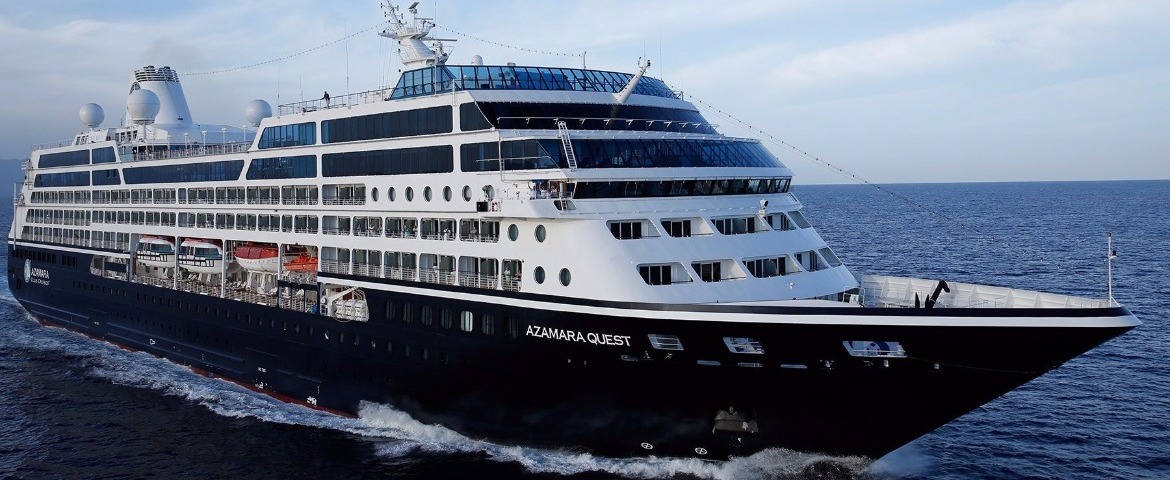
Azamara Club Cruises (4 Cruises)







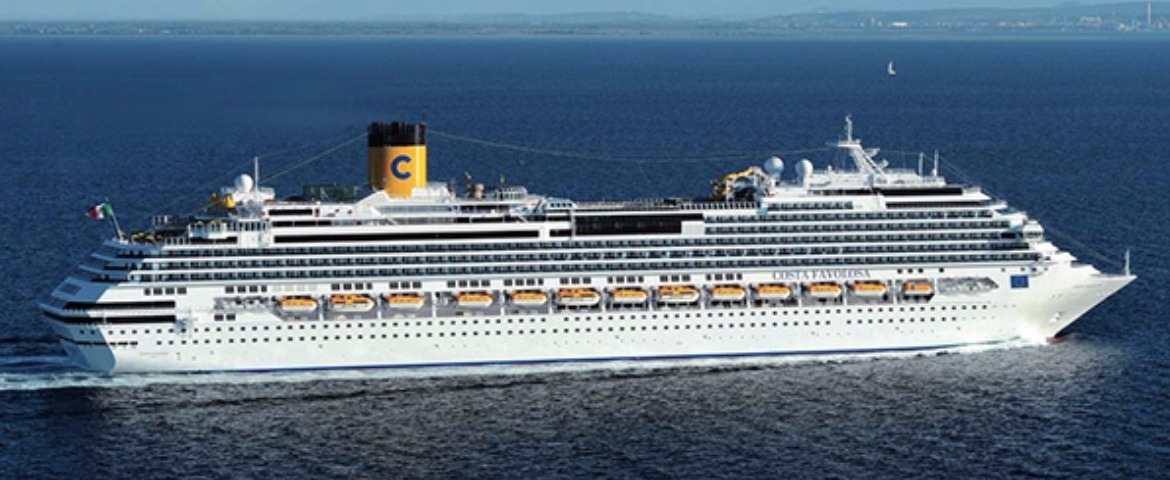
Costa Cruises (7 Cruises)
Costa Favolosa
7 Cruises

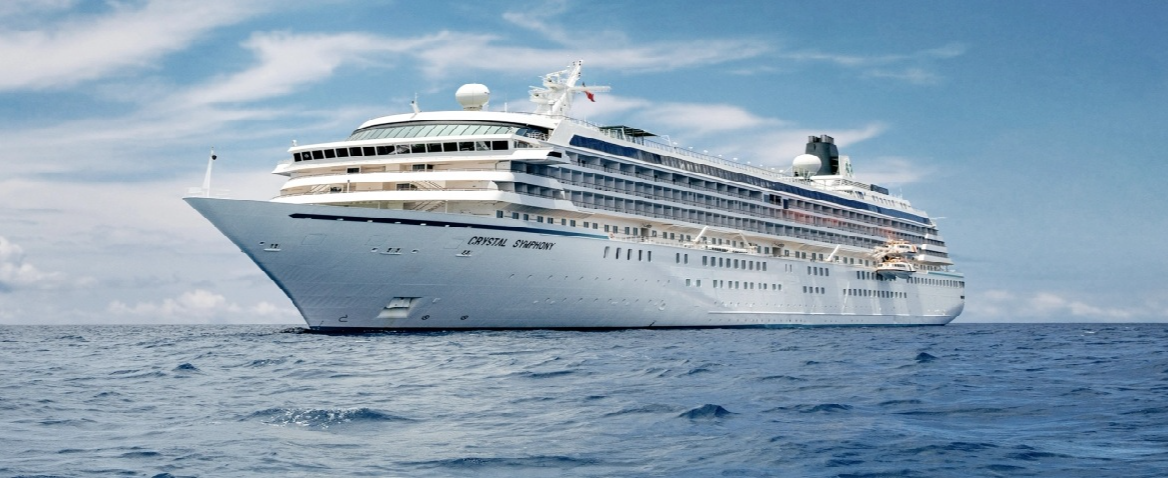
Crystal Cruises (8 Cruises)


Crystal Symphony
5 Cruises
Cunard (24 Cruises)


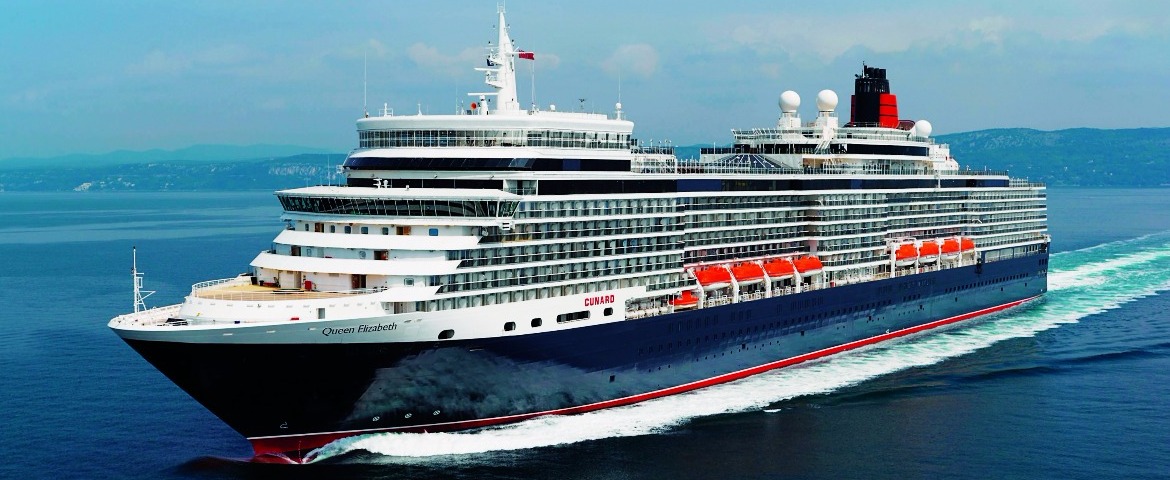
Queen Elizabeth
11 Cruises
Disney Cruise Line (4 Cruises)
Disney Wish
4 Cruises


Explora Journeys (5 Cruises)


Lindblad Expeditions (2 Cruises)


MSC Cruises (29 Cruises)
MSC Euribia
13 Cruises
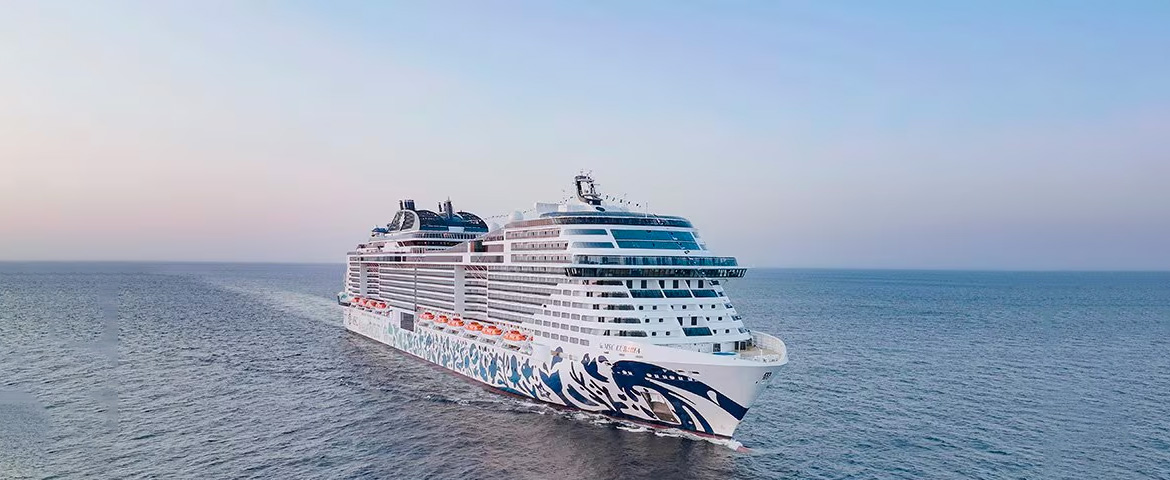

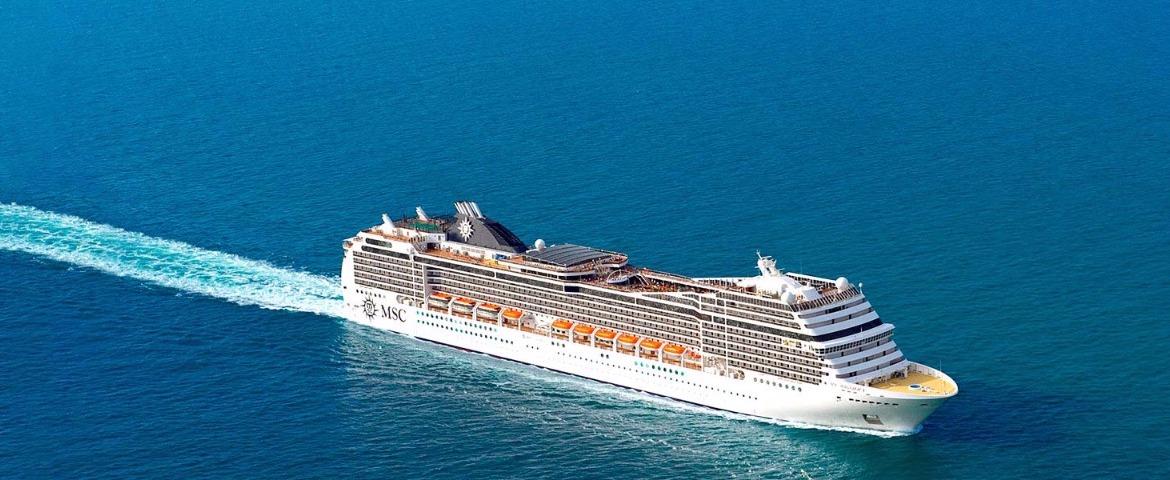
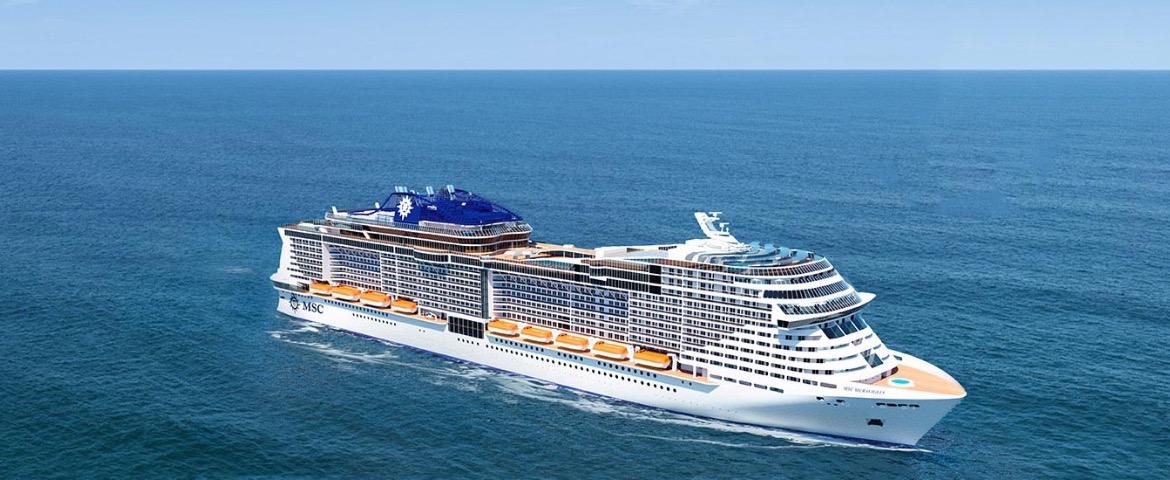
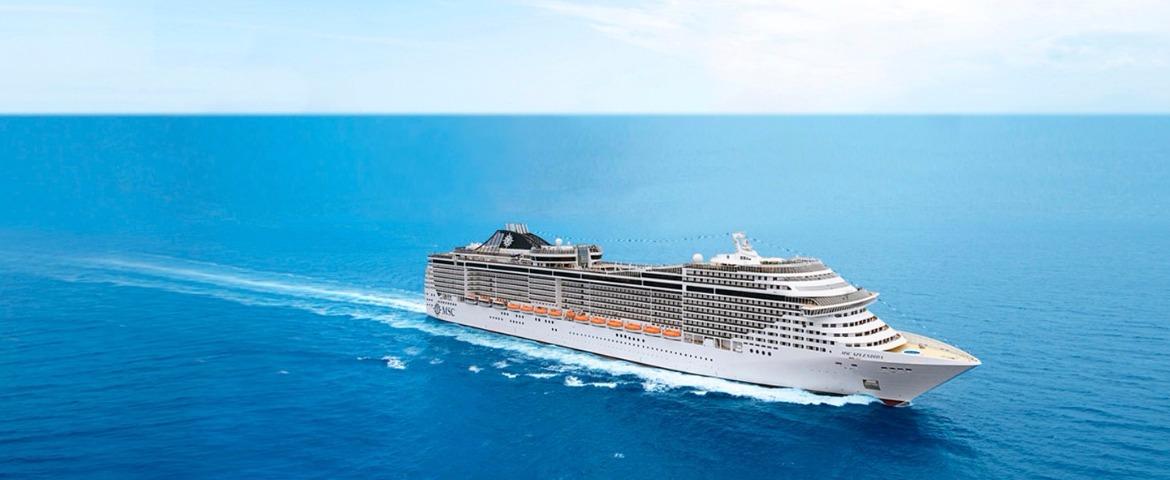
MSC Virtuosa
6 Cruises

Norwegian Cruise Line (7 Cruises)



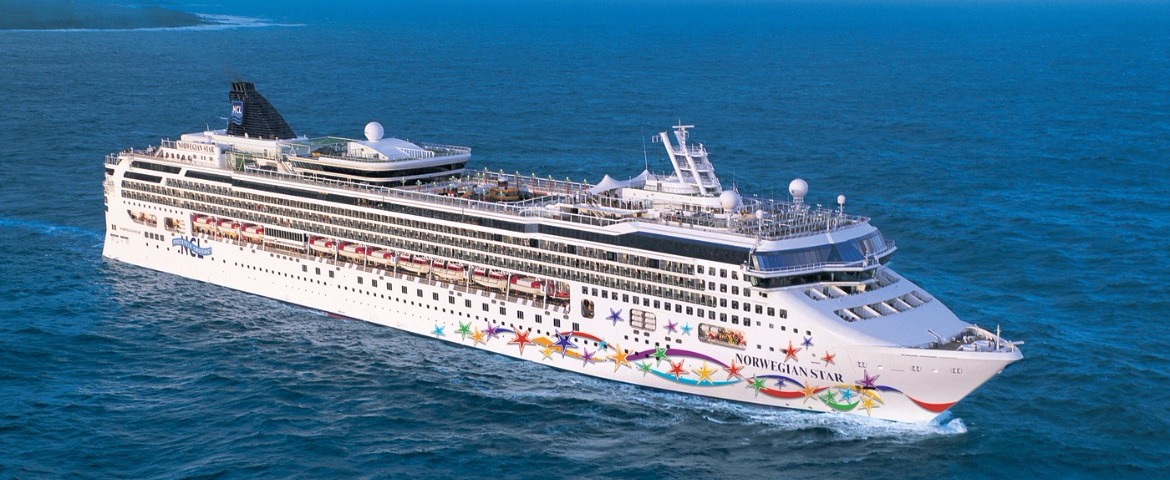
Oceania Cruises (49 Cruises)
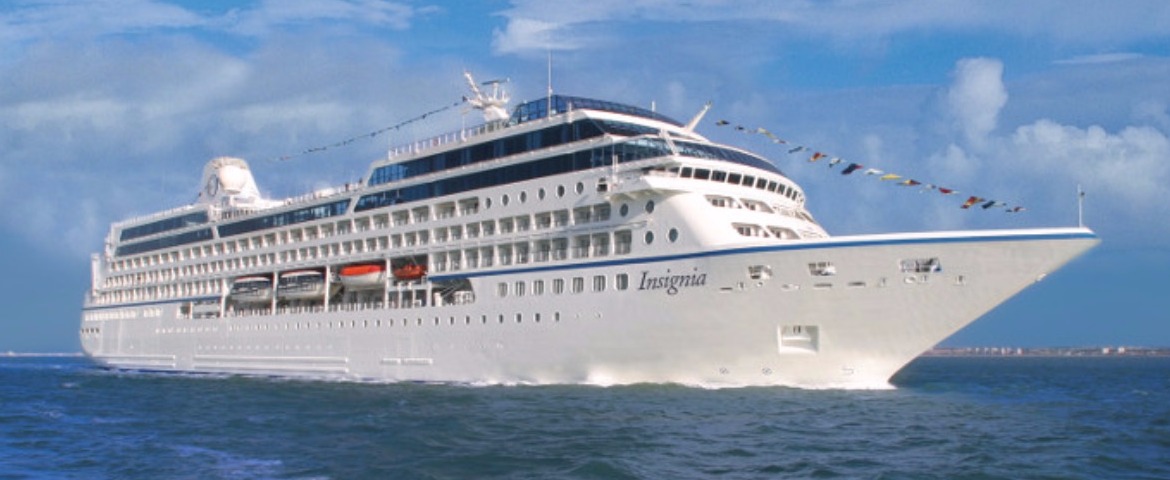
Oceania Insignia
9 Cruises

| 19 August | 68 days | One-way from Helsinki to Piraeus-Athens |
450-628-6241
Call us
|
| 19 August | 67 days | One-way from Helsinki to Piraeus-Athens |
450-628-6241
Call us
|
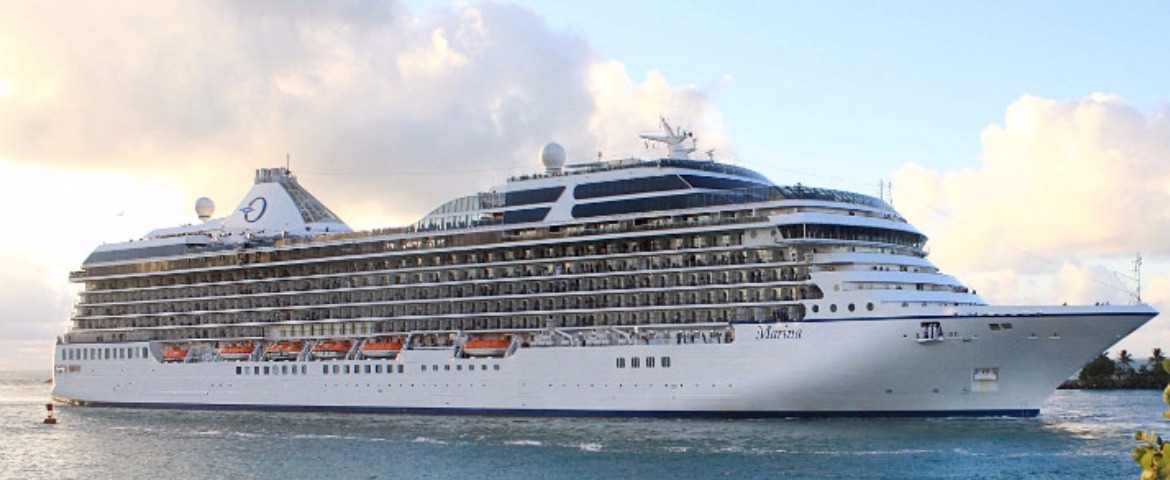
Oceania Marina
10 Cruises
| 17 April | 67 days | One-way from Trieste to Southampton |
450-628-6241
Call us
|
| 17 April | 66 days | One-way from Trieste to Southampton |
450-628-6241
Call us
|
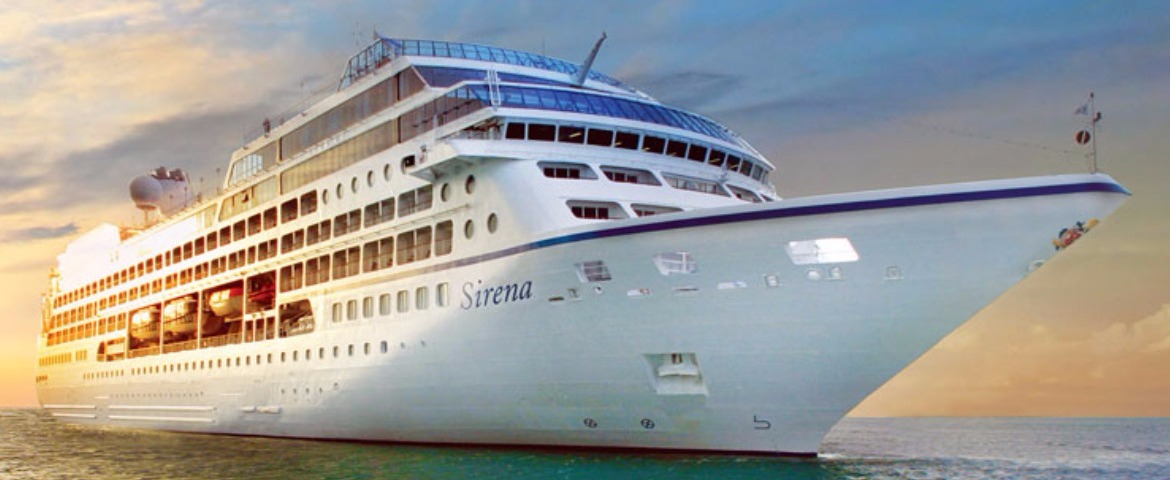
Oceania Sirena
7 Cruises
Oceania Sonata
12 Cruises
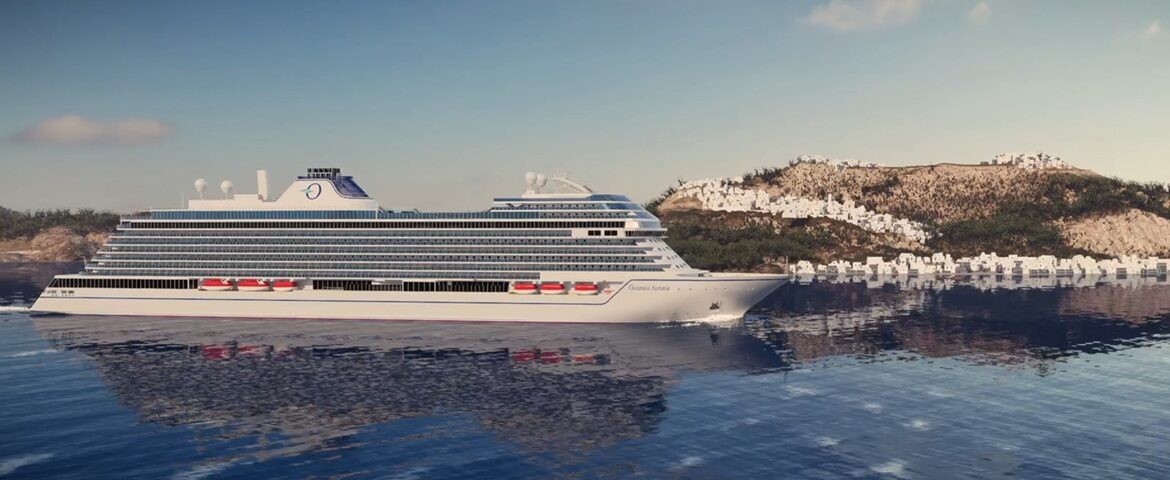
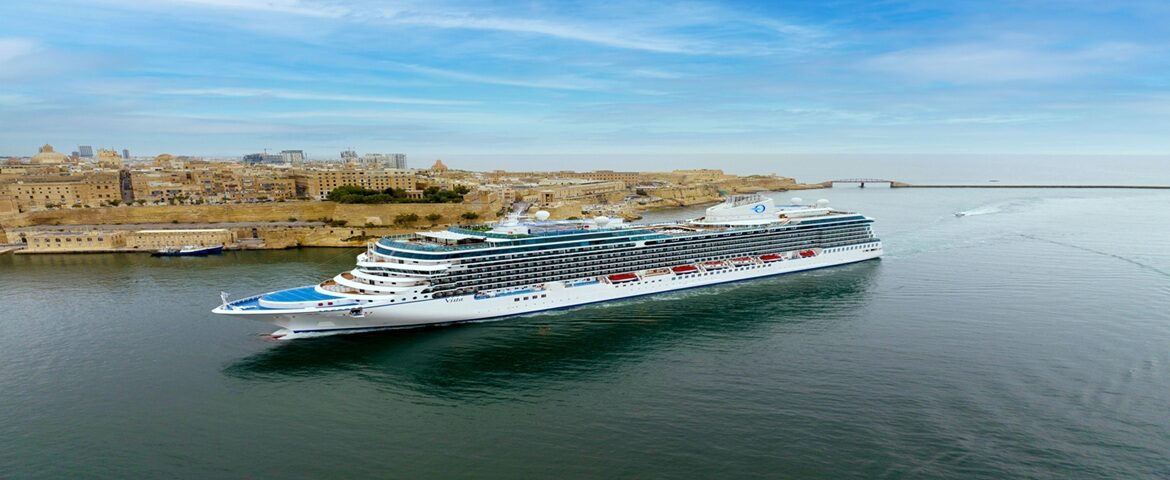
Oceania Vista
11 Cruises
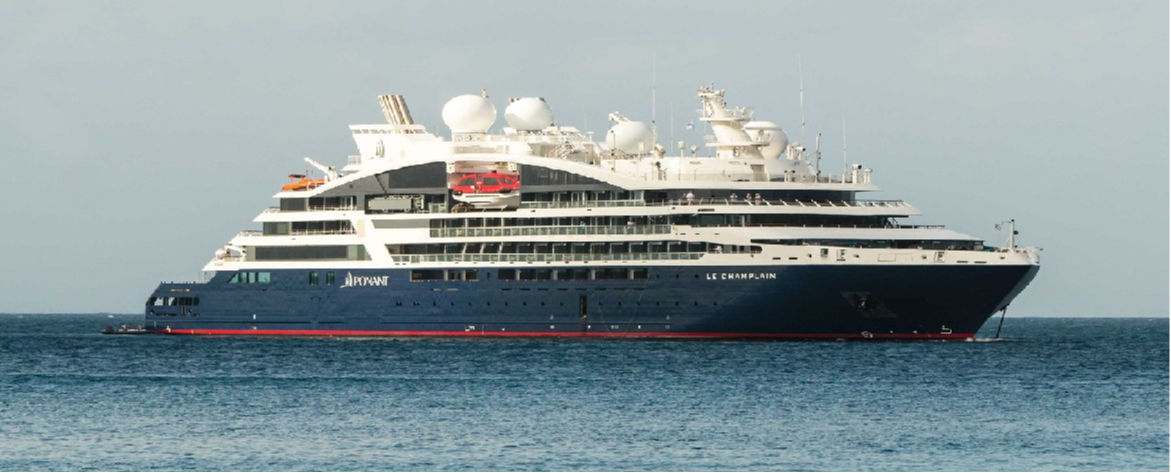
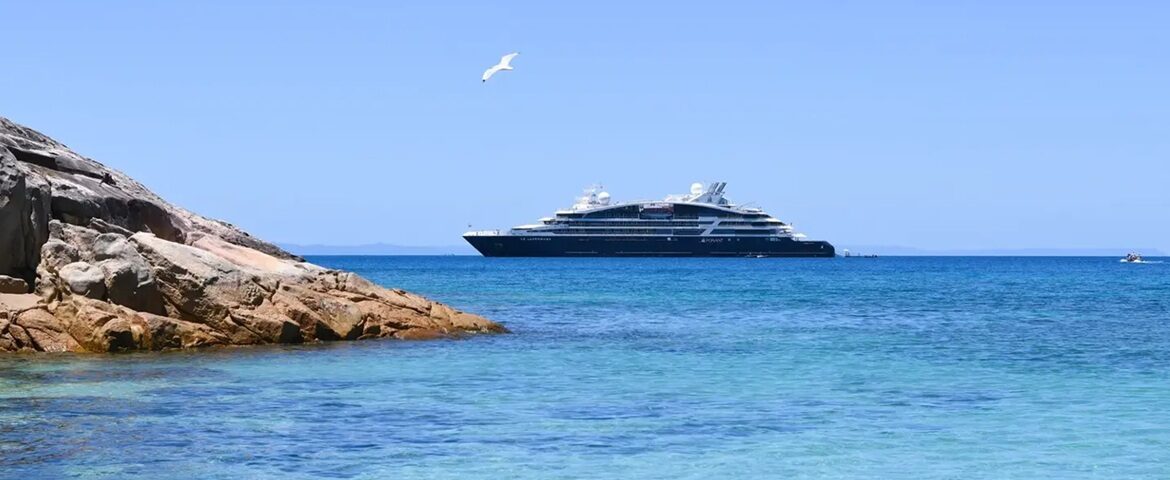
Ponant (7 Cruises)

Princess Cruises (23 Cruises)


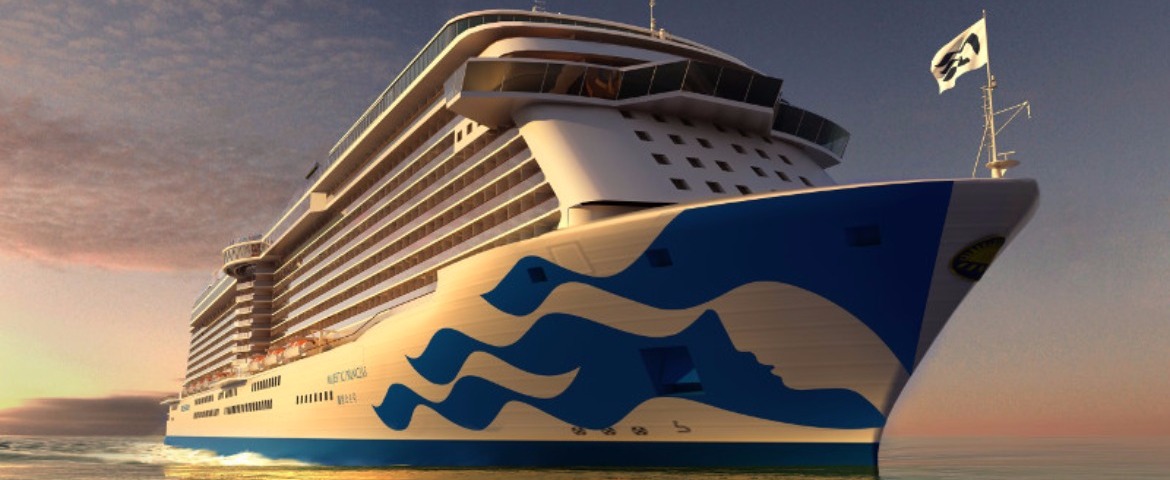
Majestic Princess
10 Cruises
| 24 January | 52 days | One-way from Buenos Aires to Southampton |
450-628-6241
Call us
|
| 25 January | 53 days | One-way from Buenos Aires to Southampton |
450-628-6241
Call us
|
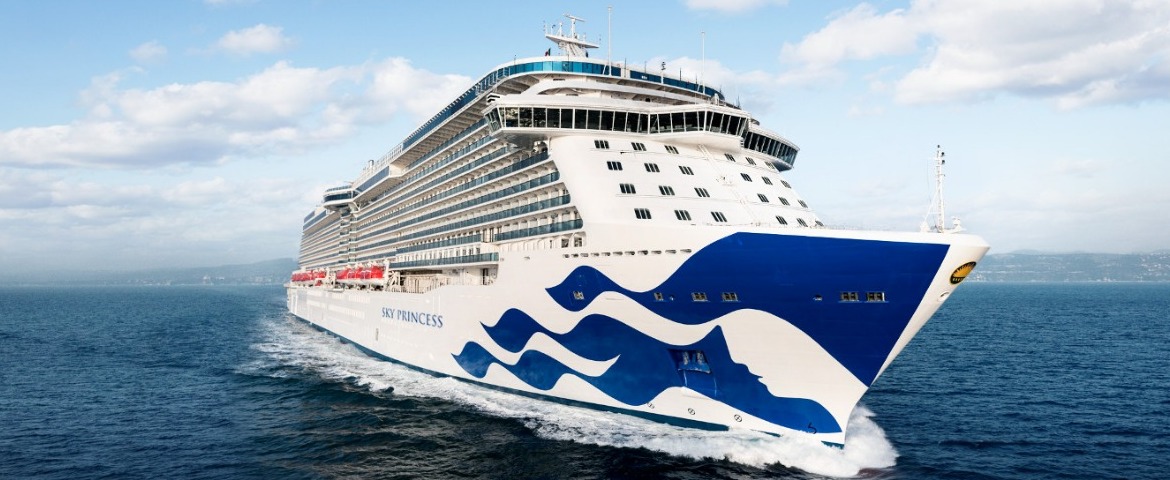
Sky Princess
11 Cruises
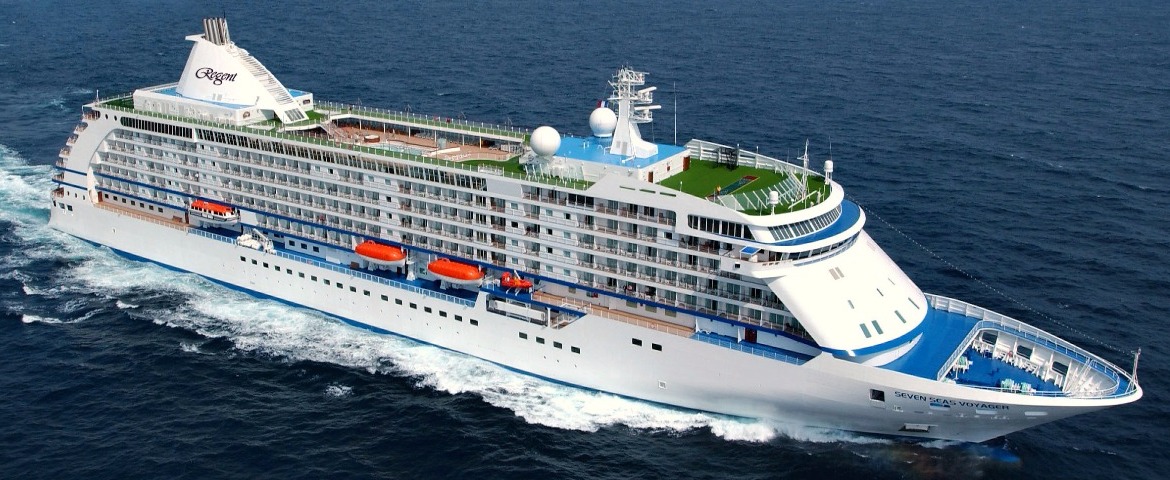
Regent Seven Seas Cruises (34 Cruises)
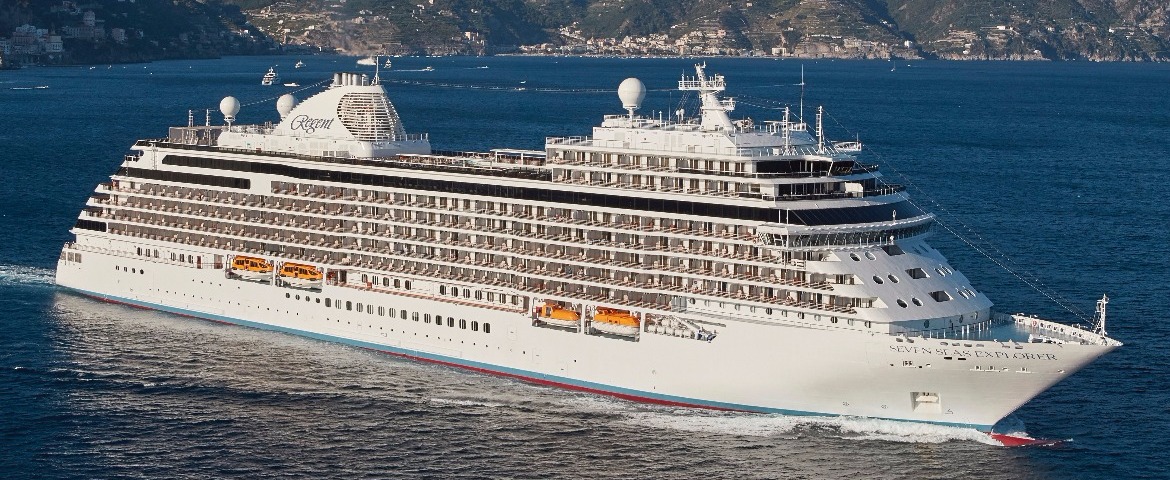

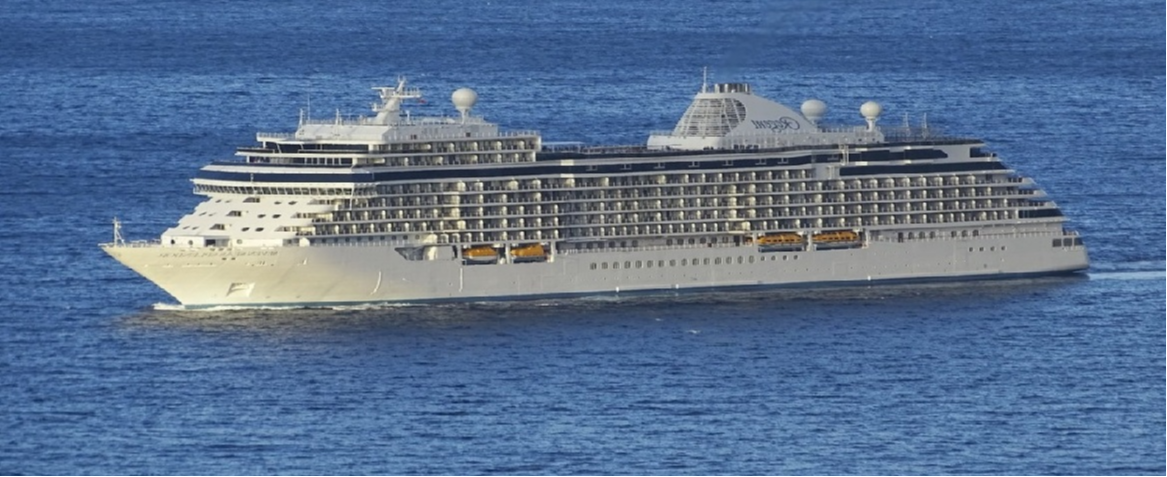
Seven Seas Mariner
15 Cruises

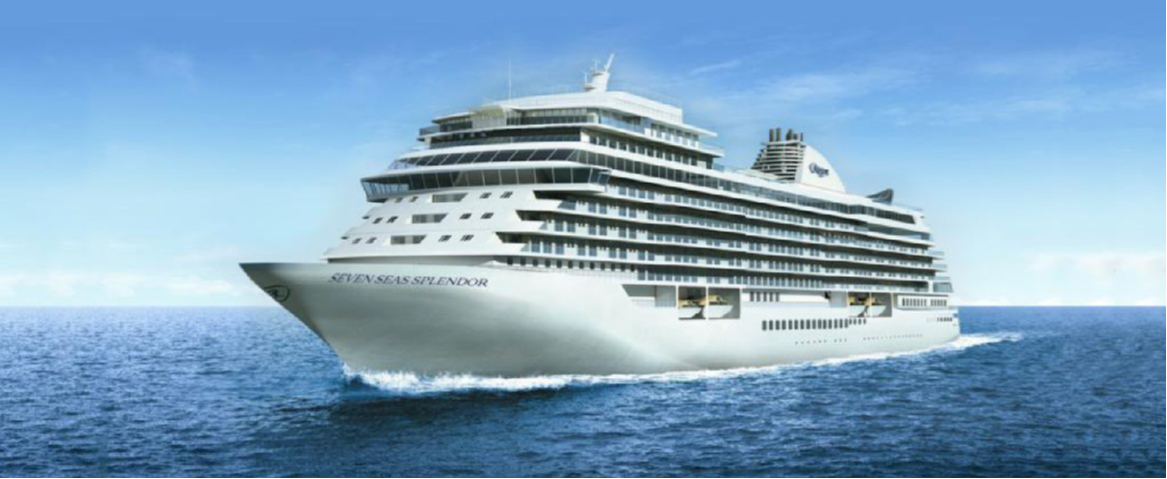
Seven Seas Voyager
8 Cruises
Royal Caribbean Cruises (10 Cruises)
Freedom of the Seas
10 Cruises


| 16 May | 8 days | Round-trip from Southampton, United Kingdom |
From
1426$
|
| 30 May | 8 days | Round-trip from Southampton, United Kingdom |
From
1743$
|
| 9 August | 9 days | Round-trip from Southampton, United Kingdom |
From
2303$
|
| 30 August | 10 days | Round-trip from Southampton, United Kingdom |
From
1578$
|
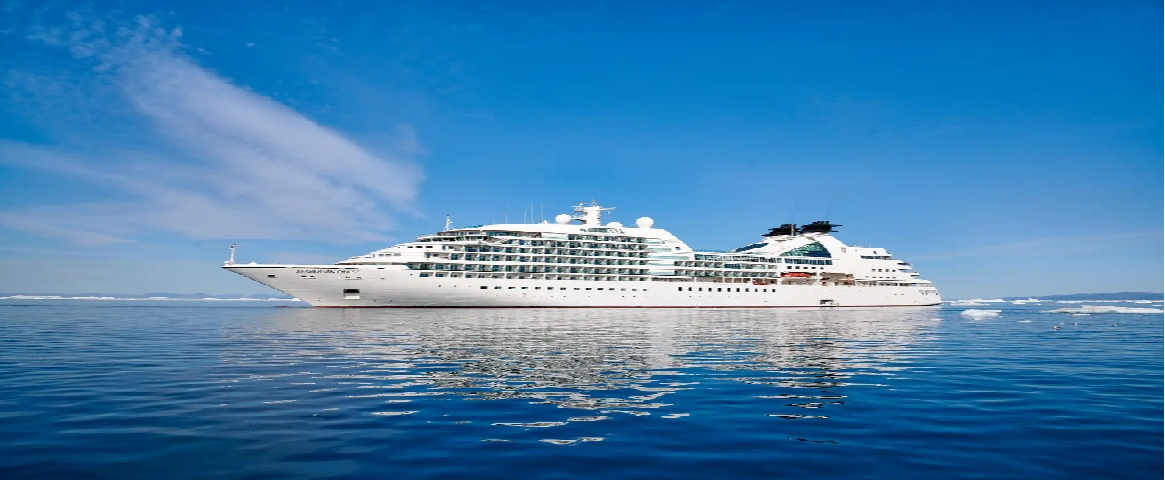
Seabourn Cruise Line (6 Cruises)
Seabourn Quest
6 Cruises

| 7 January | 121 days | One-way from Miami to Southampton |
450-628-6241
Call us
|
| 7 January | 120 days | One-way from Miami to Southampton |
450-628-6241
Call us
|
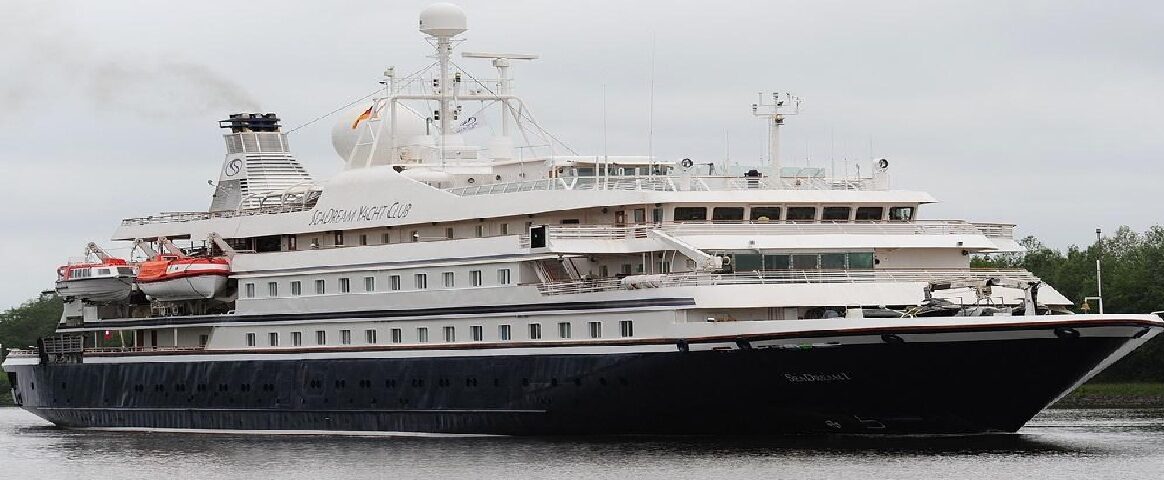
SeaDream Yacht Club (4 Cruises)

Viking Ocean Cruises (26 Cruises)
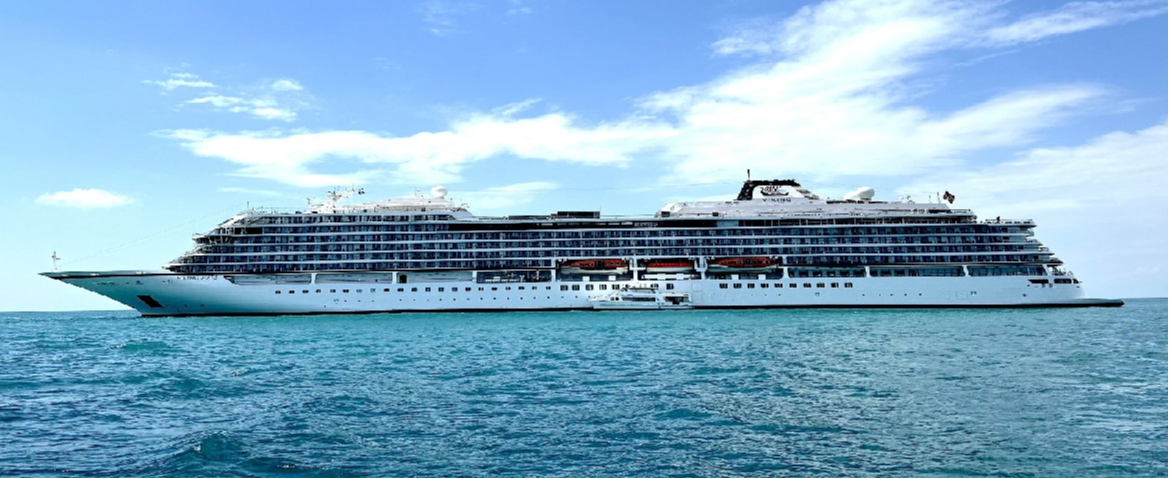

Viking Saturn
8 Cruises

La Coruña Spain | Galicia Atlantic Cruise Port Guide
Frequently Asked Questions
At the Muelle de Trasatlánticos, right in the centre. It is one of the few terminals in Europe that puts passengers literally into the middle of city life, with no shuttle and no taxi queue.
It comes from whole facades of glazed galleries, white and lined up like waves of glass. These verandas catch the Atlantic light while keeping the wind out. Cross the avenue in front of the quay to photograph them from the far pavement: it is the first shot of the call, and often the best.
María Pita square and the old town first, five minutes from the quay, then the Tower of Hercules along the coastal walk. A tapas stop rounds out the day. No organised excursion is needed.
By a 3.2-kilometre coastal promenade, about forty minutes on foot facing the ocean, or on buses 3 and 5. The path crosses a wind-swept sculpture park.
It is a Roman lighthouse still in service — the oldest working lighthouse in the world, on the UNESCO World Heritage list. The climb to the top gives a full panorama of the Atlantic coast.
The local heroine who in 1589 rallied the defence of the walls against an English assault. The large arcaded square that bears her name, dominated by the city hall and its domes, opens up less than five minutes' walk from the quay.
Yes, which is rare for a major European port call. The city beaches of Riazor and Orzán curve away about fifteen minutes' walk from the terminal. Surfers watch for swell here even in winter, which tells you something about the water temperature.
Octopus dusted with paprika, squid, empanadas, washed down with cold whites. The ritual is done standing or on a terrace, in the narrow streets behind María Pita, hopping from counter to counter with a shared plate at each stop.
Very well. Flat ground around the terminal, beaches within walking distance, a seafront promenade and a lighthouse to climb: children are covered without booking anything.
The euro; Spanish and Galician. Wind and spray are common on the coastal walk, so a light jacket helps even in summer. June to September for the mildest days.


