Kagoshima City Japan Kagoshima
544
Cruises availables
At departure or passage at this port
Azamara Club Cruises (35 Cruises)
Azamara Pursuit
35 Cruises
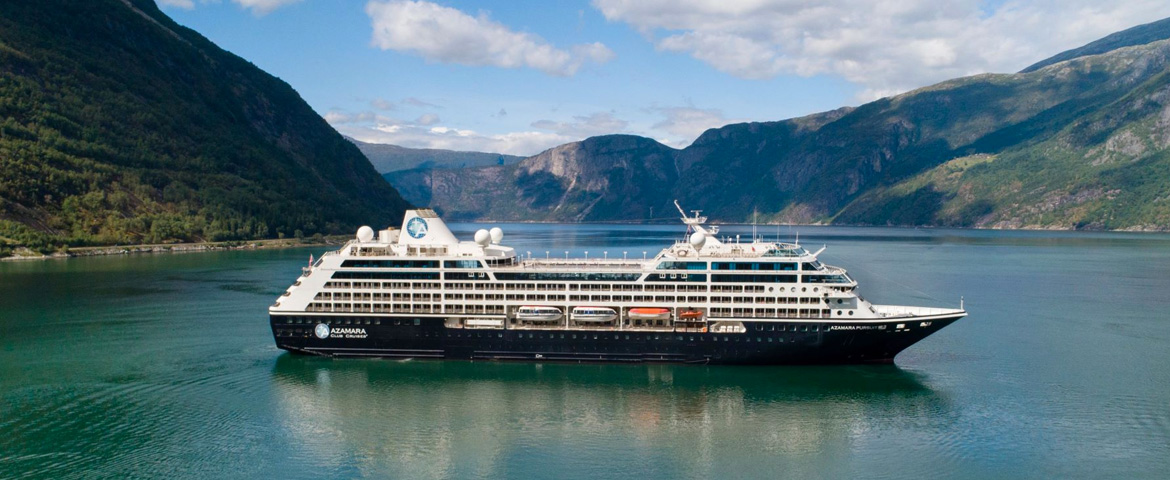

| 25 March | 17 days | Round-trip Japan And South Korea Azamara Pursuit Tokyo |
450-628-6241
Call us
|
| 26 March | 18 days | Round-trip from Tokyo, Japan |
450-628-6241
Call us
|
| 3 April | 8 days | One-way from Kobe-Osaka to Tokyo |
450-628-6241
Call us
|
| 4 April | 9 days | One-way from Kobe-Osaka to Tokyo |
450-628-6241
Call us
|
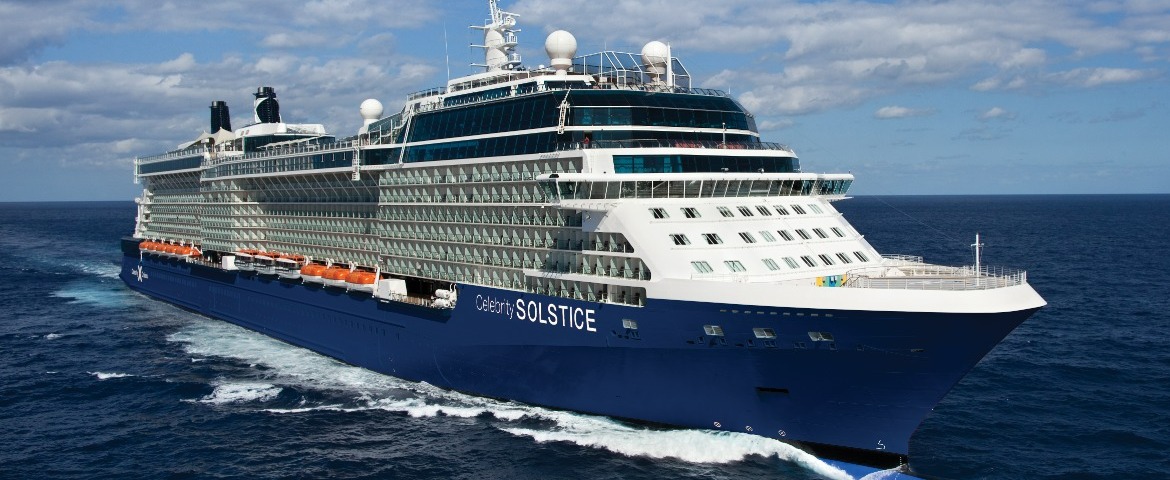
Celebrity Cruises (34 Cruises)
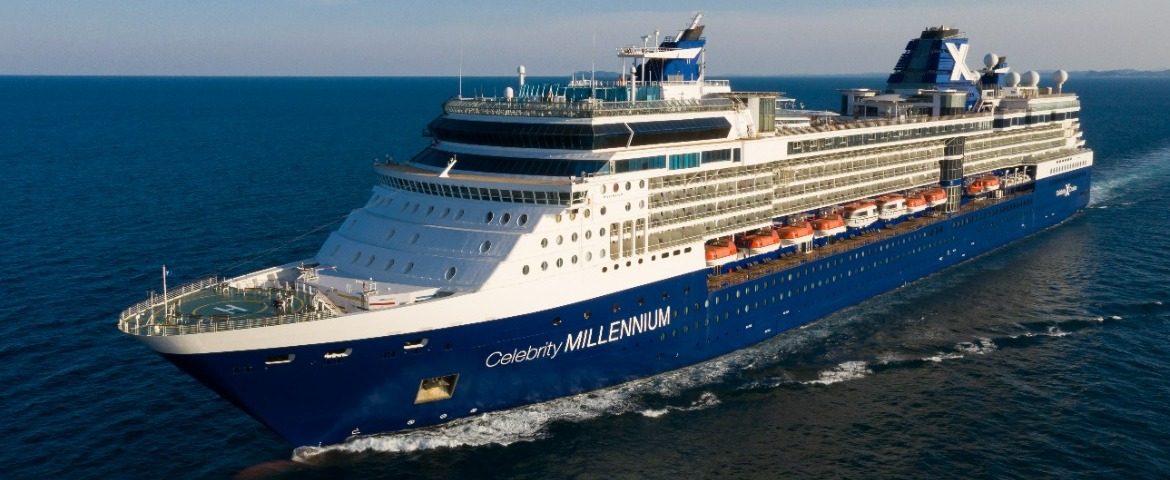
Celebrity Millennium
33 Cruises
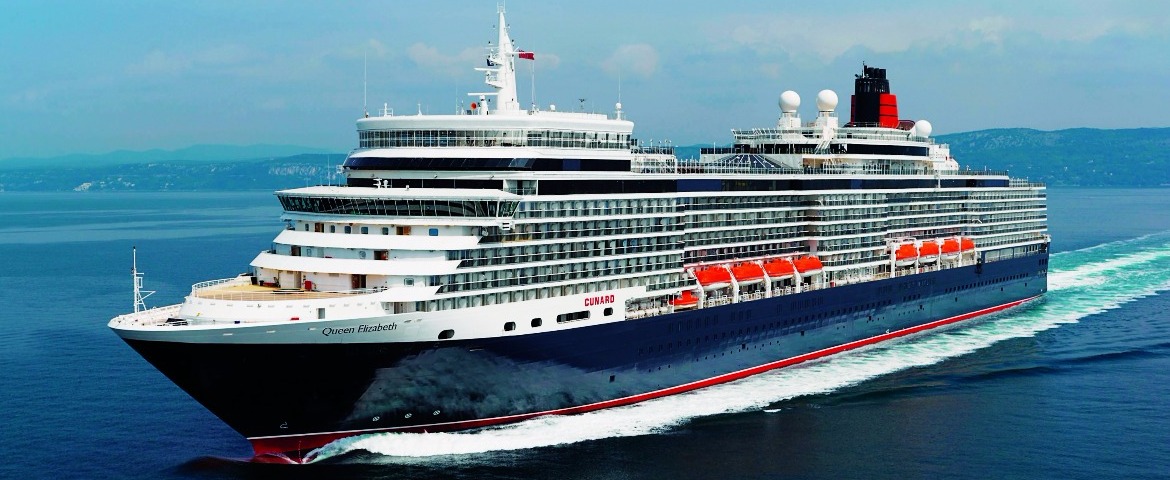
Cunard (14 Cruises)
Queen Elizabeth
14 Cruises

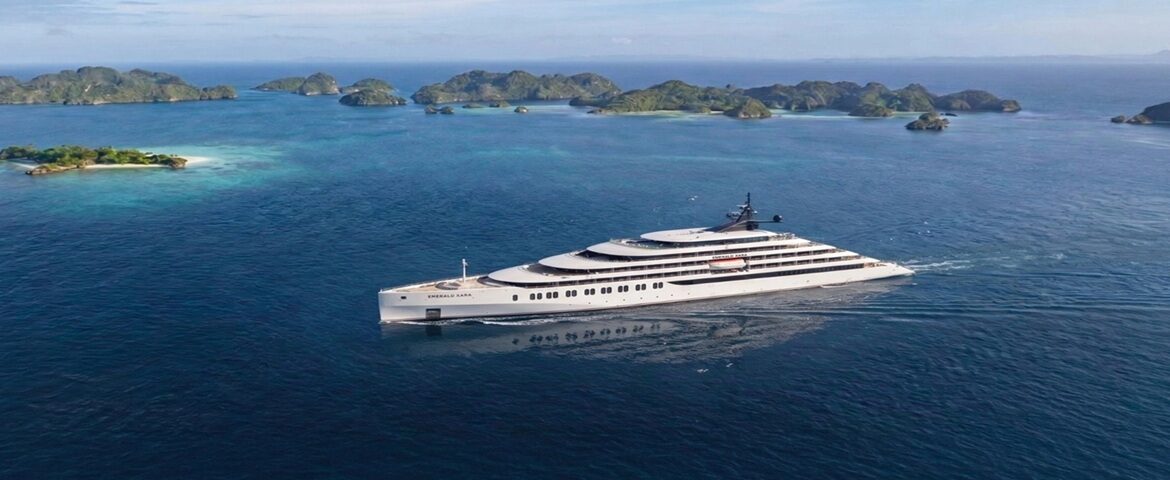
Emerald Waterways (11 Cruises)
Emerald Xara
11 Cruises

| 16 March | 15 days | One-way from Hong Kong to Tokyo |
450-628-6241
Call us
|
| 30 March | 21 days | One-way from Tokyo to Kobe-Osaka |
450-628-6241
Call us
|
| 9 April | 11 days | One-way from Busan to Kobe-Osaka |
450-628-6241
Call us
|
| 19 April | 11 days | One-way from Kobe-Osaka to Busan |
450-628-6241
Call us
|
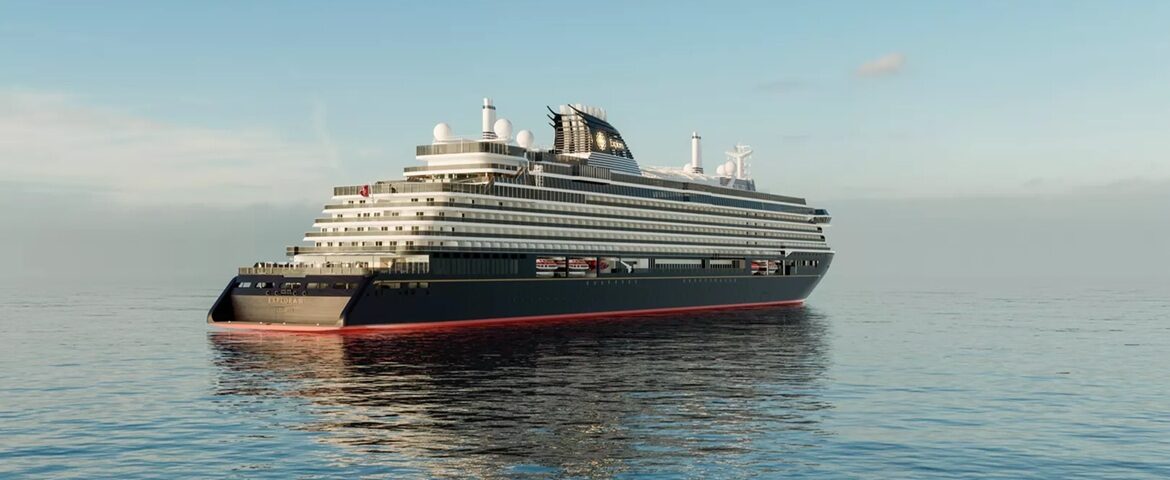
Explora Journeys (6 Cruises)

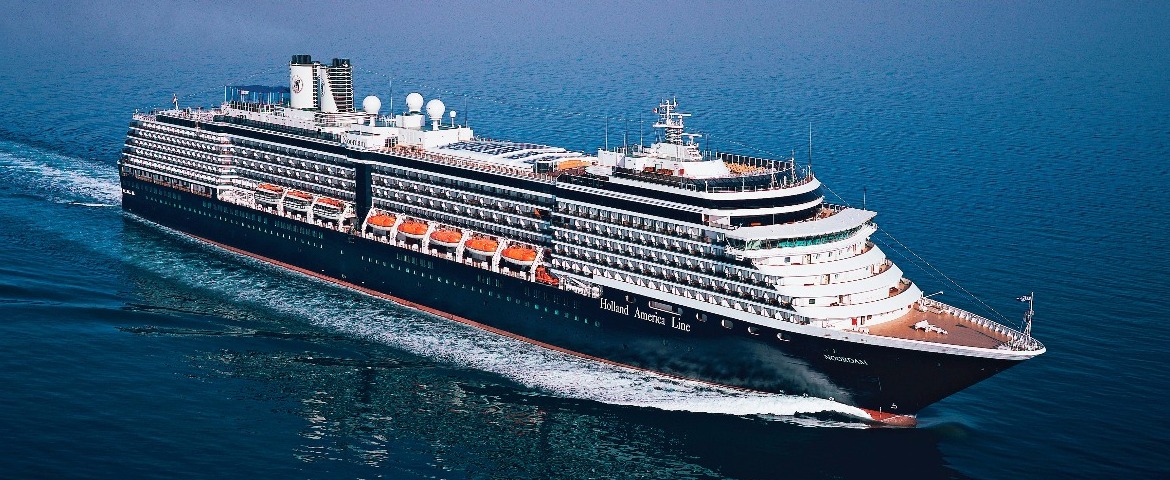
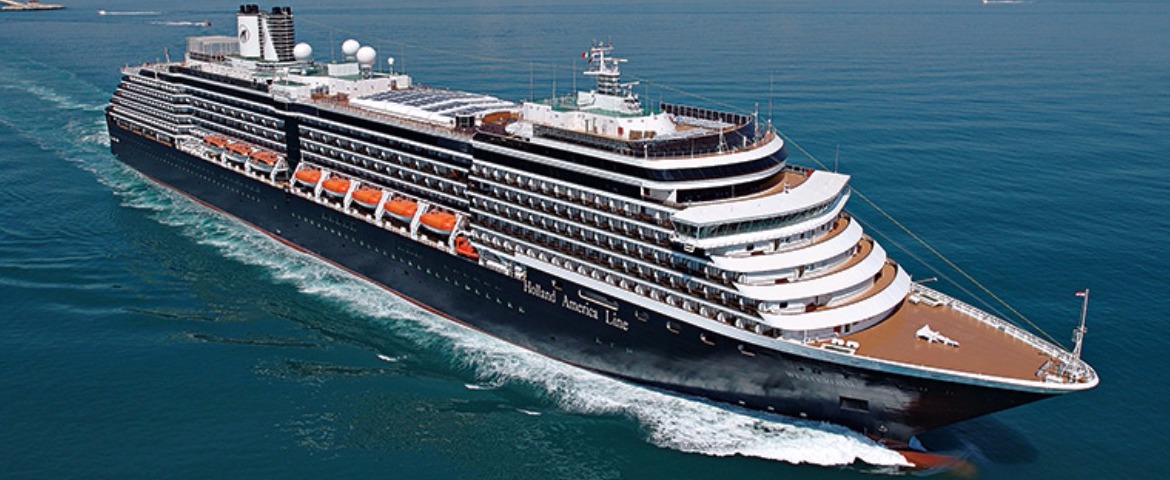
Holland America Line (13 Cruises)
ms Noordam
9 Cruises

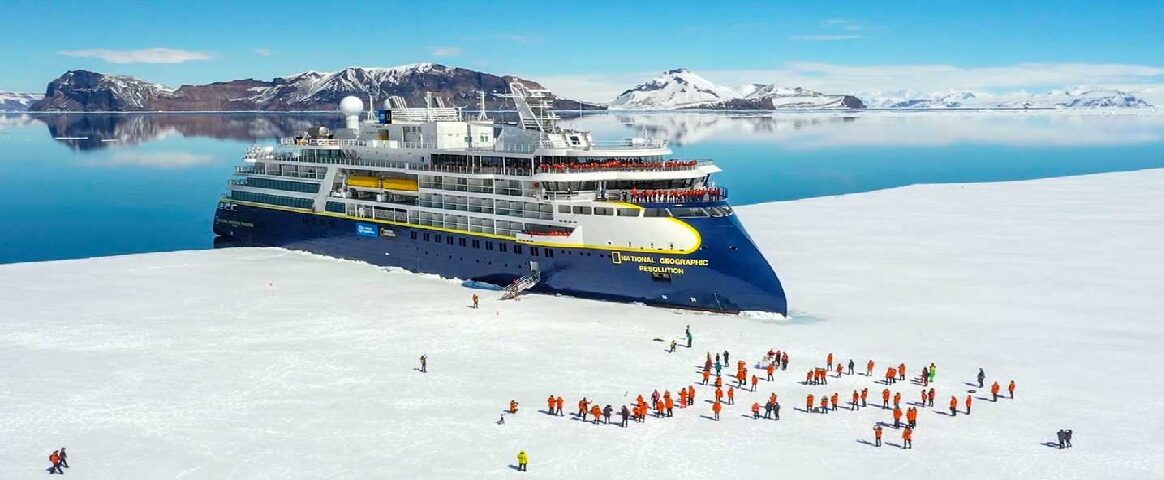
Lindblad Expeditions (9 Cruises)
National Geographic Resolution
9 Cruises

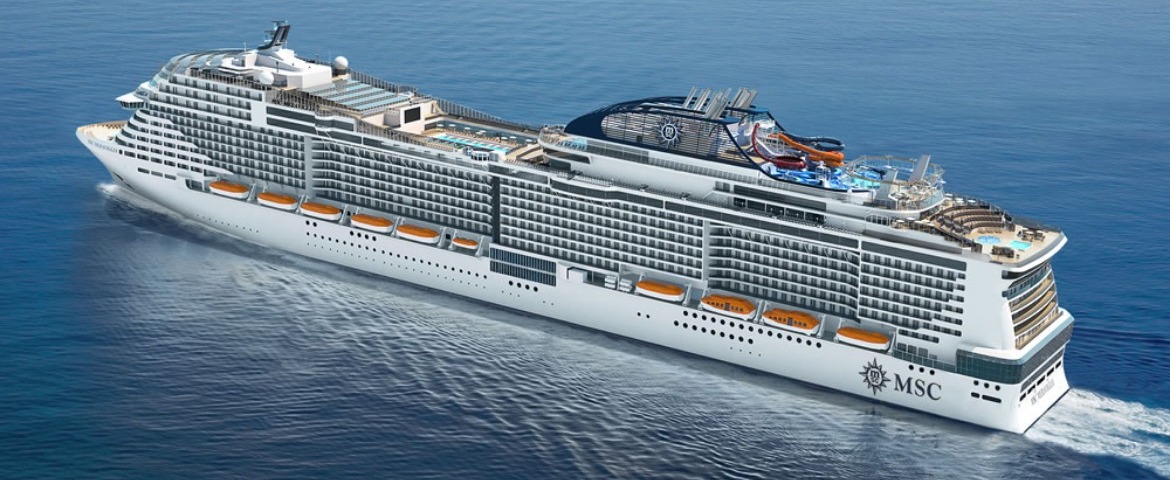
MSC Cruises (10 Cruises)
MSC Bellissima
10 Cruises

| 23 March | 4 days | One-way from Shanghai to Tokyo |
450-628-6241
Call us
|
| 27 March | 6 days | Round-trip from Tokyo, Japan |
From
1576$
|
| 4 May | 14 days | Round-trip from Tokyo, Japan |
From
4815$
|
| 17 May | 7 days | Round-trip from Tokyo, Japan |
From
1791$
|
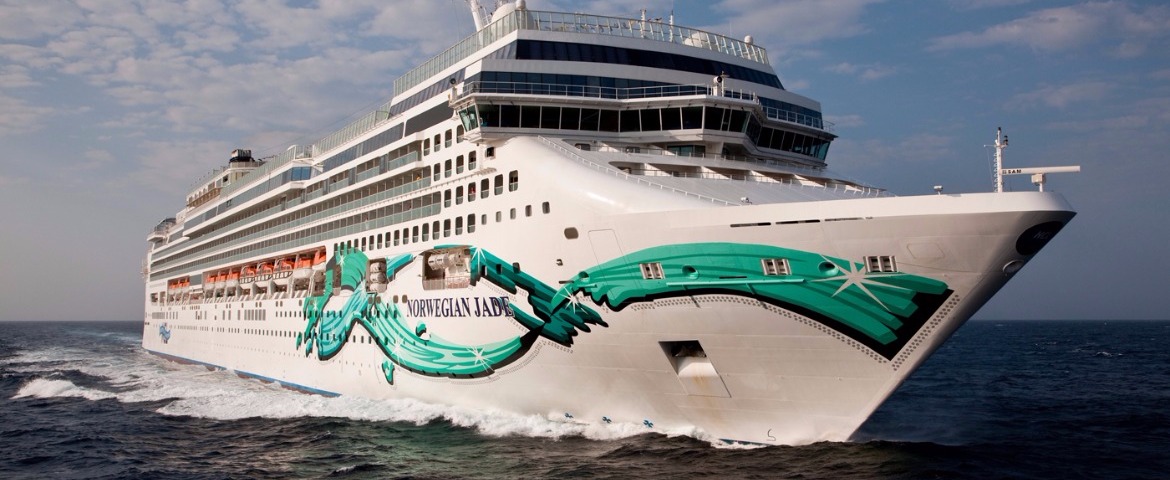
Norwegian Cruise Line (11 Cruises)

Oceania Cruises (45 Cruises)
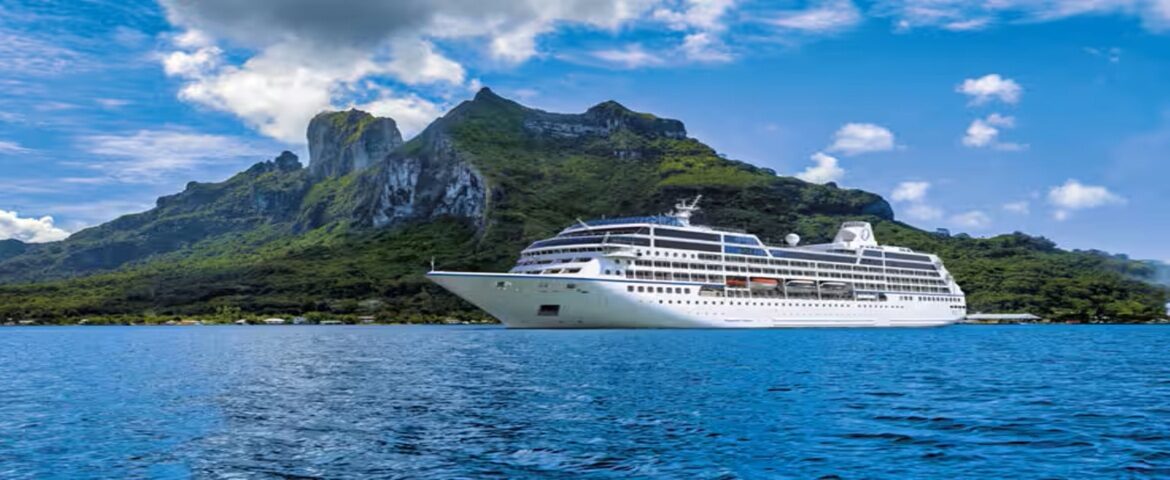
Oceania Aurelia
8 Cruises

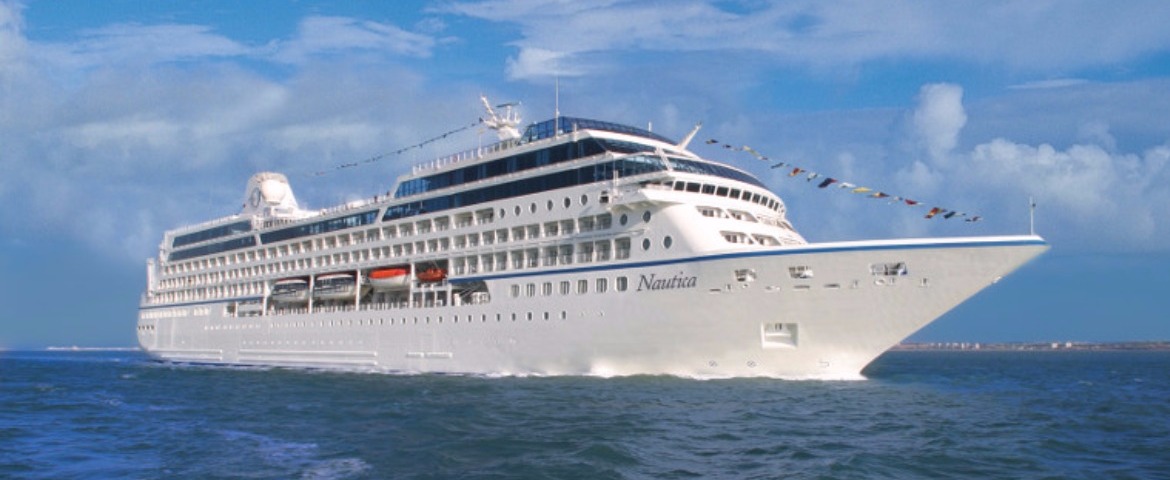
Oceania Nautica
8 Cruises
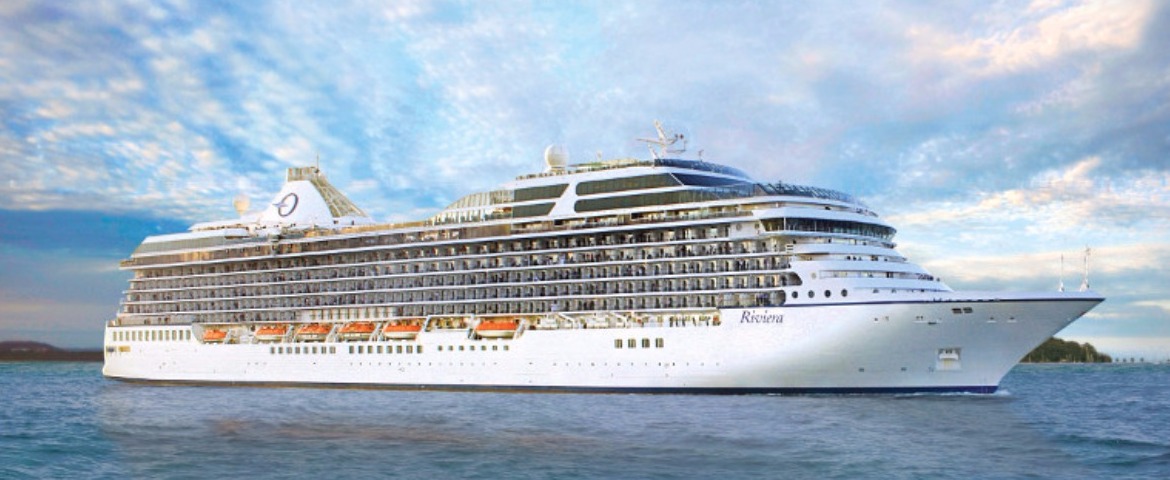
Oceania Riviera
29 Cruises
| 7 September | 32 days | One-way from Seattle to Tokyo |
450-628-6241
Call us
|
| 27 September | 12 days | Round-trip from Tokyo, Japan |
450-628-6241
Call us
|
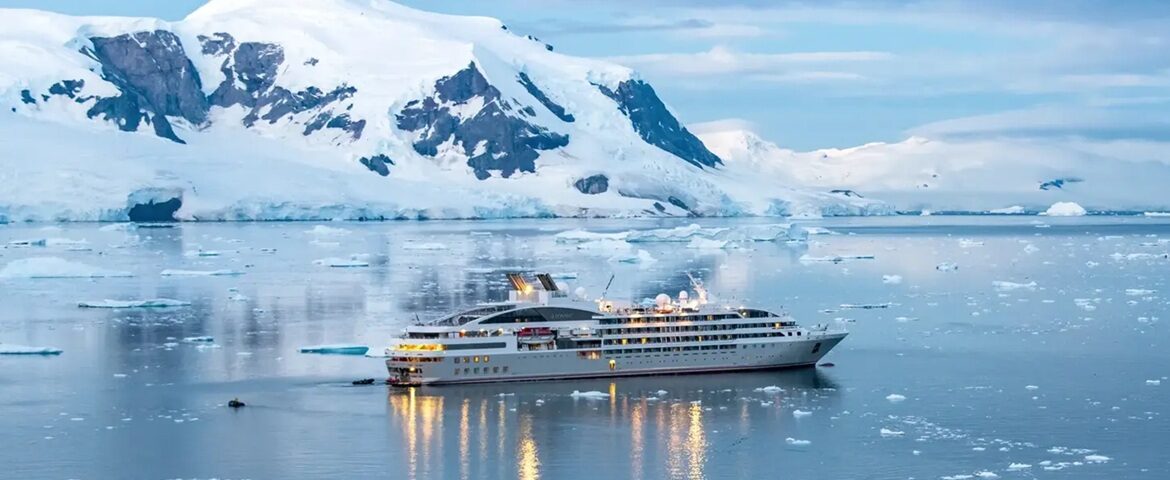
Ponant (16 Cruises)
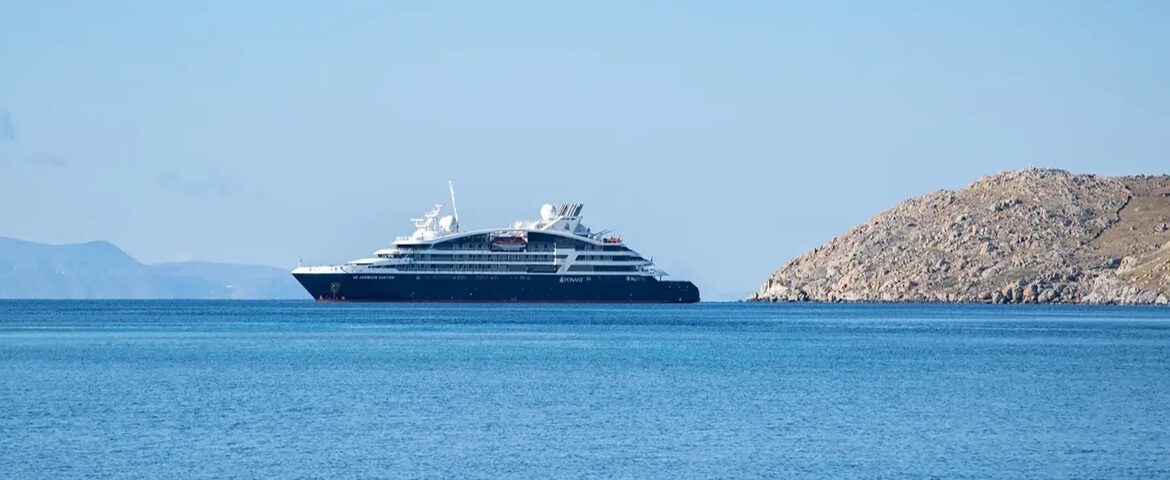
Le Jacques Cartier
6 Cruises

Princess Cruises (161 Cruises)
Coral Princess
9 Cruises

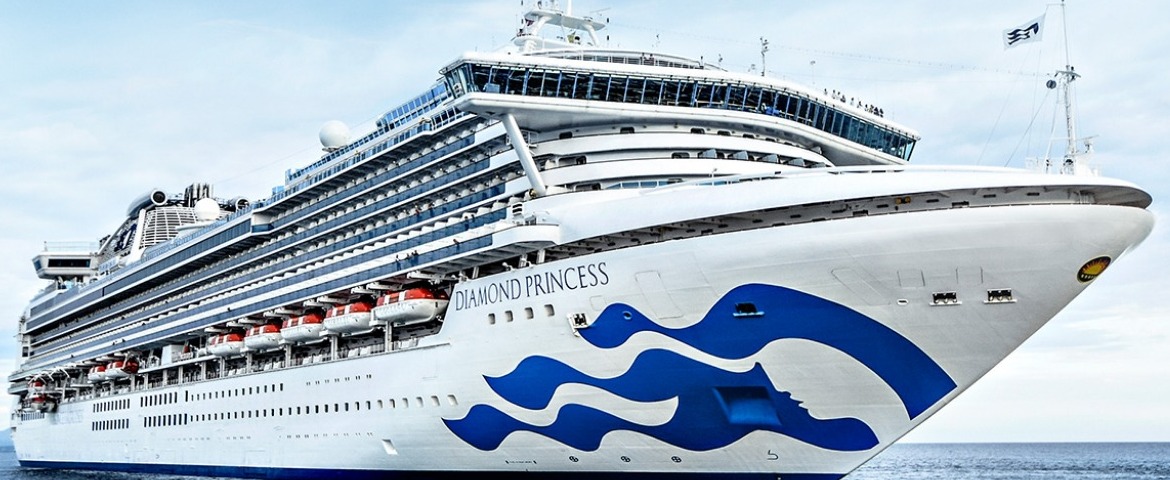
Diamond Princess
71 Cruises
| 28 October | 15 days | Round-trip from Yokohama, Japan |
450-628-6241
Call us
|
| 28 October | 29 days | Round-trip from Yokohama, Japan |
450-628-6241
Call us
|
| 8 May | 21 days | Round-trip from Yokohama, Japan |
450-628-6241
Call us
|
| 18 May | 11 days | Round-trip from Yokohama, Japan |
450-628-6241
Call us
|
| 2 July | 20 days | Round-trip from Yokohama, Japan |
450-628-6241
Call us
|
| 2 July | 10 days | Round-trip from Yokohama, Japan |
450-628-6241
Call us
|
| 5 September | 11 days | Round-trip from Yokohama, Japan |
450-628-6241
Call us
|
| 5 September | 20 days | Round-trip from Yokohama, Japan |
450-628-6241
Call us
|
Grand Princess
14 Cruises

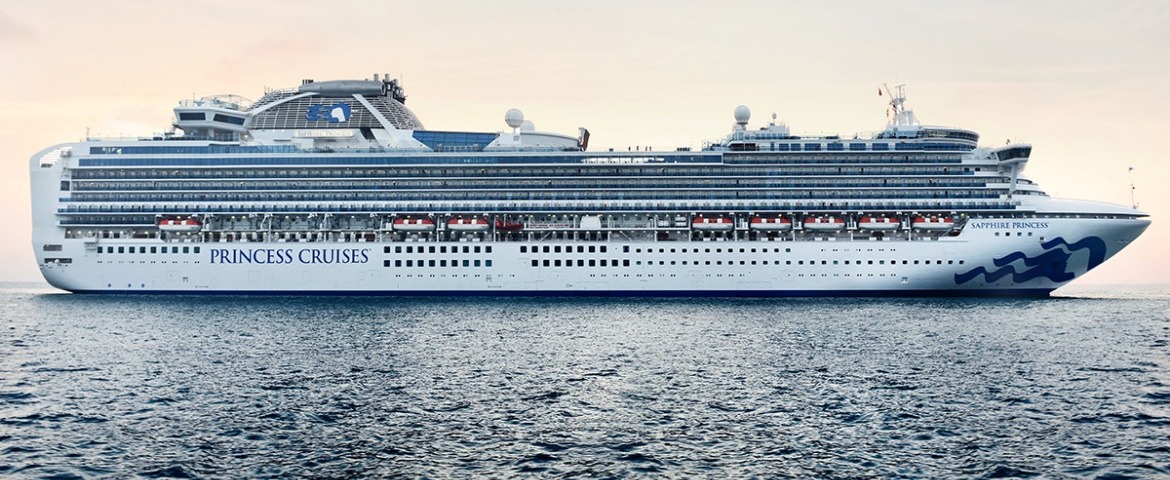
Sapphire Princess
67 Cruises
| 20 February | 25 days | One-way from Singapore to Tokyo |
450-628-6241
Call us
|
| 20 February | 26 days | One-way from Singapore to Tokyo |
450-628-6241
Call us
|
| 8 April | 25 days | Round-trip from Tokyo, Japan |
450-628-6241
Call us
|
| 21 April | 12 days | Round-trip from Tokyo, Japan |
450-628-6241
Call us
|
| 9 March | 11 days | Round-trip from Tokyo, Japan |
450-628-6241
Call us
|
| 19 March | 11 days | Round-trip from Tokyo, Japan |
450-628-6241
Call us
|
| 19 April | 17 days | Round-trip from Tokyo, Japan |
450-628-6241
Call us
|
| 28 April | 8 days | Round-trip from Tokyo, Japan |
450-628-6241
Call us
|
| 28 April | 20 days | Round-trip from Tokyo, Japan |
450-628-6241
Call us
|
Regent Seven Seas Cruises (35 Cruises)
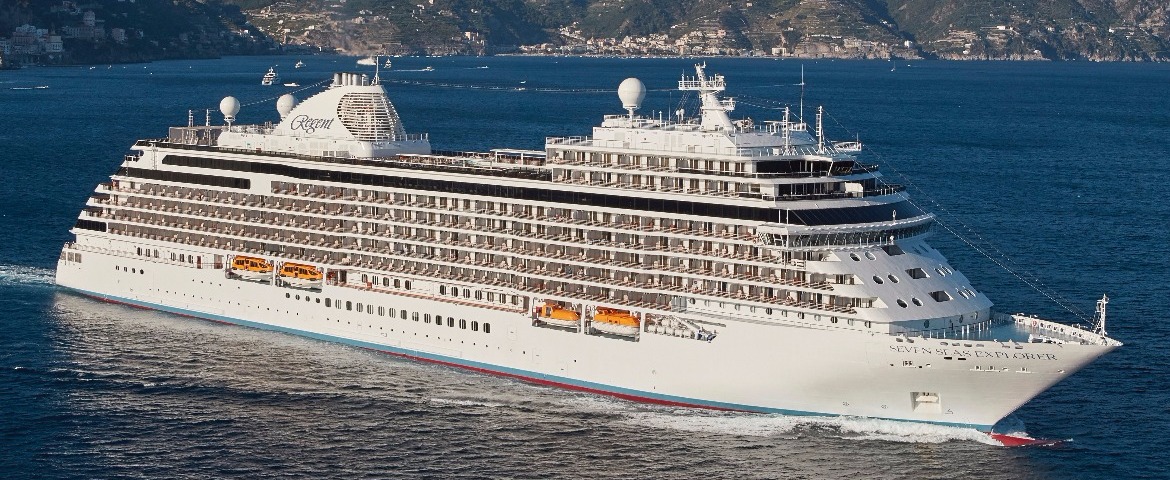
Seven Seas Explorer
19 Cruises

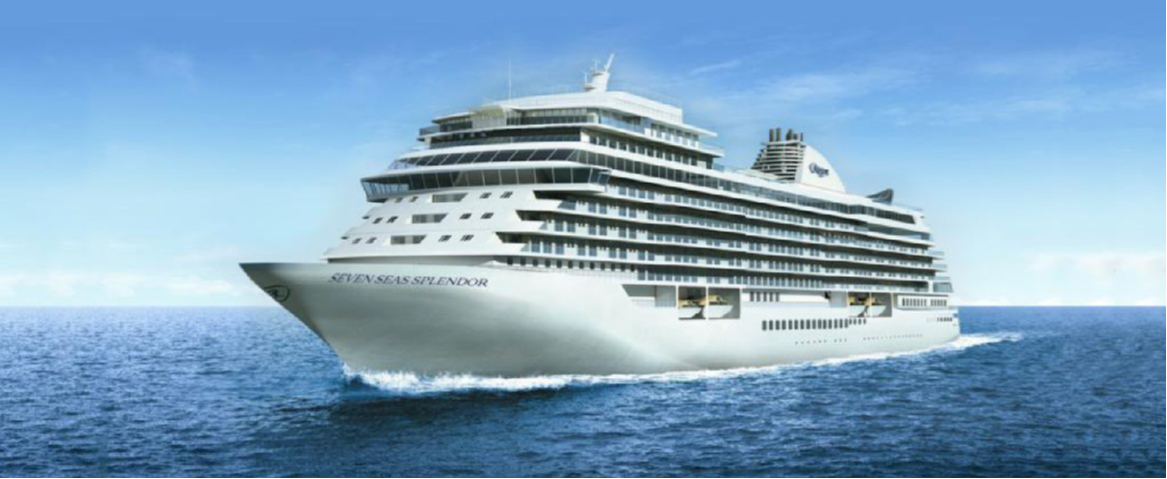
Seven Seas Splendor
12 Cruises
| 6 January | 133 days | Round-trip from San Francisco, USA |
450-628-6241
Call us
|
| 6 January | 140 days | One-way from San Francisco to Vancouver |
450-628-6241
Call us
|
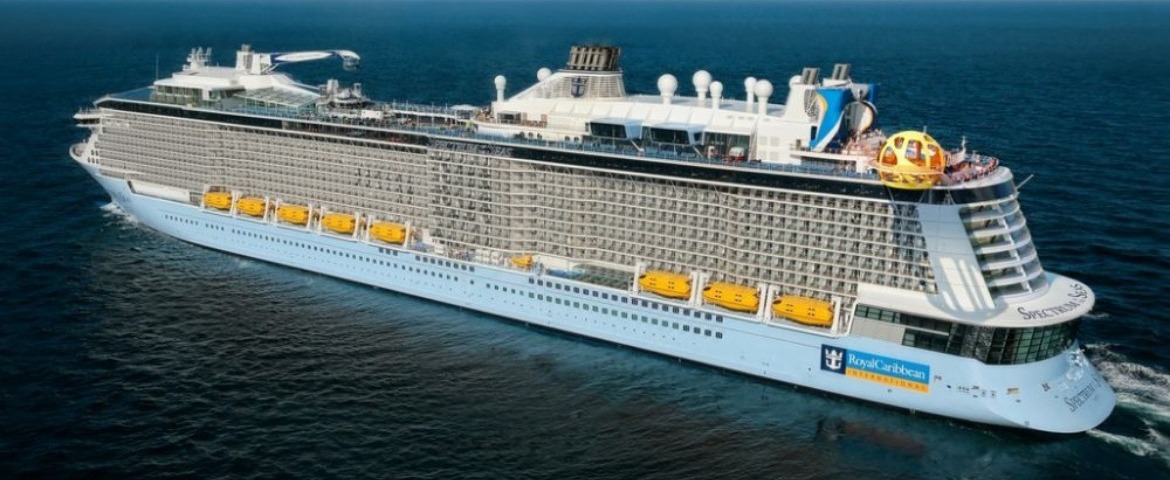
Royal Caribbean Cruises (17 Cruises)



Seabourn Cruise Line (46 Cruises)
Seabourn Encore
46 Cruises
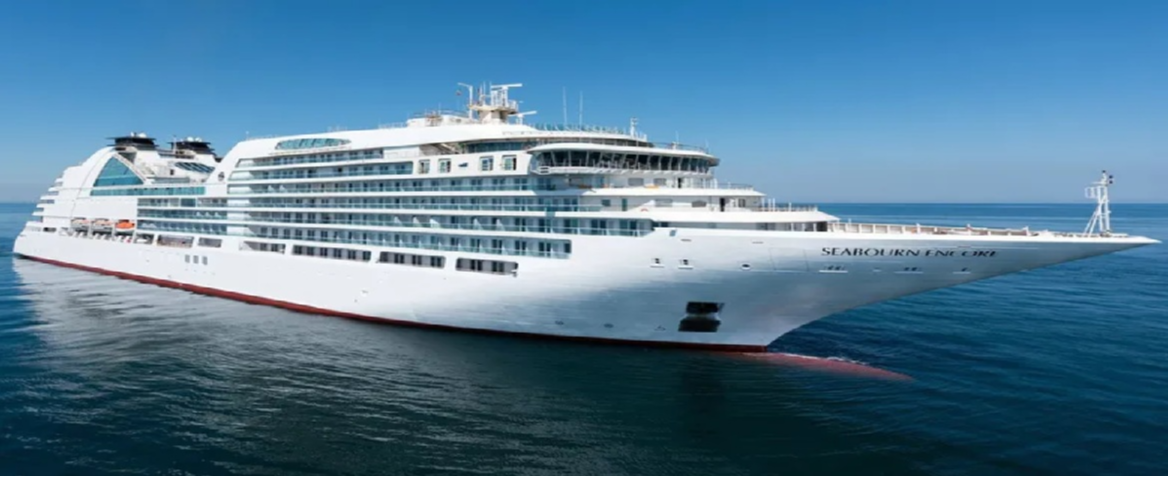

| 26 February | 28 days | Round-trip Japan South Korea Seabourn Encore Tokyo |
450-628-6241
Call us
|
| 26 February | 29 days | Round-trip from Tokyo, Japan |
450-628-6241
Call us
|
| 24 February | 28 days | Round-trip Japan South Korea Seabourn Encore Tokyo |
450-628-6241
Call us
|
| 24 February | 29 days | Round-trip from Tokyo, Japan |
450-628-6241
Call us
|
Silversea Cruises (33 Cruises)
Silver Moon
10 Cruises
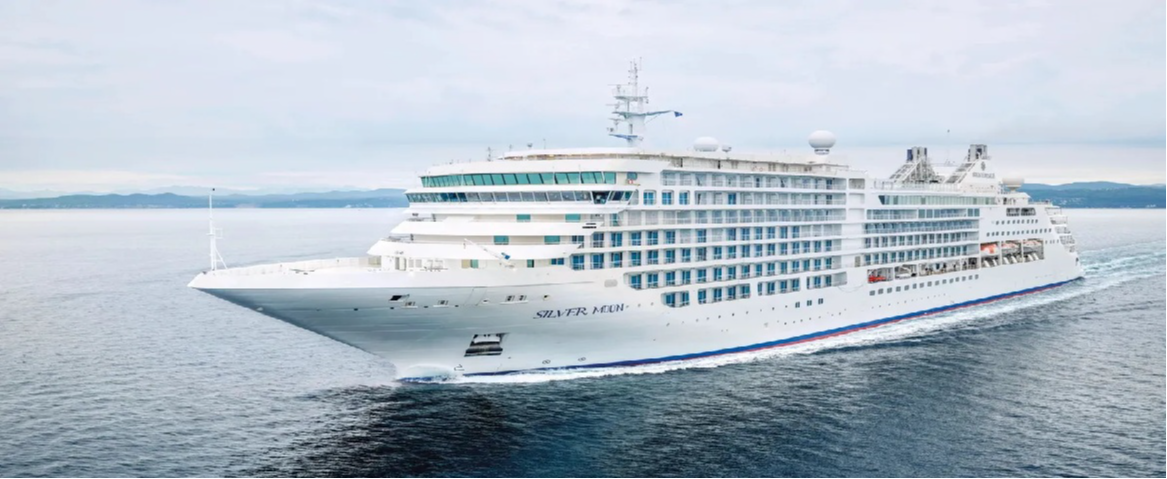

| 1 May | 27 days | One-way from Tokyo to Vancouver |
450-628-6241
Call us
|
| 1 May | 11 days | Round-trip from Tokyo, Japan |
450-628-6241
Call us
|
Silver Muse
13 Cruises
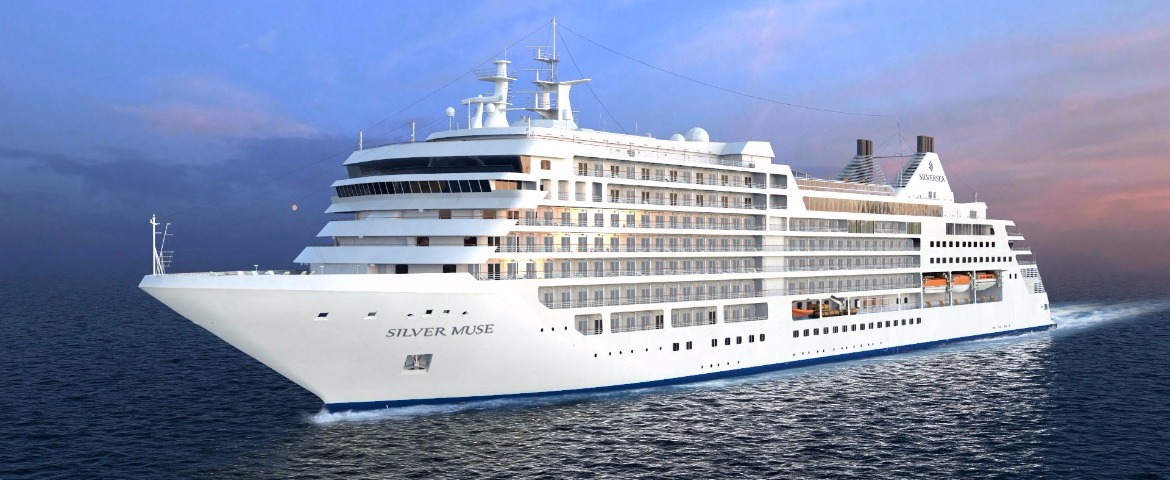
| 21 June | 13 days | Round-trip from Tokyo, Japan |
450-628-6241
Call us
|
| 21 June | 25 days | Round-trip from Tokyo, Japan |
450-628-6241
Call us
|
| 15 July | 13 days | Round-trip from Tokyo, Japan |
450-628-6241
Call us
|
| 15 July | 25 days | Round-trip from Tokyo, Japan |
450-628-6241
Call us
|
| 27 July | 13 days | Round-trip from Tokyo, Japan |
450-628-6241
Call us
|
| 8 August | 25 days | Round-trip from Tokyo, Japan |
450-628-6241
Call us
|
| 8 August | 13 days | One-way from Tokyo to Incheon |
450-628-6241
Call us
|
Silver Whisper
10 Cruises
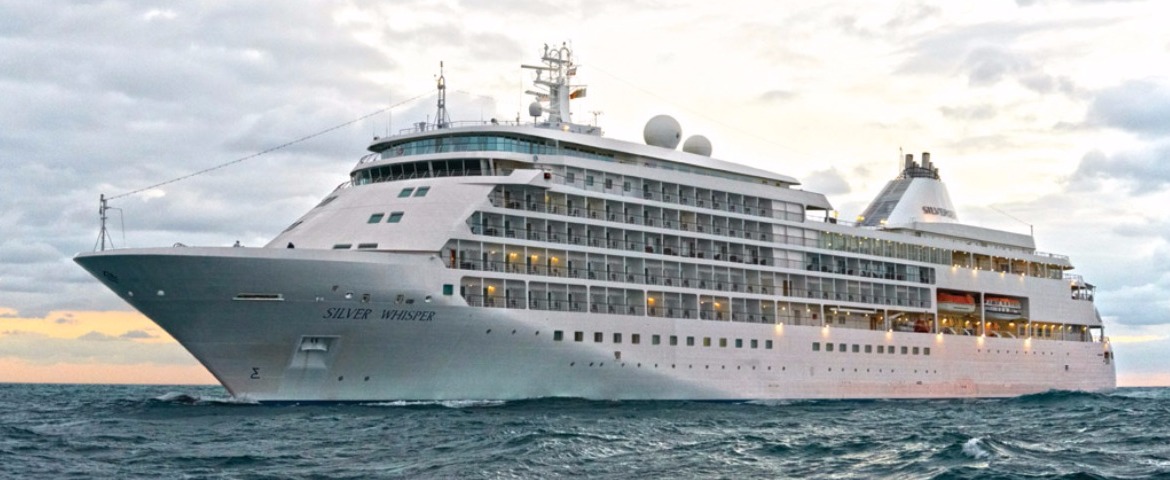
| 18 June | 14 days | One-way from Tokyo to Incheon |
450-628-6241
Call us
|
| 18 June | 26 days | Round-trip from Tokyo, Japan |
450-628-6241
Call us
|
| 13 July | 27 days | Round-trip from Tokyo, Japan |
450-628-6241
Call us
|
| 13 July | 13 days | Round-trip from Tokyo, Japan |
450-628-6241
Call us
|
Viking Ocean Cruises (48 Cruises)
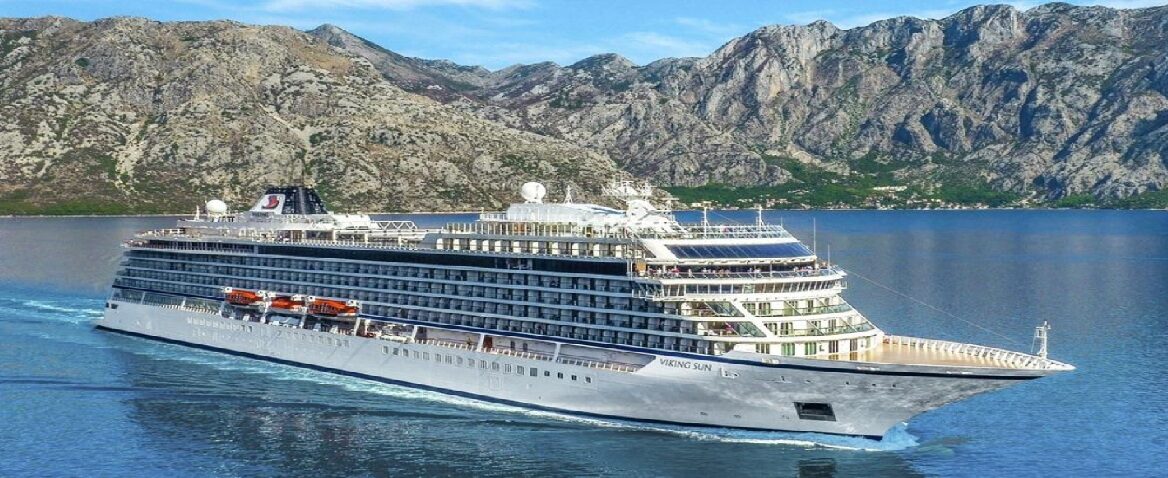

Viking Orion
21 Cruises

| 23 February | 91 days | One-way from Auckland to Vancouver |
450-628-6241
Call us
|
| 23 February | 90 days | One-way from Auckland to Vancouver |
450-628-6241
Call us
|
| 8 March | 77 days | One-way from Sydney to Vancouver |
450-628-6241
Call us
|
| 8 March | 78 days | One-way from Sydney to Vancouver |
450-628-6241
Call us
|
Viking Venus
25 Cruises


Port of Kagoshima | Cruise Port Guide
Frequently Asked Questions
At Marine Port, a waterfront terminal halfway between the city and the Sakurajima volcano. Free shuttles run at regular intervals into town: allow thirty to forty-five minutes depending on traffic, or take a taxi to be quicker.
It is active and has smoked almost continuously for over a century, yet the city lives at its foot without alarm. Residents check the wind direction the way you check the weather and brush ash off their windscreens. The maintained trails keep well clear of the crater.
By ferry, which leaves from a pier near the centre and crosses the channel in about fifteen minutes for roughly 190 yen, running frequently all day. On the far shore, trails wind through the lava fields and an observatory faces the crater.
A sacred gate buried up to its lintel by the 1914 eruption, on the flank of Sakurajima. It was left exactly as it was, as a memorial: it is the clearest image of what the volcano can do, and it needs no commentary.
The estate of the Shimadzu lords, created in 1658 about twenty minutes by road from the terminal. It applies the Japanese principle of borrowed scenery on a grand scale: the bay becomes its pond, Sakurajima its ornamental mountain. A lordly residence, carp pools and lookouts complete the visit.
Choose: either the ferry to the volcano with the observatory and the foot bath, or Sengan-en and the Tenmonkan arcades. Both together only work if the call runs longer than eight hours.
Kurobuta black pork, served breaded or simmered, and shirokuma, a mountain of shaved ice under condensed milk and fruit that takes the edge off hot southern afternoons. Both are found in the covered Tenmonkan arcades.
Kagoshima's regional spirit and local pride, which izakayas offer from dozens of distilleries. It is drunk cut with hot water or over ice, and it is the best liquid souvenir to bring back from the call.
A complex hero of the Meiji era, born in the Satsuma domain, Kagoshima's former name. His statue in uniform stands near the central park. Shiroyama hill, where he fought his last battle in 1877, is climbed by a shaded walk under camphor trees.
From the terrace at the top of Shiroyama, taking in the rooftops, the bay and the plume of the cone. Early risers meet residents doing their stretches facing the view, proof that the sight never grows old.


