Hobart Tasmania Australia
Australia
235
Cruises availables
At departure or passage at this port
Aurora Expeditions (1 Cruises)


Azamara Club Cruises (23 Cruises)
Azamara Onward
7 Cruises
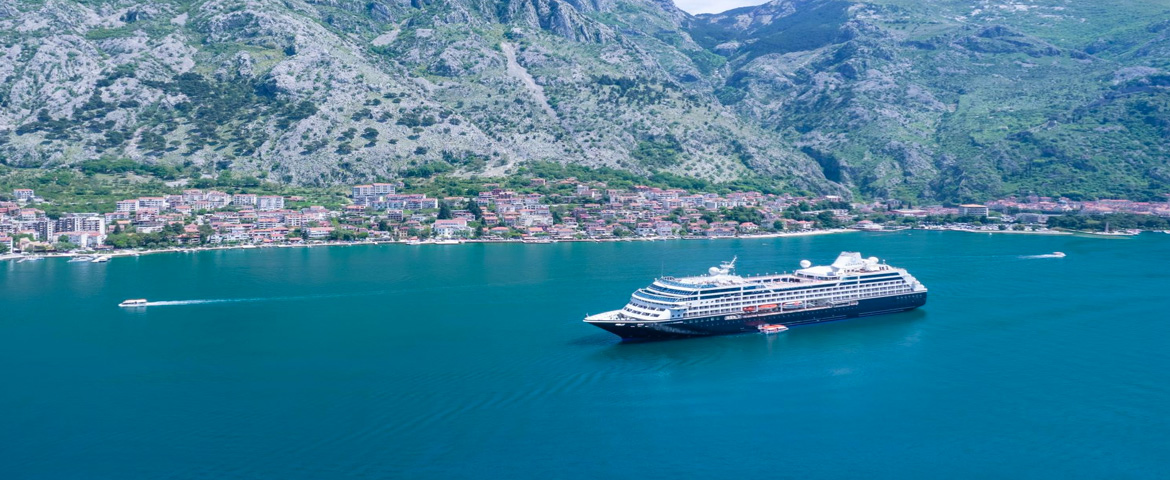

Azamara Pursuit
11 Cruises
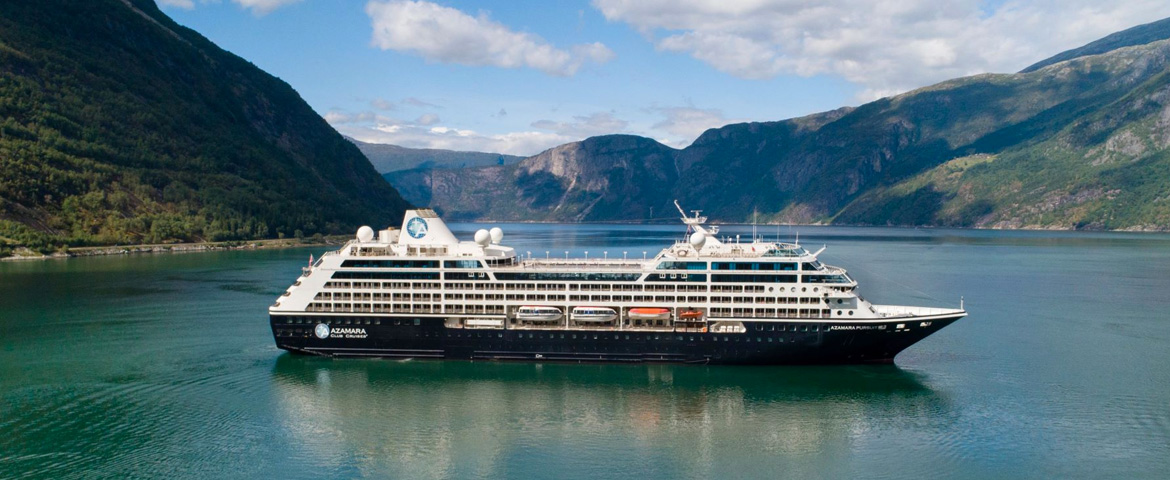
Azamara Quest
5 Cruises
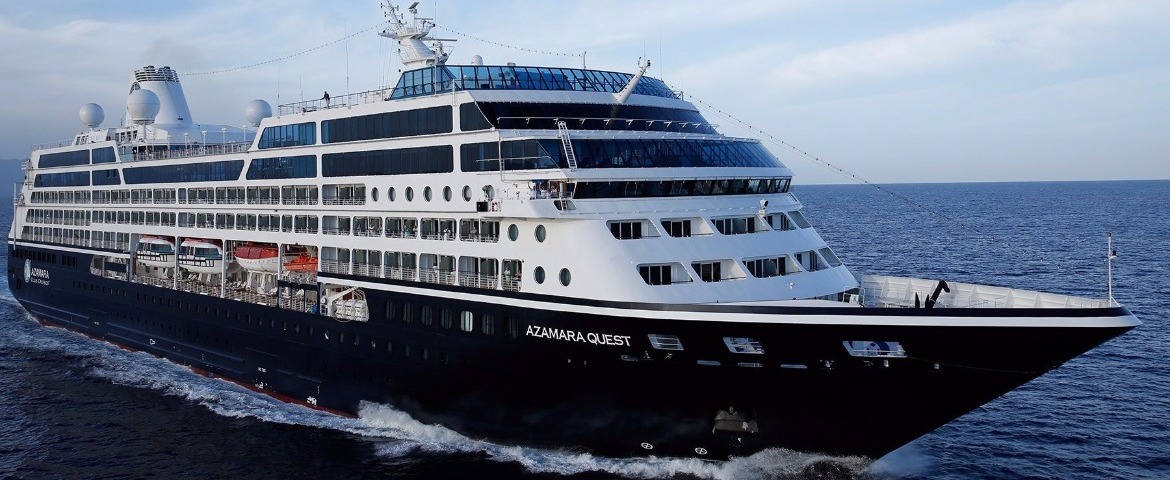





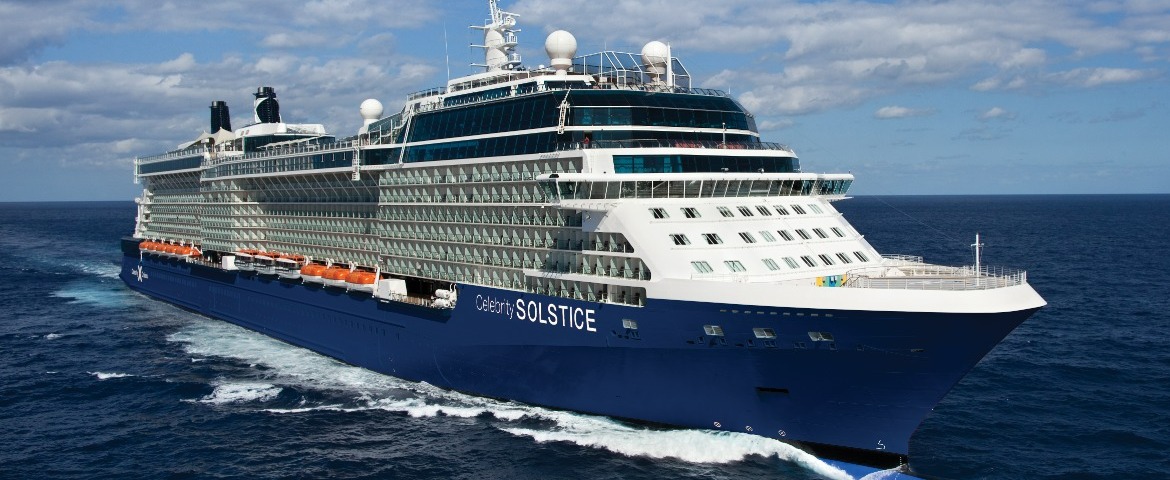
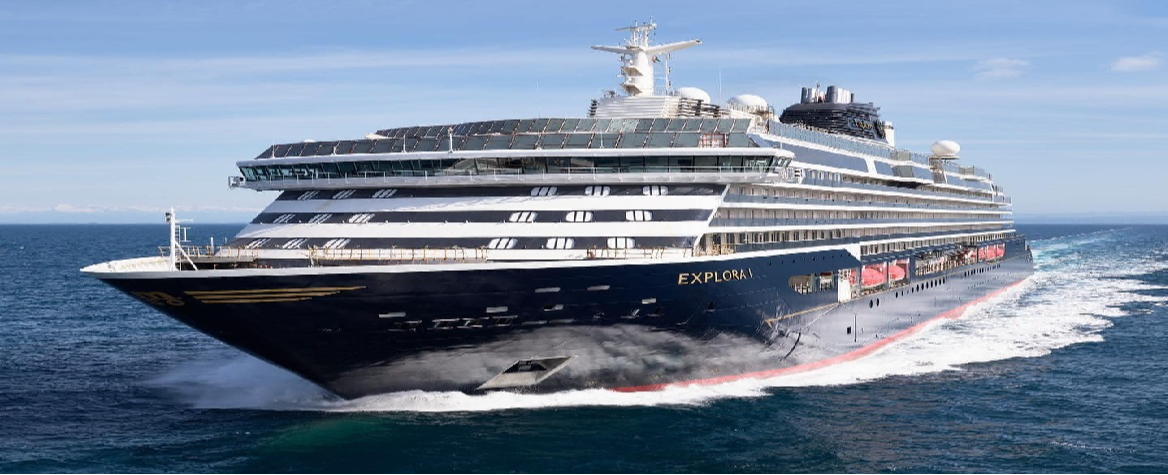
Explora Journeys (3 Cruises)

Holland America Line (23 Cruises)
ms Noordam
10 Cruises
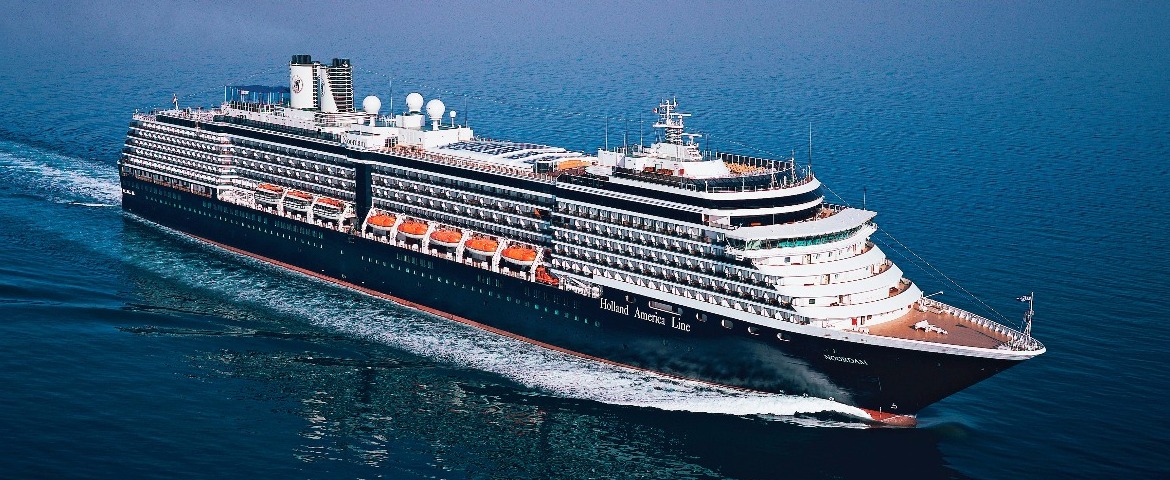

ms Westerdam
13 Cruises
Lindblad Expeditions (2 Cruises)

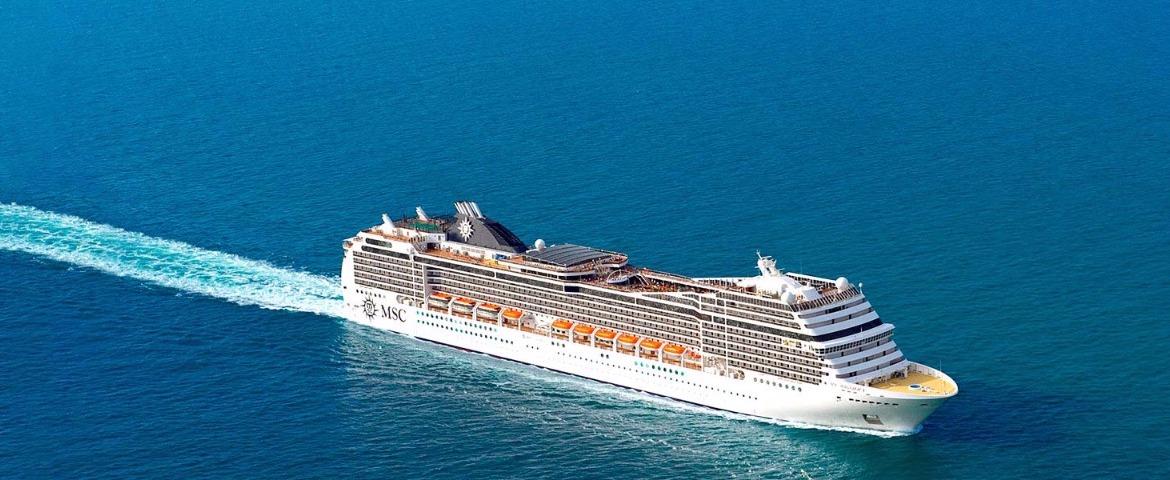
MSC Cruises (10 Cruises)
MSC Magnifica
10 Cruises

Norwegian Cruise Line (5 Cruises)


Oceania Cruises (15 Cruises)
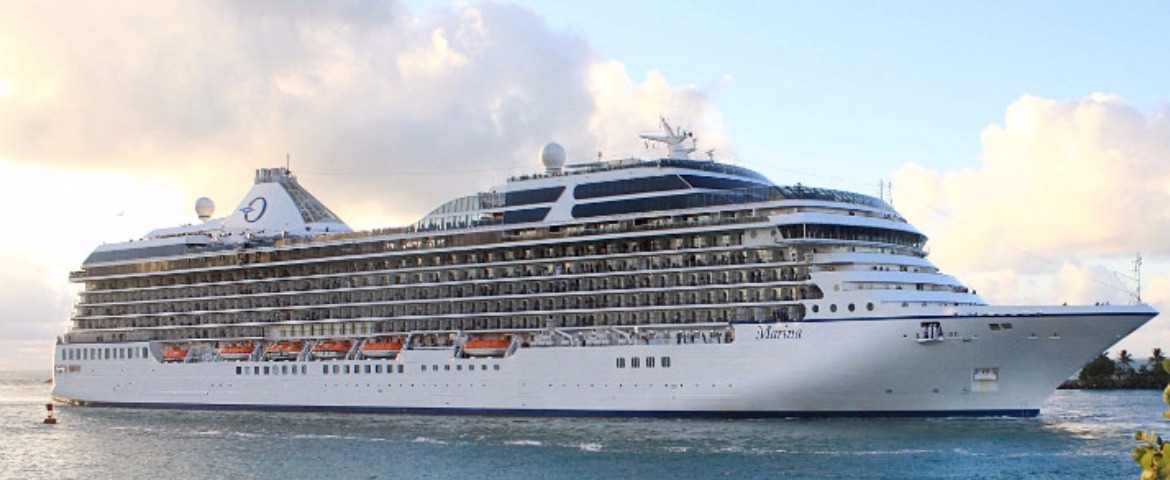
Oceania Marina
7 Cruises

| 7 January | 29 days | One-way from Benoa to Auckland |
450-628-6241
Call us
|
| 21 January | 15 days | One-way from Sydney to Auckland |
450-628-6241
Call us
|
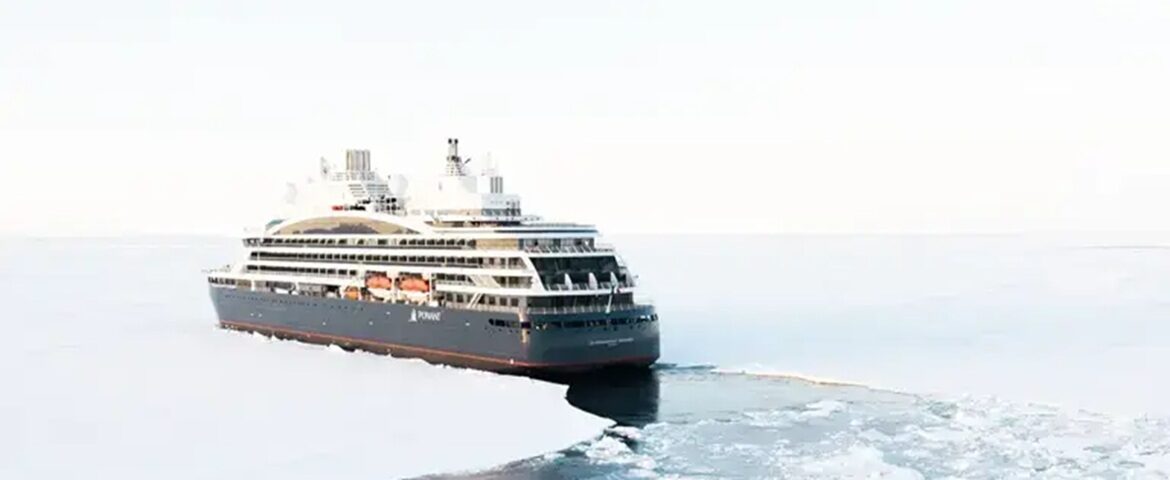
Ponant (2 Cruises)

Princess Cruises (37 Cruises)
Coral Princess
11 Cruises


Grand Princess
12 Cruises

| 20 January | 13 days | Round-trip from Brisbane, Australia |
450-628-6241
Call us
|
| 20 January | 12 days | Round-trip Australia Grand Princess Brisbane |
450-628-6241
Call us
|
Royal Princess
12 Cruises

Regent Seven Seas Cruises (21 Cruises)

Seven Seas Mariner
12 Cruises
Royal Caribbean Cruises (2 Cruises)


Seabourn Cruise Line (12 Cruises)
Seabourn Quest
12 Cruises
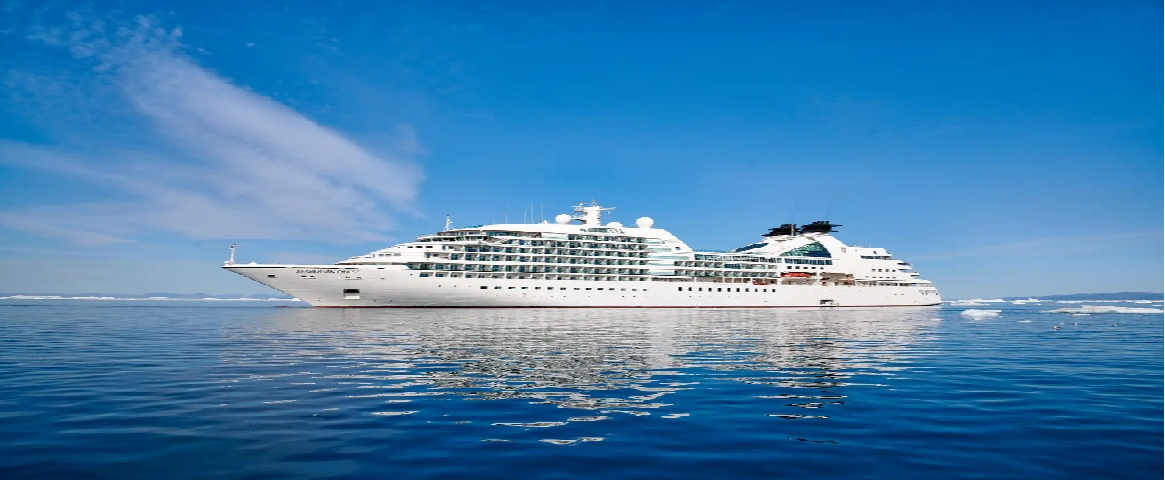

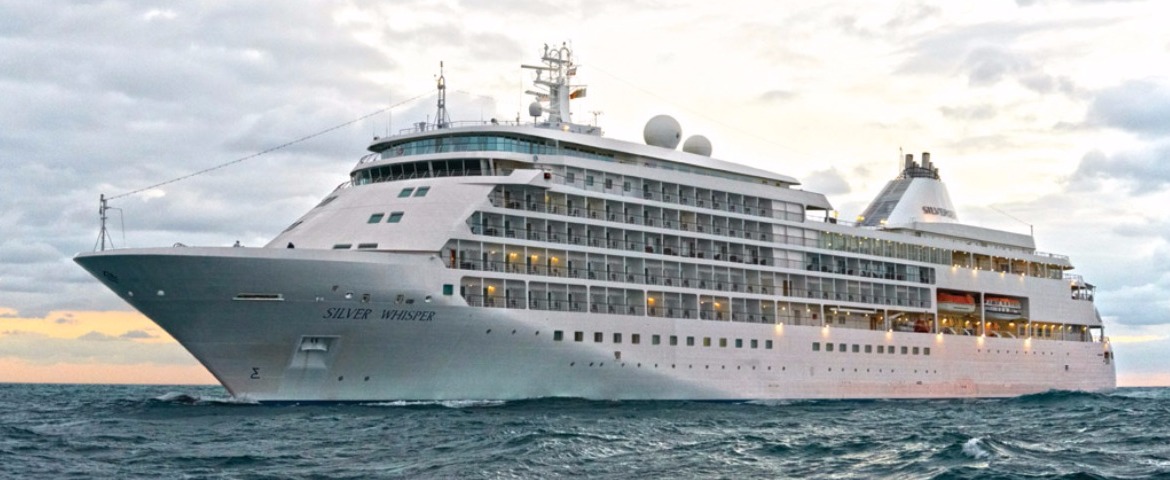
Silversea Cruises (15 Cruises)
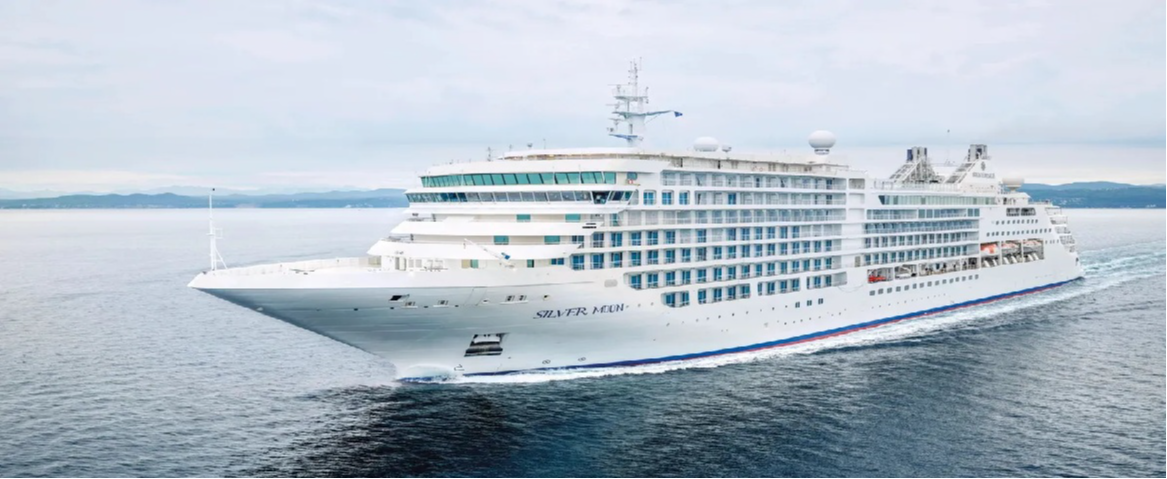
Silver Moon
13 Cruises

Viking Ocean Cruises (49 Cruises)
Viking Orion
21 Cruises


| 21 September | 92 days | One-way from Vancouver to Auckland |
450-628-6241
Call us
|
| 21 September | 93 days | One-way from Vancouver to Auckland |
450-628-6241
Call us
|
Viking Venus
28 Cruises

| 4 January | 13 days | One-way from Auckland to Sydney |
450-628-6241
Call us
|
| 18 January | 13 days | One-way from Sydney to Auckland |
450-628-6241
Call us
|
| 1 February | 13 days | One-way from Auckland to Sydney |
450-628-6241
Call us
|
| 15 February | 13 days | One-way from Sydney to Auckland |
450-628-6241
Call us
|
| 7 September | 92 days | One-way from Vancouver to Auckland |
450-628-6241
Call us
|
| 7 September | 93 days | One-way from Vancouver to Auckland |
450-628-6241
Call us
|
| 7 January | 13 days | One-way from Auckland to Sydney |
450-628-6241
Call us
|
| 21 January | 13 days | One-way from Sydney to Auckland |
450-628-6241
Call us
|

Port of Hobart | Cruise Port Guide
Frequently Asked Questions
At Macquarie Wharf, less than a kilometre from the city centre, after coming up the Derwent estuary. About fifteen minutes on foot brings you to the first streets, with no shuttle or transfer needed.
A row of golden sandstone warehouses built in the 1830s for the wool and whale oil trade. Galleries, craft workshops, bookshops and cafés now fill the vaults. On Saturdays a large open-air market takes over the esplanade.
Island produce: turned timber, leatherwood honey, lavender and Tasmanian growers' stalls. The market runs on Saturdays only — a weekday call finds the vaults open but the esplanade quiet.
The old sailors' quarter, reached by Kelly's Steps behind Salamanca. Its tight-packed cottages, overflowing gardens and the small circular green of Arthur Circus make a village within the city, remarkably intact.
The harbour basins and Constitution Dock, Salamanca Place, the climb up Kelly's Steps to Battery Point, then the Tasmanian Museum and Art Gallery a few steps from the terminal. All of it on foot.
Yes, in about half an hour by fast catamaran from Brooke Street Pier. The Museum of Old and New Art is buried in a sandstone cliff upriver on the Derwent, and its provocative collection leaves nobody indifferent. Tickets go quickly on call days: book ahead.
Yes, in clear weather: about half an hour by road from the centre to the summit of kunanyi/Mount Wellington, 1,271 metres. Bring something warm — it can be ten degrees colder up there, with a biting wind even in January.
The whole island: extinct wildlife including the Tasmanian tiger, colonial art and Aboriginal culture, all free to enter. Nearby, the replica of Douglas Mawson's Antarctic expedition huts is a reminder that Hobart remains a major departure port for the white continent.
Fried fish from the floating punts at Constitution Dock, eaten facing the water among opportunistic gulls. Fishing boats and yachts share the basin, minutes from the terminal.
The southern summer, November to March: long days, Salamanca Market in full swing and the summit of Mount Wellington more often clear. Even then the mountain can dust itself with snow — Tasmania keeps the last word on weather.


