Keelung Taipei City, Taiwan China
Taiwan
373
Cruises availables
At departure or passage at this port
Azamara Club Cruises (17 Cruises)
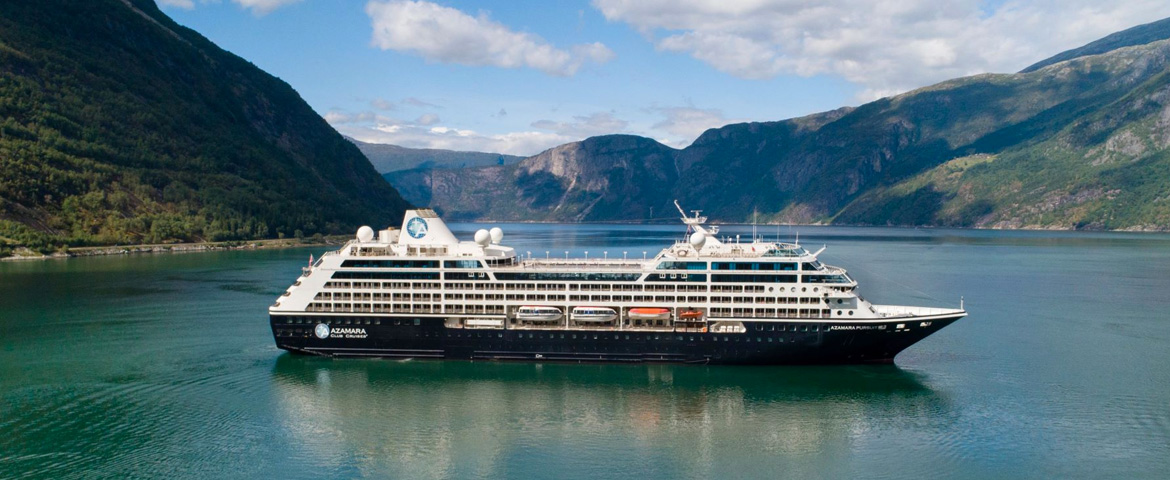
Azamara Pursuit
12 Cruises


Costa Cruises (32 Cruises)
Costa Deliziosa
32 Cruises
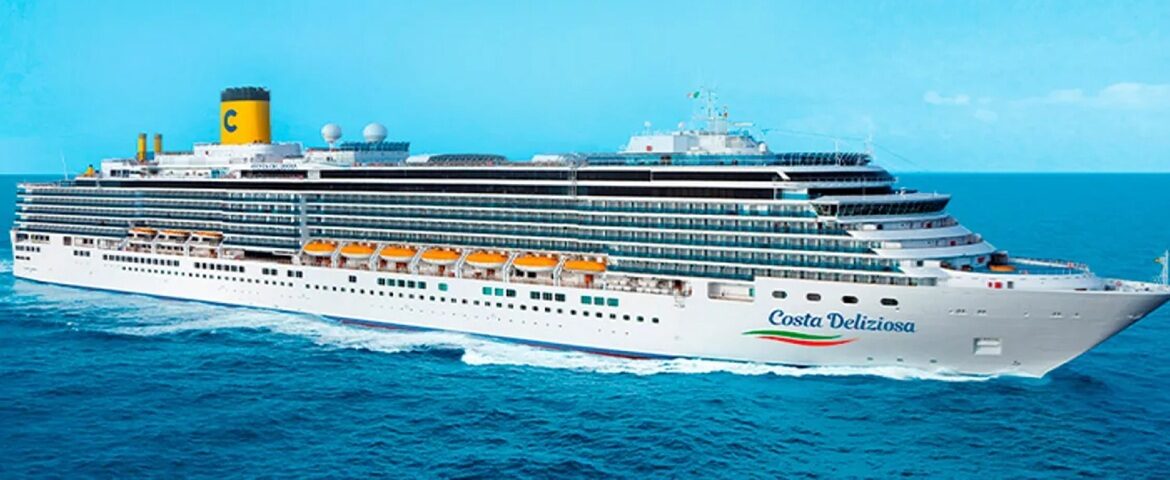

Emerald Waterways (5 Cruises)
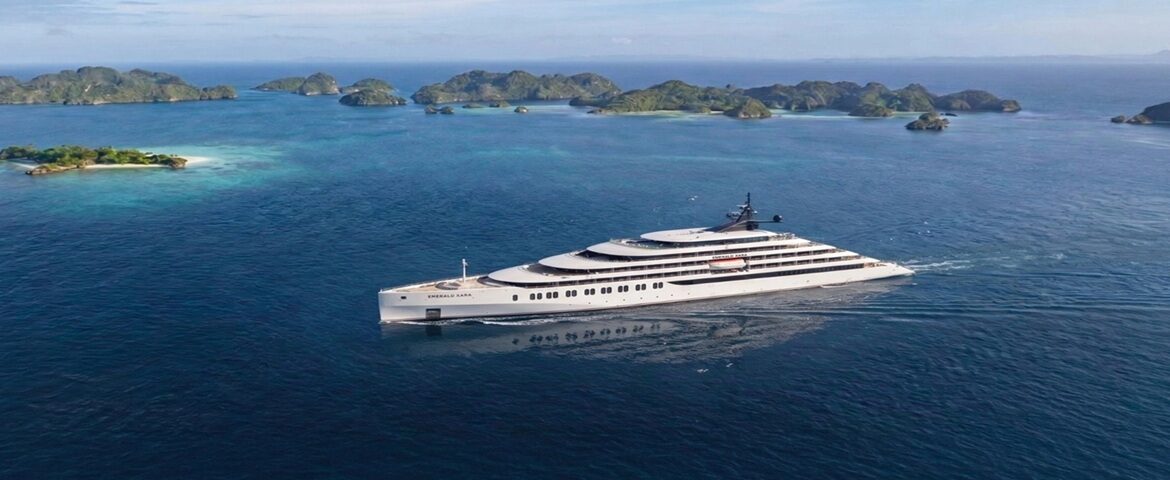

Explora Journeys (6 Cruises)
Explora III
6 Cruises
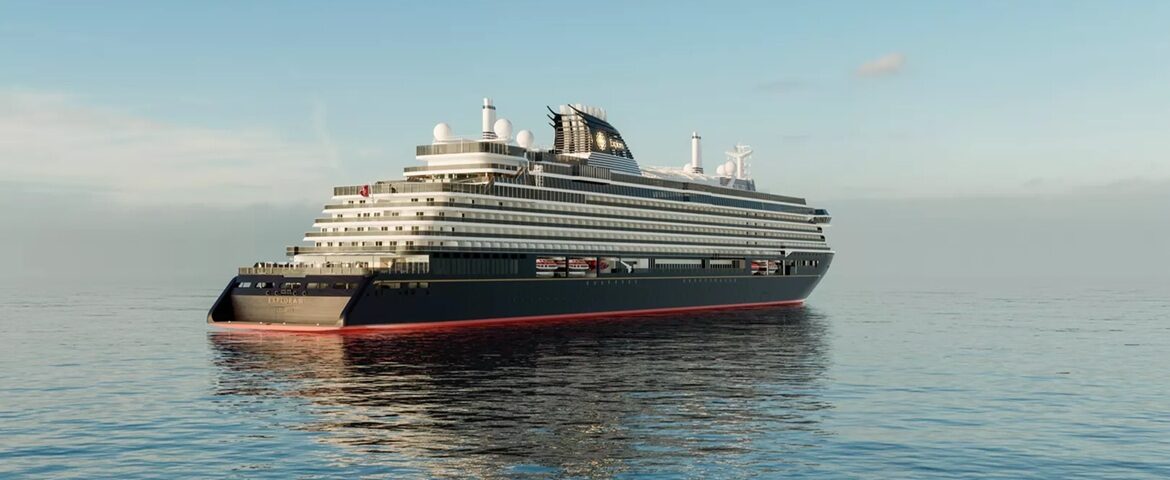

Holland America Line (2 Cruises)
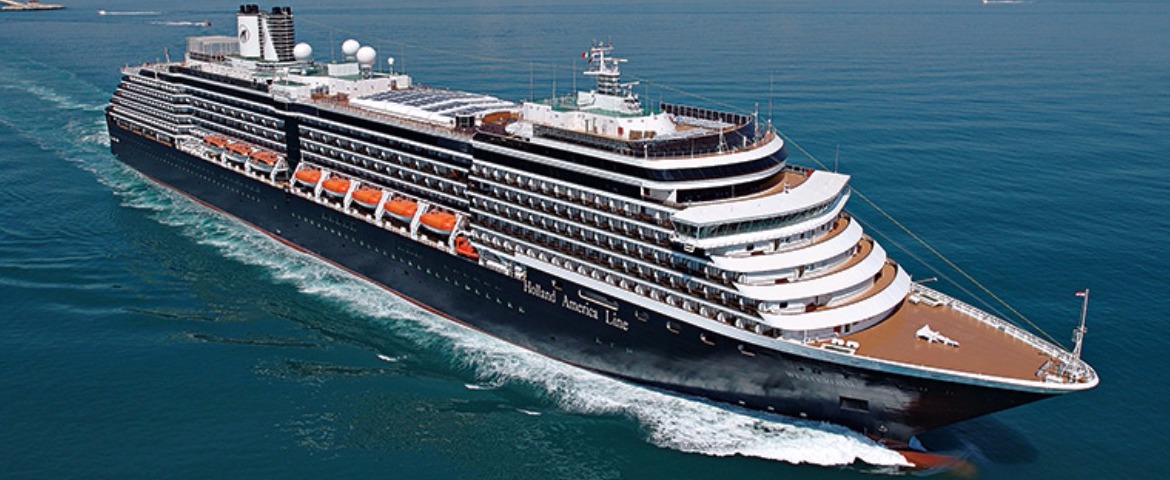

MSC Cruises (29 Cruises)
MSC Bellissima
29 Cruises
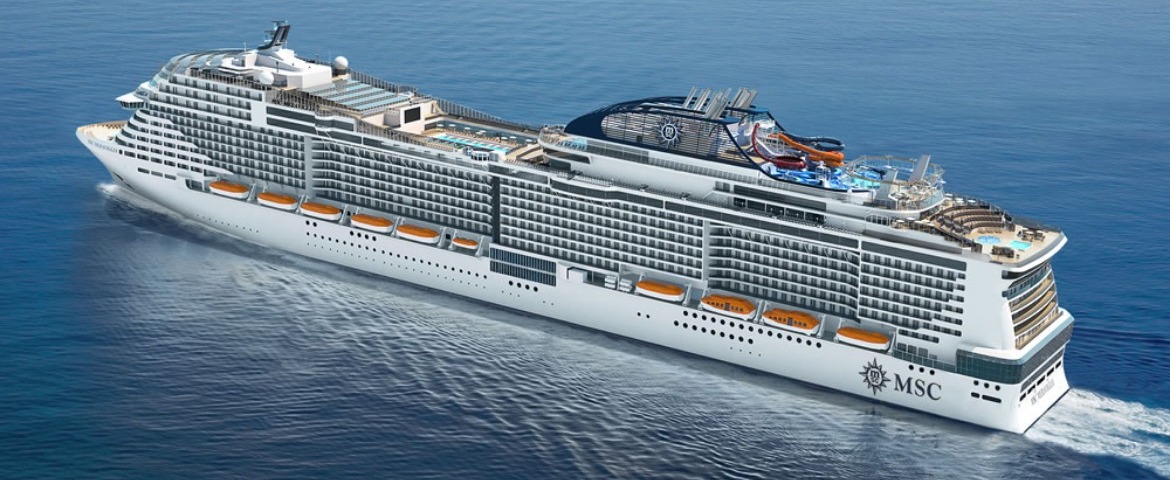

Norwegian Cruise Line (6 Cruises)
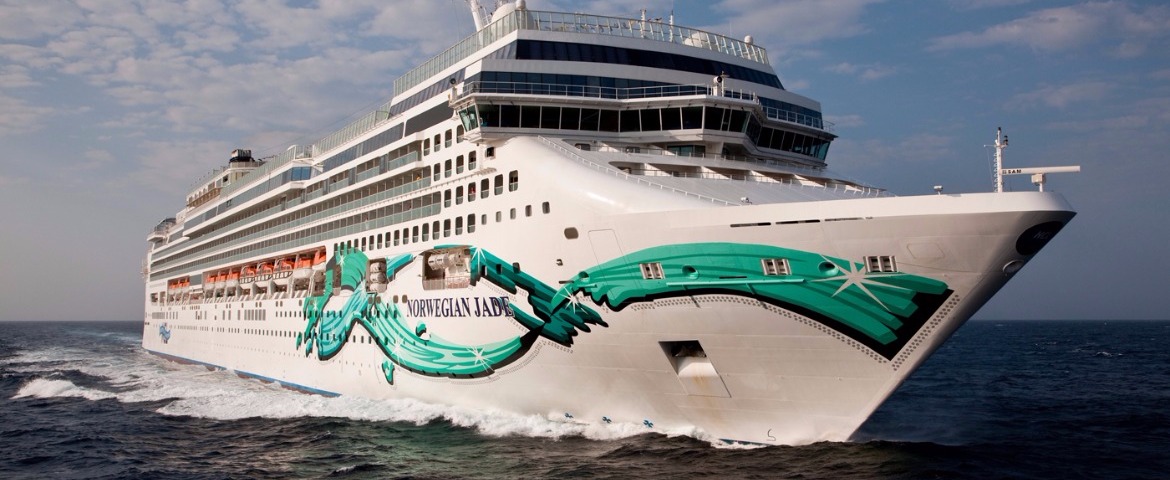

Oceania Cruises (42 Cruises)
Oceania Aurelia
6 Cruises
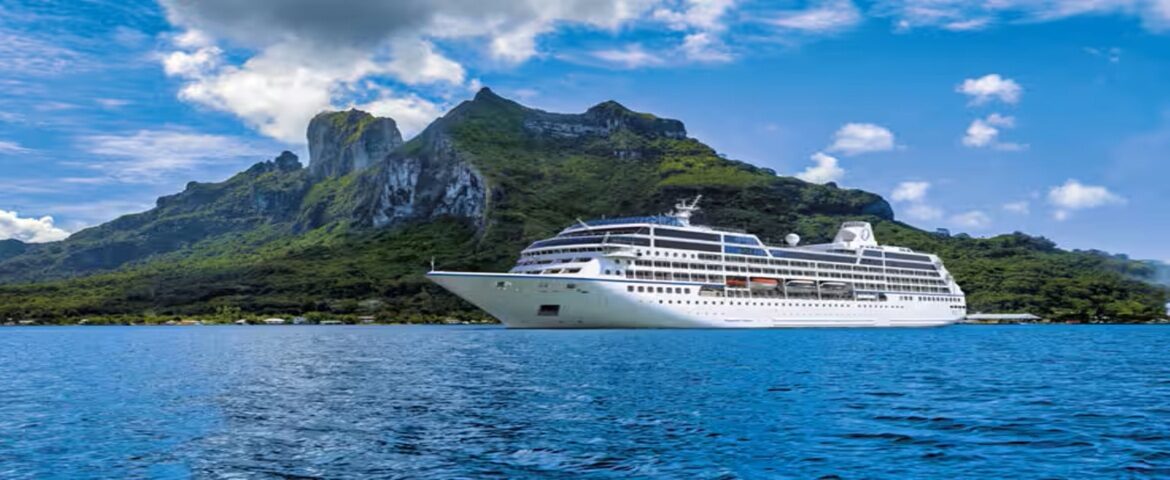

Oceania Nautica
6 Cruises
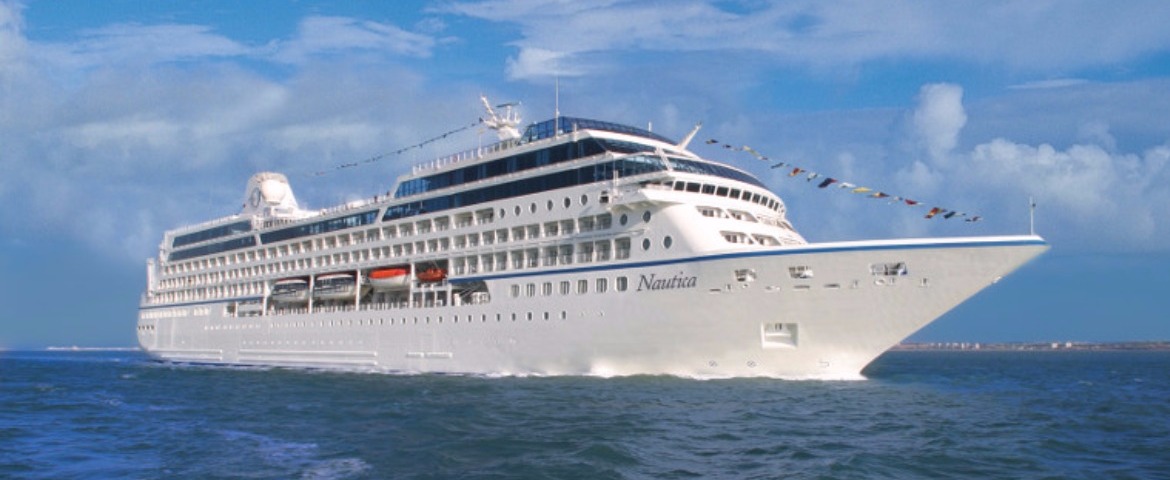
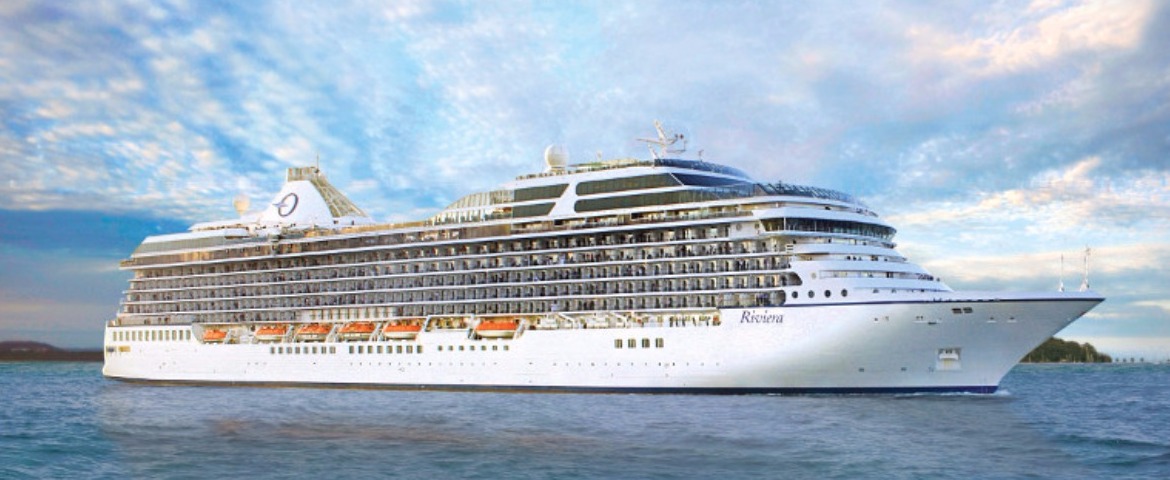
Oceania Riviera
21 Cruises
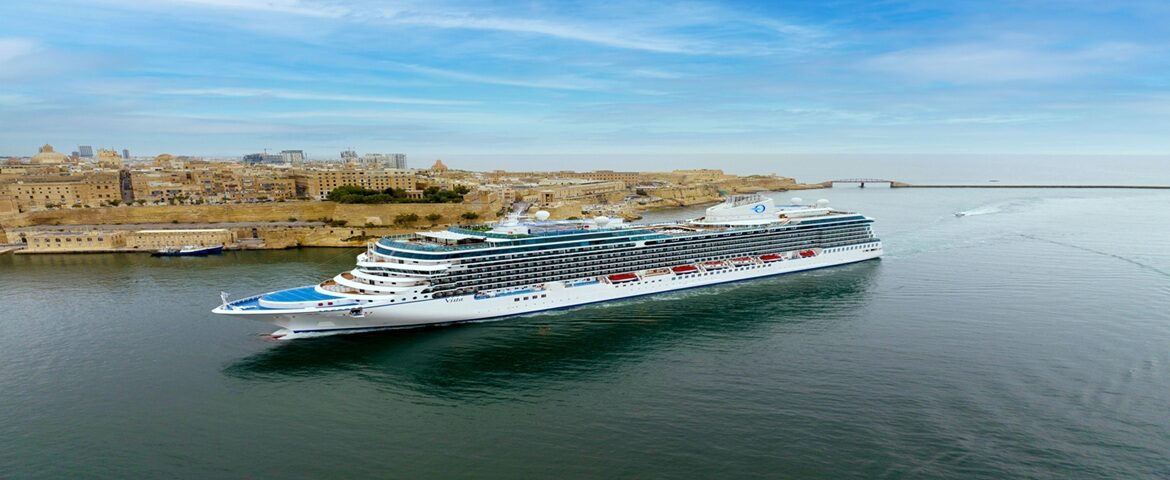
Oceania Vista
9 Cruises
| 6 January | 244 days | One-way from Miami to New York |
450-628-6241
Call us
|
| 6 January | 180 days | One-way from Miami to Southampton |
450-628-6241
Call us
|
Ponant (17 Cruises)
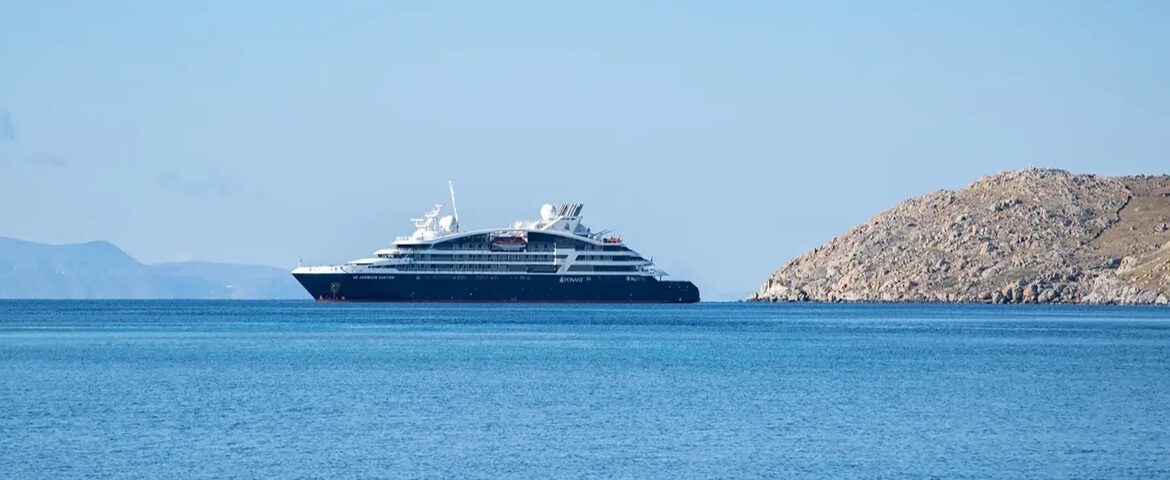

Le Soleal
11 Cruises
| 17 May | 4 days | One-way from Busan to Keelung |
450-628-6241
Call us
|
| 20 May | 13 days | One-way from Keelung to Singapore |
450-628-6241
Call us
|
Princess Cruises (66 Cruises)
Coral Princess
9 Cruises


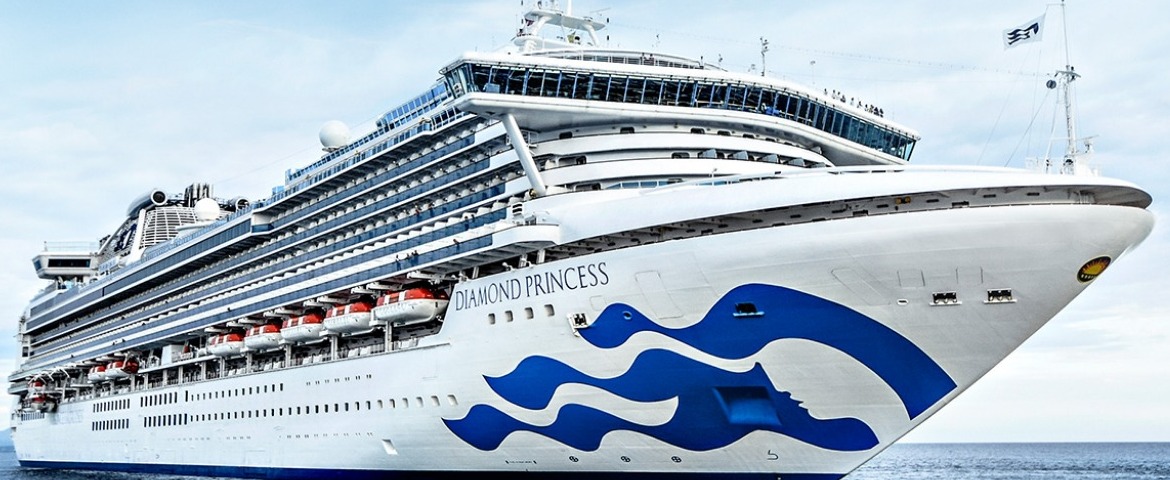
Diamond Princess
22 Cruises
Grand Princess
14 Cruises

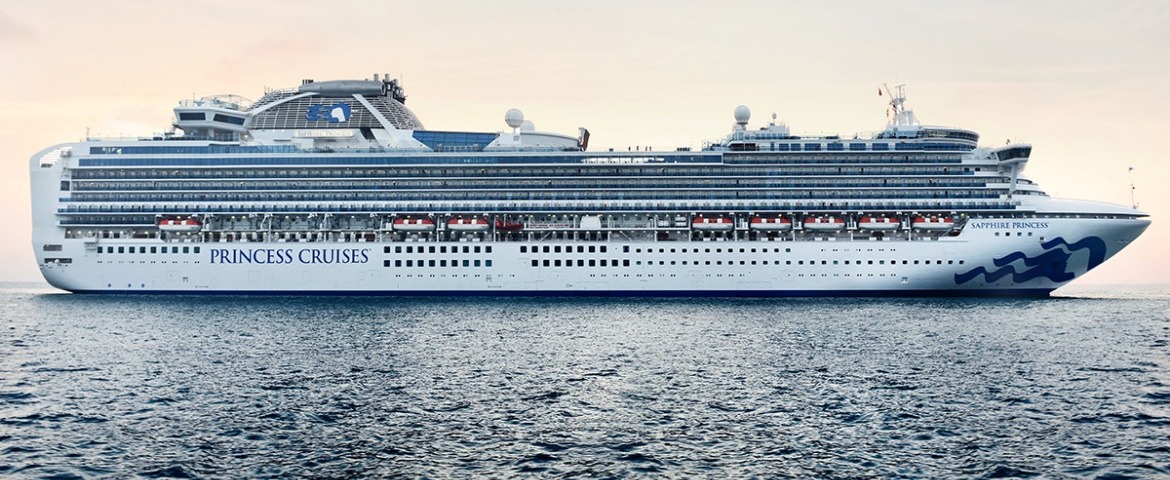
Sapphire Princess
21 Cruises
Regent Seven Seas Cruises (44 Cruises)
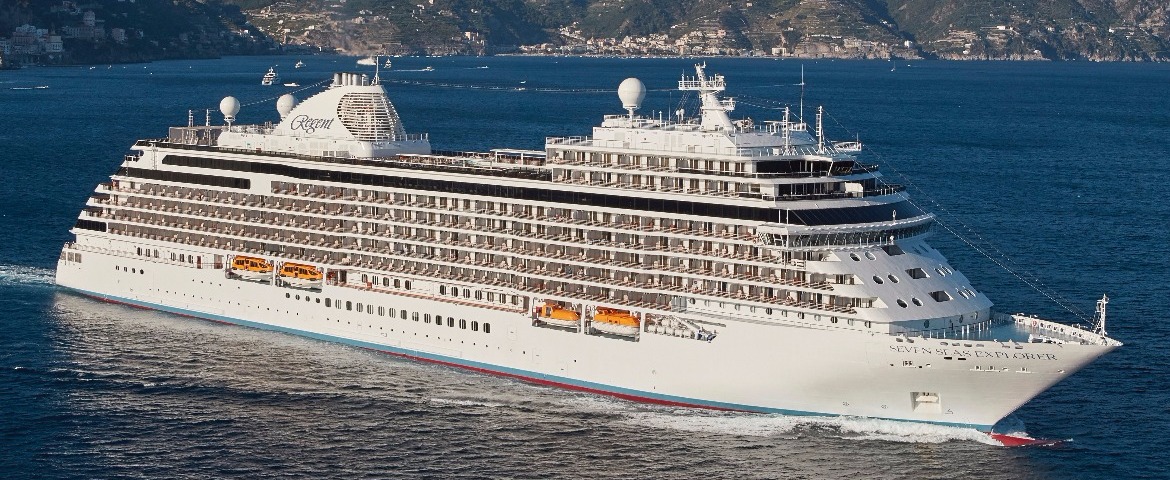
Seven Seas Explorer
22 Cruises

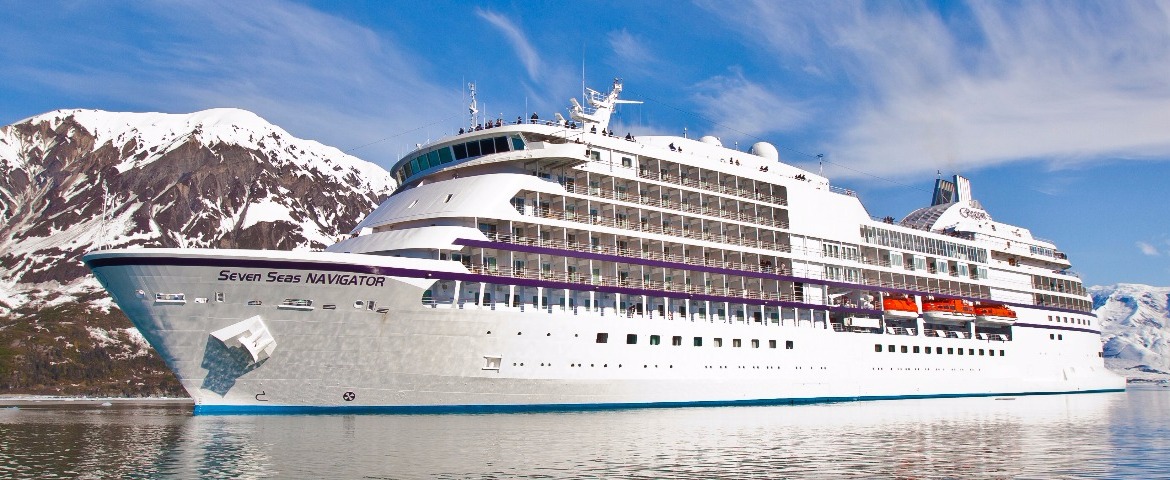
Seven Seas Navigator
7 Cruises
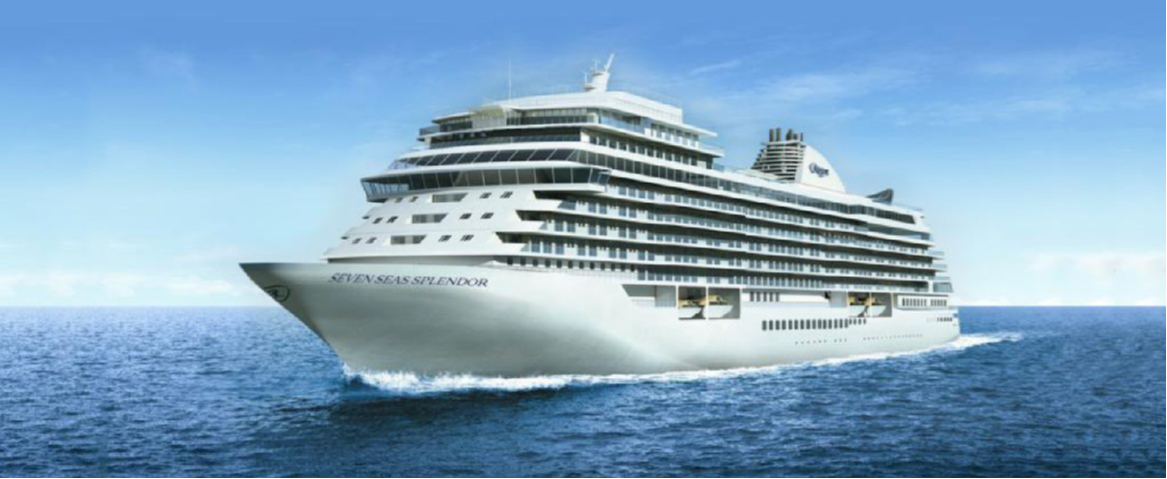
Seven Seas Splendor
15 Cruises
| 6 January | 133 days | Round-trip from San Francisco, USA |
450-628-6241
Call us
|
| 6 January | 140 days | One-way from San Francisco to Vancouver |
450-628-6241
Call us
|
| 26 March | 21 days | One-way from Singapore to Incheon |
450-628-6241
Call us
|
| 26 March | 21 days | One-way from Singapore to Incheon |
450-628-6241
Call us
|
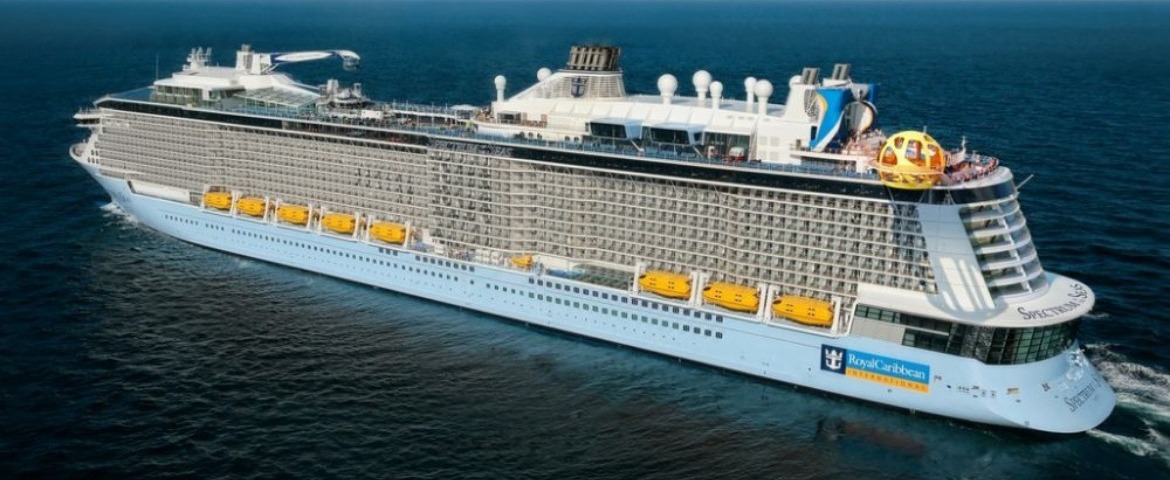
Royal Caribbean Cruises (7 Cruises)



Seabourn Cruise Line (29 Cruises)
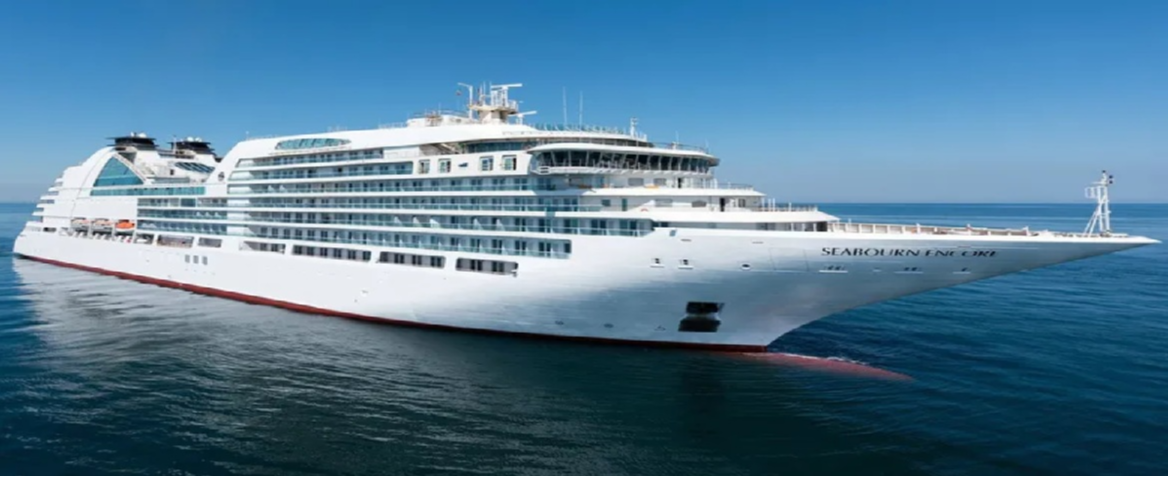
Seabourn Encore
29 Cruises

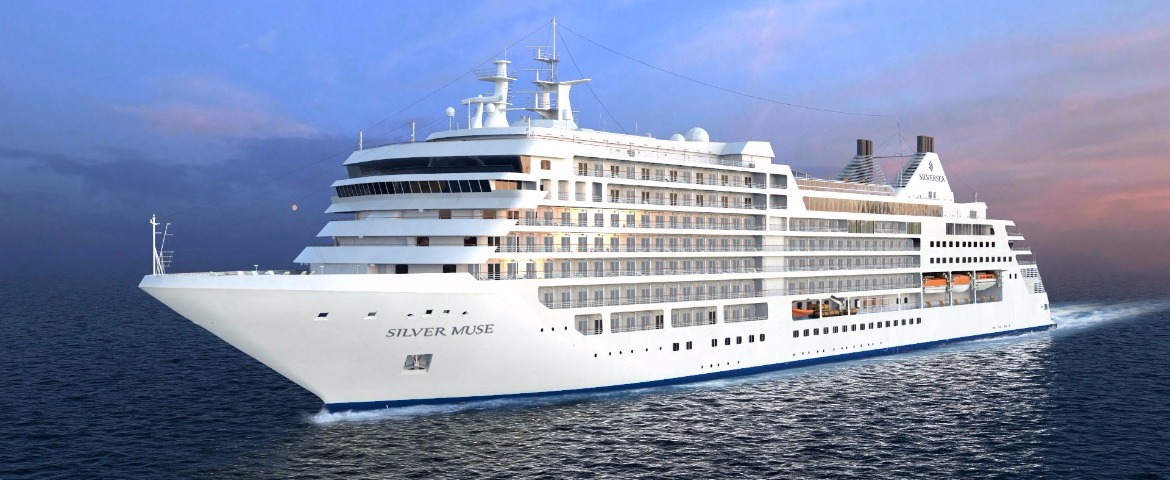
Silversea Cruises (17 Cruises)
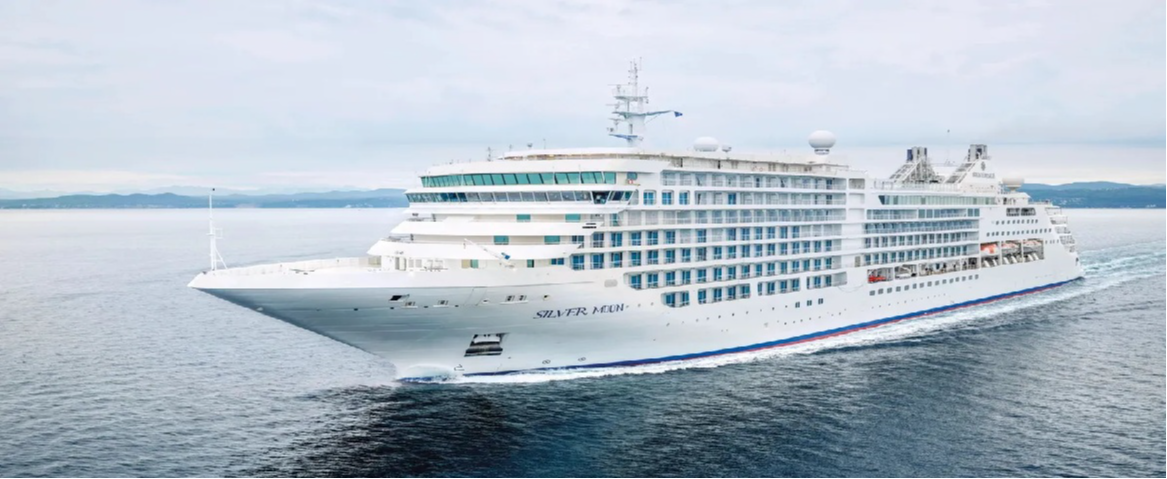

Silver Muse
12 Cruises
Viking Ocean Cruises (48 Cruises)
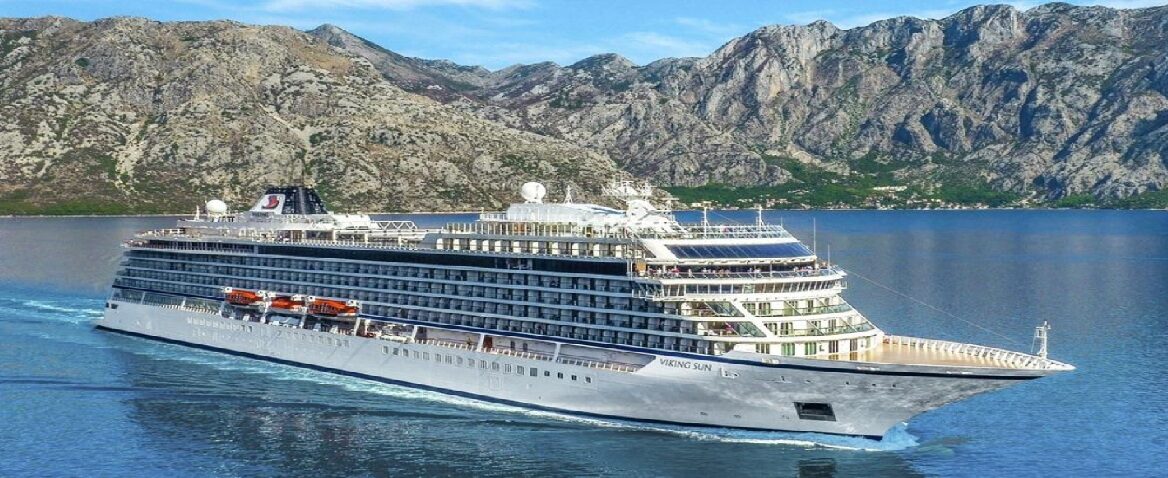

Viking Orion
21 Cruises

| 23 February | 90 days | One-way from Auckland to Vancouver |
450-628-6241
Call us
|
| 23 February | 91 days | One-way from Auckland to Vancouver |
450-628-6241
Call us
|
| 8 March | 77 days | One-way from Sydney to Vancouver |
450-628-6241
Call us
|
| 8 March | 78 days | One-way from Sydney to Vancouver |
450-628-6241
Call us
|
Viking Venus
25 Cruises


Port of Keelung, Taiwan | Cruise Port Guide
Frequently Asked Questions
At the east or west terminals, within walking distance of the shopping streets, the fish market and the waterfront. No shuttle is needed: you walk down the gangway and the city is there. The railway station is a few hundred metres away.
Yes, and many passengers do. Regional trains reach Taipei Main Station in about fifty minutes, with several departures an hour. With Keelung station a few hundred metres from the berth, this is one of the most practical calls in Asia for independent visits.
The classics: Taipei 101 and its observatory at 509 metres, the Chiang Kai-shek Memorial with its changing of the guard, Longshan Temple with its dragon-laden roofs, and the National Palace Museum, one of the richest collections of Chinese art in the world. You will have to choose: it does not all fit into one call.
One of Taiwan’s most famous, around Dianji Temple in the heart of the shopping district: seafood tempura, thick crab soups, the nutritional sandwich — a generously filled fried bun, a local speciality — and peanut ice cream, all eaten standing under yellow lanterns.
Dianji Temple and the Miaokou market, the roughly 22-metre Guanyin statue in Zhongzheng Park, the remains of Ershawan Fort with its century-old red gates, and the rainbow façades of Zhengbin fishing harbour, the most photographed scene on this coast.
A goddess of mercy in white concrete, about 22 metres tall, standing on the hill in Zhongzheng Park. The esplanade overlooks the whole harbour and its container ships: the best viewpoint in town, and reachable without an organised excursion.
A former mining village clinging to the mountainside about thirty minutes away, whose stepped lanes, red-lantern teahouses and plunging views over the East China Sea are famous worldwide. The crowds are real, but the setting, often wrapped in mist, justifies the detour.
Stay put: Dianji Temple, the Miaokou market, the climb to the Guanyin and Zhengbin fishing harbour fit comfortably into a half-day on foot. Taipei and Jiufen require a longer call and a serious margin for the return.
Yes. Keelung is nicknamed the rain city, and showers are part of daily life here. A compact umbrella earns its place almost year-round.
In New Taiwan dollars, with plenty of ATMs near the port; cash rules in the markets. An EasyCard transport card, bought at the station, then simplifies trains and the Taipei metro.


