Monte Carlo Monaco
Monaco
589
Cruises availables
At departure or passage at this port
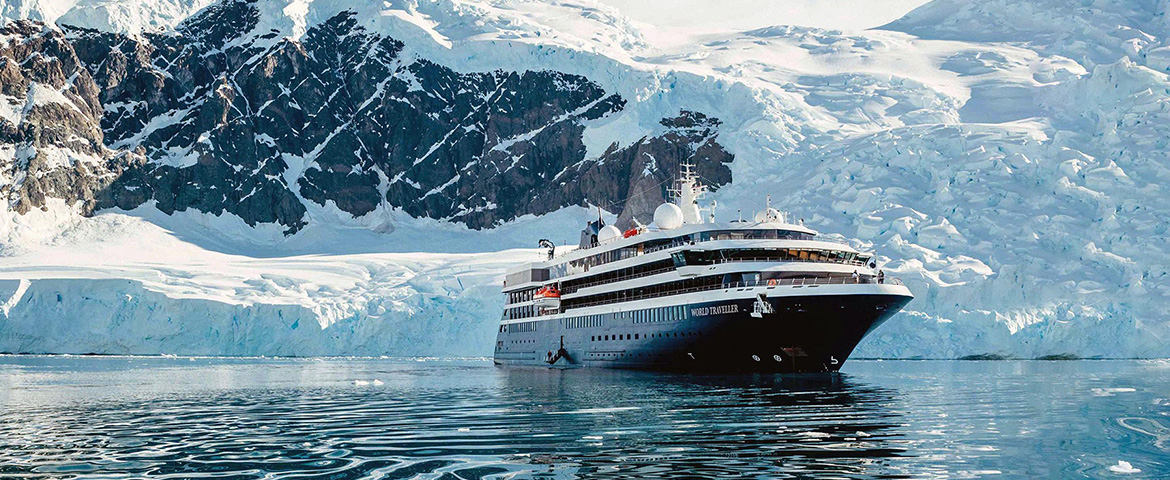
Atlas Ocean Voyages (2 Cruises)

Azamara Club Cruises (30 Cruises)
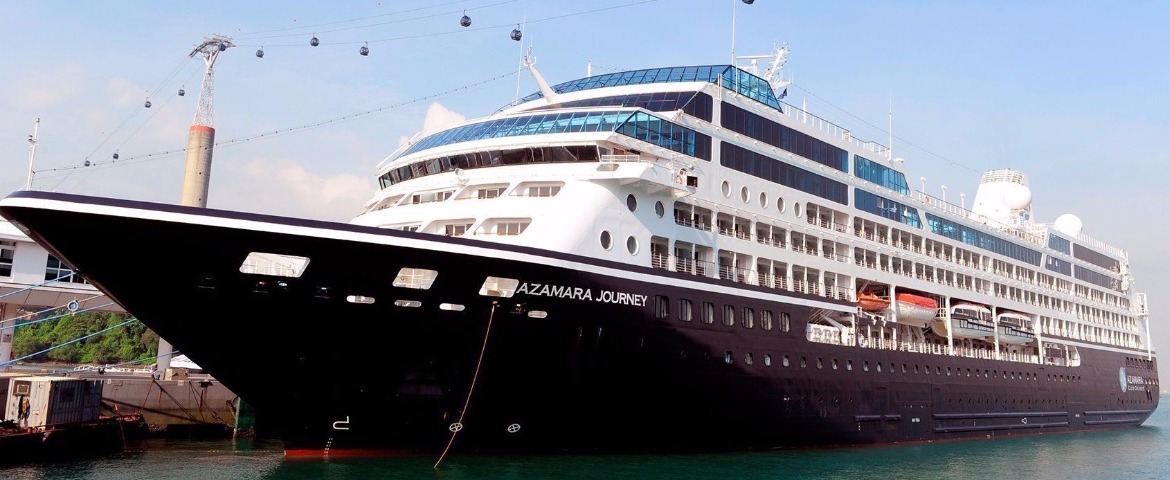
Azamara Journey
17 Cruises

| 29 March | 38 days | One-way from Miami to Chioggia |
450-628-6241
Call us
|
| 29 March | 37 days | One-way from Miami to Fusina Venice |
450-628-6241
Call us
|
| 24 April | 11 days | One-way from Barcelona to Fusina Venice |
450-628-6241
Call us
|
| 24 April | 12 days | One-way from Barcelona to Chioggia |
450-628-6241
Call us
|
| 8 April | 8 days | One-way from Tarragona to Civitavecchia-Rome |
450-628-6241
Call us
|
| 8 April | 7 days | One-way from Tarragona to Civitavecchia-Rome |
450-628-6241
Call us
|
Azamara Onward
7 Cruises
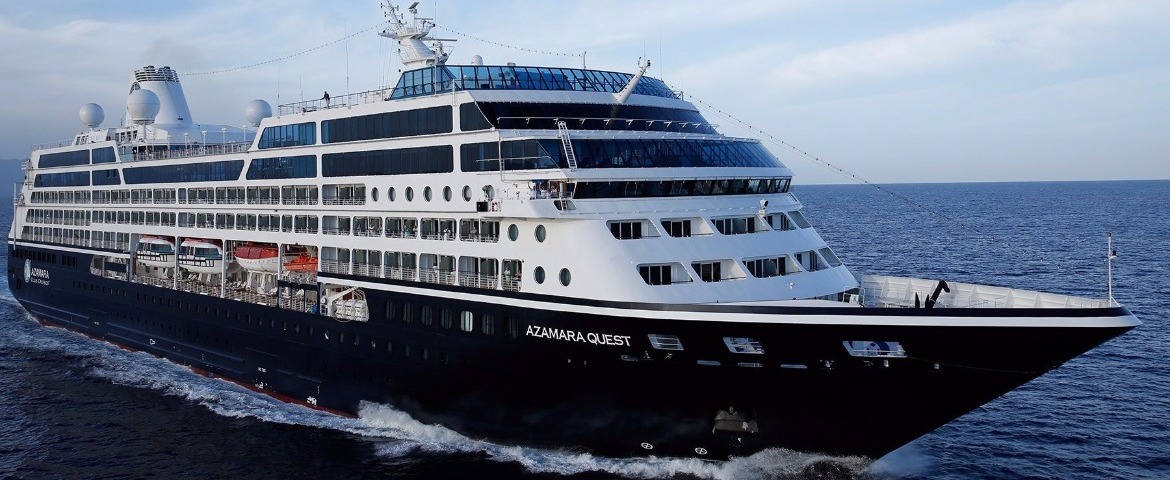
Azamara Quest
6 Cruises
Costa Cruises (1 Cruises)


Crystal Cruises (18 Cruises)
Crystal Grace
4 Cruises


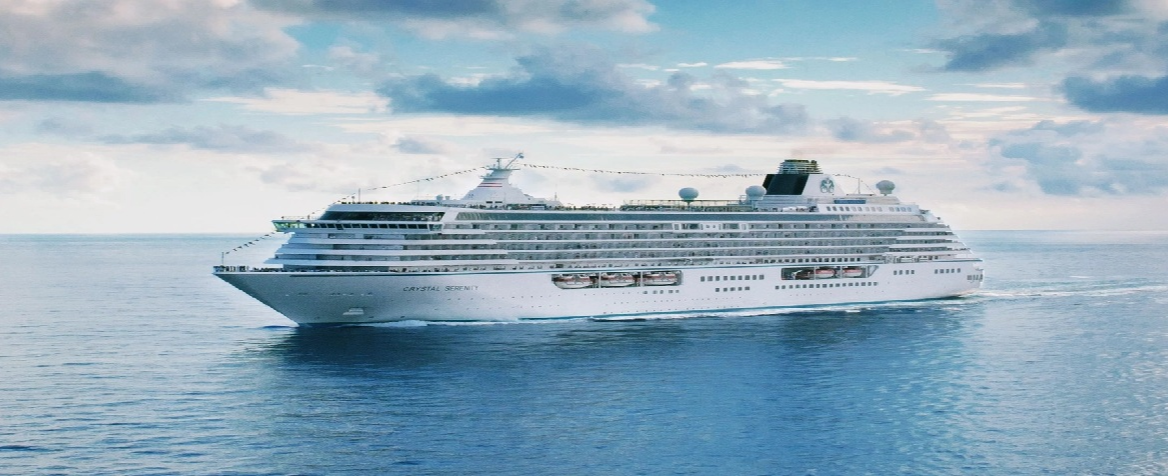
Crystal Serenity
5 Cruises
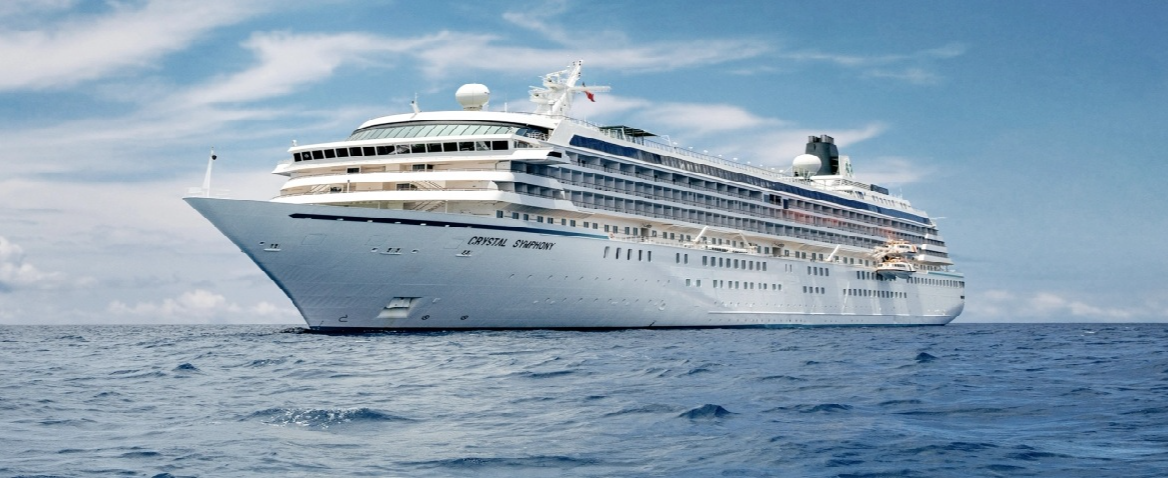
Crystal Symphony
9 Cruises
| 12 April | 15 days | One-way from Lisbon to Civitavecchia-Rome |
450-628-6241
Call us
|
| 19 April | 8 days | One-way from Barcelona to Civitavecchia-Rome |
450-628-6241
Call us
|
Emerald Waterways (21 Cruises)
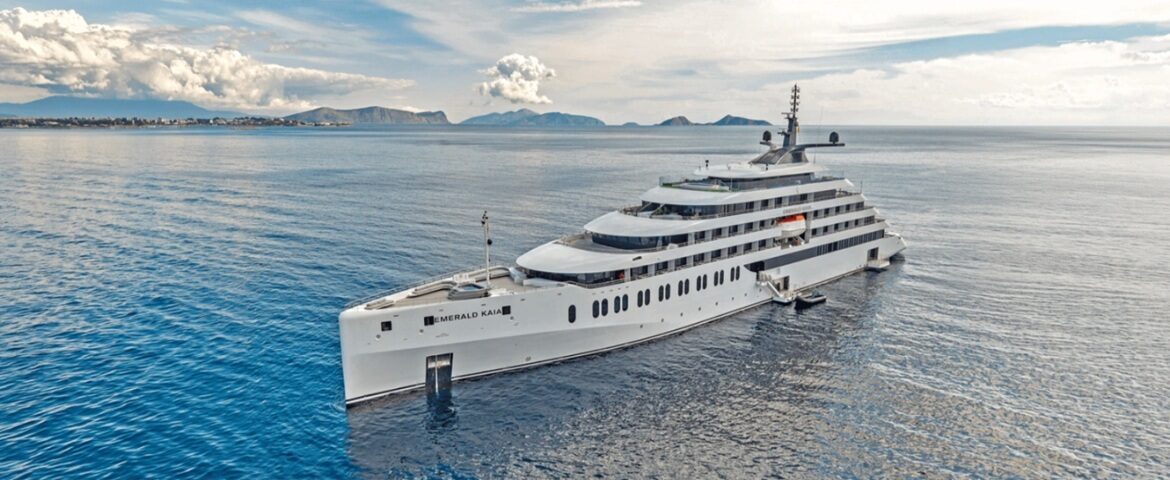
Emerald Kaia
6 Cruises

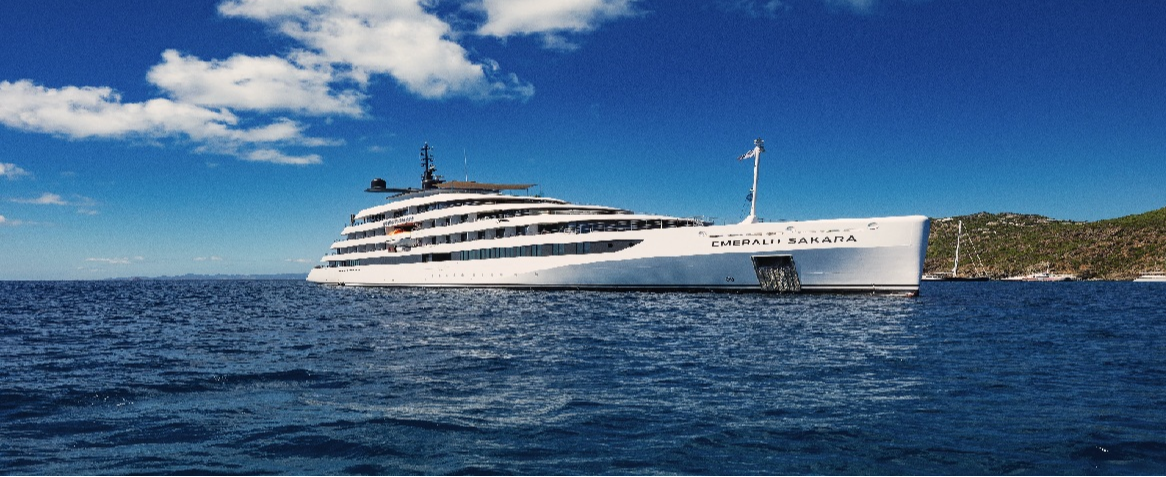
Emerald Sakara
15 Cruises
| 4 June | 9 days | One-way from Villefranche-sur-Mer to Rome City |
450-628-6241
Call us
|
| 30 June | 18 days | One-way from Valletta to Villefranche-sur-Mer |
450-628-6241
Call us
|
| 21 August | 8 days | One-way from Villefranche-sur-Mer to Civitavecchia-Rome |
450-628-6241
Call us
|
| 21 August | 15 days | One-way from Villefranche-sur-Mer to Rome City |
450-628-6241
Call us
|
| 8 July | 11 days | One-way from Rome City to Villefranche-sur-Mer |
450-628-6241
Call us
|
| 18 July | 12 days | One-way from Villefranche-sur-Mer to Rome City |
450-628-6241
Call us
|
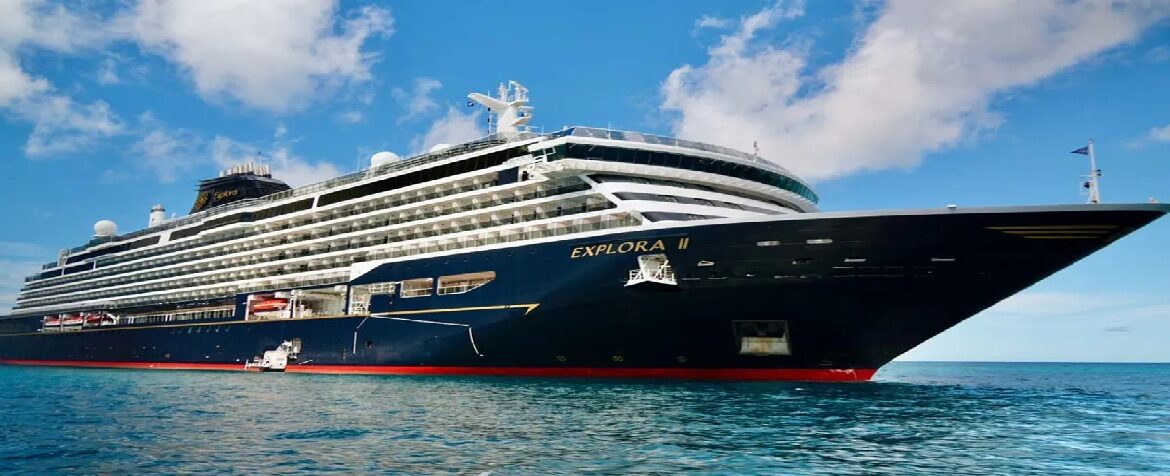
Explora Journeys (20 Cruises)
Explora I
16 Cruises
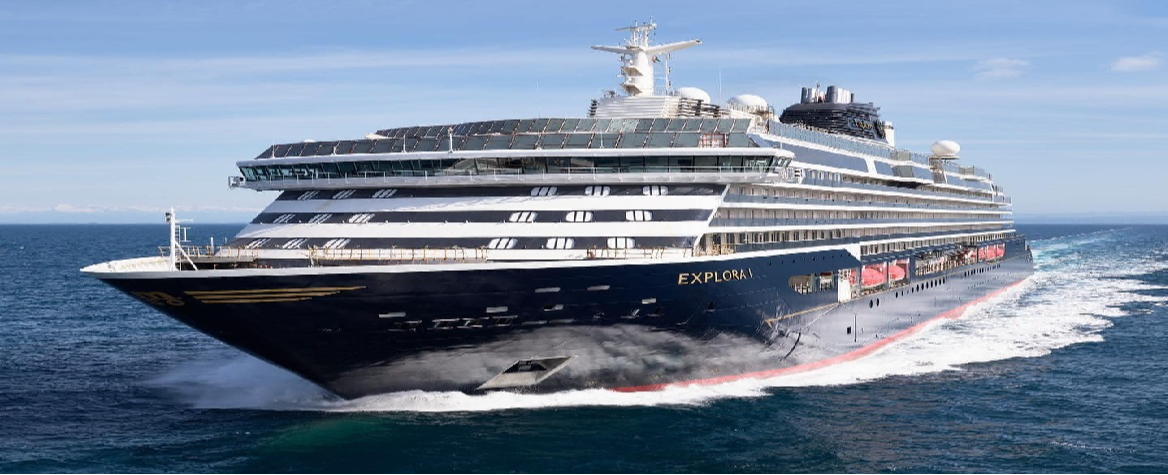

| 7 June | 8 days | One-way from Monte Carlo to Barcelona |
450-628-6241
Call us
|
| 28 June | 15 days | Round-trip from Barcelona, Spain |
450-628-6241
Call us
|
Oceania Cruises (45 Cruises)
Oceania Allura
10 Cruises

Oceania Aurelia
5 Cruises
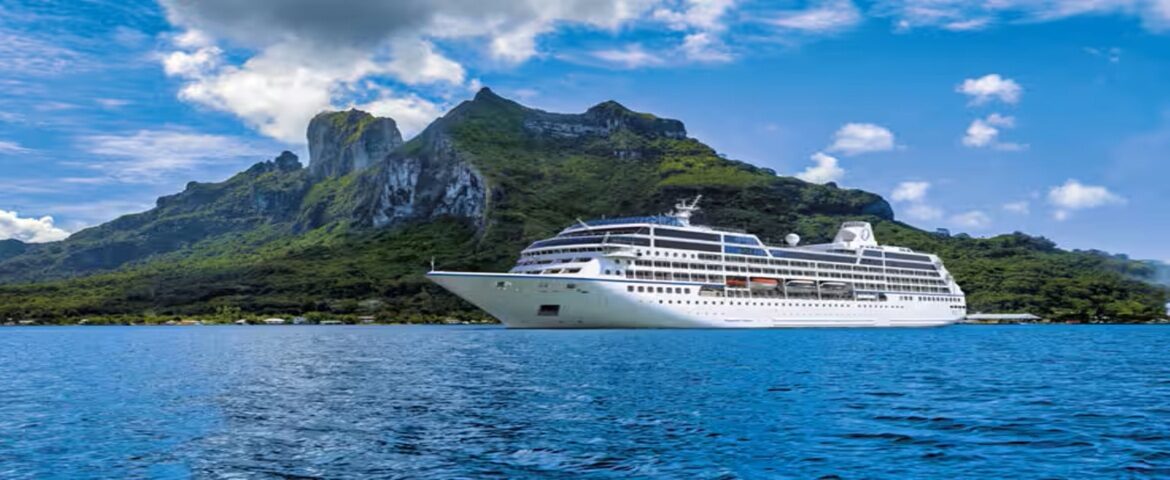
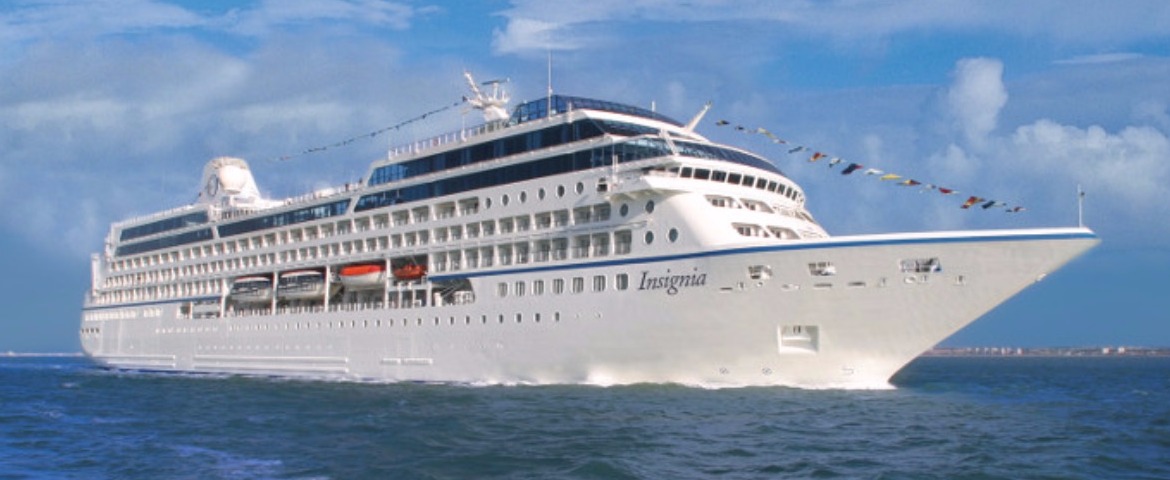
Oceania Insignia
6 Cruises
| 19 August | 67 days | One-way from Helsinki to Piraeus-Athens |
450-628-6241
Call us
|
| 19 August | 68 days | One-way from Helsinki to Piraeus-Athens |
450-628-6241
Call us
|
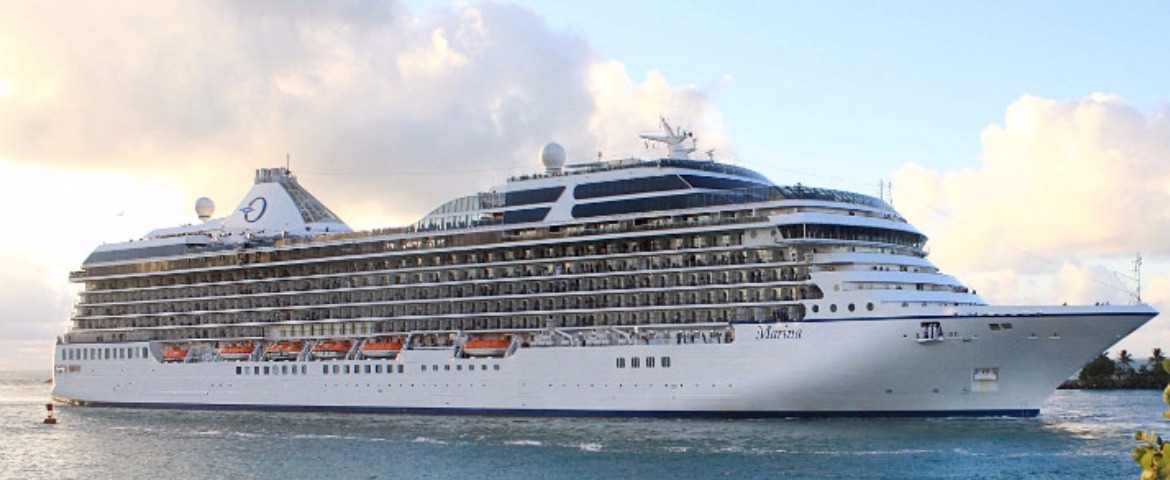
Oceania Marina
13 Cruises
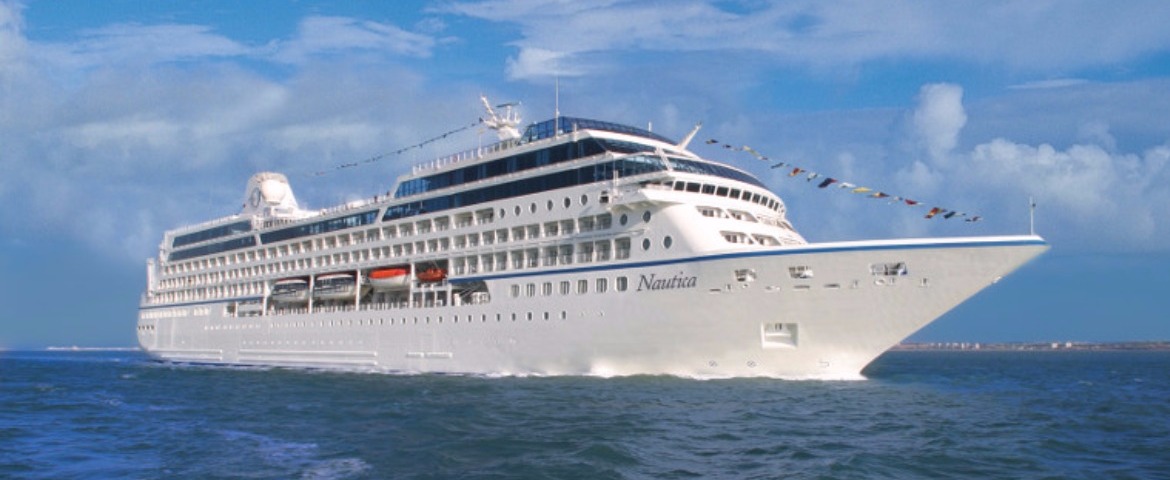
Oceania Nautica
5 Cruises
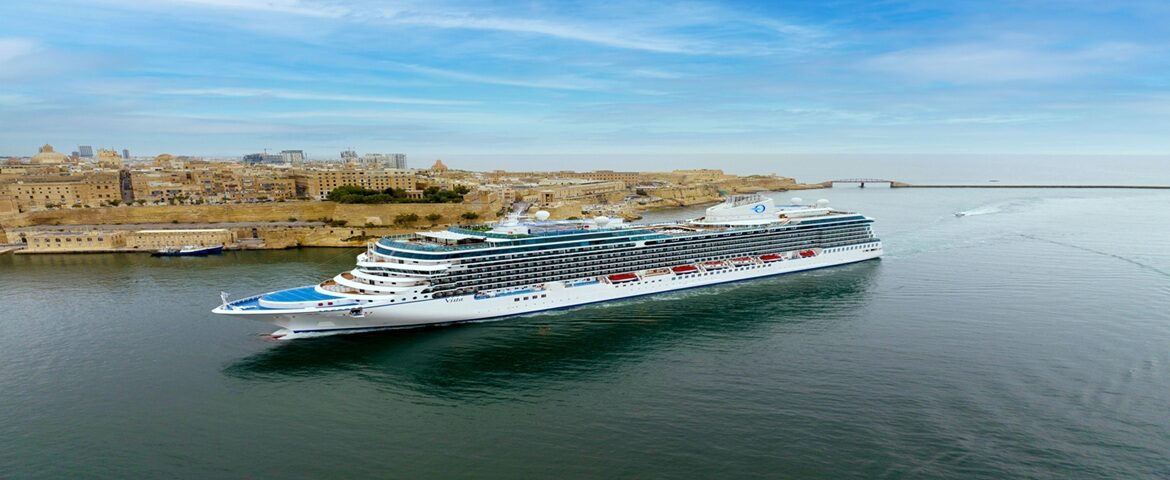
Oceania Vista
6 Cruises
Ponant (2 Cruises)
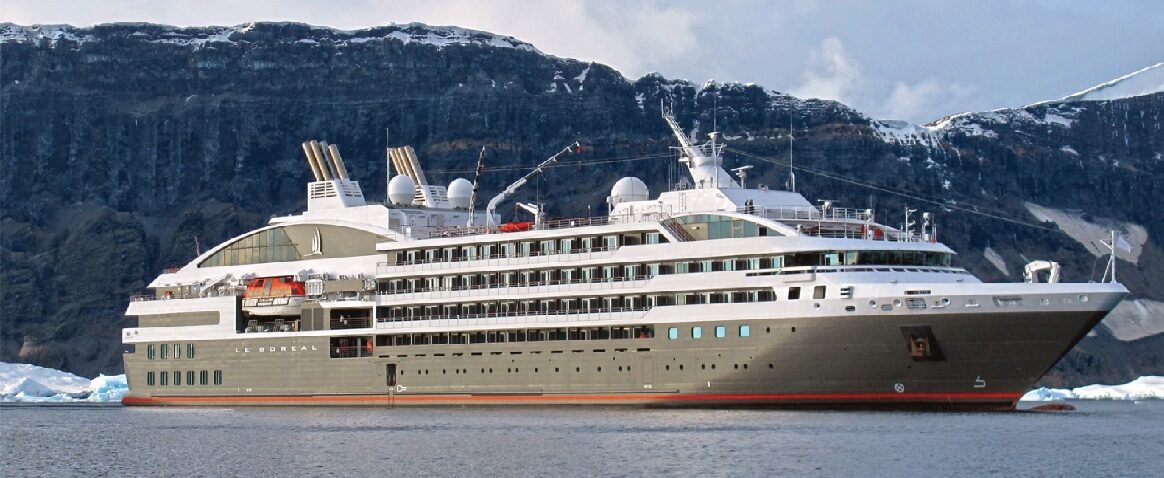

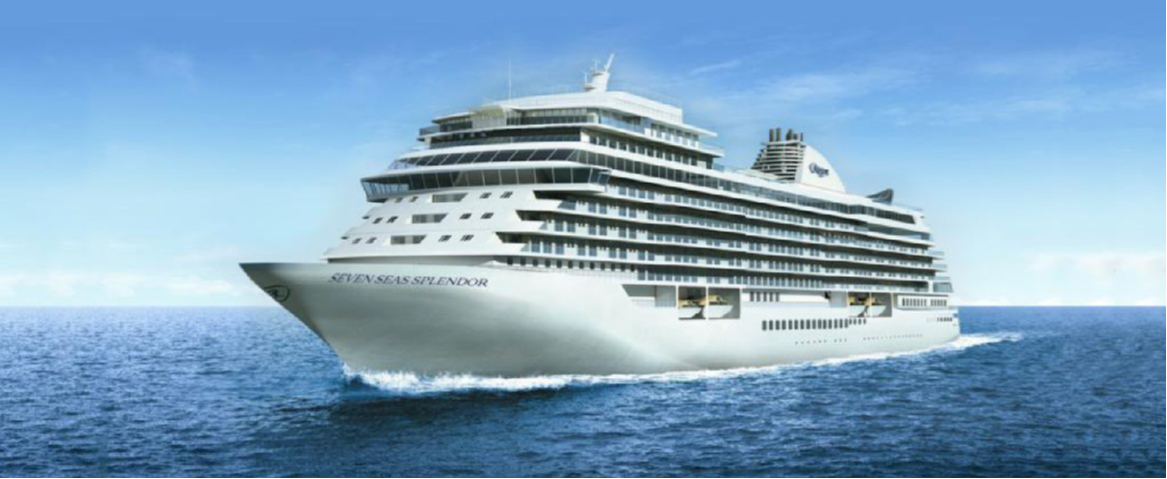
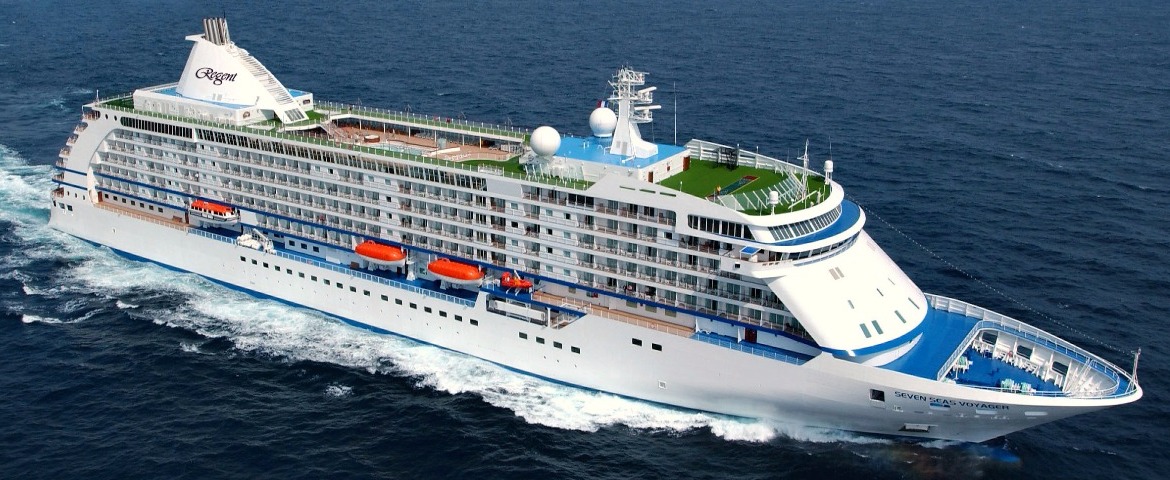
Regent Seven Seas Cruises (34 Cruises)
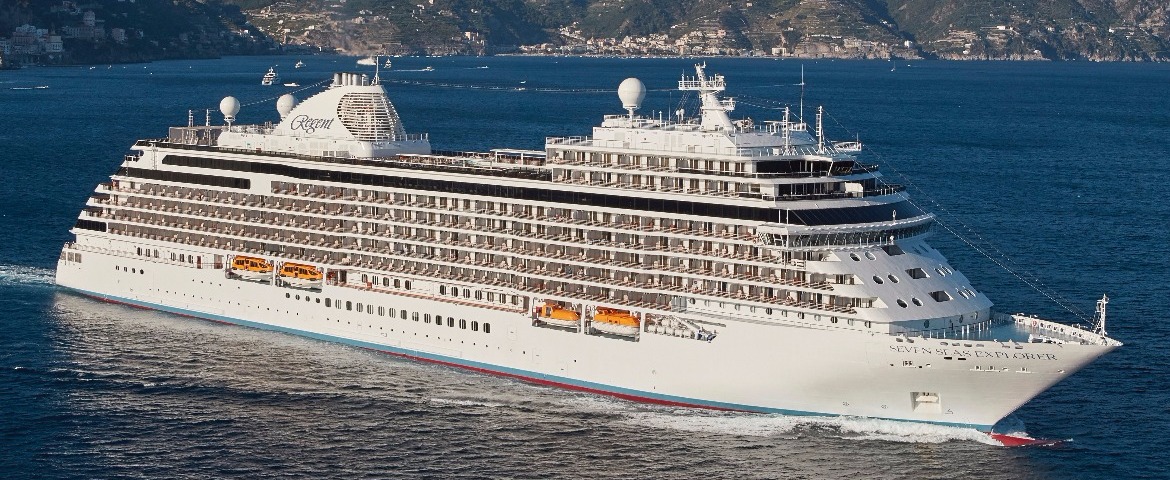
Seven Seas Explorer
8 Cruises

| 30 June | 22 days | One-way from Venice to Barcelona |
450-628-6241
Call us
|
| 30 June | 21 days | One-way from Fusina Venice to Barcelona |
450-628-6241
Call us
|
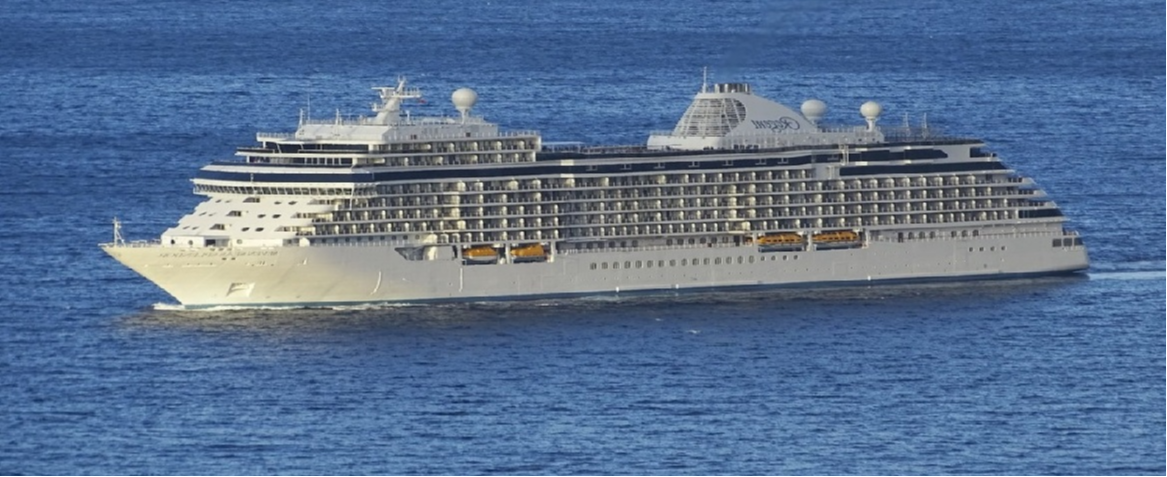
Seven Seas Grandeur
15 Cruises
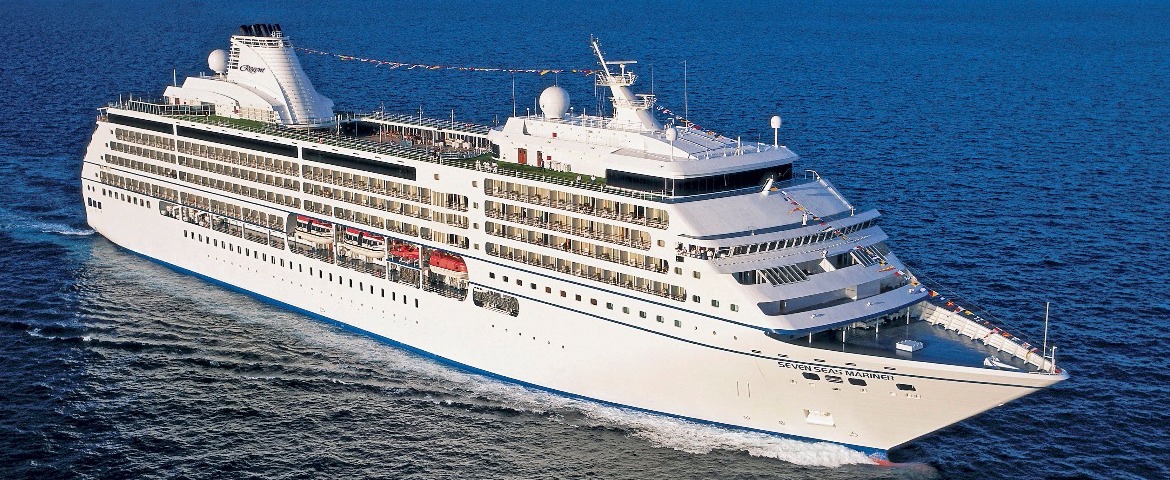
Seven Seas Mariner
6 Cruises
| 29 April | 175 days | One-way from New York to Piraeus-Athens |
450-628-6241
Call us
|
| 29 April | 174 days | One-way from New York to Piraeus-Athens |
450-628-6241
Call us
|
Scenic Cruises (10 Cruises)
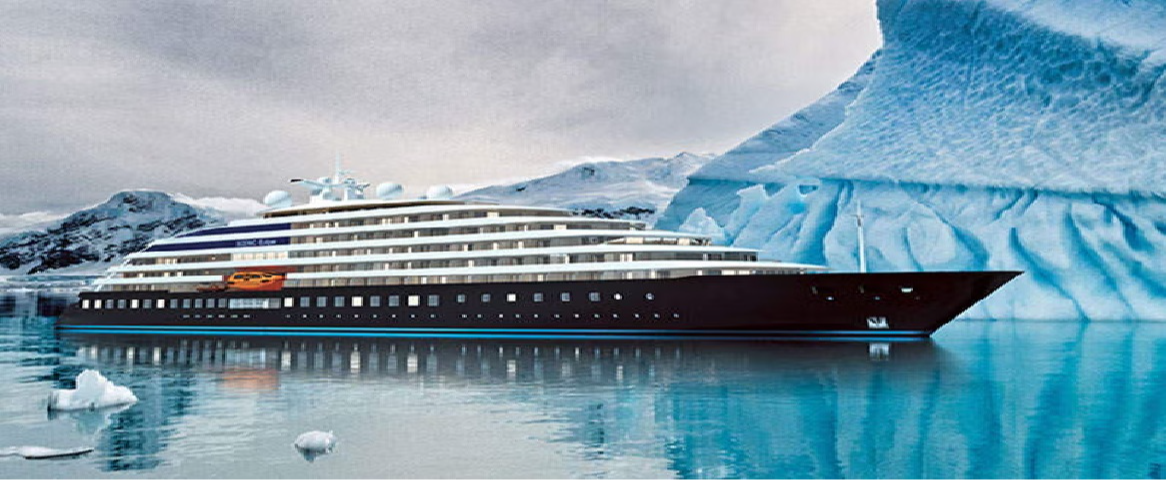
Scenic Eclipse
5 Cruises

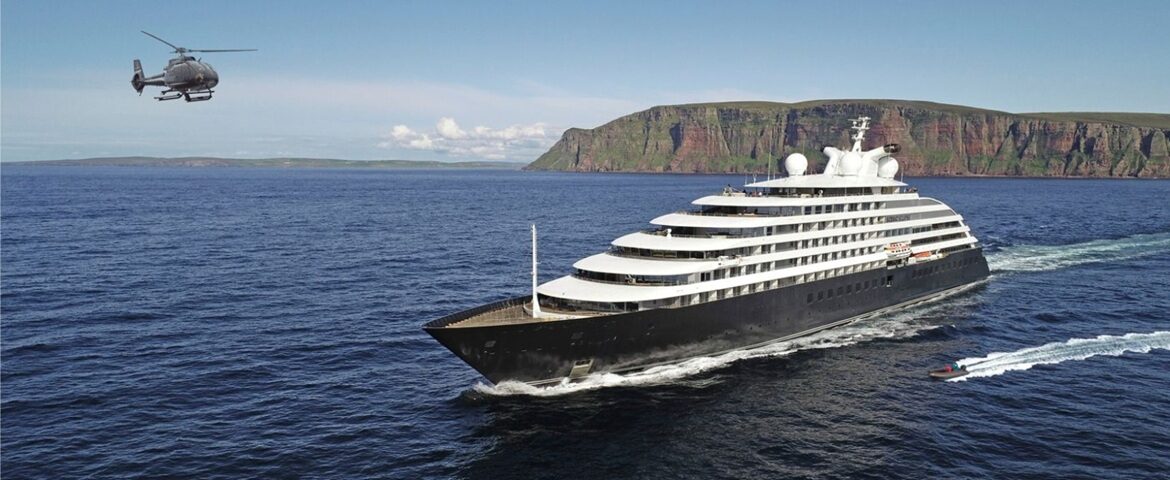
Scenic Eclipse II
5 Cruises
Seabourn Cruise Line (58 Cruises)
Seabourn Ovation
58 Cruises
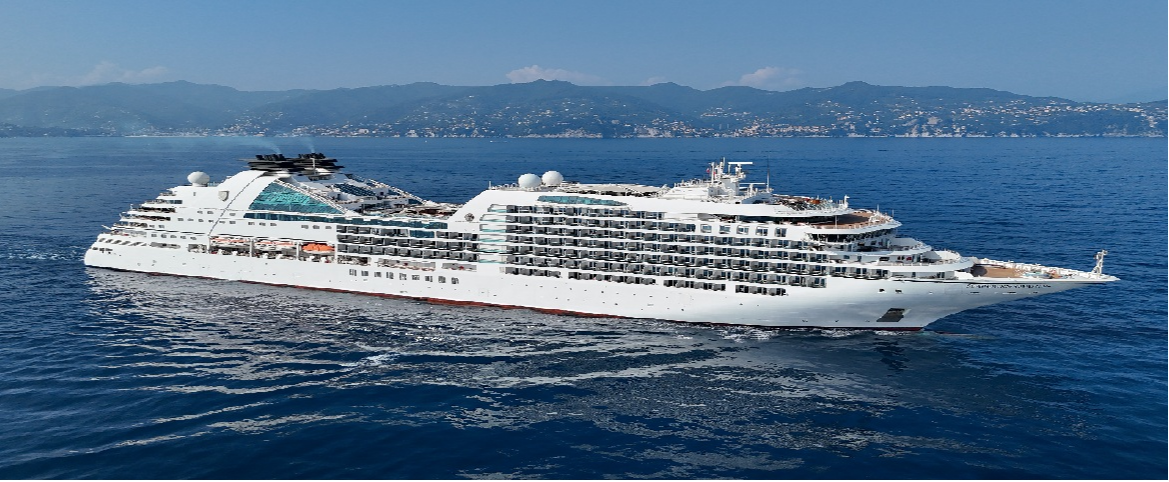

SeaDream Yacht Club (14 Cruises)
Seadream I
6 Cruises
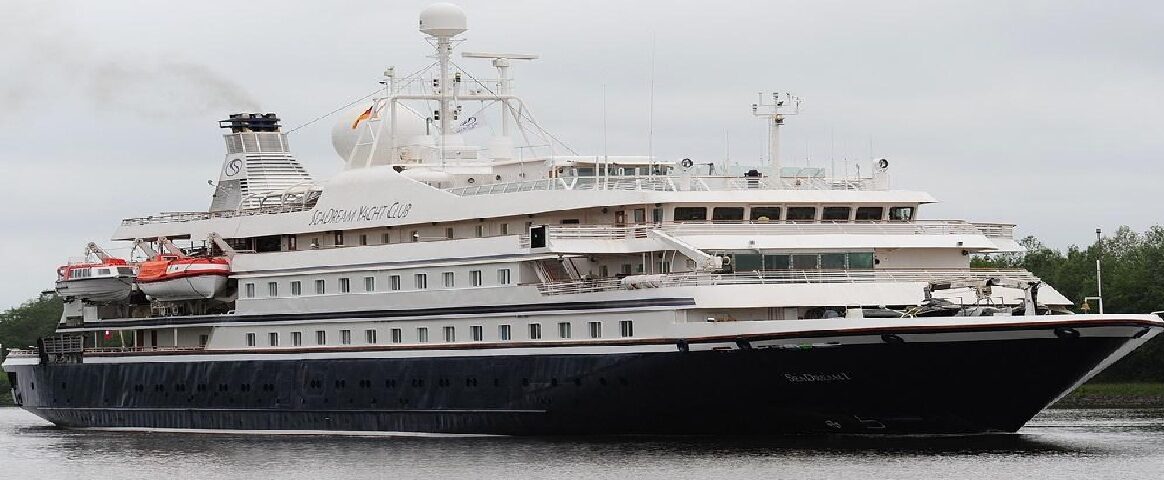

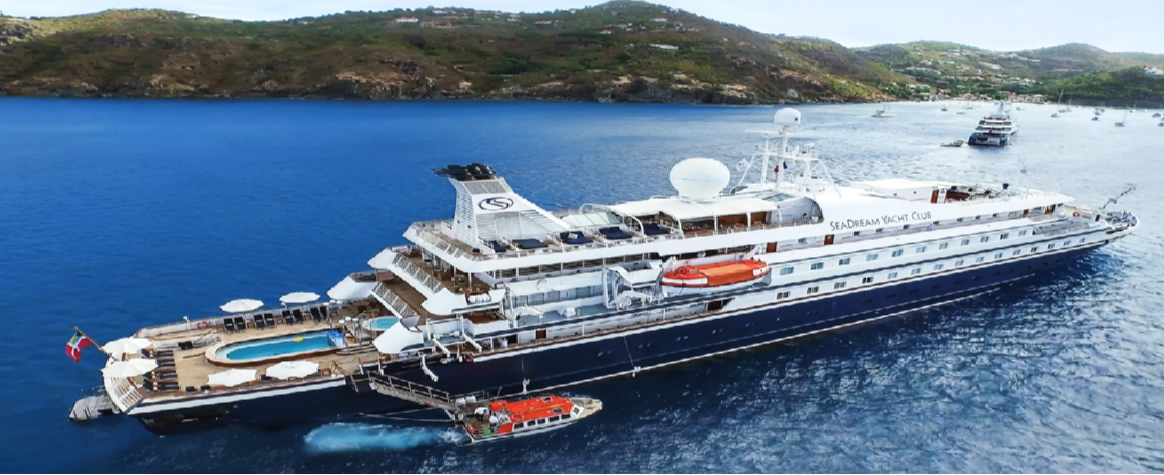
Seadream II
8 Cruises
| 16 May | 8 days | One-way from Civitavecchia-Rome to Villefranche-sur-Mer |
450-628-6241
Call us
|
| 23 May | 5 days | Round-trip 5 Night Nice to Nice Cruise |
450-628-6241
Call us
|
Silversea Cruises (30 Cruises)
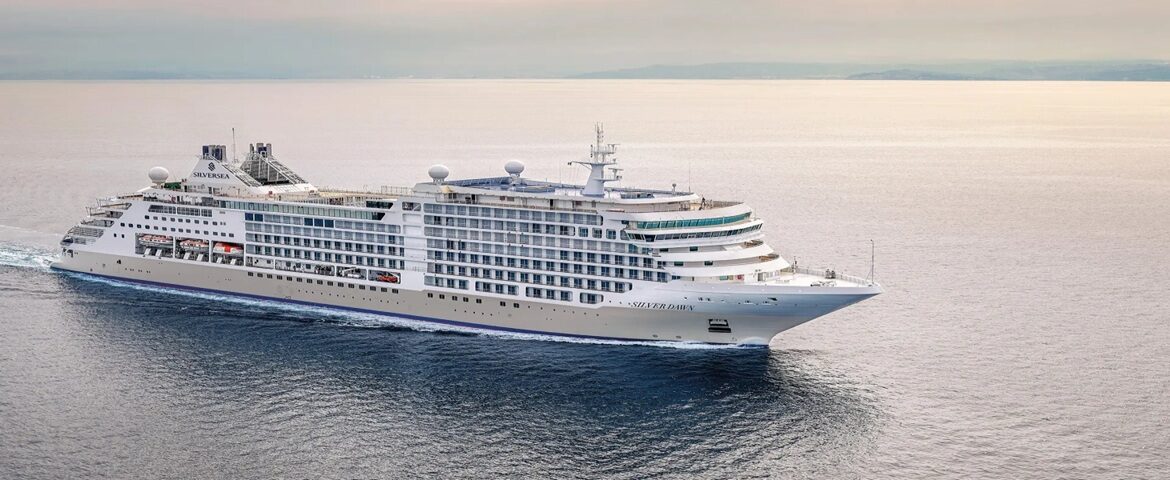

Silver Ray
22 Cruises
Star Clippers (9 Cruises)
Royal Clipper
5 Cruises

Tauck Cruises (8 Cruises)


Viking Ocean Cruises (262 Cruises)
Viking Jupiter
78 Cruises

| 5 April | 10 days | One-way from Barcelona to Venice |
450-628-6241
Call us
|
| 5 April | 11 days | One-way from Barcelona to Chioggia |
450-628-6241
Call us
|
Viking Mars
18 Cruises
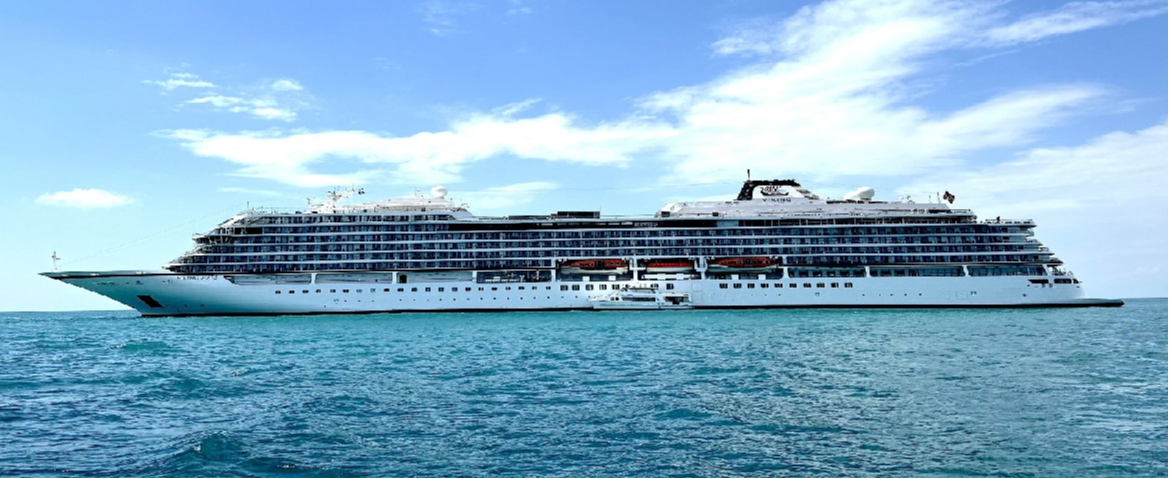
| 23 March | 11 days | One-way from Chioggia to Barcelona |
450-628-6241
Call us
|
| 23 March | 10 days | One-way from Venice to Barcelona |
450-628-6241
Call us
|
Viking Neptune
47 Cruises
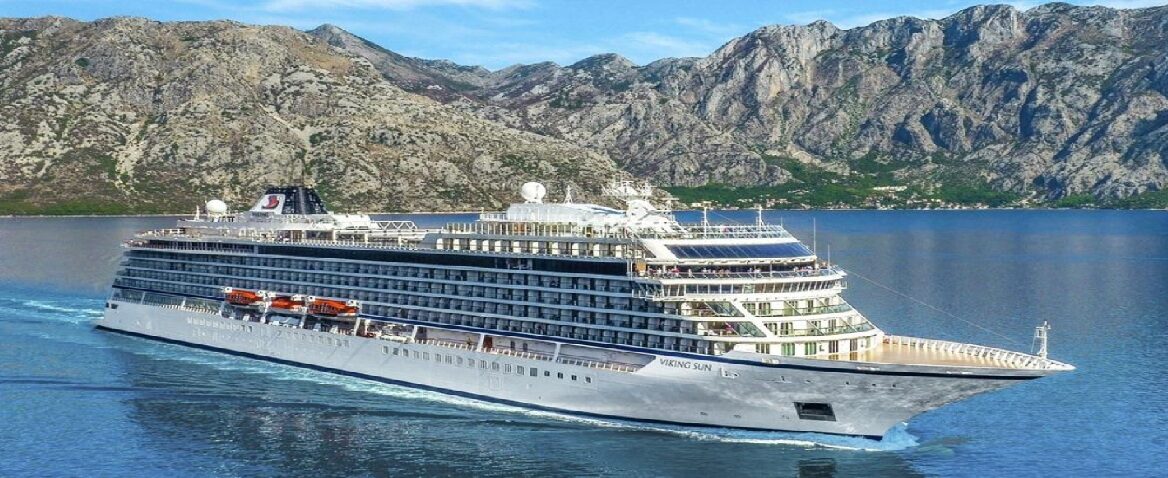
| 27 October | 21 days | One-way from Piraeus-Athens to Barcelona |
450-628-6241
Call us
|
| 27 October | 28 days | One-way from Piraeus-Athens to Lisbon |
450-628-6241
Call us
|
| 22 May | 27 days | One-way from Istanbul to Barcelona |
450-628-6241
Call us
|
| 28 May | 21 days | One-way from Piraeus-Athens to Barcelona |
450-628-6241
Call us
|
| 5 June | 13 days | One-way from Venice to Barcelona |
450-628-6241
Call us
|
| 11 June | 7 days | One-way from Civitavecchia-Rome to Barcelona |
450-628-6241
Call us
|
Viking Saturn
13 Cruises
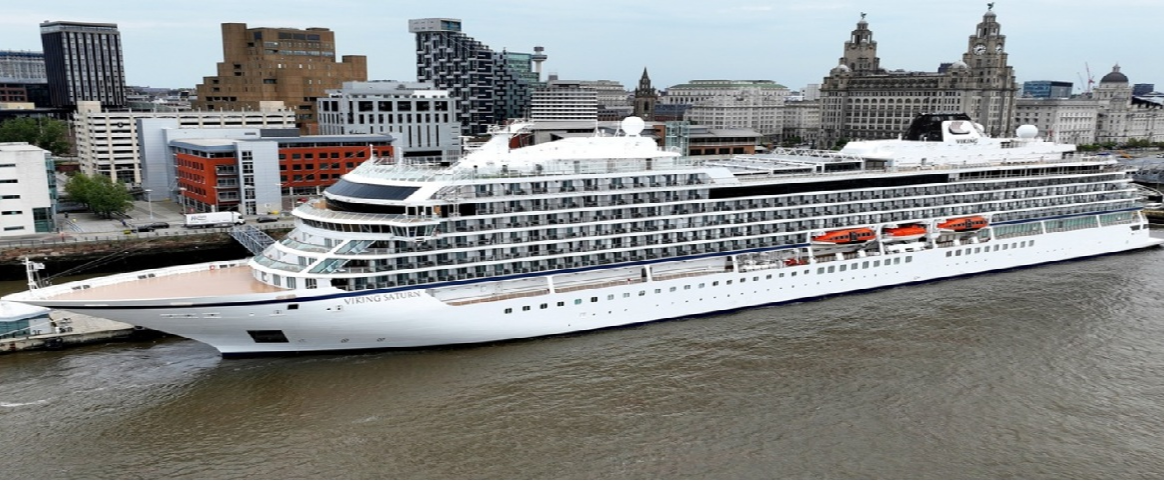
Viking Sea
18 Cruises
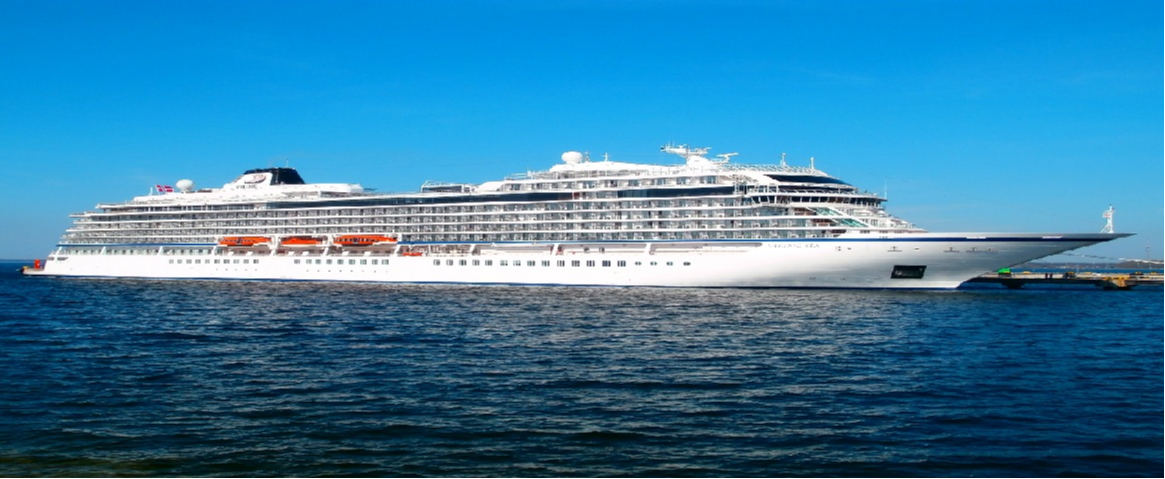
| 1 May | 7 days | One-way from Barcelona to Civitavecchia-Rome |
450-628-6241
Call us
|
| 1 May | 13 days | One-way from Barcelona to Piraeus-Athens |
450-628-6241
Call us
|
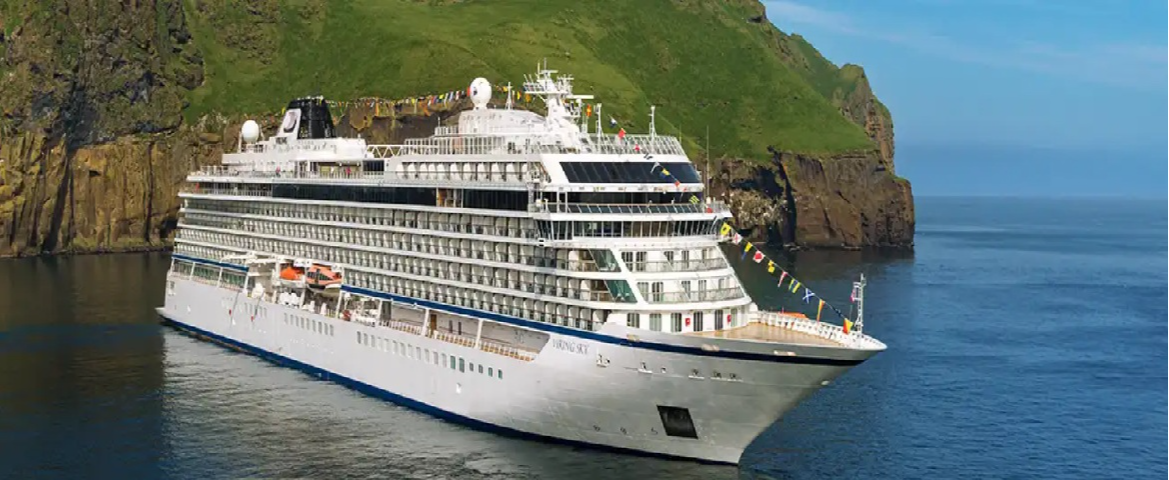
Viking Sky
23 Cruises
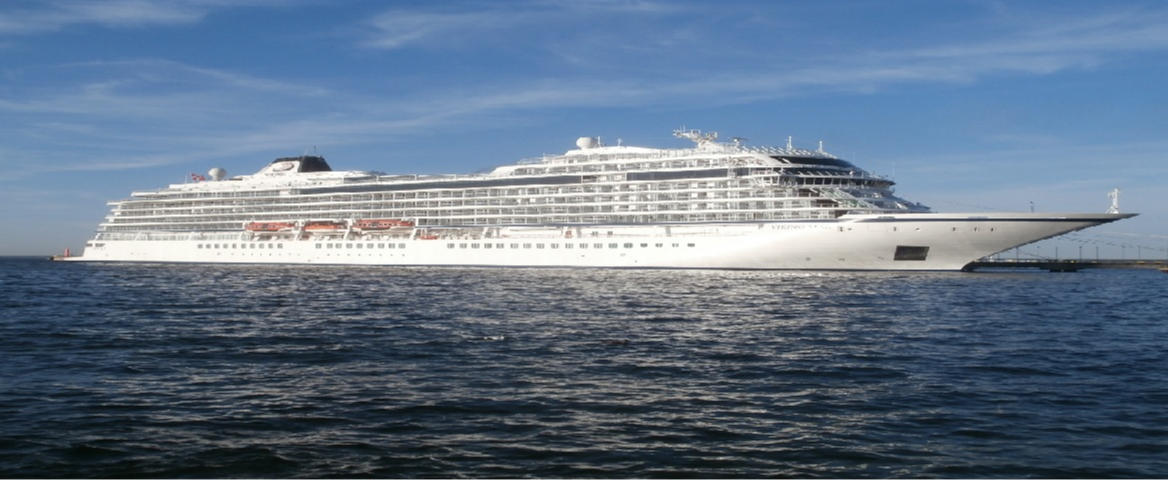
Viking Star
26 Cruises
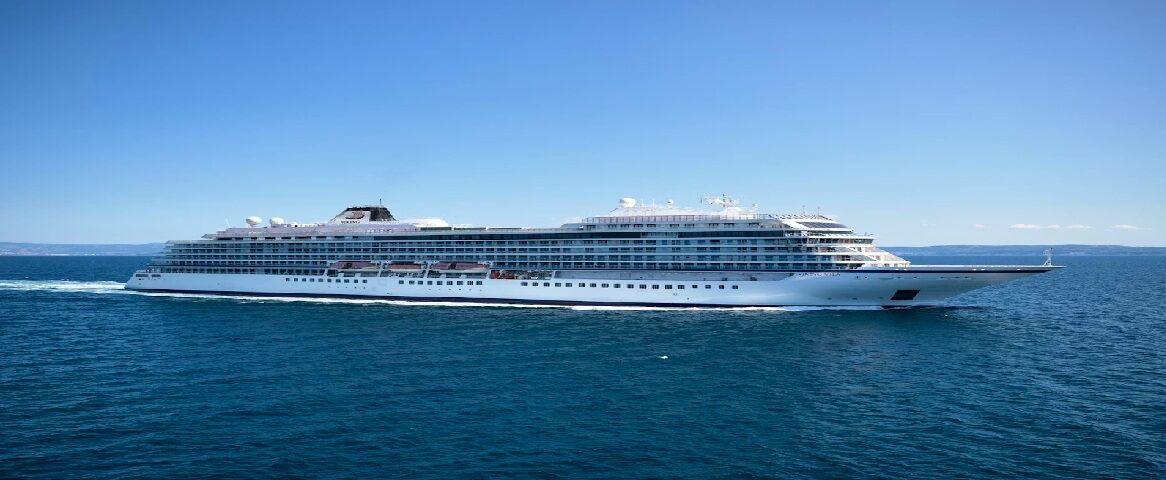
Viking Vela
39 Cruises
| 29 January | 7 days | One-way from Barcelona to Civitavecchia-Rome |
450-628-6241
Call us
|
| 29 January | 13 days | One-way from Barcelona to Piraeus-Athens |
450-628-6241
Call us
|
| 15 September | 19 days | One-way from London-Tilbury to Venice |
450-628-6241
Call us
|
| 23 September | 11 days | One-way from Barcelona to Venice |
450-628-6241
Call us
|
Windstar Cruises (25 Cruises)
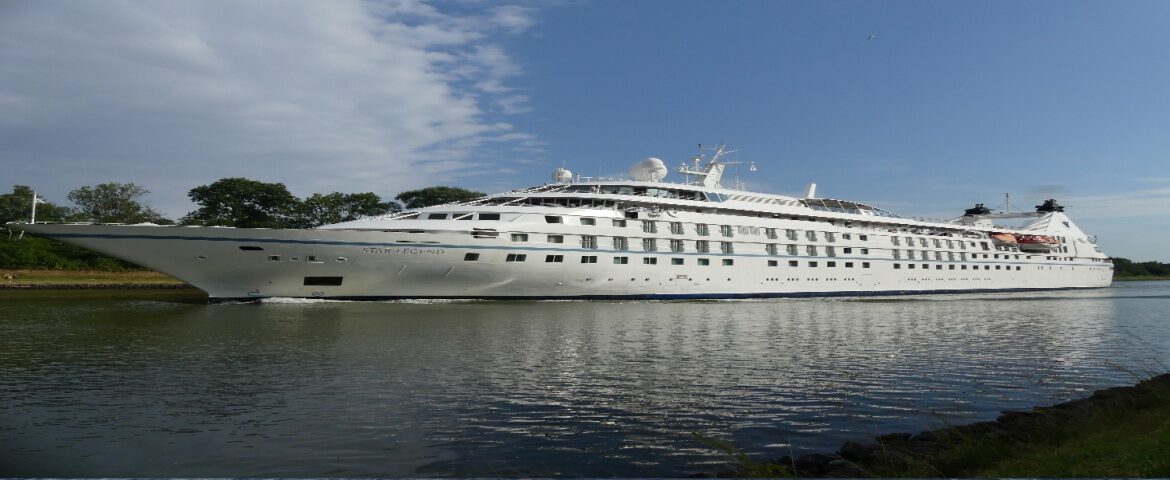
Star Legend
13 Cruises

| 29 May | 11 days | One-way from Civitavecchia-Rome to Barcelona |
450-628-6241
Call us
|
| 29 May | 10 days | One-way from Civitavecchia-Rome to Barcelona |
450-628-6241
Call us
|
Wind Surf
12 Cruises
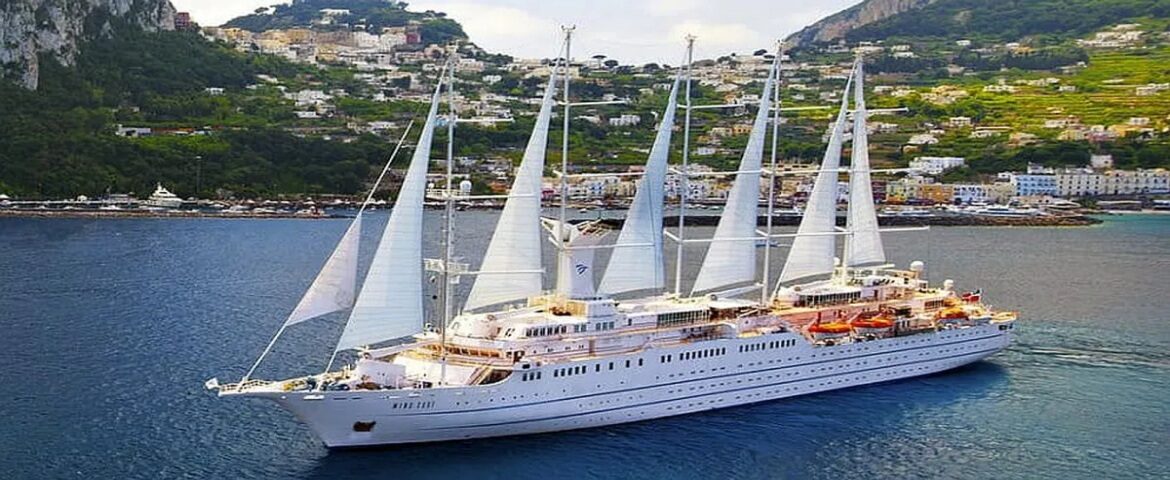

Monte-Carlo Monaco | Luxury Mediterranean Cruise Guide
Frequently Asked Questions
At Quai Rainier III in Port Hercule, right in the heart of the principality. Depending on traffic, some ships anchor in the roadstead and tender passengers ashore, a few minutes' ride with a commanding view of the Rock.
Yes, entirely: the principality is barely two square kilometres. Allow about fifteen minutes from the quay to Monaco-Ville, public stairs and lifts included, and around ten to the Casino square.
The Rock and the Palace square in the morning, the Oceanographic Museum next, then the Casino square across the harbour. All of it is walkable, and that programme fills the day with no transport at all.
Monaco-Ville, the old quarter perched on its promontory, with narrow shaded cobbled lanes that feel almost village-like. The Palace square opens onto the residence of the Grimaldi family, who have ruled here for seven centuries.
Every morning at exactly 11:55 on the Palace square. The ceremony is short and precisely drilled: arrive a few minutes early if you want to see anything.
Aquariums, whale skeletons and instruments from early expeditions, inside a monumental building standing 85 metres above the sea. Founded in 1910 by Albert I, the navigator prince, it was long directed by Commander Cousteau. The roof terrace offers one of the widest panoramas on the Riviera; allow two hours.
Yes. The atrium is open to visitors; the gaming rooms require an entry fee and proper dress. The building, by Charles Garnier, architect of the Paris Opera, also houses the Salle Garnier, a gilded miniature opera house.
The euro. Monaco is not a member of the European Union but uses the euro and mints its own coins.
French is the official language, with Italian and English very widely used. Monégasque, the traditional language, survives mainly in schools and on street signs on the Rock.
At the Condamine market behind the quay: a food hall where you can try socca and barbagiuans. It is the easiest place to eat without paying waterfront prices.


