Lautoka Viti Levu Island Fiji
Fiji
217
Cruises availables
At departure or passage at this port
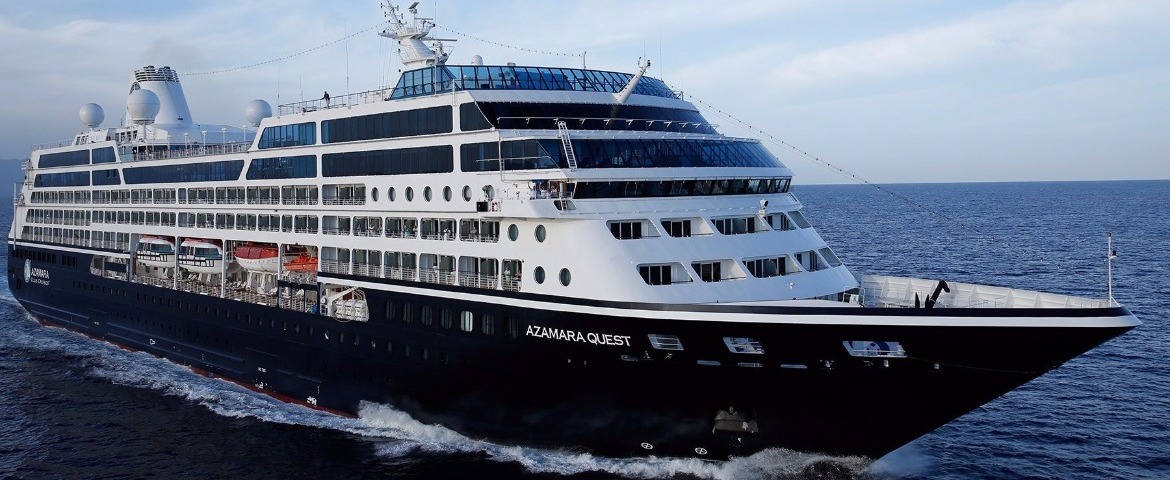
Azamara Club Cruises (6 Cruises)
Azamara Quest
6 Cruises






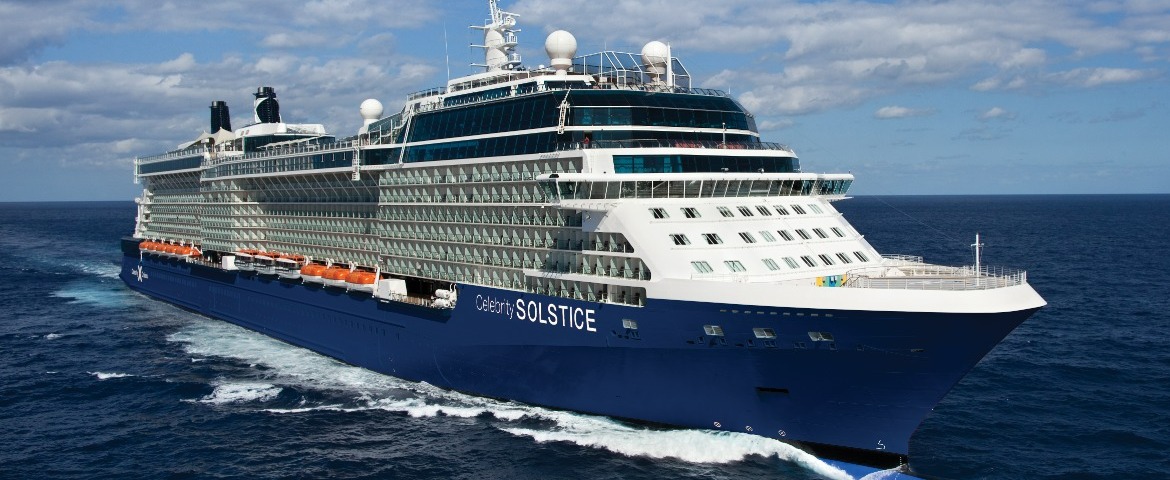
Crystal Cruises (18 Cruises)
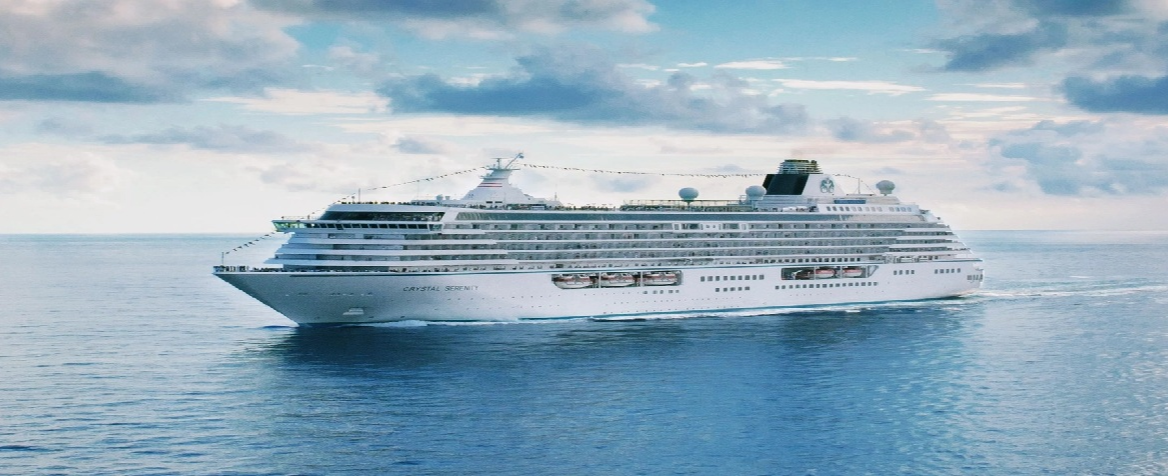
Crystal Serenity
8 Cruises

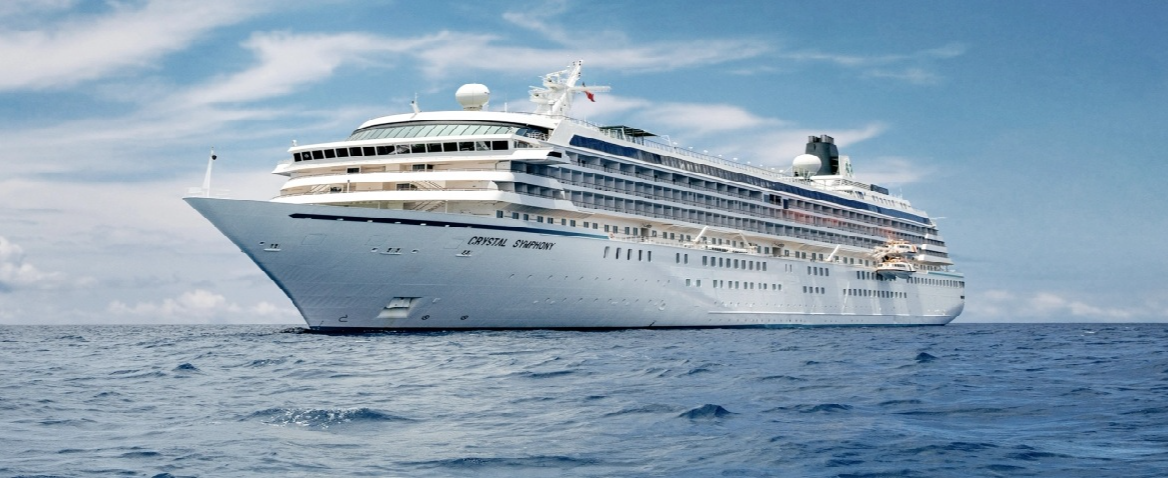
Crystal Symphony
10 Cruises
Cunard (20 Cruises)
Queen Anne
13 Cruises


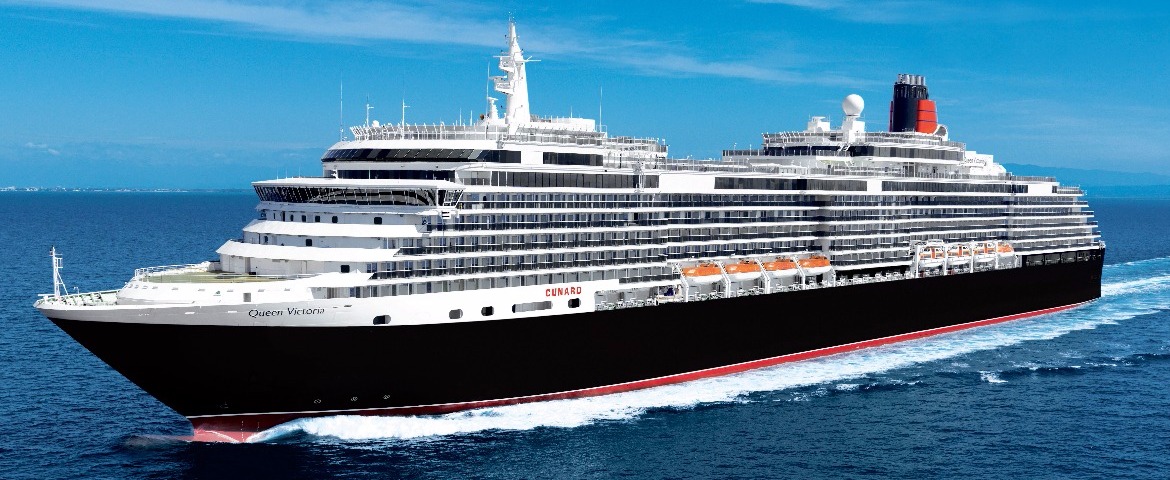
Queen Victoria
7 Cruises
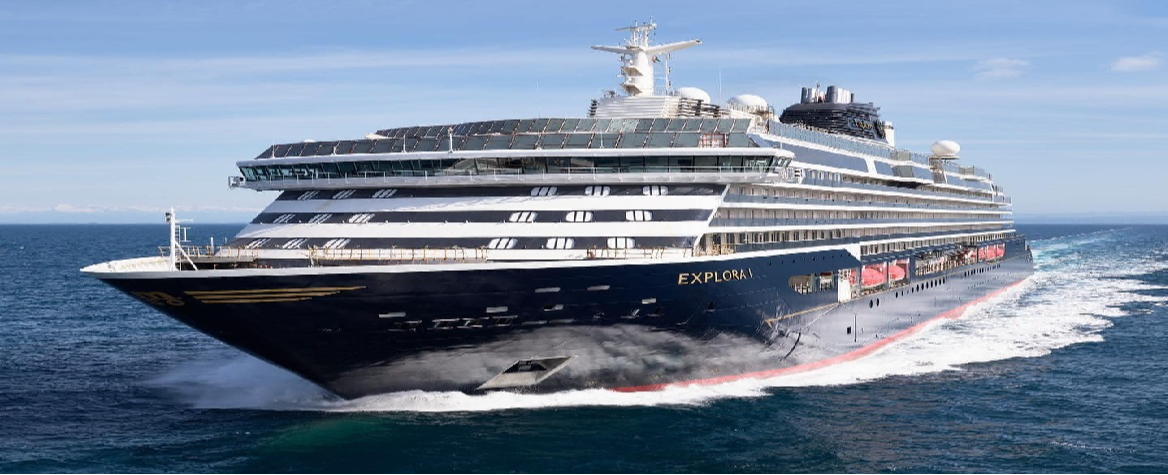
Explora Journeys (3 Cruises)



Norwegian Cruise Line (11 Cruises)


Oceania Cruises (12 Cruises)

Oceania Vista
11 Cruises
| 6 January | 244 days | One-way from Miami to New York |
450-628-6241
Call us
|
| 6 January | 180 days | One-way from Miami to Southampton |
450-628-6241
Call us
|
| 8 February | 63 days | One-way from Papeete to Yokohama |
450-628-6241
Call us
|
| 8 February | 19 days | One-way from Papeete to Sydney |
450-628-6241
Call us
|
| 24 October | 60 days | One-way from Miami to Sydney |
450-628-6241
Call us
|
| 24 October | 60 days | One-way from Miami to Sydney |
450-628-6241
Call us
|
Paul Gauguin Cruises (6 Cruises)


Ponant (9 Cruises)

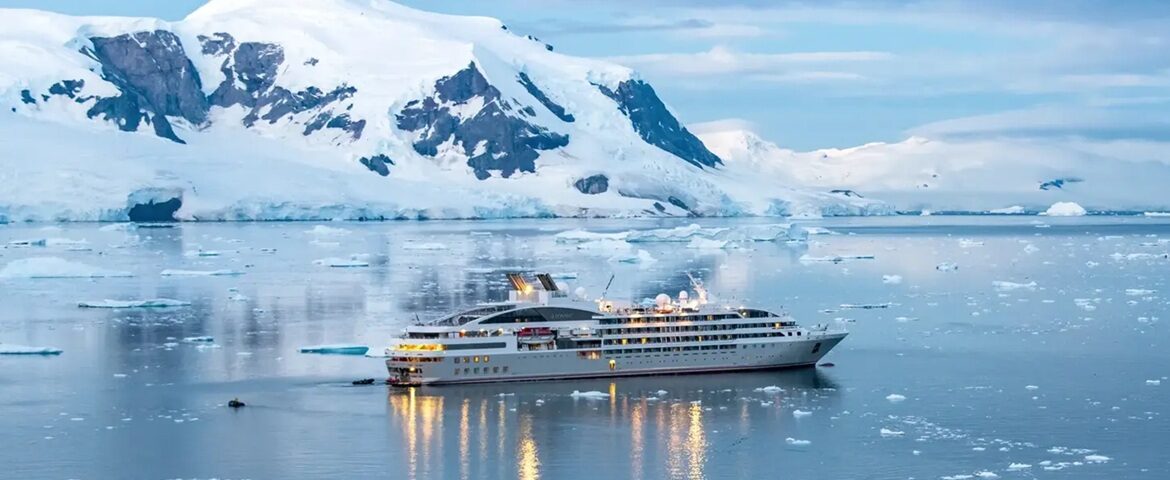



Regent Seven Seas Cruises (22 Cruises)
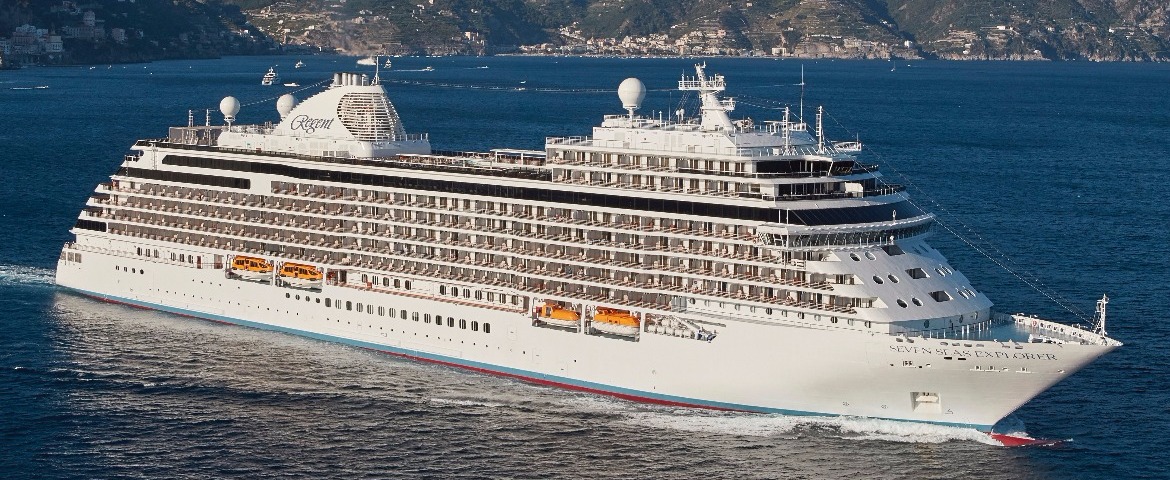

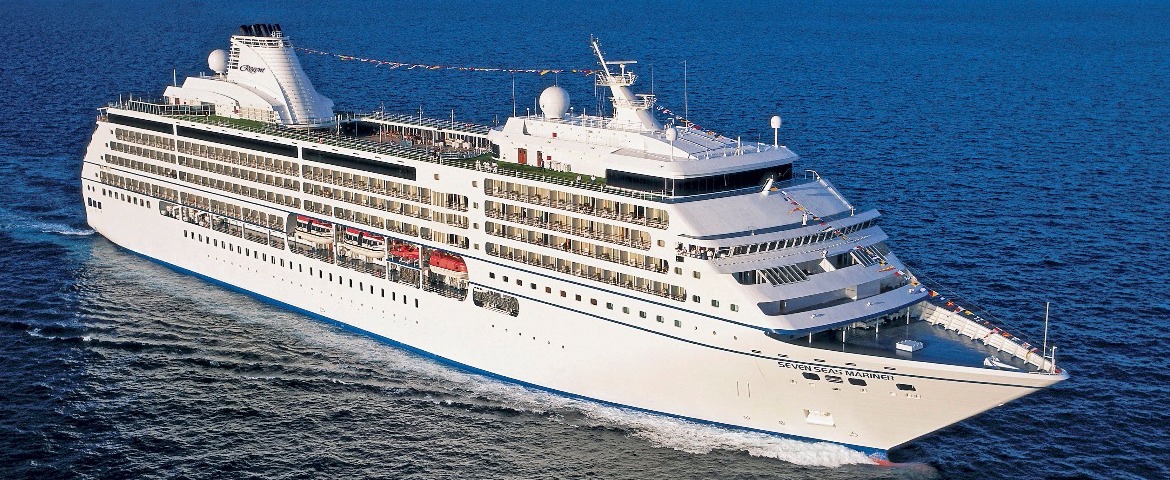
Seven Seas Navigator
6 Cruises
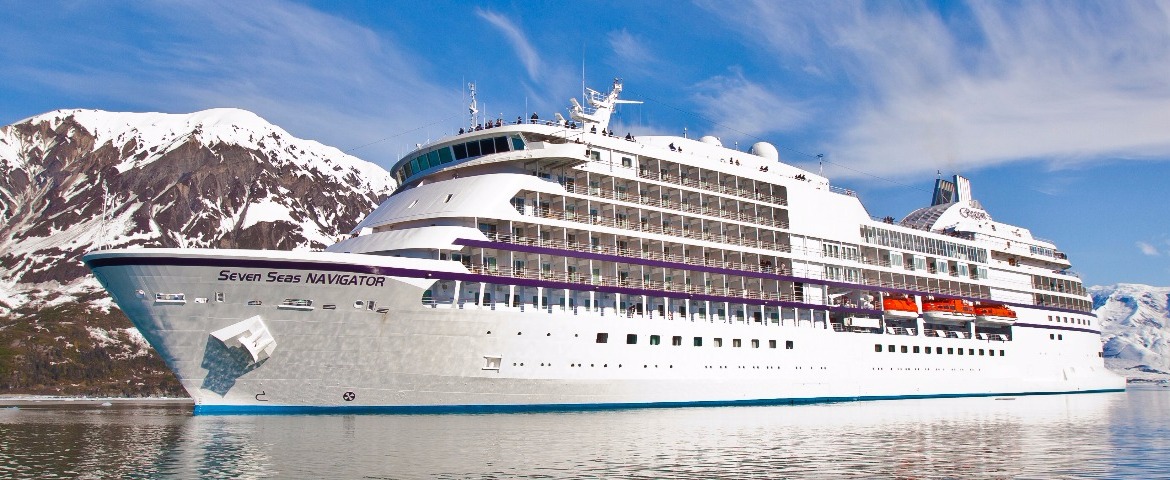
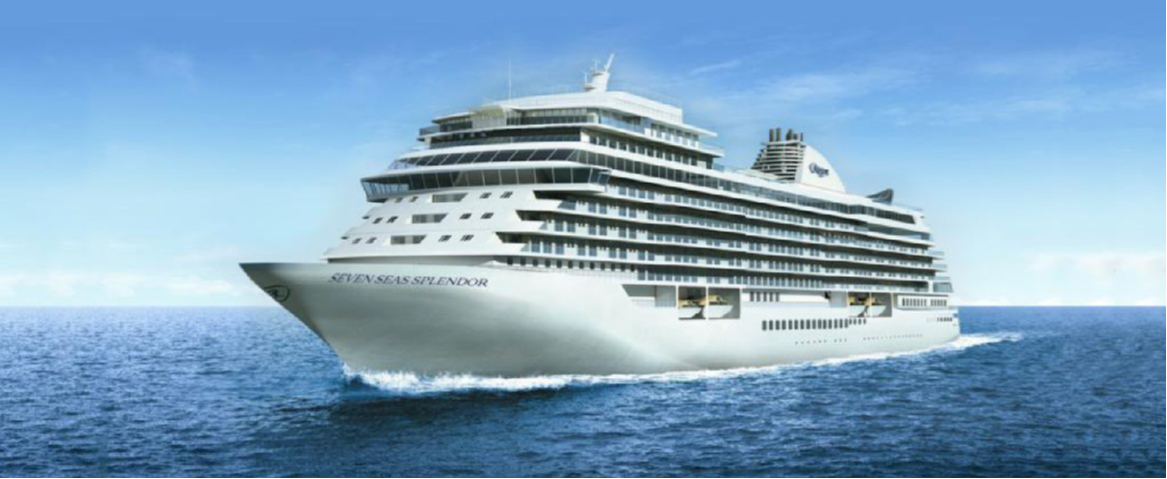
Seven Seas Splendor
9 Cruises
Seabourn Cruise Line (24 Cruises)
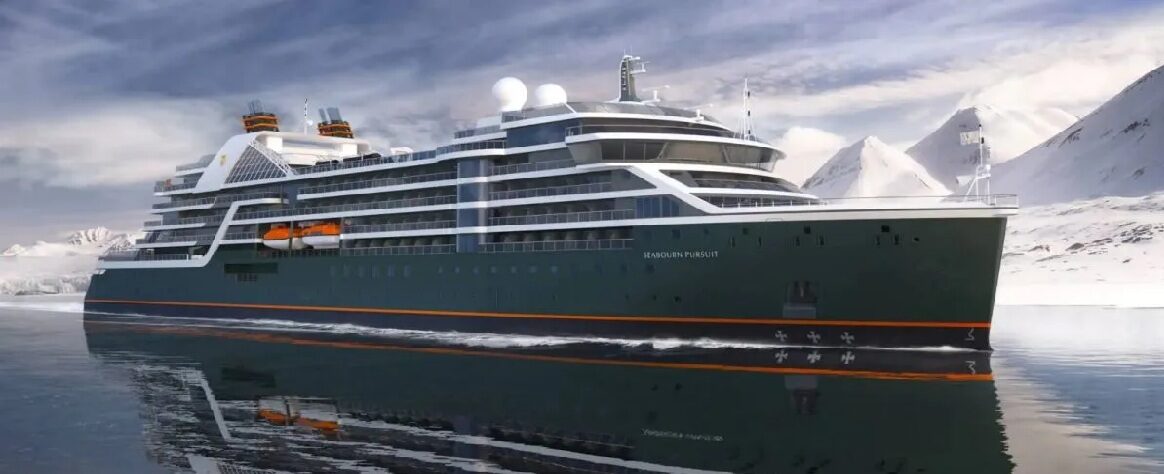
Seabourn Pursuit
13 Cruises

| 8 May | 27 days | One-way from Lautoka to Broome WA |
450-628-6241
Call us
|
| 8 May | 17 days | One-way from Lautoka to Darwin |
450-628-6241
Call us
|
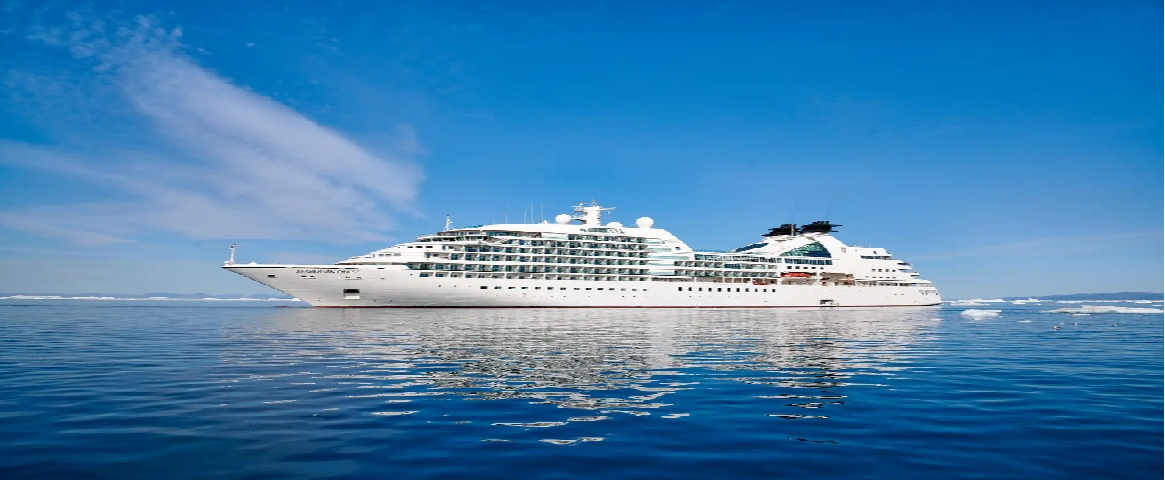
Seabourn Quest
11 Cruises
Silversea Cruises (23 Cruises)

Windstar Cruises (34 Cruises)
Star Breeze
34 Cruises


| 17 February | 28 days | One-way from Lautoka to Papeete |
450-628-6241
Call us
|
| 17 February | 14 days | One-way from Lautoka to Papeete |
450-628-6241
Call us
|

Port of Lautoka, Fiji | Cruise Port Guide
Frequently Asked Questions
At the commercial port of Lautoka, on the west coast of Viti Levu. The compact centre is about fifteen minutes on foot from the quay.
Because of the great sugar mill, the largest in the country, which made the town. In harvest season a sweet smell sometimes drifts as far as the quays. The mill is not officially open to visitors, but its yards, its trains and its chimneys tell the story of cane here on their own.
The municipal market, the beating heart of town, then the shopping streets. Under the great hall, stalls overflow with taro, papaya, chillies and kava root tied in neat bundles. The craft aisles offer painted tapa, woven baskets and wood carvings.
Not at all. You move through it without any sales pressure, among greetings called from stall to stall. A smiling bula opens every conversation, and it is not unusual to leave with a papaya pressed on you as a gift.
Because the sugar industry shaped the population: indentured workers from India in the late nineteenth century settled and stayed. Colourful temples, mosques, sari shops and curry houses stand alongside the churches.
An orchid collection started long ago by the actor Raymond Burr, about twenty minutes away by road, at the foot of a ridge whose outline suggests a sleeping figure. Thousands of plants flower along shaded paths and wooden walkways.
Yes, in the Sabeto area. Several tours combine the Garden of the Sleeping Giant with the mud pools and hot springs: you come out coated in clay, rinsed in warm water and thoroughly relaxed.
Yes, at Koroyanitu Heritage Park inland: rainforest trails, waterfalls and hamlets clinging to the slopes. Save it for a generous day, preferably with a local guide who will also make the customary introduction to the village elders before the walk.
Morning, when the produce is fresh in and the crowd still thin. The humid heat is reason enough to start early anyway.
The Fijian dollar, easily obtained in the centre; small vendors prefer cash. Taxis are plentiful at the port gate: agree the fare before setting off. Clothing that covers the shoulders is appreciated in villages and places of worship.


