Liverpool England
United Kingdom
186
Cruises availables
At departure or passage at this port
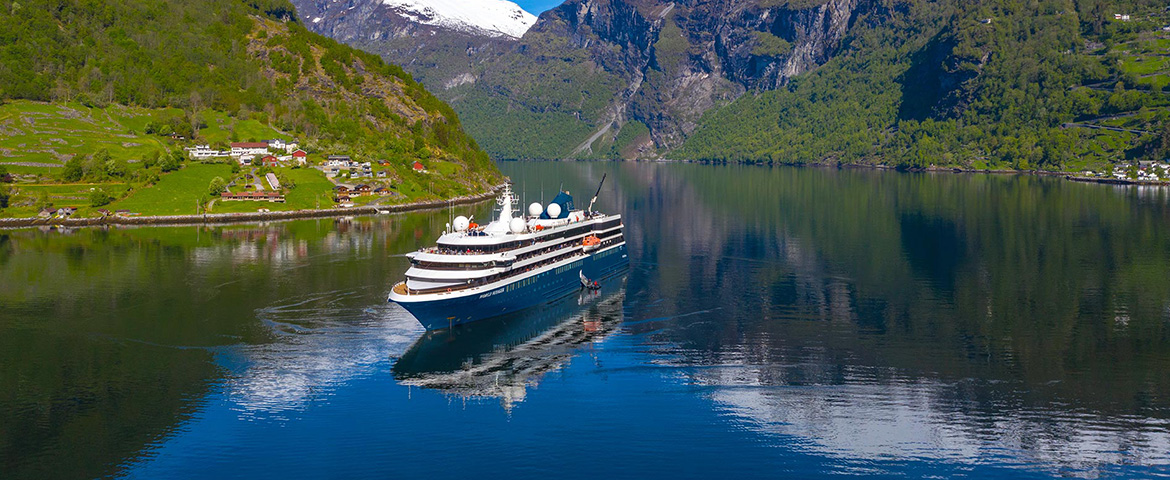
Atlas Ocean Voyages (2 Cruises)

Azamara Club Cruises (5 Cruises)
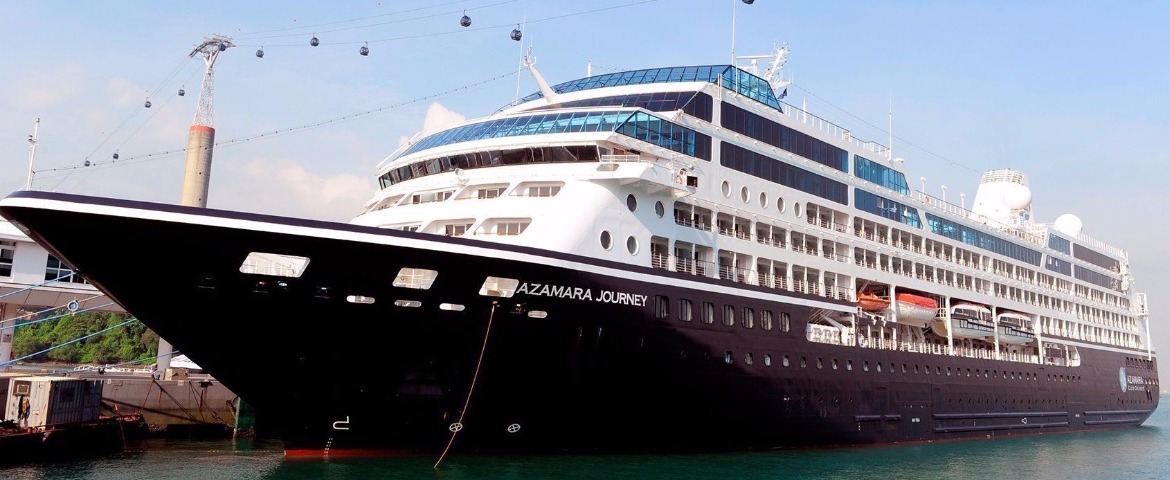
Azamara Journey
5 Cruises

Carnival Cruise Line (4 Cruises)


Celebrity Cruises (5 Cruises)

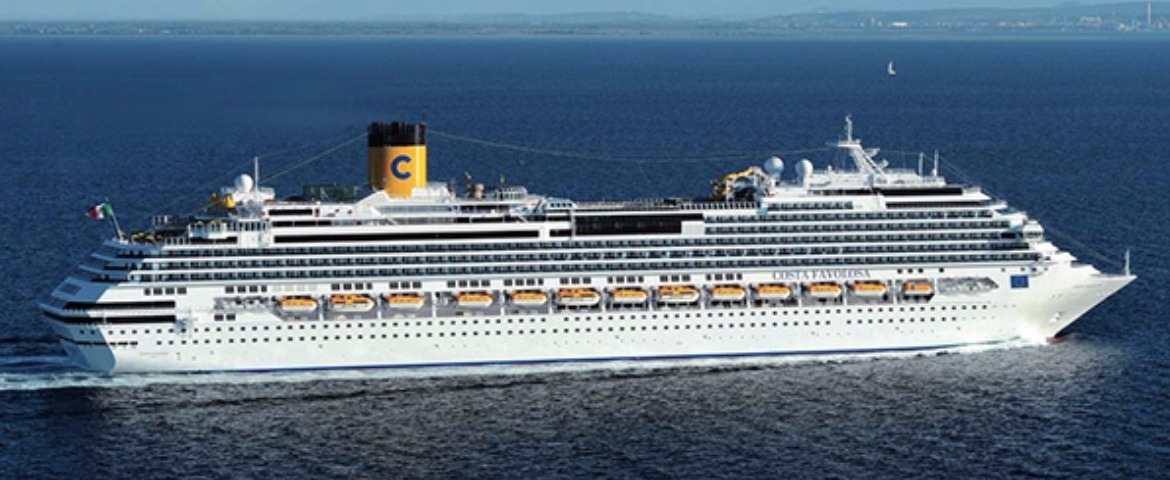
Costa Cruises (2 Cruises)

Crystal Cruises (6 Cruises)
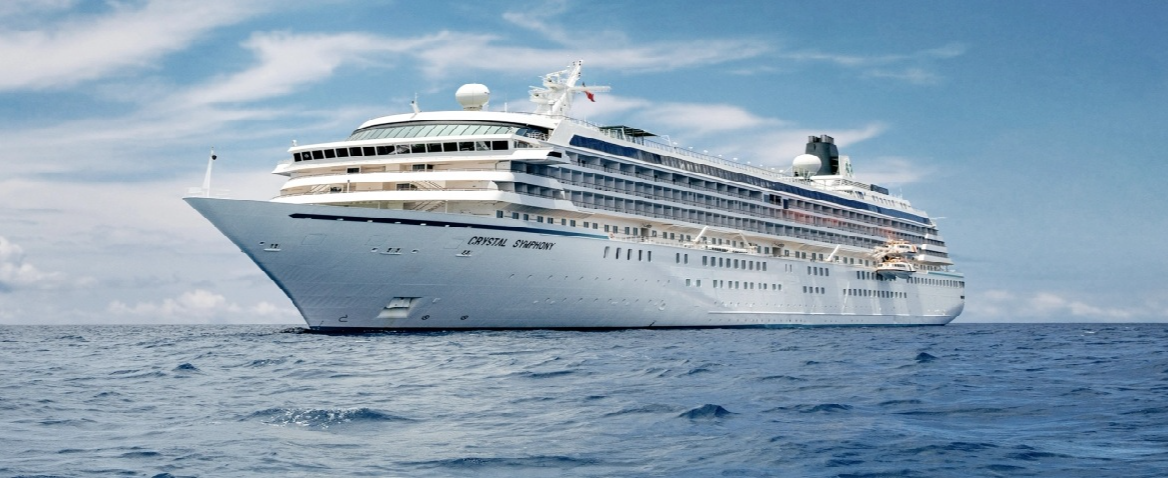
Crystal Symphony
6 Cruises


Disney Cruise Line (1 Cruises)


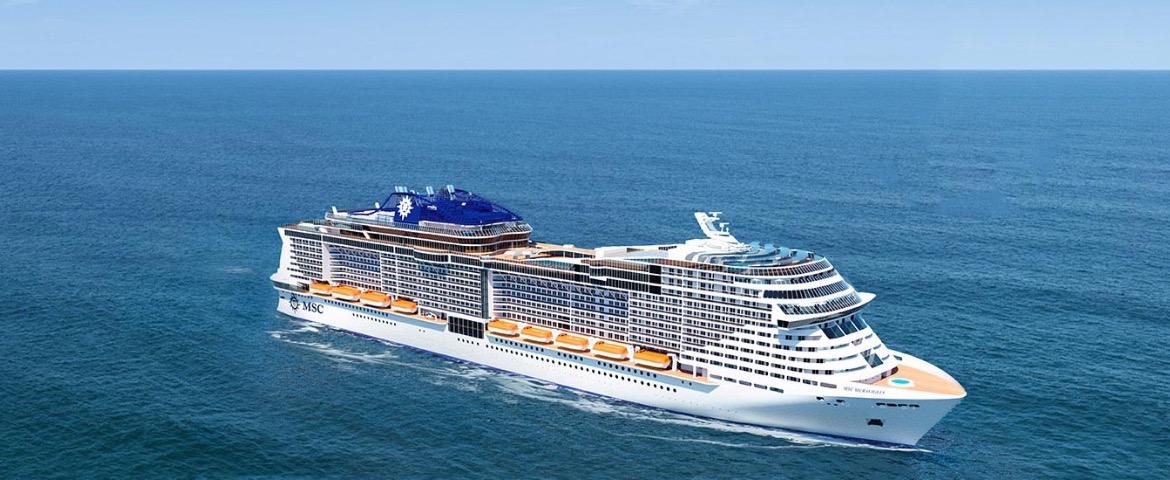

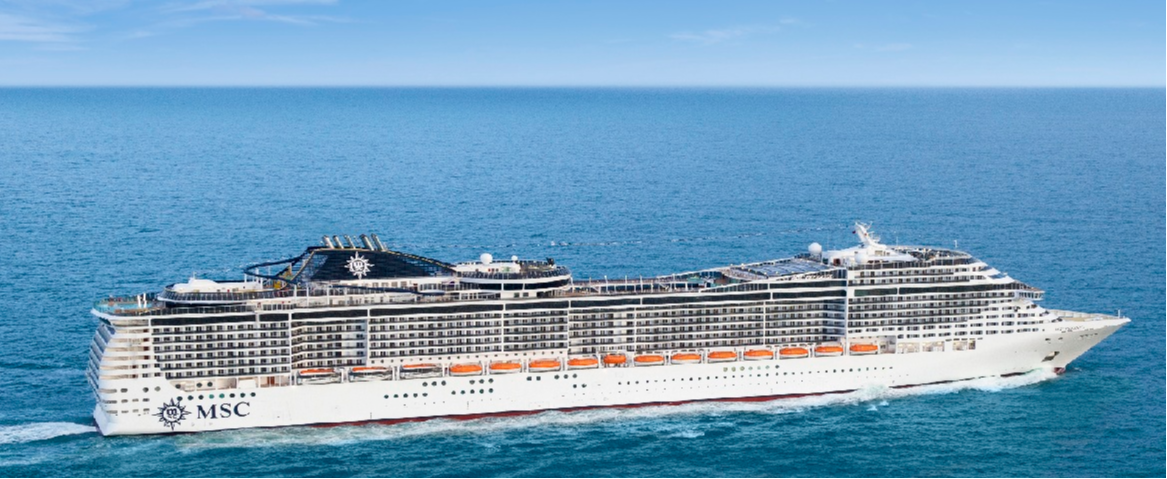
Norwegian Cruise Line (8 Cruises)
Norwegian Star
8 Cruises
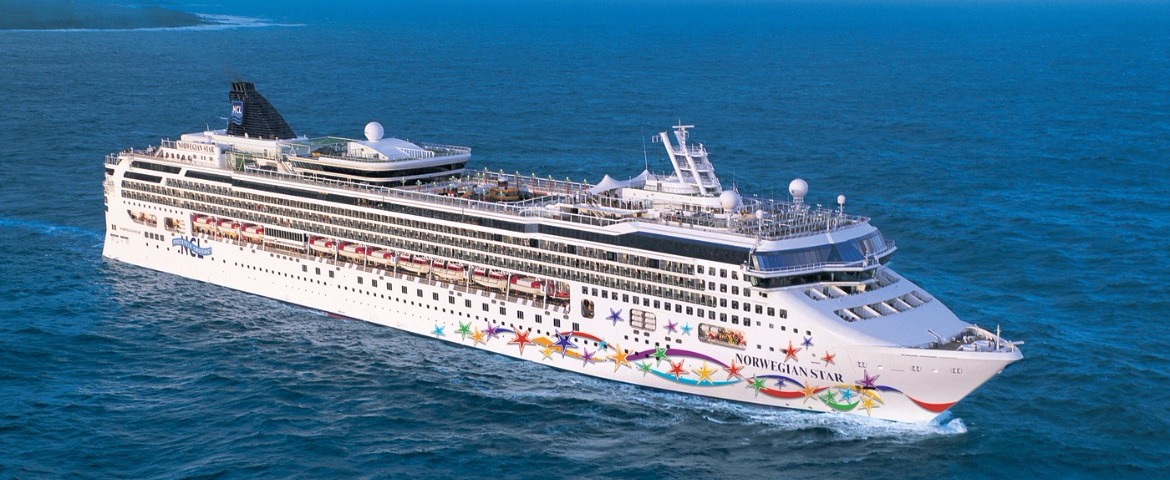
| 3 June | 10 days | Round-trip British Isles Norwegian Star Southampton |
From
1532$
|
| 3 June | 11 days | Round-trip from Southampton, United Kingdom |
450-628-6241
Call us
|
| 15 July | 10 days | Round-trip British Isles Norwegian Star Southampton |
From
1503$
|
| 15 July | 11 days | Round-trip from Southampton, United Kingdom |
450-628-6241
Call us
|
Oceania Cruises (4 Cruises)

Princess Cruises (39 Cruises)

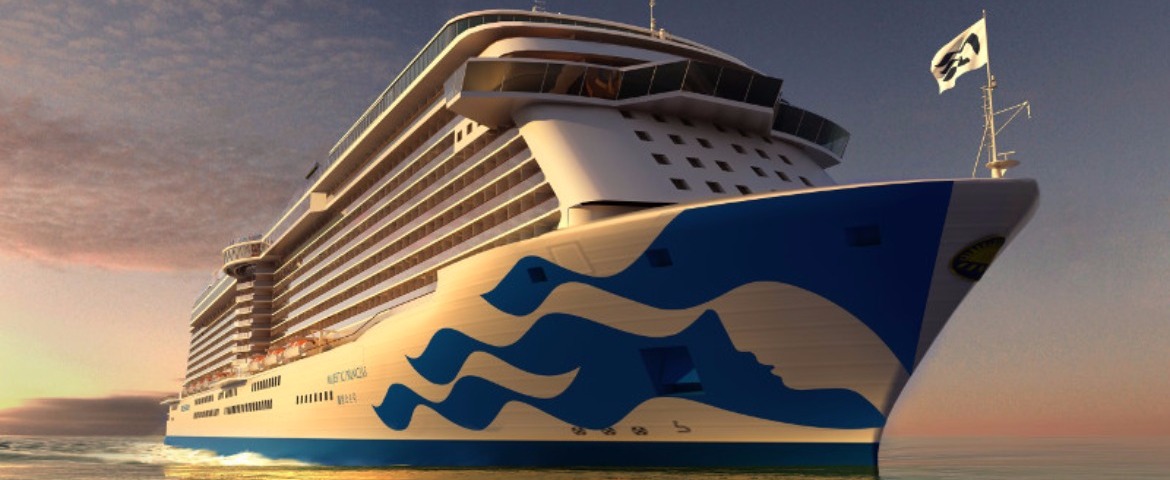
Majestic Princess
37 Cruises
| 31 March | 7 days | Round-trip British Isles Majestic Princess Southampton |
450-628-6241
Call us
|
| 31 March | 8 days | Round-trip from Southampton, United Kingdom |
450-628-6241
Call us
|
| 31 March | 7 days | Round-trip British Isles Majestic Princess Southampton |
450-628-6241
Call us
|
| 31 March | 8 days | Round-trip from Southampton, United Kingdom |
450-628-6241
Call us
|
Regent Seven Seas Cruises (29 Cruises)
Seven Seas Grandeur
4 Cruises

Seven Seas Mariner
8 Cruises
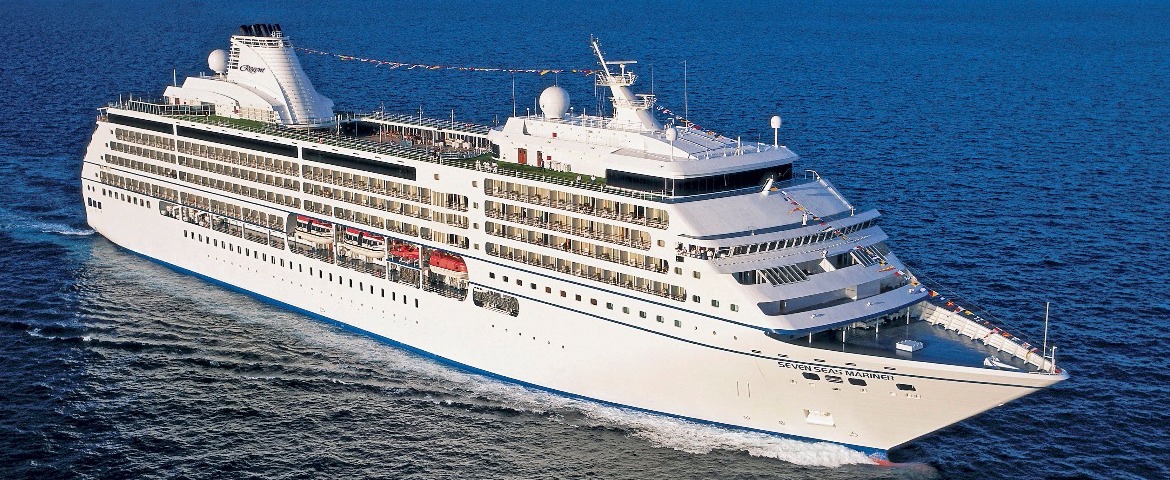
Seven Seas Prestige
4 Cruises
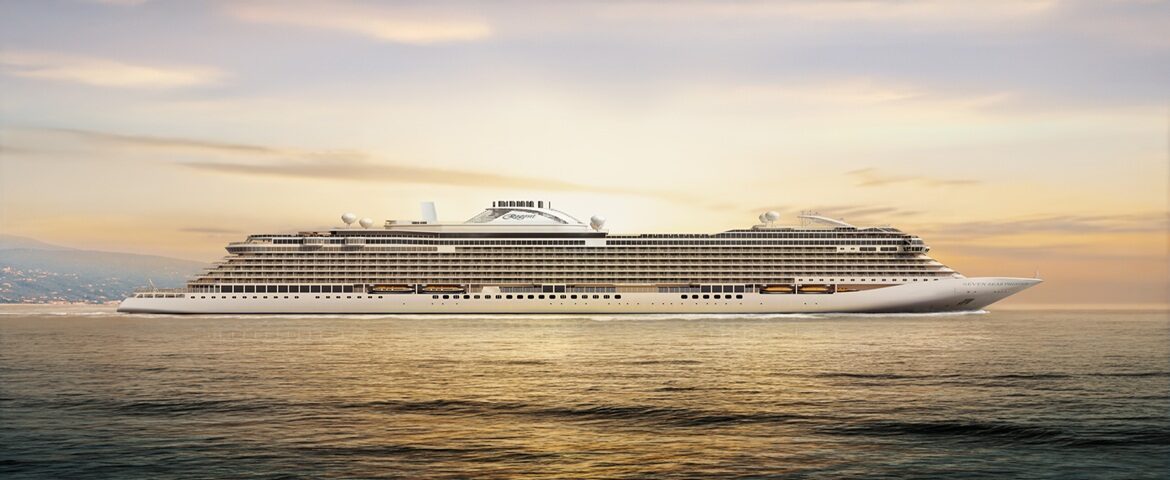
Seven Seas Splendor
4 Cruises
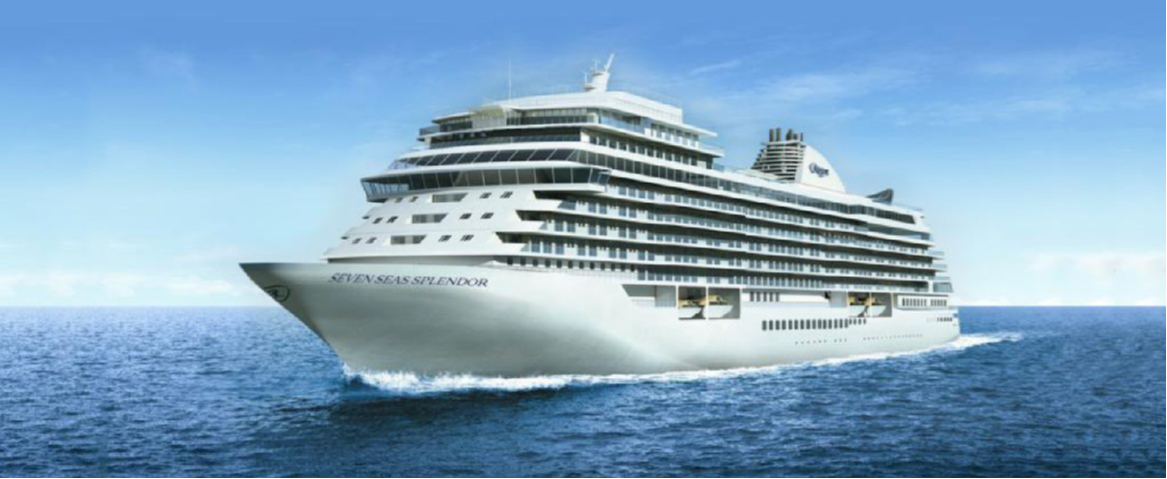
Seven Seas Voyager
9 Cruises
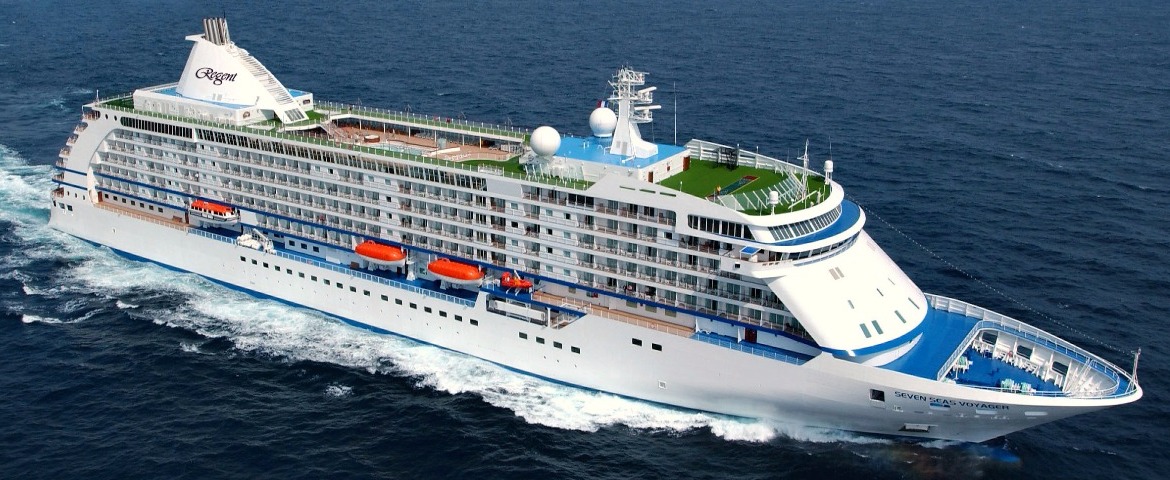
| 10 May | 12 days | One-way from Southampton to Leith-Edinburgh |
450-628-6241
Call us
|
| 10 May | 11 days | One-way from Southampton to Leith-Edinburgh |
450-628-6241
Call us
|
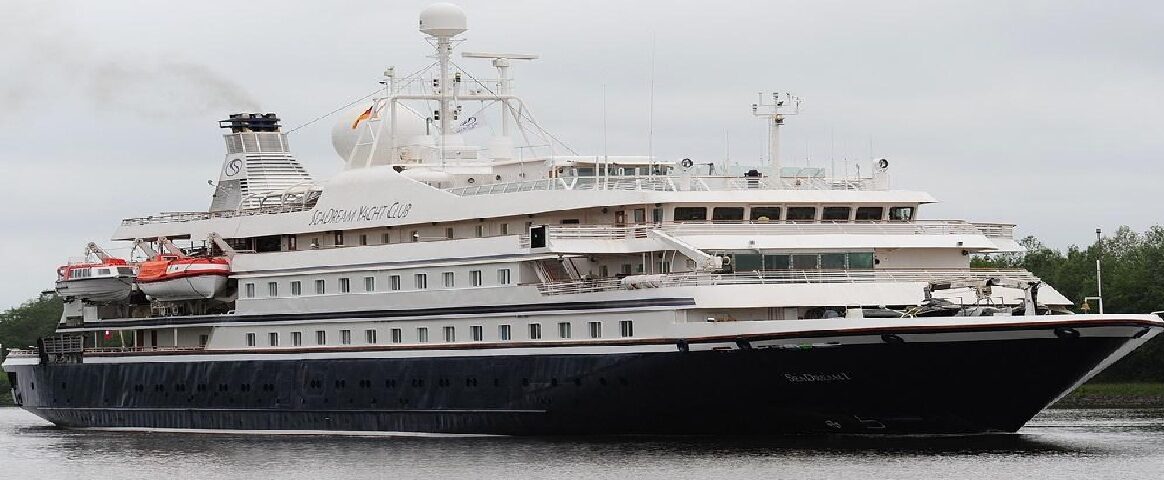
SeaDream Yacht Club (2 Cruises)

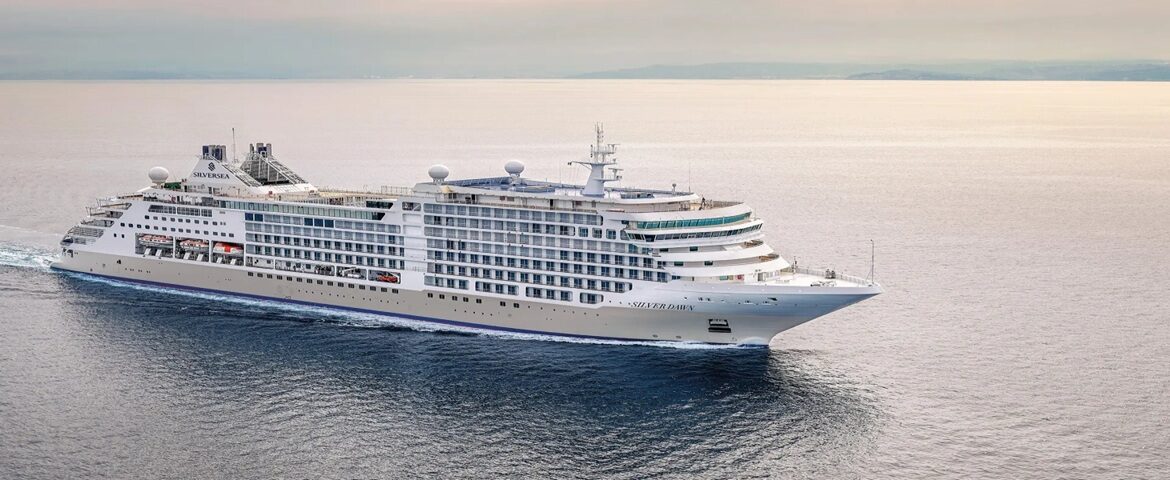
Silversea Cruises (11 Cruises)

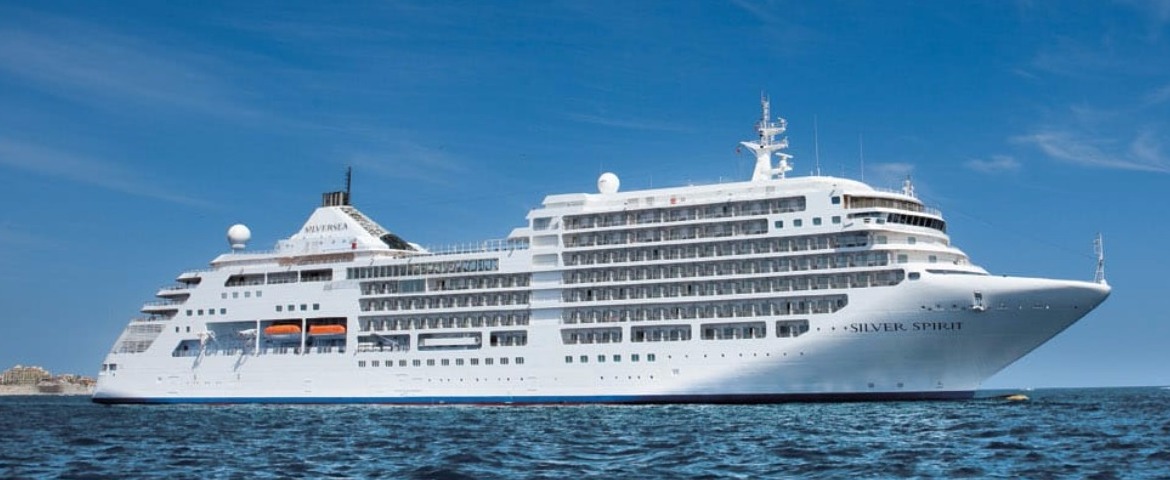
Silver Spirit
10 Cruises
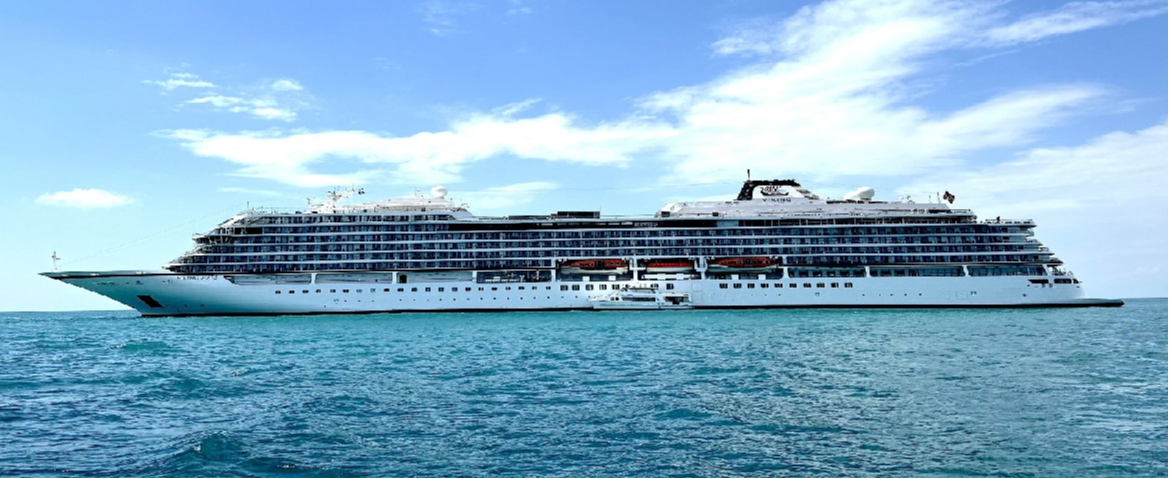
Viking Ocean Cruises (58 Cruises)
Viking Mars
8 Cruises

| 29 May | 14 days | One-way from Barcelona to Reykjavik |
450-628-6241
Call us
|
| 29 May | 13 days | One-way from Barcelona to Reykjavik |
450-628-6241
Call us
|
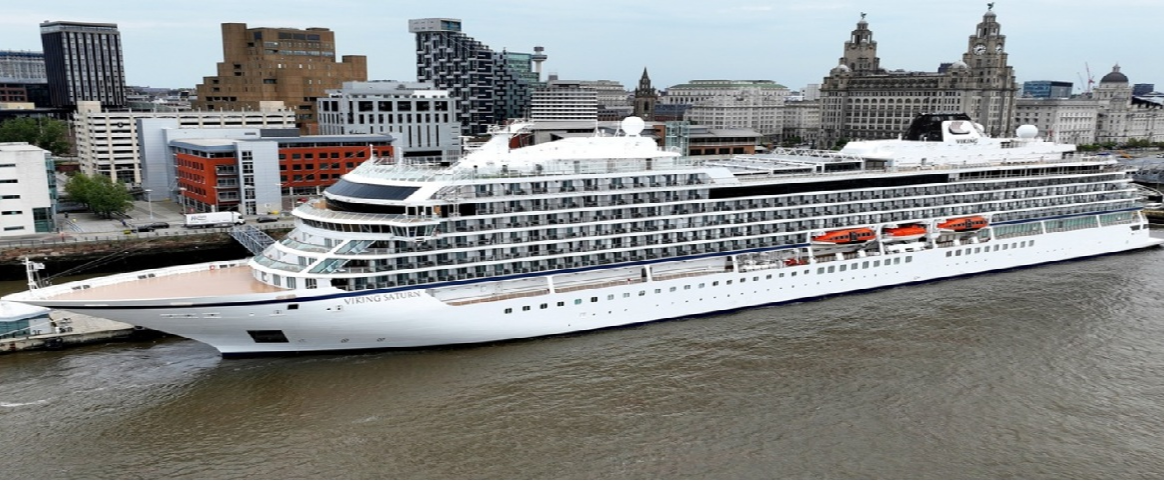
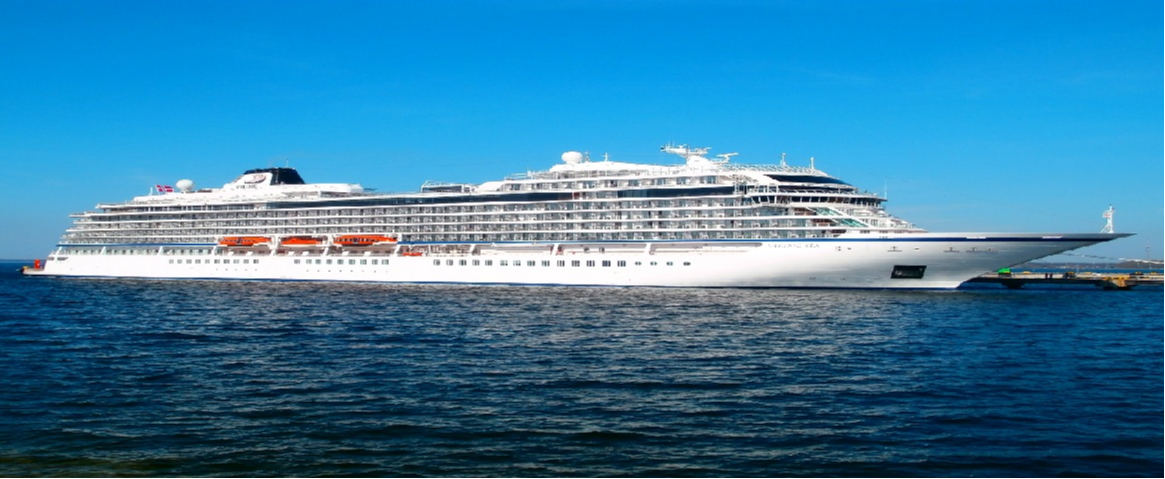
Viking Sky
22 Cruises
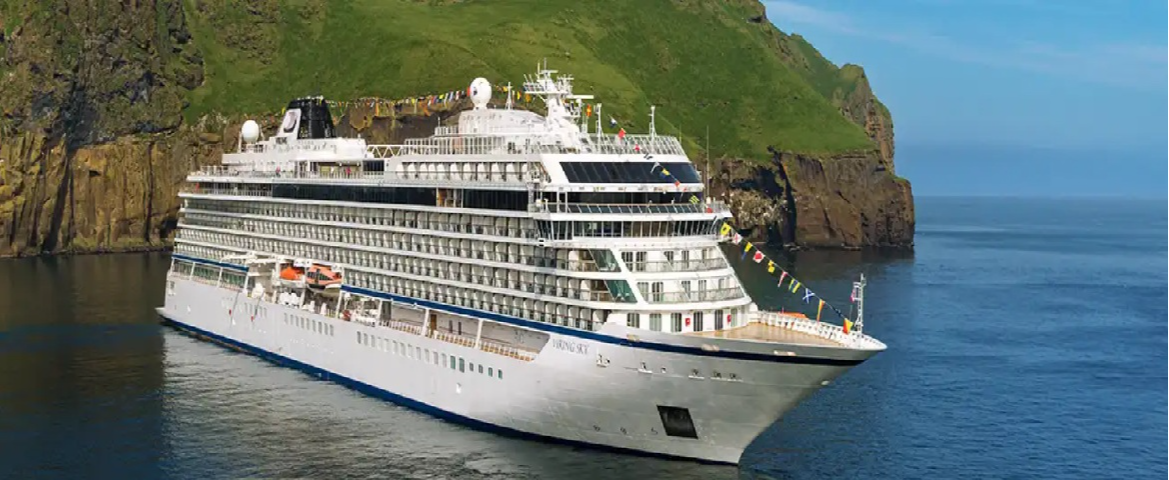
Viking Vela
16 Cruises
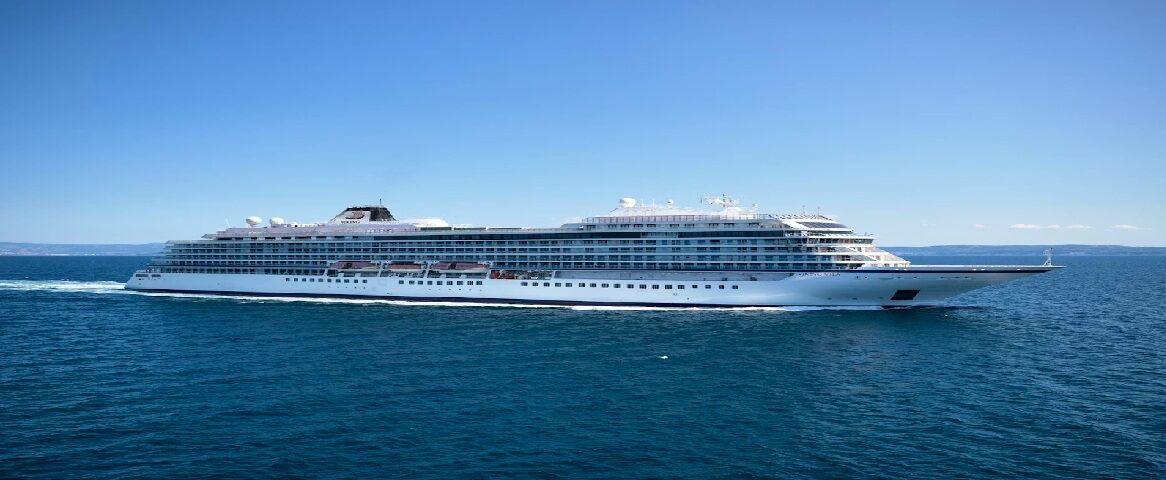

Port of Liverpool, England | Cruise Port Guide
Frequently Asked Questions
At the cruise terminal on the Mersey, at the foot of the waterfront monuments themselves. It is one of the best-placed berths in the UK: you walk down the gangway and you are already in the middle of everything, with no shuttle or taxi needed.
Everything is walkable. Pier Head and the Three Graces are right at the berth, then fifteen minutes along the water brings you to the Royal Albert Dock and its museums, and finally Mathew Street and the Cavern Club heading up into the centre.
Three Edwardian buildings symbolising the city's old maritime power, facing the quay: the Royal Liver Building with its two copper birds perched on the towers, the Cunard Building from which the transatlantic liners were run, and the domed Port of Liverpool Building.
An 1846 dock ringed by brick warehouses and cast-iron columns, fifteen minutes' walk from the terminal. Museums have replaced the merchant ships: the Merseyside Maritime Museum, the International Slavery Museum upstairs, and The Beatles Story. You can easily spend half a day there.
Yes, on Mathew Street on the way up into the centre. The current club is a faithful reconstruction a few metres from the original, but the vaulted brick and the covers keep the illusion going admirably. Musicians play from the middle of the day onwards.
Three stops link up naturally: the bronze statue of the four Beatles walking on Pier Head, The Beatles Story at the Royal Albert Dock, and the Cavern Club on Mathew Street. All of it fits into half a day without rushing.
Yes, a central one. In the 19th century it was one of the world's leading ports, the place from which millions of emigrants sailed for America. The Merseyside Maritime Museum covers the liners, the wrecks and that emigration; the International Slavery Museum addresses the darker side of that prosperity head on.
Yes. A century-old ferry, immortalised in the song Ferry Cross the Mersey, still links the two banks. It is a short outing that gives the best possible view of the waterfront and its Three Graces.
Very much so. Everything is flat and walkable, the cobbled quays of the Royal Albert Dock invite pauses, and the ferry is a hit. The free museums let you come and go without calculating, which matters when travelling with young children.
Pound sterling and English, in the inimitable Scouse accent that can throw non-native ears. Cards are accepted everywhere and cash machines are plentiful in the centre.


