Kristiansand Norway
Norway
374
Cruises availables
At departure or passage at this port
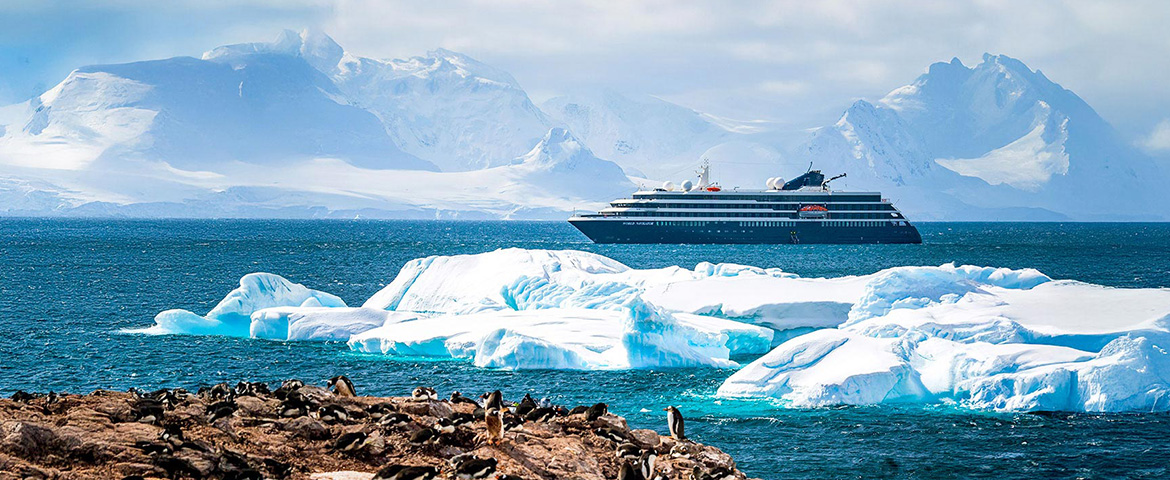
Atlas Ocean Voyages (1 Cruises)

Celebrity Cruises (3 Cruises)


Crystal Cruises (6 Cruises)
Crystal Serenity
6 Cruises


| 20 June | 59 days | Round-trip 59 Night Grand Journey Roundtrip Portsmouth Cruise |
450-628-6241
Call us
|
| 20 June | 60 days | Round-trip from Portsmouth UK, United Kingdom |
450-628-6241
Call us
|
Cunard (14 Cruises)

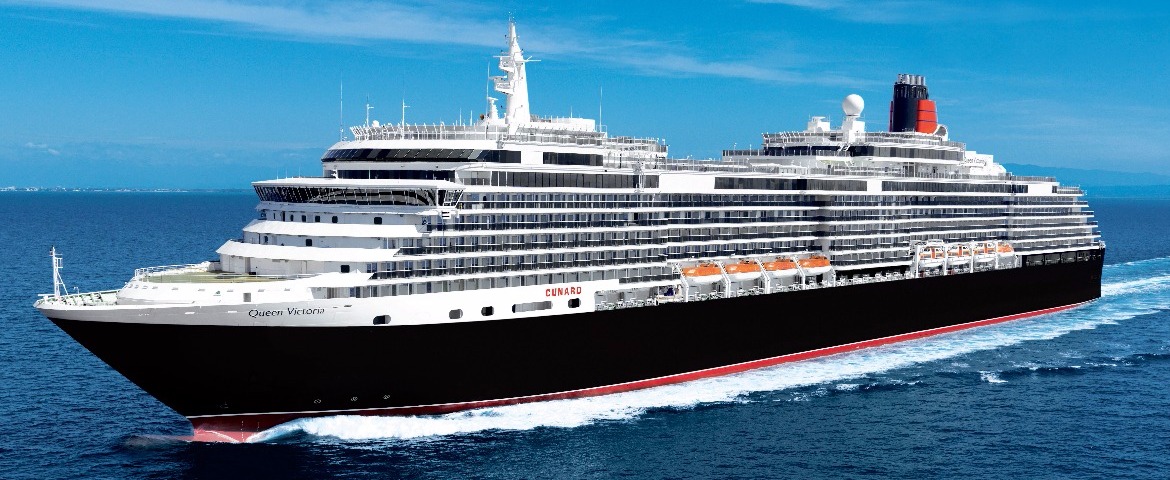
Queen Mary 2
7 Cruises

Disney Cruise Line (2 Cruises)


Holland America Line (61 Cruises)
ms Rotterdam
54 Cruises
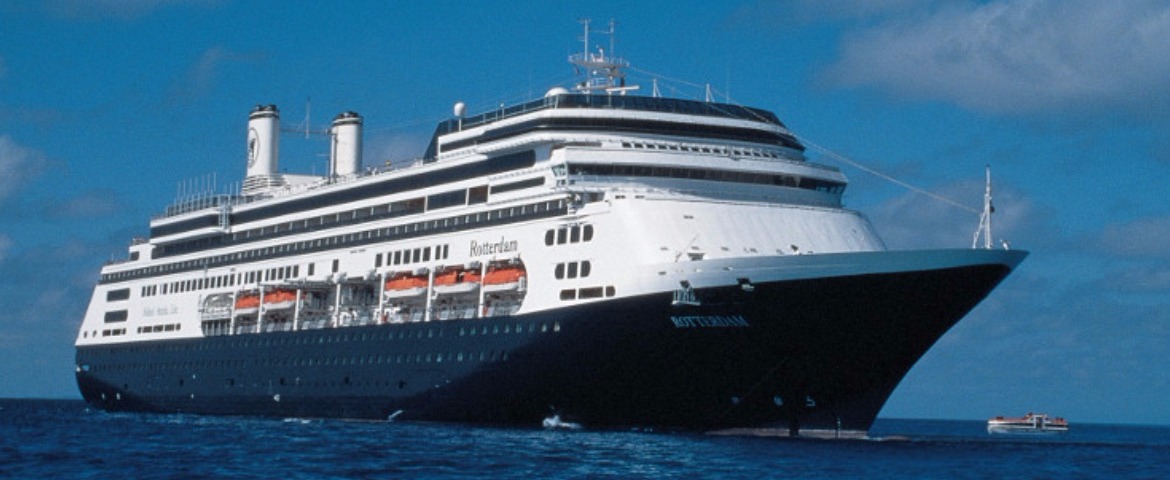

| 25 July | 14 days | Round-trip Norwegian Fjords Rotterdam |
450-628-6241
Call us
|
| 25 July | 15 days | Round-trip from Rotterdam, Netherlands |
450-628-6241
Call us
|
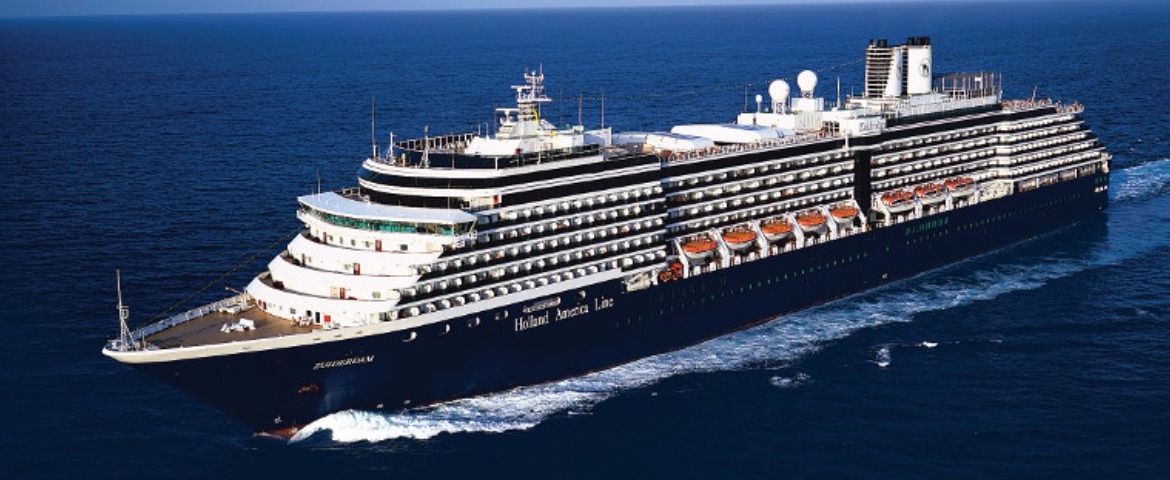
ms Zuiderdam
7 Cruises
Hurtigruten (33 Cruises)
MS Trollfjord
33 Cruises


| 23 October | 15 days | Round-trip from Oslo, Norway |
450-628-6241
Call us
|
| 29 October | 9 days | One-way from Tromso to Oslo |
450-628-6241
Call us
|
MSC Cruises (64 Cruises)
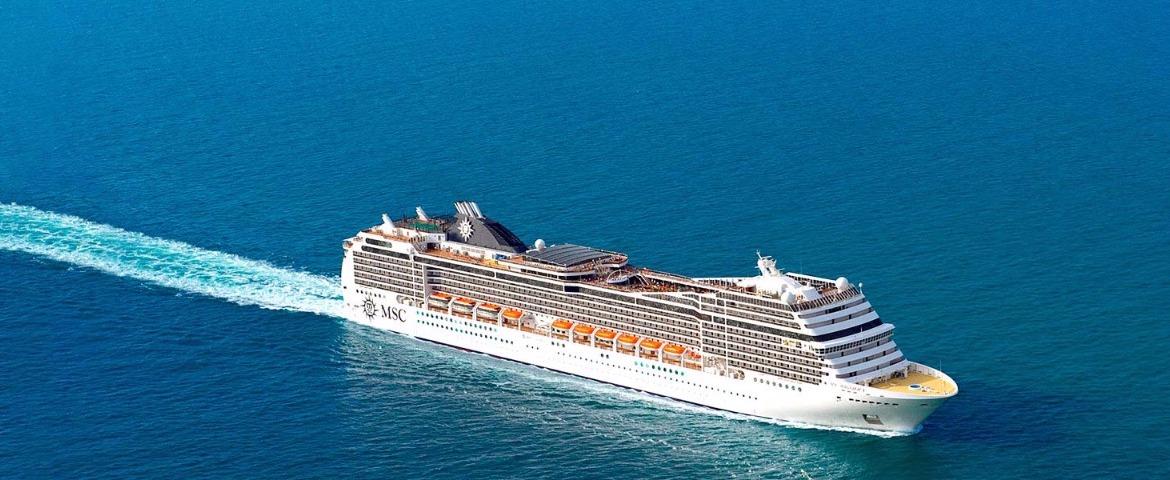
MSC Magnifica
35 Cruises

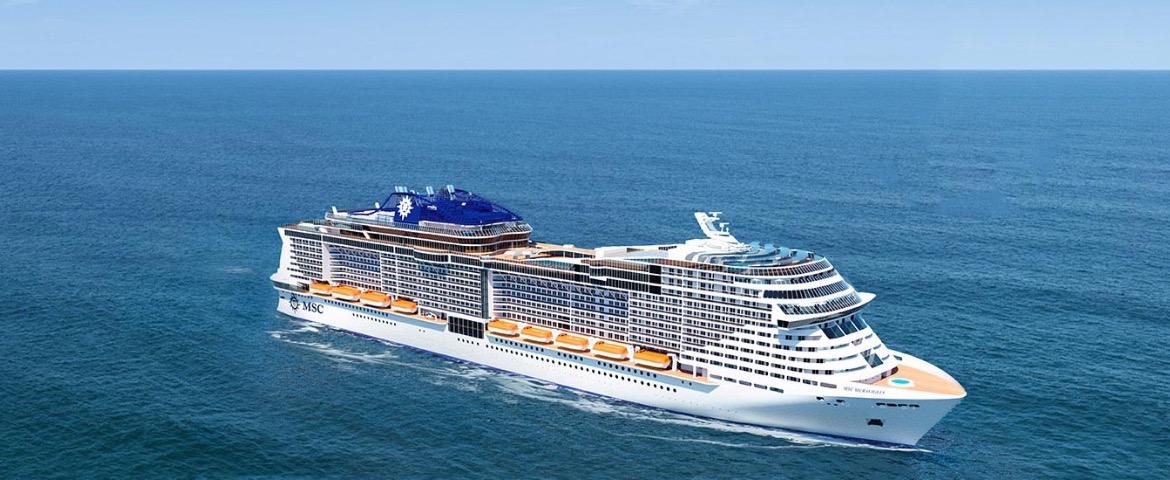
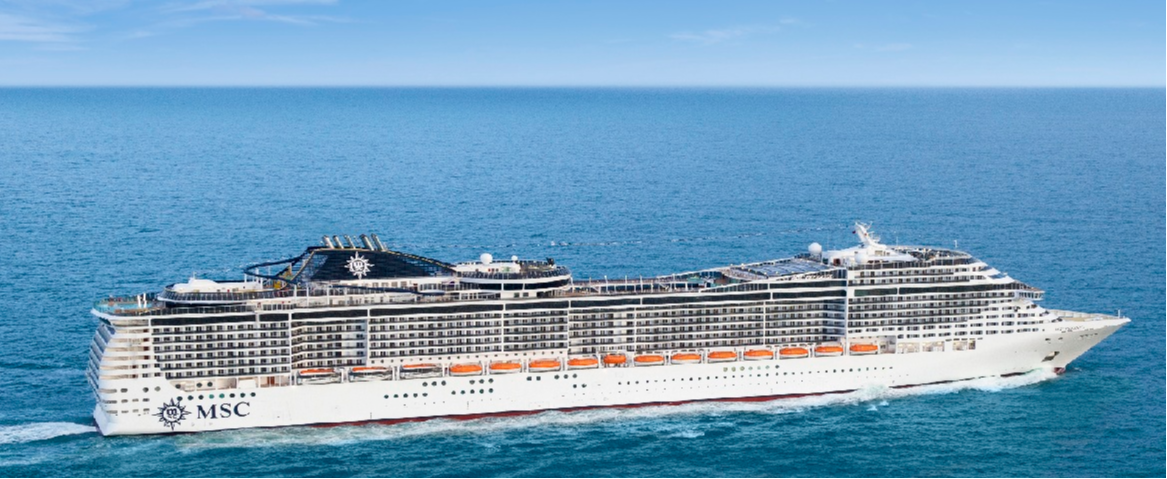
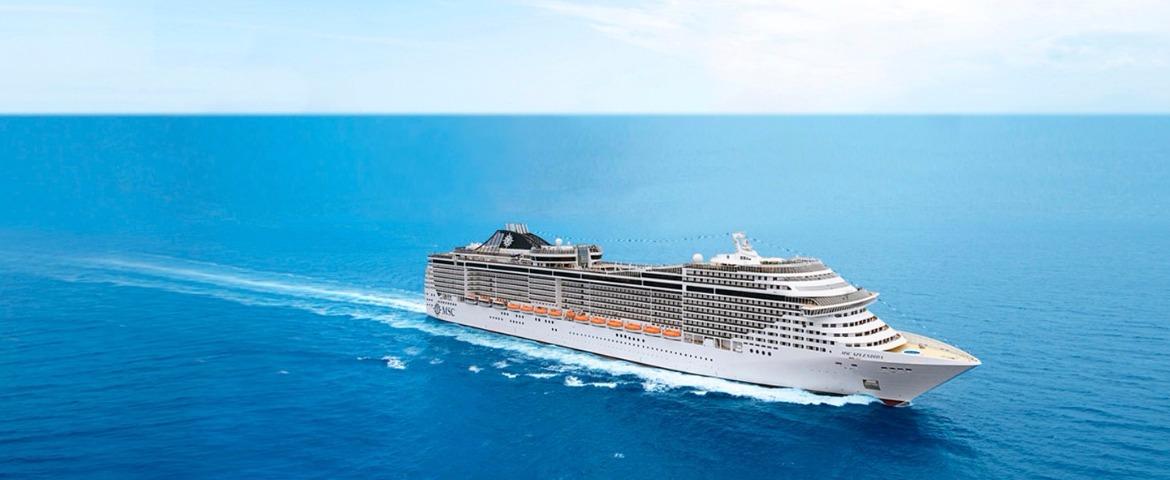
MSC Splendida
20 Cruises
| 27 May | 8 days | Round-trip from Copenhagen, Denmark |
From
1611$
|
| 28 May | 8 days | Round-trip from Warnemunde-Rostock, Germany |
From
2173$
|
| 20 June | 11 days | One-way from Stockholm to Oslo |
450-628-6241
Call us
|
| 24 June | 8 days | Round-trip from Copenhagen, Denmark |
From
1810$
|
| 25 June | 8 days | Round-trip from Warnemunde-Rostock, Germany |
From
1830$
|
Norwegian Cruise Line (1 Cruises)


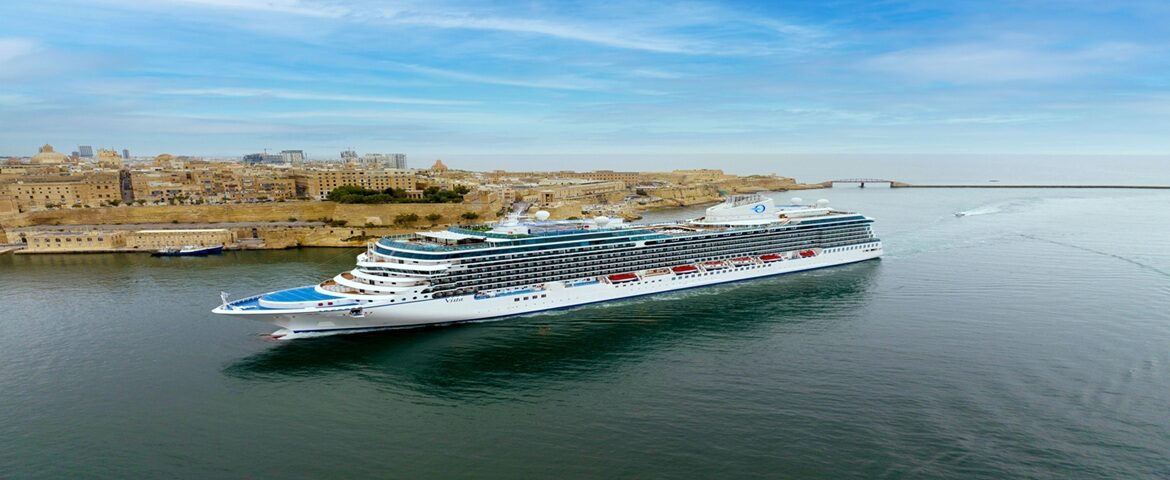
Oceania Cruises (15 Cruises)

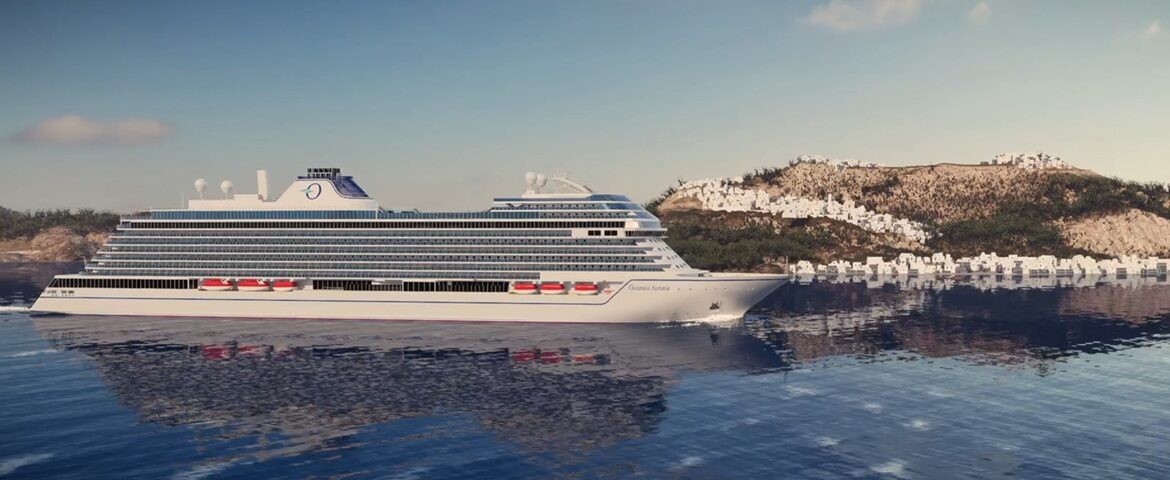
Oceania Vista
7 Cruises

Princess Cruises (87 Cruises)
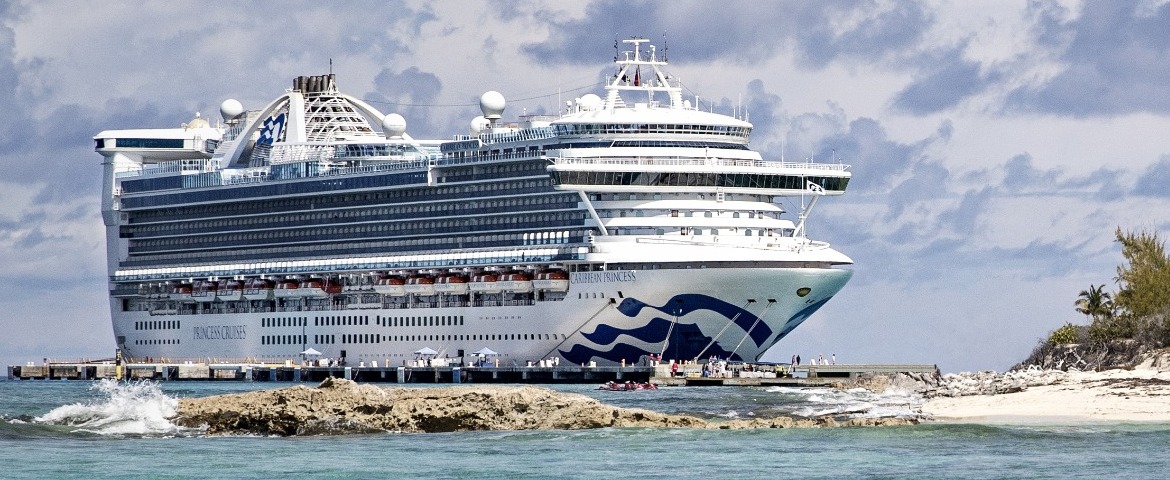
Caribbean Princess
43 Cruises

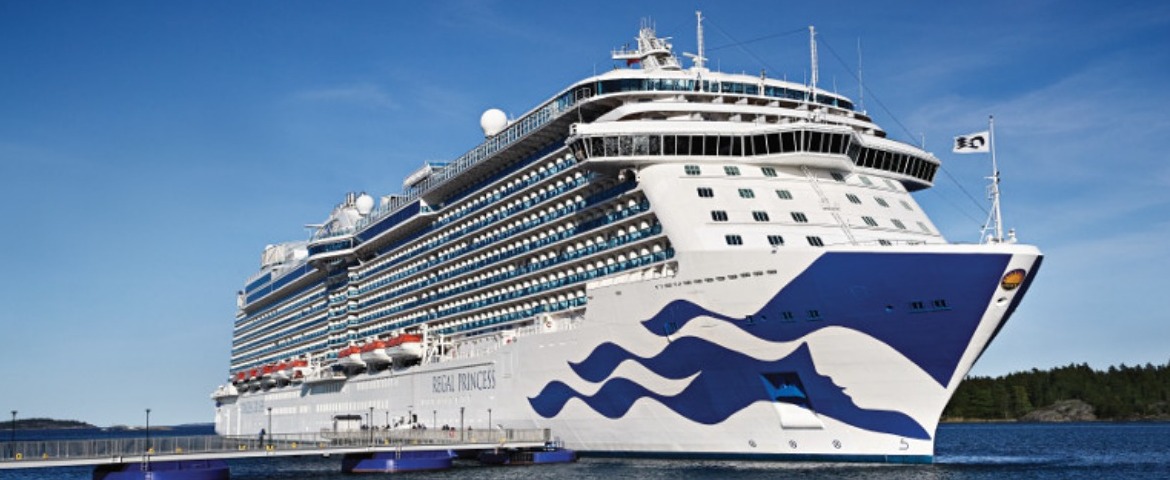
Regal Princess
30 Cruises
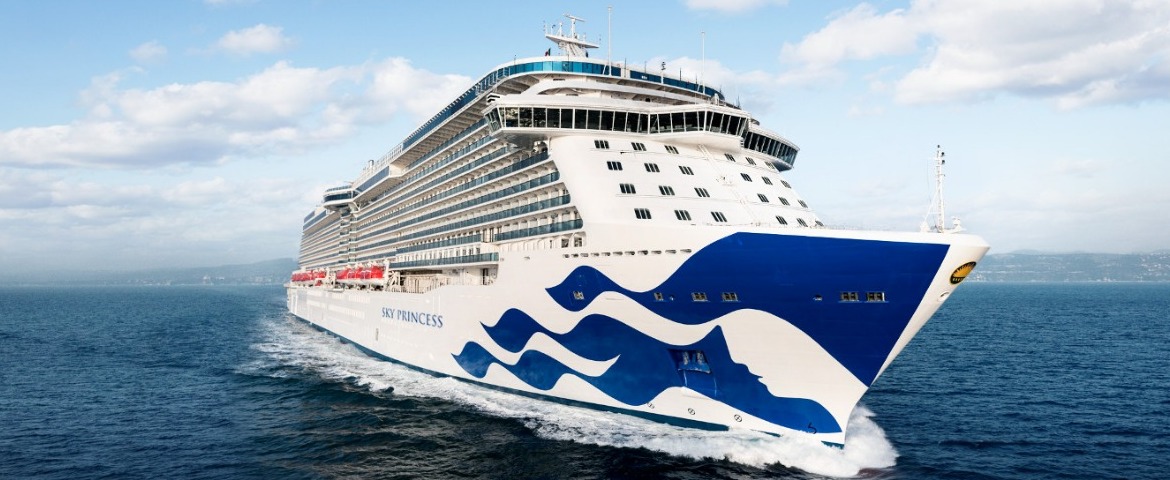
Sky Princess
14 Cruises
| 3 June | 8 days | Round-trip from Southampton, United Kingdom |
450-628-6241
Call us
|
| 10 June | 15 days | Round-trip from Southampton, United Kingdom |
450-628-6241
Call us
|
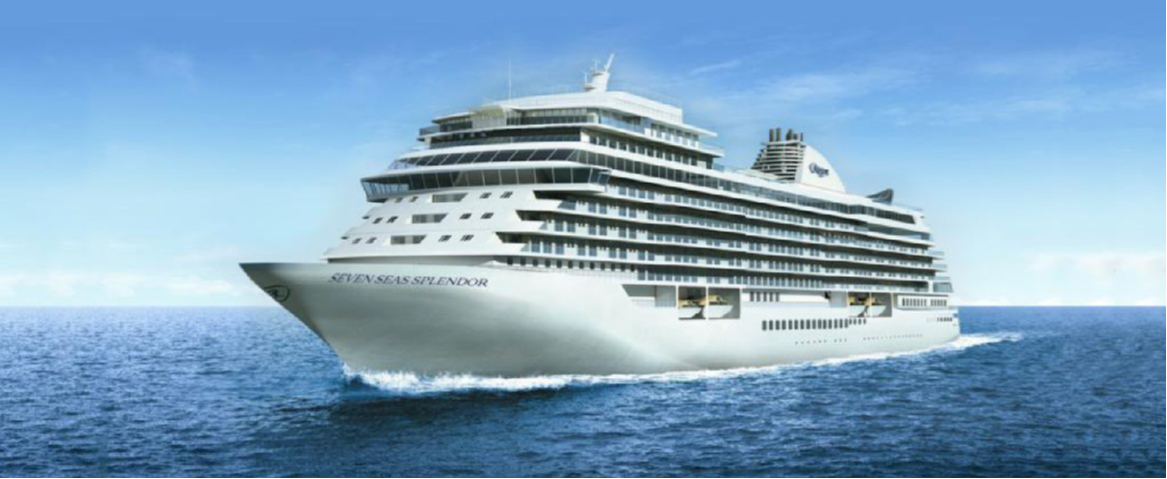
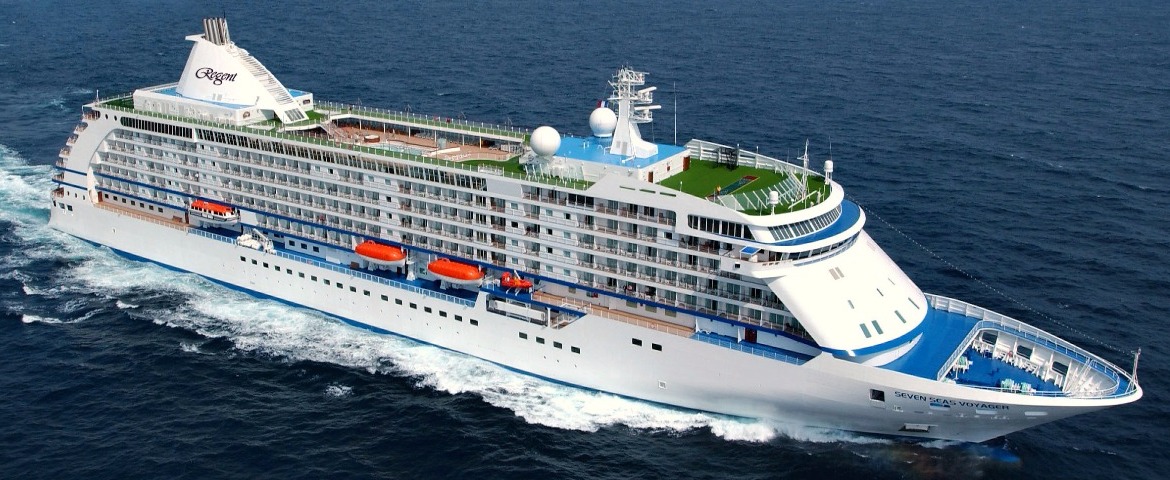
Regent Seven Seas Cruises (16 Cruises)
Seven Seas Mariner
12 Cruises


| 30 May | 102 days | One-way from Barcelona to IJmuiden |
450-628-6241
Call us
|
| 30 May | 101 days | One-way from Barcelona to IJmuiden |
450-628-6241
Call us
|
Royal Caribbean Cruises (2 Cruises)


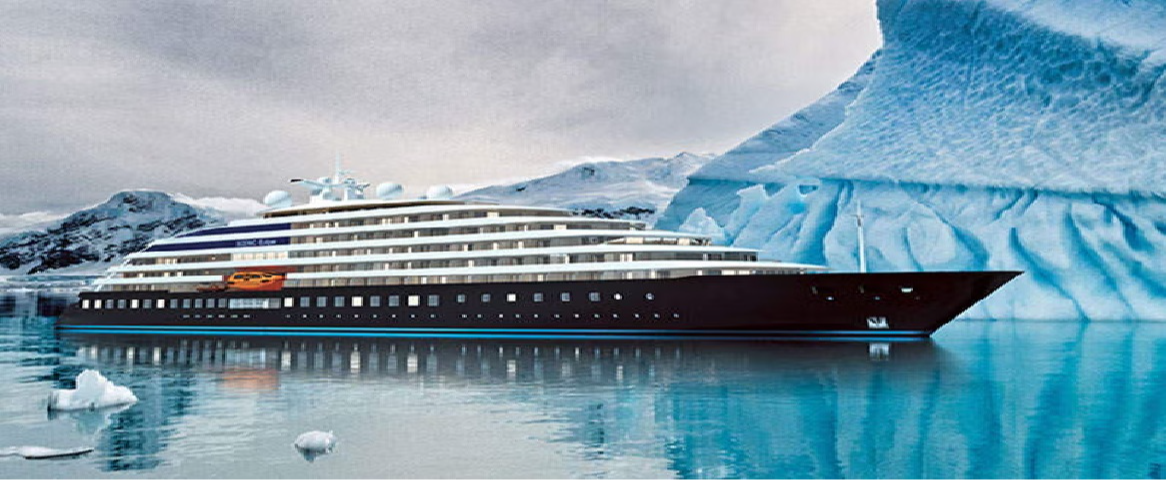
Scenic Cruises (8 Cruises)
Scenic Eclipse
4 Cruises

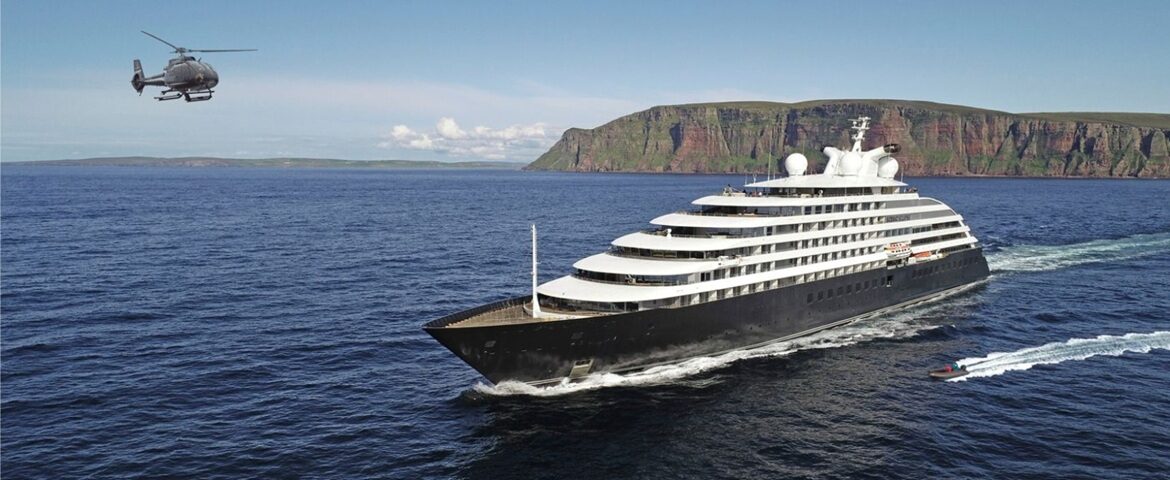
Scenic Eclipse II
4 Cruises

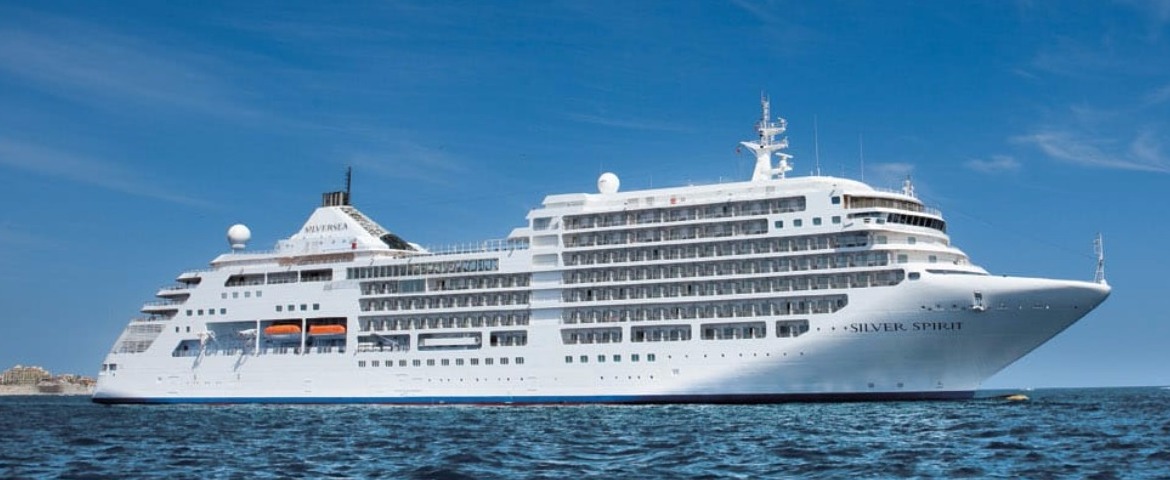
Viking Ocean Cruises (48 Cruises)
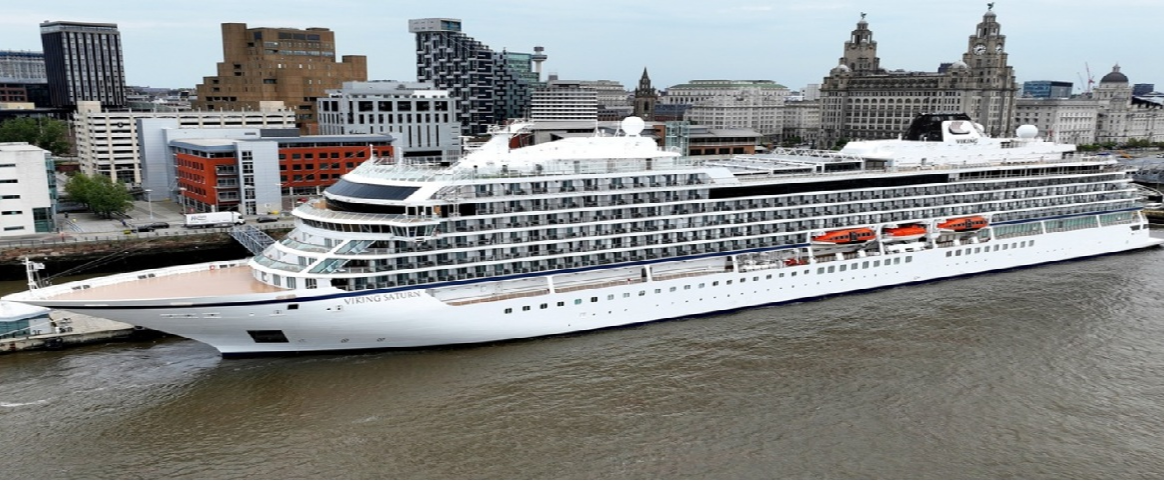
Viking Saturn
36 Cruises

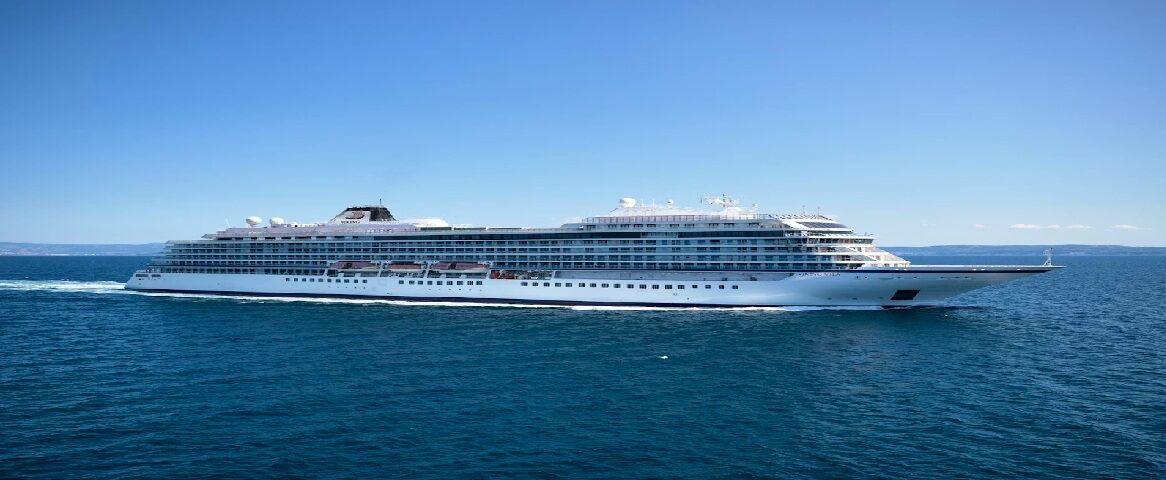
Viking Vela
12 Cruises

Port of Kristiansand, Norway | Cruise Port Guide
Frequently Asked Questions
At Lagmannsholmen, right downtown. It is a five to ten minute walk from the gangway to the heart of the old grid. No shuttle is needed: you pass a few warehouses and the town centre terraces are already in front of you.
Yes, all of it. The centre is called Kvadraturen, a grid of straight streets laid out in 1641 by King Christian IV himself. Markens gate pedestrian street, the cathedral, the Fiskebrygga quay and the town beach are all walkable from the ship.
Kvadraturen and the cathedral in the morning, shrimp at Fiskebrygga at midday, then the wooden district of Posebyen and Christiansholm Fortress. There is still time for Bystranda beach if the sun is out. None of it requires transport.
The waterfront food quay: red and ochre wooden buildings along the canal housing fishmongers and restaurants. Fresh shrimp are eaten right on the pontoons, feet over the water. The SKMU art museum is a short walk away.
Yes, if you enjoy wandering. About twenty minutes on foot brings you to the only district spared by the fires, one of northern Europe's largest collections of wooden houses. Flowered fences, inner courtyards, and sometimes a Saturday market between the facades.
Yes, at Bystranda, the town beach, a fifteen minute walk from the ship: pale sand, clear water, bathing pavilion. A few brave souls swim from June onward, but the water stays cold by Canadian summer standards.
Very good. Distances are short, the centre is pedestrian and the beach is in town. The regional zoo, a favourite with Norwegian children, is reachable on an organized excursion but takes up virtually a full day.
The Norwegian krone (NOK). There is no need to exchange money: Norway is one of the least cash-dependent countries in the world and cards work everywhere, right down to an ice cream cone on Markens gate.
Yes, fluently. The official language is Norwegian, but English is taught early and spoken with ease in shops, restaurants and museums. French is rarely heard.
June through August. This is Norway's sunny doorway, where Norwegians themselves come to spend the summer: open terraces, a busy beach and long bright evenings. Off season the town is still handsome, but Fiskebrygga and Bystranda lose their point.


