Napier New Zealand
New Zealand
204
Cruises availables
At departure or passage at this port
Azamara Club Cruises (27 Cruises)
Azamara Onward
7 Cruises
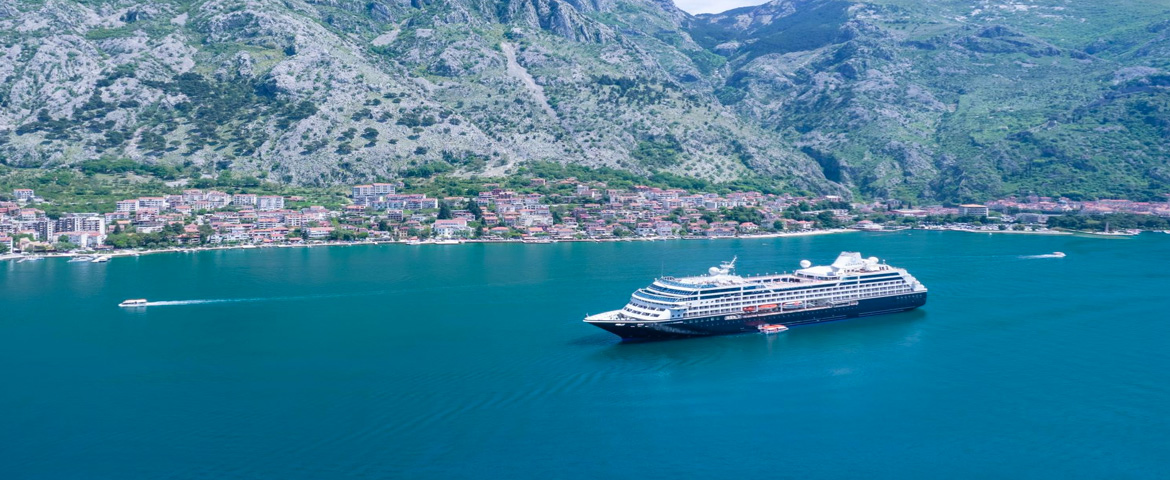

Azamara Pursuit
15 Cruises
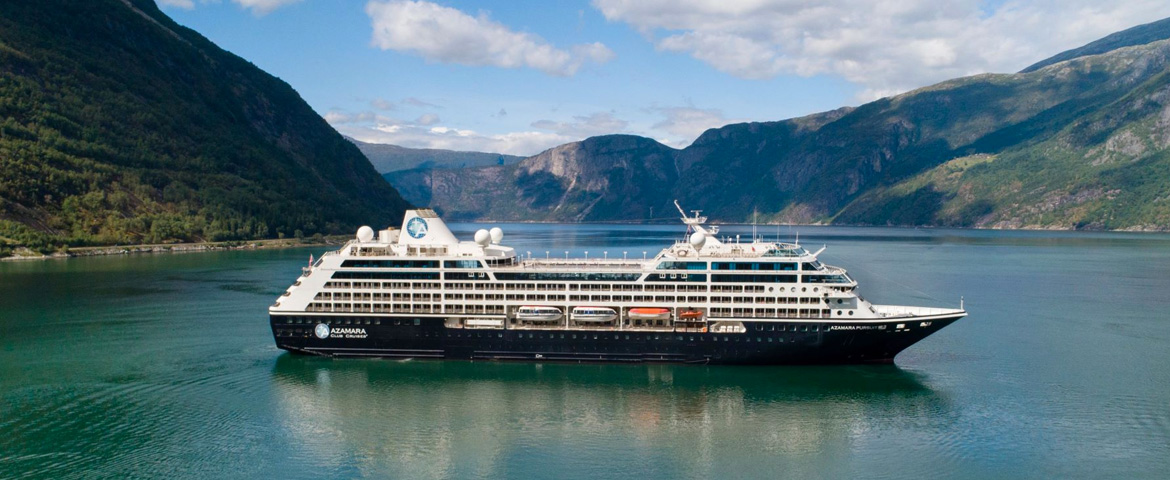
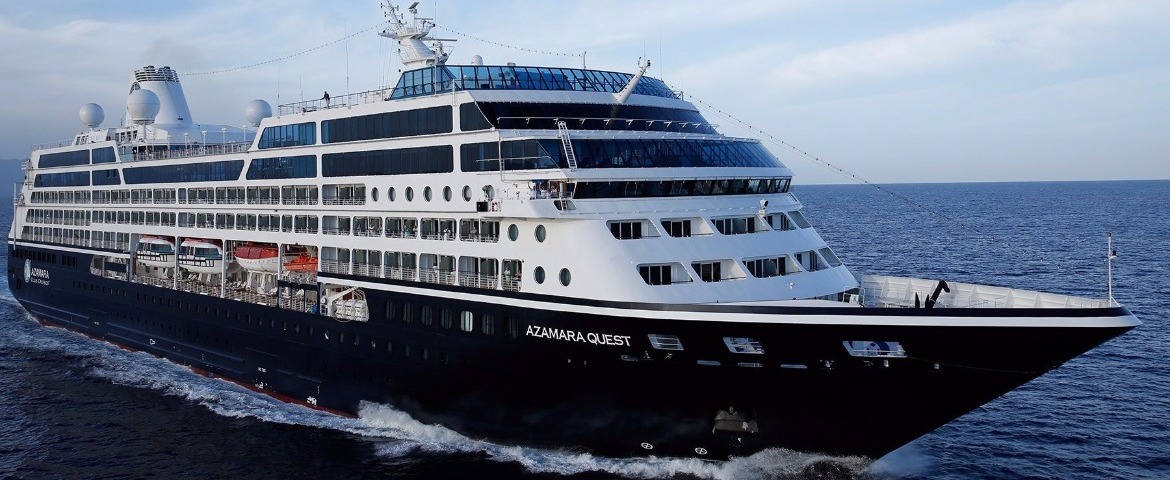
Azamara Quest
5 Cruises
Carnival Cruise Line (2 Cruises)


Celebrity Cruises (3 Cruises)


Crystal Cruises (12 Cruises)


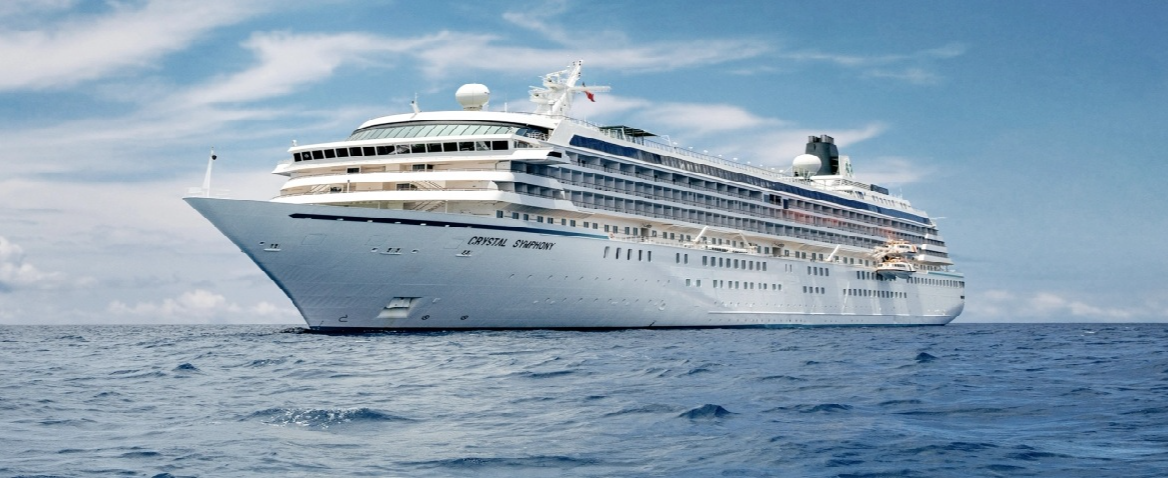
Crystal Symphony
8 Cruises
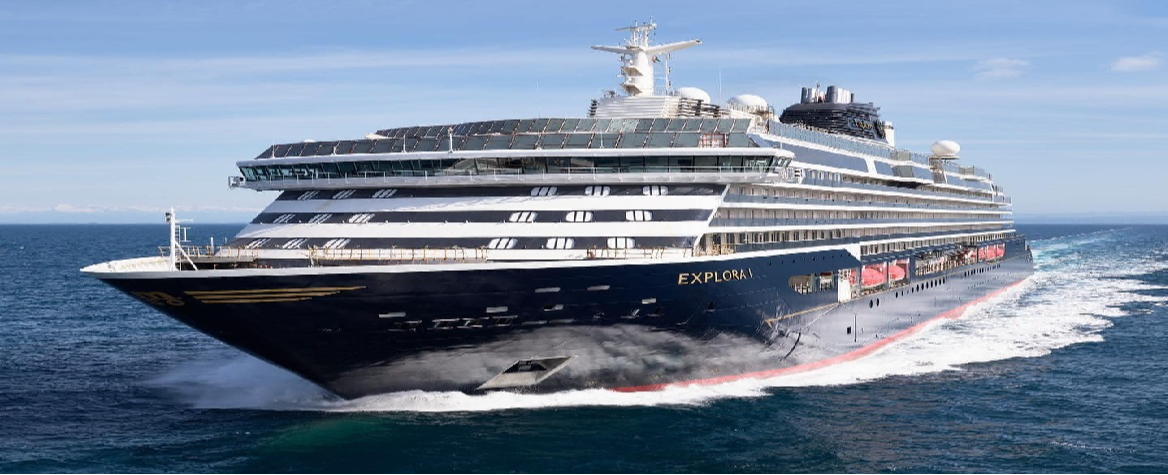
Explora Journeys (3 Cruises)

Holland America Line (19 Cruises)
ms Noordam
7 Cruises
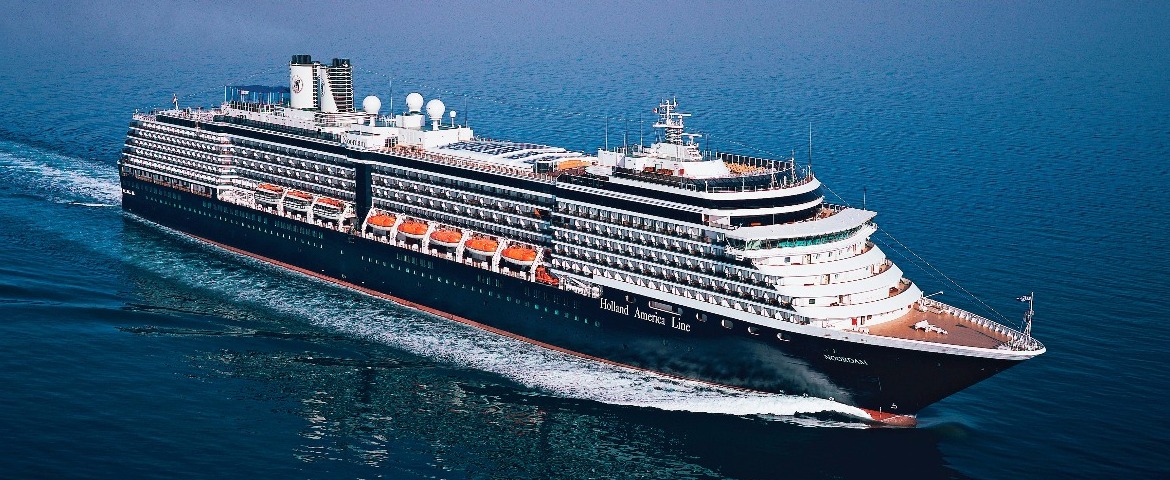

ms Westerdam
12 Cruises
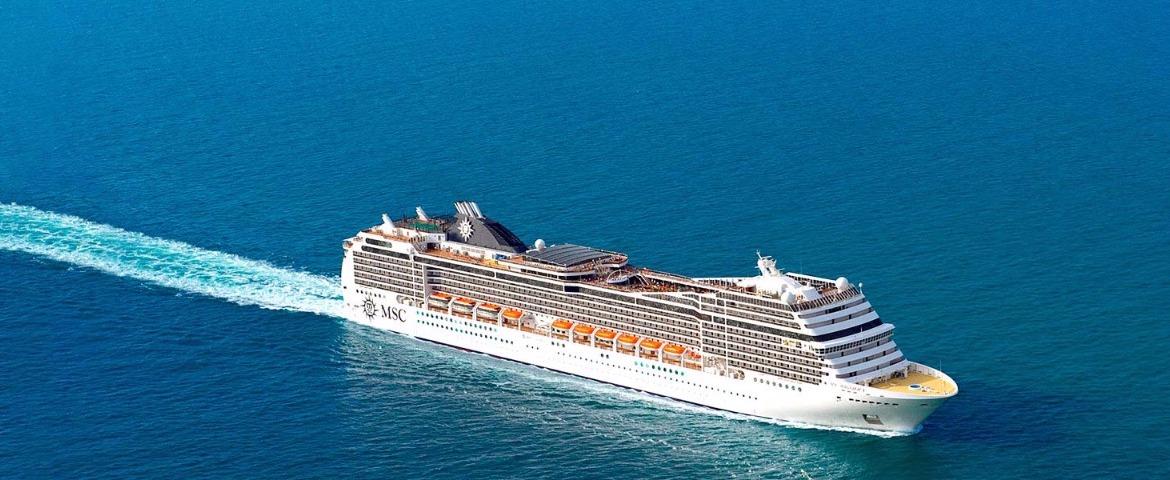
MSC Cruises (4 Cruises)

Norwegian Cruise Line (1 Cruises)


Oceania Cruises (18 Cruises)
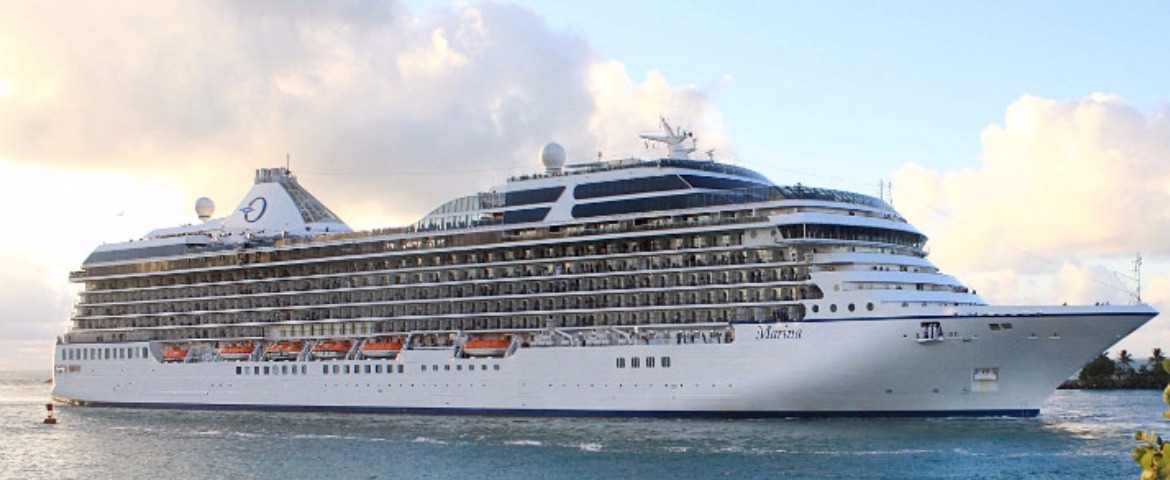

Oceania Riviera
11 Cruises
Princess Cruises (19 Cruises)
Coral Princess
7 Cruises



Royal Princess
10 Cruises

| 21 September | 33 days | One-way from Vancouver to Sydney |
450-628-6241
Call us
|
| 25 September | 29 days | One-way from Los Angeles to Sydney |
450-628-6241
Call us
|
Regent Seven Seas Cruises (19 Cruises)
Seven Seas Explorer
9 Cruises
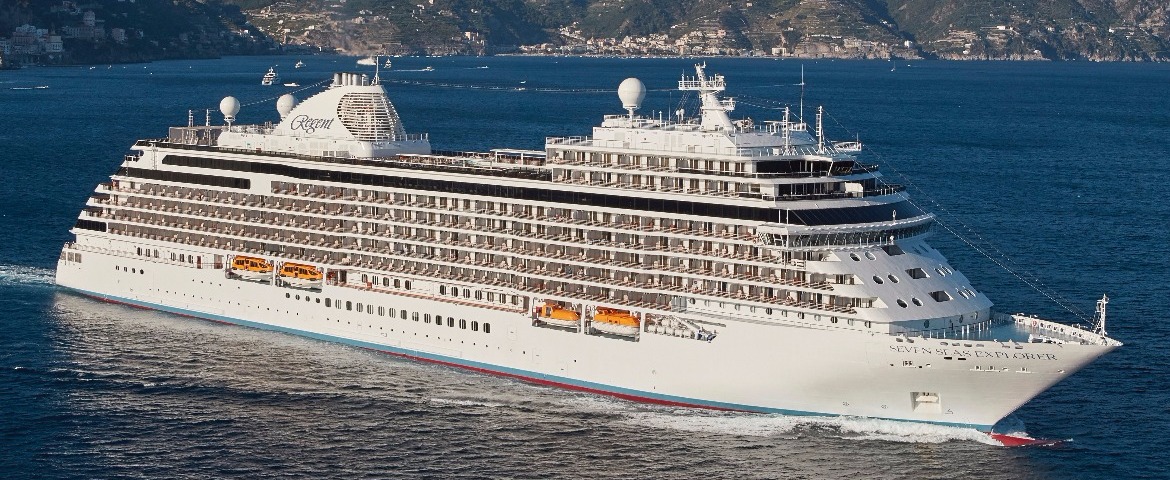

| 30 January | 14 days | One-way from Auckland to Sydney |
450-628-6241
Call us
|
| 30 January | 14 days | One-way from Auckland to Sydney |
450-628-6241
Call us
|
Seven Seas Mariner
10 Cruises

| 4 January | 15 days | One-way from Auckland to Sydney |
450-628-6241
Call us
|
| 4 January | 14 days | One-way from Auckland to Sydney |
450-628-6241
Call us
|
Royal Caribbean Cruises (4 Cruises)


Seabourn Cruise Line (10 Cruises)
Seabourn Quest
10 Cruises

Silversea Cruises (10 Cruises)
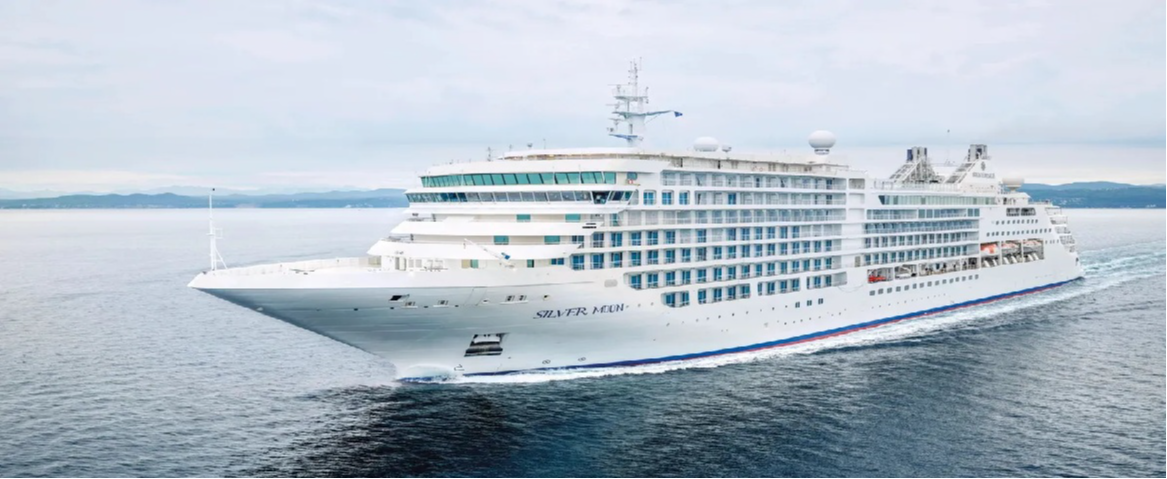

Viking Ocean Cruises (53 Cruises)
Viking Orion
21 Cruises


| 21 September | 93 days | One-way from Vancouver to Auckland |
450-628-6241
Call us
|
| 21 September | 92 days | One-way from Vancouver to Auckland |
450-628-6241
Call us
|
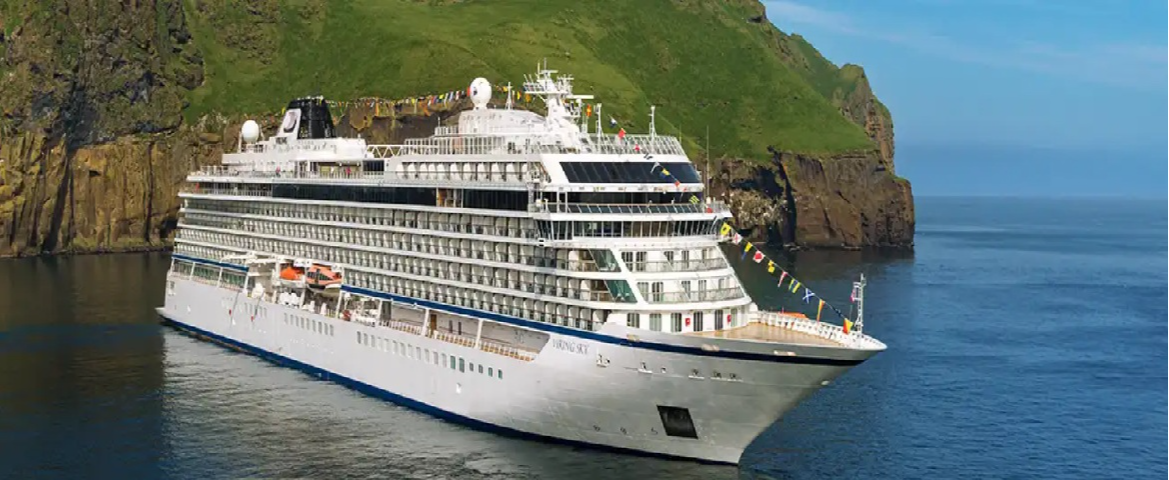
Viking Venus
28 Cruises

| 4 January | 13 days | One-way from Auckland to Sydney |
450-628-6241
Call us
|
| 18 January | 13 days | One-way from Sydney to Auckland |
450-628-6241
Call us
|
| 1 February | 13 days | One-way from Auckland to Sydney |
450-628-6241
Call us
|
| 15 February | 13 days | One-way from Sydney to Auckland |
450-628-6241
Call us
|
| 7 September | 93 days | One-way from Vancouver to Auckland |
450-628-6241
Call us
|
| 7 September | 92 days | One-way from Vancouver to Auckland |
450-628-6241
Call us
|
| 7 January | 13 days | One-way from Auckland to Sydney |
450-628-6241
Call us
|
| 21 January | 13 days | One-way from Sydney to Auckland |
450-628-6241
Call us
|

Port of Napier, New Zealand | Cruise Port Guide
Frequently Asked Questions
In the working commercial port, stacked with containers and logs. You cannot wander it freely: shuttles carry passengers from the berth to the town centre in a few minutes.
Because an earthquake levelled it in two and a half minutes on 3 February 1931. It was rebuilt in one sweep, entirely redrawn in the style of its day — which makes it one of the most consistent Art Deco ensembles anywhere.
The Art Deco quarter on foot — Emerson, Tennyson and Hastings Street — the Marine Parade promenade, and the MTG museum with its earthquake exhibition. The heart of town fits within a fifteen-minute walking radius.
Yes, completely, once the shuttle has dropped you off. The Hawke's Bay climate, among the sunniest in the country, generally favours walkers.
Look up above the shopfronts: the best motifs are on the upper storeys, spared by commercial renovations. Zigzag friezes, sunburst motifs, period lettering, and even Māori patterns worked into the decoration.
A facade in the Ahuriri district near the old fishing harbour, whose doorway framed in carved roses is often called the most photographed in the country. Worth the detour if you go that far.
It has a permanent exhibition on the 1931 earthquake: survivors' accounts, objects twisted by the fire that followed, images of the rebuilding. An hour is enough, and you come out looking at the facades differently.
At Cape Kidnappers, home to one of the largest gannet colonies in the world. Access, depending on the season, involves a memorable ride in a tractor-drawn trailer along the beach — the tides set the timetable.
Yes. Hawke's Bay is one of New Zealand's oldest wine regions, known for Bordeaux blends and syrah. Several estates receive visitors among the orchards, since the region also grows apples and peaches in quantity.
The seafront promenade, with its Norfolk pines, terraced gardens and illuminated fountain. The statue of Pania of the Reef, a figure from local Māori legend, is the photographic star.


