Moorea Island Society Islands French Polynesia
French Polynesia
629
Cruises availables
At departure or passage at this port
Azamara Club Cruises (16 Cruises)
Azamara Onward
11 Cruises
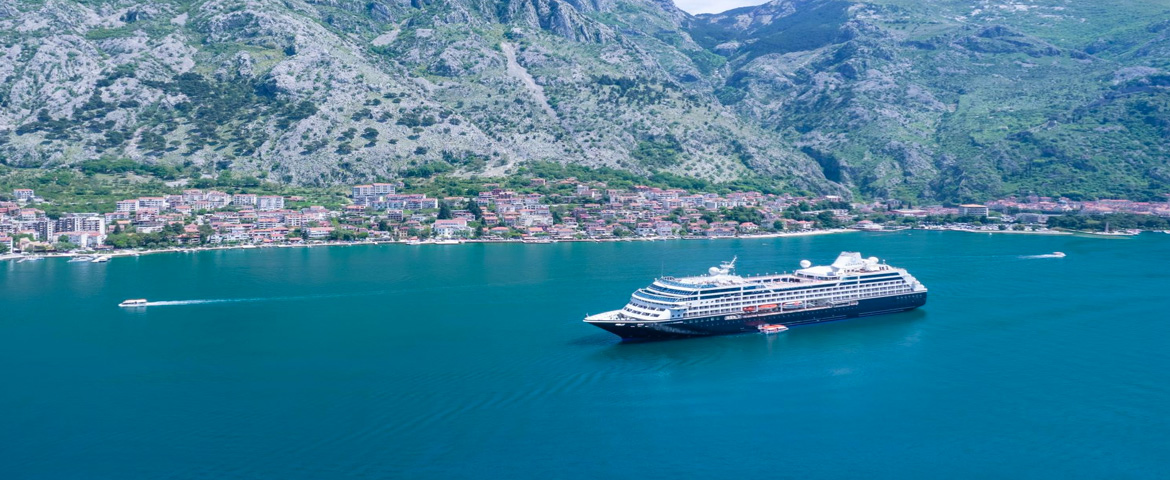

Azamara Quest
5 Cruises
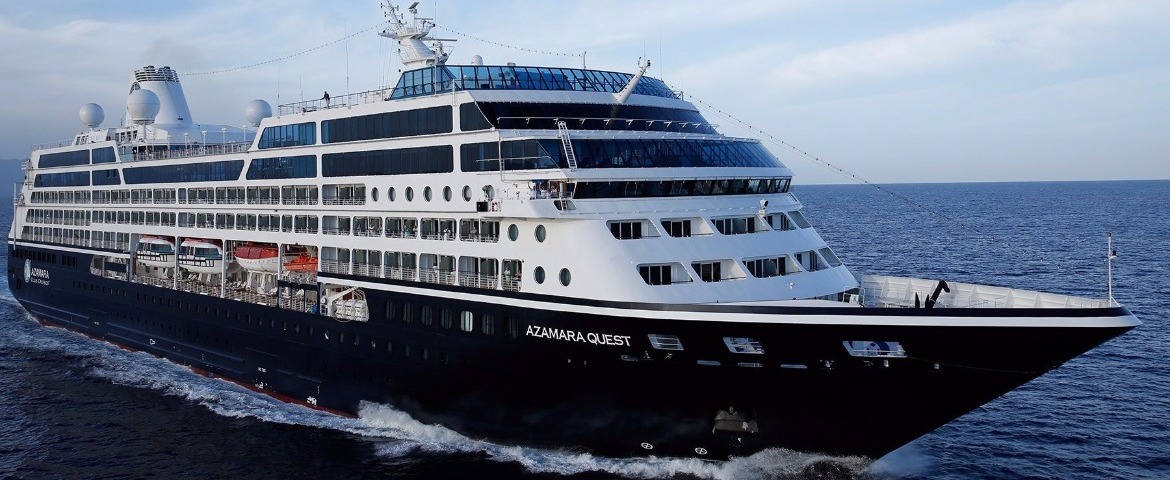
Carnival Cruise Line (1 Cruises)




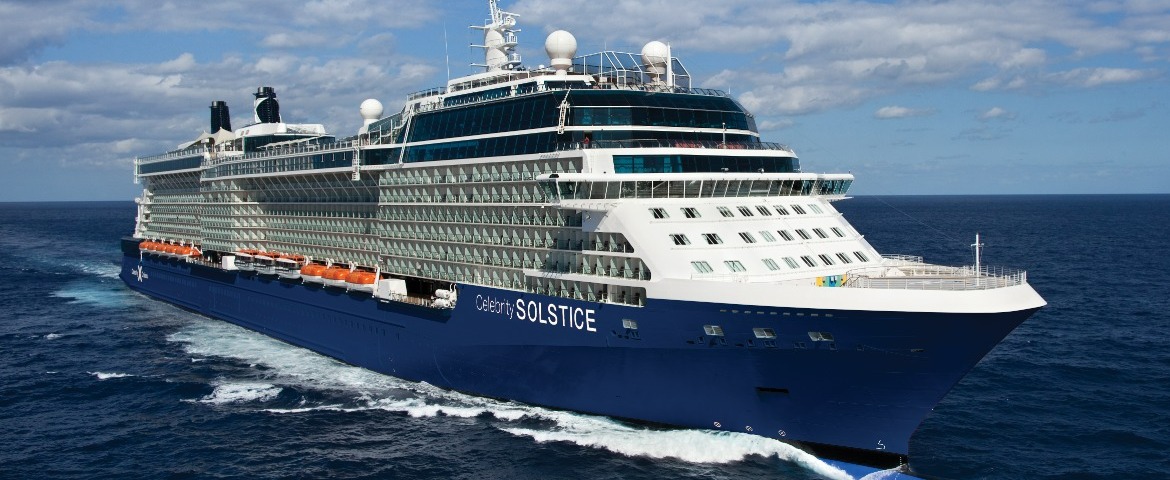
Crystal Cruises (18 Cruises)
Crystal Serenity
7 Cruises
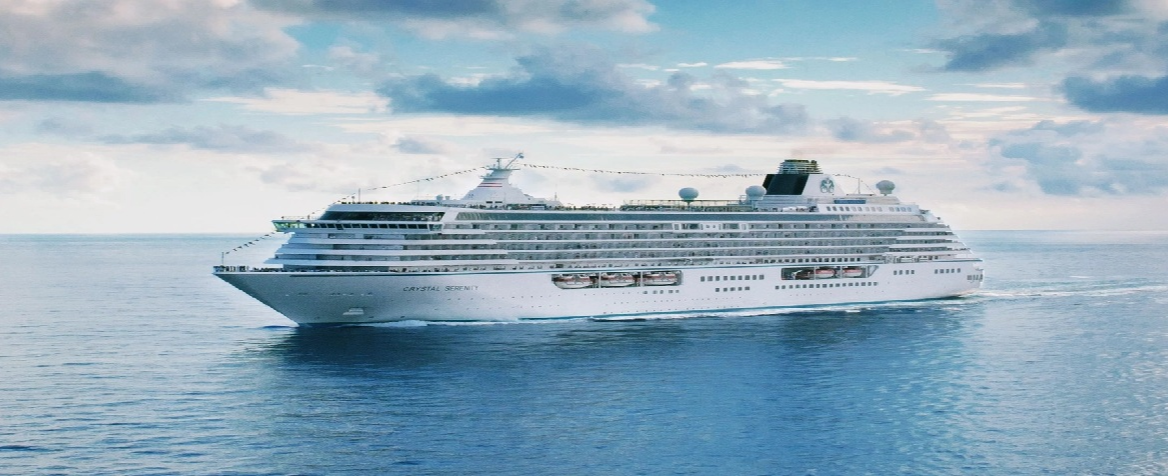

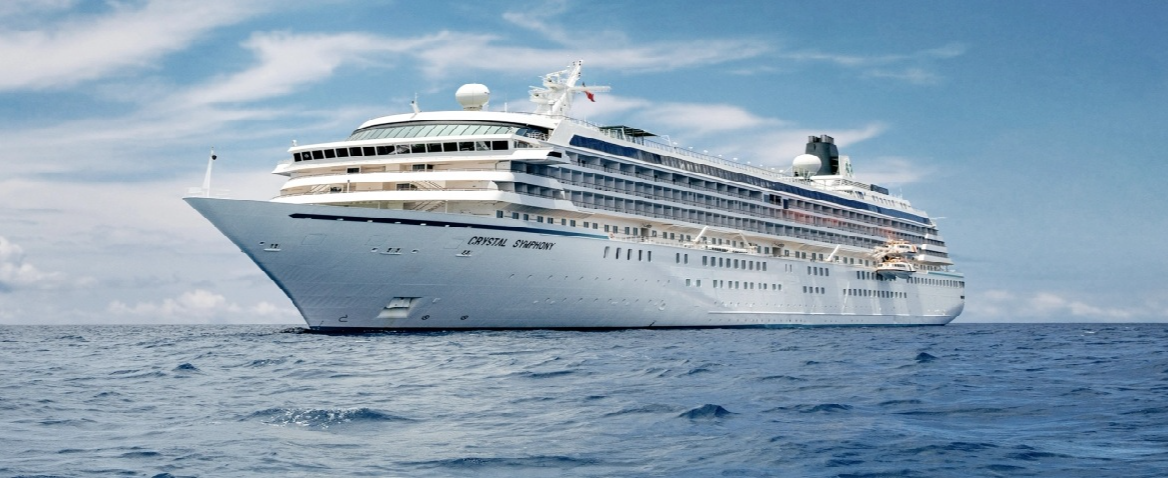
Crystal Symphony
11 Cruises
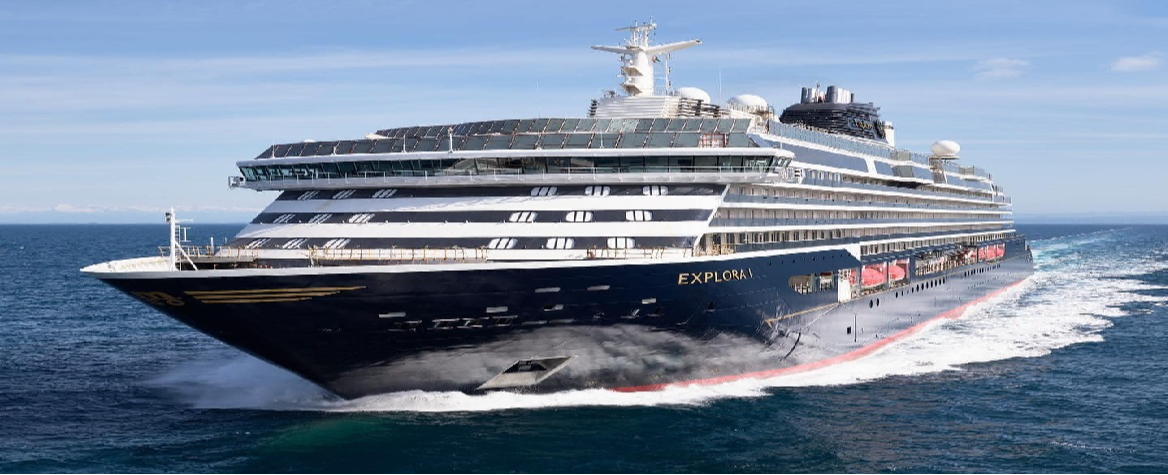
Explora Journeys (3 Cruises)

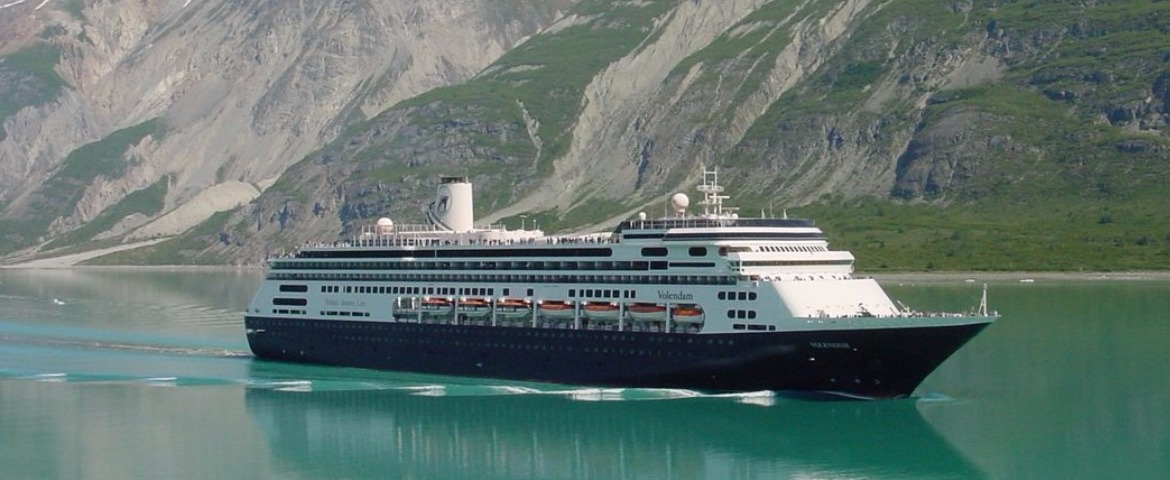
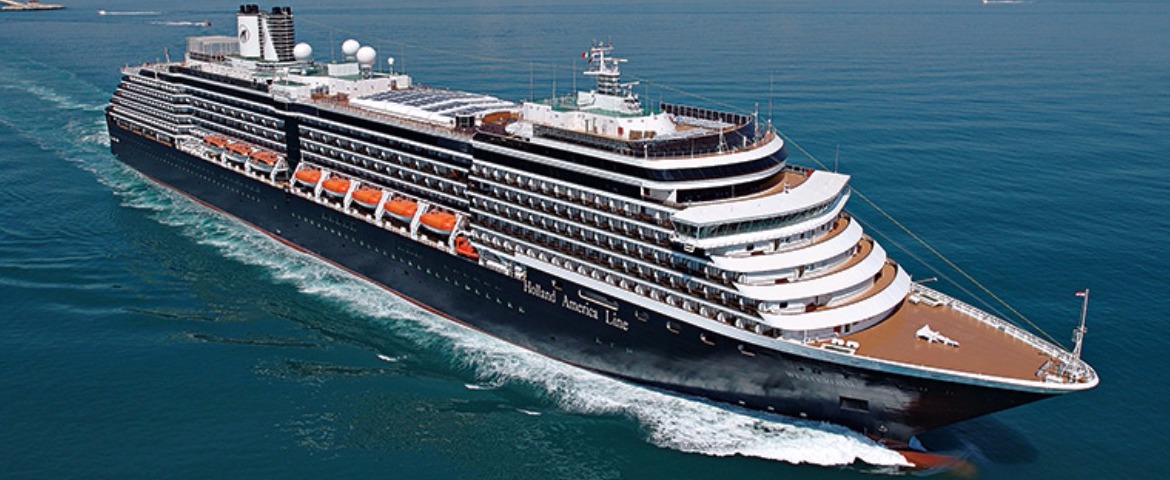
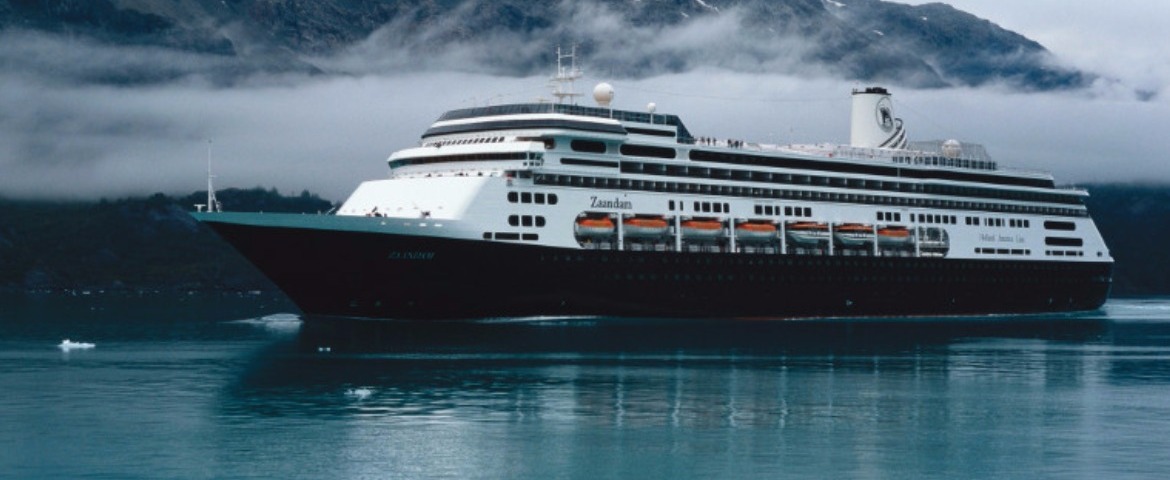
Holland America Line (9 Cruises)


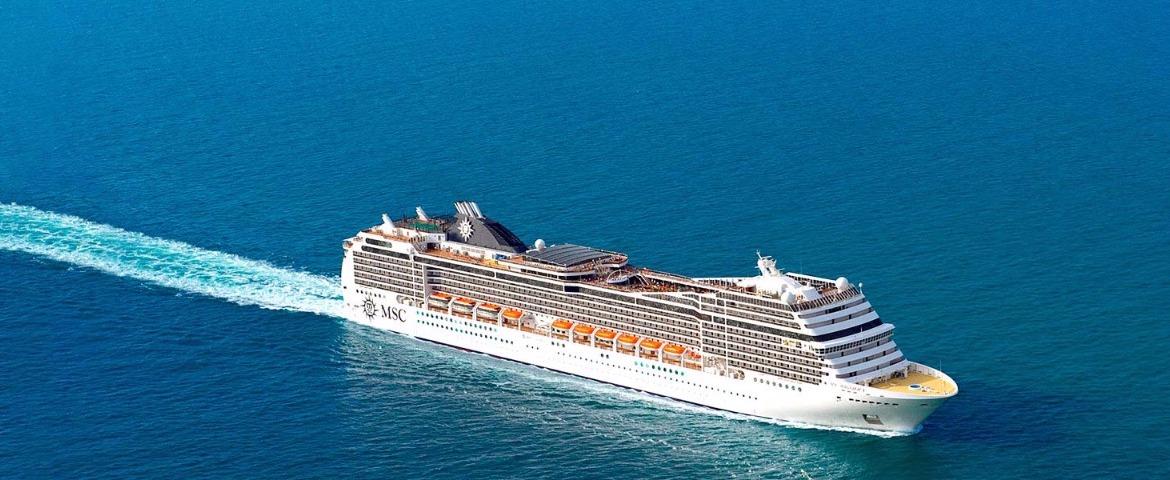
MSC Cruises (10 Cruises)
MSC Magnifica
10 Cruises

Norwegian Cruise Line (27 Cruises)
Norwegian Spirit
27 Cruises


| 11 July | 14 days | One-way from Papeete to Lautoka |
From
1857$
|
| 24 July | 13 days | One-way from Lautoka to Papeete |
From
1801$
|
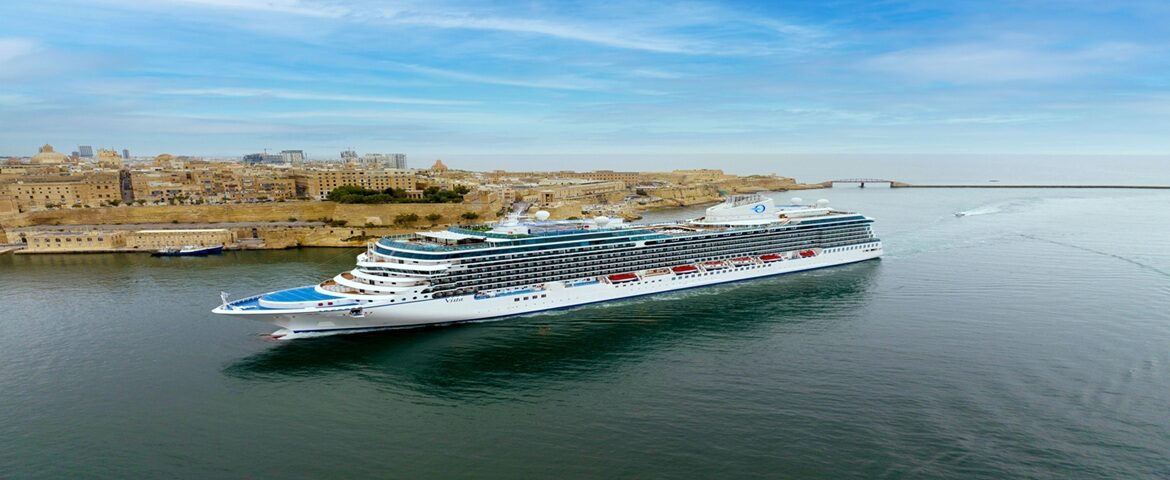
Oceania Cruises (3 Cruises)

Paul Gauguin Cruises (154 Cruises)
M/S Paul Gauguin
154 Cruises


| 24 October | 13 days | Round-trip 14 Night Marquesas Tuamotus and Society Islands Cruise |
450-628-6241
Call us
|
| 24 October | 14 days | Round-trip from Papeete, Tahiti, French Polynesia |
450-628-6241
Call us
|
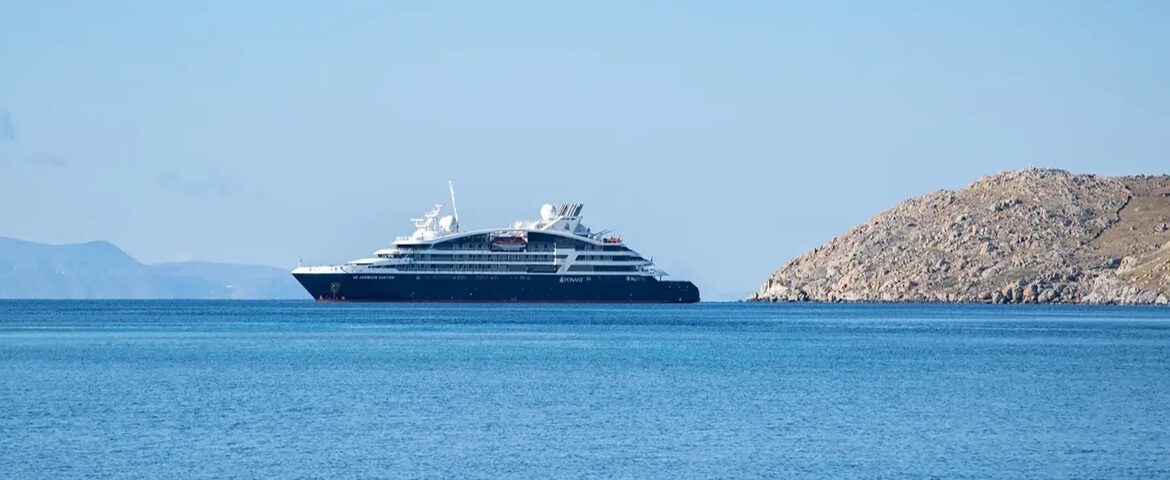
Ponant (12 Cruises)
Le Jacques Cartier
12 Cruises

| 10 January | 15 days | Round-trip from Papeete, French Polynesia |
450-628-6241
Call us
|
| 24 January | 15 days | Round-trip from Papeete, French Polynesia |
450-628-6241
Call us
|
Princess Cruises (33 Cruises)


Grand Princess
18 Cruises

Royal Princess
11 Cruises

| 2 April | 21 days | One-way from Auckland to Los Angeles |
450-628-6241
Call us
|
| 2 April | 27 days | One-way from Auckland to Vancouver |
450-628-6241
Call us
|
Regent Seven Seas Cruises (11 Cruises)
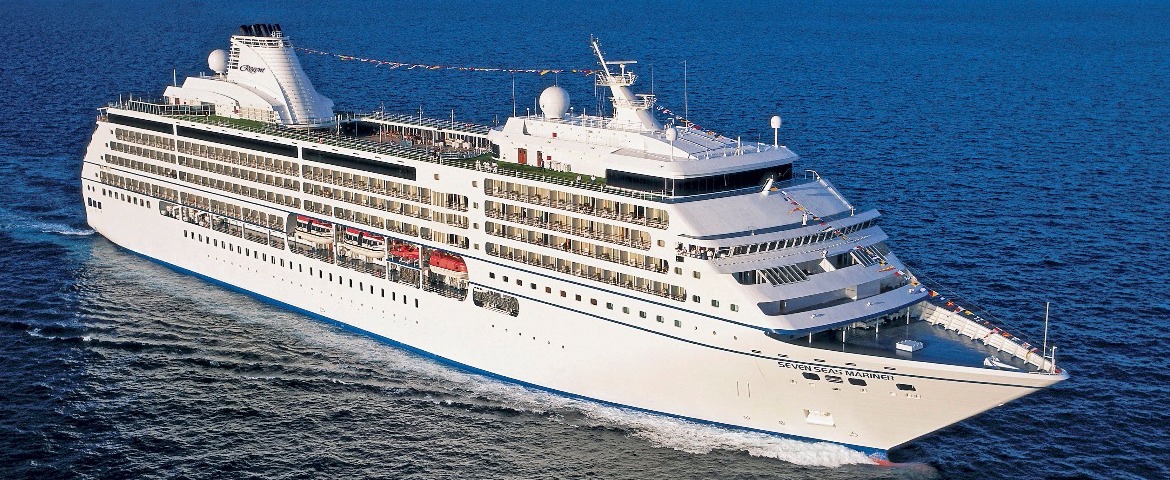

Seven Seas Splendor
7 Cruises
Royal Caribbean Cruises (7 Cruises)




Seabourn Cruise Line (9 Cruises)
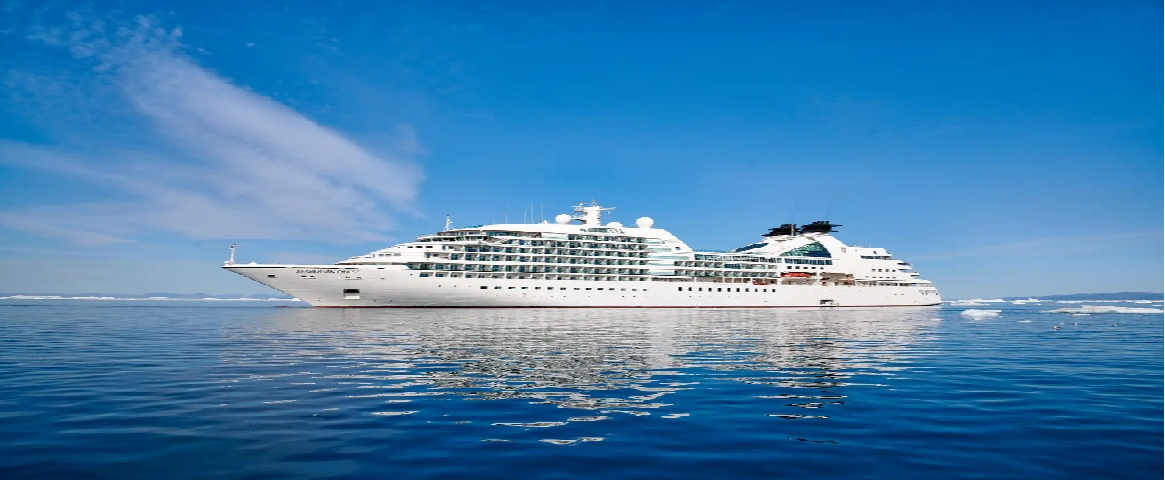
Seabourn Quest
9 Cruises

Silversea Cruises (69 Cruises)
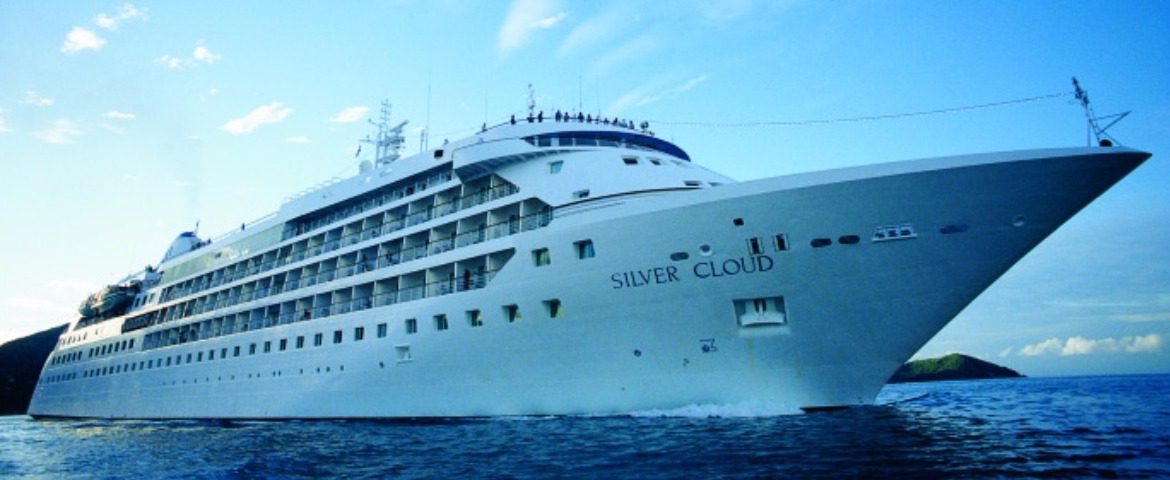

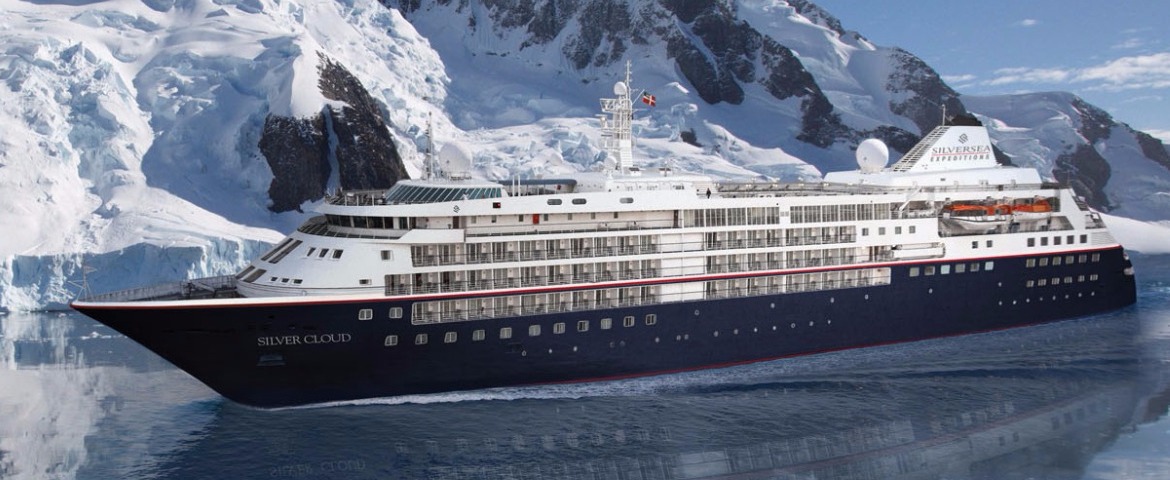
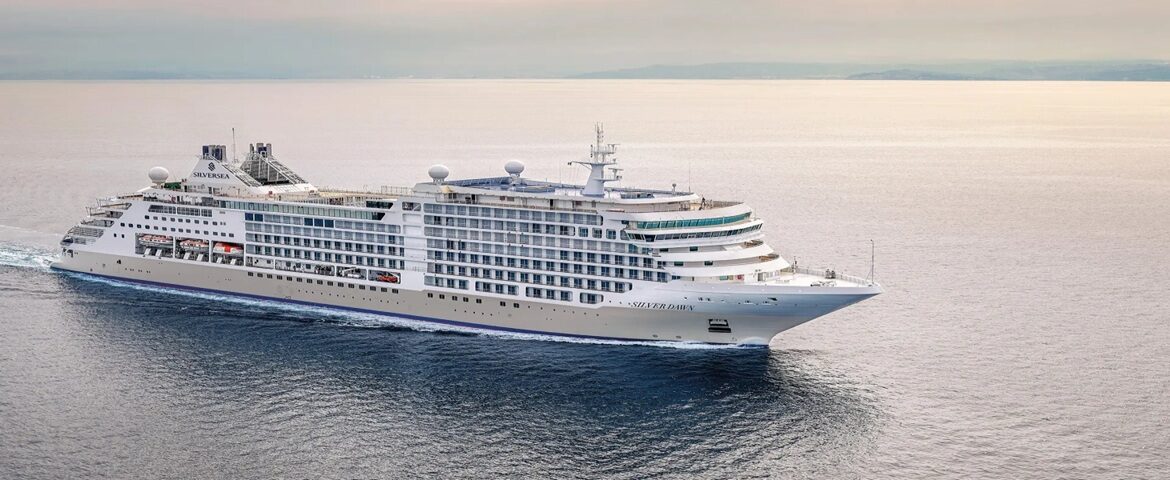
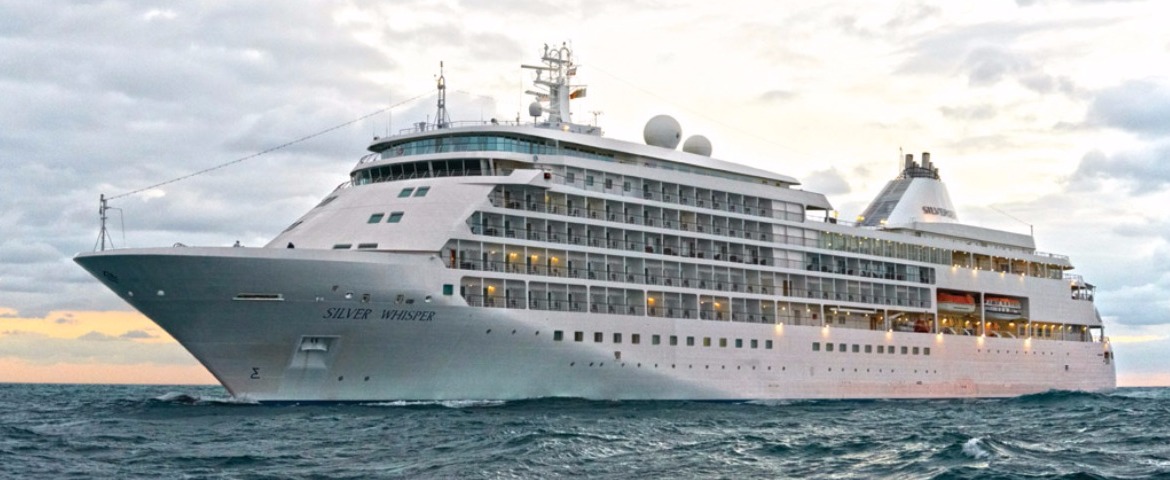
Silver Whisper
61 Cruises
| 7 March | 15 days | Round-trip from Papeete, Tahiti, French Polynesia |
450-628-6241
Call us
|
| 21 March | 15 days | Round-trip from Papeete, Tahiti, French Polynesia |
450-628-6241
Call us
|
Windstar Cruises (243 Cruises)
Star Breeze
145 Cruises


| 22 October | 8 days | Round-trip from Papeete, Tahiti, French Polynesia |
450-628-6241
Call us
|
| 29 October | 8 days | Round-trip from Papeete, Tahiti, French Polynesia |
450-628-6241
Call us
|
| 17 February | 28 days | One-way from Lautoka to Papeete |
450-628-6241
Call us
|
| 17 February | 14 days | One-way from Lautoka to Papeete |
450-628-6241
Call us
|
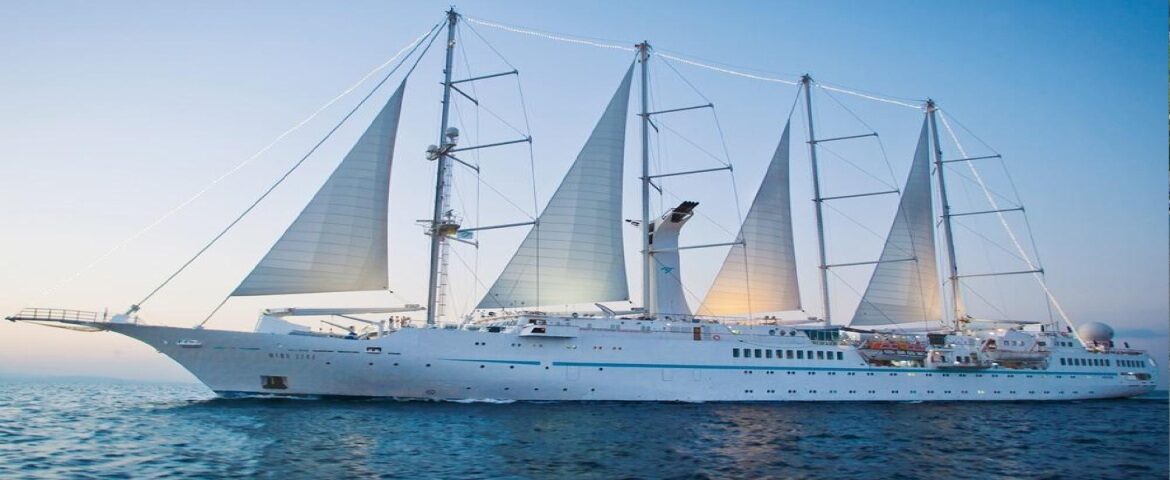
Wind Star
98 Cruises
| 31 January | 35 days | One-way from Colon to Papeete |
450-628-6241
Call us
|
| 31 January | 36 days | One-way from Colon to Papeete |
450-628-6241
Call us
|

Port of Moorea, French Polynesia | Cruise Port Guide
Frequently Asked Questions
In one of the two bays on the north coast, Cook's Bay or Opunohu Bay. The island has no deep-water quay. The tender ride takes about ten minutes between green ridges and translucent water, and is one of the finest arrivals in French Polynesia.
Depending on the anchorage, near the village of Papetoai or Paopao. Either way the impression is the same: jagged mountains planted in a lagoon of shifting colours, and a pace of life that ignores hurry.
The island's most popular viewpoint, at the end of the road climbing the Opunohu valley. From there the eye takes in Cook's Bay and Opunohu Bay at once, divided by Mount Rotui, with the reef behind. On the way up: coconut palms, then pineapple fields ranked along the hillside, then denser forest.
Either the lagoon or the land. A catamaran outing with snorkelling stops fills the half-day; so does the coastal road loop of about 60 kilometres. Trying to do both on a short call means doing both badly.
Yes. Catamaran and flat-bottom boat trips run along the north coast with several snorkelling stops: green turtles near the passes, stingrays used to visitors on the sandbanks, blacktip reef sharks patrolling without troubling anyone. These are wild animals, so nothing is guaranteed.
Yes, mask and snorkel reveal coral gardens a few strokes from the beach. It is the answer for anyone who prefers not to book an excursion. Bring your own gear from the ship, since rental near the landing is not guaranteed.
Ancient ceremonial platforms of volcanic stone, lining the road through the Opunohu valley. They are a reminder that this valley was long the inhabited heart of the island. They are sacred places, and visiting them calls for the appropriate restraint.
Yes, and it bears little resemblance to what North American shelves offer: smaller, sweeter, eaten barely picked. A local factory turns the harvest into juice and jam, and the tasting stop features in most guided circuits.
At Papetoai, a historic octagonal church, a few pareo and pearl shops, and shaded shores where time passes easily. It is not spectacular, but it is restful and it avoids the race against the clock back to the tender.
The Pacific franc, and cash for small purchases: not every business takes cards. Add sturdy sandals for water outings, a hat and water. Four-wheel-drive and quad excursions come with a generous dose of red dust, so avoid light-coloured clothes.


