Le Havre-Paris France
712
Cruises availables
At departure or passage at this port
AmaWaterways (172 Cruises)
AmaDante
81 Cruises
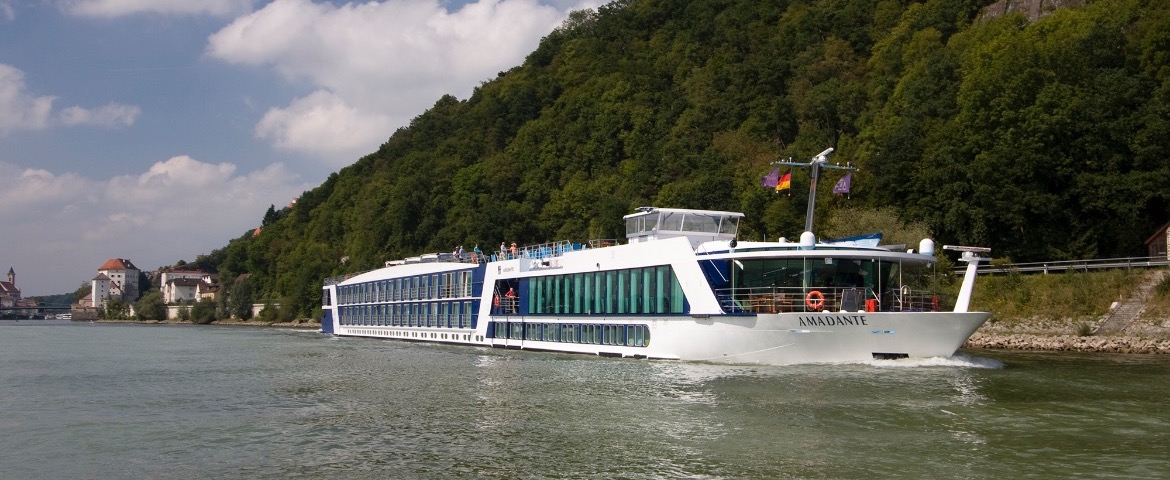

| 4 September | 8 days | Round-trip from Paris City, France |
450-628-6241
Call us
|
| 18 September | 8 days | One-way from Le Havre-Paris to Paris City |
450-628-6241
Call us
|
AmaLyra
91 Cruises
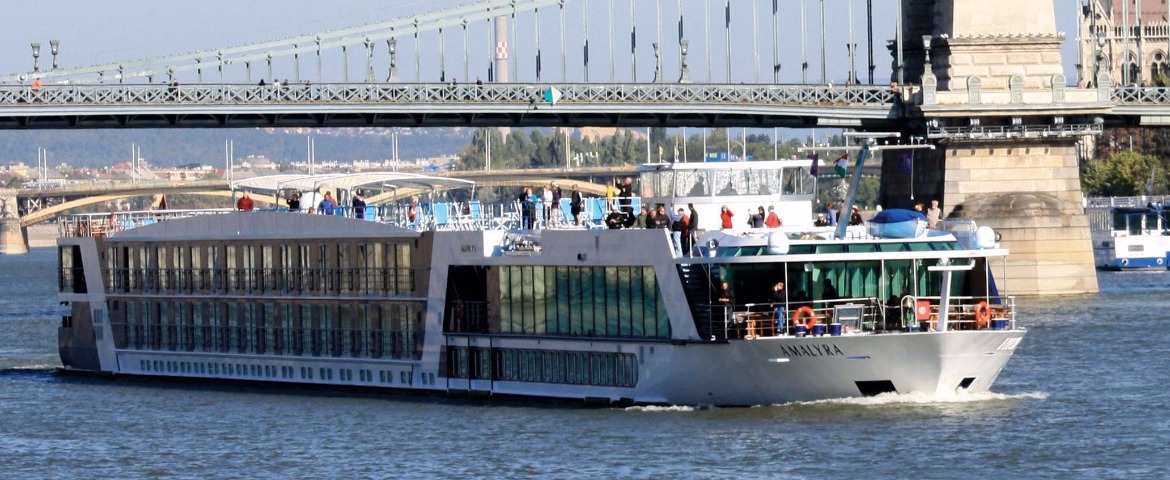
| 29 October | 8 days | Round-trip from Paris City, France |
450-628-6241
Call us
|
| 29 October | 7 days | Round-trip Paris Normandy |
450-628-6241
Call us
|
| 15 June | 8 days | Round-trip from Paris City, France |
450-628-6241
Call us
|
| 29 June | 8 days | Round-trip from Paris City, France |
450-628-6241
Call us
|
| 21 September | 8 days | Round-trip from Paris City, France |
450-628-6241
Call us
|
| 28 September | 8 days | Round-trip from Paris City, France |
450-628-6241
Call us
|
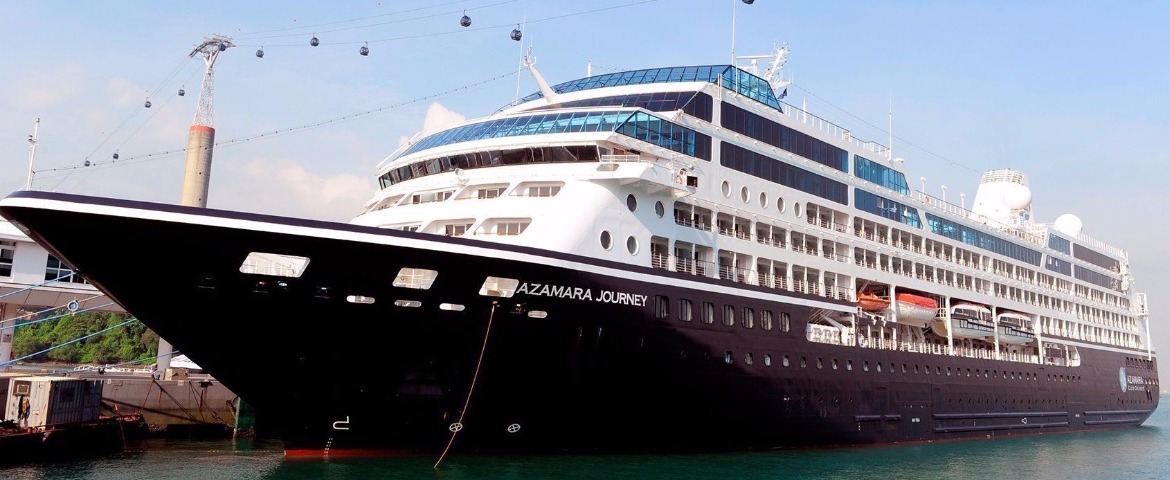

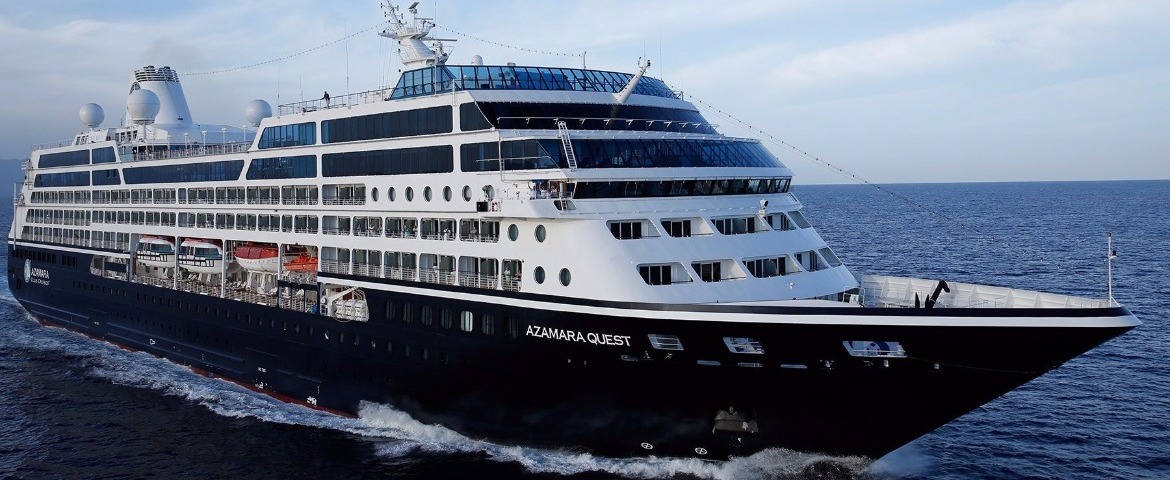
Carnival Cruise Line (8 Cruises)
Carnival Miracle
7 Cruises



Celebrity Cruises (1 Cruises)

Costa Cruises (34 Cruises)
Costa Diadema
15 Cruises


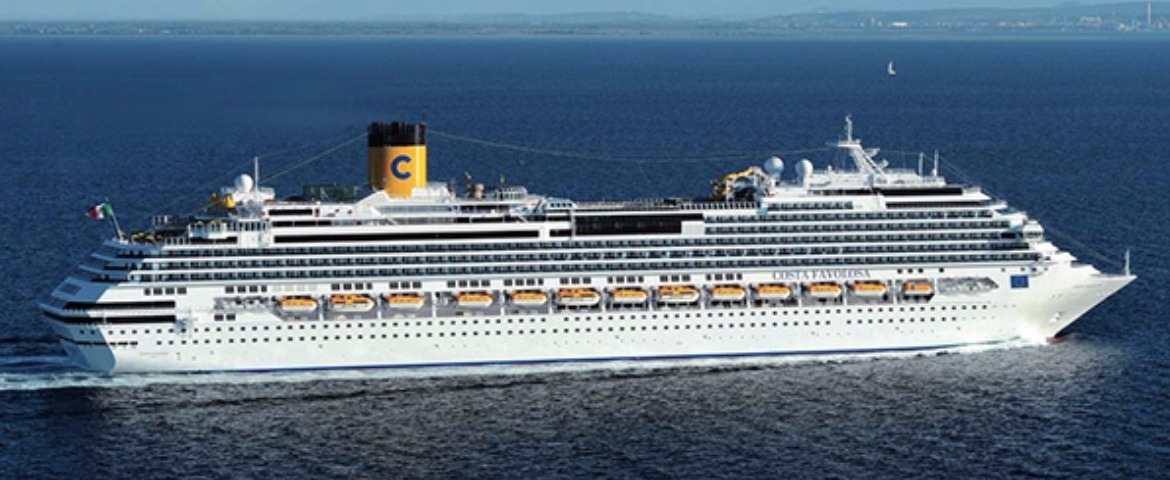
Costa Favolosa
19 Cruises
Crystal Cruises (9 Cruises)
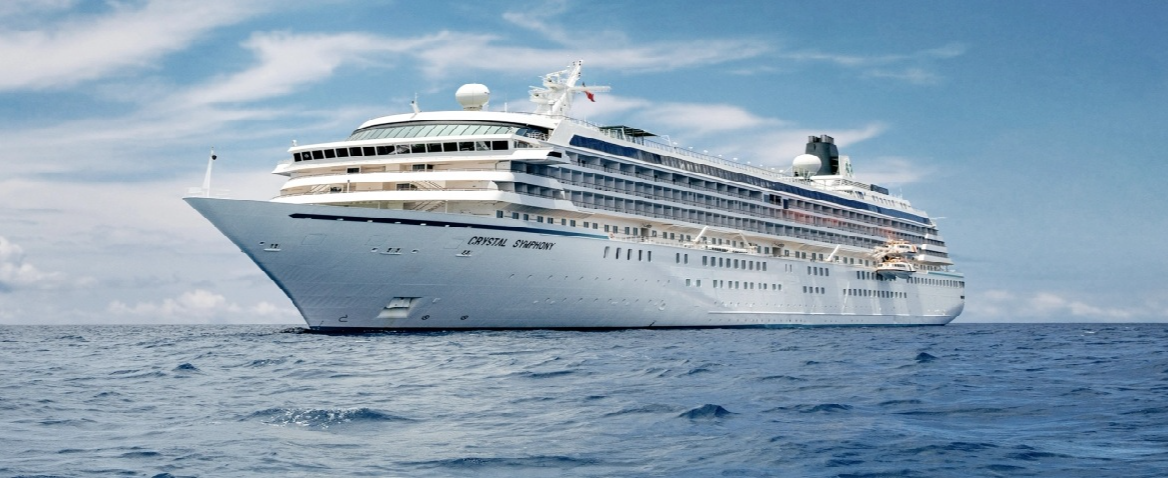
Crystal Symphony
9 Cruises

Cunard (33 Cruises)
Queen Anne
12 Cruises

| 13 June | 8 days | Round-trip from Southampton, United Kingdom |
450-628-6241
Call us
|
| 27 June | 8 days | Round-trip from Southampton, United Kingdom |
450-628-6241
Call us
|
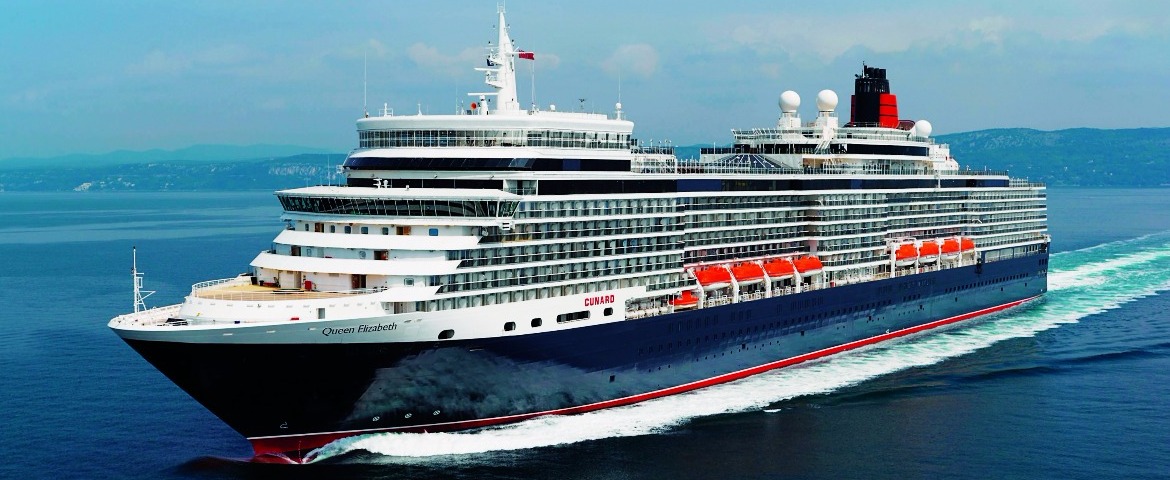
Queen Mary 2
17 Cruises

| 18 March | 35 days | Round-trip from New York, USA |
450-628-6241
Call us
|
| 26 March | 6 days | Round-trip from Southampton, United Kingdom |
450-628-6241
Call us
|
| 21 April | 19 days | Round-trip from New York, USA |
450-628-6241
Call us
|
| 28 April | 5 days | Round-trip from Southampton, United Kingdom |
450-628-6241
Call us
|
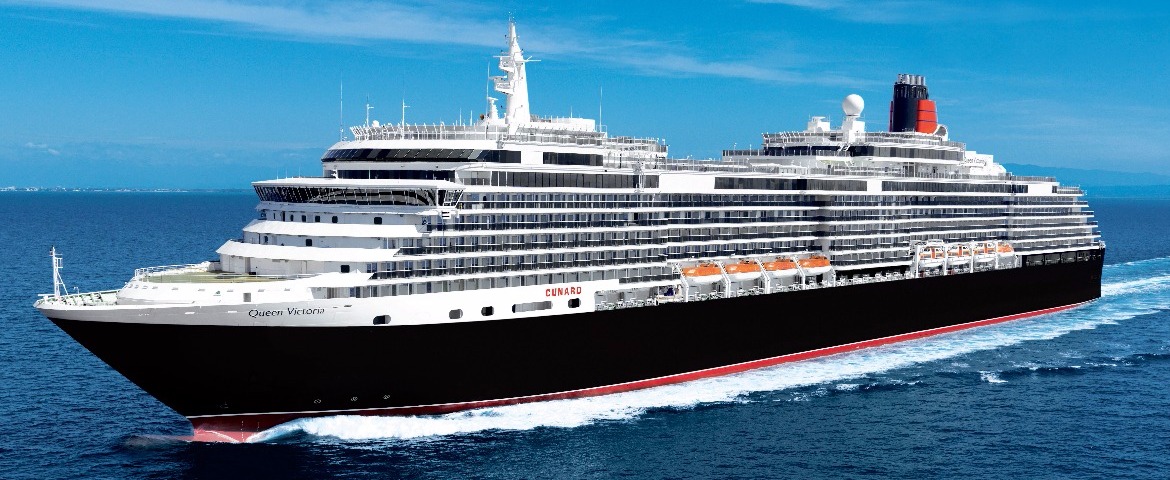
Holland America Line (6 Cruises)
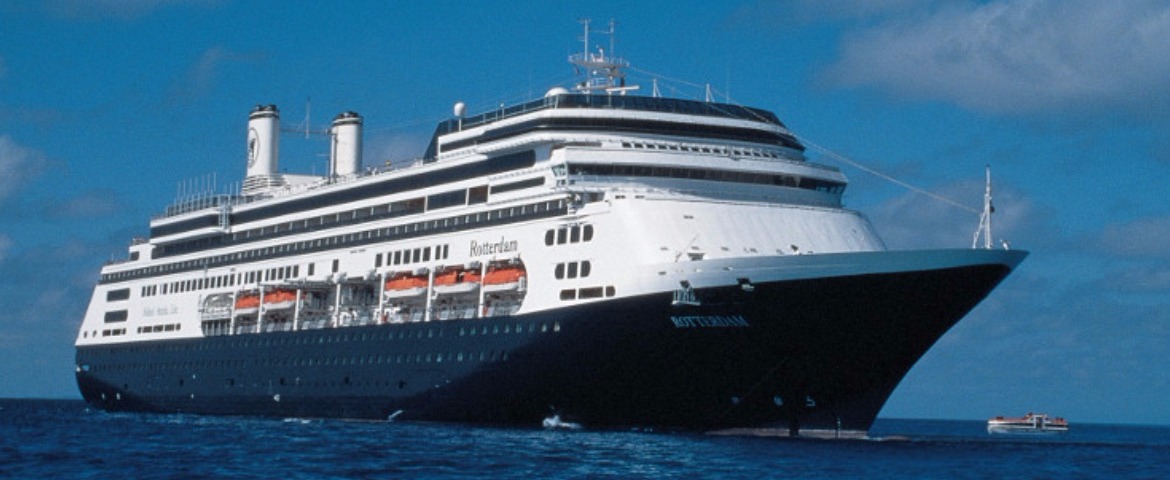
ms Rotterdam
4 Cruises

MSC Cruises (208 Cruises)
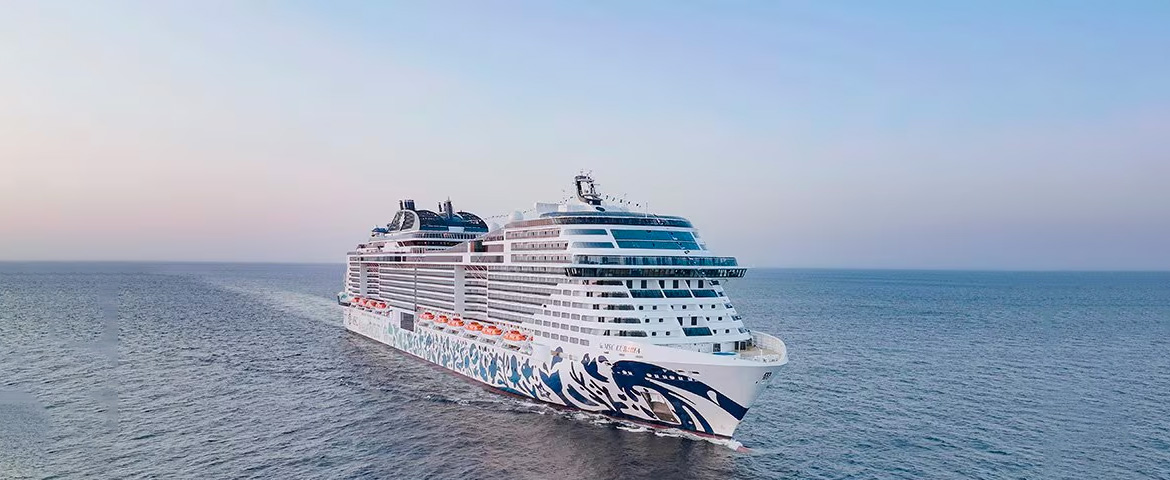

MSC Meraviglia
12 Cruises
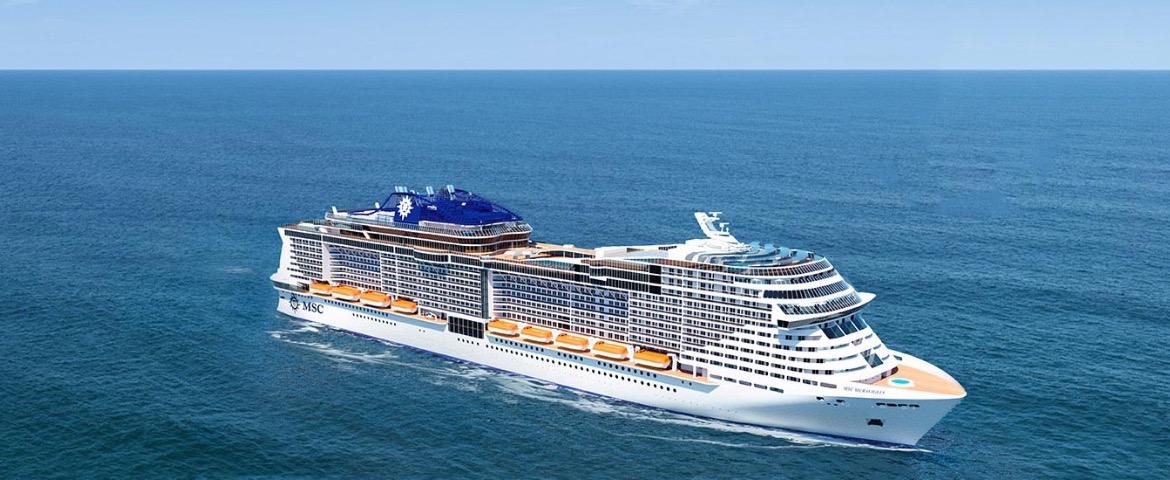
MSC Preziosa
194 Cruises

Norwegian Cruise Line (31 Cruises)

Norwegian Jewel
6 Cruises


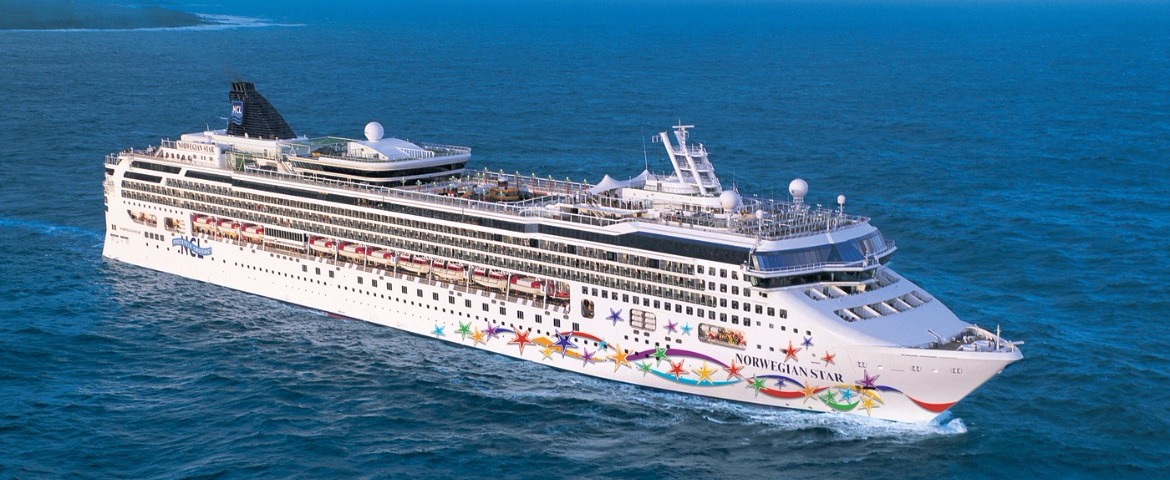
Norwegian Star
20 Cruises
| 18 April | 12 days | One-way from Lisbon to Southampton |
From
1030$
|
| 29 April | 11 days | Round-trip from Southampton, United Kingdom |
From
1051$
|
| 13 June | 12 days | Round-trip from Southampton, United Kingdom |
450-628-6241
Call us
|
| 13 June | 11 days | Round-trip British Isles Norwegian Star Southampton |
From
2115$
|
| 15 August | 11 days | Round-trip British Isles Norwegian Star Southampton |
From
1813$
|
| 15 August | 12 days | Round-trip from Southampton, United Kingdom |
450-628-6241
Call us
|
Oceania Cruises (45 Cruises)
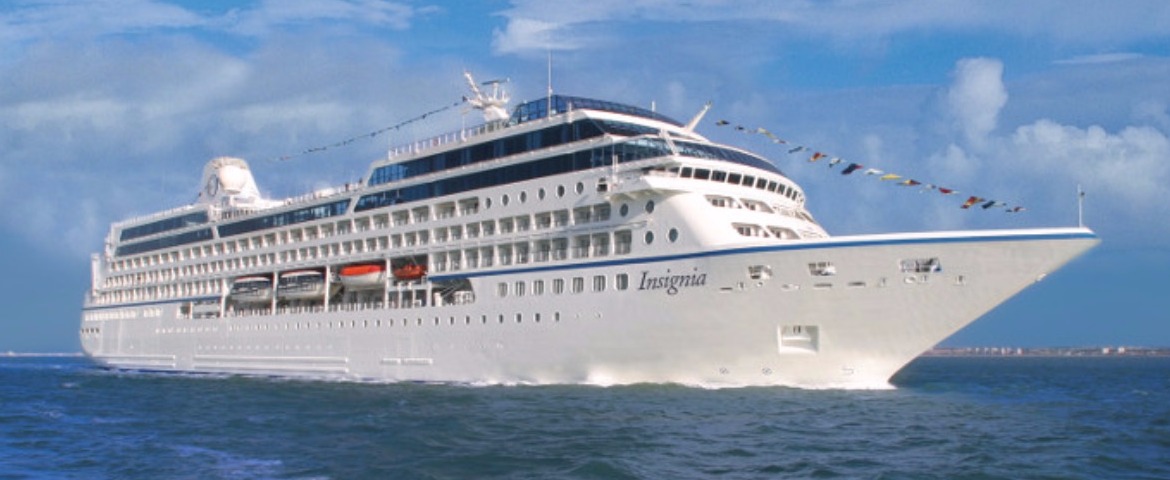
Oceania Insignia
8 Cruises

| 19 August | 67 days | One-way from Helsinki to Piraeus-Athens |
450-628-6241
Call us
|
| 19 August | 68 days | One-way from Helsinki to Piraeus-Athens |
450-628-6241
Call us
|
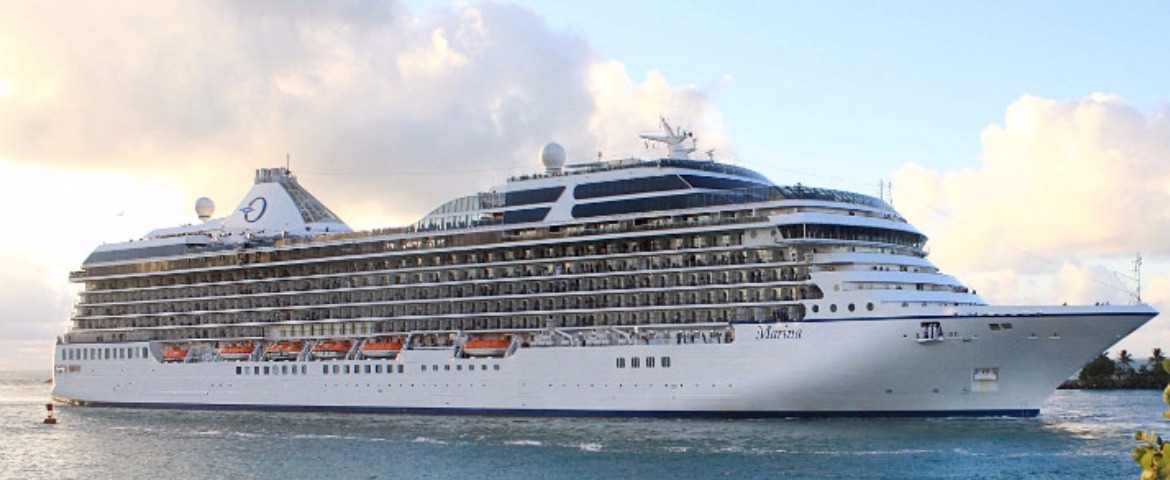
Oceania Marina
11 Cruises
| 17 April | 67 days | One-way from Trieste to Southampton |
450-628-6241
Call us
|
| 17 April | 66 days | One-way from Trieste to Southampton |
450-628-6241
Call us
|
Oceania Sonata
7 Cruises
Oceania Vista
19 Cruises
| 6 January | 244 days | One-way from Miami to New York |
450-628-6241
Call us
|
| 6 January | 180 days | One-way from Miami to Southampton |
450-628-6241
Call us
|
| 26 February | 130 days | One-way from Sydney to Southampton |
450-628-6241
Call us
|
| 26 February | 129 days | One-way from Sydney to Southampton |
450-628-6241
Call us
|
Princess Cruises (58 Cruises)


Majestic Princess
51 Cruises
Regent Seven Seas Cruises (32 Cruises)
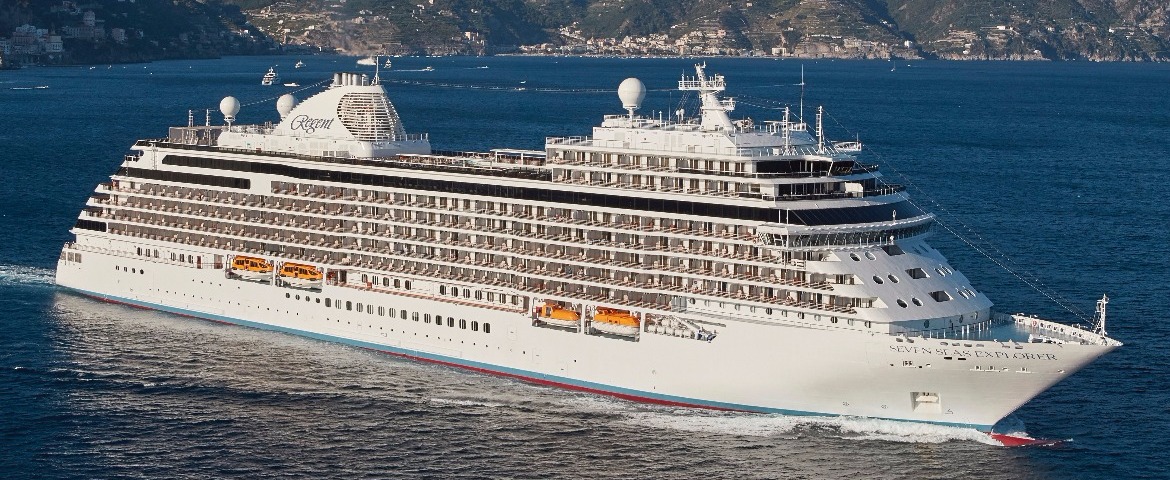

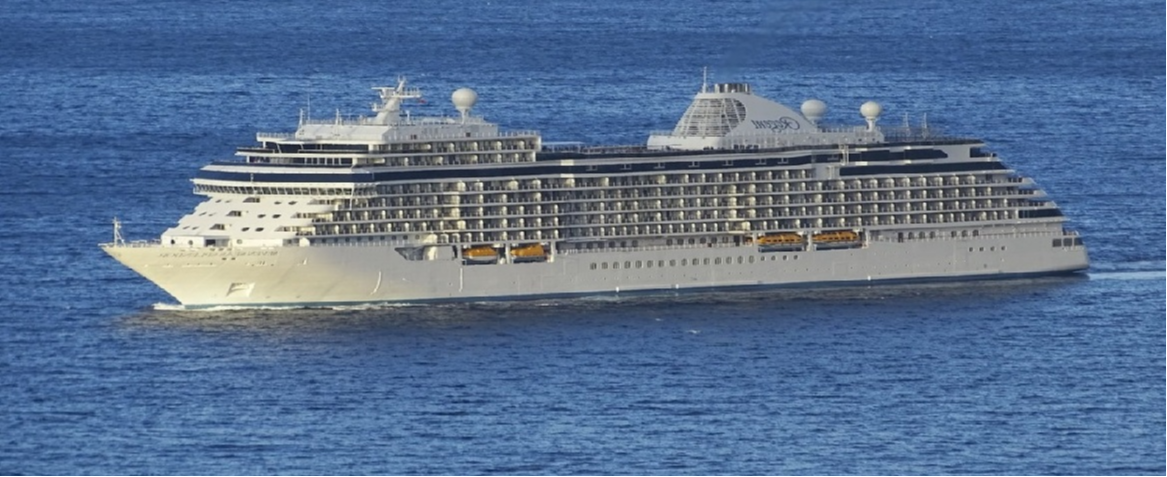
Seven Seas Mariner
12 Cruises

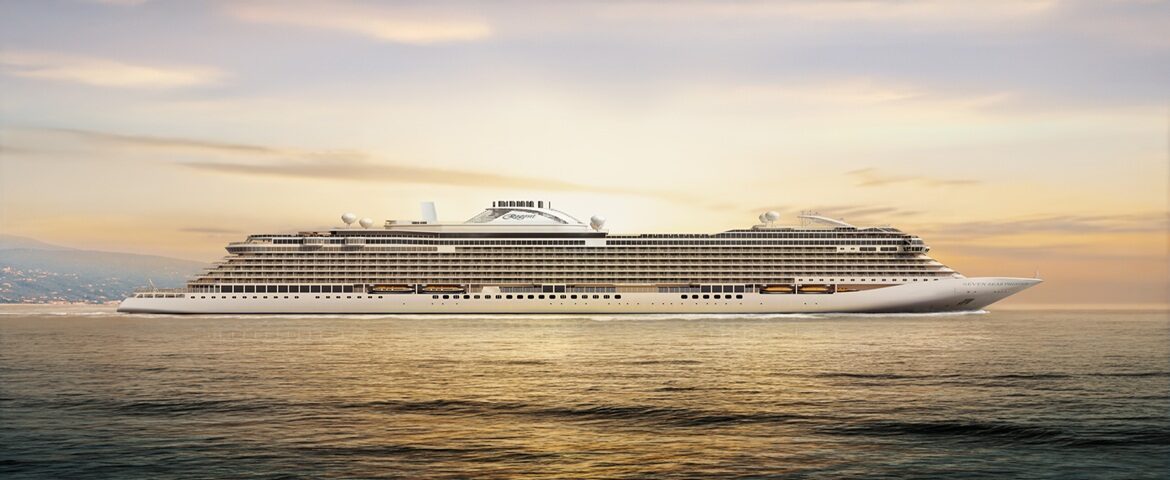
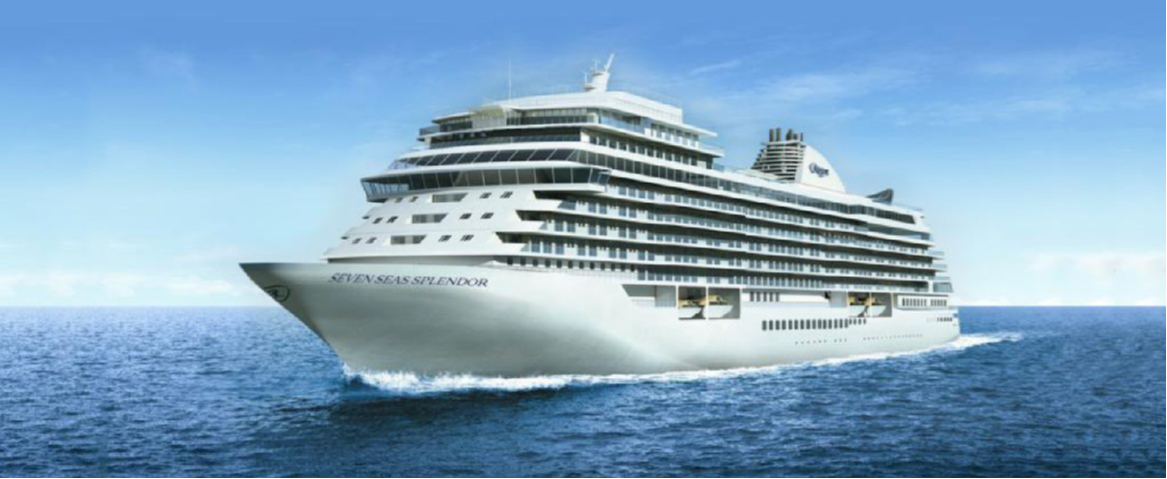
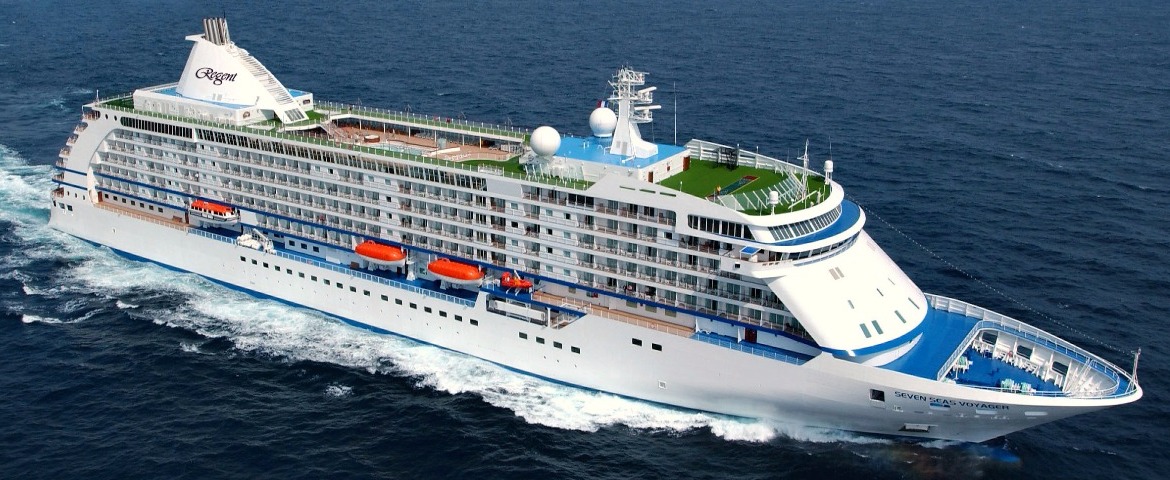
Seven Seas Voyager
10 Cruises
Riviera Travel (10 Cruises)
MS Jane Austen
10 Cruises


| 29 April | 10 days | Round-trip Paris, Normandy Historic Treasures of the Seine River Cruise - MS Jane Austen |
450-628-6241
Call us
|
| 29 April | 11 days | Round-trip from Paris City, France |
450-628-6241
Call us
|
| 23 May | 11 days | Round-trip from Paris City, France |
450-628-6241
Call us
|
| 23 May | 10 days | Round-trip Paris, Normandy Historic Treasures of the Seine River Cruise - MS Jane Austen |
450-628-6241
Call us
|
| 30 June | 10 days | Round-trip Paris, Normandy Historic Treasures of the Seine River Cruise - MS Jane Austen |
450-628-6241
Call us
|
| 30 June | 11 days | Round-trip from Paris City, France |
450-628-6241
Call us
|
Royal Caribbean Cruises (6 Cruises)


Tauck Cruises (45 Cruises)
MS Reverie
27 Cruises


MS Serene
18 Cruises

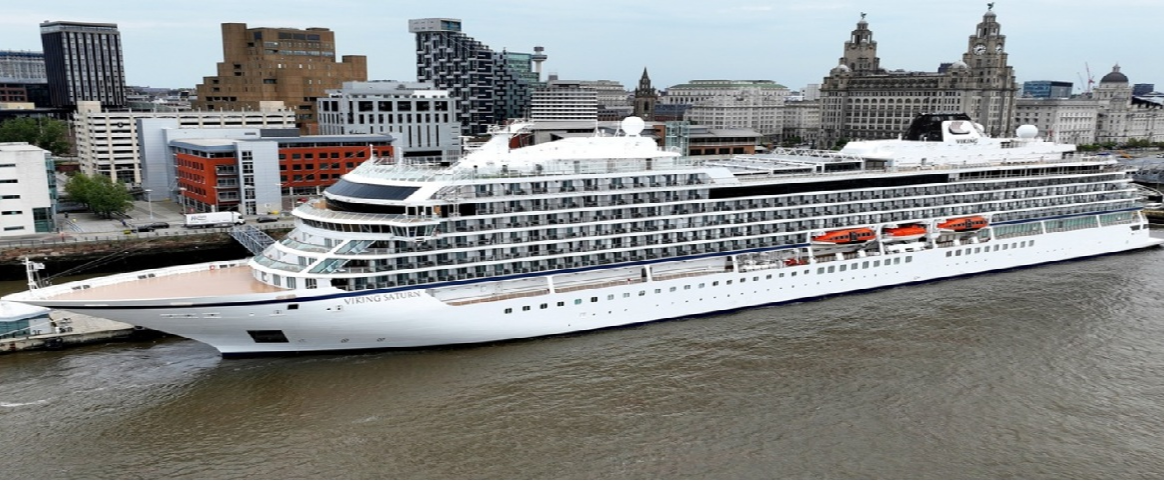
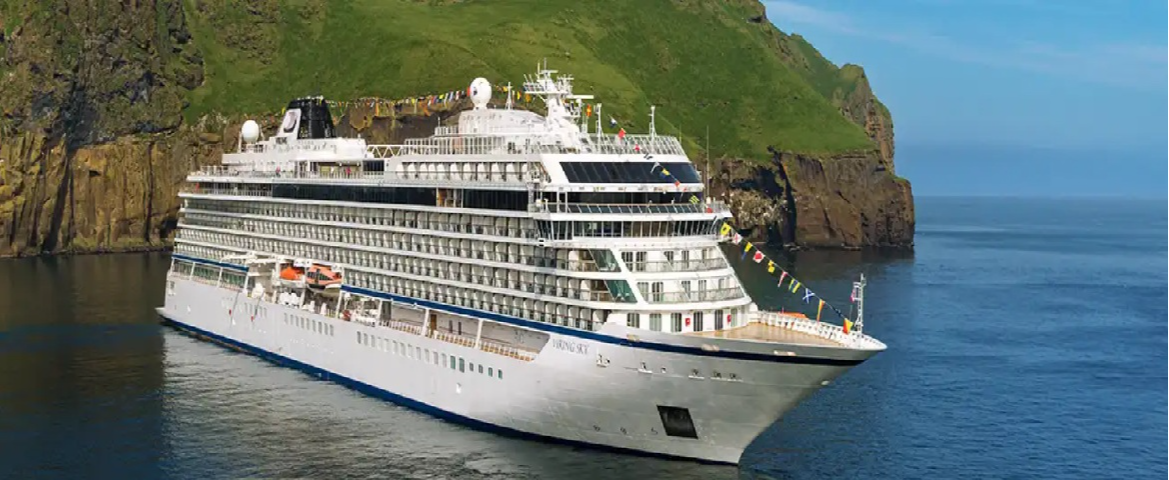
Viking Ocean Cruises (7 Cruises)


Le Havre, France | Escale UNESCO en Normandie
Frequently Asked Questions
The terminal is a little over two kilometres from the city centre. Walking along the docks is possible but dull: take the shuttle laid on for call days, valid all day, or a taxi.
For its rebuilt centre. Destroyed by bombing in the Second World War, the city was rebuilt from 1945 to 1964 to Auguste Perret's plans, and UNESCO listed it in 2005 as an open-air manifesto of modern architecture.
Saint-Joseph church. Its octagonal lantern tower rises 107 metres and inside, thousands of coloured glass panes turn the nave into a kaleidoscope depending on the hour. It is also the memorial to the victims of the bombing.
Yes, once you are in the centre. The rebuilt grid is flat, open and cut through by long vistas that carry the eye out to sea. It takes a few minutes to warm to the pale concrete, then the geometry takes hold.
It is a Perret apartment furnished as it was in the 1950s, open to visitors. It tells the daily life of families rehoused in these then-revolutionary flats, bright and heated through the floor.
It holds the second-largest Impressionist collection in France after Paris. Boudin, Monet and their heirs hang in the natural light flooding the glass building, twenty minutes on foot from the ship along Quai de Southampton.
Yes, these are the two most popular excursions. Étretat and its chalk cliffs are about an hour away by road; Honfleur and its Vieux Bassin lie across the estuary, beyond the Normandy bridge.
It is possible on longer calls, but it makes for a heavy day: allow a little over two hours each way by road. Many passengers would do better giving at least half a day to Le Havre itself.
Yes, a pebble beach at the end of the seafront promenade, with its bathing huts. Nearby stand the stacked coloured shipping containers, a contemporary artwork that has become a local emblem.
At the Halles Centrales, full of Normandy cheeses, cider and seafood. It is the ideal start to a picnic facing the Channel.


