Brisbane Queensland Australia
Australia
537
Cruises availables
At departure or passage at this port
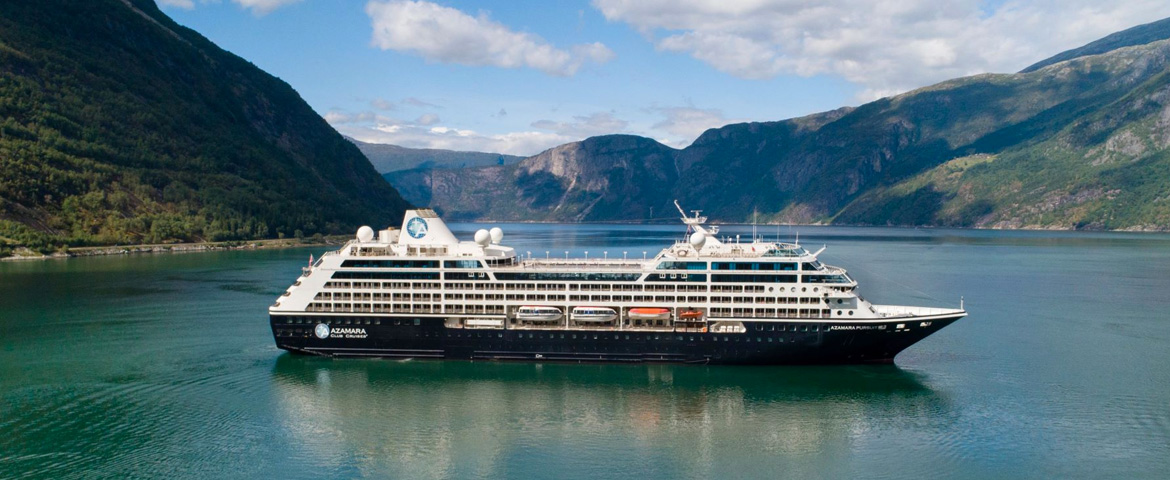
Azamara Club Cruises (17 Cruises)
Azamara Pursuit
17 Cruises

Carnival Cruise Line (164 Cruises)
Carnival Encounter
118 Cruises


| 25 October | 7 days | Round-trip from Brisbane, Australia |
450-628-6241
Call us
|
| 31 October | 4 days | Round-trip from Brisbane, Australia |
450-628-6241
Call us
|
Carnival Luminosa
46 Cruises

Celebrity Cruises (2 Cruises)


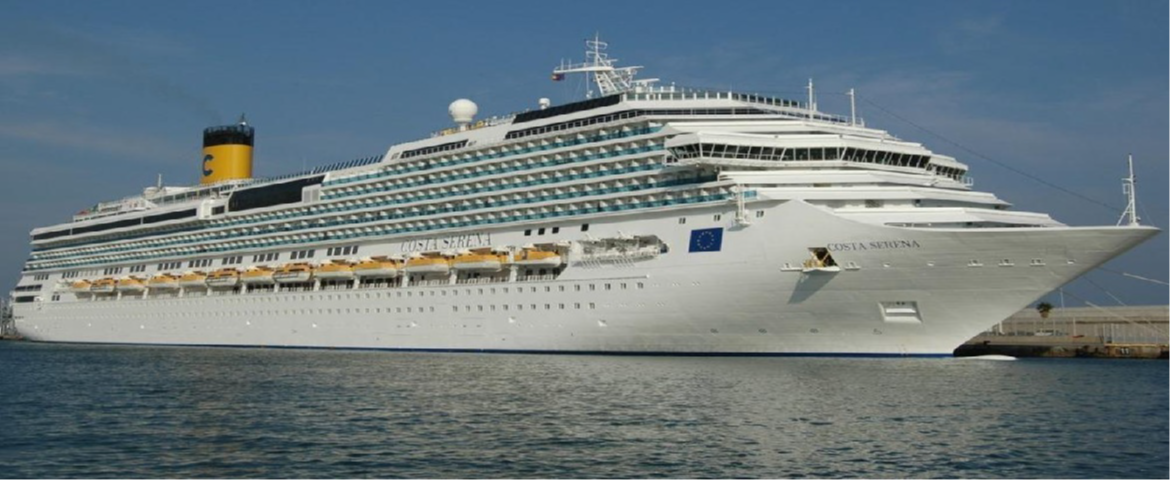
Costa Cruises (4 Cruises)

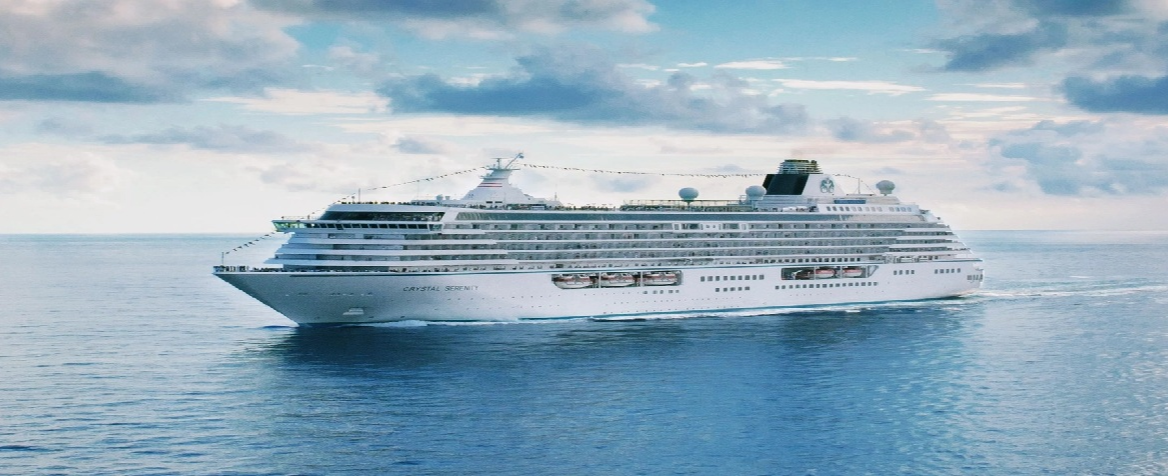
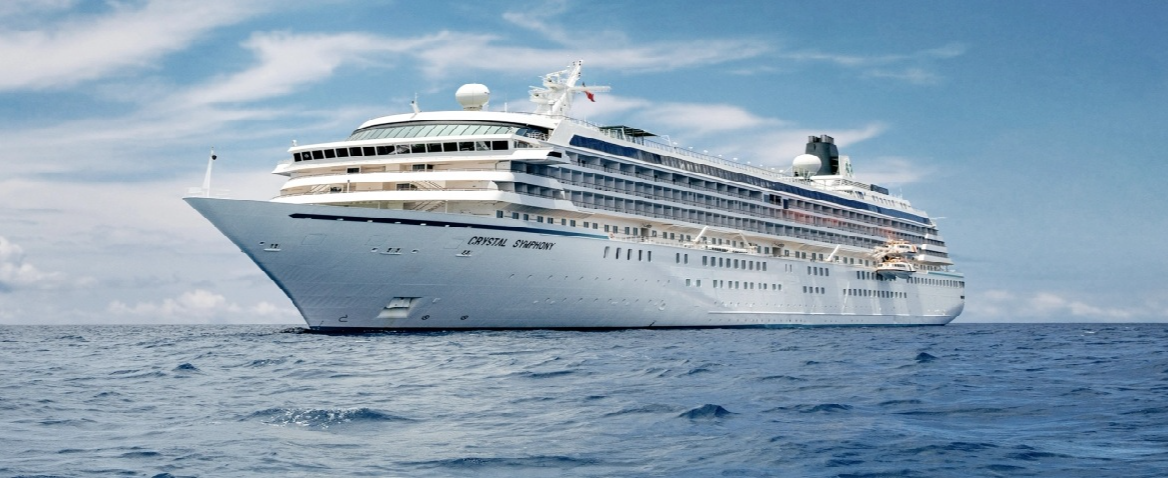
Crystal Cruises (10 Cruises)
Crystal Serenity
7 Cruises

Cunard (19 Cruises)
Queen Anne
19 Cruises


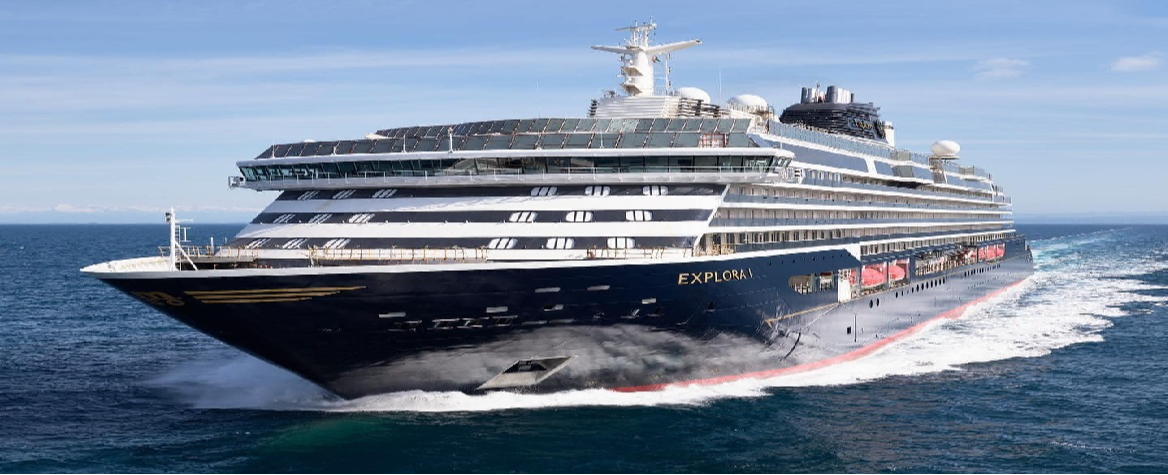
Explora Journeys (3 Cruises)

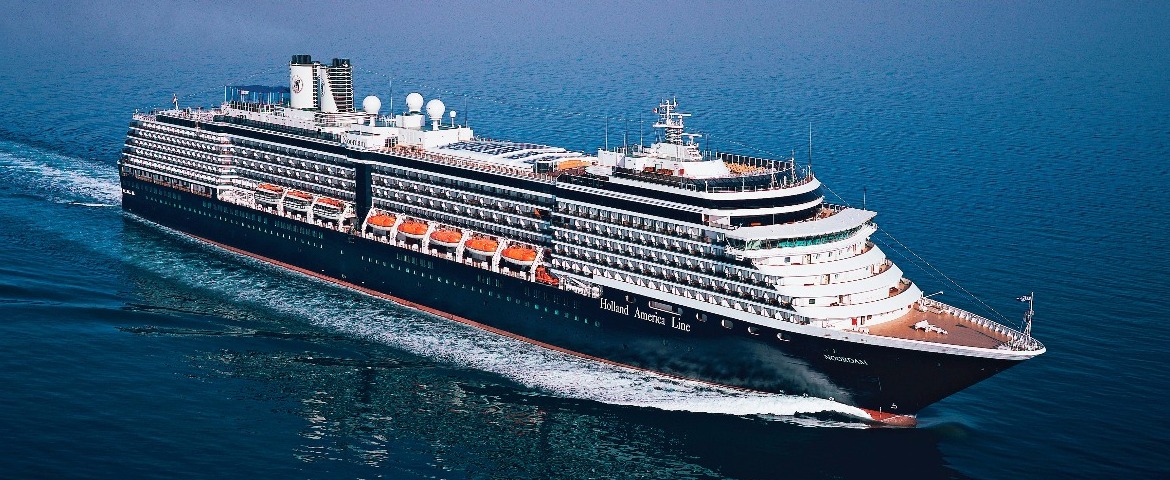
Holland America Line (4 Cruises)

Norwegian Cruise Line (1 Cruises)


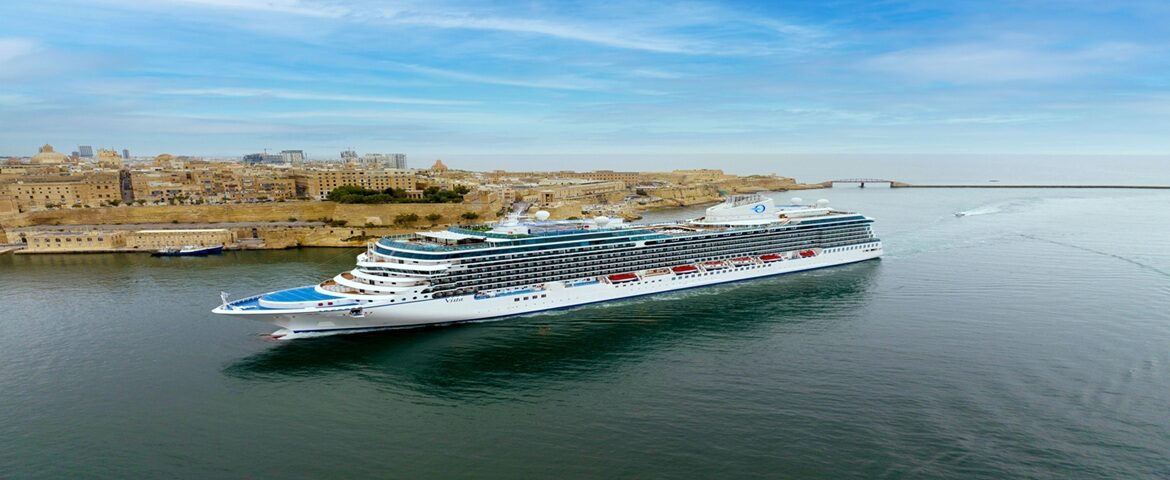
Oceania Cruises (21 Cruises)
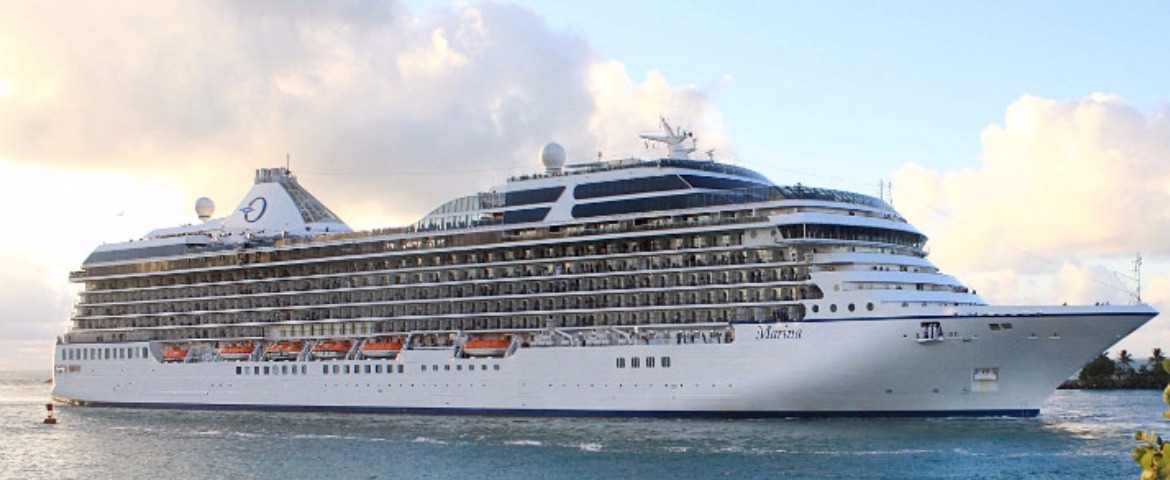
Oceania Marina
9 Cruises

| 7 January | 14 days | One-way from Benoa to Sydney |
450-628-6241
Call us
|
| 7 January | 29 days | One-way from Benoa to Auckland |
450-628-6241
Call us
|
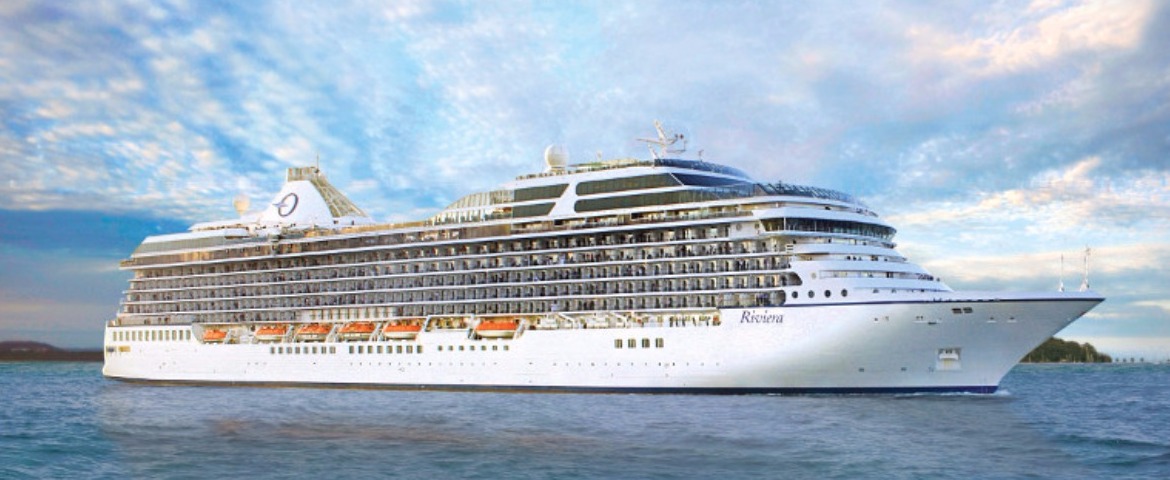
Oceania Riviera
6 Cruises
Oceania Vista
6 Cruises
Princess Cruises (112 Cruises)
Coral Princess
10 Cruises


Grand Princess
80 Cruises

| 1 February | 15 days | Round-trip from Brisbane, Australia |
450-628-6241
Call us
|
| 15 February | 15 days | Round-trip from Brisbane, Australia |
450-628-6241
Call us
|
Royal Princess
8 Cruises

| 30 October | 27 days | One-way from Singapore to Sydney |
450-628-6241
Call us
|
| 30 October | 25 days | One-way from Singapore to Brisbane |
450-628-6241
Call us
|
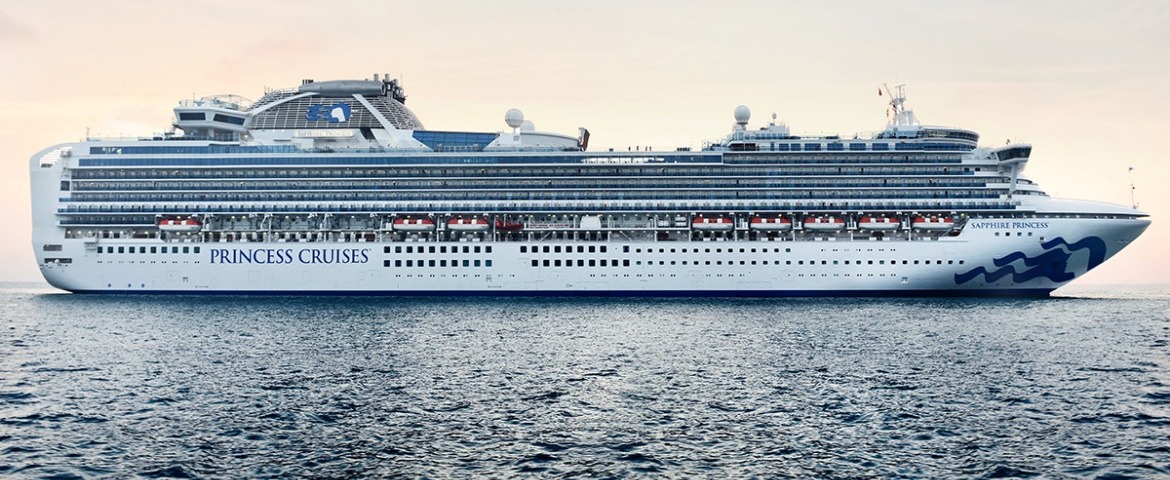
Sapphire Princess
14 Cruises
Regent Seven Seas Cruises (30 Cruises)
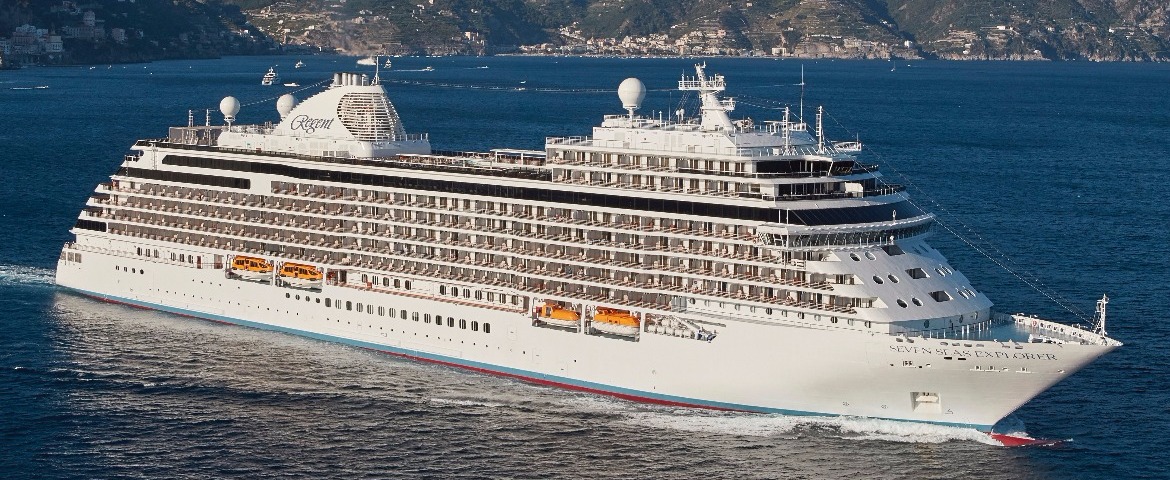
Seven Seas Explorer
10 Cruises

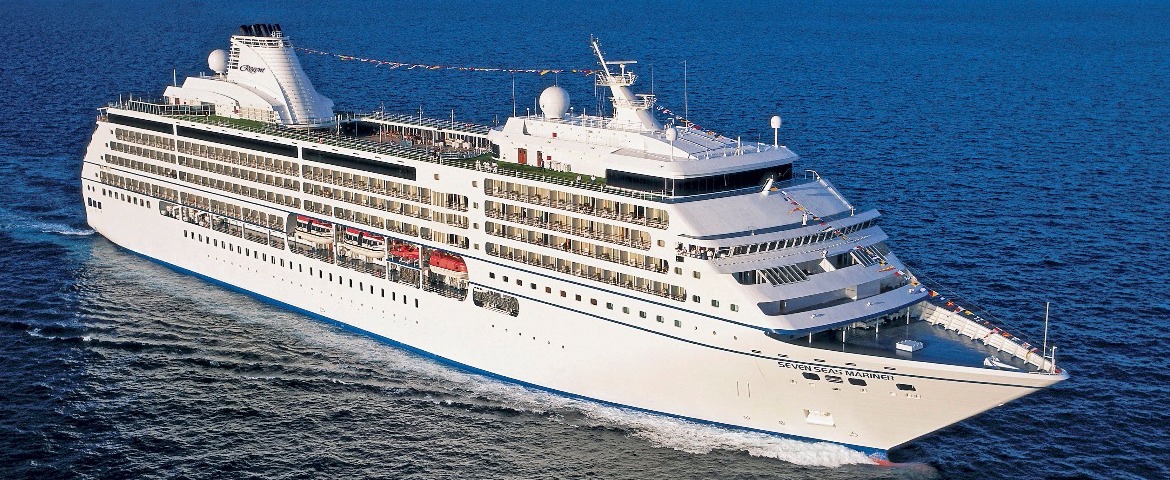
Seven Seas Mariner
12 Cruises
| 18 January | 33 days | Round-trip from Sydney, Australia |
450-628-6241
Call us
|
| 18 January | 32 days | Round-trip Australia Seven Seas Mariner Sydney |
450-628-6241
Call us
|
Seven Seas Navigator
8 Cruises
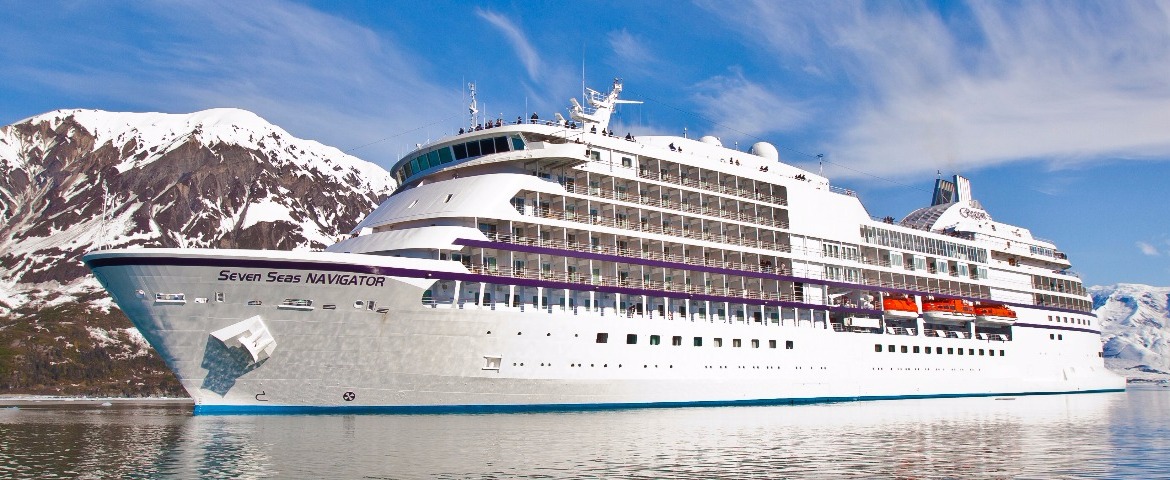
| 27 June | 17 days | One-way from Darwin to Sydney |
450-628-6241
Call us
|
| 27 June | 16 days | One-way from Darwin to Sydney |
450-628-6241
Call us
|
Royal Caribbean Cruises (60 Cruises)
Quantum of the Seas
30 Cruises


Voyager of the Seas
30 Cruises

Seabourn Cruise Line (15 Cruises)
Seabourn Quest
15 Cruises
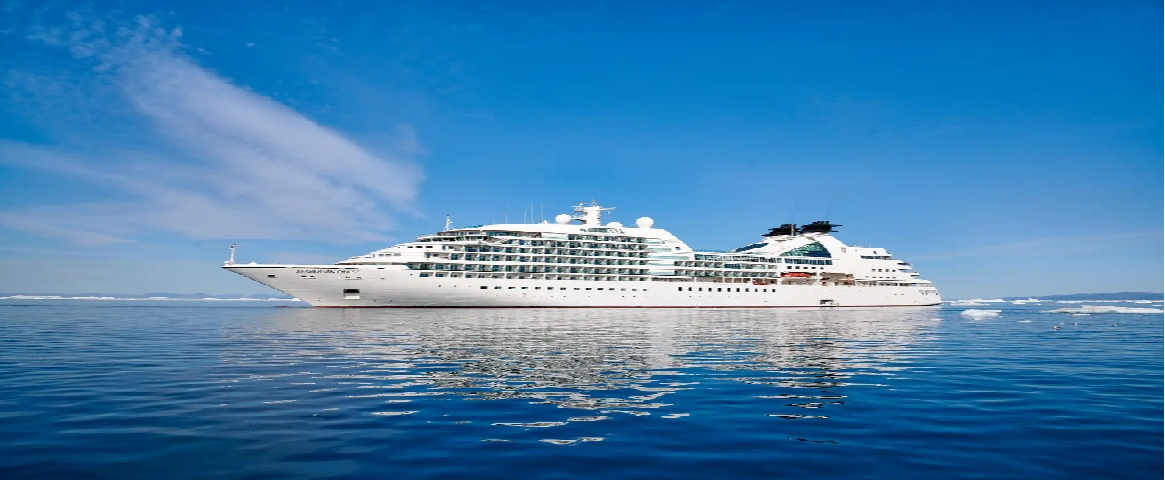

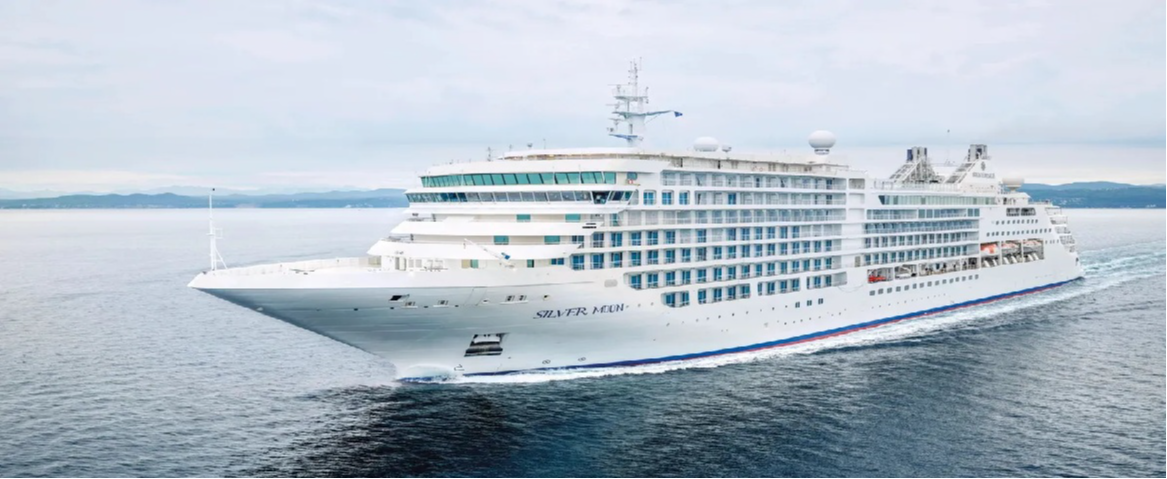
Silversea Cruises (7 Cruises)
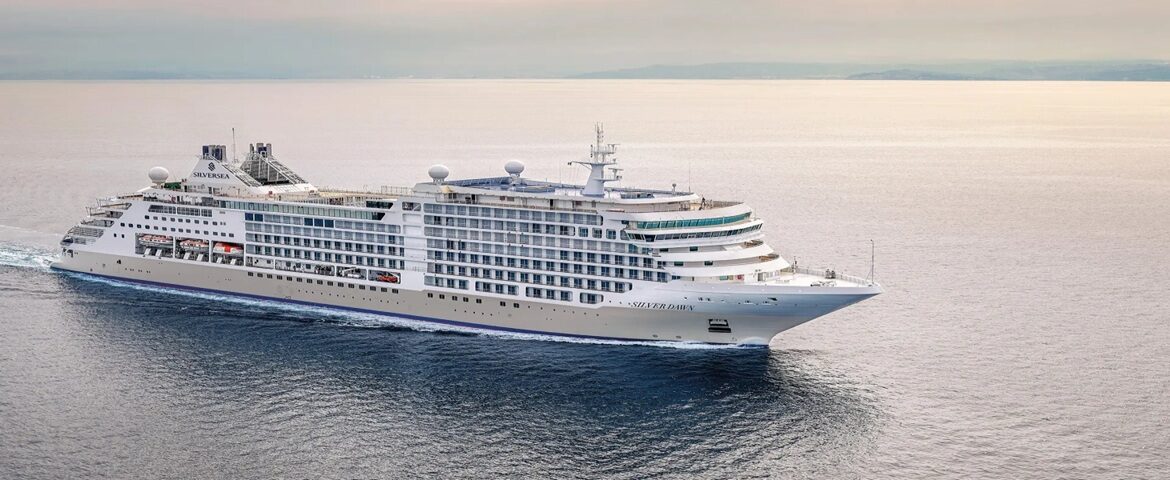
Silver Dawn
5 Cruises

Viking Ocean Cruises (68 Cruises)
Viking Orion
31 Cruises


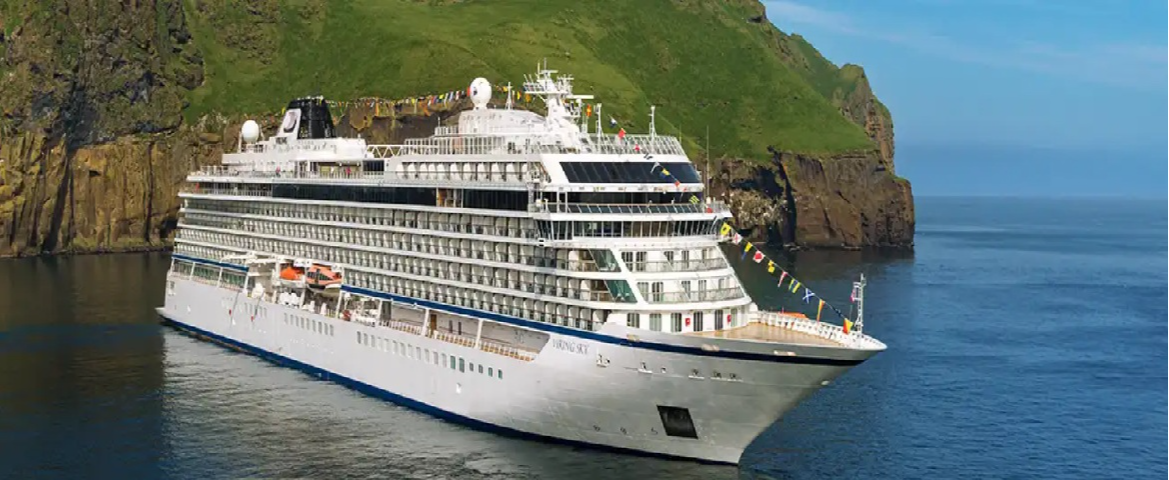
Viking Venus
33 Cruises


Port of Brisbane | Cruise Port Guide
Frequently Asked Questions
It depends on the ship's size. Large ships berth at the Brisbane International Cruise Terminal at Luggage Point, near the river mouth, about 19 kilometres from downtown. Smaller ships come further up to Portside Wharf in Hamilton, some 7 kilometres from the centre.
From Luggage Point, shuttle or taxi : walking is not an option. From Portside Wharf, CityCat ferries run up the river to the centre, and the trip is worth an excursion on its own.
A former industrial stretch of the south bank turned into an urban park : flowering walkways, lawns, public pools and pavilions, with the business district skyline across the water. It is the first stop on any port call.
The Gallery of Modern Art, next to South Bank, showing Australian and international contemporary art in bright open spaces. An hour is enough for a first taste; enthusiasts will stay half a day.
South Bank and the south bank cultural precinct, then cross to the north side for City Hall and the Queen Street Mall. Follow the riverside paths : the city reads better from its banks than from its avenues.
The downtown pedestrian street where the shopping is concentrated. Its arcades and covered passages provide shade in the hot hours, a few streets from City Hall and its clock tower.
The ferry that runs up the Brisbane River linking the riverside districts. It is the most pleasant way to reach the centre from Portside Wharf, and an outing in itself.
A subtropical climate where winter feels like spring. Life happens outdoors most of the year : markets, open air cafes and riverside paths operate continuously.
Restaurants, a fresh produce market and a cinema surround this urban wharf in Hamilton, where locals come to stroll. Passengers from smaller ships step ashore right there.
Not necessarily. The call is easy to improvise thanks to the riverside paths and the ferries. A shuttle is still useful if the ship berths at Luggage Point, where nothing is within walking distance.


