Phuket Thailand
274
Cruises availables
At departure or passage at this port
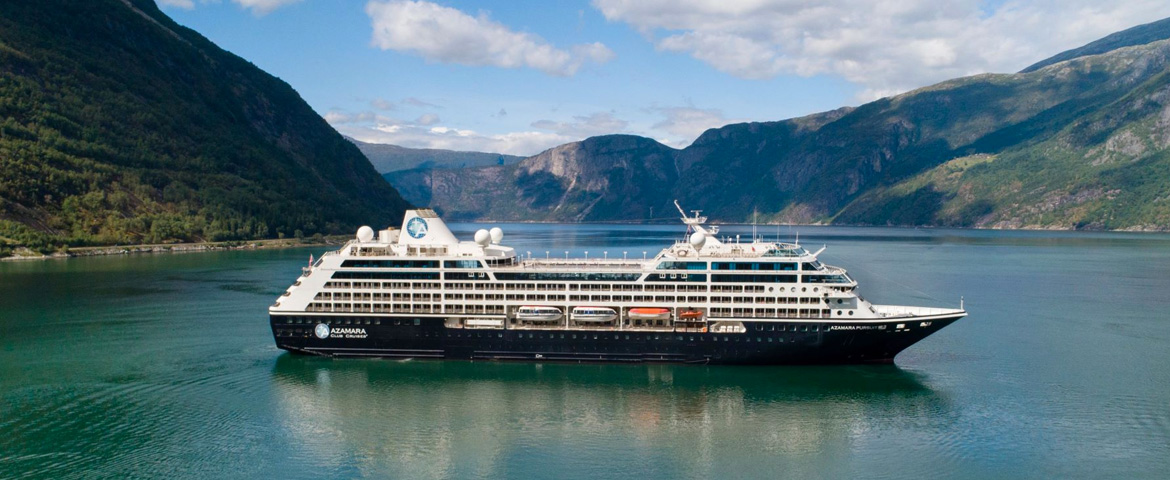
Azamara Club Cruises (4 Cruises)

Celebrity Cruises (27 Cruises)
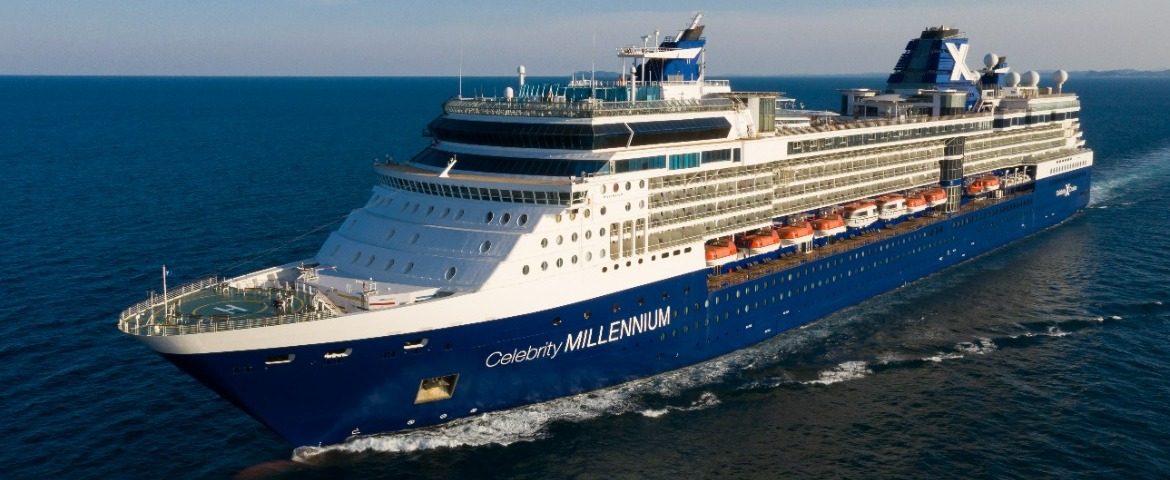
Celebrity Millennium
26 Cruises

Costa Cruises (8 Cruises)
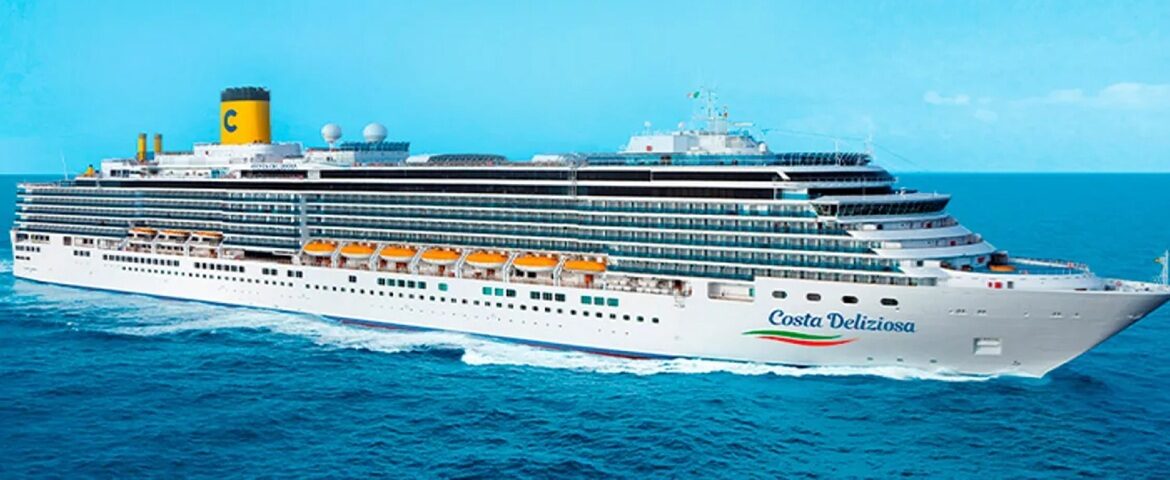
Costa Deliziosa
8 Cruises

Crystal Cruises (6 Cruises)
Crystal Symphony
6 Cruises
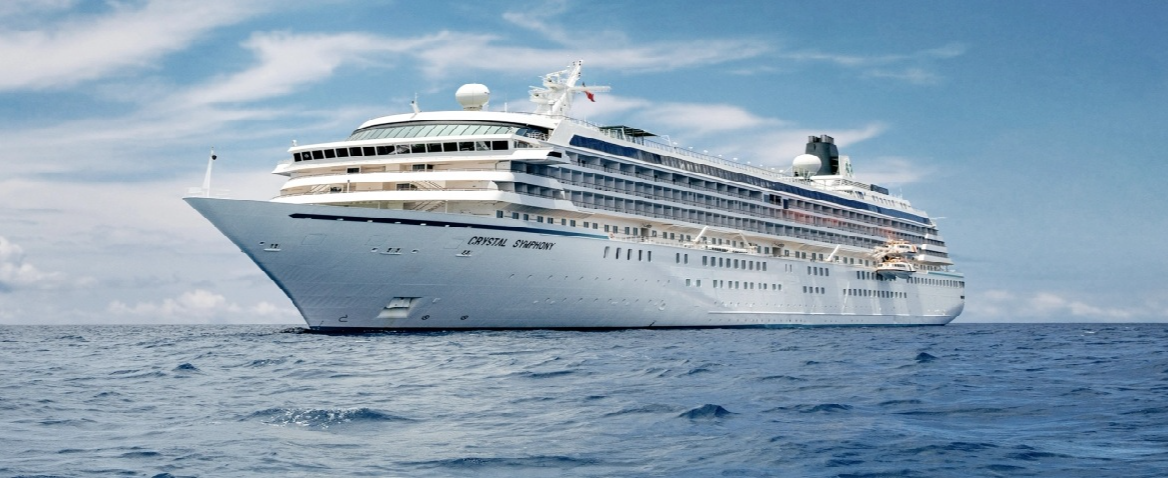

| 11 January | 151 days | Round-trip 150 Night Roundtrip Fort Lauderdale Cruise |
450-628-6241
Call us
|
| 11 January | 137 days | One-way from Fort Lauderdale to Barcelona |
450-628-6241
Call us
|
Emerald Waterways (7 Cruises)
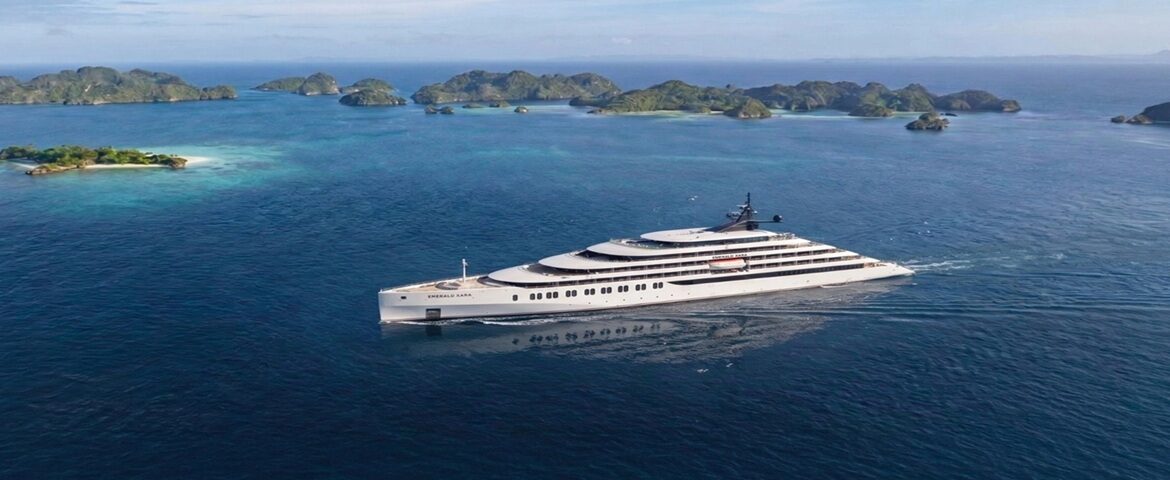
Emerald Xara
7 Cruises

Explora Journeys (15 Cruises)
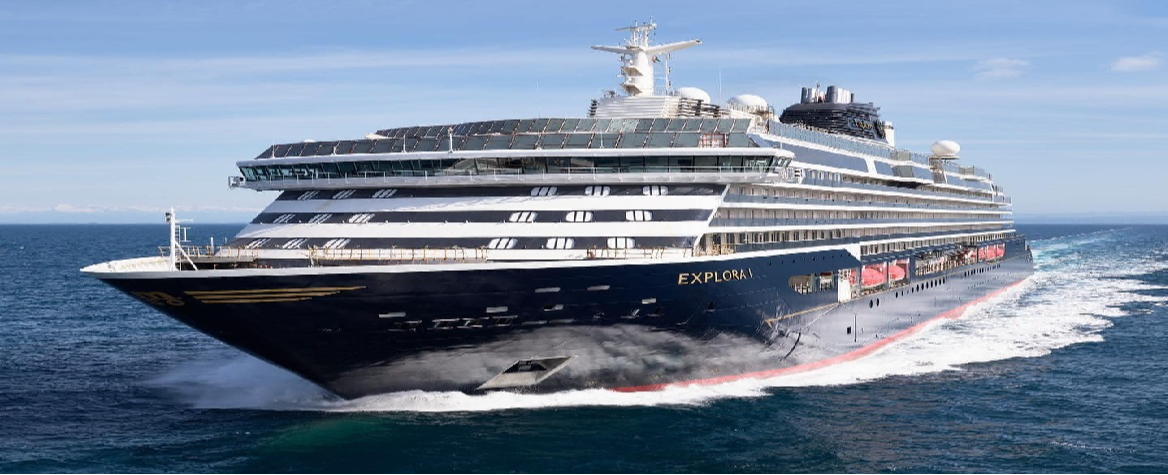

Explora III
12 Cruises
Holland America Line (4 Cruises)
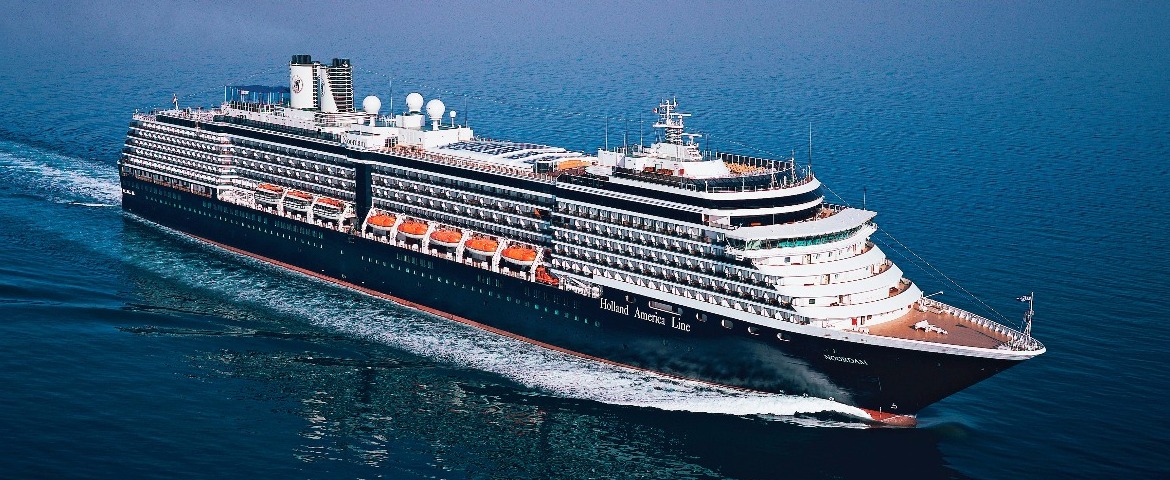

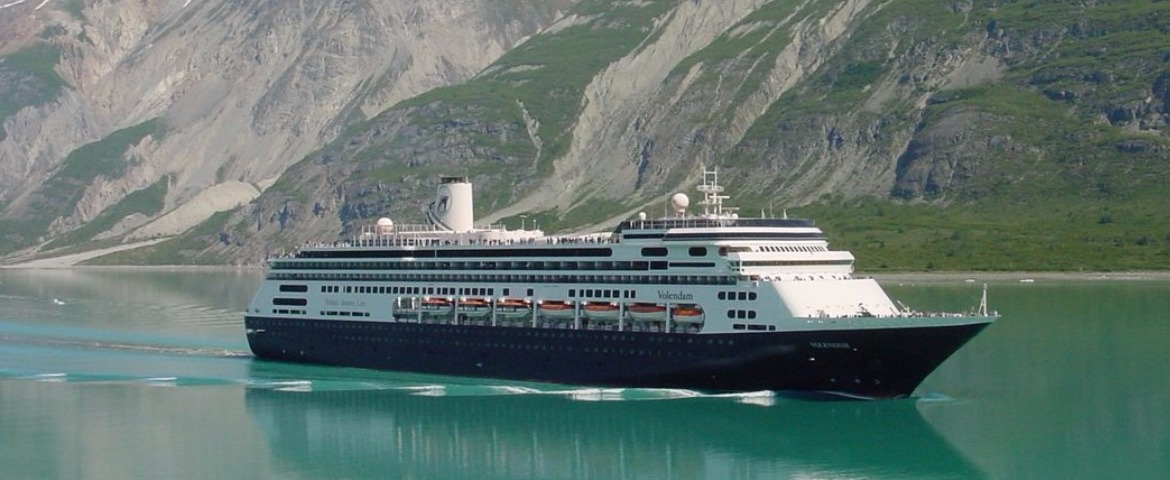
Oceania Cruises (45 Cruises)
Oceania Aurelia
9 Cruises
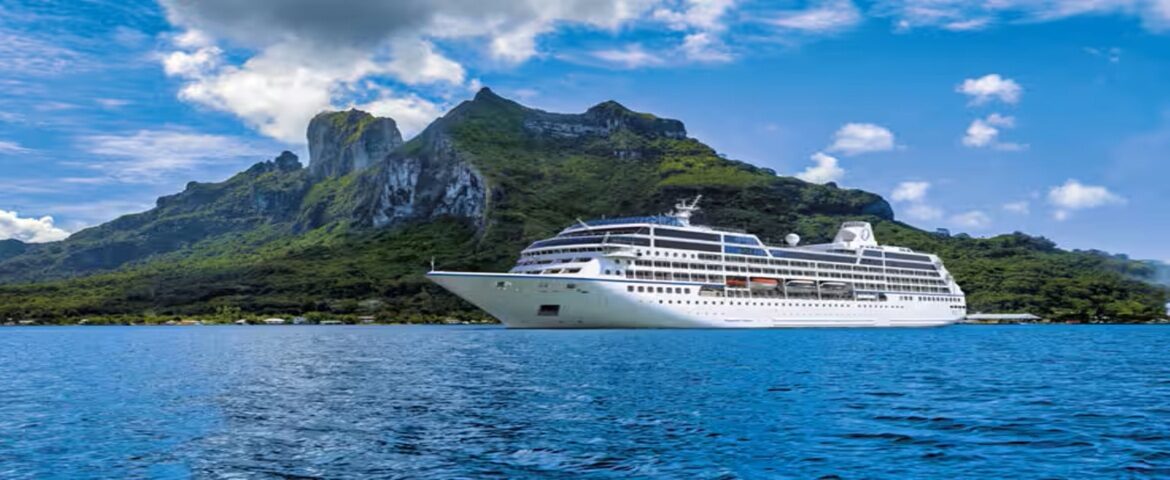

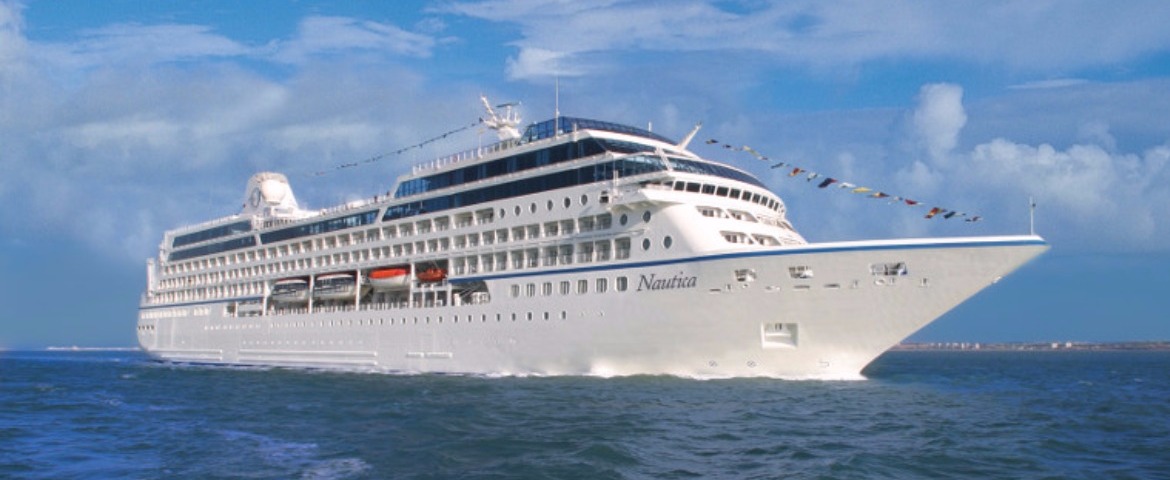
Oceania Nautica
9 Cruises
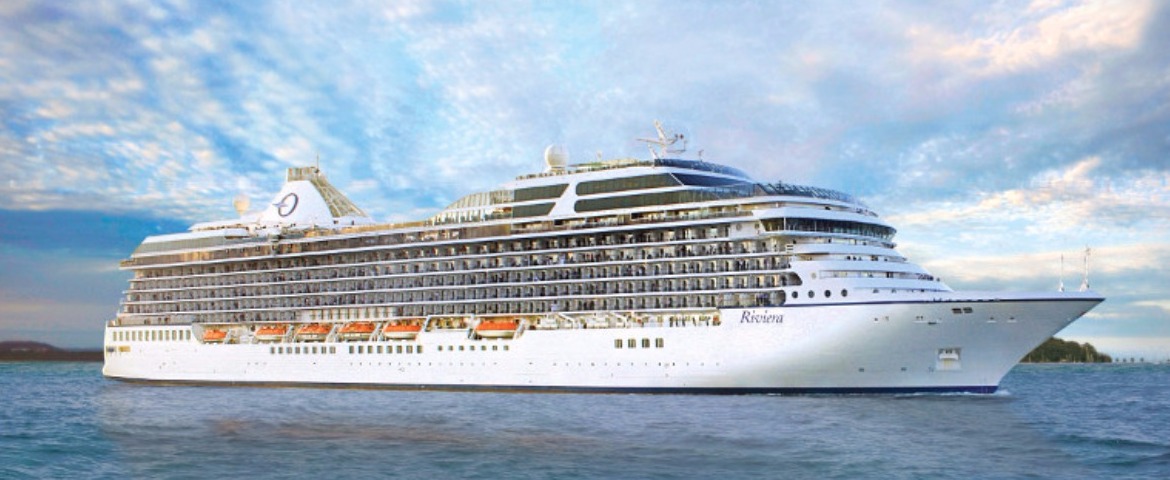
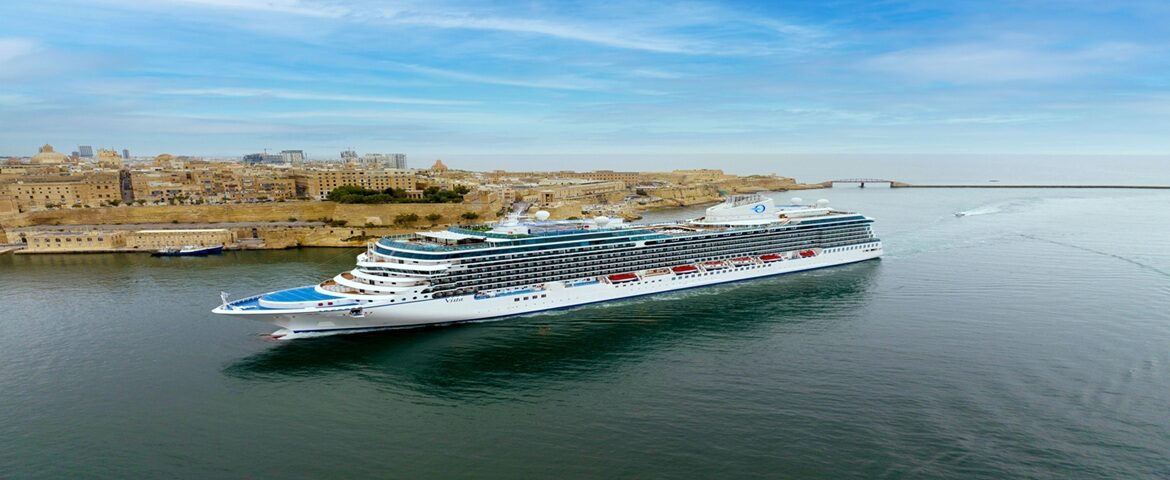
Oceania Vista
17 Cruises
| 6 January | 244 days | One-way from Miami to New York |
450-628-6241
Call us
|
| 6 January | 180 days | One-way from Miami to Southampton |
450-628-6241
Call us
|
| 26 February | 130 days | One-way from Sydney to Southampton |
450-628-6241
Call us
|
| 26 February | 129 days | One-way from Sydney to Southampton |
450-628-6241
Call us
|
Ponant (4 Cruises)


Princess Cruises (50 Cruises)
Coral Princess
9 Cruises


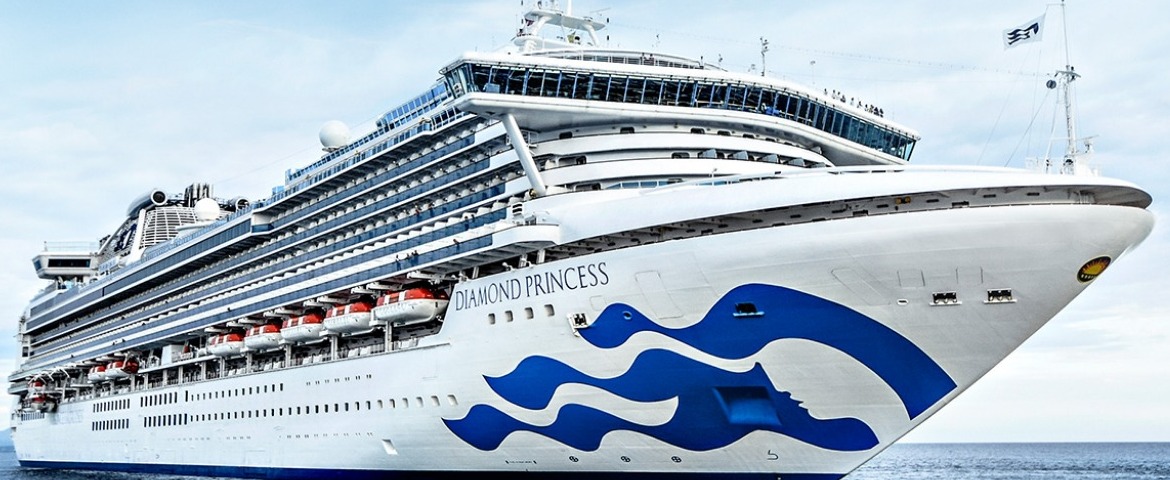
Diamond Princess
19 Cruises
| 2 January | 13 days | Round-trip from Singapore, Singapore |
450-628-6241
Call us
|
| 14 January | 13 days | Round-trip from Singapore, Singapore |
450-628-6241
Call us
|
Sapphire Princess
22 Cruises
Regent Seven Seas Cruises (48 Cruises)
Seven Seas Explorer
13 Cruises

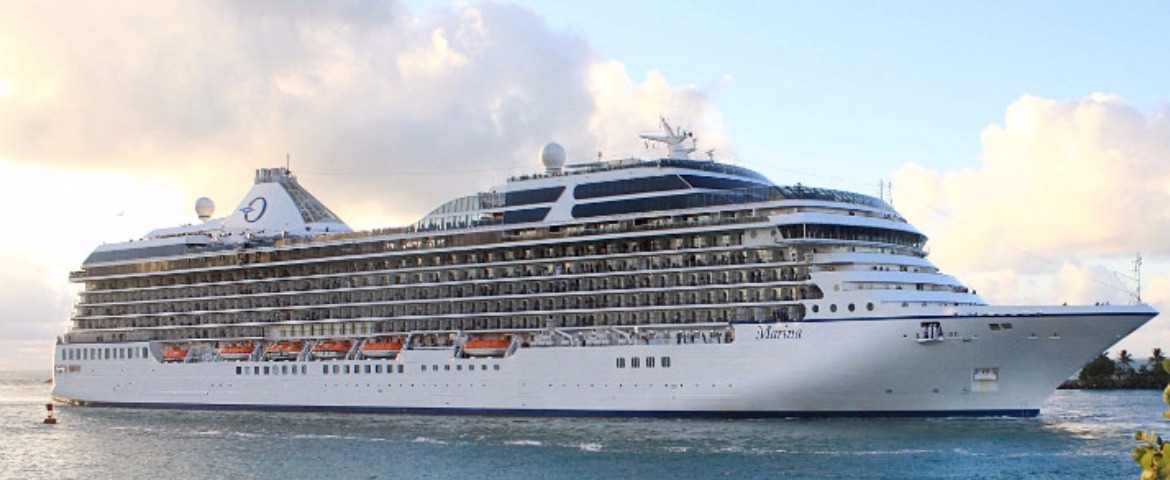
Seven Seas Mariner
15 Cruises
| 19 February | 69 days | One-way from Sydney to Cape Town |
450-628-6241
Call us
|
| 19 February | 69 days | One-way from Sydney to Cape Town |
450-628-6241
Call us
|
Seven Seas Navigator
7 Cruises
| 9 March | 28 days | One-way from Cape Town to Singapore |
450-628-6241
Call us
|
| 9 March | 28 days | One-way from Cape Town to Singapore |
450-628-6241
Call us
|
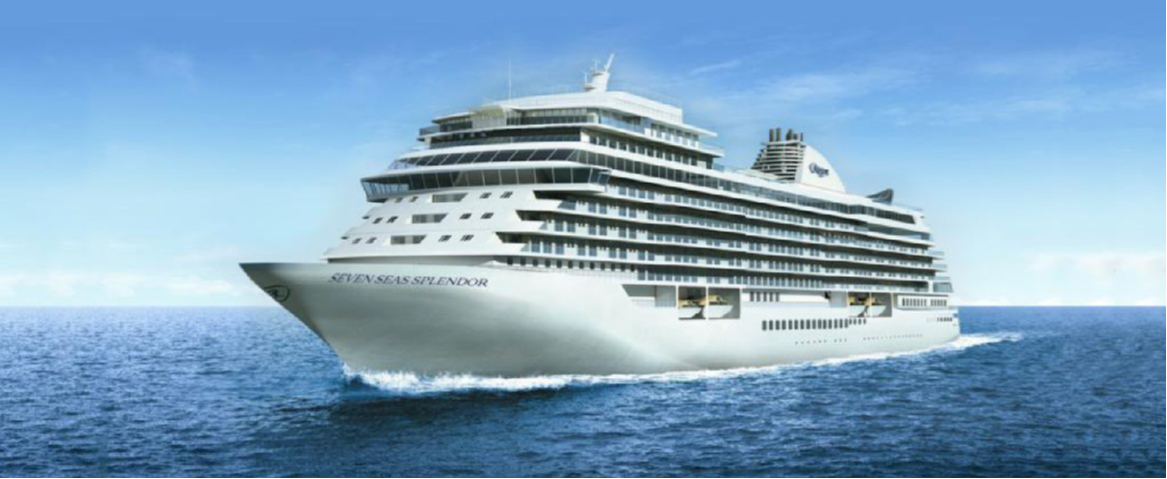
Seven Seas Splendor
13 Cruises
Royal Caribbean Cruises (38 Cruises)
Navigator of the Seas
19 Cruises


| 12 November | 5 days | Round-trip from Singapore, Singapore |
From
1449$
|
| 19 November | 6 days | Round-trip from Singapore, Singapore |
From
1694$
|
| 29 November | 5 days | Round-trip from Singapore, Singapore |
From
998$
|
Quantum of the Seas
19 Cruises

| 14 November | 6 days | Round-trip from Singapore, Singapore |
From
842$
|
| 22 November | 5 days | Round-trip from Singapore, Singapore |
From
713$
|
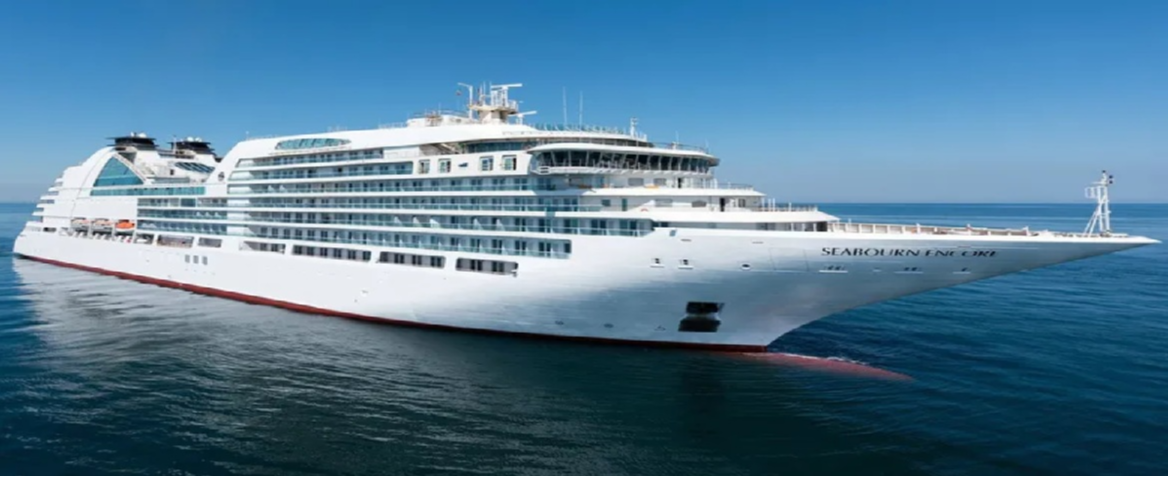
Seabourn Cruise Line (4 Cruises)

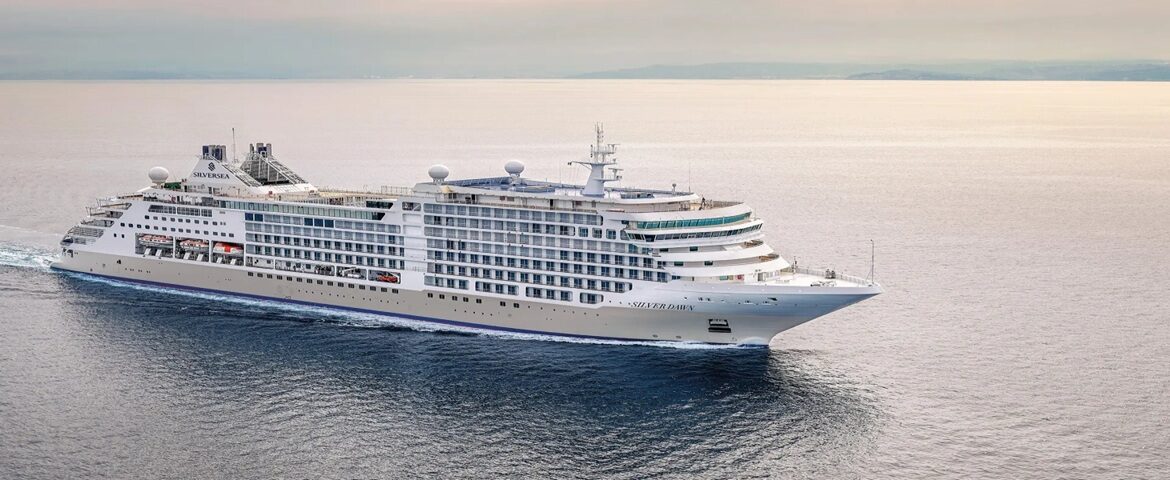
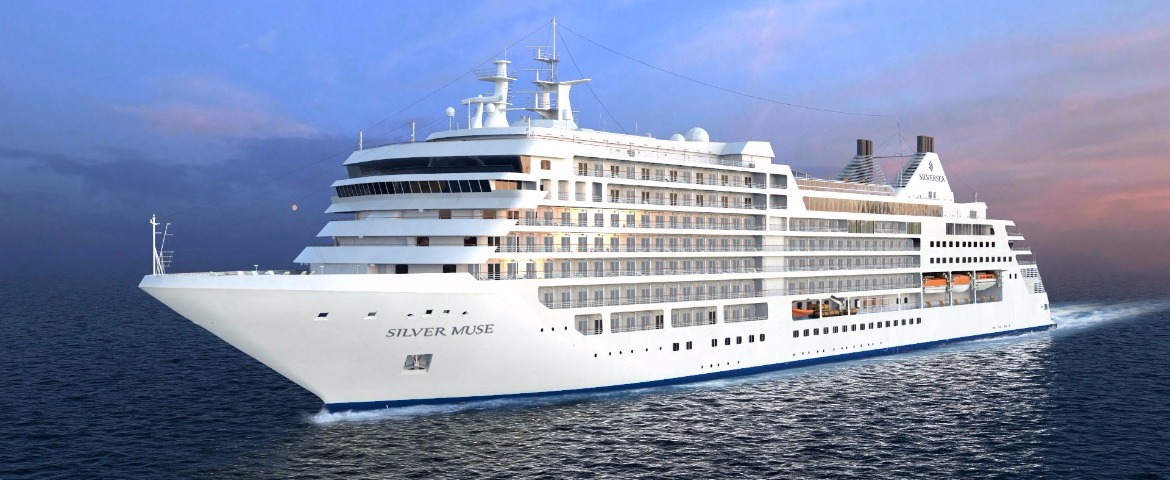
Silversea Cruises (10 Cruises)

Viking Ocean Cruises (4 Cruises)


Phuket, Thailand | Cruise Port Guide
Frequently Asked Questions
It depends on the season, and it changes your whole day. From November to April most ships anchor off Patong bay and land passengers by tender. During the rainy season they berth instead at the Ao Makham deep-water port, about ten kilometres from the main town.
From the tender, Patong pier is under fifteen minutes. From Ao Makham, allow 15 to 20 minutes by car to the old town and 30 to 40 minutes to Patong. Patong to the old town is about 40 minutes. Find out which landing point applies to you before planning.
Two plans stand out. First: the old town and its Sino-Portuguese facades, a coffee on Thalang Road, a noodle shop. Second: the Big Buddha and Wat Chalong, which combine easily into half a day. Trying to do both plus the beach means spending the day rushing.
The district where the tin trade left its Sino-Portuguese shophouses: restored pastel facades, wooden shutters, cafés installed in former trading offices. Thalang Road is its heart. It is the island's most appealing face, and often the one passengers regret not seeing sooner.
A 45-metre statue clad in white Burmese marble, standing on a ridge in the south of the island. The surrounding esplanade gives a wide view over the bays and hills. Below it, Wat Chalong, the island's busiest temple, follows naturally: the road between the two crosses plantations and villages.
Yes, but know what you're getting. About three kilometres of sand backed by casuarinas, colourful longtails hauled up on the shore, and a street of cafés, shops and massage parlours. The mood is lively, at times exuberant; walk toward either end of the bay and it settles down.
The Thai baht. Cards work in restaurants, hotels and shops in Patong and the old town, but shared pickups, longtails and street vendors want cash. ATMs are plentiful in Patong, scarcer on inland roads.
Thai, with widespread English across all tourist areas. French is occasionally heard in Patong. In the old town, Mandarin and Hokkien are reminders of the Chinese origins of much of the island's population.
Yes. Patong offers an accessible beach and services in abundance, the old town is easy to walk, and the Big Buddha impresses at any age. As everywhere in Thailand, covered shoulders and knees are required in temples, children included.
November to April, the Andaman dry season: calm water, clear skies and an anchorage off Patong. From May to October the southwest monsoon raises a heavy swell, and red flags regularly close Patong to swimming. That is not a decorative warning: drownings there are real.


