Cape Town South Africa
544
Cruises availables
At departure or passage at this port
AmaWaterways (107 Cruises)
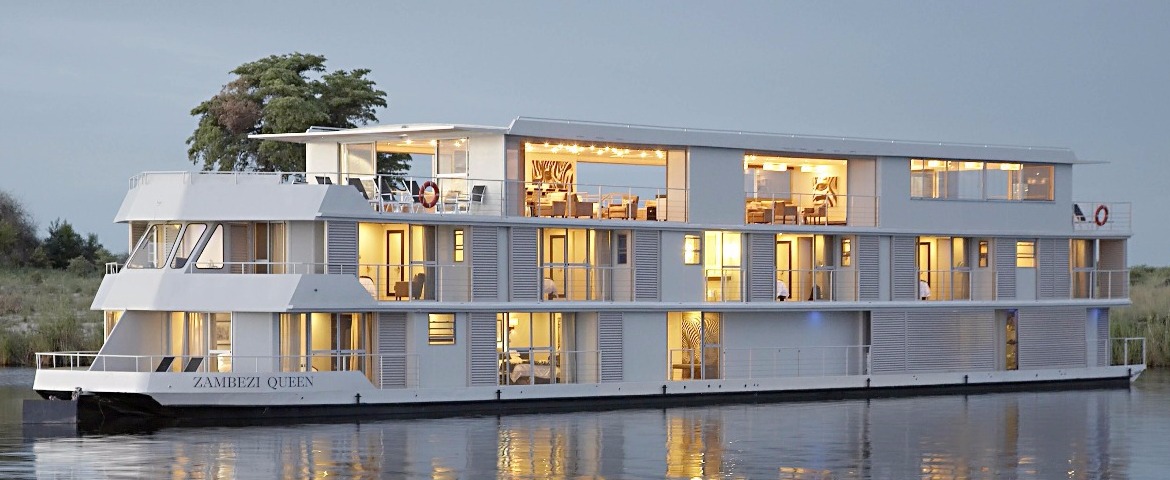
Zambezi Queen
107 Cruises

| 26 February | 10 days | One-way from Cape Town to Johannesburg |
450-628-6241
Call us
|
| 26 February | 15 days | One-way from Cape Town to Johannesburg |
450-628-6241
Call us
|
| 7 September | 10 days | One-way from Cape Town to Johannesburg |
450-628-6241
Call us
|
| 7 September | 15 days | One-way from Cape Town to Johannesburg |
450-628-6241
Call us
|
Azamara Club Cruises (15 Cruises)
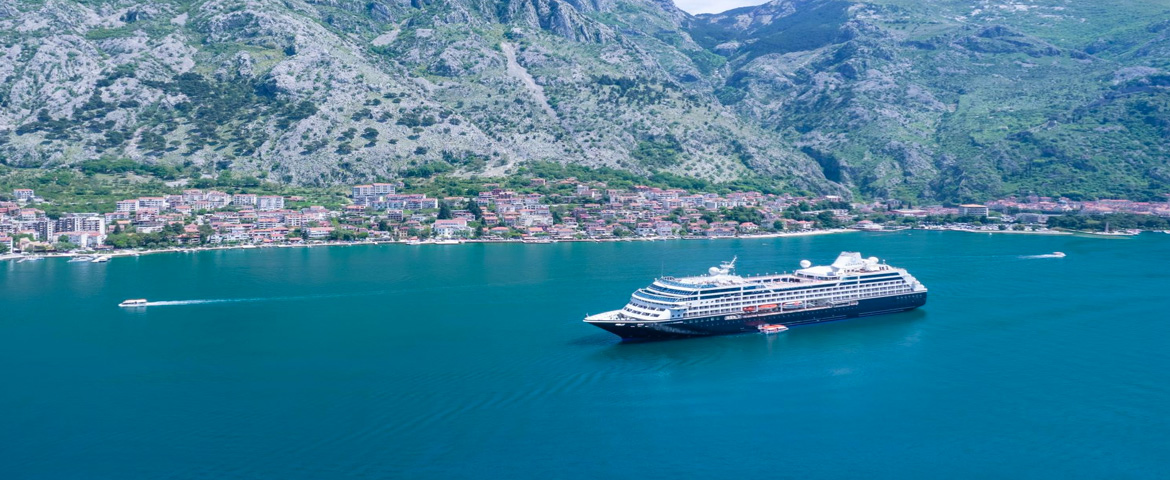
Azamara Onward
15 Cruises

Costa Cruises (38 Cruises)
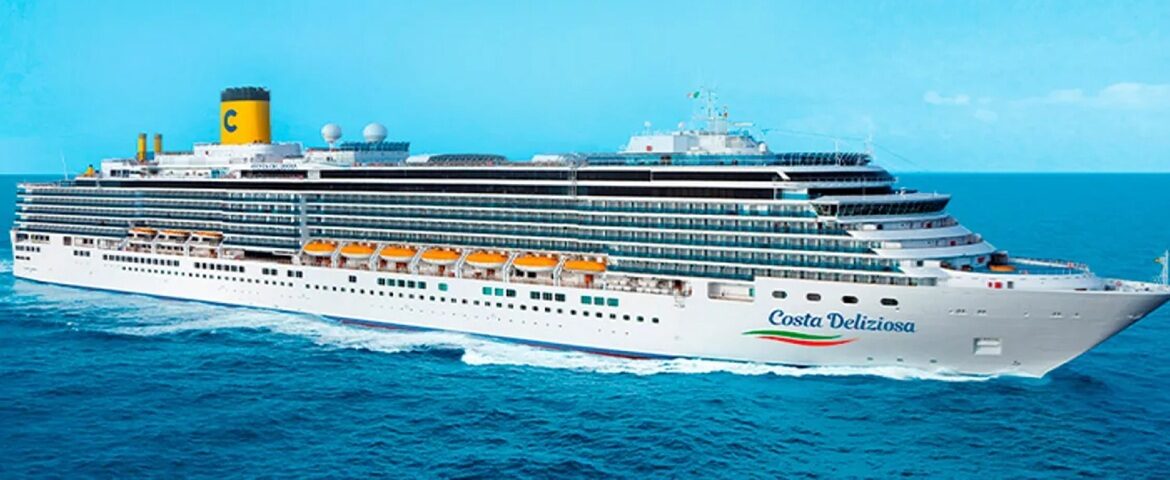
Costa Deliziosa
38 Cruises

CroisiEurope (250 Cruises)
MV Zimbabwean Dream
128 Cruises


| 25 October | 13 days | One-way from Cape Town to Victoria Falls |
450-628-6241
Call us
|
| 25 October | 12 days | One-way from Cape Town to Victoria Falls |
450-628-6241
Call us
|
RV African Dream
122 Cruises

| 30 October | 12 days | One-way from Cape Town to Victoria Falls |
450-628-6241
Call us
|
| 30 October | 13 days | One-way from Cape Town to Victoria Falls |
450-628-6241
Call us
|
| 25 January | 14 days | One-way from Cape Town to Victoria Falls |
450-628-6241
Call us
|
| 25 January | 15 days | One-way from Cape Town to Victoria Falls |
450-628-6241
Call us
|
Cunard (52 Cruises)
Queen Anne
20 Cruises

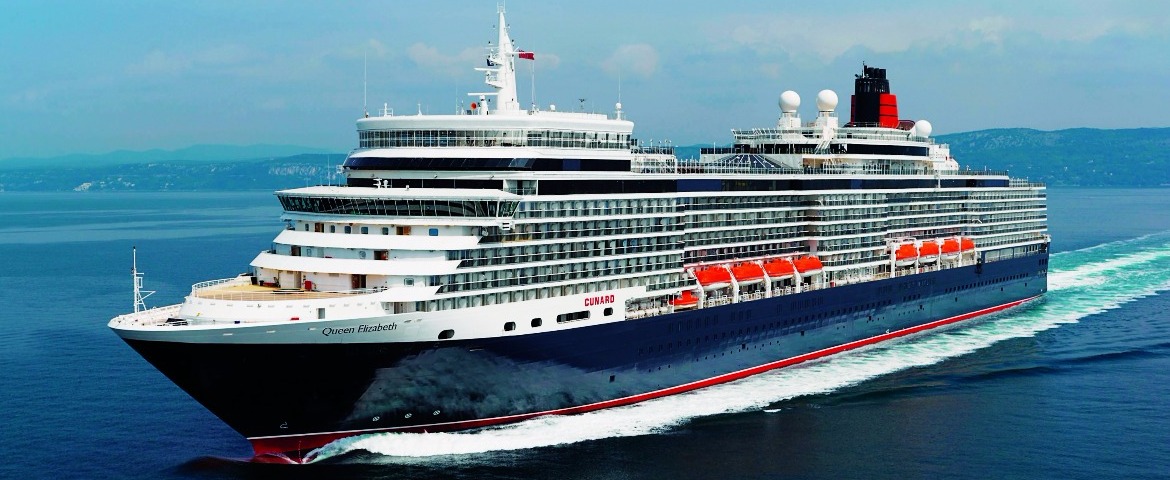
Queen Elizabeth
17 Cruises
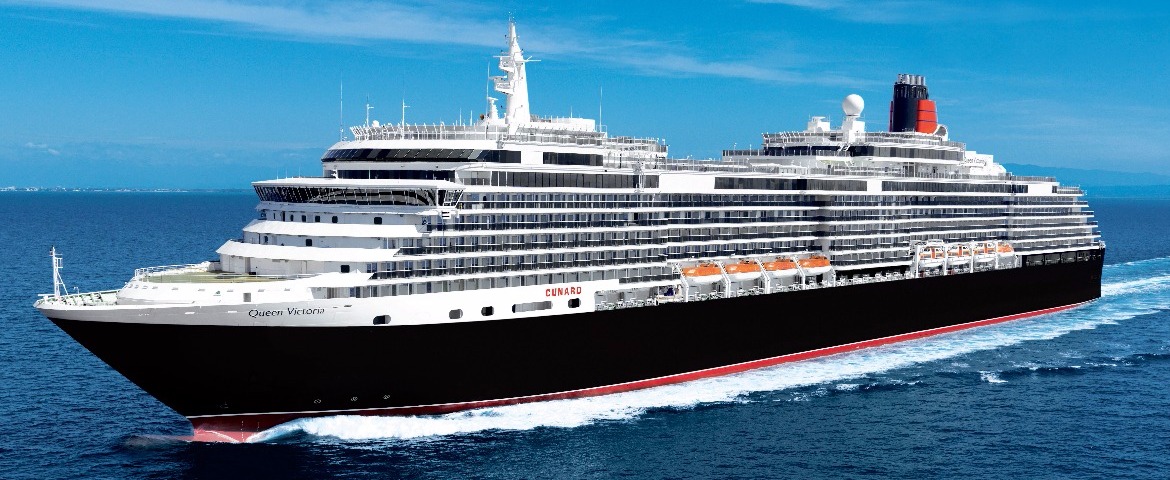
Queen Victoria
15 Cruises
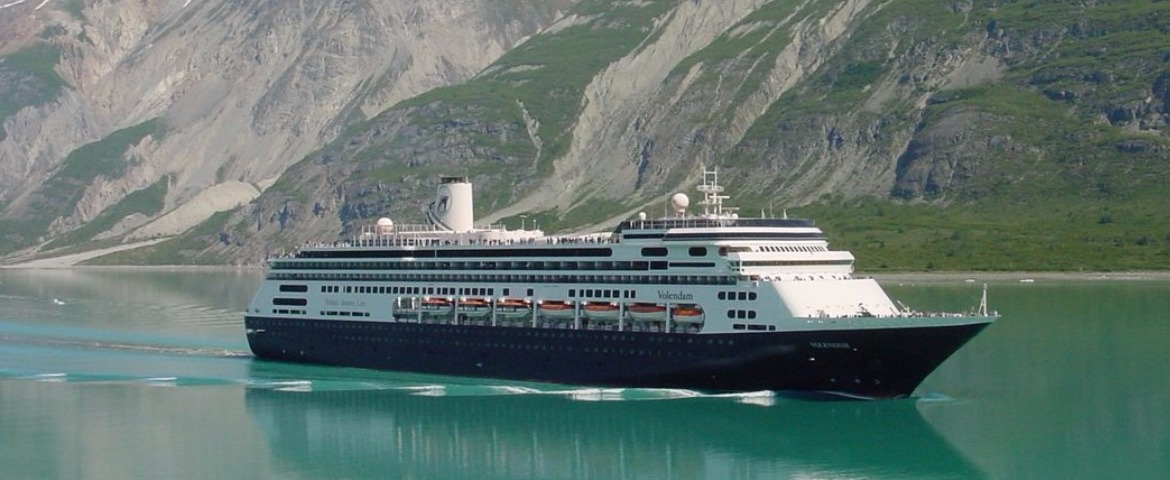
Holland America Line (3 Cruises)

MSC Cruises (5 Cruises)
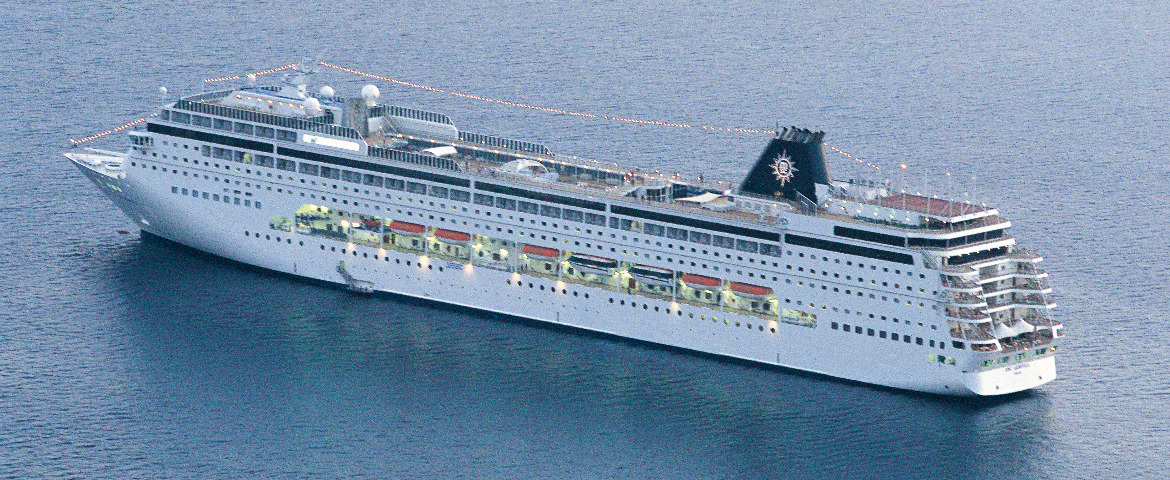
MSC Armonia
5 Cruises

Oceania Cruises (4 Cruises)

Princess Cruises (12 Cruises)
Coral Princess
12 Cruises

| 14 February | 55 days | One-way from Sydney to Civitavecchia-Rome |
450-628-6241
Call us
|
| 14 February | 54 days | One-way from Sydney to Civitavecchia-Rome |
450-628-6241
Call us
|
Regent Seven Seas Cruises (23 Cruises)
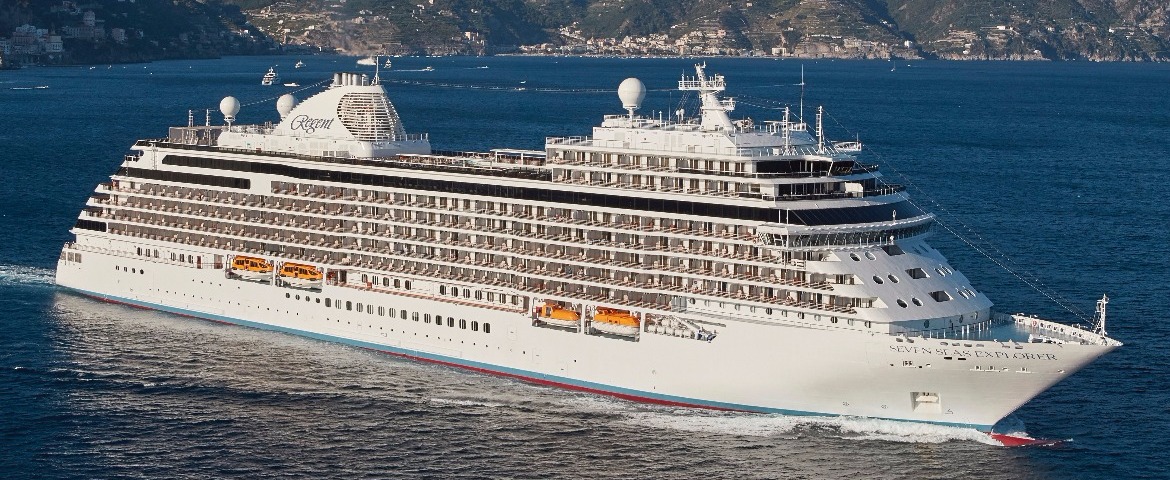

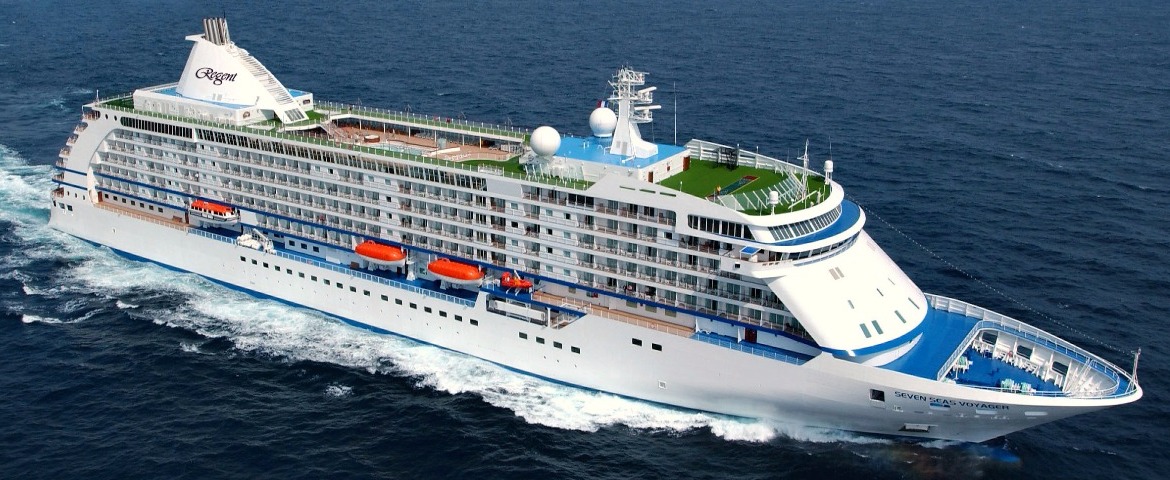
Seven Seas Mariner
7 Cruises
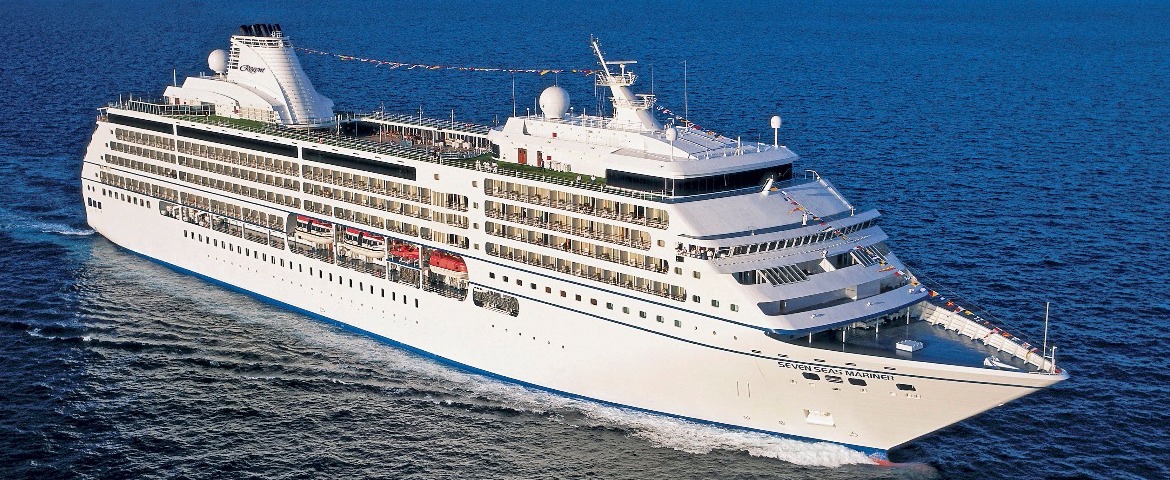
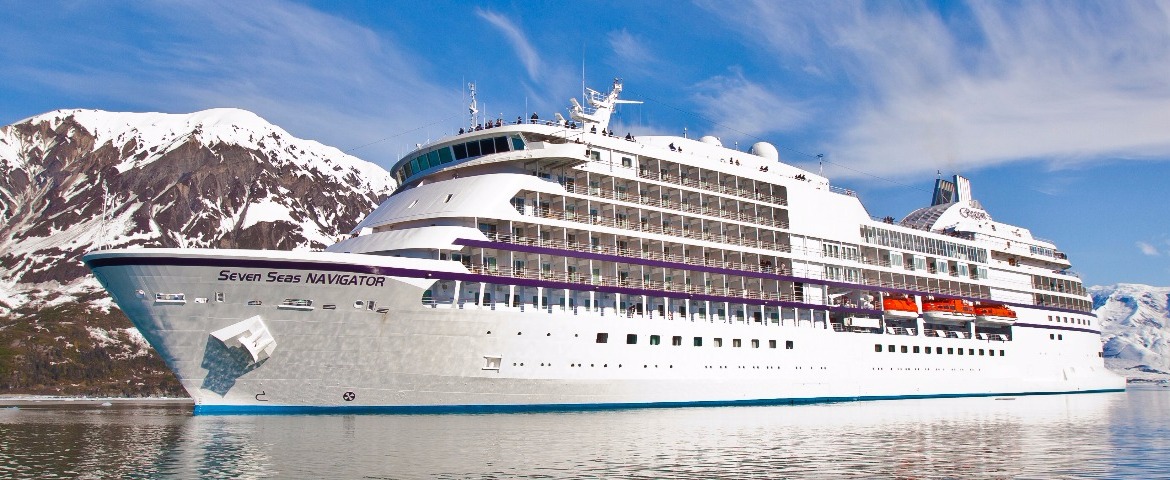
Seven Seas Navigator
7 Cruises
Seabourn Cruise Line (16 Cruises)
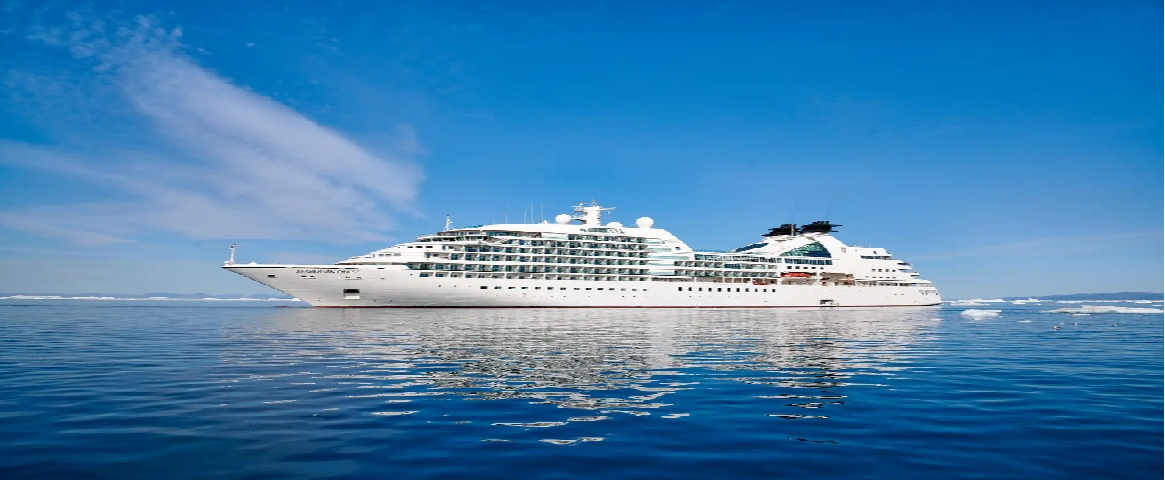
Seabourn Quest
16 Cruises
| 5 February | 53 days | One-way from Valparaiso-Santiago to Cape Town |
450-628-6241
Call us
|
| 5 February | 53 days | One-way from Valparaiso-Santiago to Cape Town |
450-628-6241
Call us
|
Silversea Cruises (12 Cruises)
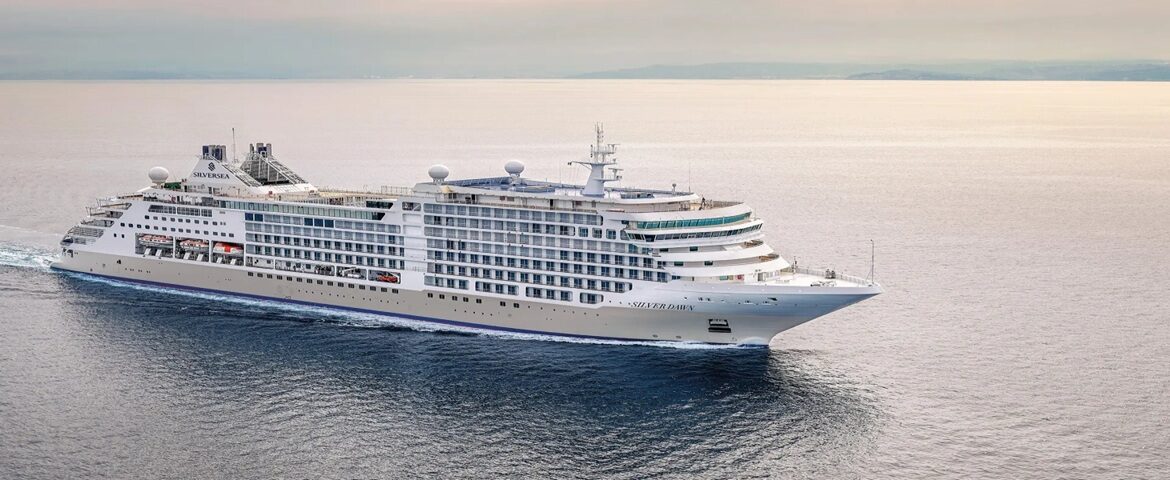
Silver Dawn
4 Cruises

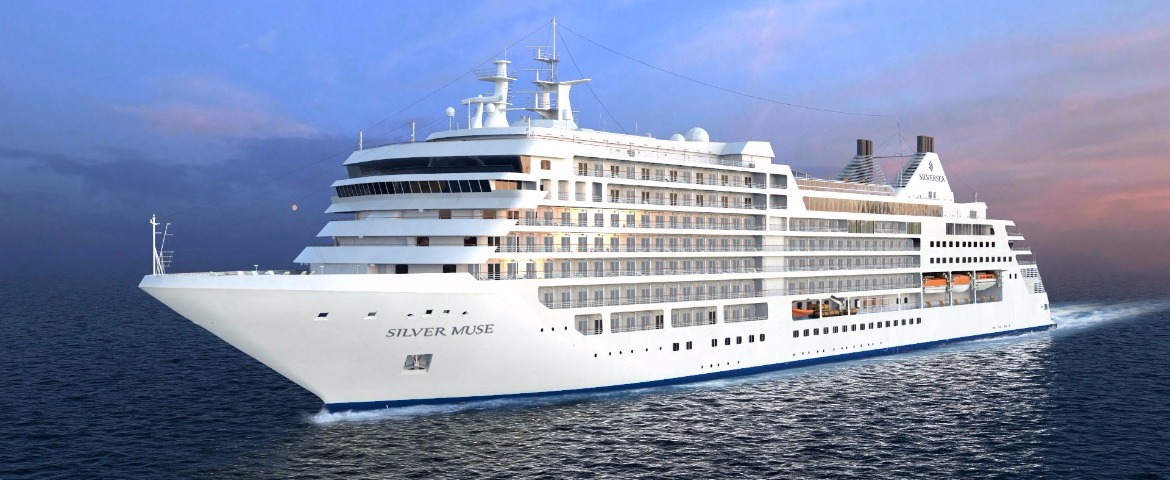
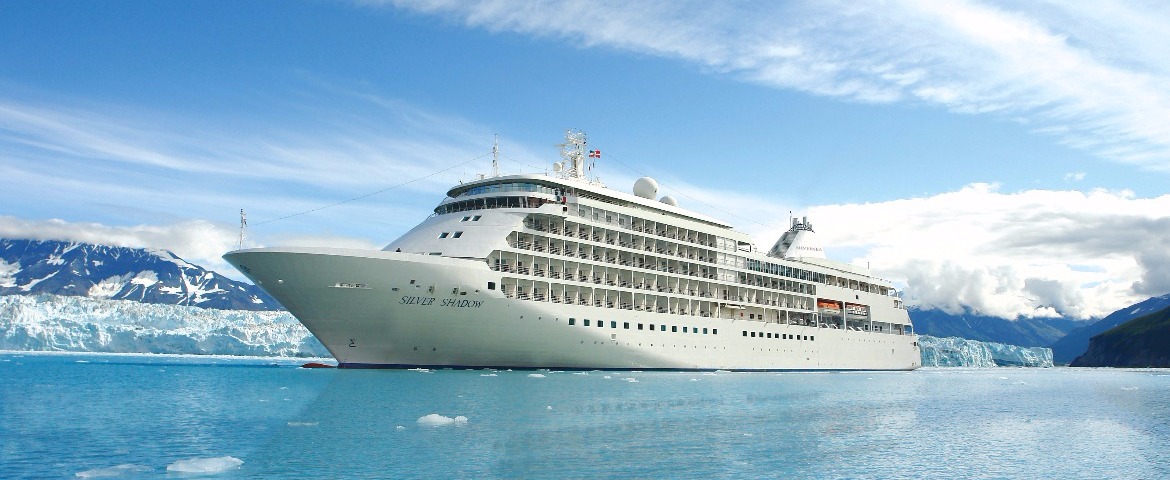
Silver Shadow
6 Cruises
| 5 January | 133 days | One-way from Miami to Villefranche-sur-Mer |
450-628-6241
Call us
|
| 5 January | 132 days | One-way from Miami to Villefranche-sur-Mer |
450-628-6241
Call us
|


Port of Cape Town, South Africa | Cruise Port Guide
Frequently Asked Questions
At the cruise terminal in the Victoria & Alfred Waterfront, five minutes' walk from the busy quays of the old Victorian harbour. Formalities are quick: you can go from ship to café terrace in a quarter of an hour.
The rotating cable car is about seven kilometres from the terminal, by taxi or excursion. Go early if the summit is clear: queues build by midday and tickets are best bought online.
Signal Hill offers a very respectable substitute panorama by car. Wind closes the cableway regularly: it is the most common risk of a Cape Town call, and a plan B is worth having.
Yes, ferries leave from jetties beside the terminal, but allow roughly half a day and book well ahead, as places go quickly. The tour is led by former political prisoners and is quietly devastating.
The Victoria & Alfred Waterfront on foot from the ship, then Table Mountain if the weather allows. Bo-Kaap and its vivid façades, on the flank of Signal Hill, also fits into a short visit.
The heart of the Cape Malay community: pink, turquoise and yellow houses along cobbled streets, the Nurul Islam mosque founded in 1844, and tables where you can try the local curry.
The peninsula drive: Chapman's Peak carved into the cliff, the African penguins of Boulders Beach near Simon's Town, then the Cape Point lighthouse facing the ocean. Organized excursions link these stops in eight to nine hours.
Yes, at Boulders Beach near Simon's Town on the peninsula drive. The African penguin colony is viewed from boardwalks, at a respectful distance.
Yes, especially for its curving walkway above the tree canopy. The botanical garden climbs the slope opposite Bo-Kaap with lawns and indigenous flora; it is the calm option when wind spoils the viewpoints.
The South African rand, with cards accepted almost everywhere at the Waterfront. English, Afrikaans and Xhosa are spoken; English is more than enough for a cruise passenger.


