Haugesund Norway
Norway
175
Cruises availables
At departure or passage at this port



Costa Cruises (7 Cruises)
Costa Diadema
5 Cruises


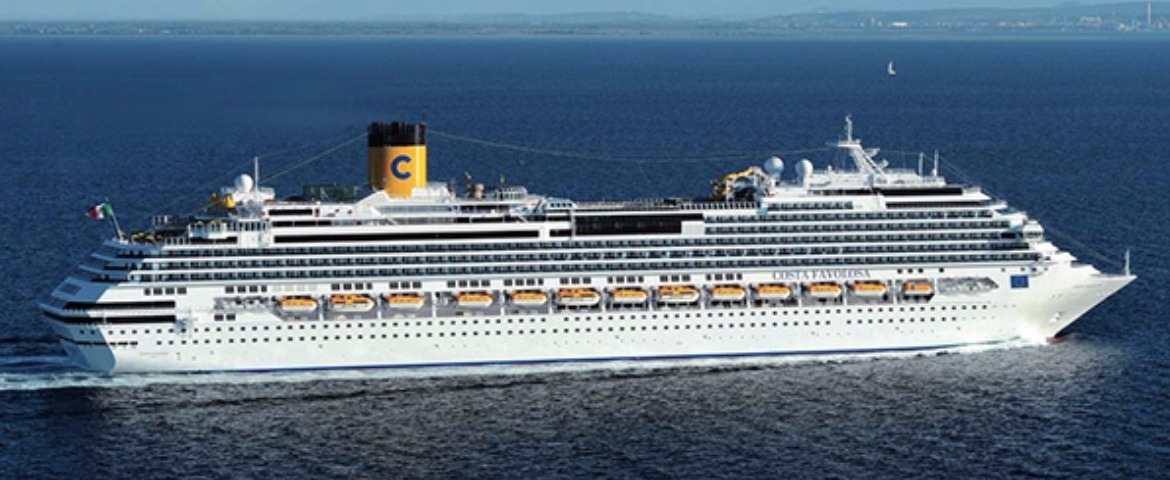
Crystal Cruises (6 Cruises)
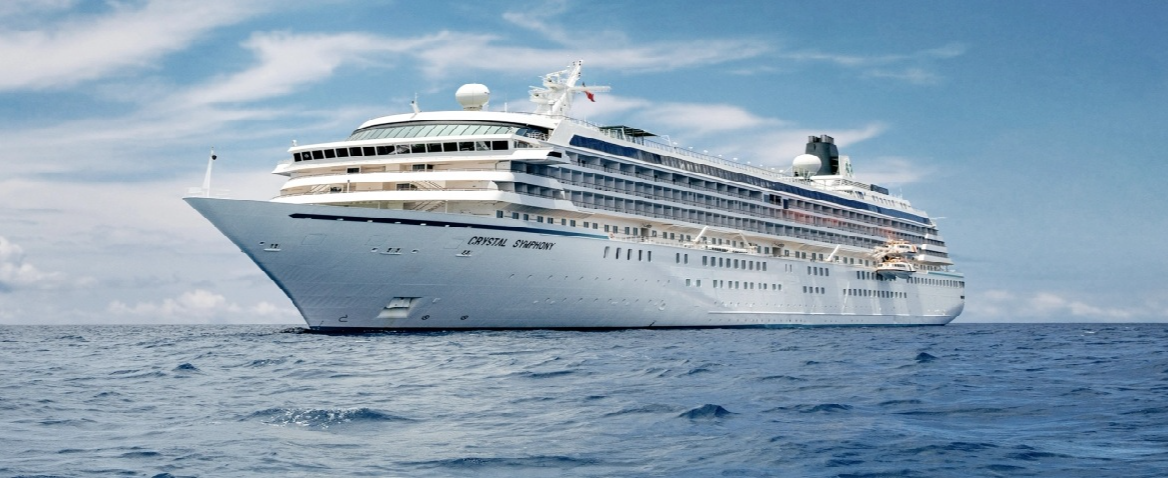

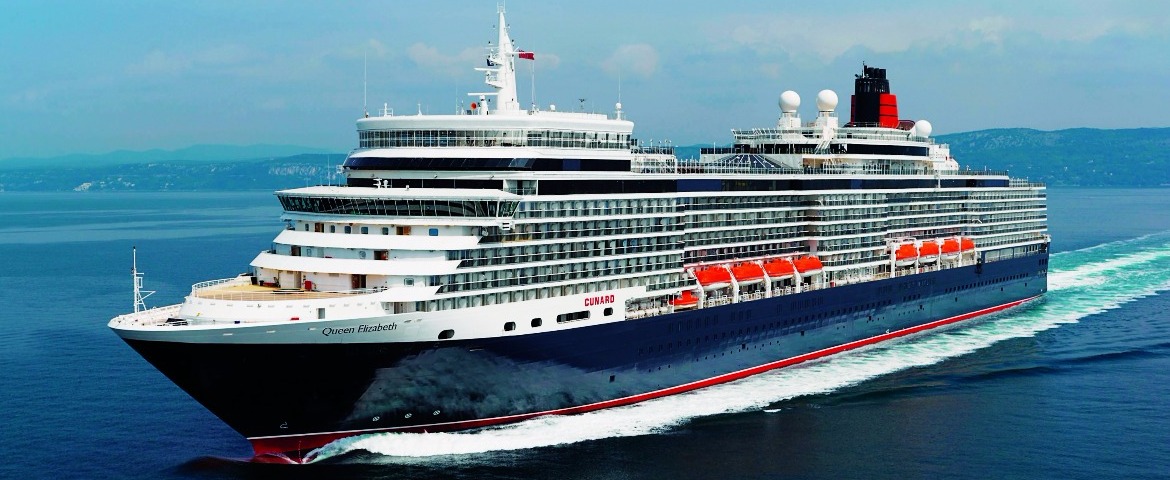
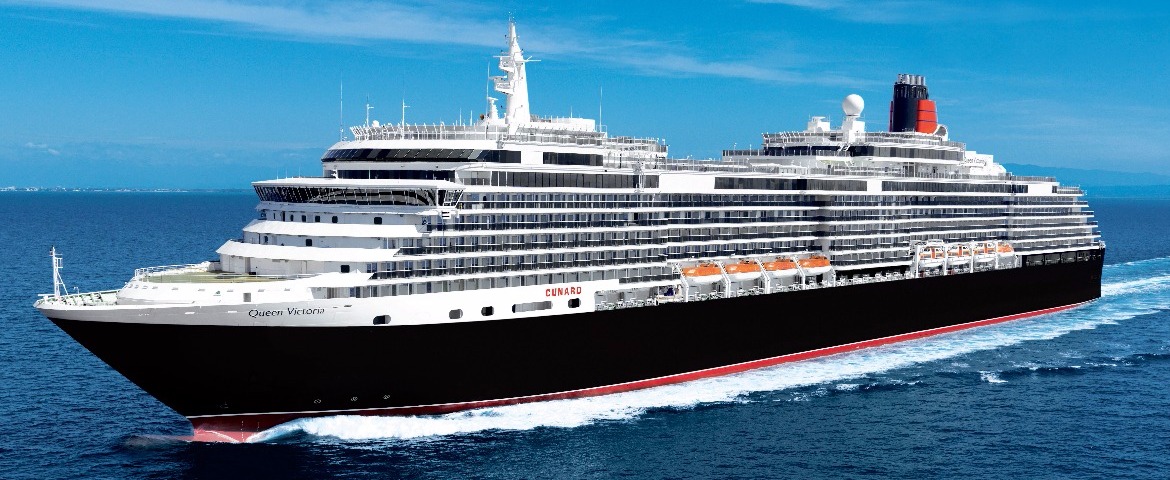
Cunard (23 Cruises)
Queen Anne
16 Cruises


| 20 June | 7 days | Round-trip Norwegian Fjords Queen Anne Southampton |
450-628-6241
Call us
|
| 20 June | 8 days | Round-trip from Southampton, United Kingdom |
450-628-6241
Call us
|
| 18 June | 8 days | Round-trip from Southampton, United Kingdom |
450-628-6241
Call us
|
| 18 June | 7 days | Round-trip Norwegian Fjords Queen Anne Southampton |
450-628-6241
Call us
|
Disney Cruise Line (1 Cruises)


Holland America Line (15 Cruises)
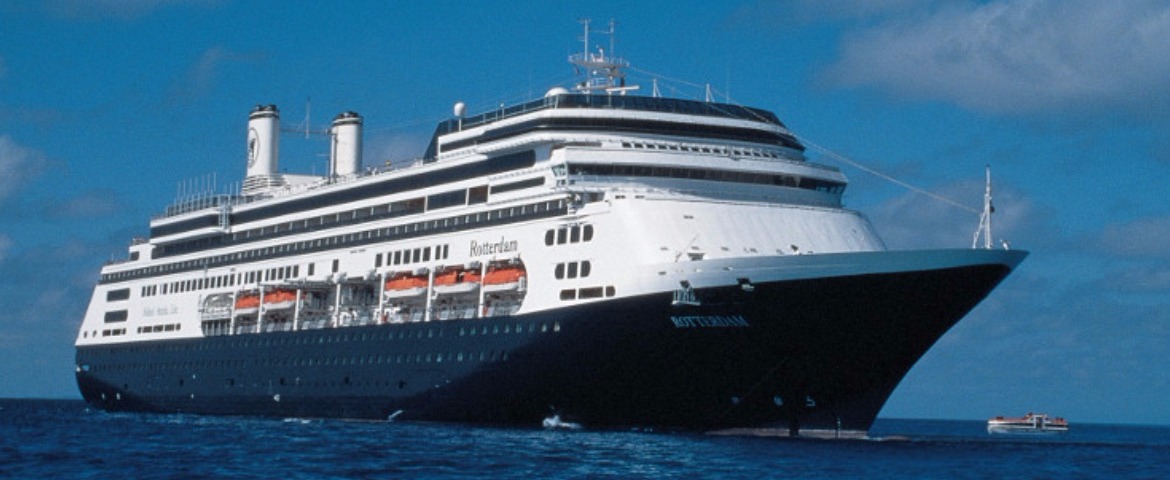
ms Rotterdam
15 Cruises

| 7 May | 8 days | Round-trip from Rotterdam, Netherlands |
450-628-6241
Call us
|
| 7 May | 22 days | Round-trip from Rotterdam, Netherlands |
450-628-6241
Call us
|
HX Expeditions (1 Cruises)


MSC Cruises (22 Cruises)
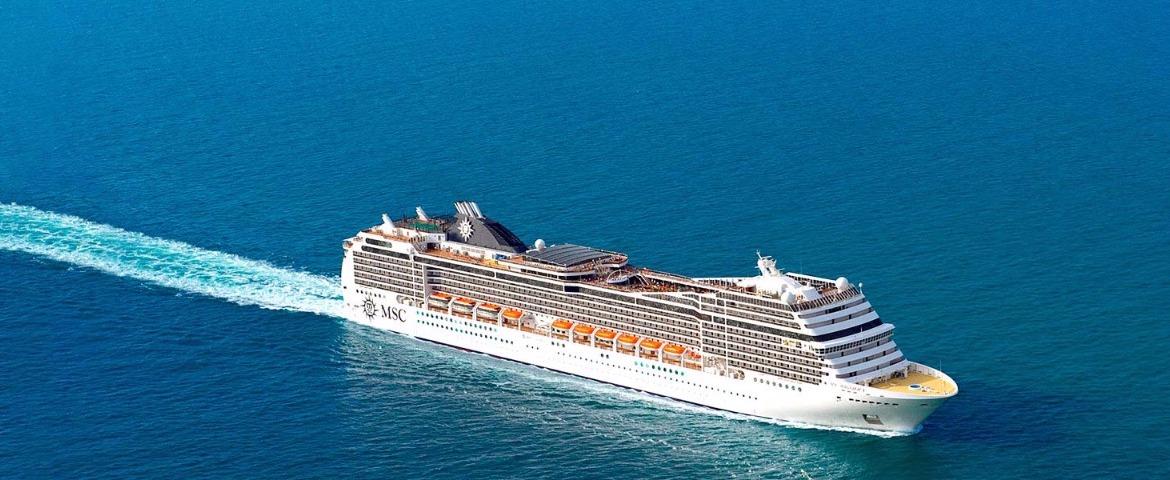
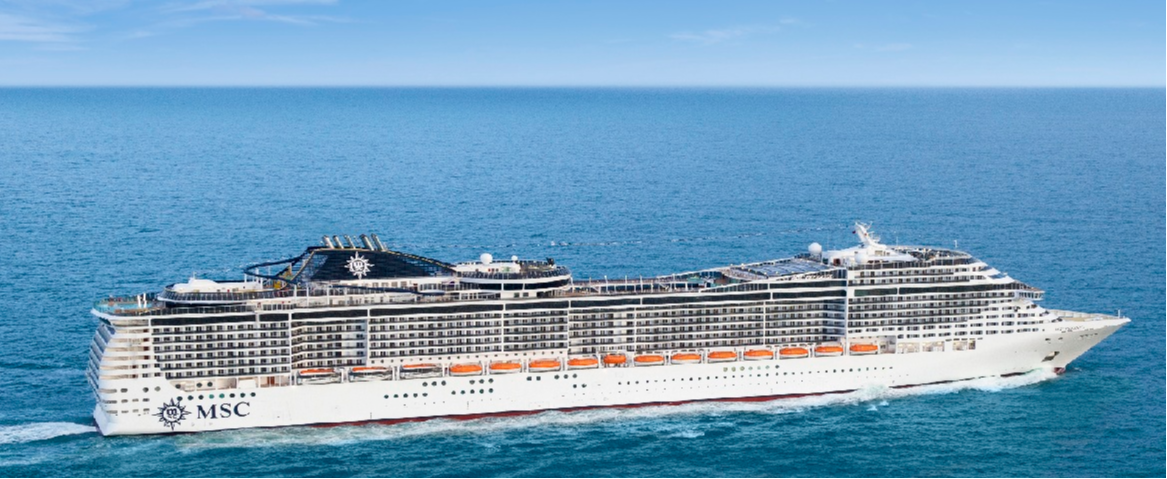
MSC Magnifica
13 Cruises

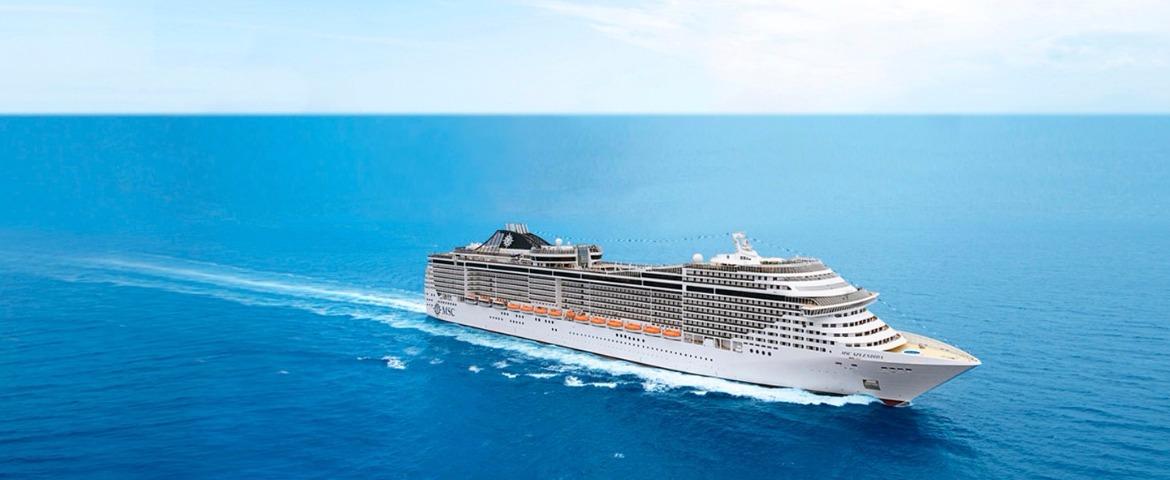
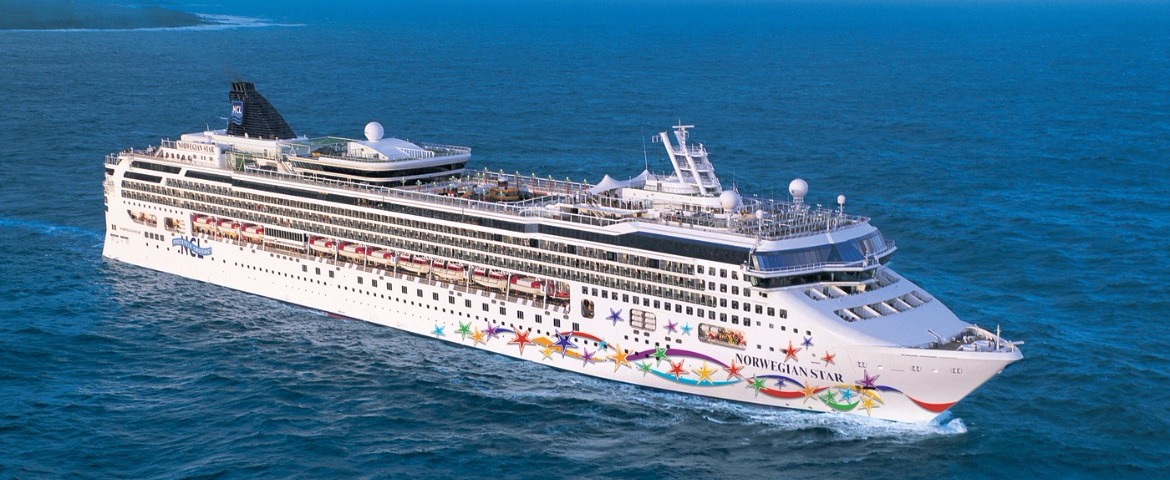
Norwegian Cruise Line (1 Cruises)

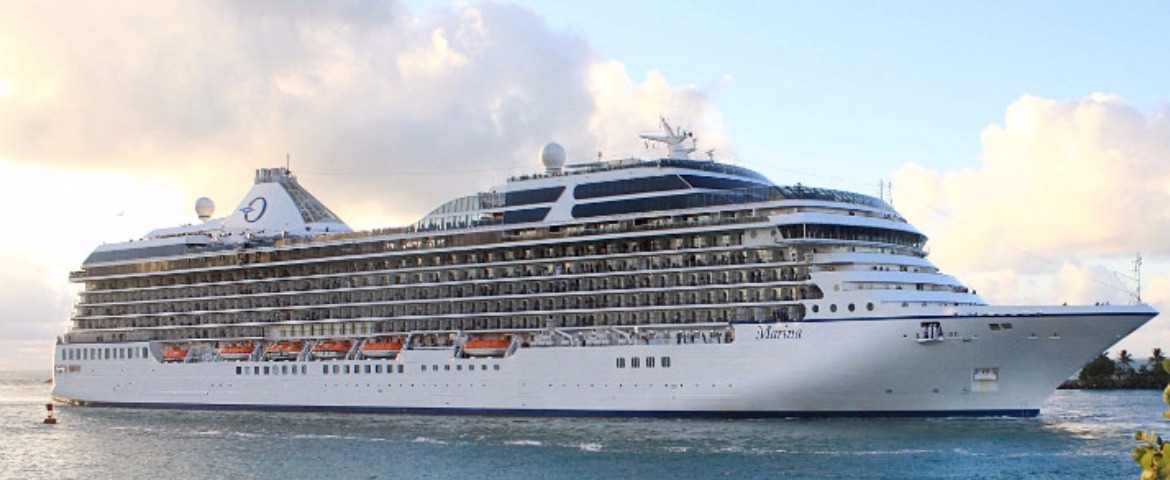
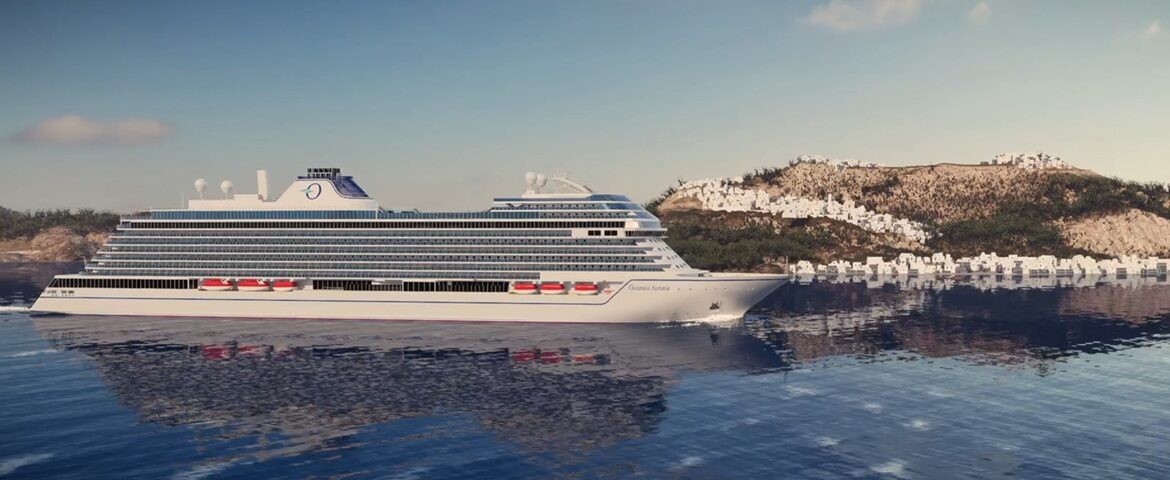
Oceania Cruises (12 Cruises)

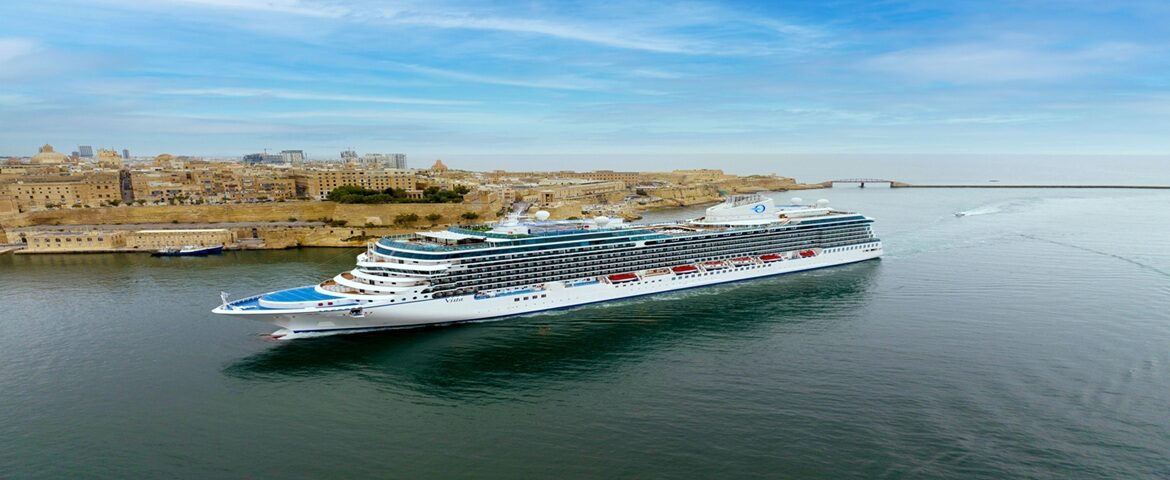
Princess Cruises (16 Cruises)
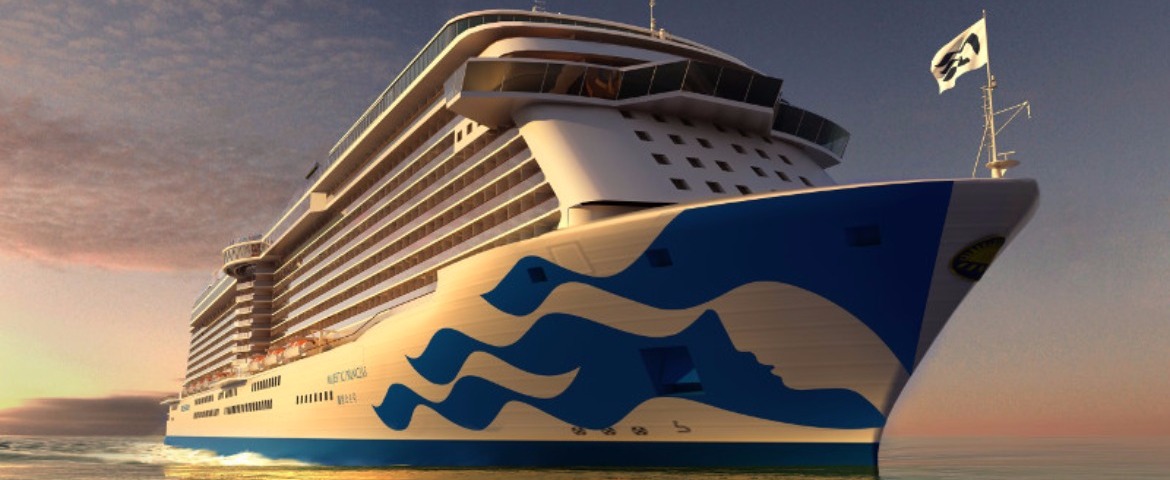

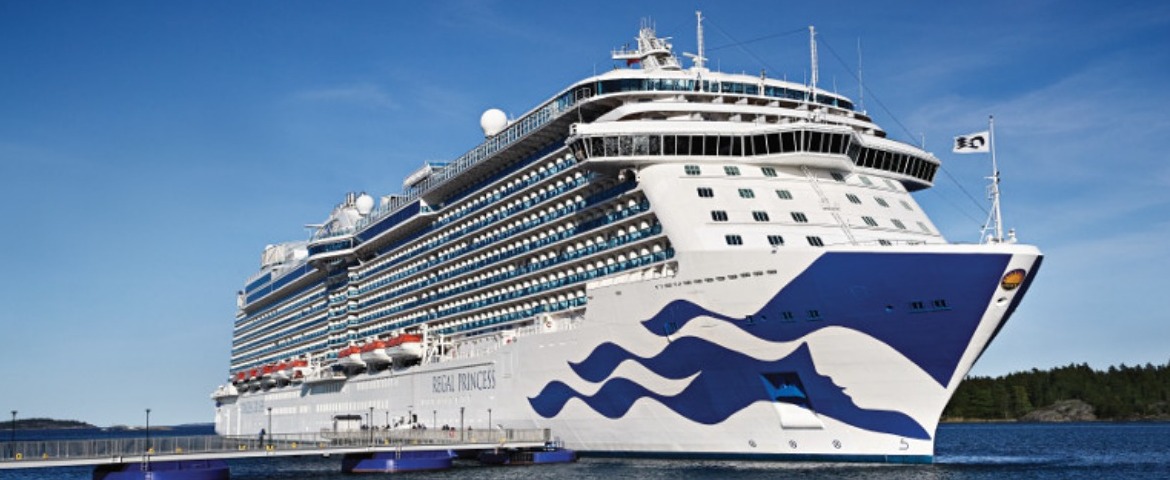
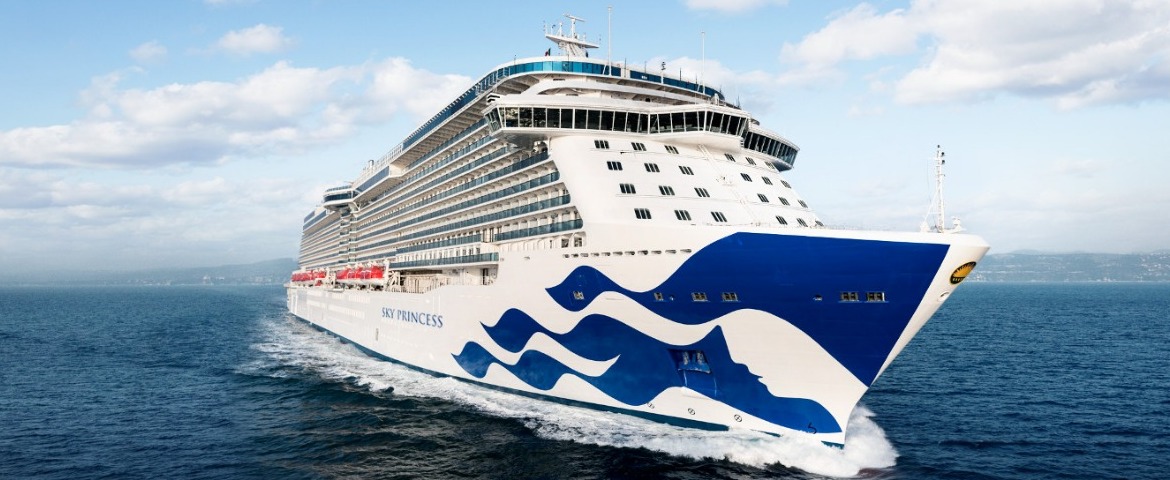
Sky Princess
10 Cruises

Royal Caribbean Cruises (2 Cruises)


Seabourn Cruise Line (15 Cruises)
Seabourn Quest
15 Cruises


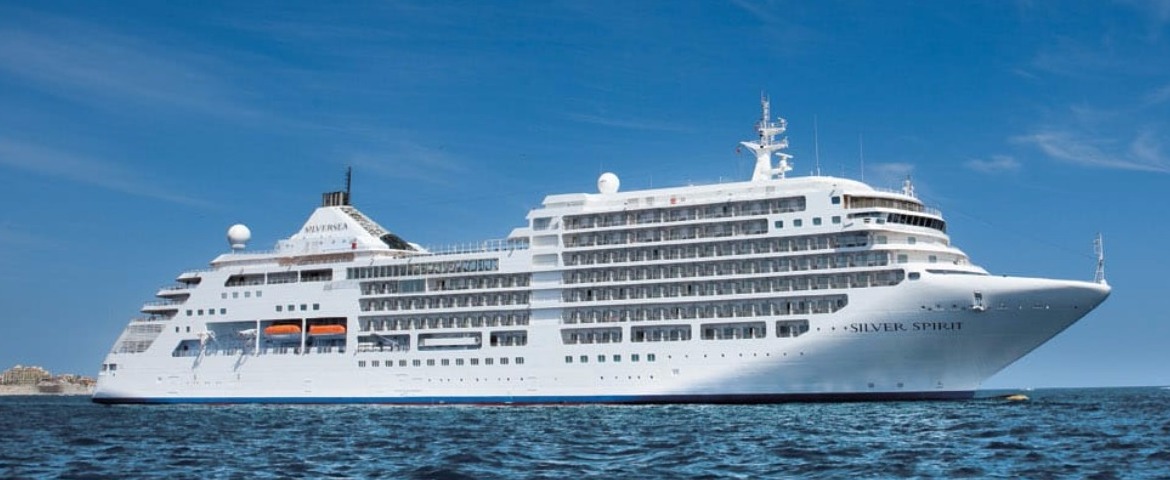
Viking Ocean Cruises (36 Cruises)
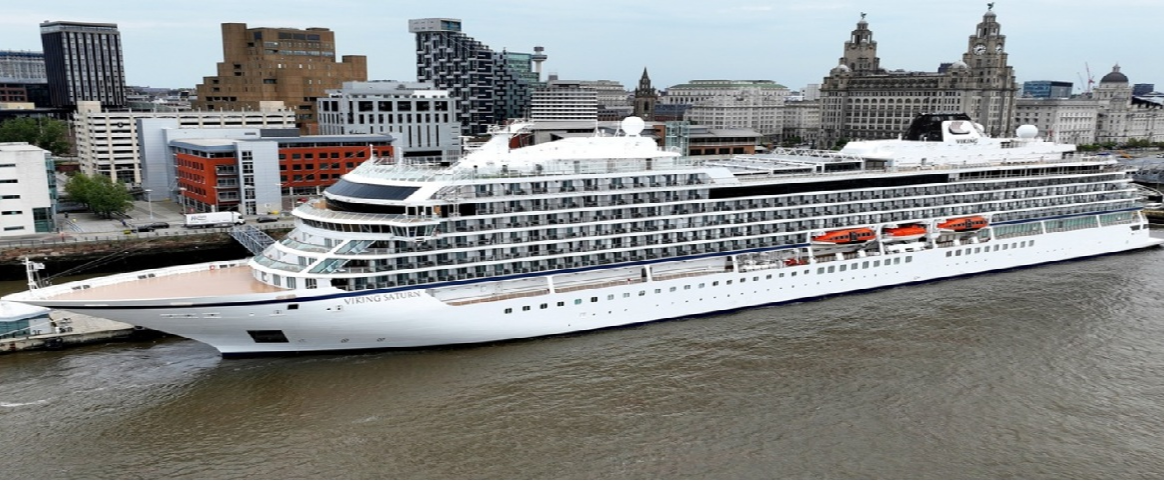
Viking Saturn
36 Cruises


Port of Haugesund, Norway | Cruise Port Guide
Frequently Asked Questions
At the Garpeskjær quay on Risøy island. Cross the bridge, a fifteen-minute walk, and you reach the centre and its waterfront of white and coloured facades.
Herring built it. In the 19th century, the silver shoals running along this coast drew fishermen, salters and shipowners; within decades a row of sheds on stilts became a real city, with wooden quays, churches and shipowners' houses.
One of the longest pedestrian streets in Norway: cafes, outdoor shops and bakeries follow one another for nearly a kilometre. One street below, the Indre Kai lines up restaurants and terraces facing the moored boats.
Norway's national monument: a granite obelisk raised in 1872 for the millennium of the battle of Hafrsfjord, on the spot where Harald Fairhair, the king who unified the country around 872, is said to rest. A 25- to 30-minute coastal walk north leads there.
Two options roughly exclude each other: the centre and Haraldshaugen on foot, or the excursion to Avaldsnes about ten kilometres south. The first suits independent travellers, the second anyone wanting to understand the history of Norway's kings.
A strategic gateway for three millennia, on Karmøy island: ships passed through the sheltered strait that gave the country its name, the north way, Norvegr. St Olav's church, raised around 1250, still stands there beside a leaning standing stone that tradition calls the Virgin's sewing needle.
St Olav's church, the Nordvegen history centre and the reconstructed Viking farm on the neighbouring islet of Bukkøy, which bring the past to life seriously and without cheap folklore. It is the excursion to choose to understand why this coast was the cradle of Norway's kings.
Because local legend holds that the actress's father came from the region. The statue stands on the quay and surprises passers-by who are not expecting it.
An island directly opposite the centre, reached in season by a short shuttle boat, which keeps its salting warehouses and fishermen's houses. It is where the herring era is best told, among wooden jetties and the smell of tar.
No, and it is worth knowing: Haugesund does not play the dizzying-fjord card. It offers something else, a city born of the sea and still close to it, where a few steps take you from busy terraces to thousand-year-old stones.


