Noumea Grande Terre Island New Caledonia
New Caledonia
214
Cruises availables
At departure or passage at this port
Carnival Cruise Line (67 Cruises)
Carnival Adventure
16 Cruises


| 9 April | 10 days | Round-trip from Sydney, Australia |
450-628-6241
Call us
|
| 26 April | 13 days | Round-trip from Sydney, Australia |
450-628-6241
Call us
|
| 7 June | 11 days | Round-trip from Auckland, New Zealand |
450-628-6241
Call us
|
| 26 June | 11 days | Round-trip from Auckland, New Zealand |
450-628-6241
Call us
|
Carnival Encounter
21 Cruises

| 13 February | 8 days | Round-trip from Brisbane, Australia |
450-628-6241
Call us
|
| 27 February | 8 days | Round-trip from Brisbane, Australia |
450-628-6241
Call us
|
| 1 October | 9 days | Round-trip from Brisbane, Australia |
450-628-6241
Call us
|
| 16 October | 9 days | Round-trip from Brisbane, Australia |
450-628-6241
Call us
|
Carnival Luminosa
10 Cruises

| 4 January | 8 days | Round-trip from Brisbane, Australia |
450-628-6241
Call us
|
| 30 January | 9 days | Round-trip from Brisbane, Australia |
450-628-6241
Call us
|
Carnival Splendor
20 Cruises



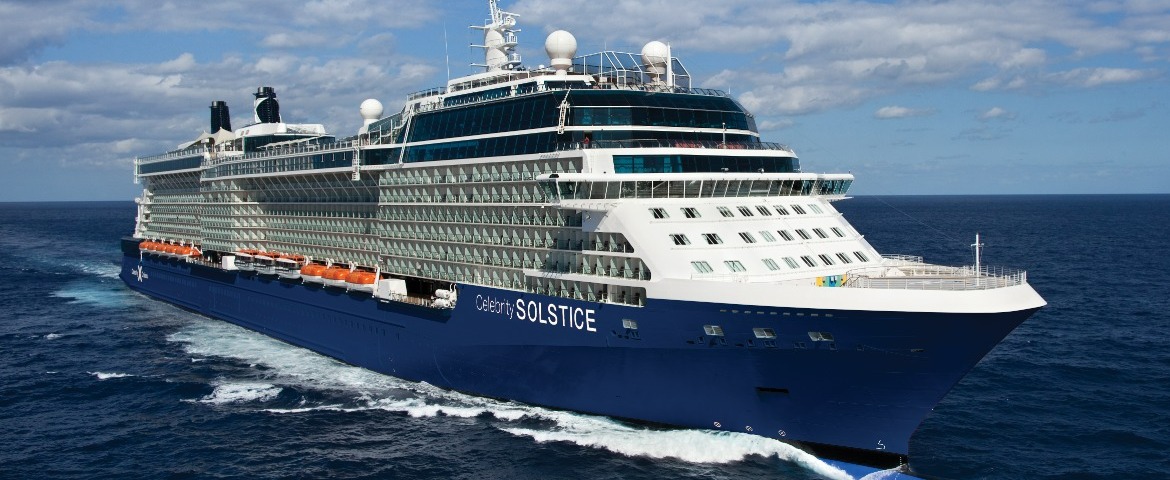
Costa Cruises (24 Cruises)
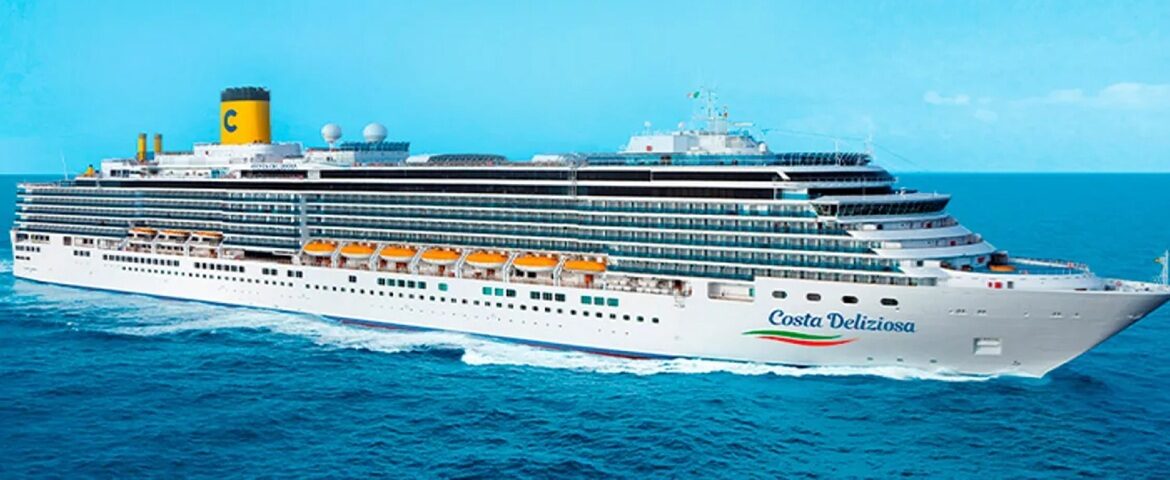
Costa Deliziosa
20 Cruises

Crystal Cruises (14 Cruises)
Crystal Serenity
6 Cruises


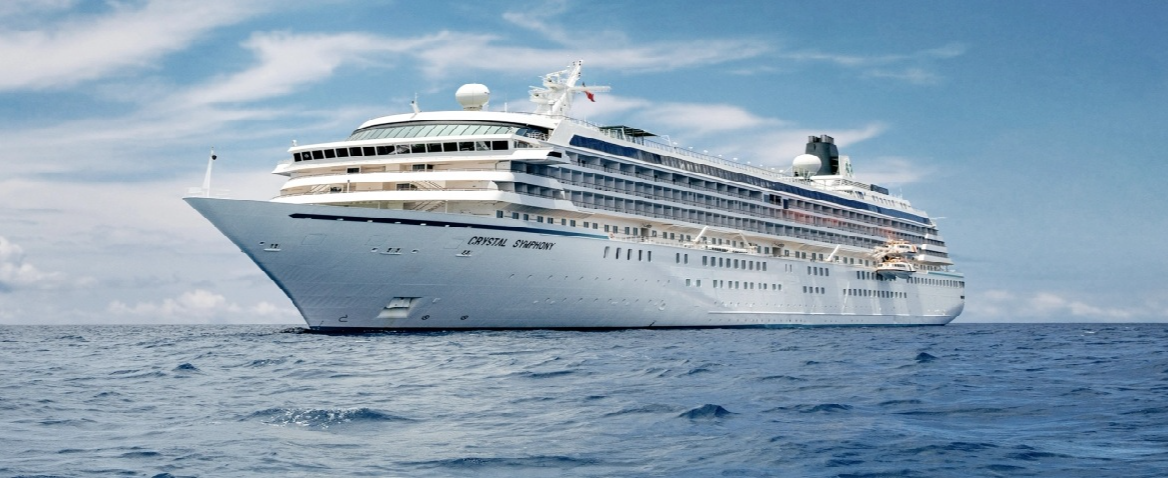
Crystal Symphony
8 Cruises
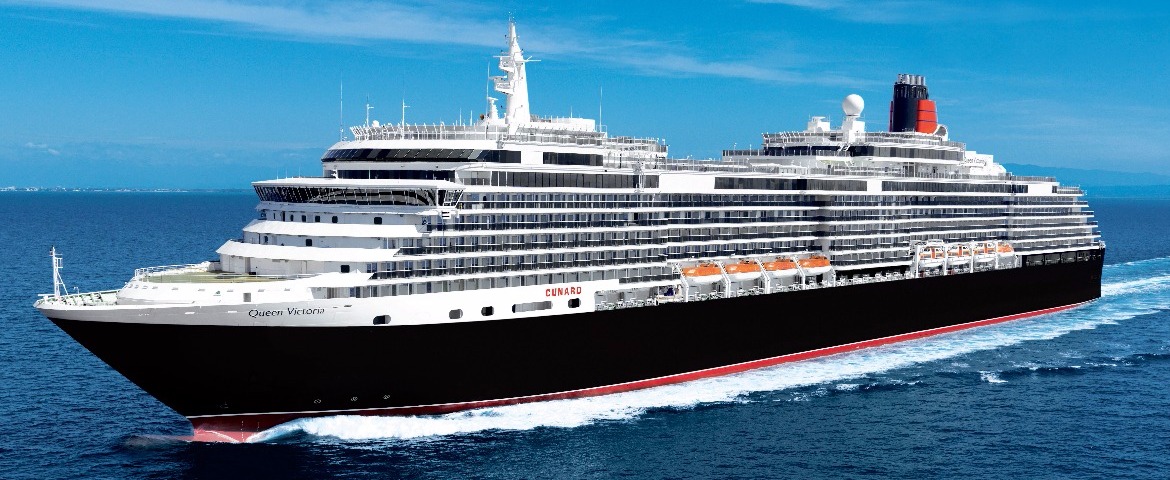
Cunard (7 Cruises)
Queen Victoria
7 Cruises

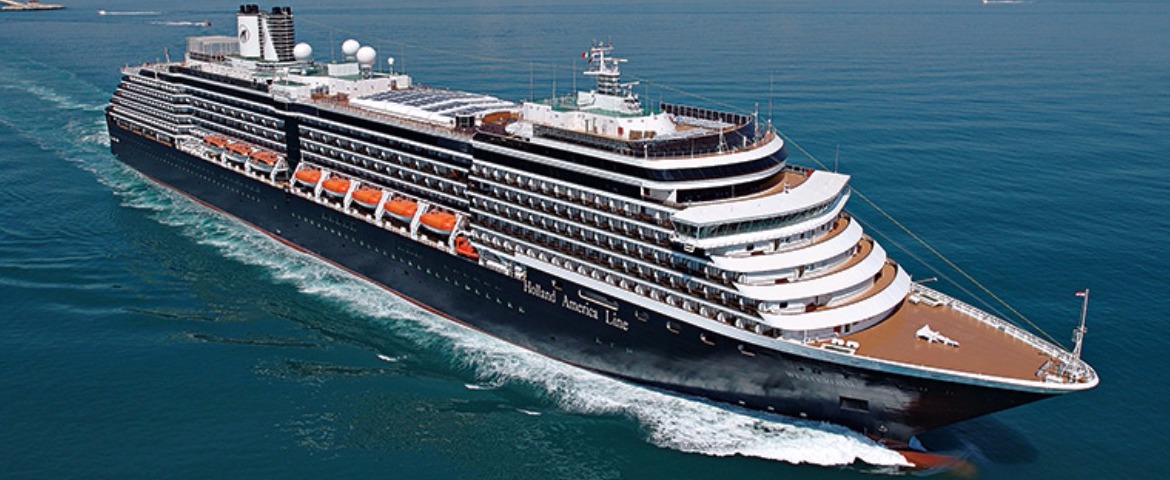
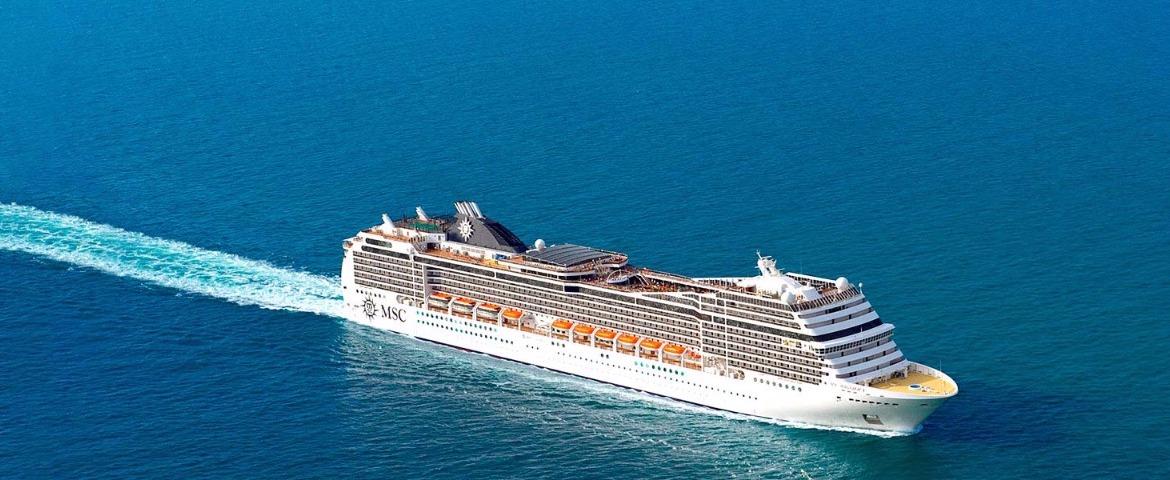
MSC Cruises (17 Cruises)
MSC Magnifica
17 Cruises

Norwegian Cruise Line (1 Cruises)


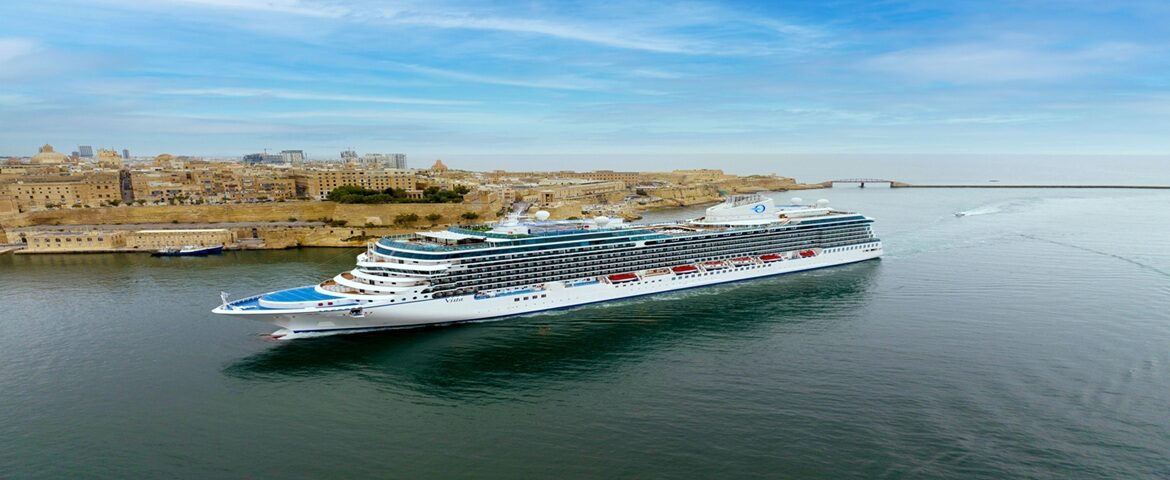
Oceania Cruises (10 Cruises)
Oceania Vista
10 Cruises

| 6 January | 244 days | One-way from Miami to New York |
450-628-6241
Call us
|
| 6 January | 180 days | One-way from Miami to Southampton |
450-628-6241
Call us
|
| 8 February | 63 days | One-way from Papeete to Yokohama |
450-628-6241
Call us
|
| 8 February | 19 days | One-way from Papeete to Sydney |
450-628-6241
Call us
|
| 24 October | 60 days | One-way from Miami to Sydney |
450-628-6241
Call us
|
| 24 October | 60 days | One-way from Miami to Sydney |
450-628-6241
Call us
|
Princess Cruises (9 Cruises)




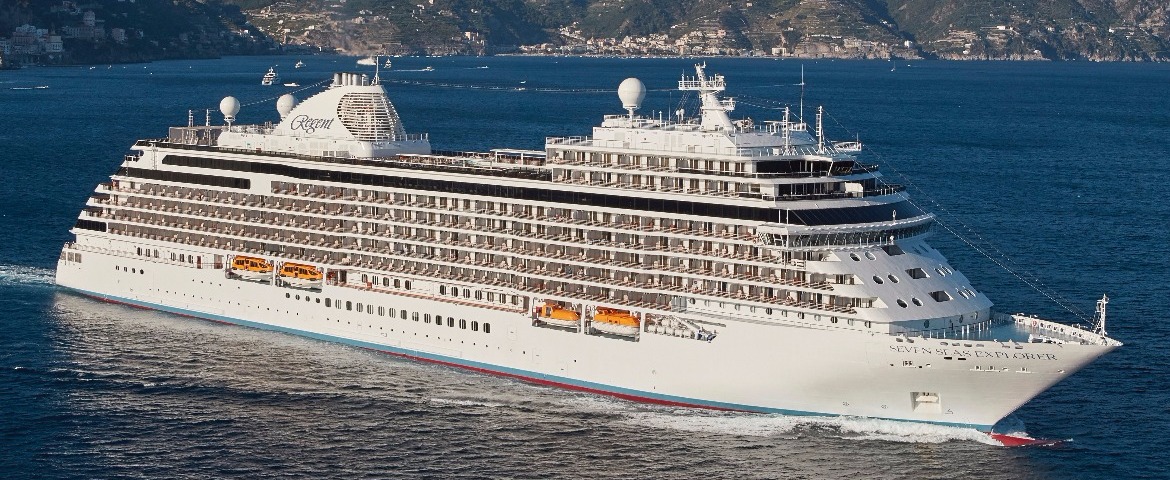
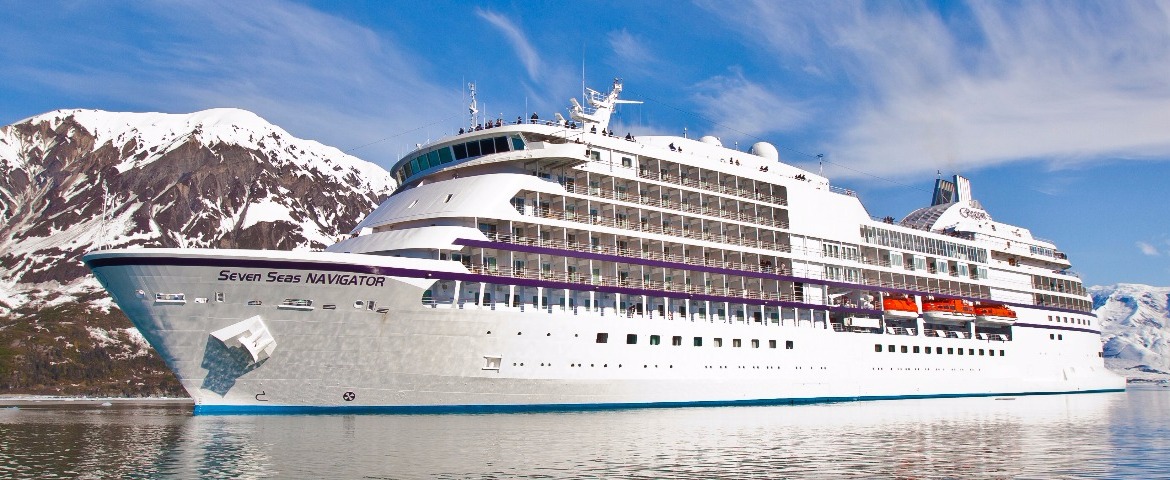
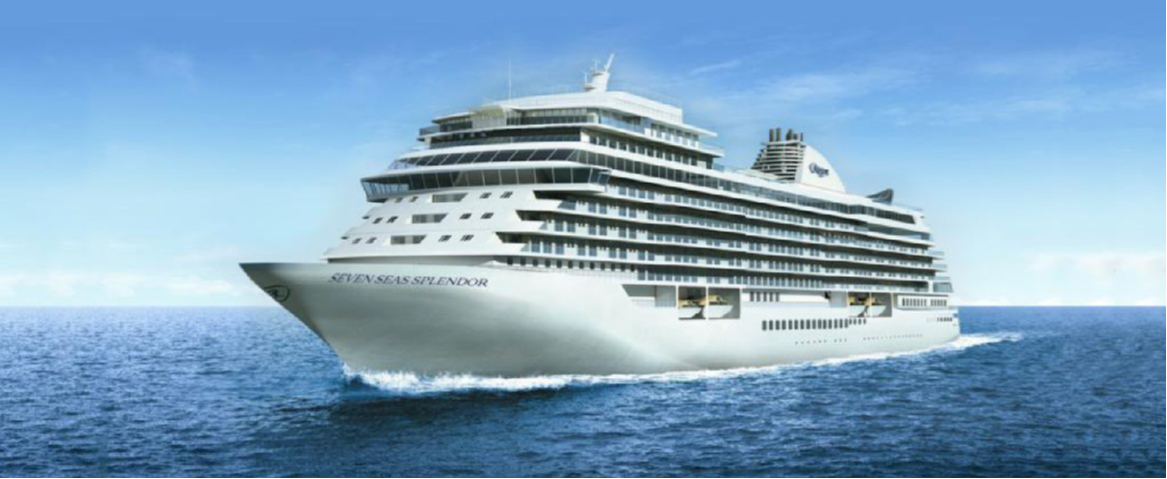
Regent Seven Seas Cruises (16 Cruises)


Royal Caribbean Cruises (24 Cruises)
Anthem of the Seas
15 Cruises



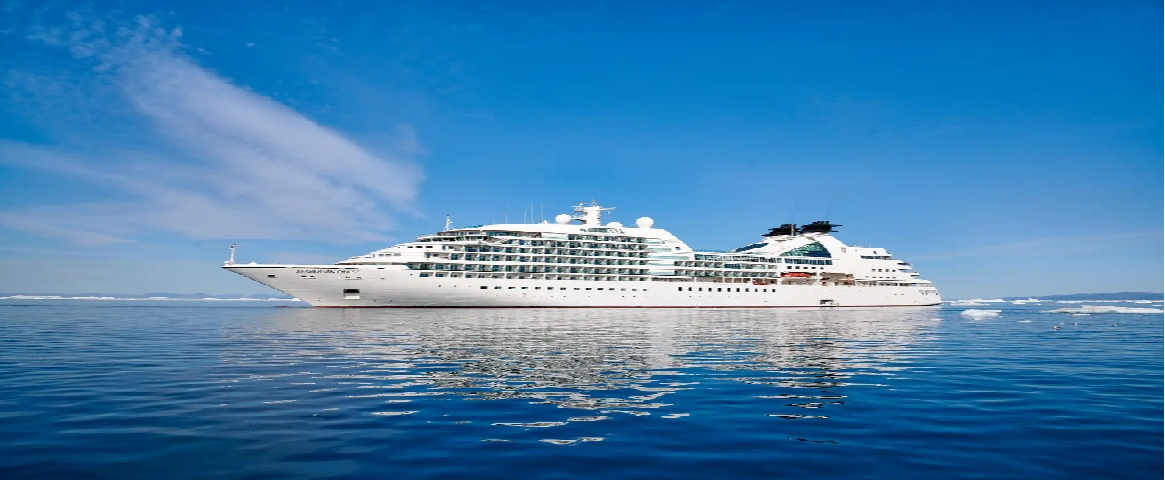
Seabourn Cruise Line (11 Cruises)
Seabourn Quest
11 Cruises

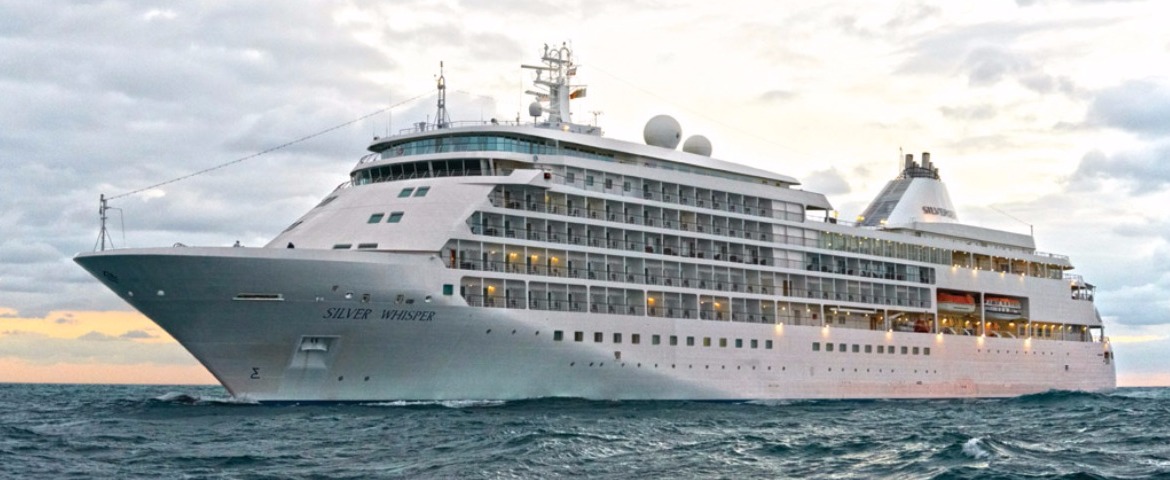
Silversea Cruises (2 Cruises)


Nouméa, New Caledonia | Cruise Port Guide
Frequently Asked Questions
At the maritime terminal, which adjoins the city centre. It is one of the easiest calls in the South Pacific: no shuttle, and ten minutes on foot to the Place des Cocotiers.
Yes, French is the official language of New Caledonia. Baguettes, cafe terraces and green pharmacy crosses included — France's Pacific capital sitting on the world's largest lagoon.
Place des Cocotiers and the Port Moselle market in the morning, then Baie des Citrons or Anse Vata for swimming and the lagoon aquarium. Those who prefer culture head to the Tjibaou Cultural Centre.
A Renzo Piano building eight kilometres from the centre: ten tall timber and steel huts inspired by Kanak construction, facing the mangrove. Exhibitions, sculpture and gardens devoted to the culture of the archipelago's first people — allow two hours.
Yes. Baie des Citrons and Anse Vata are about ten minutes away by car, shuttle or the little tourist train: pale sand, palm-lined promenades, and gentle supervised swimming.
The Pacific franc. It can be obtained at the counter beside the maritime terminal, so you need not walk into town without cash. Cards work in city-centre businesses.
Nouméa's covered market under its hexagonal roofs, humming through the morning: whole tuna, yams, pineapples, fritters and Kanak crafts. It is the best place to grasp the territory's double culture, French and Oceanian.
By boat shuttles leaving from Port Moselle, about 45 minutes across the turquoise lagoon. The 56-metre iron lighthouse was made in Paris in kit form and reassembled here in 1865. Best kept for longer port calls.
Bougna, the traditional dish slow-cooked in coconut milk inside banana leaves, if the chance arises. Otherwise French cooking meets Oceanian ingredients at the market stalls and the waterfront restaurants of Anse Vata.
A panoramic view over the reefs breaking white offshore, after a short climb. Two Second World War guns still stand there, left from the time when the South Pacific held its breath.


