Kochi City Japan Kochi
526
Cruises availables
At departure or passage at this port
Azamara Club Cruises (60 Cruises)
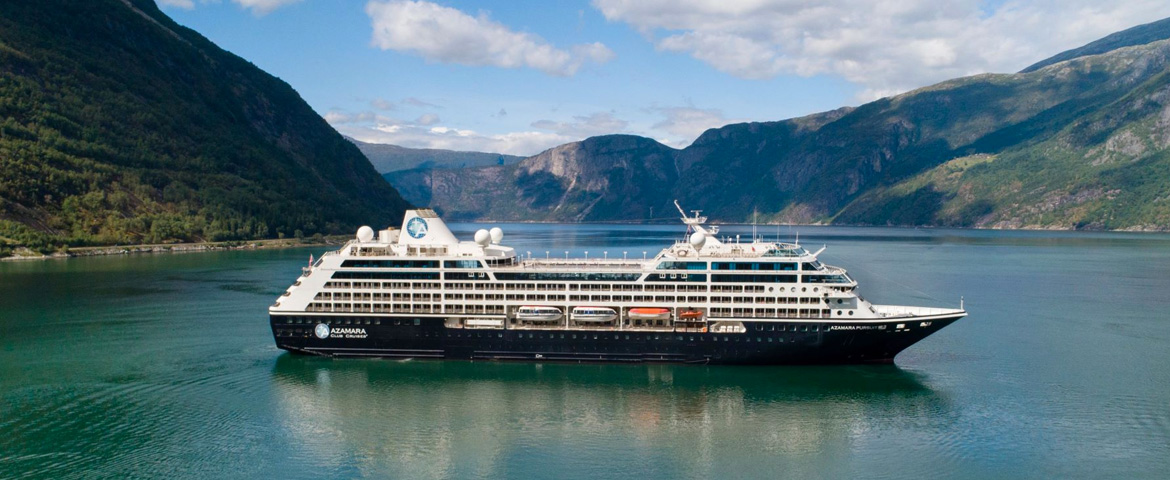
Azamara Pursuit
54 Cruises

| 15 March | 17 days | One-way from Singapore to Yokohama |
450-628-6241
Call us
|
| 15 March | 16 days | One-way from Singapore to Yokohama |
450-628-6241
Call us
|
Celebrity Cruises (38 Cruises)
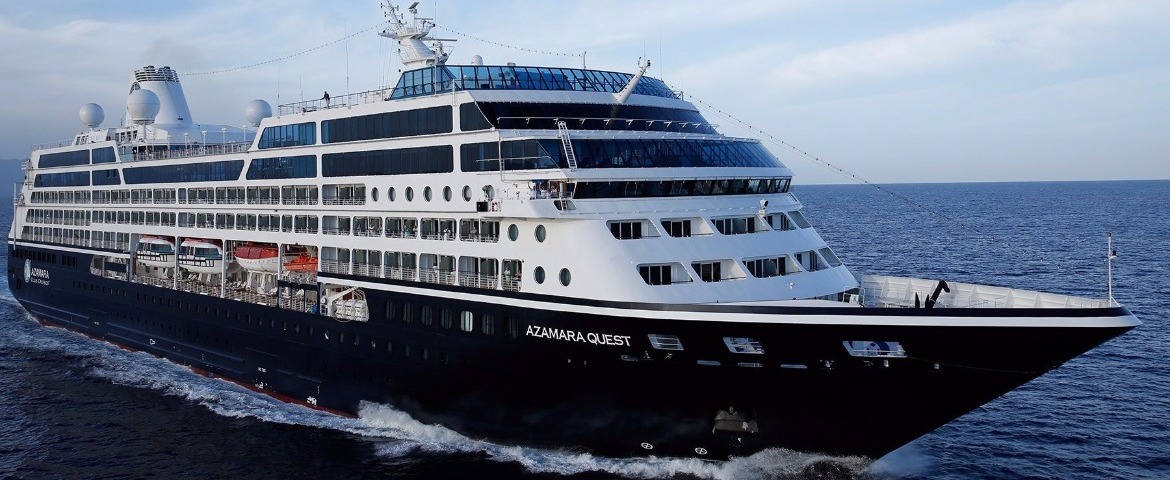
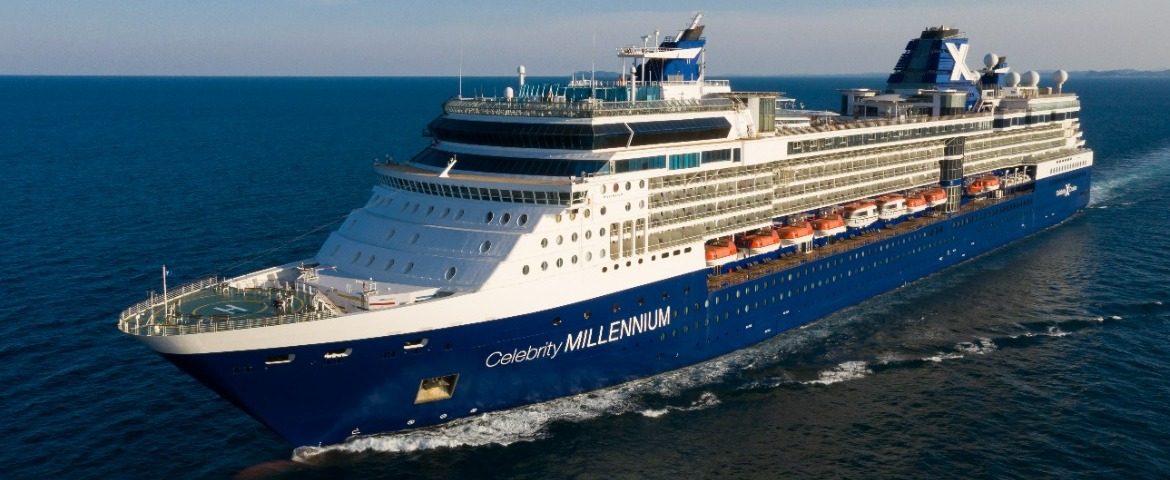
Celebrity Millennium
36 Cruises

Emerald Waterways (1 Cruises)

Explora Journeys (18 Cruises)
Explora III
17 Cruises
Holland America Line (21 Cruises)
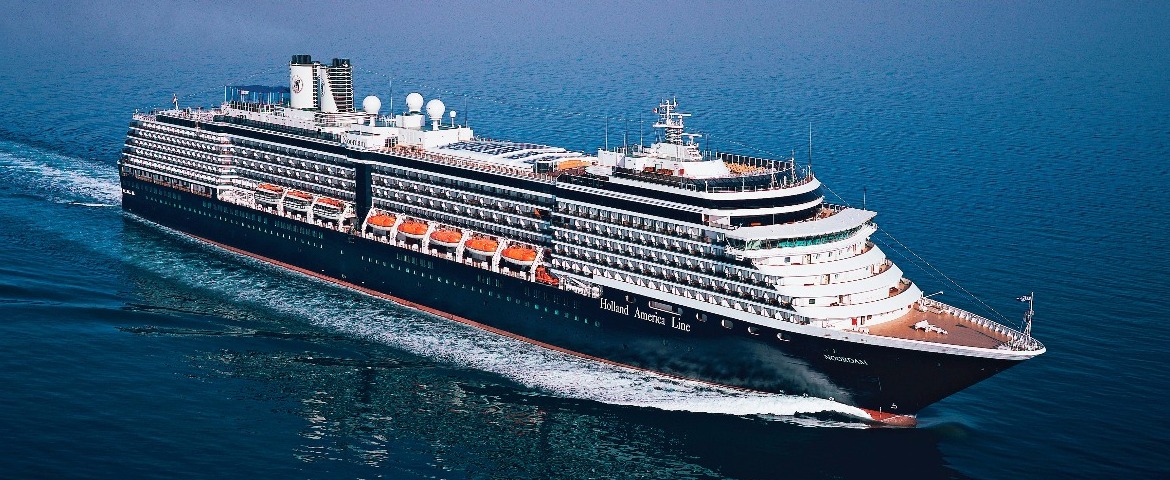
ms Noordam
14 Cruises

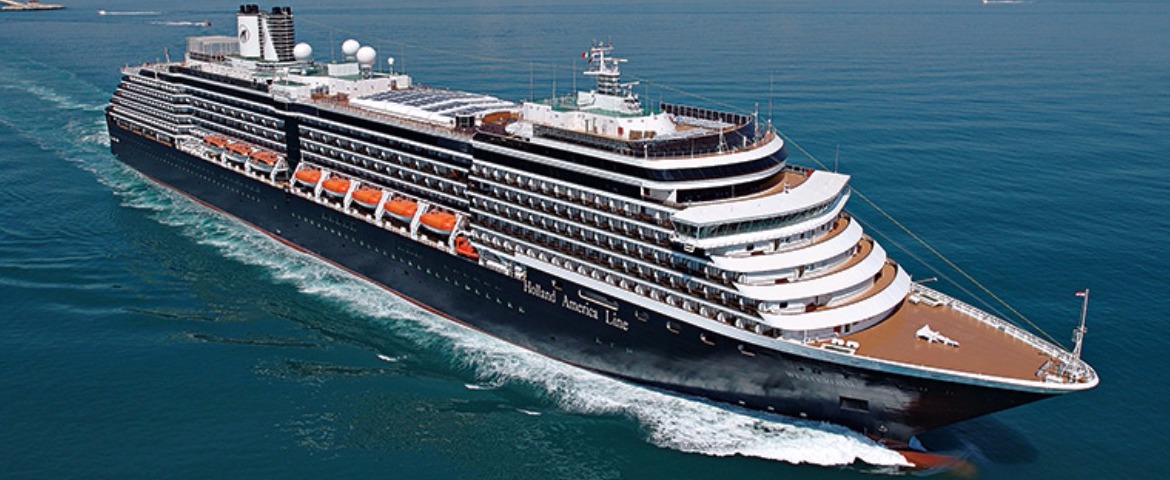
ms Westerdam
7 Cruises
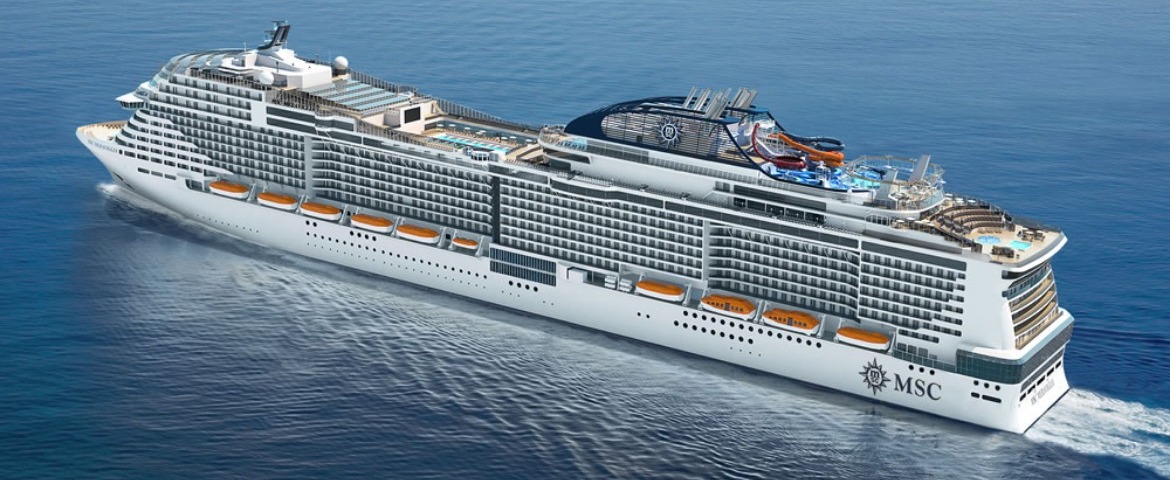
MSC Cruises (3 Cruises)

Norwegian Cruise Line (21 Cruises)
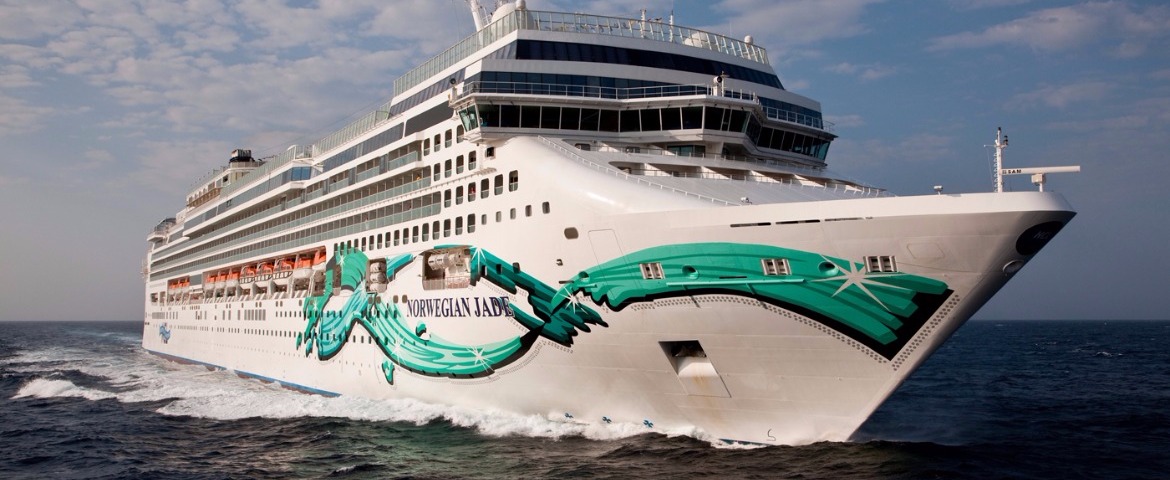
Norwegian Jade
21 Cruises

Oceania Cruises (49 Cruises)
Oceania Aurelia
8 Cruises
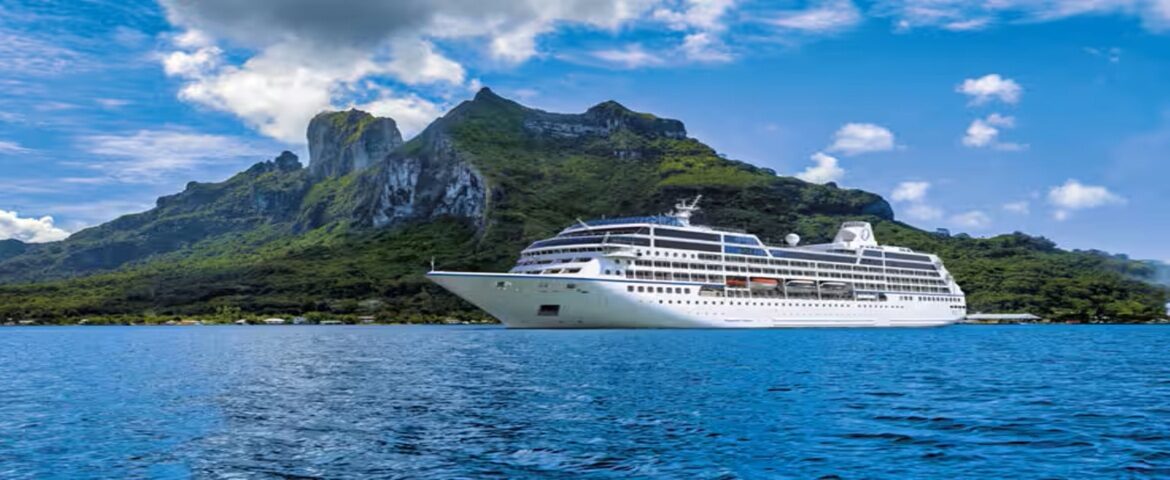

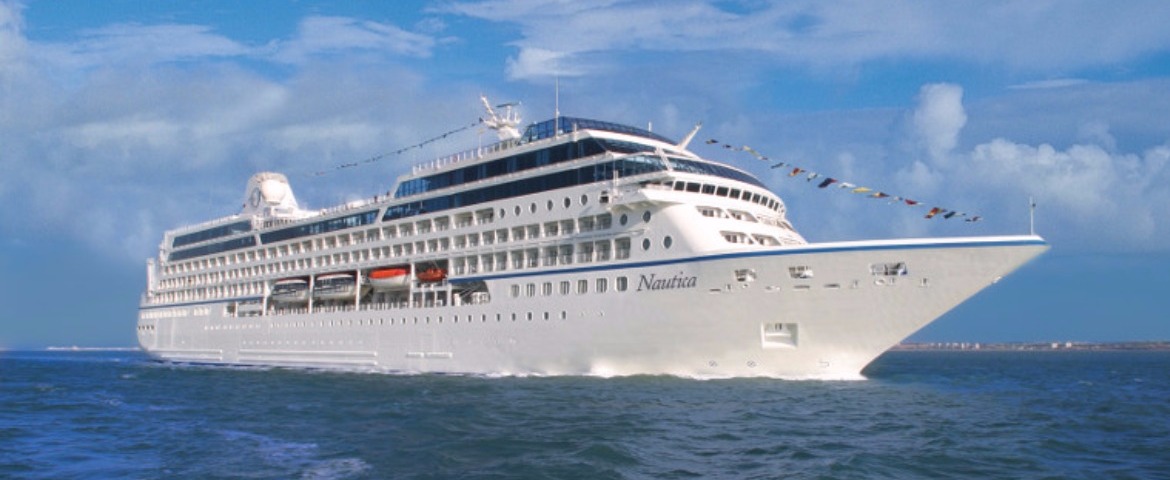
Oceania Nautica
8 Cruises
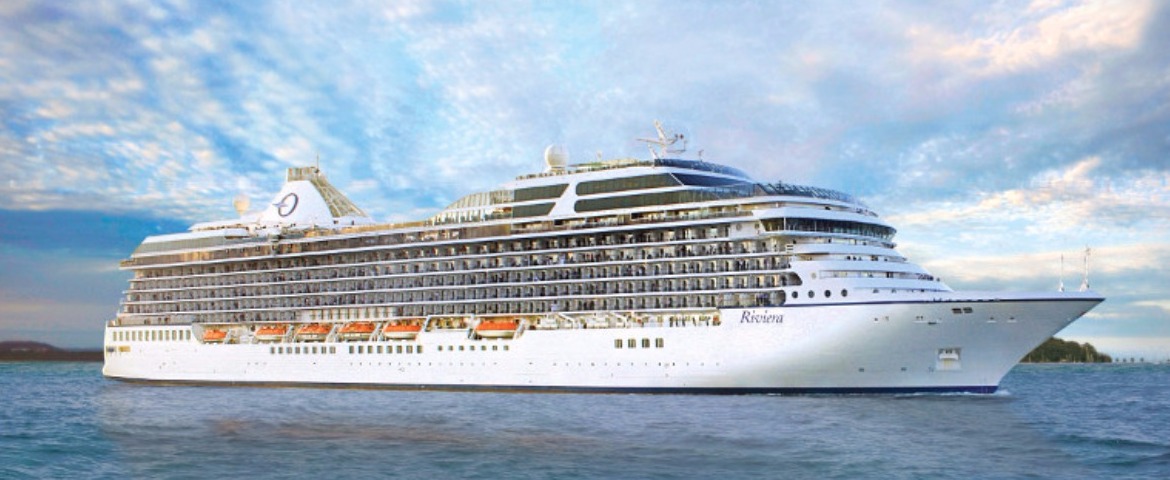
Oceania Riviera
26 Cruises
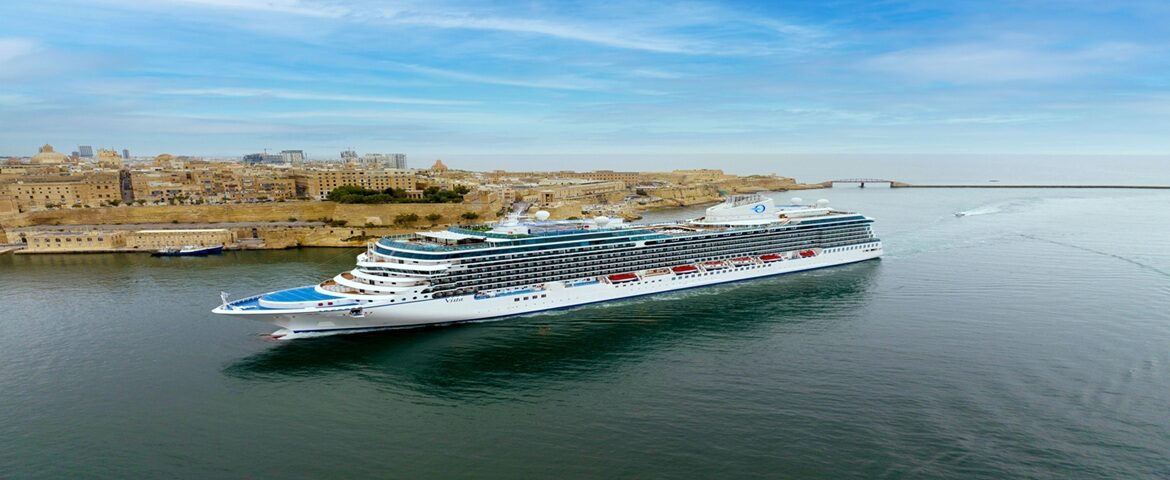
Oceania Vista
7 Cruises
| 6 January | 244 days | One-way from Miami to New York |
450-628-6241
Call us
|
| 6 January | 180 days | One-way from Miami to Southampton |
450-628-6241
Call us
|

Princess Cruises (162 Cruises)
Coral Princess
9 Cruises

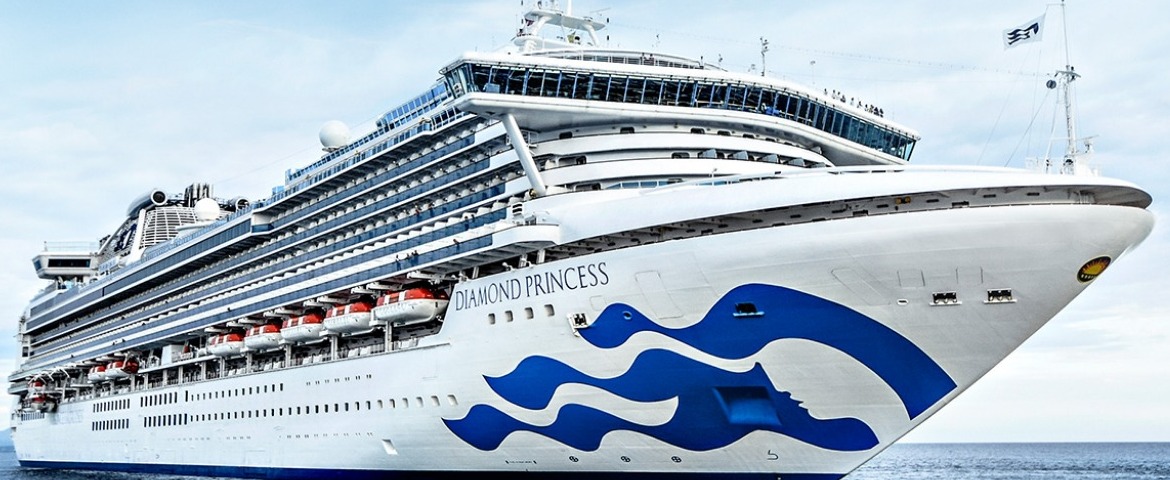
Diamond Princess
87 Cruises
| 13 February | 31 days | One-way from Singapore to Yokohama |
450-628-6241
Call us
|
| 13 February | 32 days | One-way from Singapore to Yokohama |
450-628-6241
Call us
|
Grand Princess
7 Cruises

Sapphire Princess
59 Cruises
| 20 February | 26 days | One-way from Singapore to Tokyo |
450-628-6241
Call us
|
| 20 February | 25 days | One-way from Singapore to Tokyo |
450-628-6241
Call us
|
| 19 April | 17 days | Round-trip from Tokyo, Japan |
450-628-6241
Call us
|
| 28 April | 8 days | Round-trip from Tokyo, Japan |
450-628-6241
Call us
|
| 28 April | 20 days | Round-trip from Tokyo, Japan |
450-628-6241
Call us
|
Regent Seven Seas Cruises (44 Cruises)
Seven Seas Explorer
16 Cruises
| 15 September | 31 days | One-way from Vancouver to Tokyo |
450-628-6241
Call us
|
| 15 September | 30 days | One-way from Vancouver to Tokyo |
450-628-6241
Call us
|
Seven Seas Navigator
8 Cruises
Seven Seas Splendor
20 Cruises
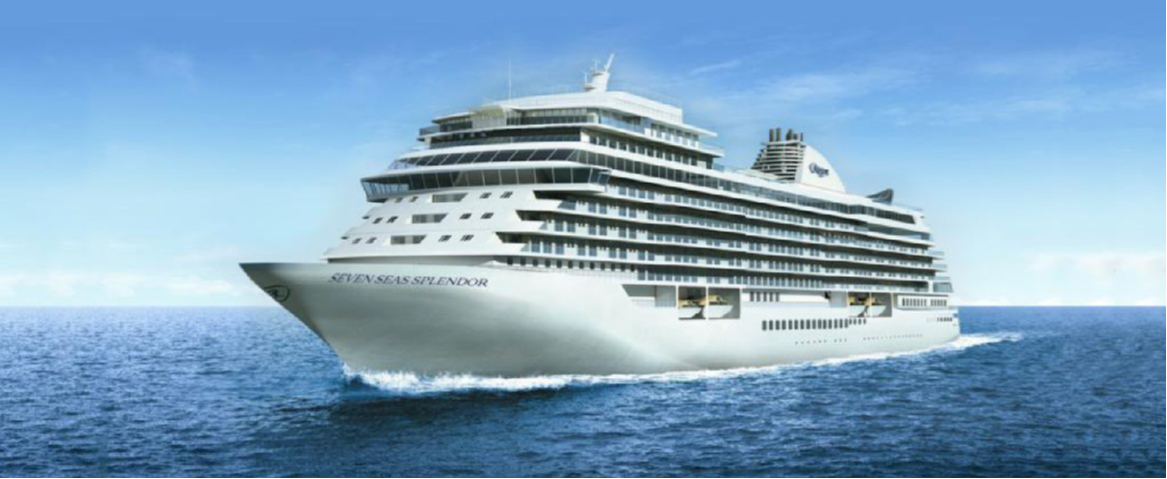
| 6 January | 140 days | One-way from San Francisco to Vancouver |
450-628-6241
Call us
|
| 6 January | 133 days | Round-trip from San Francisco, USA |
450-628-6241
Call us
|
| 13 September | 31 days | One-way from Vancouver to Tokyo |
450-628-6241
Call us
|
| 13 September | 30 days | One-way from Vancouver to Tokyo |
450-628-6241
Call us
|


Scenic Cruises (4 Cruises)

Seabourn Cruise Line (49 Cruises)
Seabourn Encore
49 Cruises
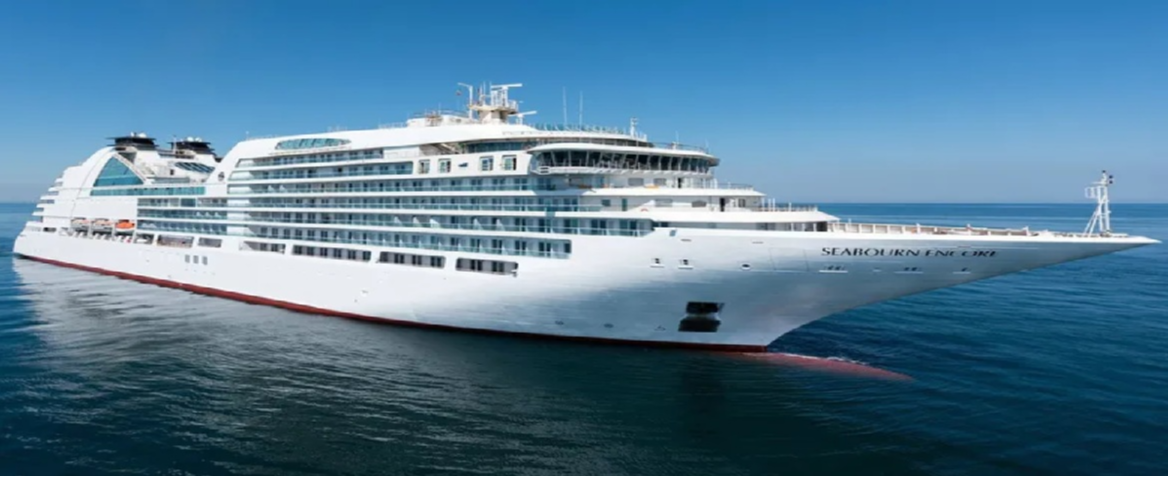

| 31 January | 41 days | One-way from Hong Kong to Tokyo |
450-628-6241
Call us
|
| 31 January | 27 days | One-way from Hong Kong to Tokyo |
450-628-6241
Call us
|
| 12 February | 15 days | One-way from Hong Kong to Tokyo |
450-628-6241
Call us
|
| 12 February | 29 days | One-way from Hong Kong to Tokyo |
450-628-6241
Call us
|
| 17 January | 39 days | One-way from Singapore to Tokyo |
450-628-6241
Call us
|
| 31 January | 25 days | One-way from Hong Kong to Tokyo |
450-628-6241
Call us
|
| 12 February | 13 days | One-way from Hong Kong to Tokyo |
450-628-6241
Call us
|
| 12 February | 27 days | One-way from Hong Kong to Tokyo |
450-628-6241
Call us
|
Silversea Cruises (45 Cruises)
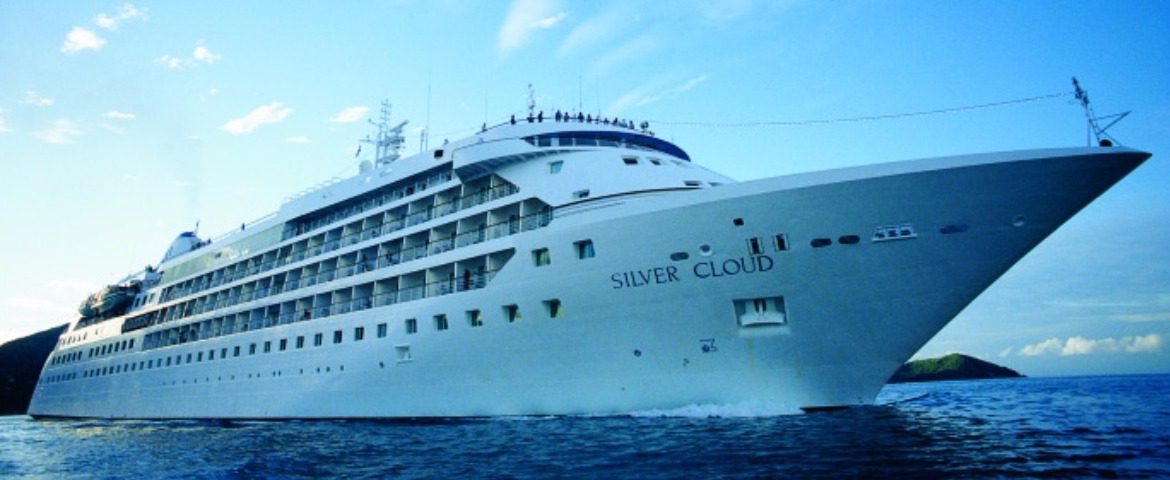

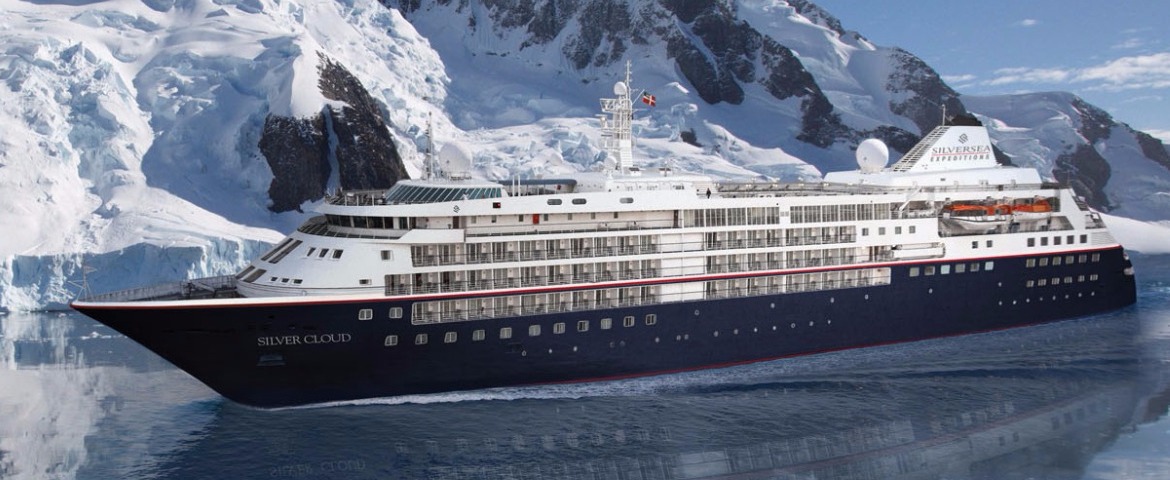
Silver Moon
13 Cruises
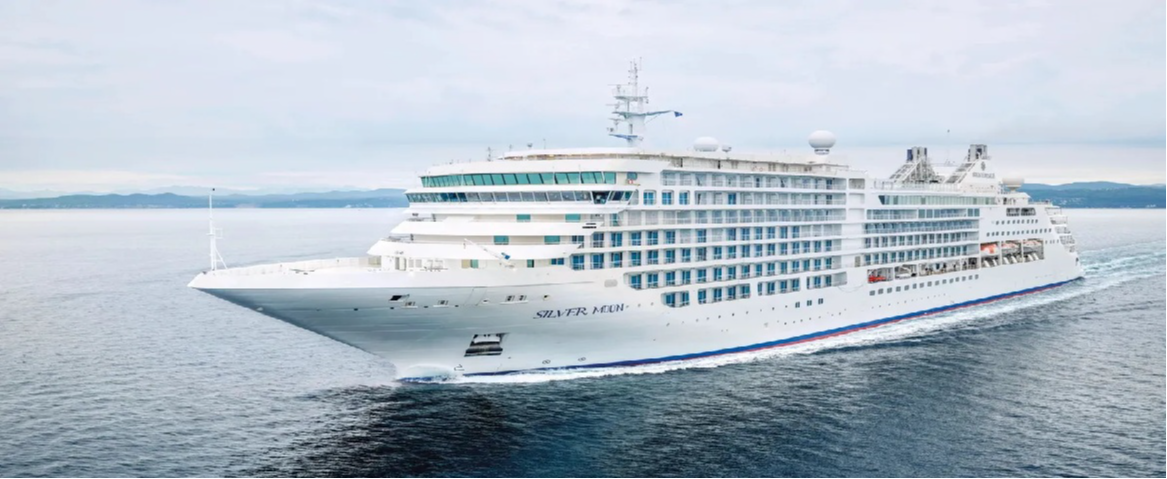
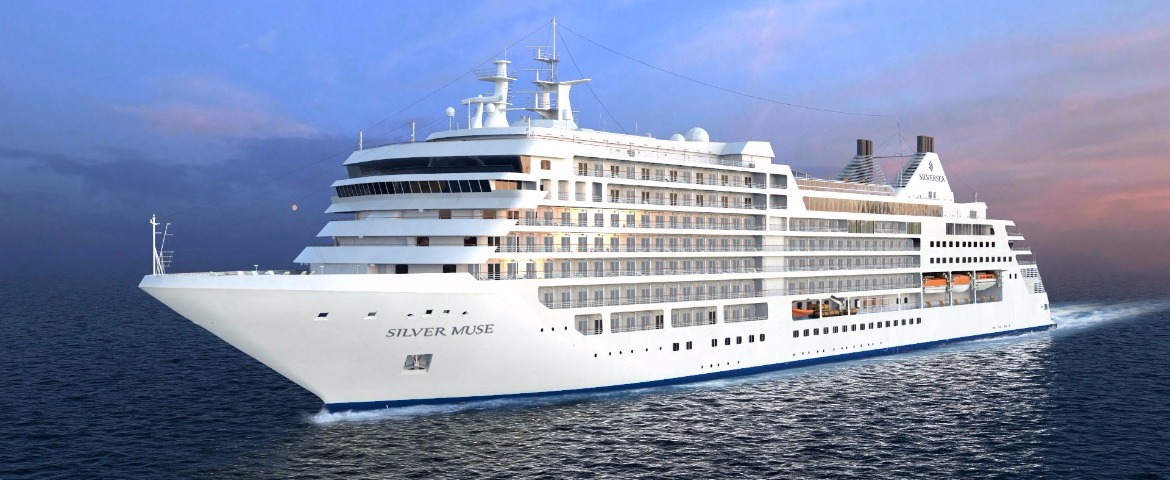
Silver Muse
17 Cruises
| 12 April | 15 days | One-way from Yokohama to Tokyo |
450-628-6241
Call us
|
| 26 April | 15 days | One-way from Tokyo to Incheon |
450-628-6241
Call us
|
| 10 May | 15 days | One-way from Incheon to Tokyo |
450-628-6241
Call us
|
| 24 May | 15 days | One-way from Tokyo to Incheon |
450-628-6241
Call us
|
Silver Whisper
7 Cruises
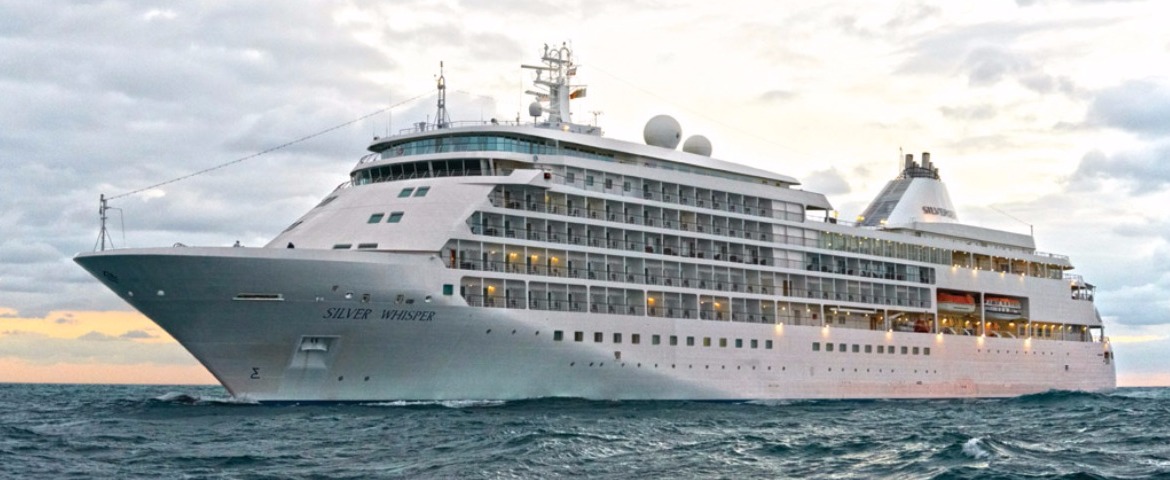
| 18 June | 26 days | Round-trip from Tokyo, Japan |
450-628-6241
Call us
|
| 18 June | 14 days | One-way from Tokyo to Incheon |
450-628-6241
Call us
|

Port of Kochi, Japan | Cruise Port Guide
Frequently Asked Questions
At Kochi port on the south coast of Shikoku. Free shuttles take passengers in a few minutes to the Harimayabashi area, right downtown. From there, everything is walkable.
Warm, because cruise ships remain rare here. Welcome banners, smiling volunteers, sometimes drummers on the quay: Shikoku is the least travelled of Japan's four main islands, and it shows in the reception.
Its keep is original. It is one of only twelve Japanese fortresses whose keep has survived the centuries without reconstruction, dating from the early 17th century: steep dark wooden stairs, weathered timbers, floors that creak under your socks.
It takes a little breath, nothing more. Gardens at the foot of the walls offer shaded benches to recover. Inside, however, the wooden stairs are steep and are climbed in socks.
The city's canteen, steps from the castle gate: dozens of counters under one roof around long shared tables. You sit elbow to elbow with locals, tray in hand. It is loud, simple and cheerful, with no booking needed.
Kochi's specialty: bonito seared over a straw flame and served in thick slices with garlic and citrus. The sight of cooks sending the flames up is worth lingering for at Hirome market, and portions are easily shared.
A small red bridge in the middle of a downtown intersection, tied to a legend of forbidden love that locals still tell. It gives its name to the area where the port shuttles stop.
A 19th-century reforming samurai born in the city and honoured everywhere: his face appears on posters and on biscuits alike. His statue looks out over the Pacific from Katsurahama beach, about thirty minutes away by road.
Yes, and they are among Japan's oldest. Depending on the day of the week, stalls of vegetables, citrus, forged knives and plants line hundreds of metres of the avenues. The covered arcades let you browse under shelter.
The yen, mostly in cash. The Hirome market counters and street stalls work on cash. Kochi is a maritime prefecture with little tourism: English is rare, but the friendliness more than compensates.


