Patmos Island Greece
366
Cruises availables
At departure or passage at this port
Azamara Club Cruises (17 Cruises)
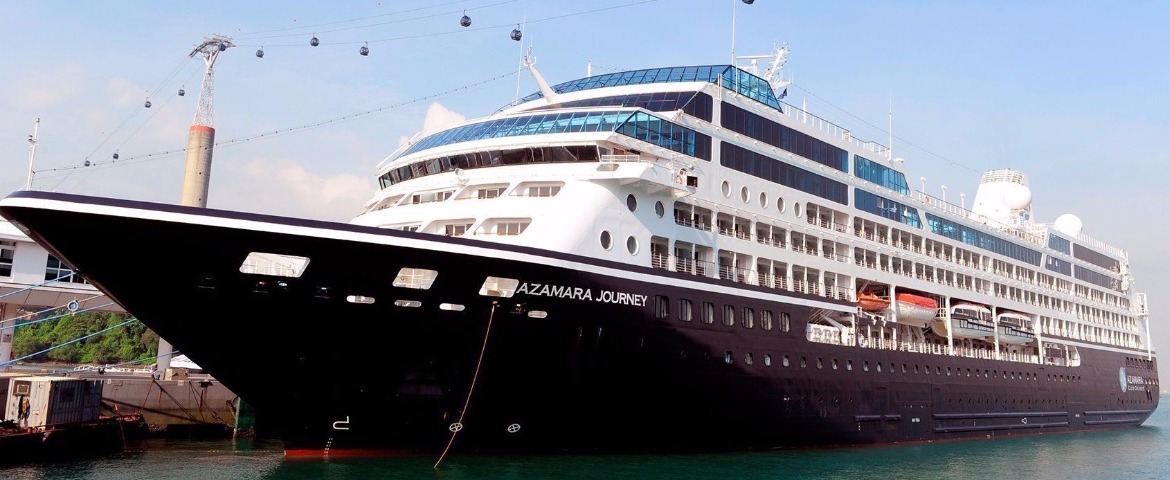

Azamara Onward
14 Cruises
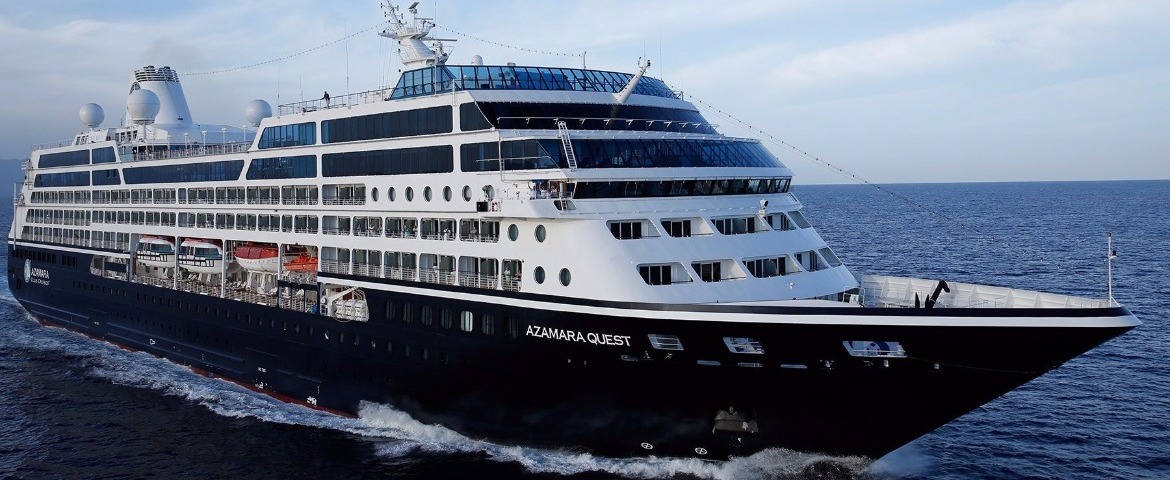
Celestyal Cruises (169 Cruises)
Celestyal Discovery
169 Cruises
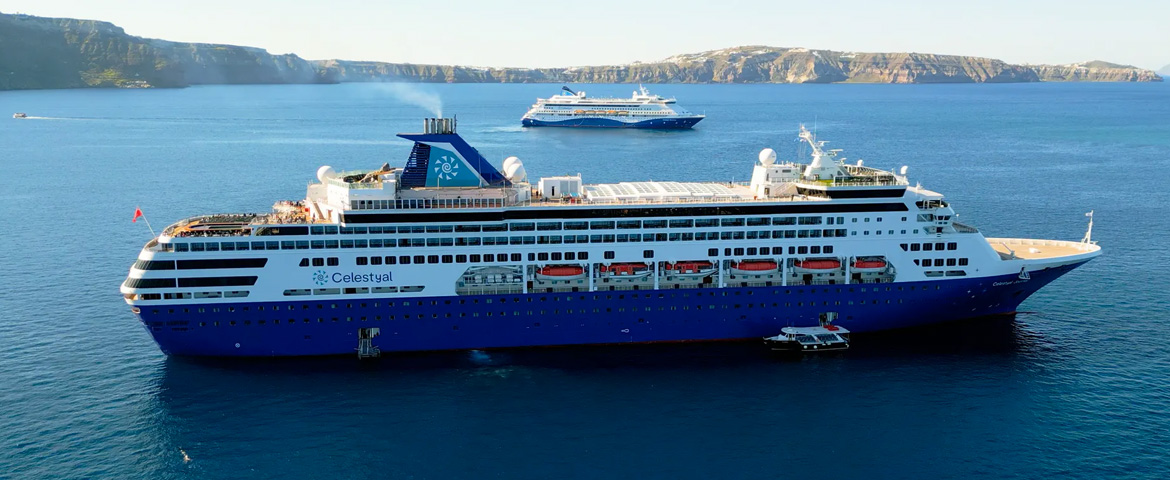

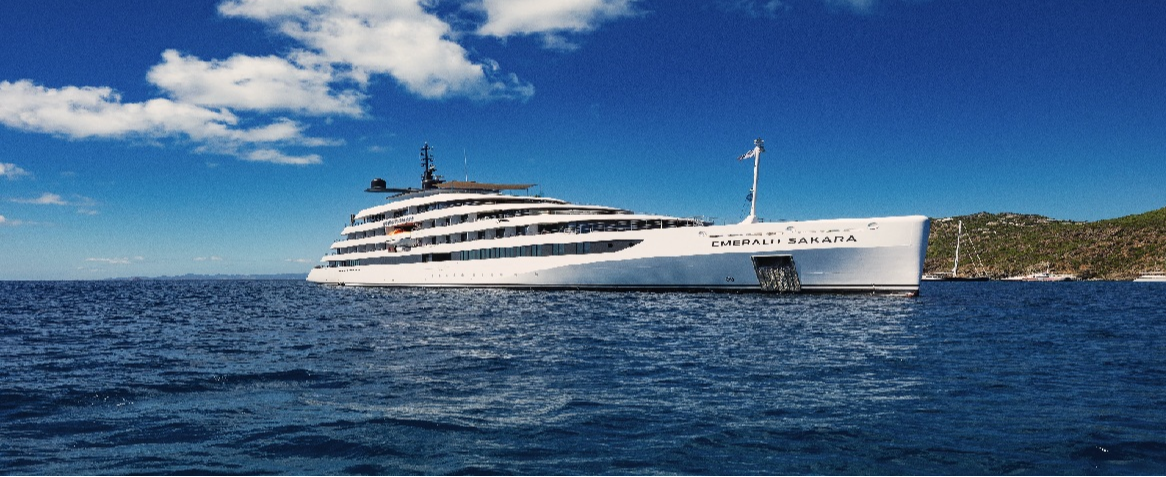
Emerald Waterways (13 Cruises)
Emerald Azzurra
12 Cruises
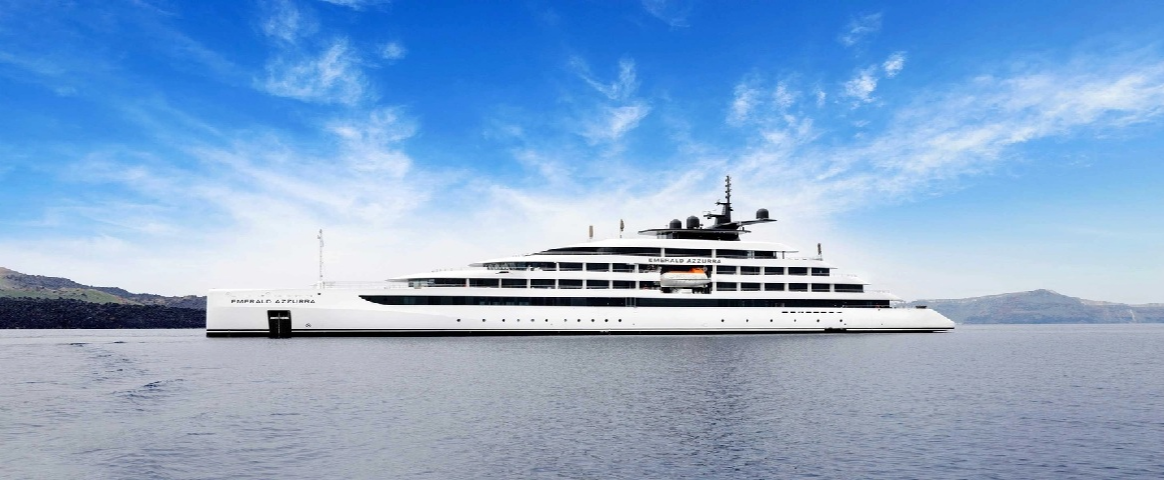

| 5 August | 8 days | Round-trip from Piraeus-Athens, Greece |
450-628-6241
Call us
|
| 26 August | 18 days | One-way from Dubrovnik to Piraeus-Athens |
450-628-6241
Call us
|
Explora Journeys (14 Cruises)
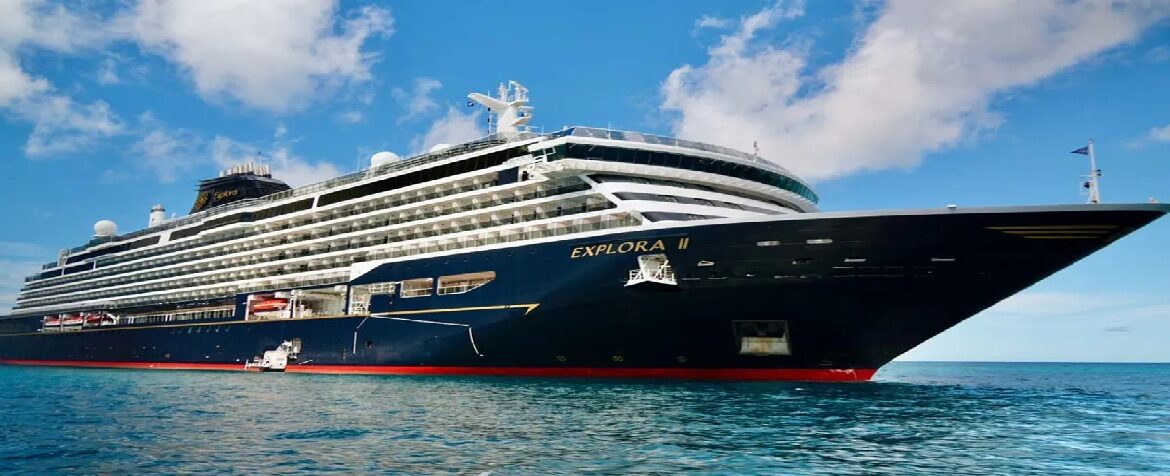
Explora II
14 Cruises

| 14 April | 11 days | One-way from Venice to Piraeus-Athens |
450-628-6241
Call us
|
| 14 April | 20 days | Round-trip from Venice, Italy |
450-628-6241
Call us
|
| 10 May | 15 days | Round-trip from Piraeus-Athens, Greece |
450-628-6241
Call us
|
| 17 May | 8 days | One-way from Istanbul to Piraeus-Athens |
450-628-6241
Call us
|

Oceania Cruises (7 Cruises)


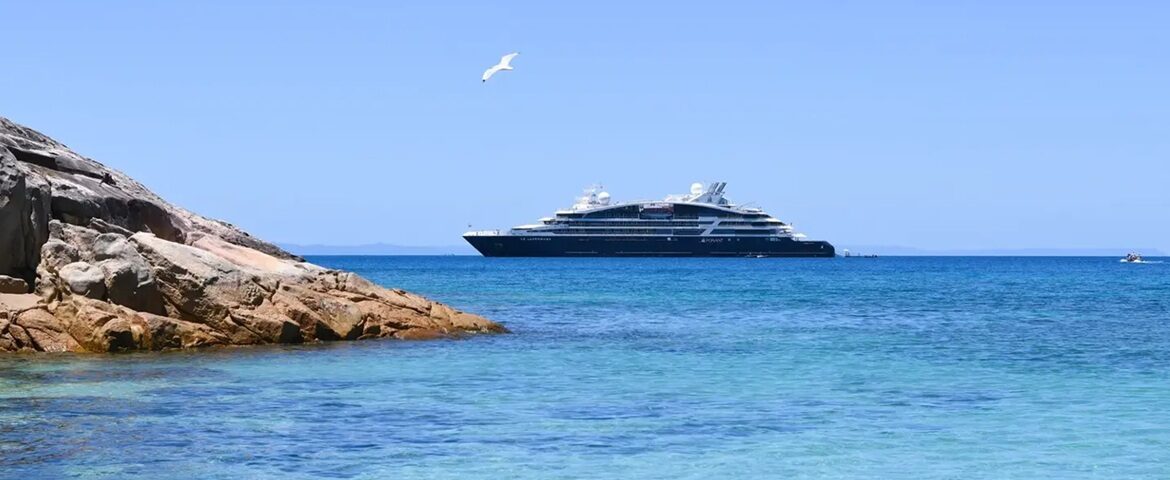
Ponant (4 Cruises)

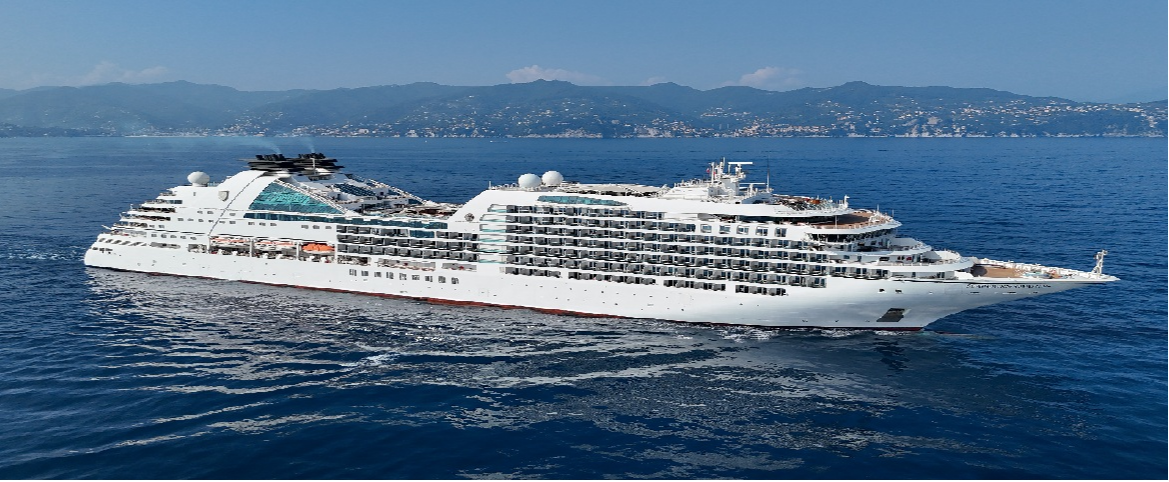
Seabourn Cruise Line (76 Cruises)
Seabourn Ovation
76 Cruises

| 25 September | 35 days | One-way from Barcelona to Piraeus-Athens |
450-628-6241
Call us
|
| 25 September | 36 days | One-way from Barcelona to Piraeus-Athens |
450-628-6241
Call us
|
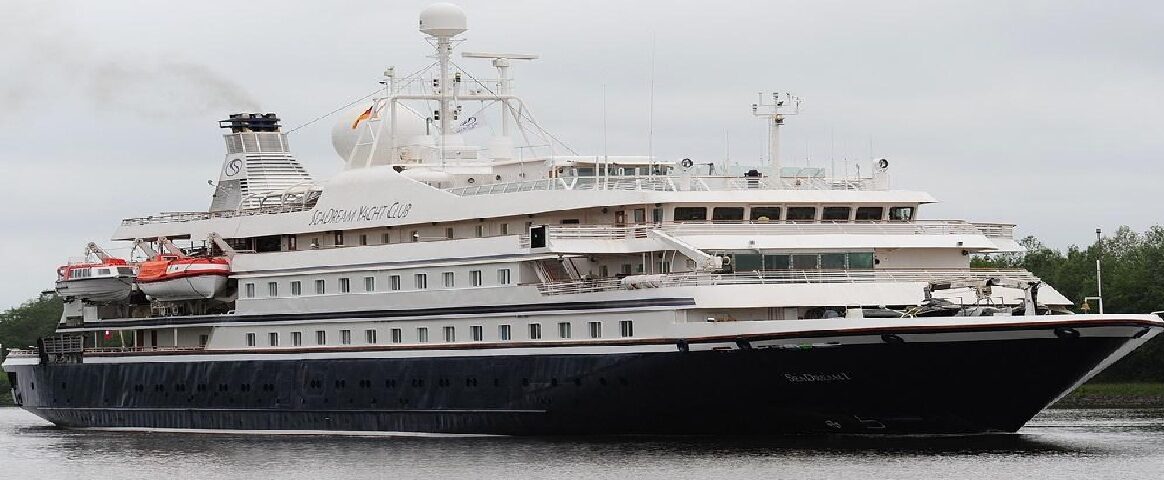
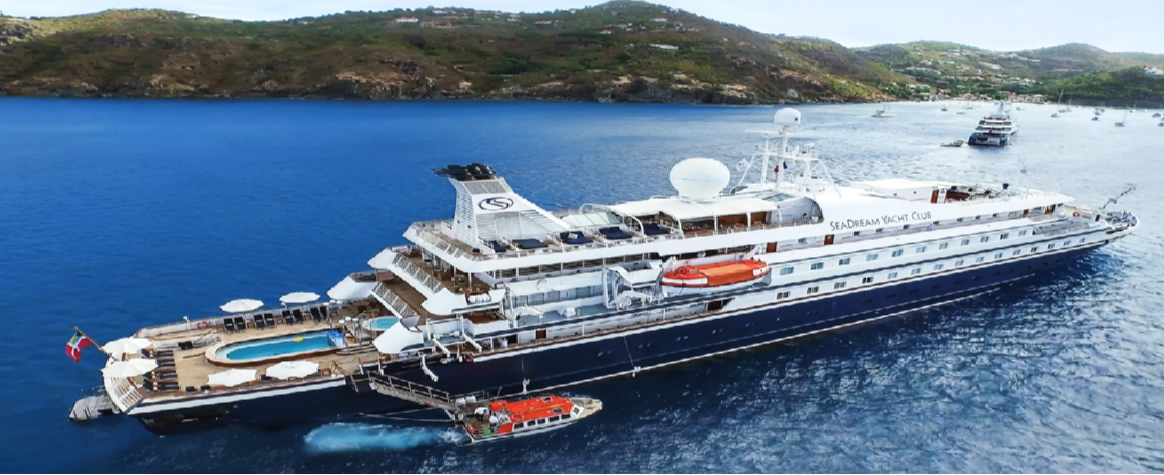
SeaDream Yacht Club (10 Cruises)

Silversea Cruises (15 Cruises)
Silver Dawn
6 Cruises
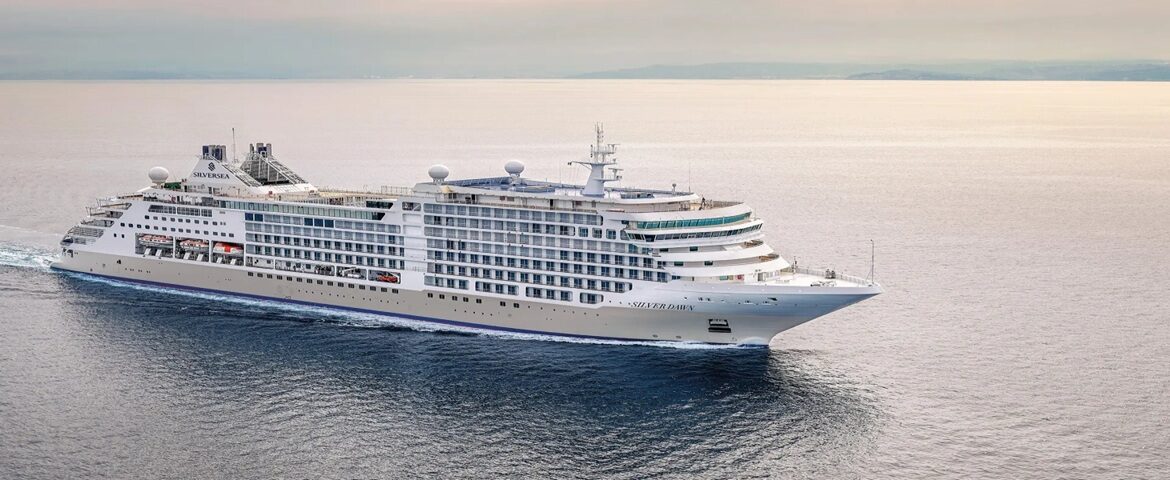

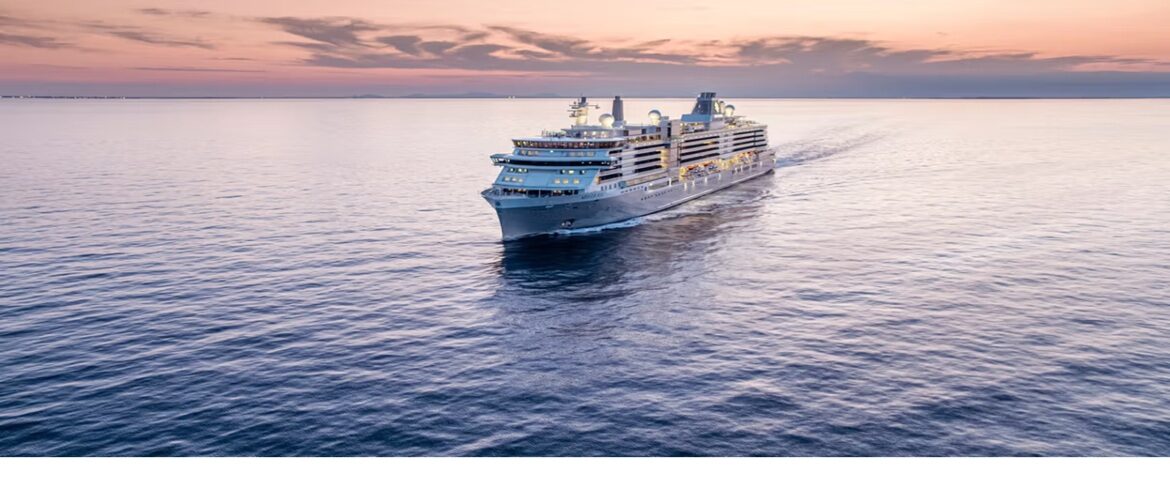
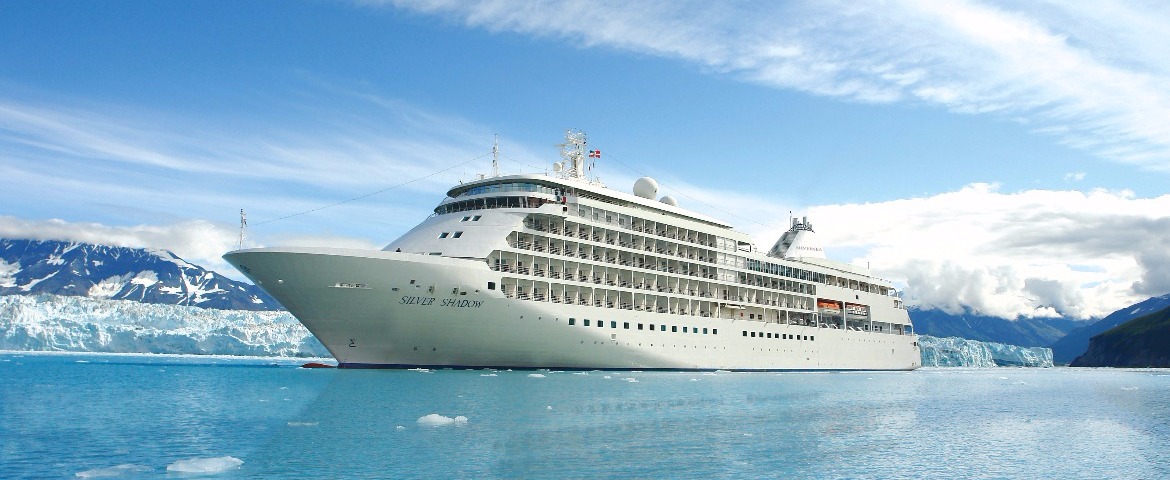
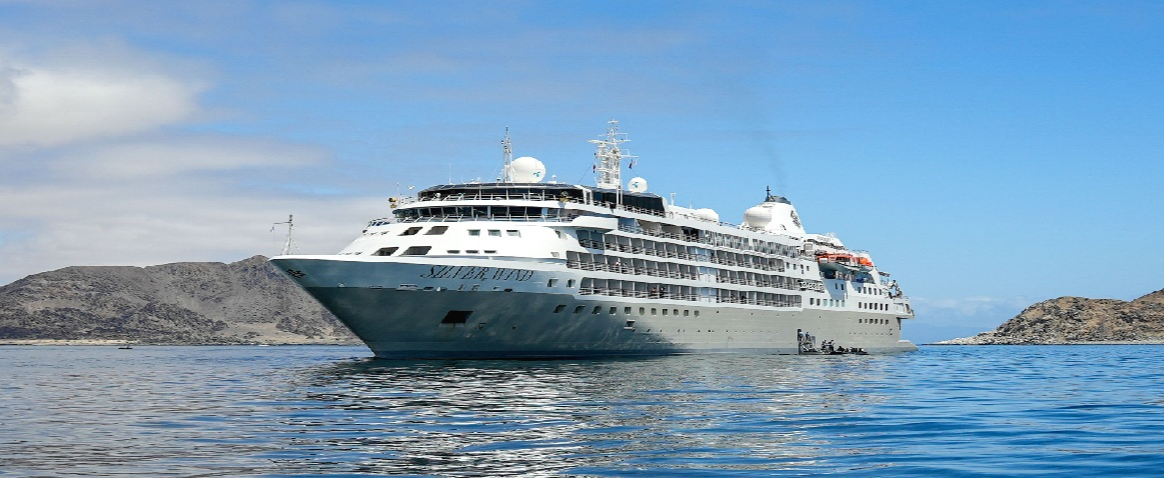
Silver Shadow
5 Cruises
Star Clippers (15 Cruises)
Star Flyer
15 Cruises
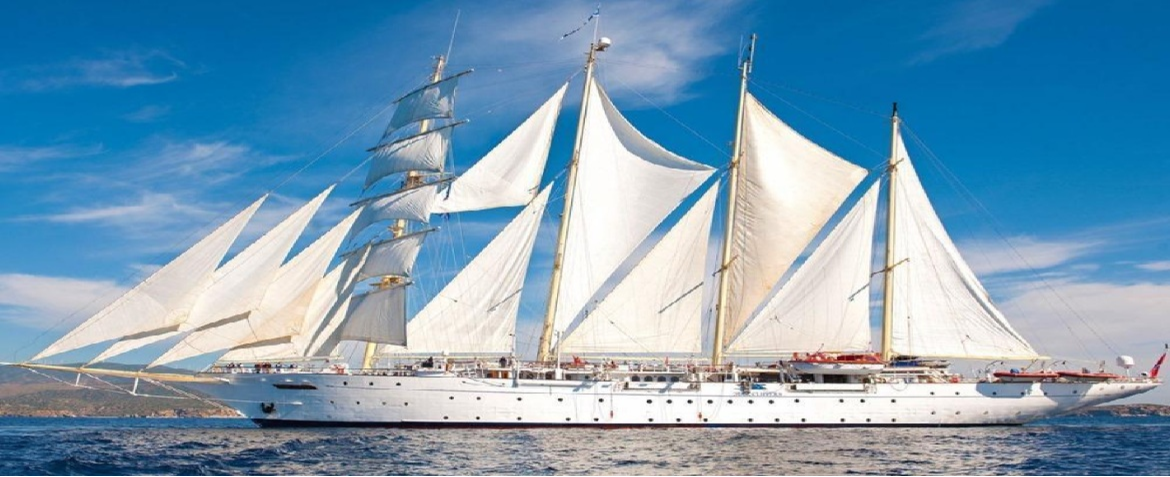

| 9 June | 10 days | One-way from Antalya to Istanbul |
450-628-6241
Call us
|
| 9 June | 11 days | One-way from Antalya to Istanbul |
450-628-6241
Call us
|
Windstar Cruises (23 Cruises)
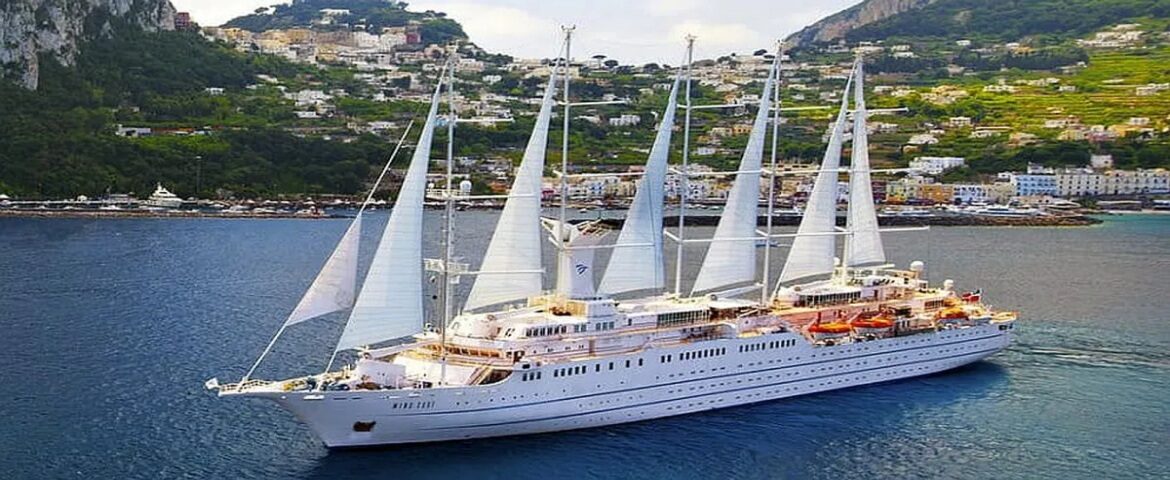
Wind Surf
23 Cruises


Patmos Greece | Spiritual Heritage & Greek Island Cruise Guide
Frequently Asked Questions
Ships anchor in the bay and tenders land passengers directly at Skala, the main town. The waterfront lines up cafés, shops and low houses around the fishing boats.
For the Cave of the Apocalypse and the Monastery of Saint John the Theologian. According to Christian tradition, Saint John, exiled here at the end of the first century, received the visions that became the last book of the New Testament. The site is a UNESCO World Heritage listing.
Allow about ten minutes by taxi or bus for the four-kilometre climb. The fittest take the old paved path that cuts across the hill; the Cave of the Apocalypse sits halfway up.
Yes, shoulders and knees must be covered at the entrance, as in most Greek holy sites. Wraps are sometimes lent on site, but it is better not to count on it.
The Cave of the Apocalypse, the monastery and the village of Chora form a coherent circuit that fills the morning. Back in Skala there is then time for a stroll along the port or a quick swim in the neighbouring bay.
The white village surrounding the monastery, a maze of lanes hiding captains' houses with carved doorways. Almost no shops, little noise: it is one of those places where you instinctively lower your voice.
No, none at all. The island can only be reached by sea, and that geography has protected it. The atmosphere stays noticeably calmer than elsewhere in the Dodecanese.
Yes, if the day is hot: the sand and pebble beach along the bay next to Skala is enough for a quick dip before boarding. It is not the island's main draw, but the water is lovely.
Hand-painted icons, island honey and herbs, sold in the shops of Skala. The harbour cafés also serve almond pastries facing the boats.
The euro and Greek, with English understood in Skala. Bring cash for taxis, small icon shops and admission to the religious sites.


