Vis Island Croatia Vis Town
189
Cruises availables
At departure or passage at this port
Atlas Ocean Voyages (2 Cruises)


CroisiEurope (23 Cruises)
MV La Belle de L'Adriatique
23 Cruises


| 24 June | 8 days | Round-trip from Dubrovnik, Croatia |
450-628-6241
Call us
|
| 24 June | 7 days | Round-trip Croatia and Montenegro |
450-628-6241
Call us
|
Emerald Waterways (71 Cruises)
Emerald Azzurra
29 Cruises
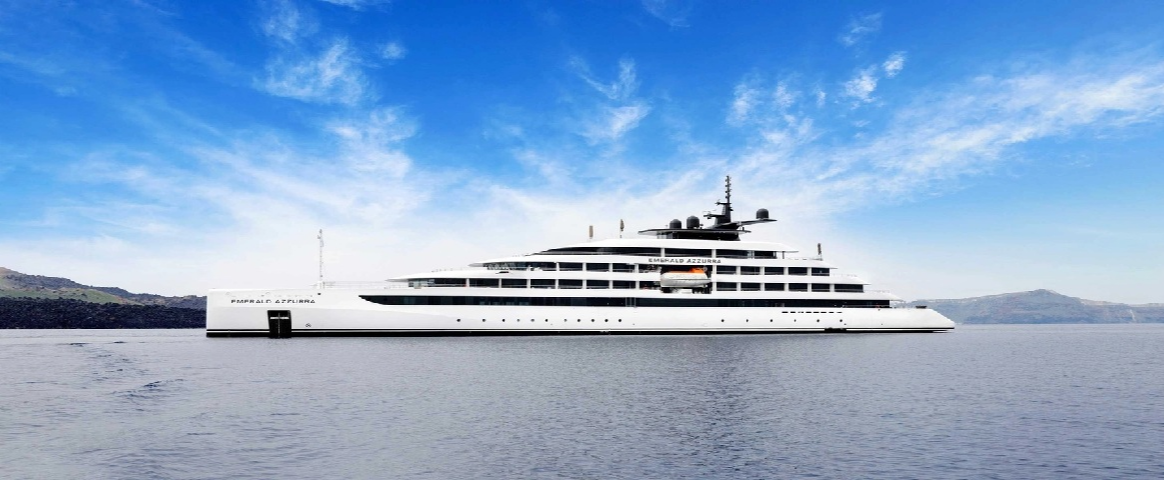

| 25 August | 11 days | One-way from Piraeus-Athens to Dubrovnik |
450-628-6241
Call us
|
| 25 August | 9 days | One-way from Piraeus-Athens to Dubrovnik |
450-628-6241
Call us
|
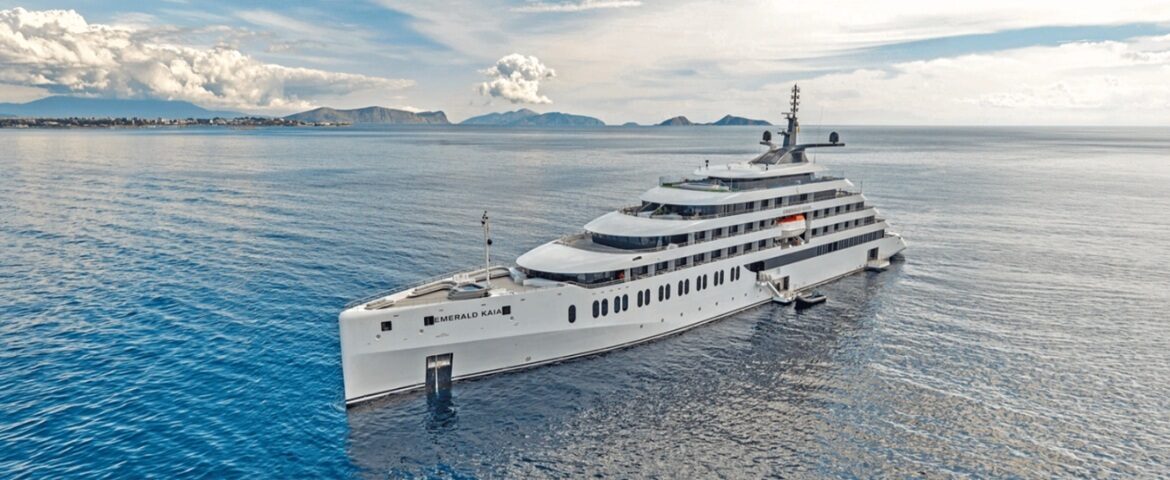
Emerald Kaia
37 Cruises
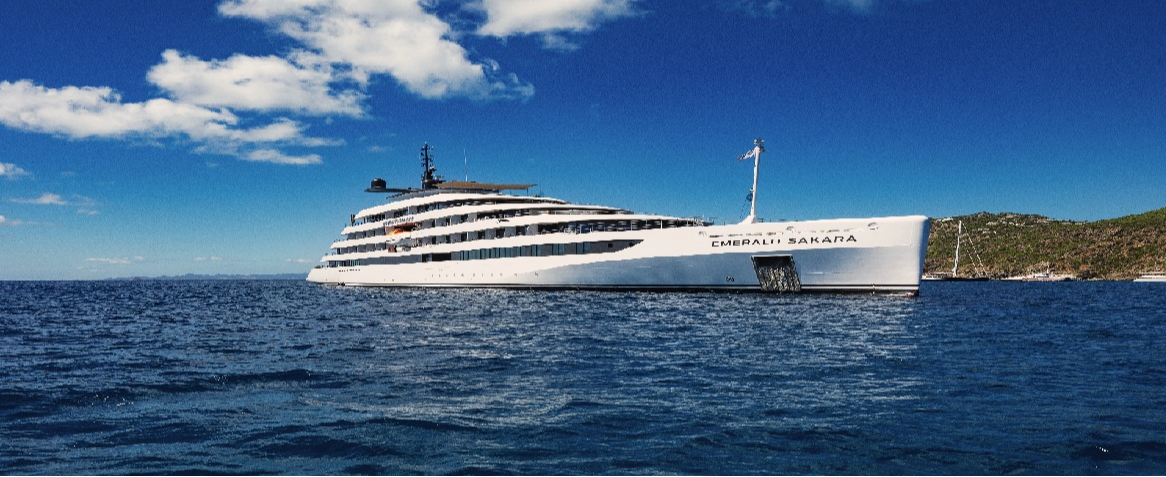
Emerald Sakara
5 Cruises
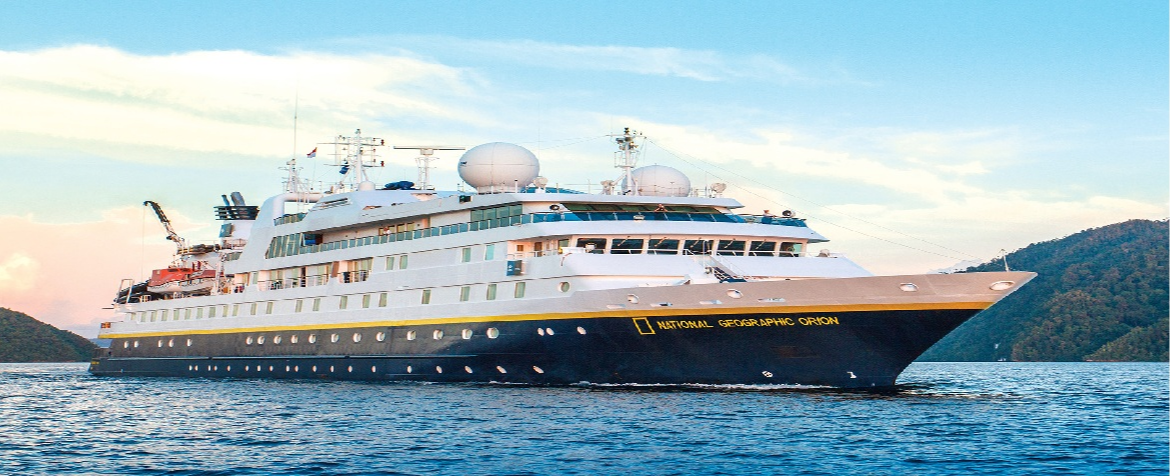
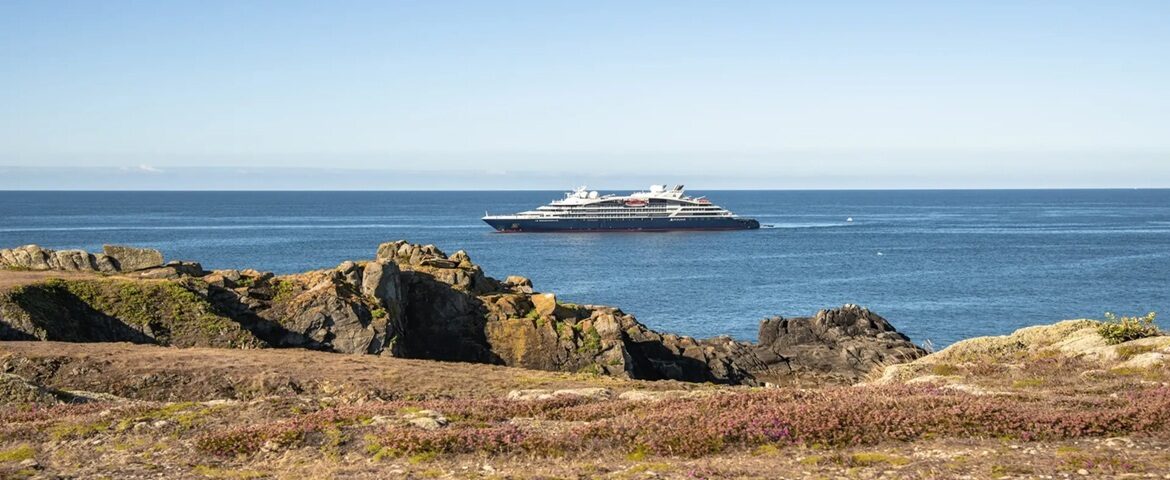
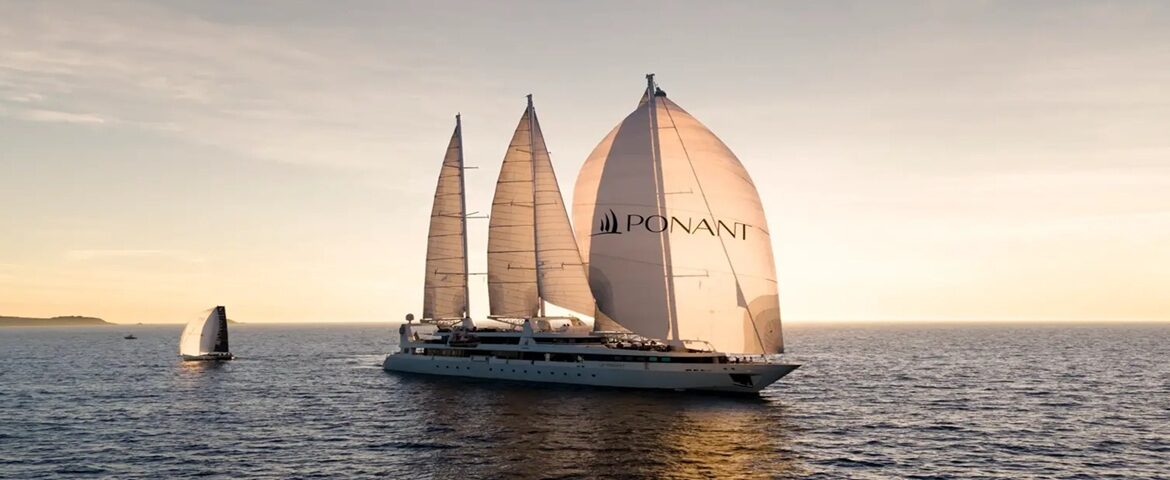
Lindblad Expeditions (5 Cruises)


Seabourn Cruise Line (58 Cruises)
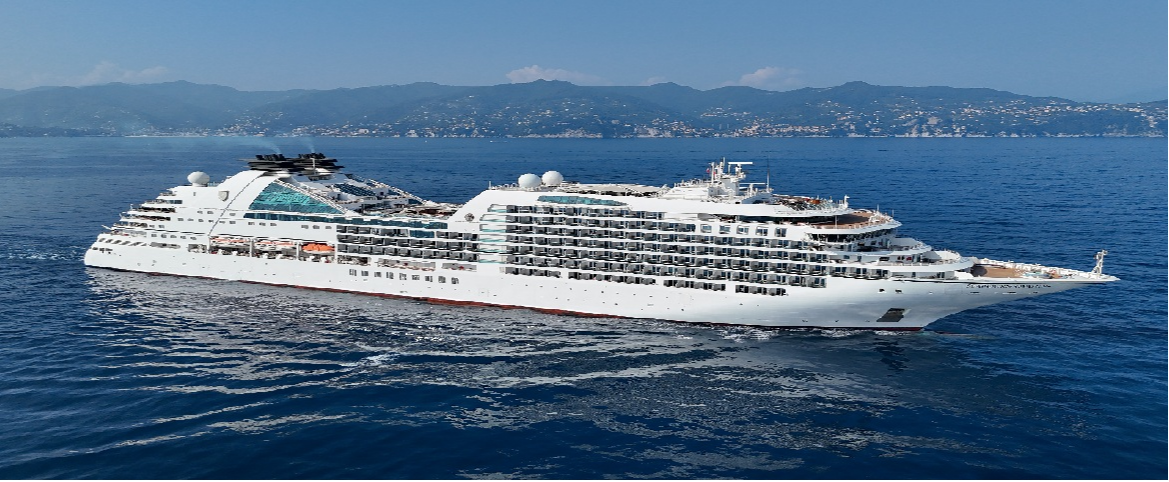
Seabourn Ovation
58 Cruises

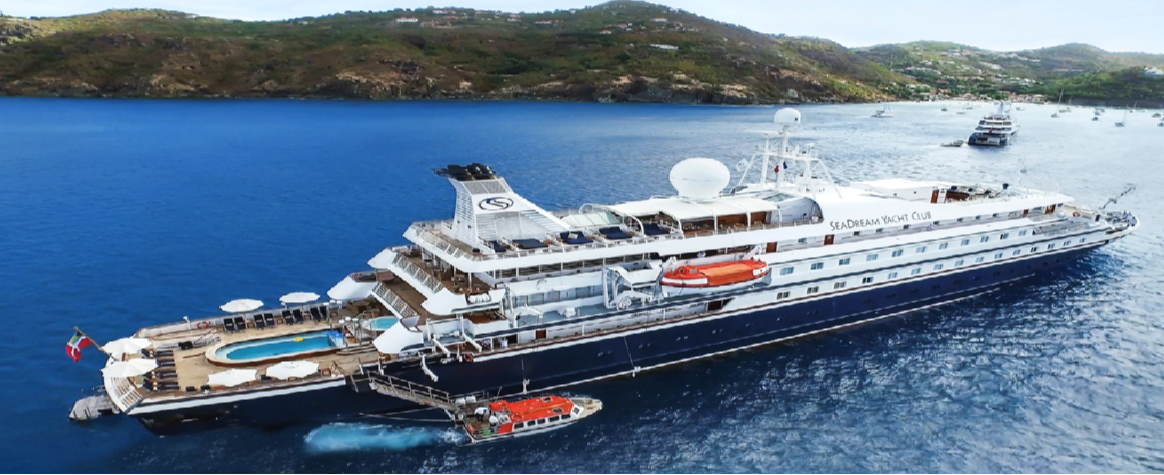
SeaDream Yacht Club (4 Cruises)

Star Clippers (17 Cruises)
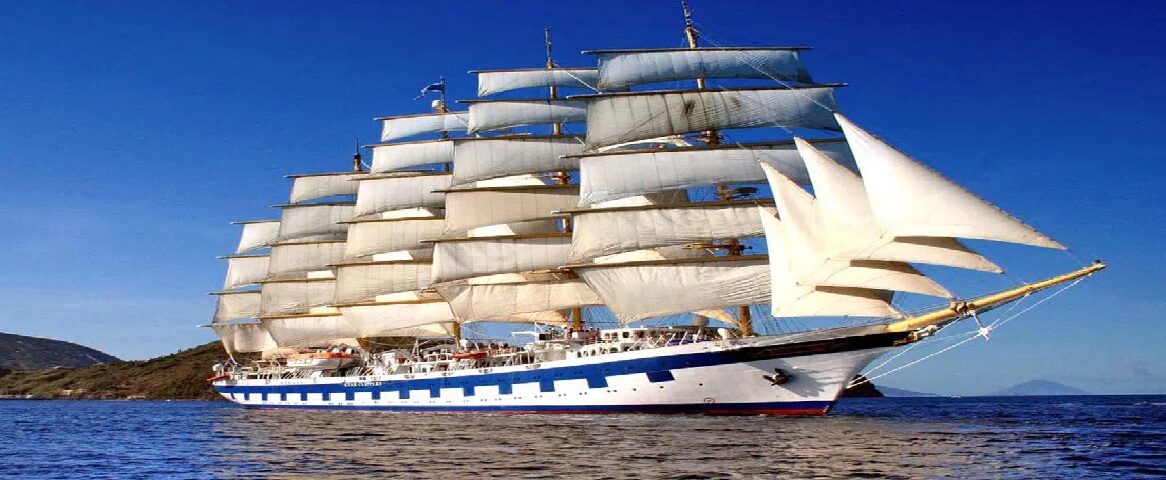
Royal Clipper
17 Cruises

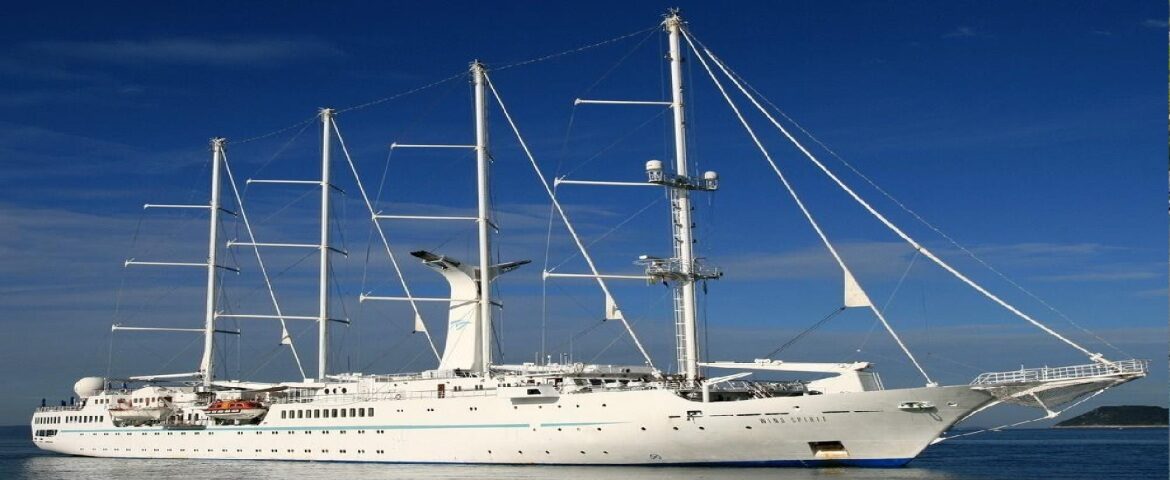
Windstar Cruises (3 Cruises)

Port of Vis, Croatia | Cruise Port Guide
Frequently Asked Questions
In the wide bay, with tender landing on the Vis Riva. The landing opens straight onto the village waterfront and everything is walkable on the flat. Vis almost always receives small vessels.
Not always. The bay stays exposed to the bura and the jugo, the prevailing winds, and calls can be cut short when the sea gets up. Keep an eye on the last tender times.
Because it served as a forward military base for Yugoslavia. Until 1989 no foreigner could set foot on it. Those four decades of isolation explain the absence of large hotel complexes and concreted waterfront.
The walk between Luka and Kut, the archaeological museum in its Austrian fortress, a tasting at a family cellar and a lunch of the morning's catch at a konoba. The Biševo blue cave needs a boat excursion and more time.
They are two former hamlets joined along the shore. Luka, around the landing, lines up cafes, palms and Austro-Hungarian facades. Kut, fifteen minutes' walk east, keeps the Renaissance houses of noble families who came from Hvar.
The remains of Issa, a colony founded in the 4th century BC by Greeks from Syracuse: amphorae raised from the seabed, ceramics, and above all a bronze head of Artemis from the 4th century BC, a centrepiece many institutions would envy this island village.
Yes, by boat excursion via the island of Biševo, leaving from Komiža on the west coast, about twenty minutes away by road. Mid-morning light turns the water turquoise neon. The trip depends entirely on the weather.
Vugava, a golden white that ripens almost nowhere else, and plavac mali, the structured red of the Dalmatian slopes. Several family cellars in the village open for tastings, usually with cheese, marinated anchovies and capers picked from the stone walls.
The euro and Croatian. English is common in shops and konobas. Bring cash: this is the most remote inhabited island on the Croatian coast and services are limited.
Anyone happy with a day without a colossal monument or a queue. The offer is short: a calm bay, wine found nowhere else, lanes where cats sleep in the sun. The photographs are rarely spectacular; the feeling has become rare.


