Melbourne Victoria Australia
Australia
274
Cruises availables
At departure or passage at this port
Azamara Club Cruises (8 Cruises)
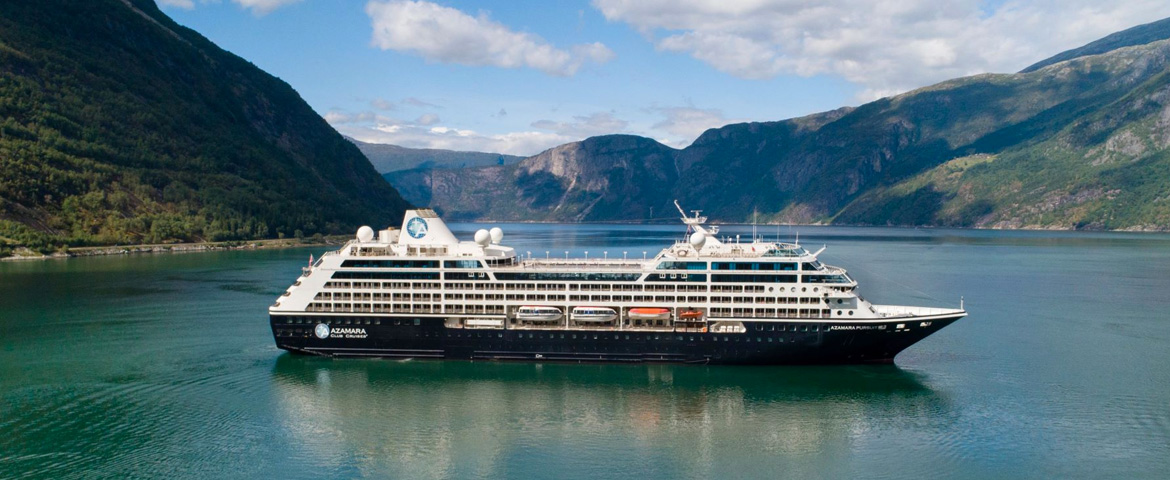

Azamara Quest
5 Cruises
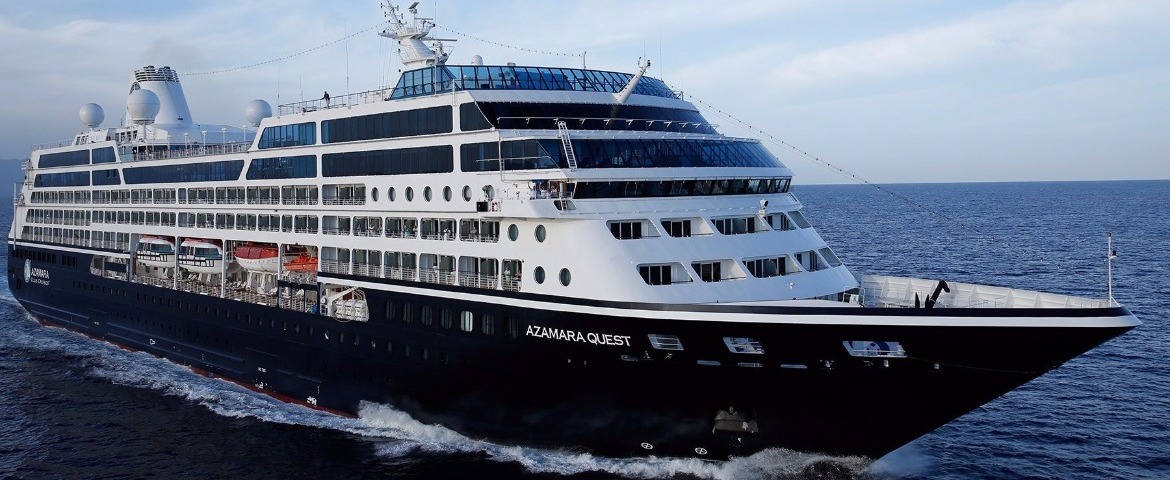
Carnival Cruise Line (17 Cruises)
Carnival Adventure
15 Cruises


| 29 January | 3 days | One-way from Sydney to Melbourne |
450-628-6241
Call us
|
| 31 January | 5 days | Round-trip from Melbourne, Australia |
450-628-6241
Call us
|



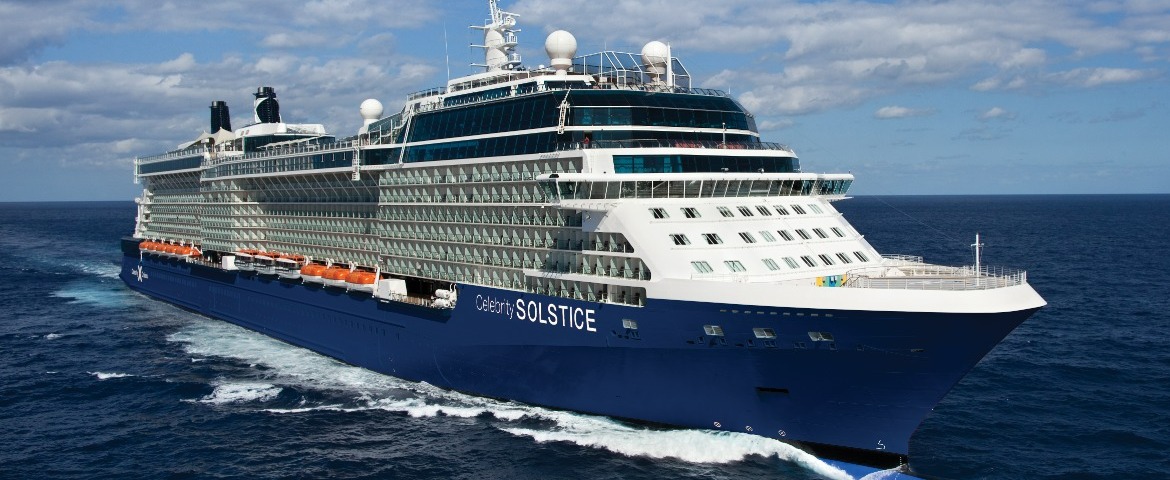
Costa Cruises (8 Cruises)
Costa Deliziosa
8 Cruises
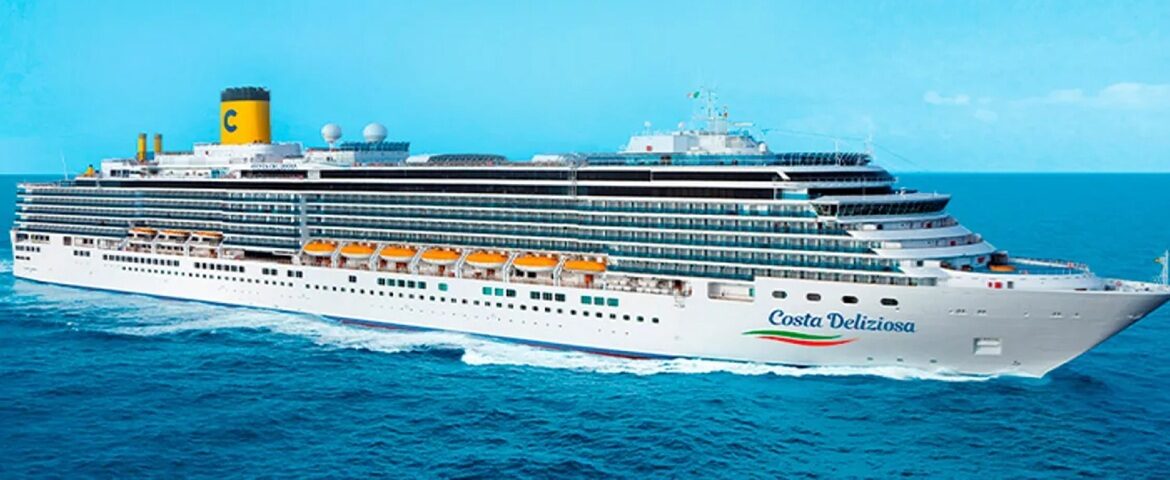

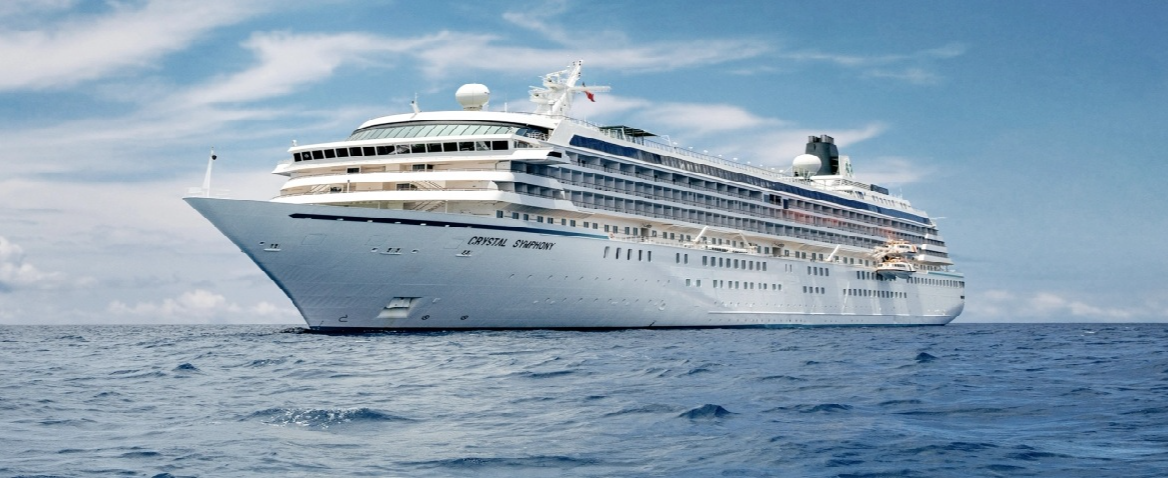
Crystal Cruises (19 Cruises)


Crystal Symphony
15 Cruises
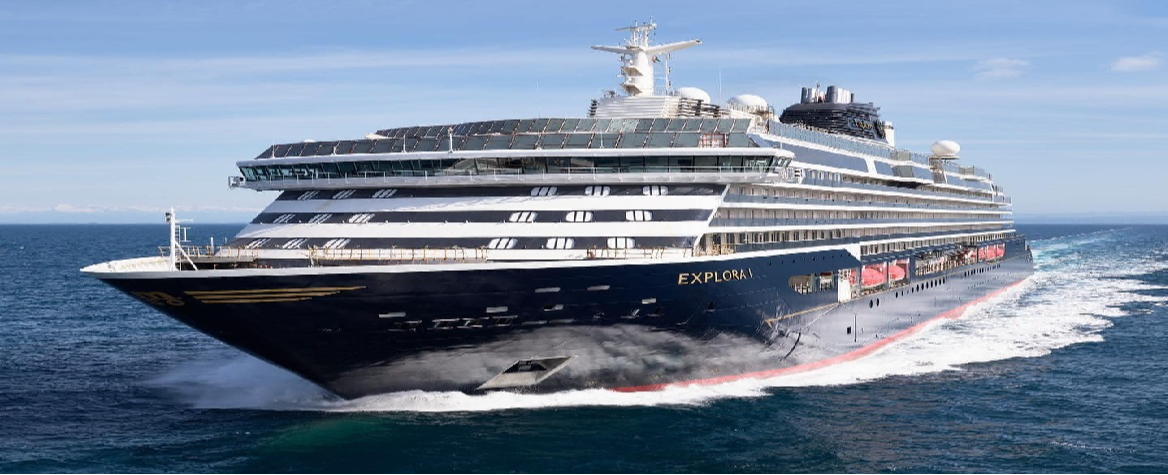
Explora Journeys (3 Cruises)

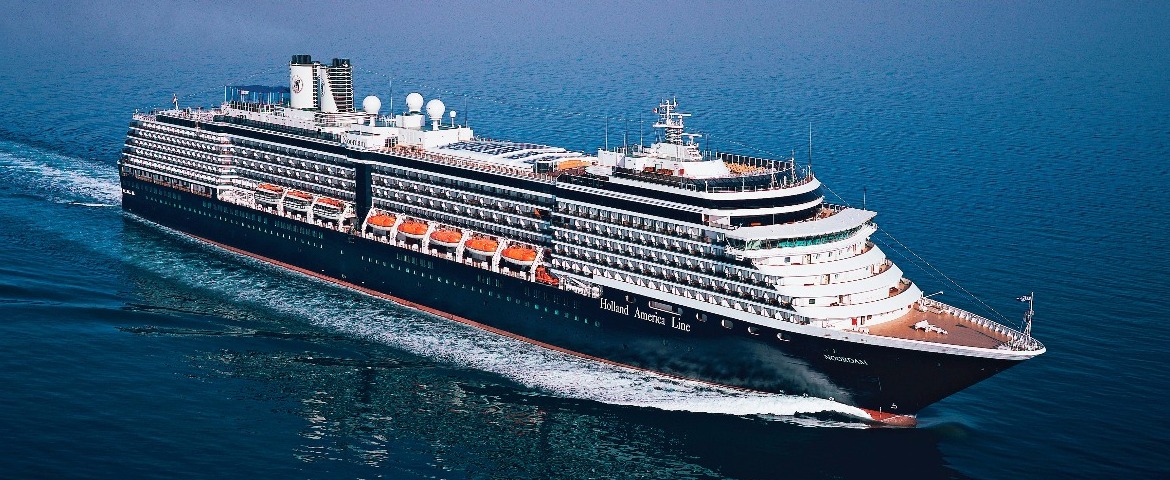
Holland America Line (23 Cruises)
ms Noordam
10 Cruises

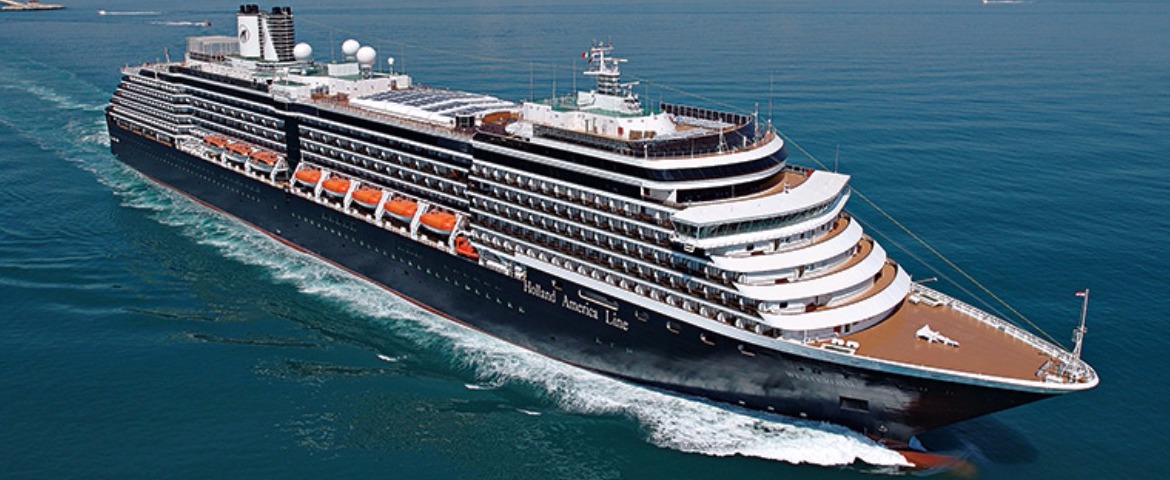
ms Westerdam
13 Cruises
Norwegian Cruise Line (25 Cruises)
Norwegian Spirit
25 Cruises


| 10 January | 12 days | Round-trip from Sydney, Australia |
From
1135$
|
| 10 January | 16 days | Round-trip from Sydney, Australia |
From
1423$
|
| 25 January | 12 days | One-way from Sydney to Auckland |
From
1696$
|
| 5 February | 12 days | One-way from Auckland to Sydney |
From
1374$
|
| 16 February | 12 days | One-way from Sydney to Auckland |
From
1297$
|
| 27 February | 12 days | One-way from Auckland to Sydney |
From
1268$
|
| 3 January | 21 days | One-way from Sydney to Singapore |
450-628-6241
Call us
|
| 3 January | 21 days | One-way from Sydney to Singapore |
450-628-6241
Call us
|
| 9 February | 20 days | One-way from Singapore to Sydney |
From
2215$
|
| 28 February | 12 days | One-way from Sydney to Auckland |
From
1556$
|
Oceania Cruises (23 Cruises)
Oceania Marina
7 Cruises
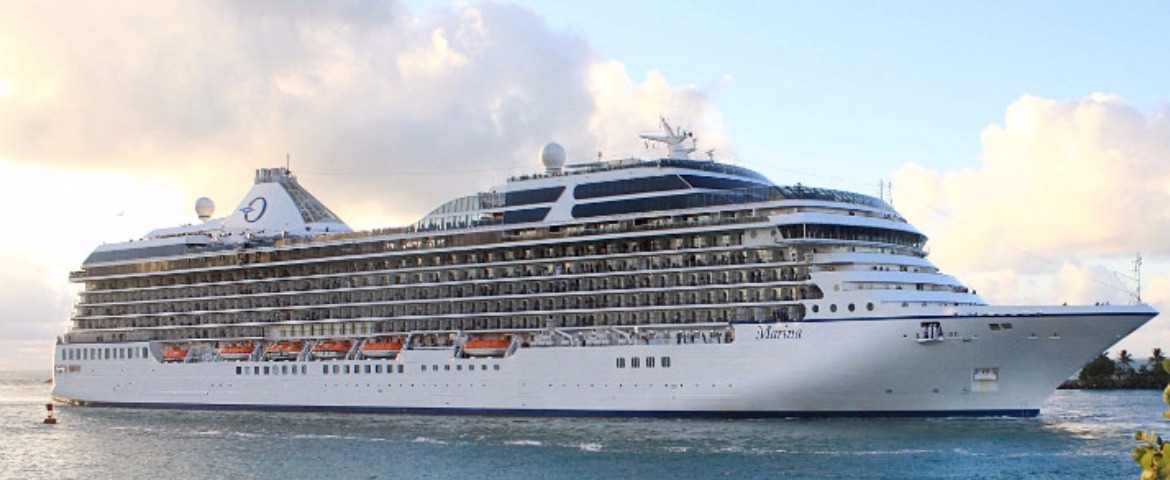

| 7 January | 29 days | One-way from Benoa to Auckland |
450-628-6241
Call us
|
| 21 January | 15 days | One-way from Sydney to Auckland |
450-628-6241
Call us
|
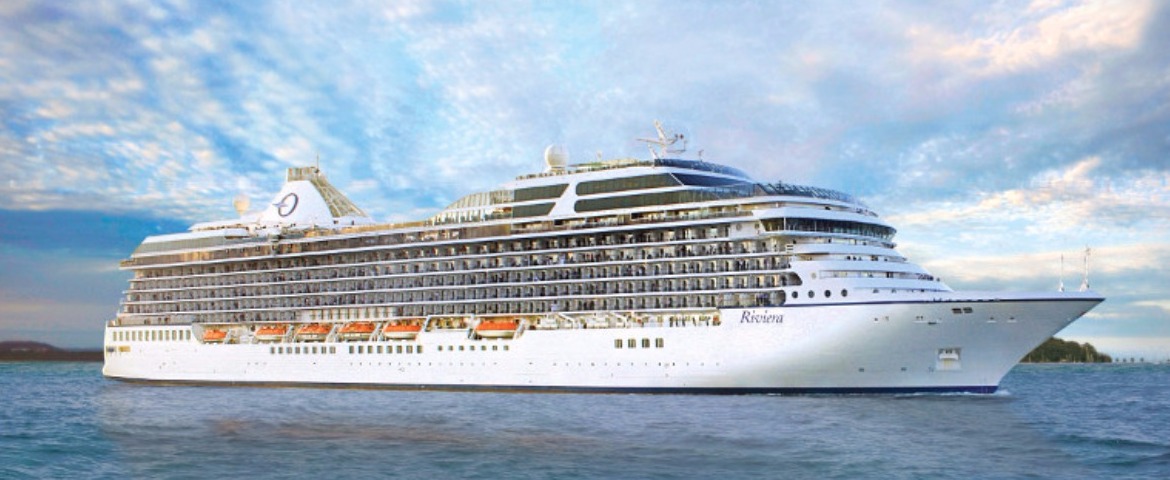
Oceania Riviera
11 Cruises
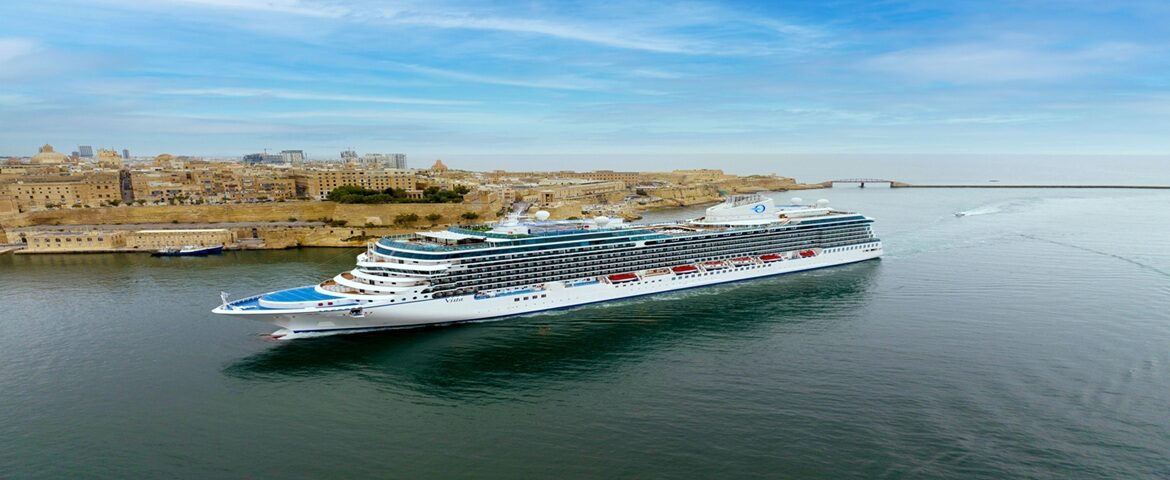
Oceania Vista
5 Cruises
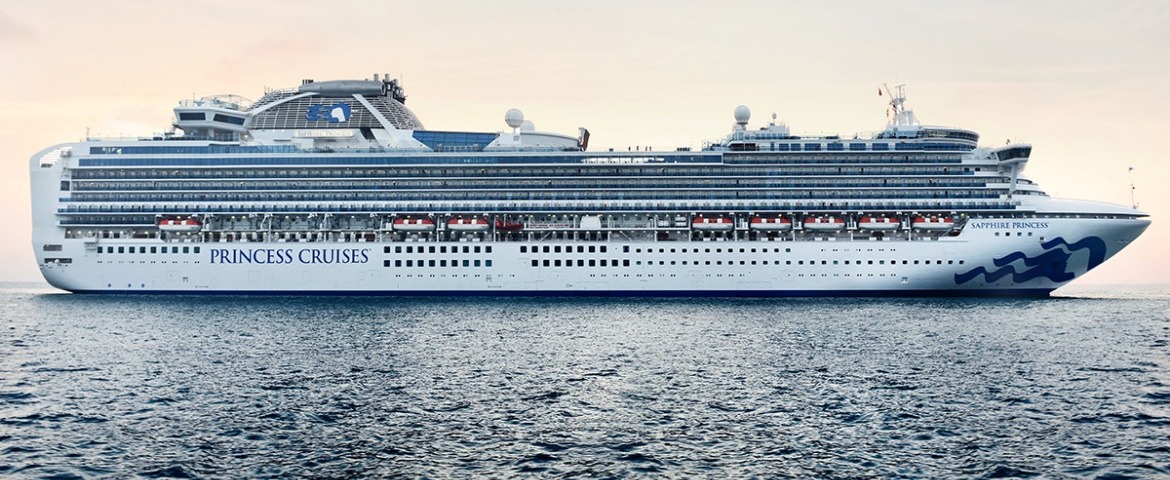
Princess Cruises (51 Cruises)
Coral Princess
8 Cruises



Grand Princess
35 Cruises

| 20 January | 13 days | Round-trip from Brisbane, Australia |
450-628-6241
Call us
|
| 20 January | 12 days | Round-trip Australia Grand Princess Brisbane |
450-628-6241
Call us
|
| 19 January | 13 days | Round-trip from Brisbane, Australia |
450-628-6241
Call us
|
| 19 January | 12 days | Round-trip Australia Grand Princess Brisbane |
450-628-6241
Call us
|
| 28 February | 31 days | One-way from Brisbane to Sydney |
450-628-6241
Call us
|
| 28 February | 32 days | One-way from Brisbane to Sydney |
450-628-6241
Call us
|

Regent Seven Seas Cruises (13 Cruises)
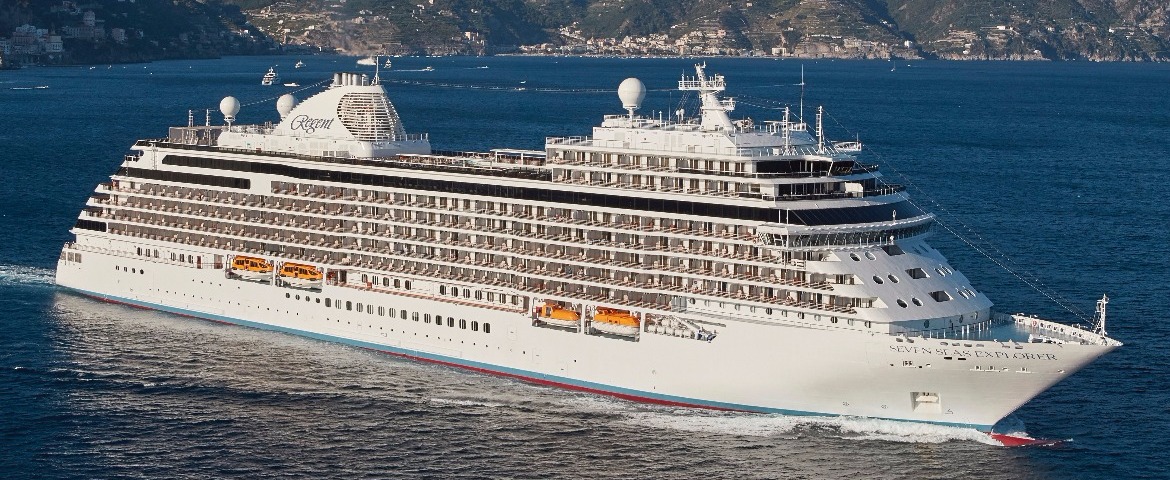


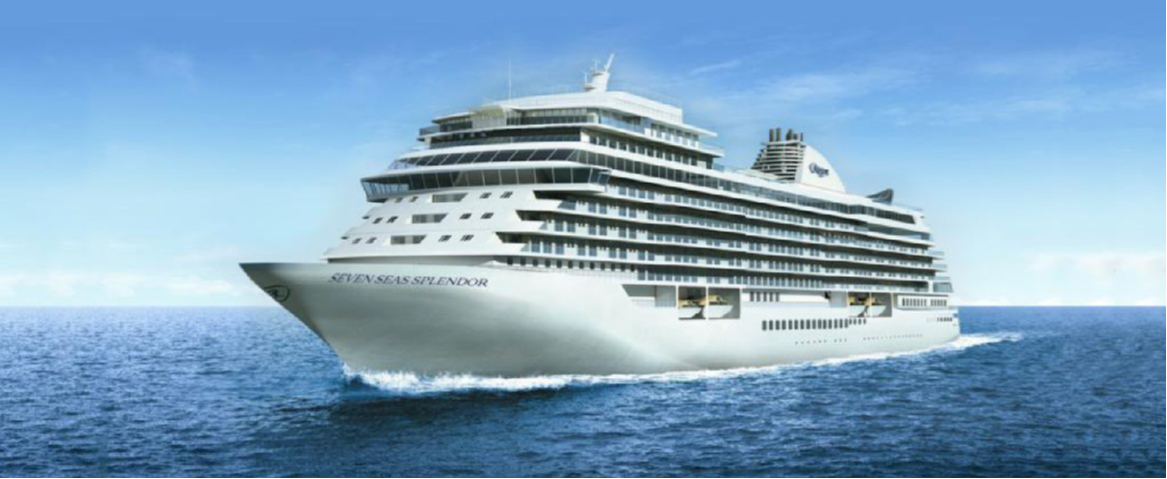
Seven Seas Splendor
6 Cruises
| 6 January | 133 days | Round-trip from San Francisco, USA |
450-628-6241
Call us
|
| 6 January | 140 days | One-way from San Francisco to Vancouver |
450-628-6241
Call us
|
Seabourn Cruise Line (12 Cruises)
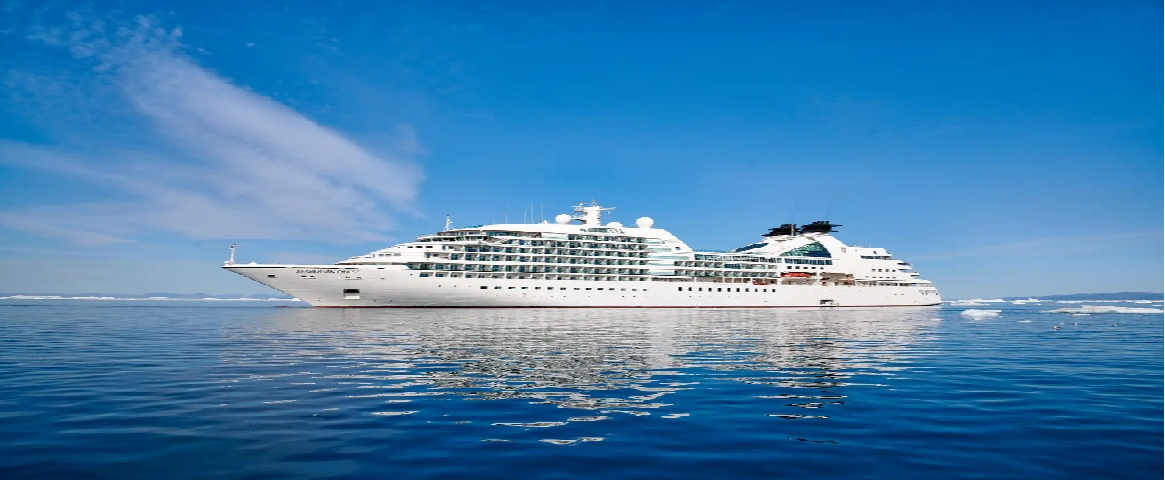
Seabourn Quest
12 Cruises

Silversea Cruises (14 Cruises)
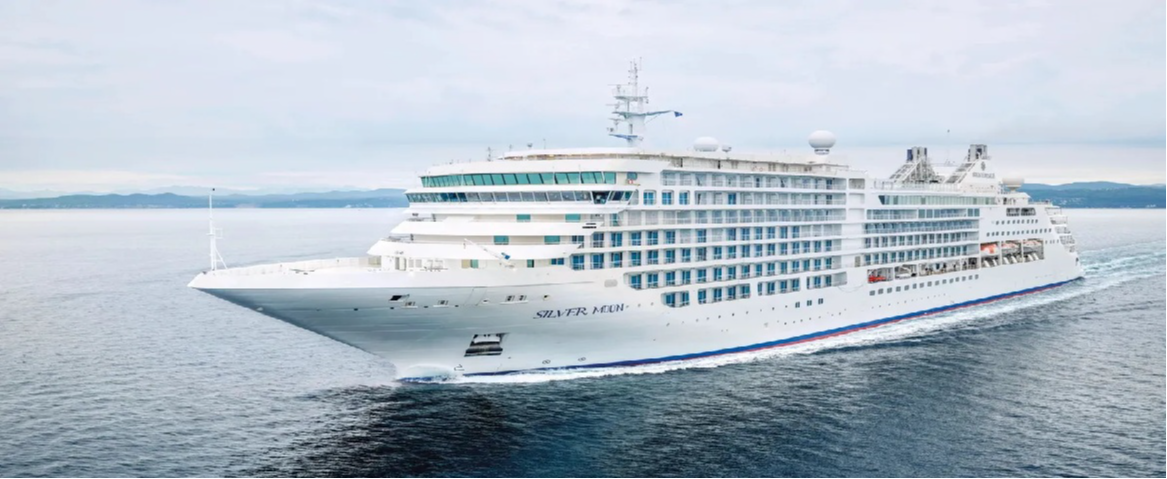
Silver Moon
11 Cruises

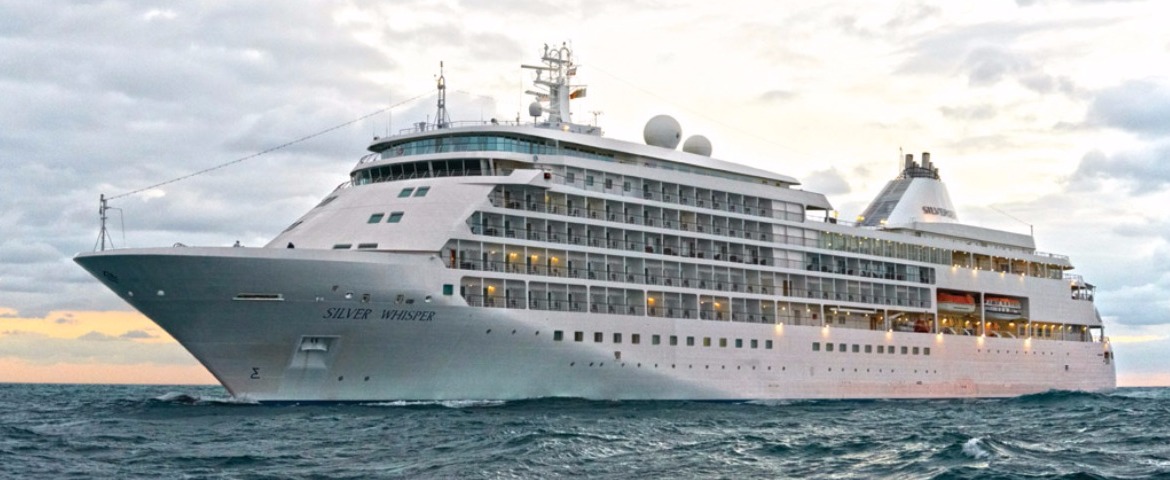
Viking Ocean Cruises (51 Cruises)
Viking Orion
23 Cruises


| 21 September | 92 days | One-way from Vancouver to Auckland |
450-628-6241
Call us
|
| 21 September | 93 days | One-way from Vancouver to Auckland |
450-628-6241
Call us
|
Viking Venus
28 Cruises

| 4 January | 13 days | One-way from Auckland to Sydney |
450-628-6241
Call us
|
| 18 January | 13 days | One-way from Sydney to Auckland |
450-628-6241
Call us
|
| 1 February | 13 days | One-way from Auckland to Sydney |
450-628-6241
Call us
|
| 15 February | 13 days | One-way from Sydney to Auckland |
450-628-6241
Call us
|
| 7 September | 93 days | One-way from Vancouver to Auckland |
450-628-6241
Call us
|
| 7 September | 92 days | One-way from Vancouver to Auckland |
450-628-6241
Call us
|
| 7 January | 13 days | One-way from Auckland to Sydney |
450-628-6241
Call us
|
| 21 January | 13 days | One-way from Sydney to Auckland |
450-628-6241
Call us
|

Port of Melbourne, Australia | Cruise Port Guide
Frequently Asked Questions
At Station Pier in Port Melbourne, on Port Phillip Bay. The pier has received travellers since 1854: gold seekers, soldiers, then hundreds of thousands of post-war migrants who first set foot in Australia here.
A few hundred metres on foot brings you to the Beacon Cove stop, where the number 109 tram runs into the city in about twenty minutes. Taxis and chauffeured cars round out the options.
In the heart of the central business district, yes: that area is a free tram zone, which simplifies a day of exploring. The ride in from Station Pier itself is not free.
The city's real heart, tucked between the grand streets laid out in the 19th century: Hosier Lane with walls that change as street artists work, the Victorian glass of Block Arcade and Royal Arcade, Degraves Street with its tightly packed cafés, Centre Place where lunch is eaten standing. No official route links them: you get lost, and that's the point.
The 109 tram into town, the laneways around Flinders Street, Federation Square and the National Gallery of Victoria, then the Queen Victoria Market. That's already a full plate: Melbourne is savoured, not swallowed.
Museums and cafés in angular architecture that still divides opinion — Melburnians love arguing about it. Opposite stands Flinders Street Station, its yellow domed facade the emblem of the city. Nearby, the National Gallery of Victoria, the country's oldest public art museum, deserves an hour if only for its great stained-glass ceiling.
An institution trading since the late 19th century, where cheesemongers, fishmongers and greengrocers keep the market-hall spirit alive under long glass roofs. It makes a formidable picnic — Australian cheeses, jam doughnuts famous across the city — best eaten on the banks of the Yarra.
The Royal Botanic Gardens, across the Yarra and minutes from the noise: lawns, lakes and avenues of eucalypts, with cockatoos putting on a show without being asked. The waterside paths make a welcome pause.
Cooking shaped by waves of Greek, Italian, Vietnamese and Chinese migration, which long ago stopped needing comparisons. And coffee: the baristas of Degraves Street take espresso seriously, and riding a tram counts as a local pleasure of the same order.
Australian dollars and English. Cards and contactless payment work everywhere, from the trams to the Queen Victoria Market stalls.


