Nha Trang Vietnam

160 Cruises availables At departure or passage at this port

Costa Cruises (26 Cruises)

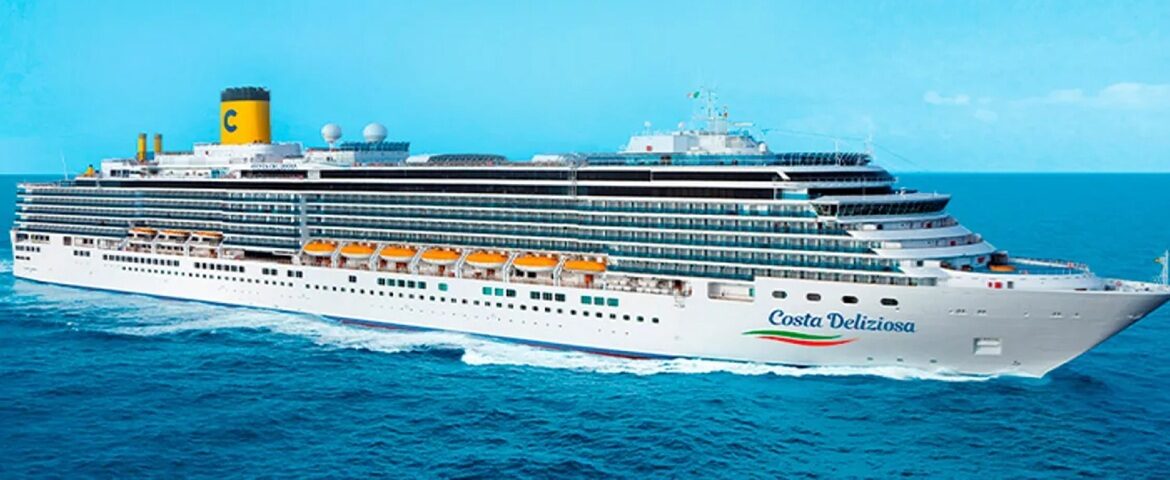
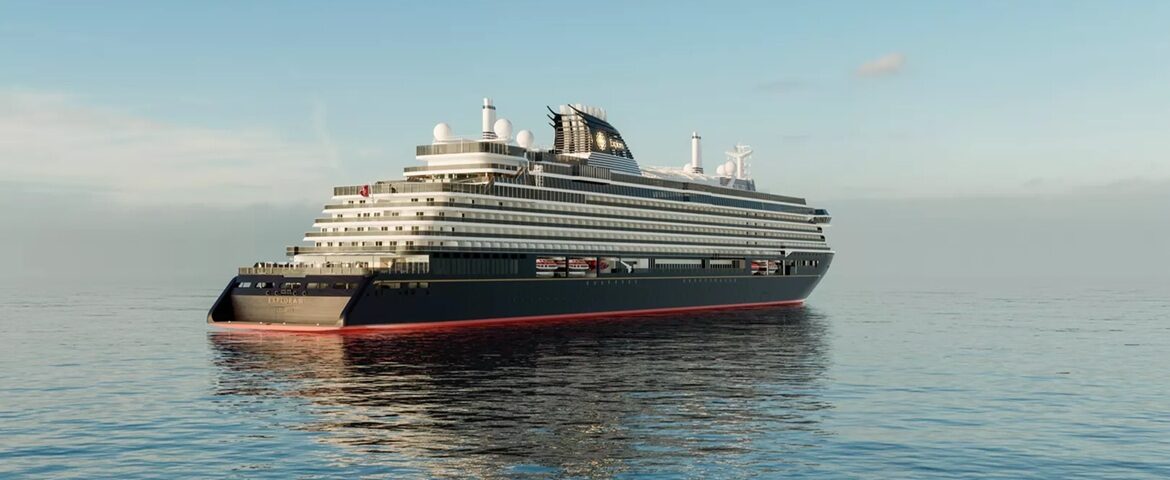
Costa Deliziosa.

Costa Deliziosa

2826 Passengers
92 tons
Visit the ship's page

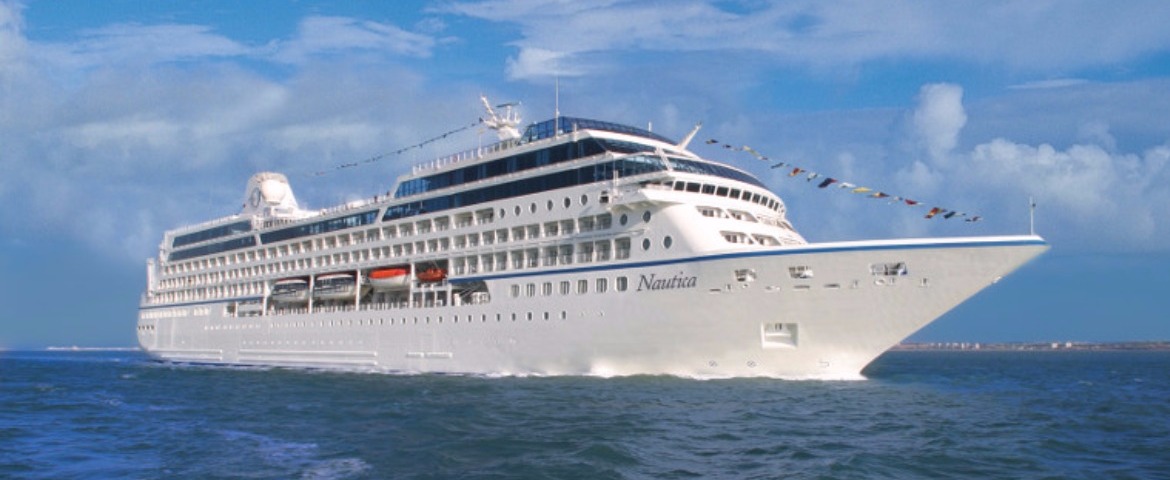
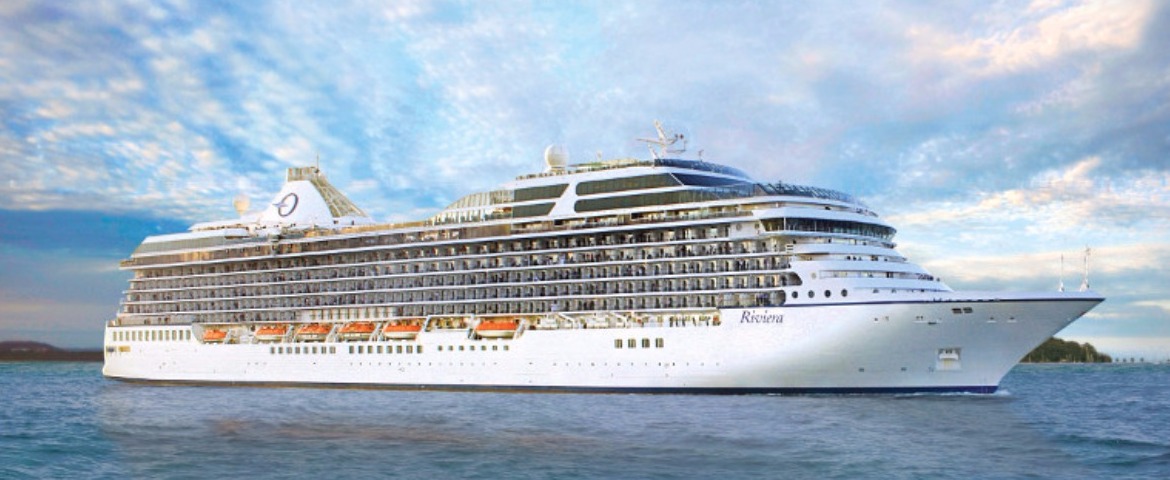
Oceania Cruises (36 Cruises)

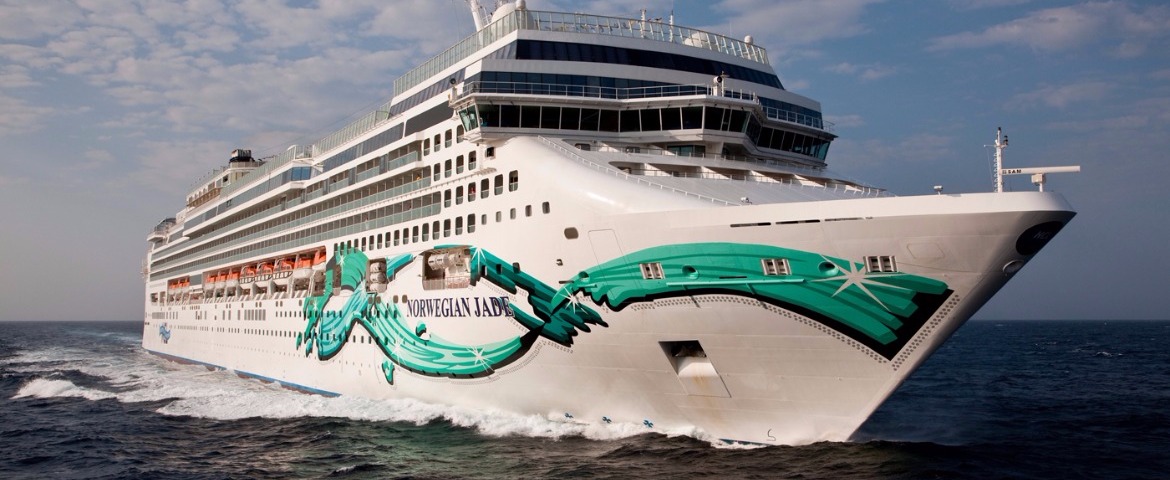
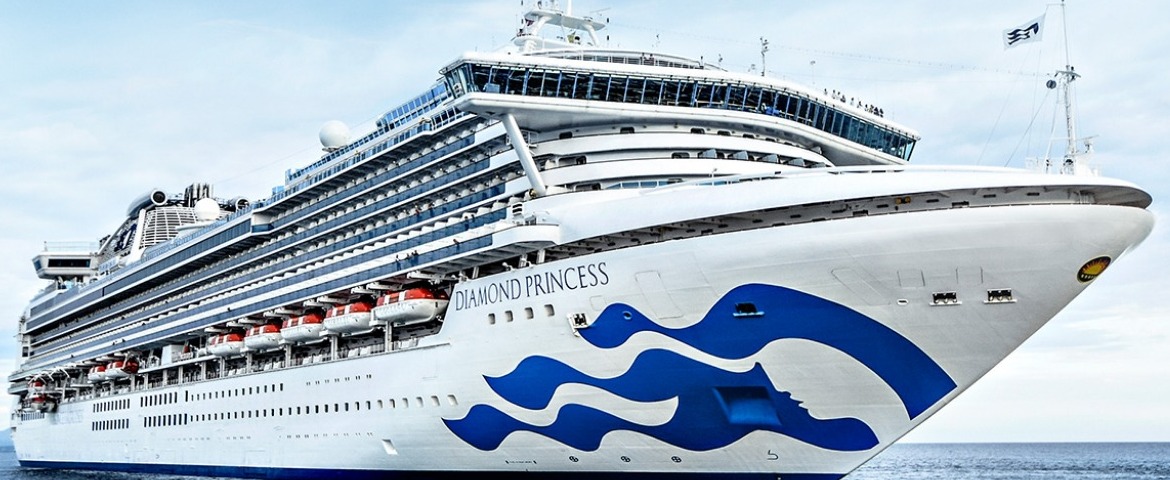
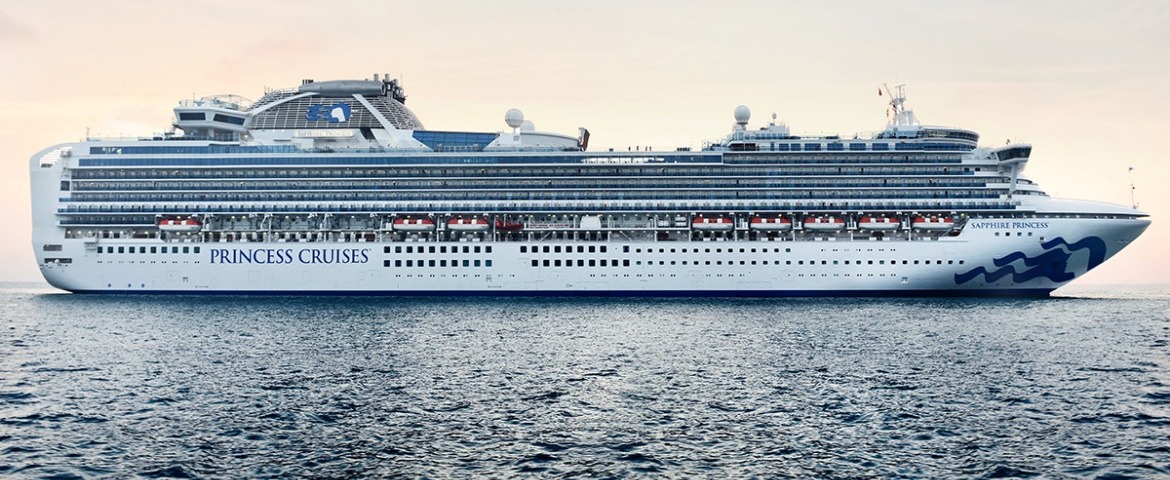
Princess Cruises (35 Cruises)

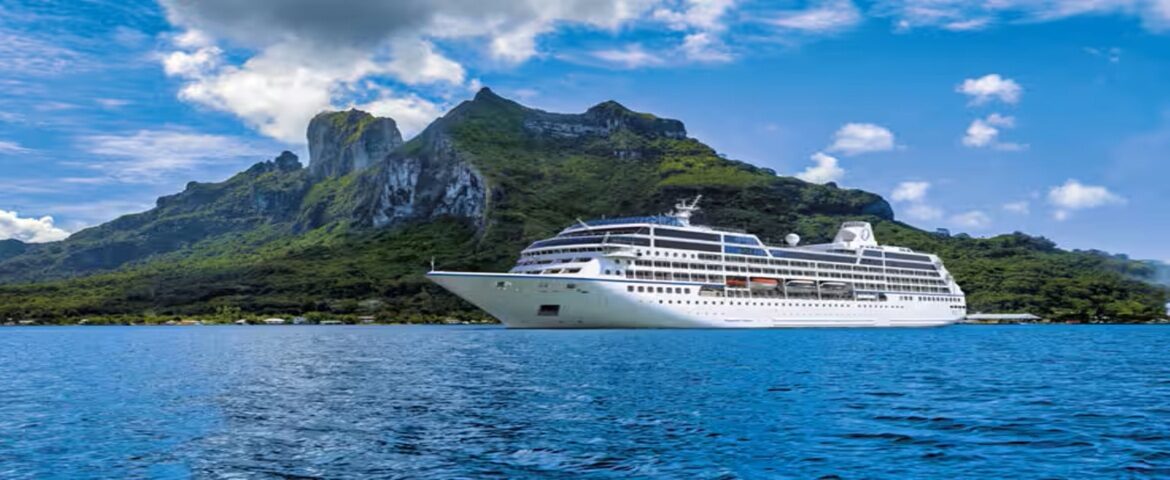
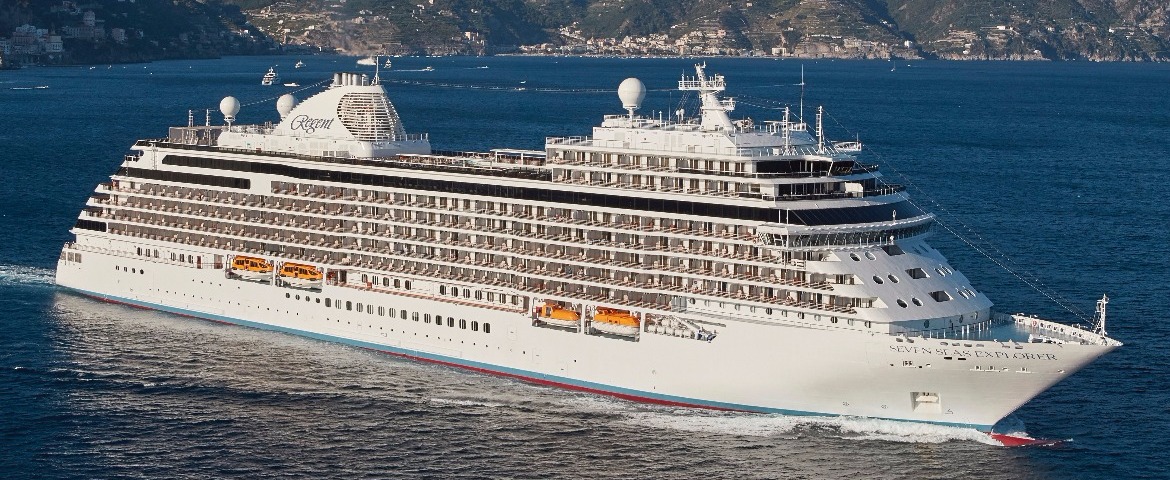
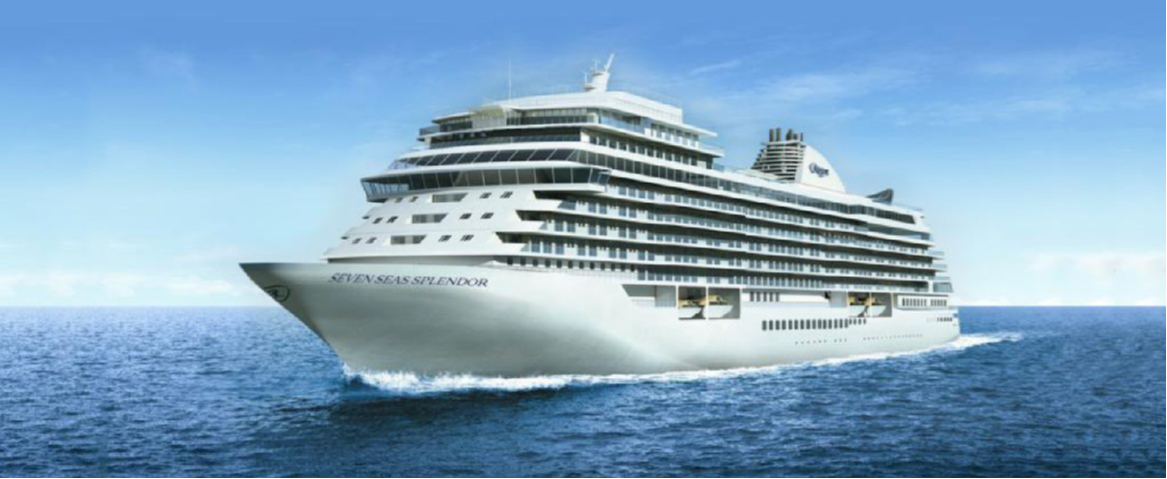
Regent Seven Seas Cruises (18 Cruises)

Port of Nha Trang, Vietnam | Cruise Port Guide

Six kilometres of pale sand, a palm-lined promenade and islands resting on turquoise water: Nha Trang's bay has plenty to surprise those who reduce Vietnam to its rice paddies and museum cities. The favourite seaside resort of the Vietnamese themselves, the city in Khanh Hoa province blends a thousand-year-old Cham culture, hillside pagodas and an uninhibited seaside joie de vivre. Ships dock at the Cau Da terminal, in the south of the bay, about six kilometres from the centre; some anchor offshore and tender their passengers ashore. Shuttles and taxis make the trip in about fifteen minutes.

Tran Phu, the seafront promenade

Tran Phu Boulevard follows the entire curve of the shoreline and sets the tone for the port call. On the land side, hotels and cafés; on the sea side, a continuous strip of sand where families picnic in the shade of casuarinas and street vendors offer green mangoes and shrimp fritters. Early in the morning, the beach belongs to the locals: tai chi, volleyball games and a swim before the heat. A one-hour stroll is enough to grasp the Vietnamese art of seaside living, livelier and more family-oriented than contemplative.

Po Nagar, the legacy of the Cham kingdom

On a hill overlooking the mouth of the Cai River, the Po Nagar towers recall that this coast was, long before present-day Vietnam, the territory of the Kingdom of Champa. Built of red brick between the 7th and 13th centuries and dedicated to the goddess Yan Po Nagar, four towers remain, carved with dancing deities. Incense still burns there: the sanctuary remains a living place of worship, frequented by worshippers from both communities. From the forecourt, the view plunges onto the blue fishing boats crowded on the river, one of the most photogenic images of the city.

Long Son and its white Buddha

Another hill, another spirituality: Long Son Pagoda, founded at the end of the 19th century, watches over the centre from its staircase of about 150 steps. At the top, a large white Buddha seated on a lotus, visible from afar, offers one of the best panoramas over the rooftops and the bay. In the gardens, mosaic dragons and bonsai accompany the climb; the monks let visitors wander freely, in an atmosphere surprisingly peaceful just steps from the urban bustle.

The underwater world

Near the terminal, the Oceanographic Institute, founded in the colonial era, lines up tanks and collections in an ochre building; the visit is especially popular with families. Another typical experience is the mud baths at the Thap Ba hot springs, a few kilometres from the Po Nagar sanctuary: warm pools, mineral mud and guaranteed bursts of laughter, a relaxation tradition locals have practised for generations. Excursions to the islands of the bay complete the picture: Hon Mun and its coral reefs for snorkelling, or a junk outing among the islets. The warm, clear water makes the bay one of the most accessible marine playgrounds in the country.

A last hour at the market

If you have an hour left, Dam Market and its packed aisles provide one final local immersion: dried fish, dragon fruit, conical hats and coffee from the highlands. Then the ship casts off and the bay parades by one last time, Cham bricks on one side, beach on the other. Nha Trang leaves a twofold memory: a vanished kingdom perched on its red bricks, and a very lively seaside resort dancing at the foot of the towers.

Frequently Asked Questions

At the Cau Da terminal, at the south end of the bay, about six kilometres from the centre. Some ships anchor offshore and tender passengers in. Shuttles and taxis cover the distance in about fifteen minutes.
No. Six kilometres separate the terminal from the centre, under a sun that discourages quickly. A shuttle or taxi settles it in about fifteen minutes.
The Po Nagar Cham towers and the Long Son pagoda combine well, with a break on the Tran Phu promenade. Excursions to the bay's islands take longer and are best kept for extended calls.
Four red brick towers raised between the 7th and 13th centuries by the kingdom of Champa, dedicated to the goddess Yan Po Nagar. Incense still burns there: the sanctuary remains a living place of worship, and the view drops onto the blue fishing boats on the Cai river.
Yes, and it is the town's whole reason for being: six kilometres of pale sand along Tran Phu boulevard, with a continuous strip where families picnic in the shade of casuarina trees. Early in the morning, the beach belongs to locals.
You climb about 150 steps to reach the large white Buddha seated on a lotus. Mosaic dragons and bonsai line the way up, but the effort is real in strong heat.
The Oceanographic Institute, founded in the colonial era near the terminal, particularly appeals to families with its tanks and collections. The beach and the Thap Ba mud baths easily round out the day.
Warm pools with mineral mud, a few kilometres from the Po Nagar sanctuary. It is a relaxation tradition locals have practised for generations, and the laughter comes with the package.
Yes. Hon Mun island and its coral gardens are the go-to outing, and the warm, clear water makes the bay one of the most accessible marine playgrounds in the country.
The Vietnamese dong and Vietnamese. Dam market, with its dried fish, dragon fruit and highland coffee, is negotiated in small notes.