Hilo Hawaii Island
272
Cruises availables
At departure or passage at this port
Carnival Cruise Line (18 Cruises)
Carnival Legend
10 Cruises





Costa Cruises (28 Cruises)
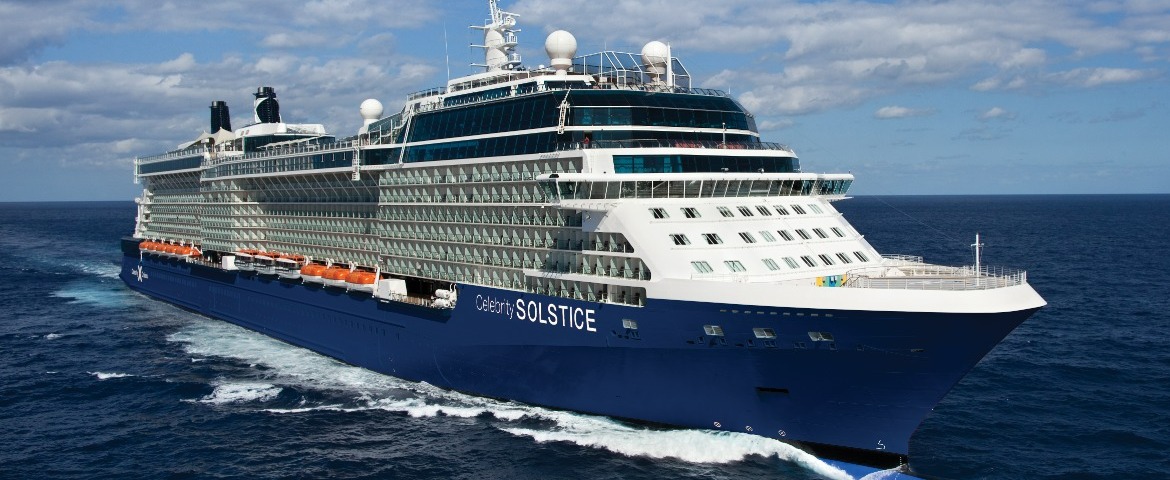
Costa Deliziosa
28 Cruises

Cunard (17 Cruises)
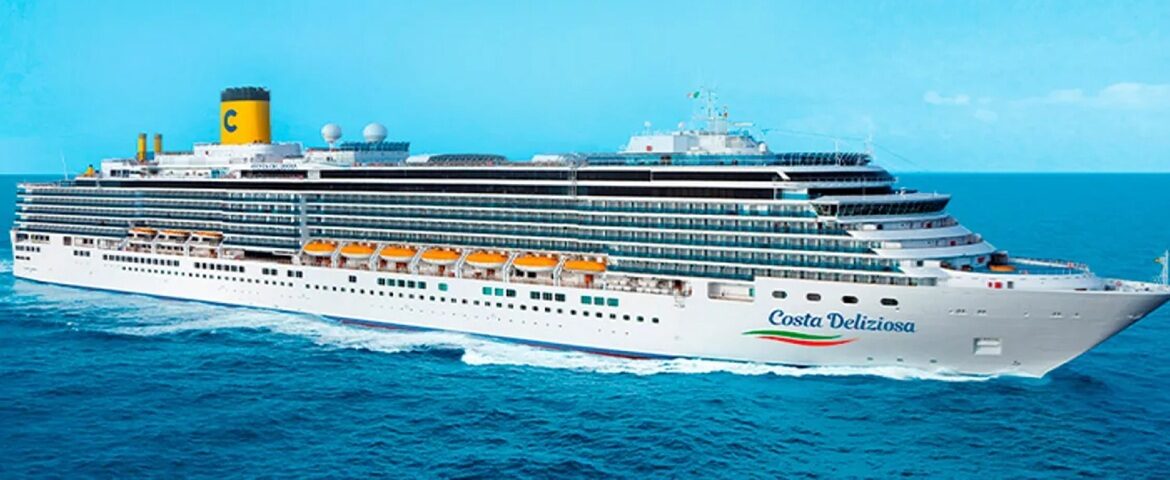
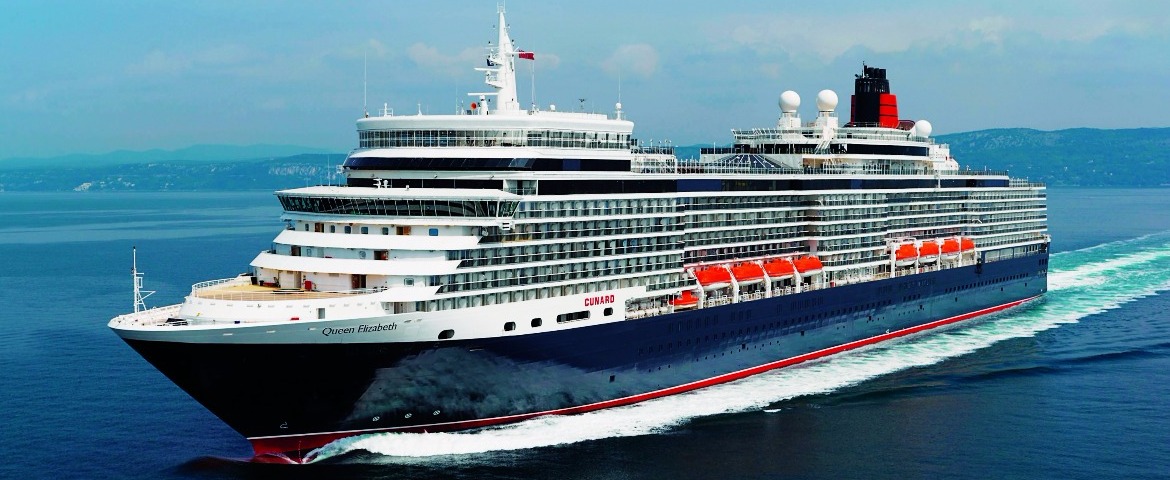
Queen Elizabeth
10 Cruises

| 6 January | 98 days | One-way from Miami to Los Angeles |
450-628-6241
Call us
|
| 18 January | 112 days | Round-trip World Leg Queen Elizabeth Southampton |
450-628-6241
Call us
|
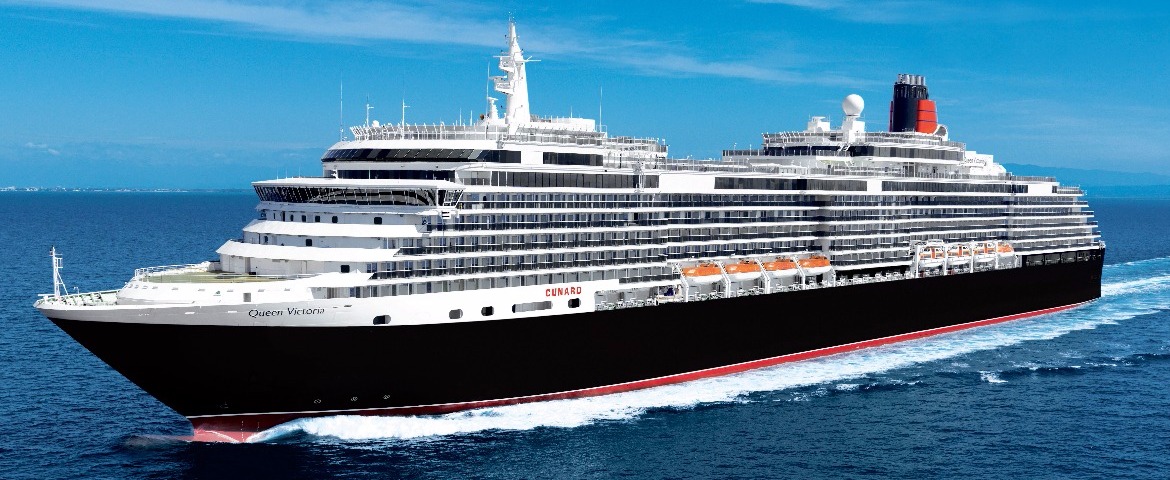
Queen Victoria
7 Cruises
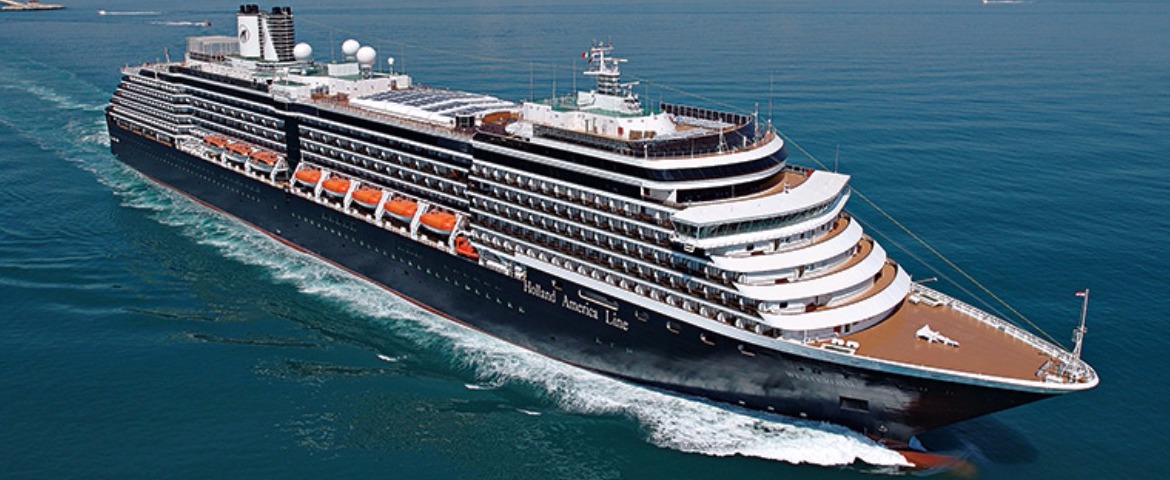
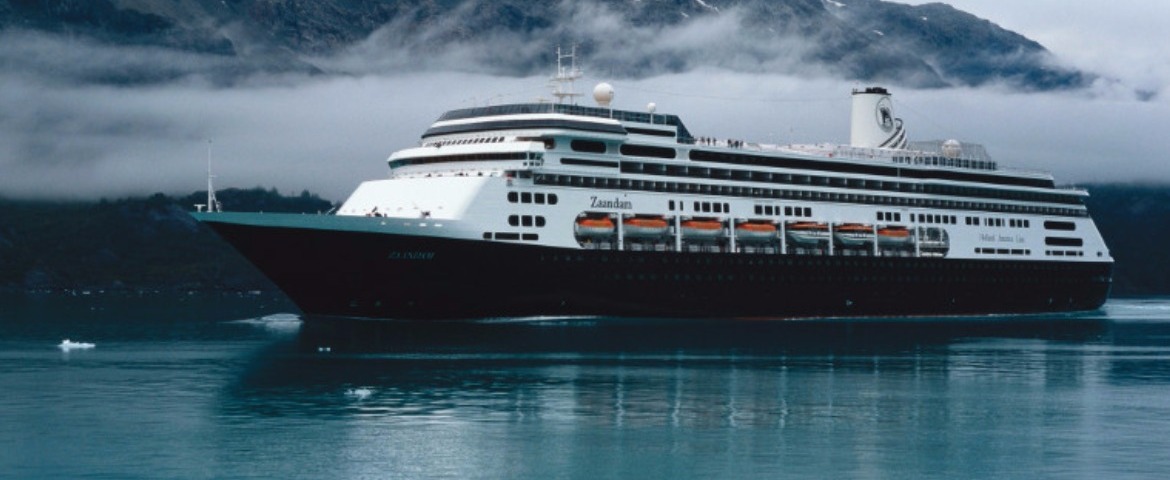
Holland America Line (24 Cruises)
ms Koningsdam
15 Cruises


MSC Cruises (13 Cruises)
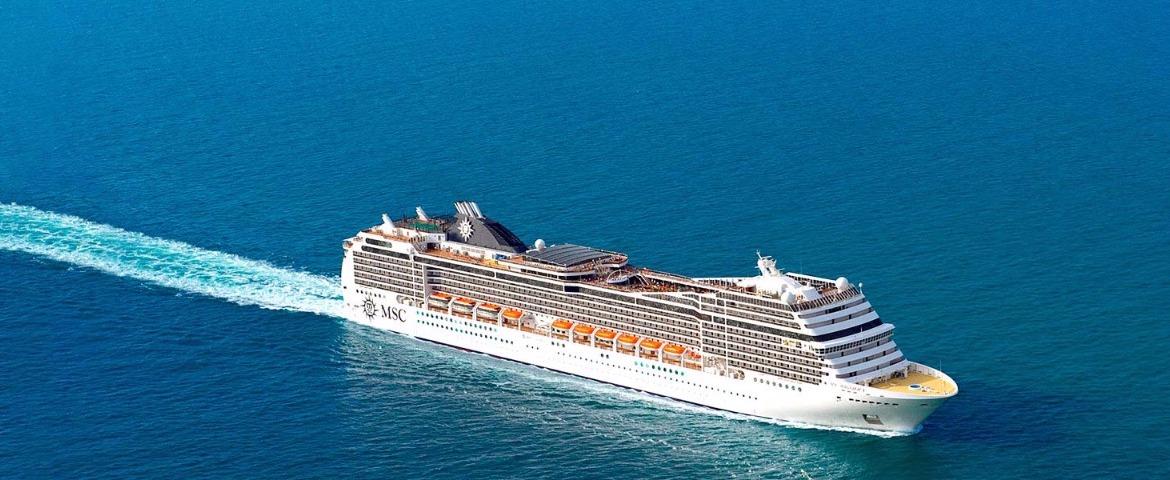
MSC Magnifica
13 Cruises

Norwegian Cruise Line (87 Cruises)
Norwegian Spirit
12 Cruises


| 17 June | 13 days | One-way from Papeete to Honolulu |
From
1163$
|
| 29 June | 11 days | One-way from Honolulu to Papeete |
From
1805$
|
| 30 June | 12 days | One-way from Honolulu to Papeete |
450-628-6241
Call us
|
Pride of America
75 Cruises

| 24 October | 8 days | Round-trip from Honolulu, USA |
From
1009$
|
| 31 October | 8 days | Round-trip from Honolulu, USA |
From
986$
|
Oceania Cruises (8 Cruises)
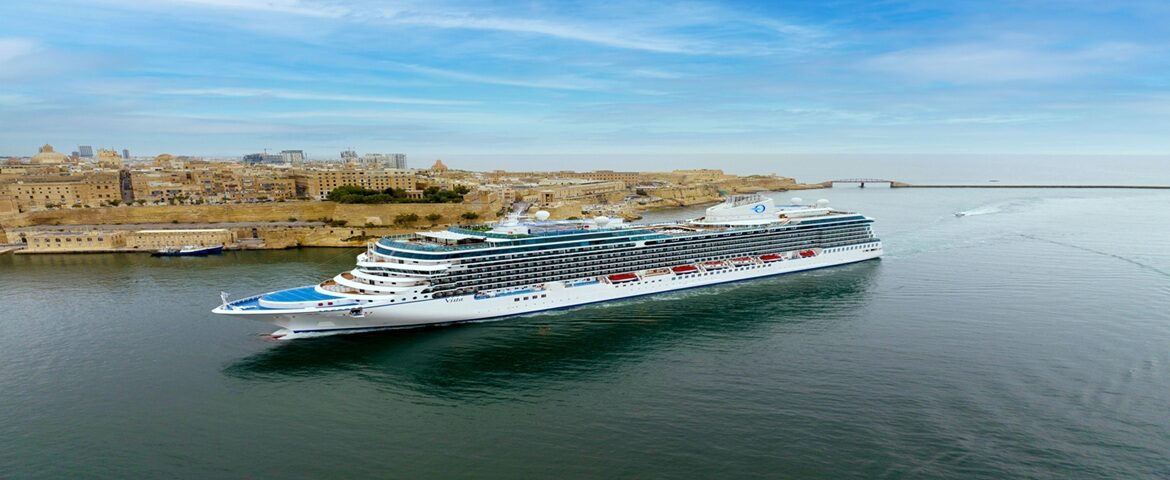
Oceania Vista
8 Cruises

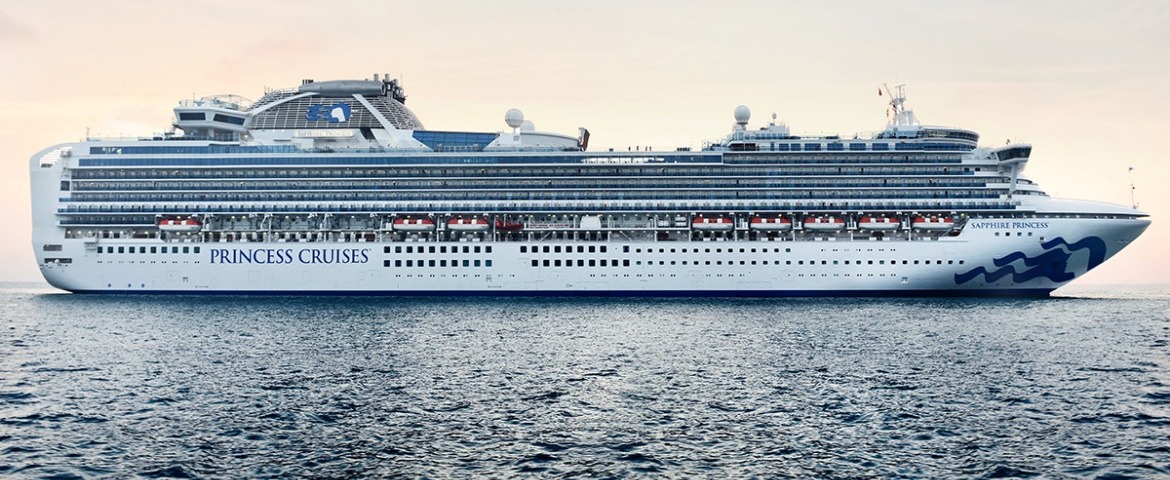
Princess Cruises (49 Cruises)
Coral Princess
10 Cruises


Crown Princess
10 Cruises

| 20 September | 24 days | One-way from Vancouver to Los Angeles |
450-628-6241
Call us
|
| 27 September | 17 days | Round-trip from Los Angeles, USA |
450-628-6241
Call us
|
Emerald Princess
8 Cruises


Ruby Princess
17 Cruises

Regent Seven Seas Cruises (9 Cruises)
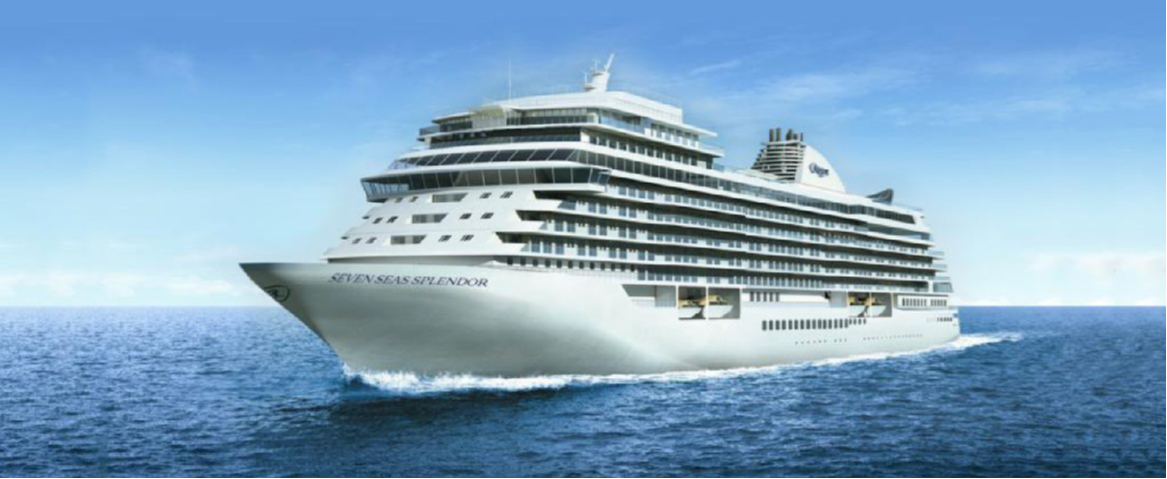
Seven Seas Splendor
9 Cruises

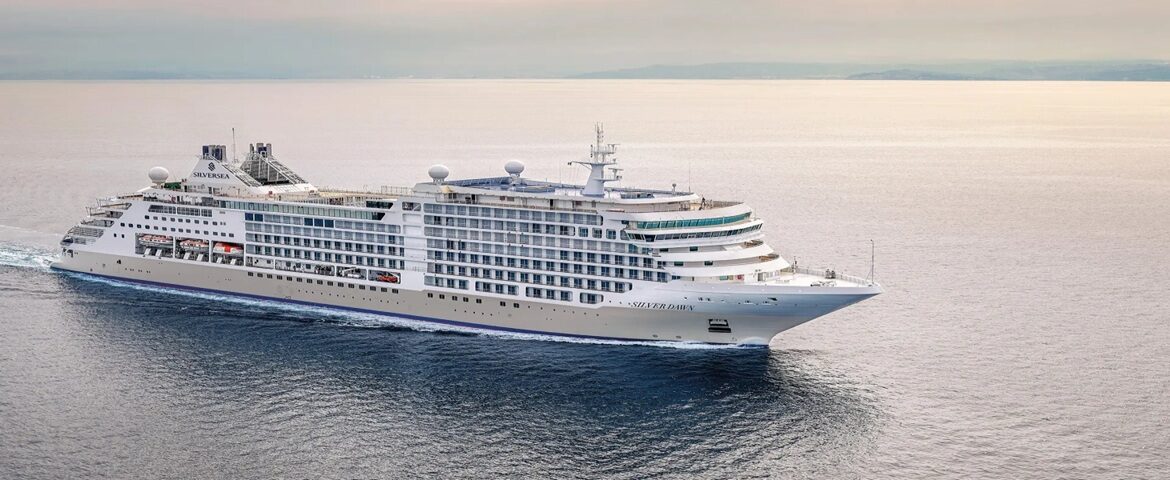
Silversea Cruises (16 Cruises)

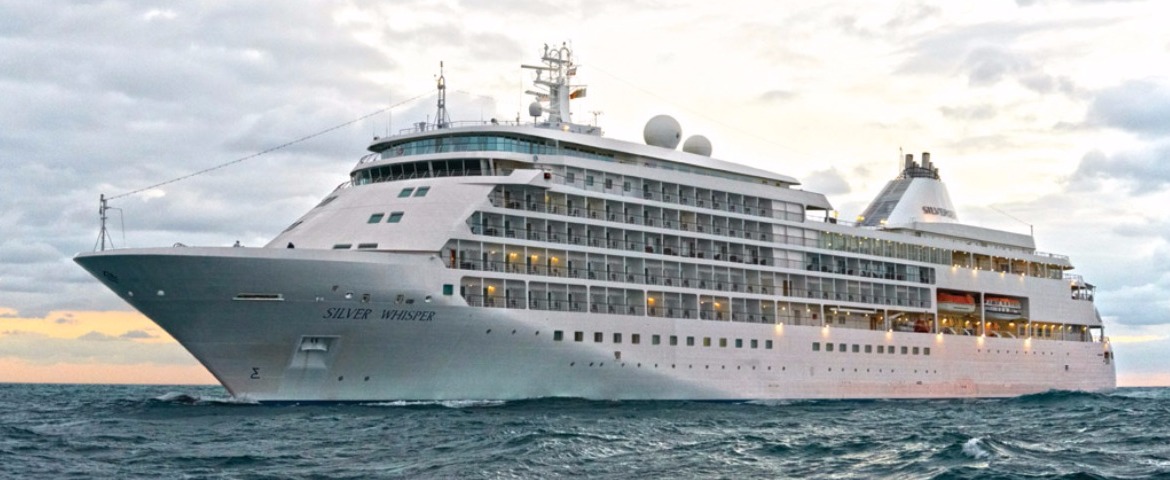
Silver Whisper
14 Cruises

Port of Hilo | Cruise Port Guide
Frequently Asked Questions
At the commercial pier in Hilo Bay, a few kilometres from downtown. A shuttle or taxi is needed: the port is not within walking distance of the shops.
Because the town sits on the windward side of Hawaii Island, where the trade winds release their moisture. Locals mention it without complaining: that water is what gives Hilo its gardens and waterfalls.
Rainbow Falls and Banyan Drive, then the old downtown on foot. If the call runs beyond six hours, Hawaii Volcanoes National Park becomes feasible.
Yes, it is the headline excursion: the park lies about 45 km south of the port, roughly an hour's drive. Allow at least half a day, and check current volcanic activity, which changes what can be seen.
A waterfall on the Wailuku River, about ten minutes' drive from downtown, named for the rainbows that form in the morning when sun strikes the spray. Access is short and easy.
A waterfront avenue lined with giant banyan trees planted in the 1930s by visiting figures, each tree bearing a name. The walk is shaded and sits right beside the bayfront gardens.
The US dollar and English, with Hawaiian present in place names and greetings. Hawaii is a US state: credit cards are accepted everywhere.
Year-round, with a slight preference for April to October, marginally less rainy. Bring a light rain jacket regardless: the showers are brief and warm.
Not really. Hilo is not a beach call: the shore is rocky and the water often cloudy after rain. A few sheltered bays allow swimming, but people come here for nature and volcanoes.
Yes. The waterfalls are easy to reach, the bayfront gardens offer space, and the volcano leaves a lasting impression on young visitors. Bring closed shoes and rain gear.


