Isle of Portland Weymouth, Dorset England
United Kingdom
63
Cruises availables
At departure or passage at this port
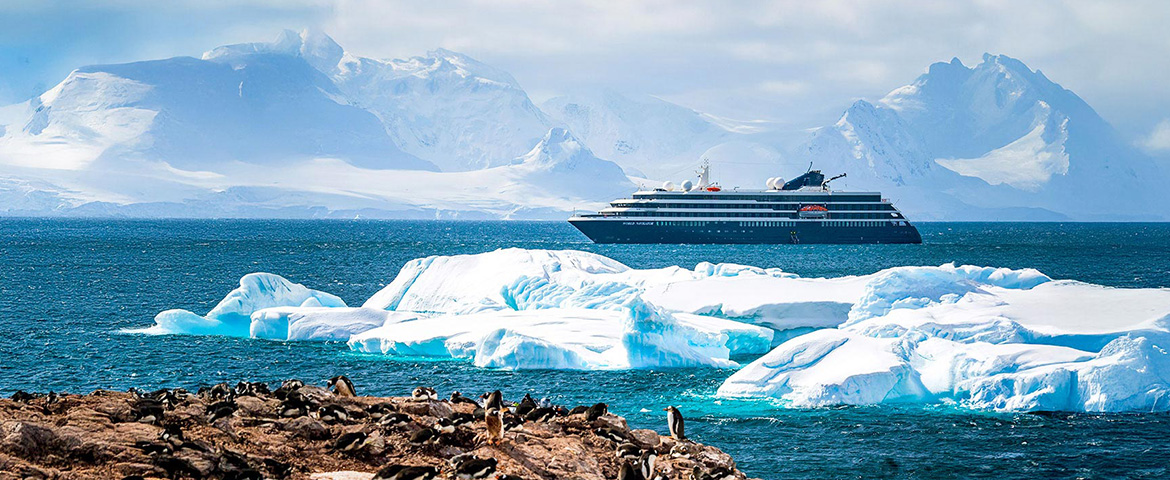
Atlas Ocean Voyages (2 Cruises)

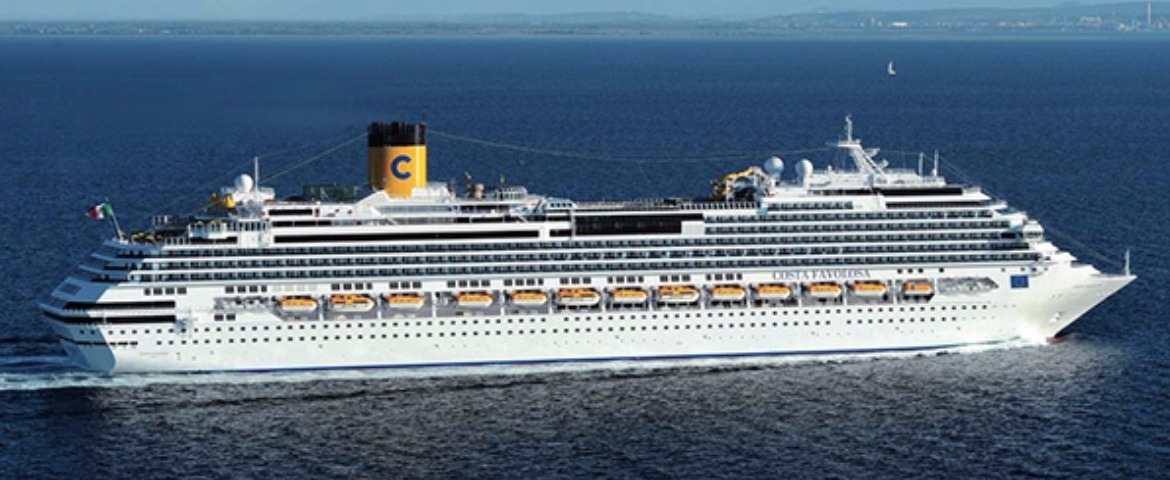
Costa Cruises (2 Cruises)

Disney Cruise Line (1 Cruises)


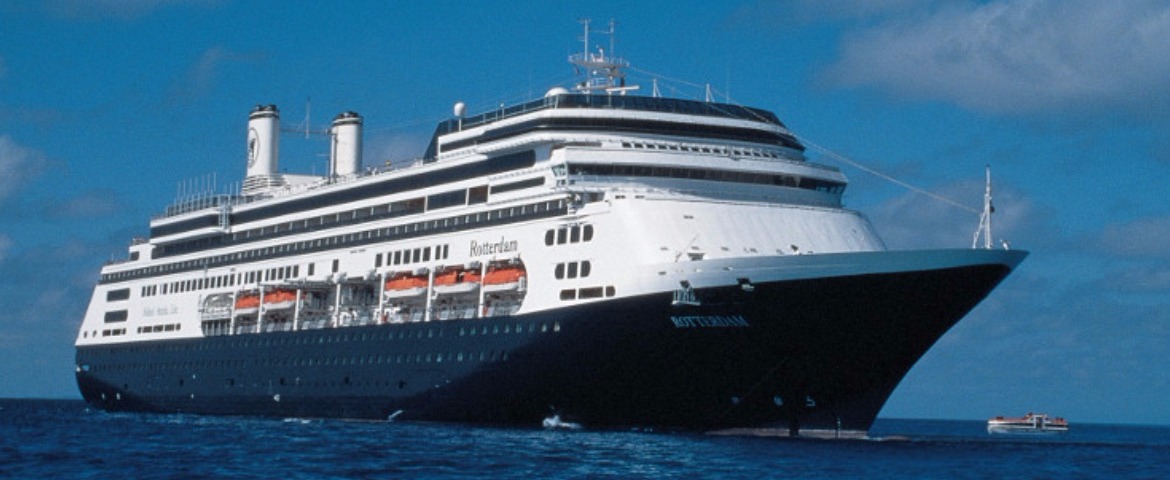
Holland America Line (2 Cruises)

Norwegian Cruise Line (10 Cruises)

Norwegian Star
9 Cruises
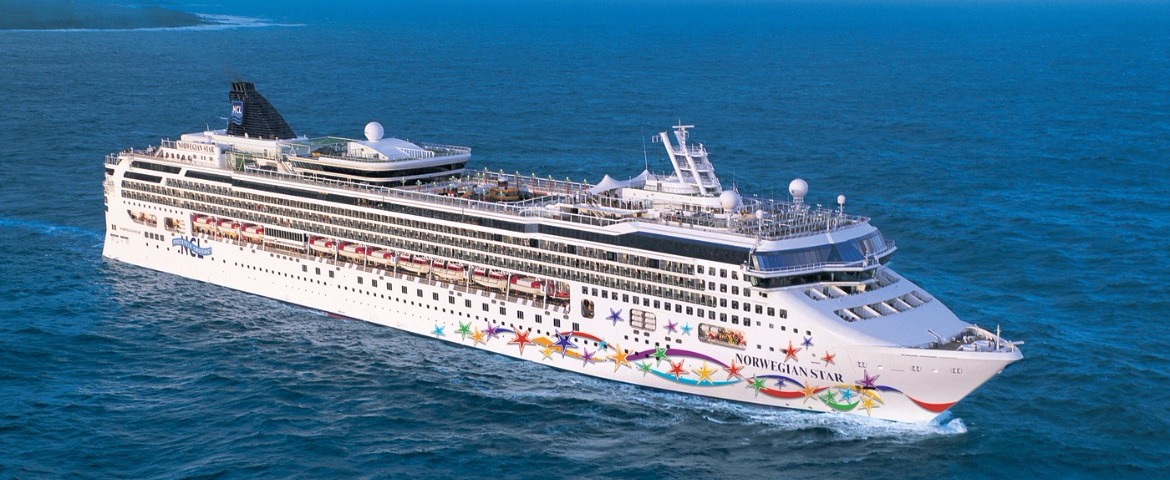
| 24 June | 10 days | Round-trip British Isles Norwegian Star Southampton |
From
1538$
|
| 24 June | 11 days | Round-trip from Southampton, United Kingdom |
450-628-6241
Call us
|

Princess Cruises (18 Cruises)


Majestic Princess
8 Cruises
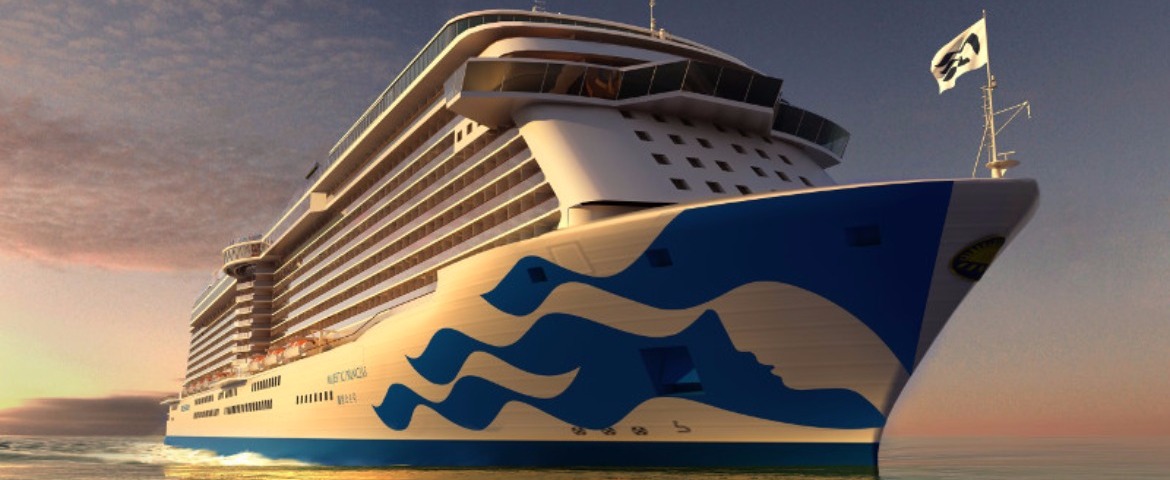
| 1 May | 11 days | Round-trip British Isles Majestic Princess Southampton |
450-628-6241
Call us
|
| 1 May | 12 days | Round-trip from Southampton, United Kingdom |
450-628-6241
Call us
|
Regal Princess
6 Cruises
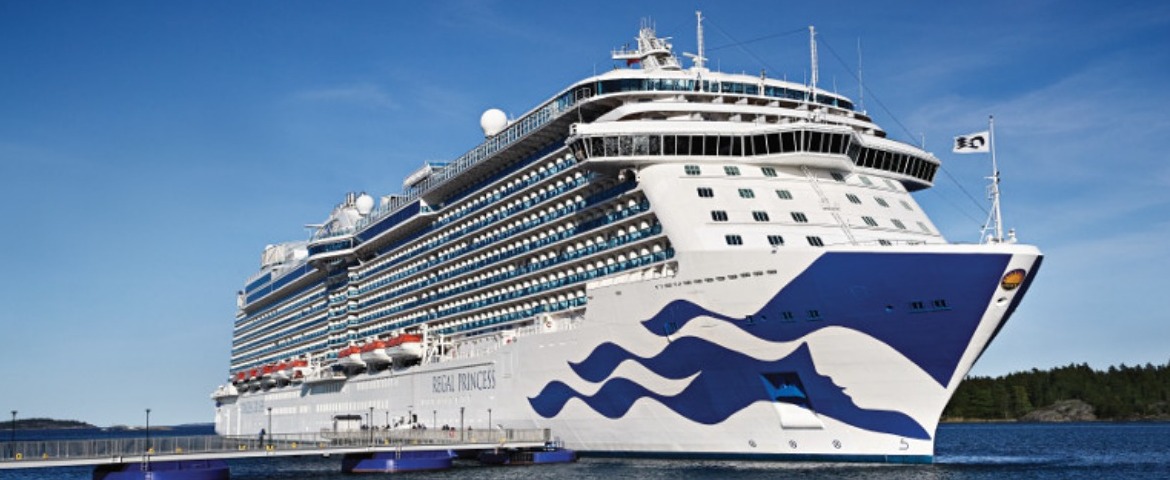
| 25 June | 36 days | Round-trip from Southampton, United Kingdom |
450-628-6241
Call us
|
| 25 June | 35 days | Round-trip British Isles Norway Iceland Regal Princess Southampton |
450-628-6241
Call us
|


Seabourn Cruise Line (2 Cruises)
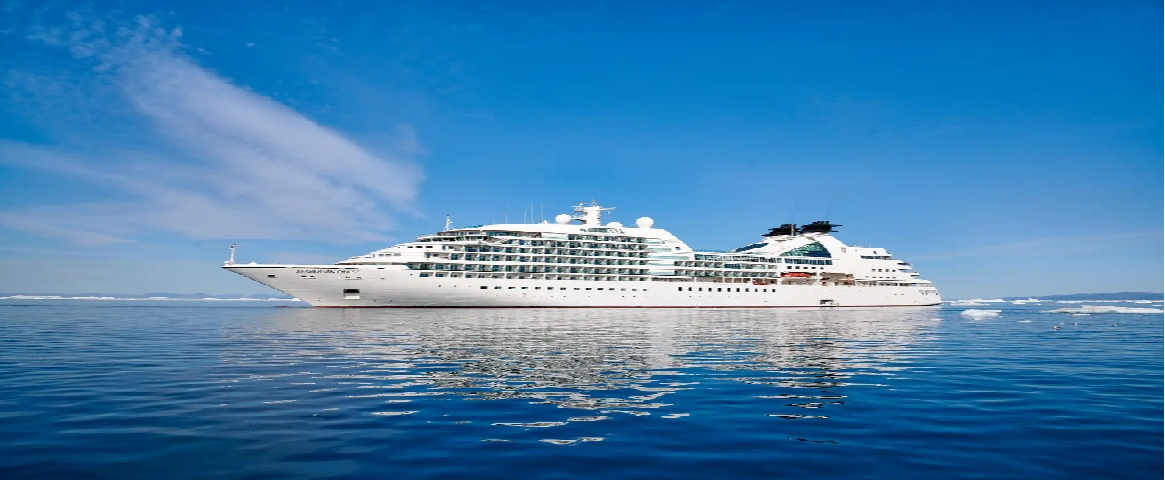

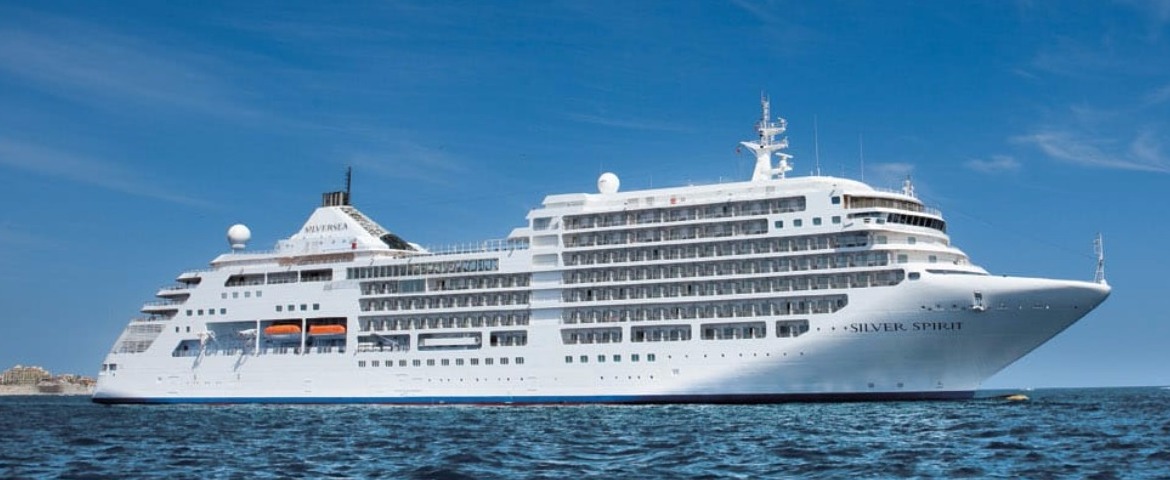
Silversea Cruises (4 Cruises)

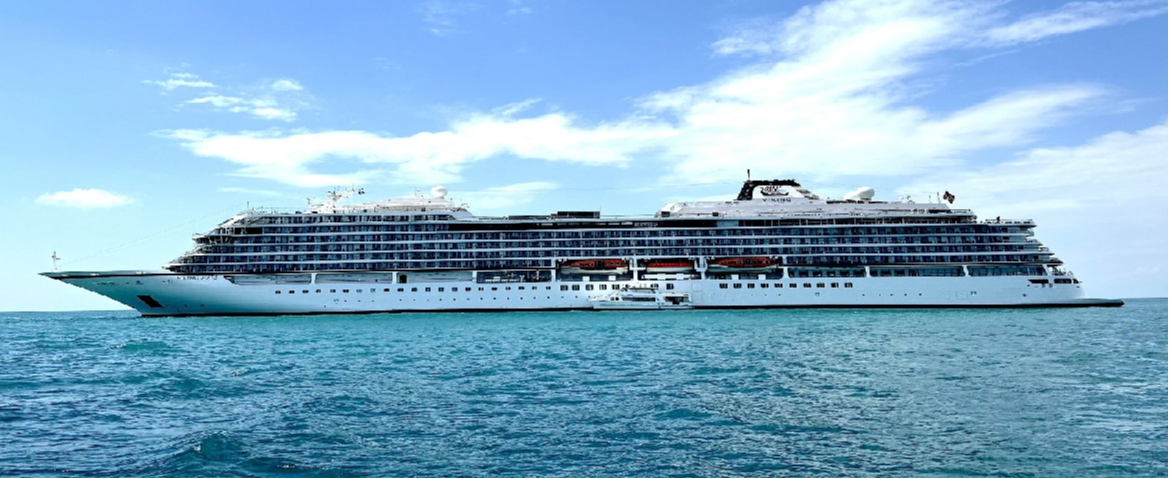
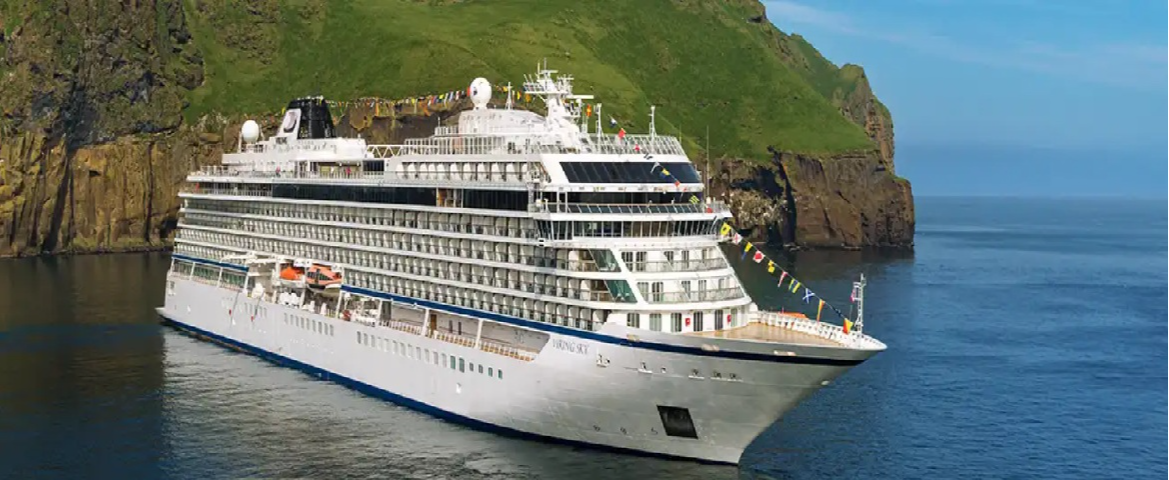
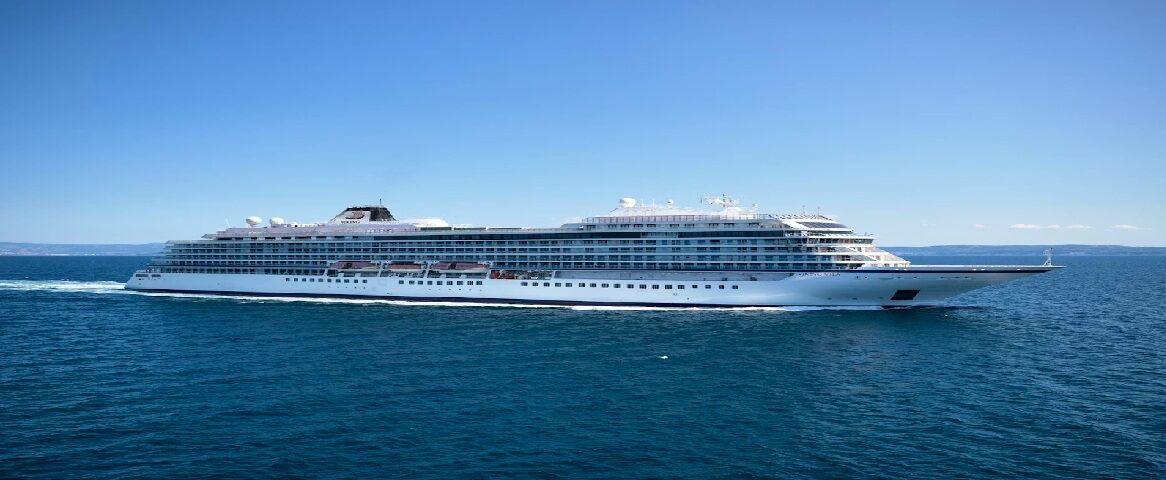
Viking Ocean Cruises (11 Cruises)
Viking Mars
4 Cruises


Port of Portland, England | Cruise Port Guide
Frequently Asked Questions
Alongside, in Portland Harbour, one of the largest artificial deep-water harbours in the world. No tendering is required, which is rare on this coast. The terminal sits inside a working port area, however, so you cannot simply walk out of the gates.
Shuttles normally run from the ship to the port exit and on to Weymouth, the neighbouring seaside town, about fifteen minutes away by road. Local buses and taxis fill the gaps, and distances are short in both directions.
Two directions, depending on your mood. Head south for the stark landscapes of Portland Bill, the lighthouse and the old quarries. Or head north to Weymouth for its sandy beach and old-fashioned seaside atmosphere. Organised excursions push further along the Jurassic Coast.
The island's southern tip, a windswept plateau jutting into the English Channel opposite a current long feared by sailors, the Portland Race. The red-and-white striped lighthouse, in service since 1906, can be visited: 153 steps lead to the lantern and a view along the whole Jurassic Coast.
Because its white limestone built London. After the Great Fire of 1666, Christopher Wren chose it to rebuild the capital, including St Paul's Cathedral. Buckingham Palace and the Bank of England are made of it too. Some quarries are still working today.
Yes, and it is one of the pleasant surprises of the call. At Tout Quarry, a sculpture park occupies the old cuttings: around a hundred works carved directly into the rock by artists, including a figure tipping into the void by Antony Gormley. Access is free.
A 29-kilometre shingle bank running west from the island, separated from the mainland by a brackish lagoon, the Fleet, which shelters swans and migrating birds. The pebbles are graded by the sea: fist-sized at the southern end, pea-sized at the other.
Yes, particularly on the Weymouth side: sandy beach, promenade and classic seaside attractions. On the island itself, the lighthouse and sculpture park appeal to older children, but the cliffs and quarries demand constant supervision with little ones.
Pound sterling and English. Cards are accepted everywhere in Weymouth and on the island. There is no bureau de change at the terminal, so withdraw cash in town if you want it.
May to September. The lighthouse and Jurassic Coast sites are open, Weymouth is in full season and the light on the water is at its best. The wind blows almost constantly on the plateau, so a windproof layer is useful even in July.


