Nukualofa Tongatapu Island Tonga
Tonga
81
Cruises availables
At departure or passage at this port
Carnival Cruise Line (5 Cruises)




Costa Cruises (12 Cruises)
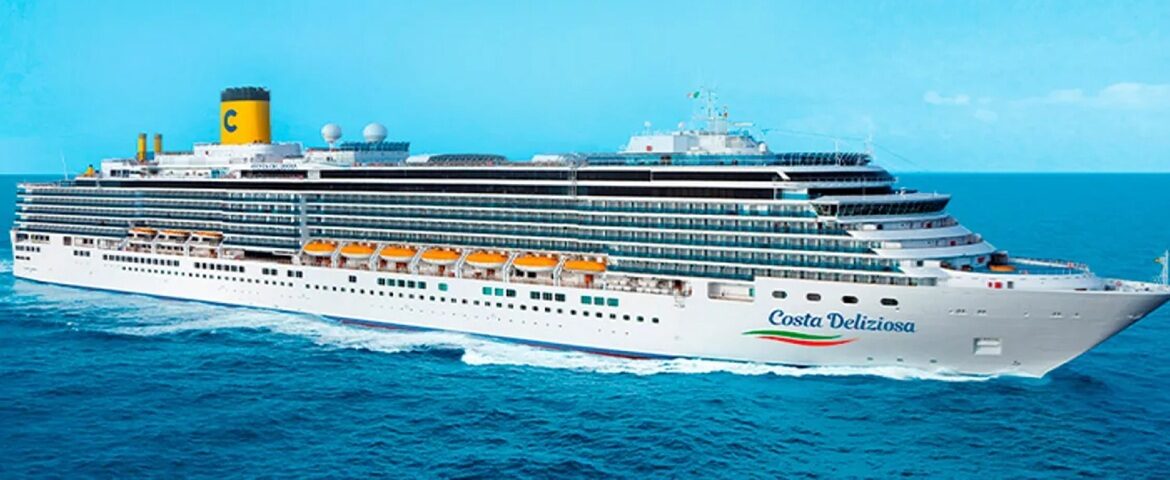
Costa Deliziosa
8 Cruises

Cunard (10 Cruises)
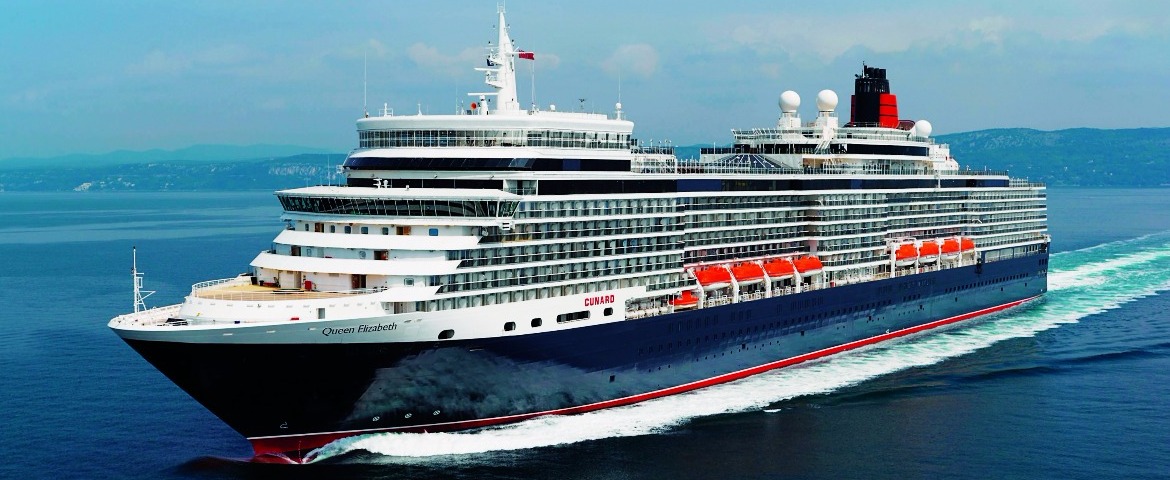
Queen Elizabeth
10 Cruises

| 6 January | 98 days | One-way from Miami to Los Angeles |
450-628-6241
Call us
|
| 18 January | 112 days | Round-trip World Leg Queen Elizabeth Southampton |
450-628-6241
Call us
|
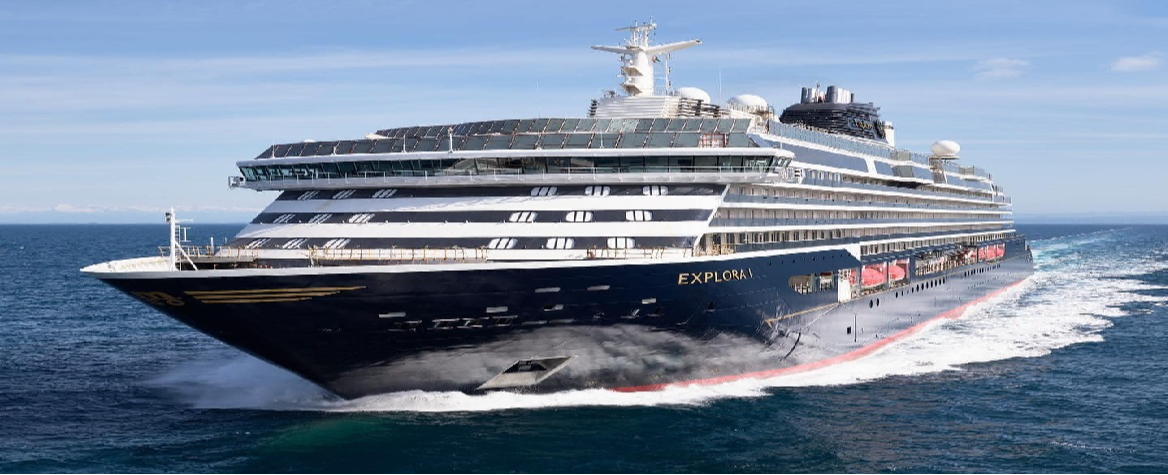
Explora Journeys (3 Cruises)

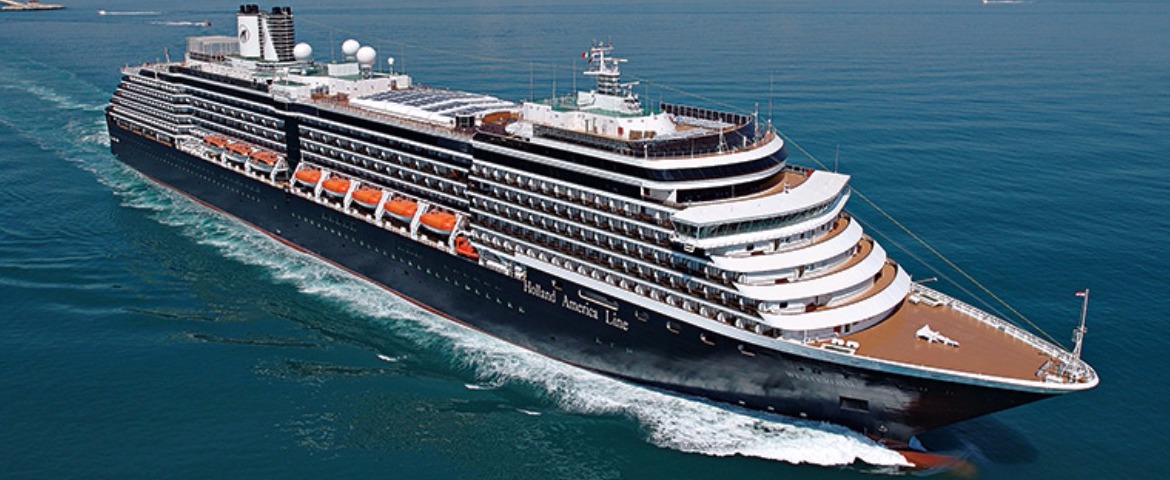
Holland America Line (7 Cruises)

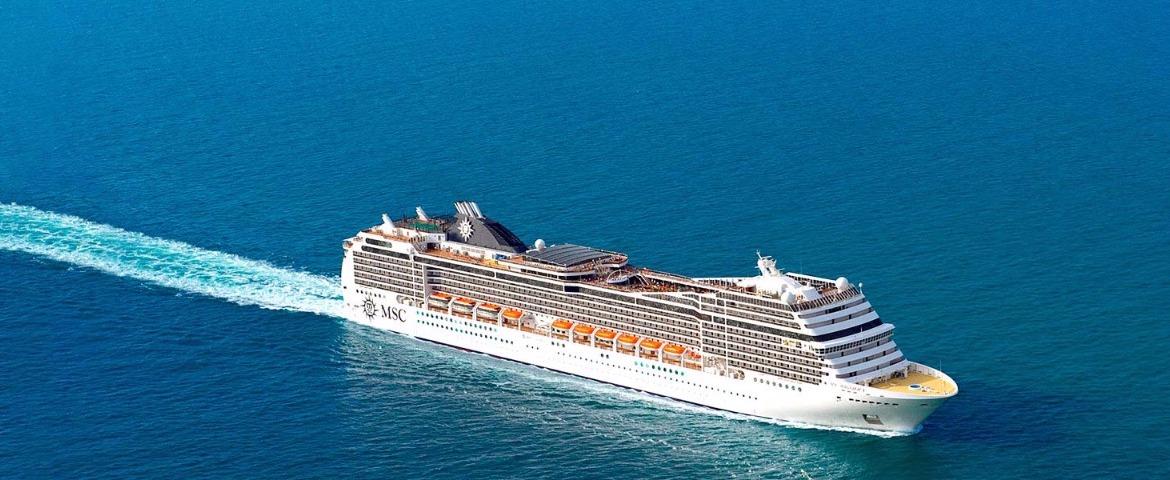
MSC Cruises (4 Cruises)

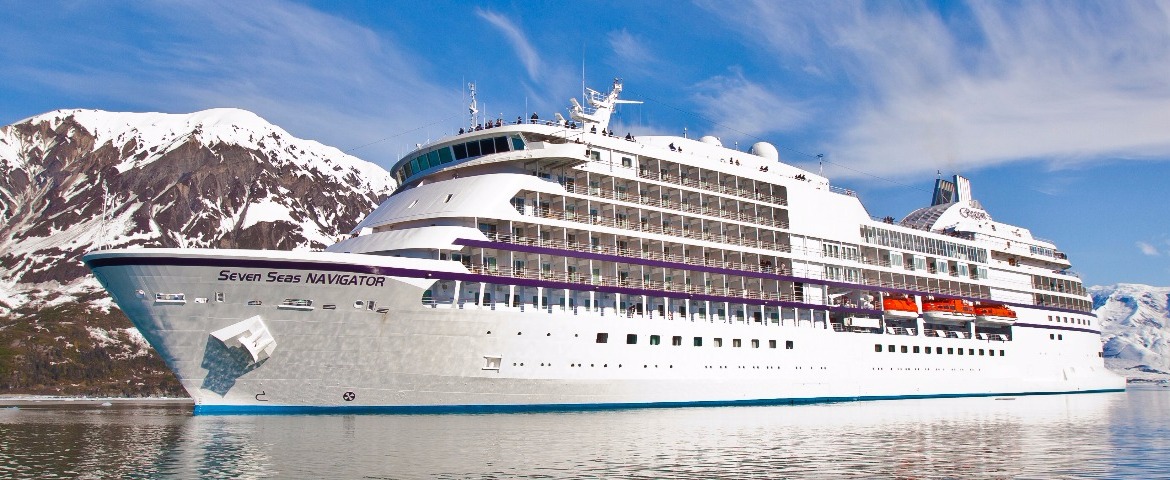

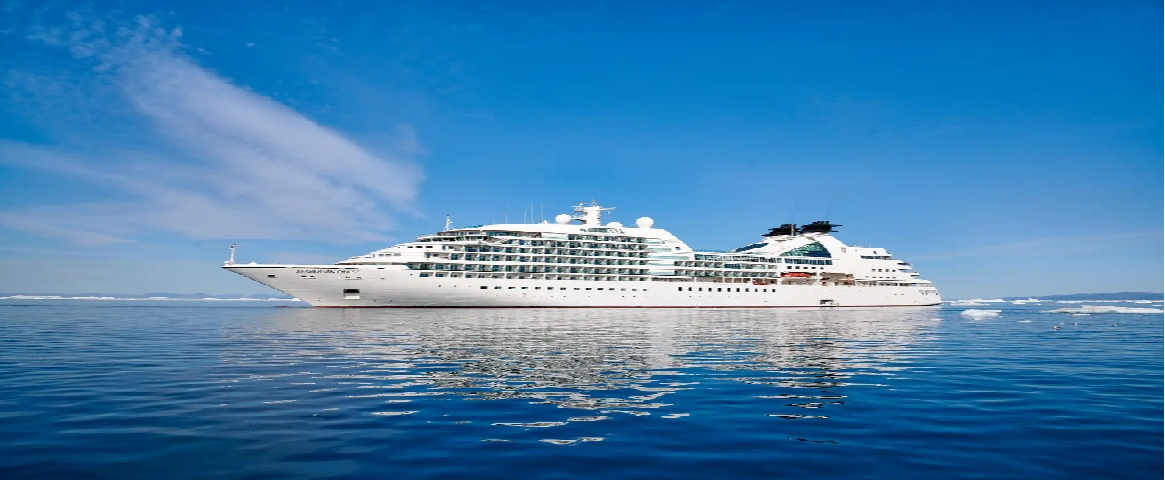
Seabourn Cruise Line (9 Cruises)
Seabourn Quest
9 Cruises

Windstar Cruises (30 Cruises)
Star Breeze
30 Cruises


| 17 February | 28 days | One-way from Lautoka to Papeete |
450-628-6241
Call us
|
| 17 February | 14 days | One-way from Lautoka to Papeete |
450-628-6241
Call us
|

Nuku'alofa, Tonga | Cruise Port Guide
Frequently Asked Questions
At the Queen Salote commercial wharf, about a twenty-minute walk from the centre. Shuttles often shorten the trip. It is a proper berth with no tender transfer, which makes the call far simpler than at many other South Pacific islands.
The waterfront, the Royal Palace, the Mala'ekula royal tombs and Talamahu market are all walkable from the centre. The most natural stroll follows the shore westward: the sea on one side, churches and government buildings on the other.
No, it is not open to visitors. This white timber Victorian residence with red roofs, built in 1867, is admired from the fence and the lawn facing the sea. It is the country's best-known image, and Tonga remains the South Pacific's only monarchy.
A walk to the Royal Palace and the royal tombs, a stop at Talamahu market, then a taxi to the Houma blowholes. That plan gives the most in half a day, combining the capital with the natural spectacle the island is known for.
Tongatapu's most spectacular sight, about fifteen kilometres from the capital. Swell forces its way into a coral shelf pierced with vents and, with every wave, dozens of water plumes shoot up several metres along kilometres of coastline. Tongans call it Mapu'a 'a Vaea, the chief's whistle.
On a rising tide with a strong swell, when the ground shakes underfoot. Local drivers know how to time it, which is a good reason to let them set the order of your day. On a flat sea the display is modest: better to know that before making the drive.
Yams, papayas, pineapples and kava roots on the ground floor; upstairs, tapa, the bark cloth beaten and then painted with geometric patterns, and woven pandanus mats. These objects still accompany every major moment of Tongan life, from weddings to funerals.
The capital is nearly motionless: shops closed, market closed, streets quiet, excursions limited. Tonga observes Sunday with unusual strictness. But the church singing drifting from open windows is worth any show, and it may well be the strongest memory of the call.
The Tongan pa'anga, and you need cash: outside a few central hotels and banks, cards are not accepted and ATMs are scarce. Both Tongan and English are official, which makes the call easy to navigate.
A coral stone gateway raised in the 13th century at the eastern end of the island. Its massive blocks, cut from the reef and hoisted without metal tools, make it one of the most astonishing monuments in the Pacific. The drive from the capital takes a good half-hour: best combined with Houma on a full-day outing.


