Motril Spain Granada
175
Cruises availables
At departure or passage at this port
Atlas Ocean Voyages (3 Cruises)

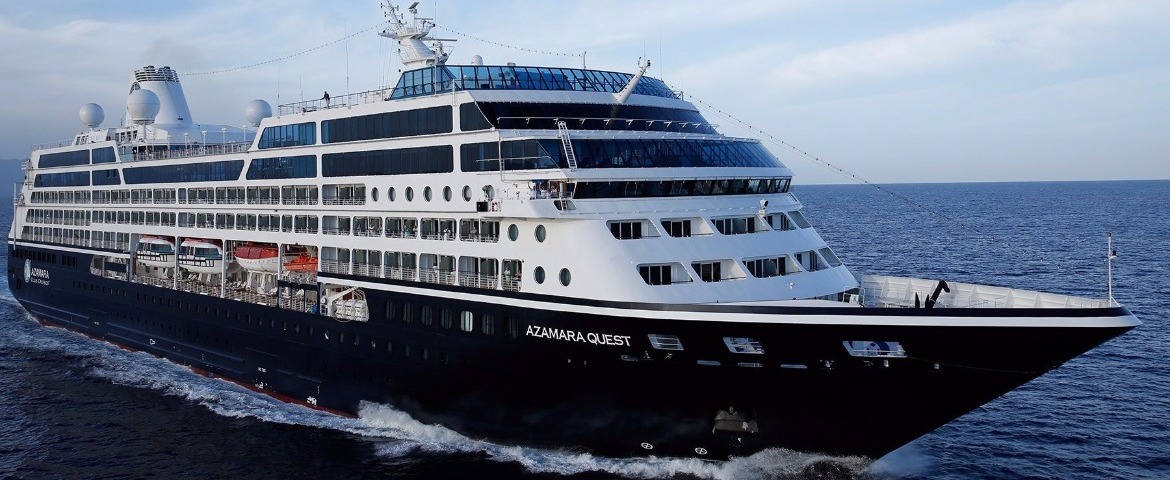
Azamara Club Cruises (26 Cruises)
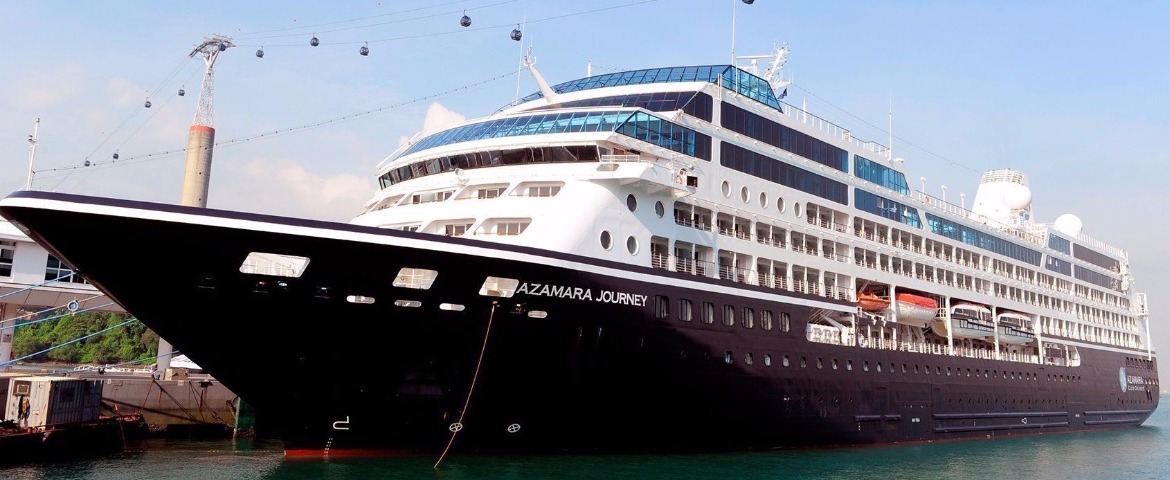
Azamara Journey
15 Cruises

| 15 February | 39 days | One-way from Piraeus-Athens to Lisbon |
450-628-6241
Call us
|
| 15 February | 39 days | One-way from Piraeus-Athens to Lisbon |
450-628-6241
Call us
|
Azamara Onward
7 Cruises
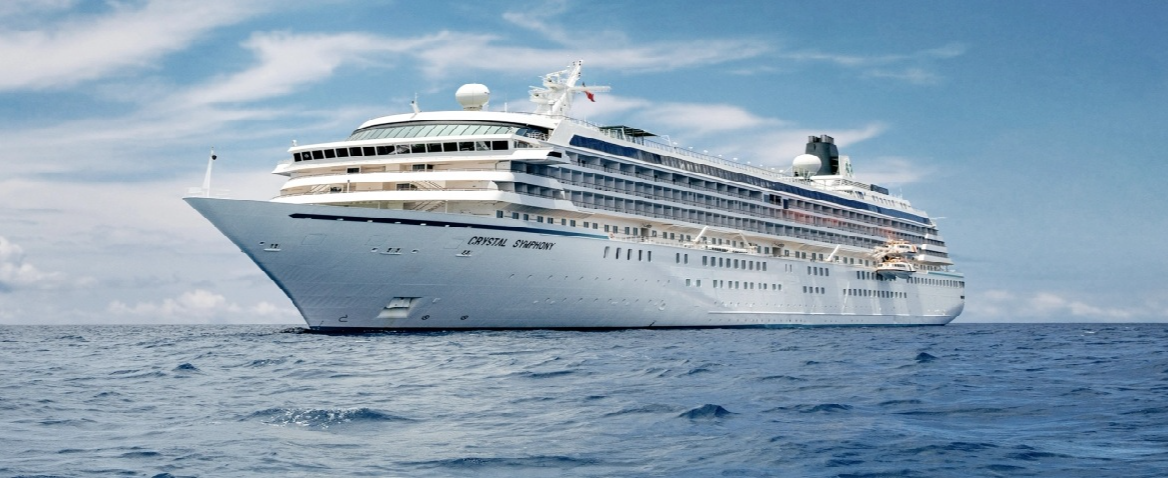
Crystal Cruises (12 Cruises)
Crystal Grace
6 Cruises


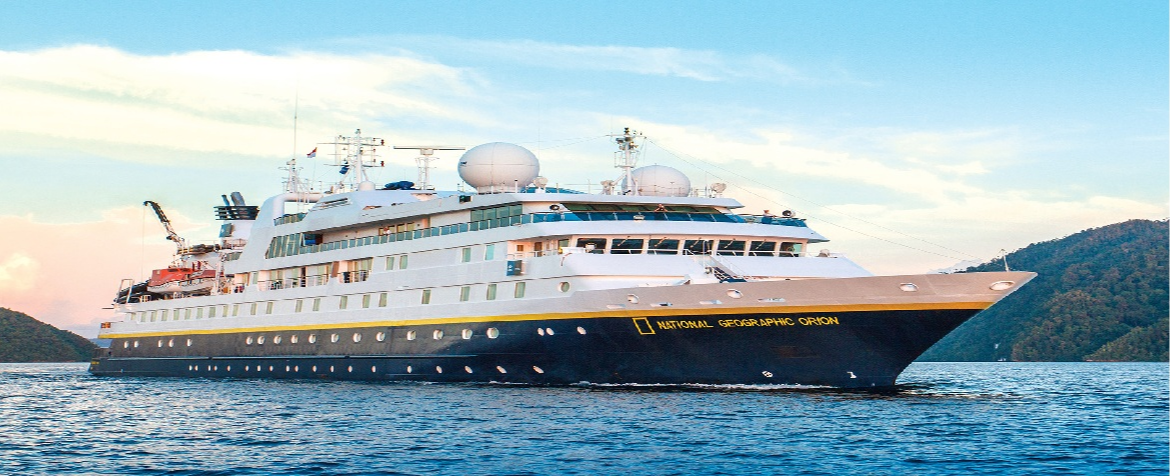
Lindblad Expeditions (2 Cruises)

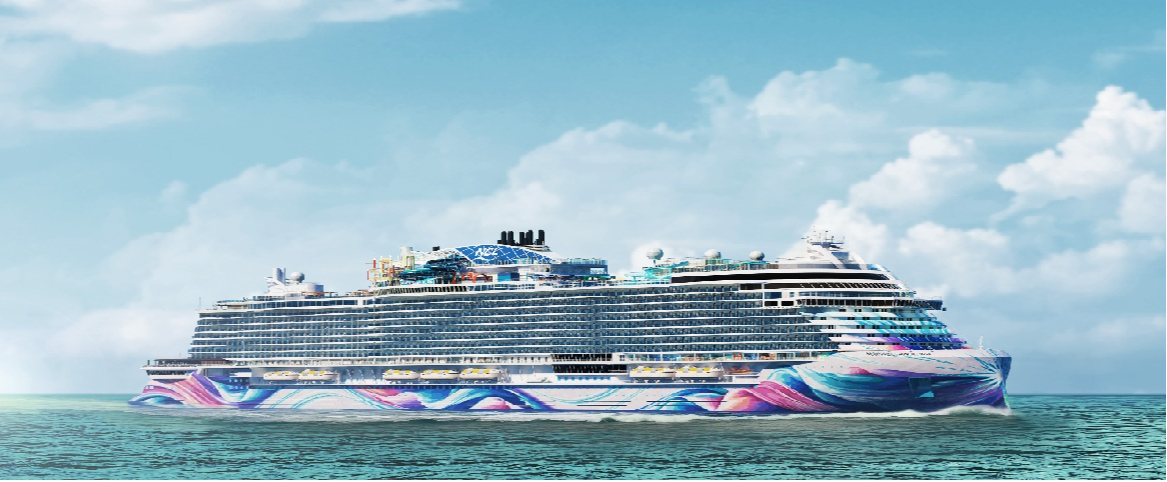
Norwegian Cruise Line (37 Cruises)

Norwegian Dawn
18 Cruises

| 1 August | 8 days | One-way from Barcelona to Lisbon |
From
862$
|
| 29 August | 8 days | One-way from Barcelona to Lisbon |
From
855$
|



Oceania Cruises (34 Cruises)

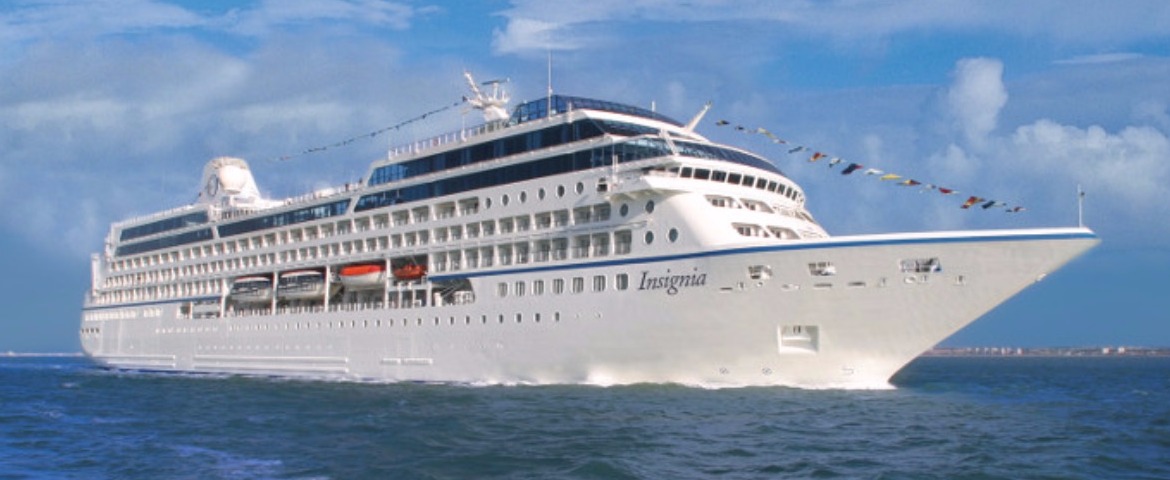
Oceania Insignia
6 Cruises
| 19 August | 68 days | One-way from Helsinki to Piraeus-Athens |
450-628-6241
Call us
|
| 19 August | 67 days | One-way from Helsinki to Piraeus-Athens |
450-628-6241
Call us
|
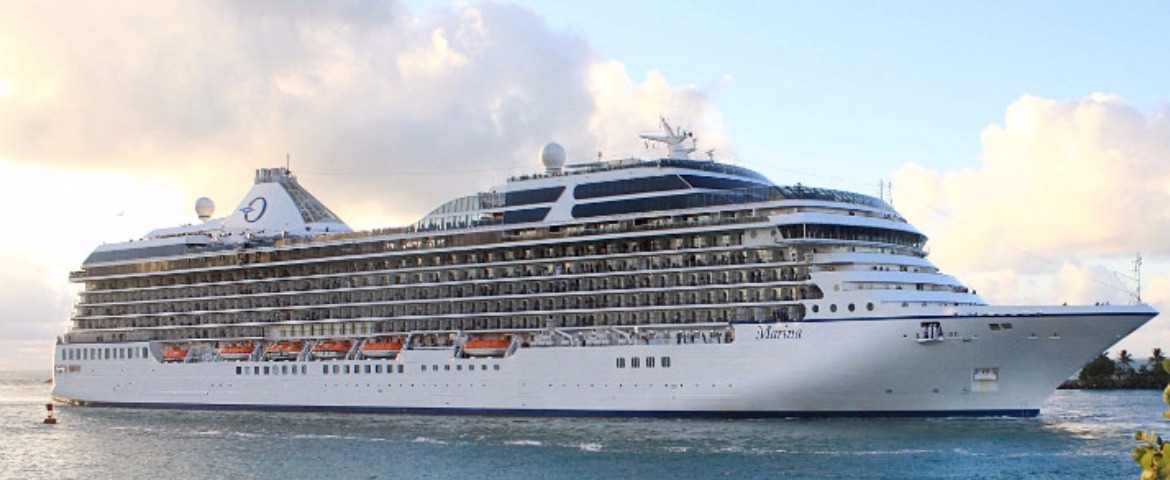
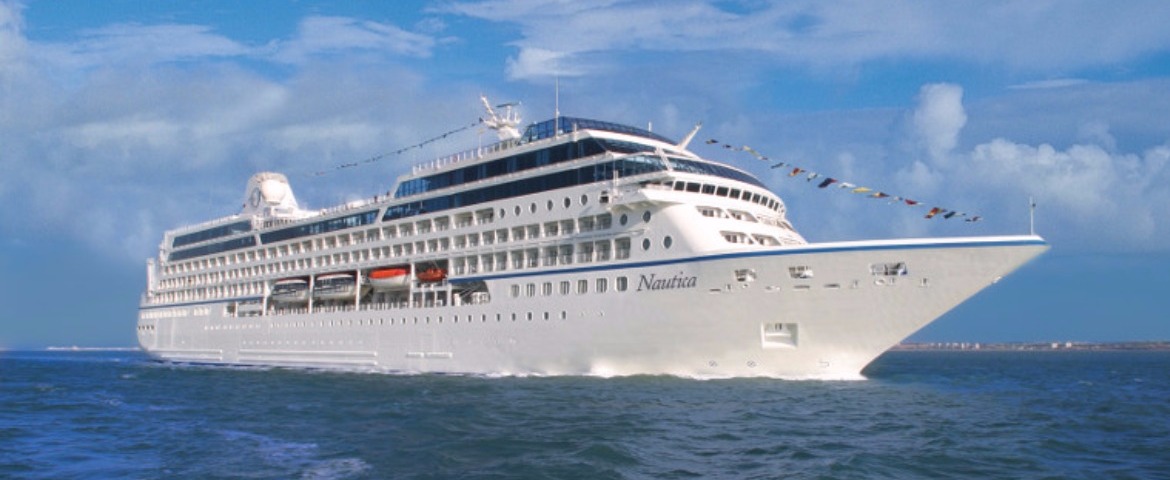
Oceania Sirena
7 Cruises
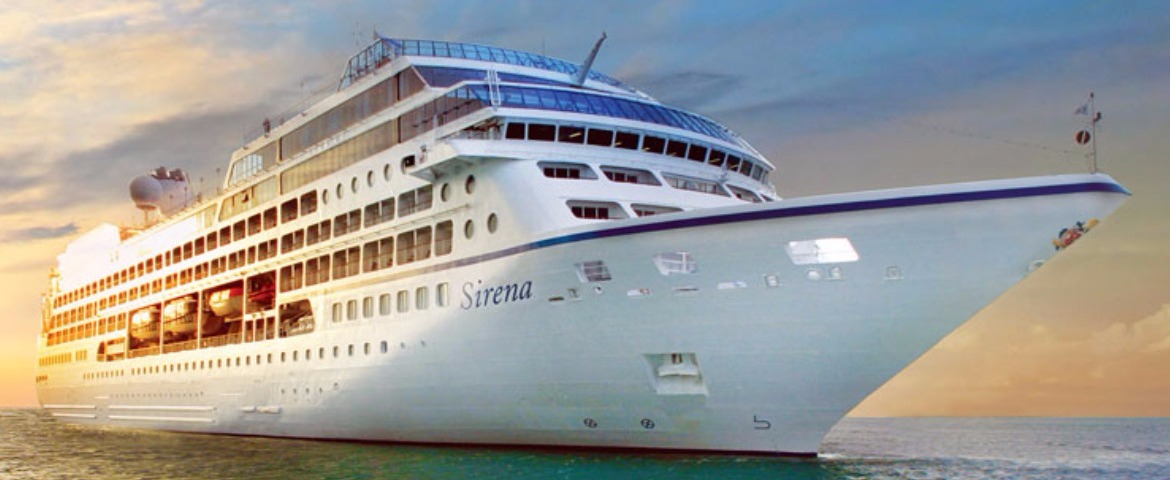
| 4 January | 10 days | One-way from Civitavecchia-Rome to Lisbon |
450-628-6241
Call us
|
| 4 January | 11 days | One-way from Civitavecchia-Rome to Lisbon |
450-628-6241
Call us
|
Oceania Sonata
5 Cruises
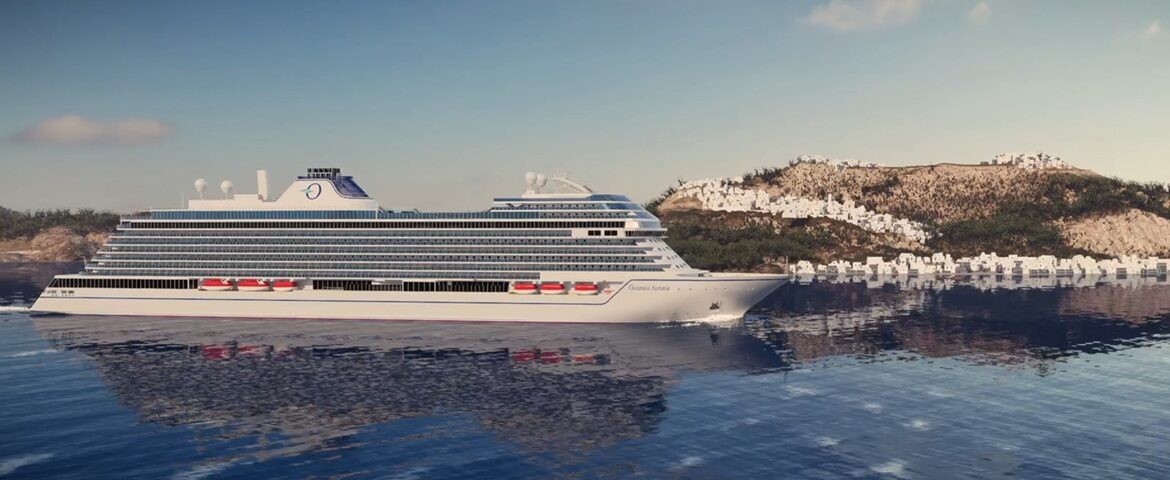
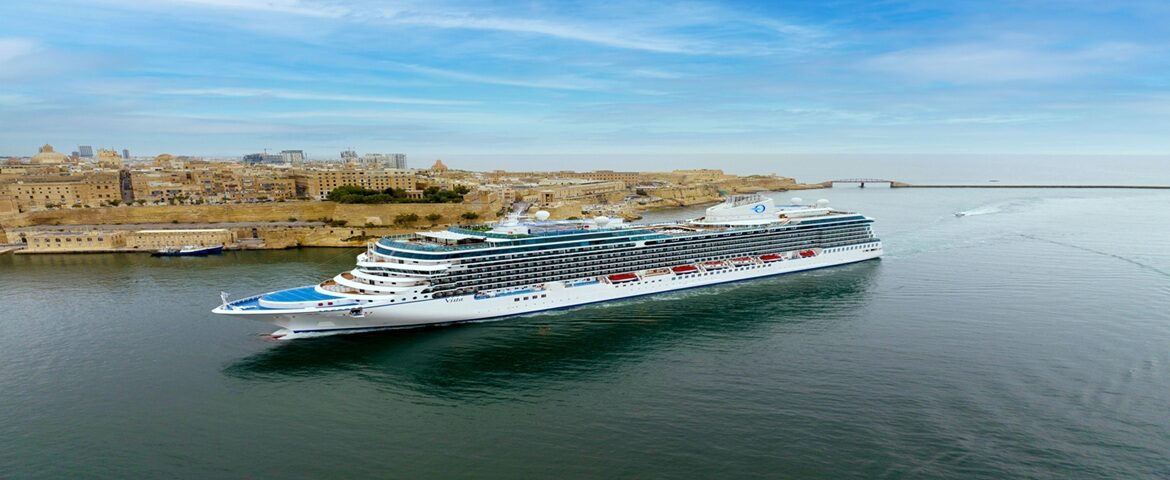
Oceania Vista
6 Cruises

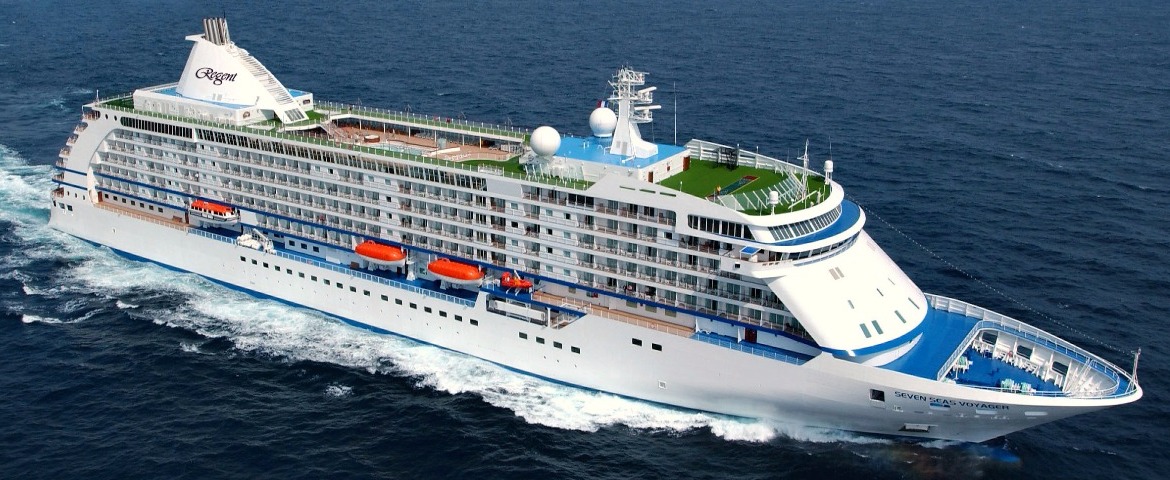


Seabourn Cruise Line (33 Cruises)
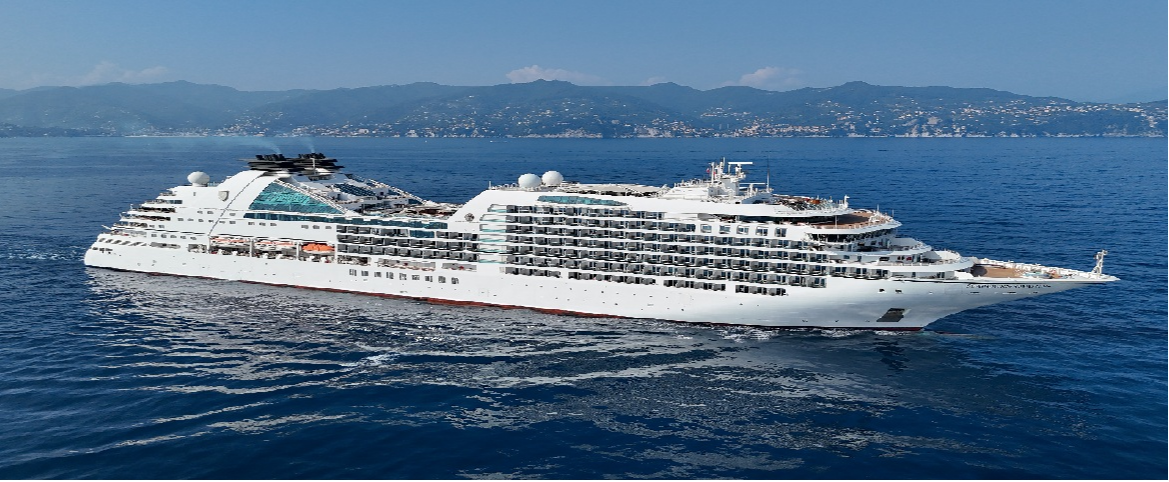
Seabourn Ovation
24 Cruises

| 28 October | 31 days | One-way from Piraeus-Athens to Lisbon |
450-628-6241
Call us
|
| 28 October | 30 days | One-way from Piraeus-Athens to Lisbon |
450-628-6241
Call us
|
Seabourn Pursuit
5 Cruises

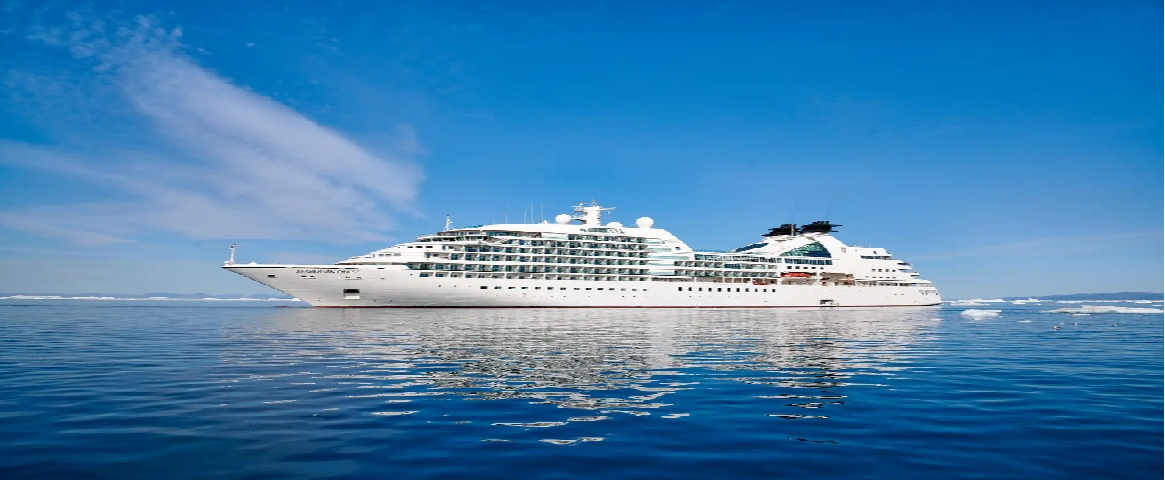
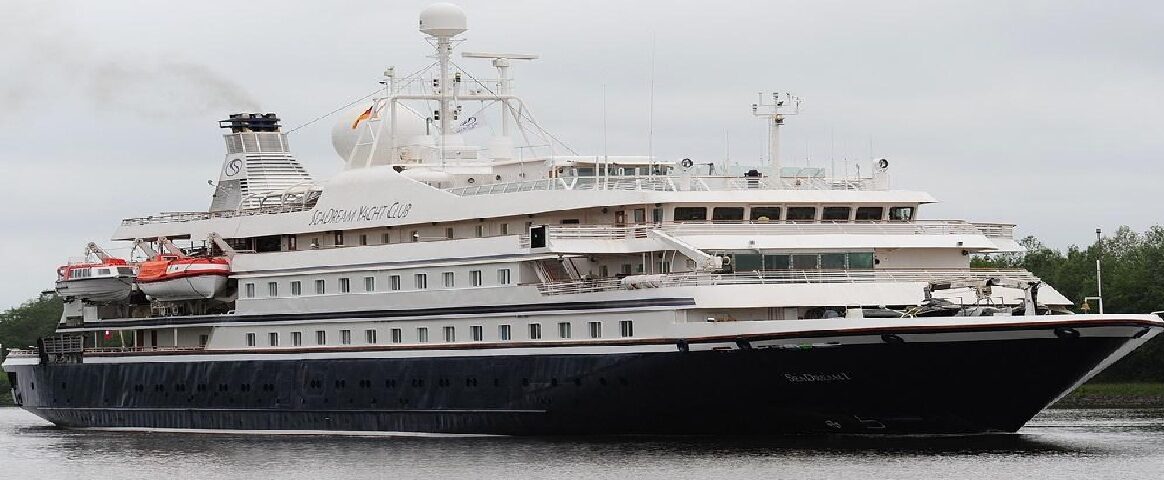
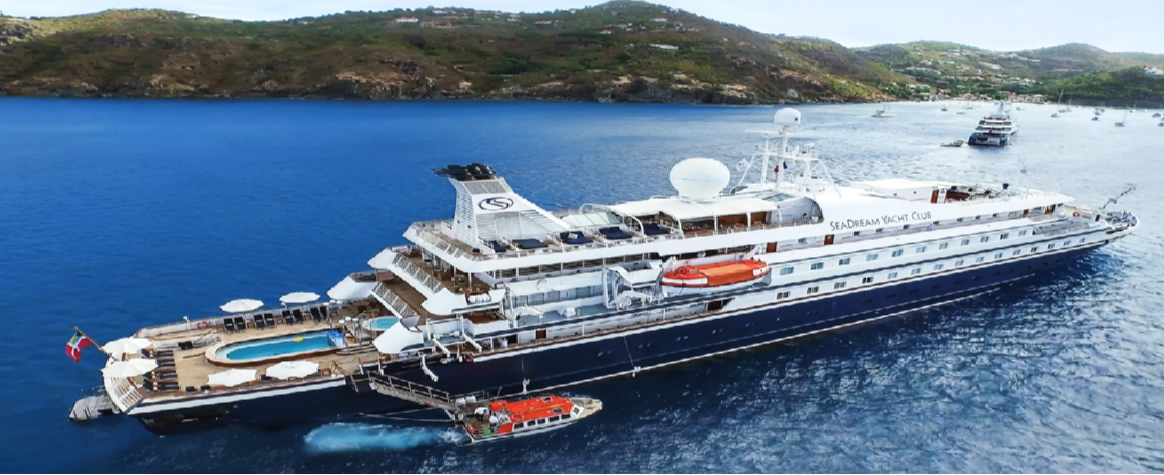
SeaDream Yacht Club (8 Cruises)


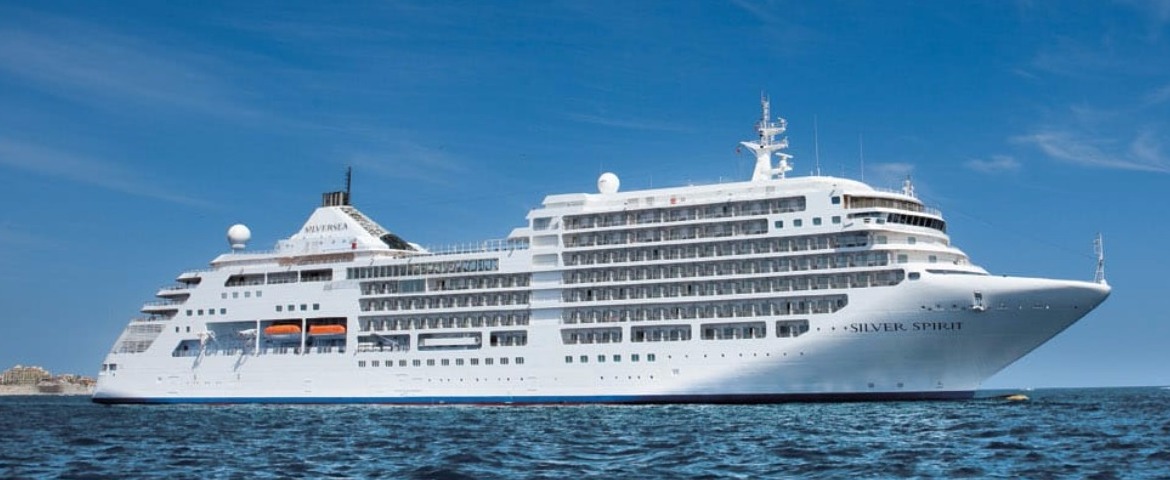
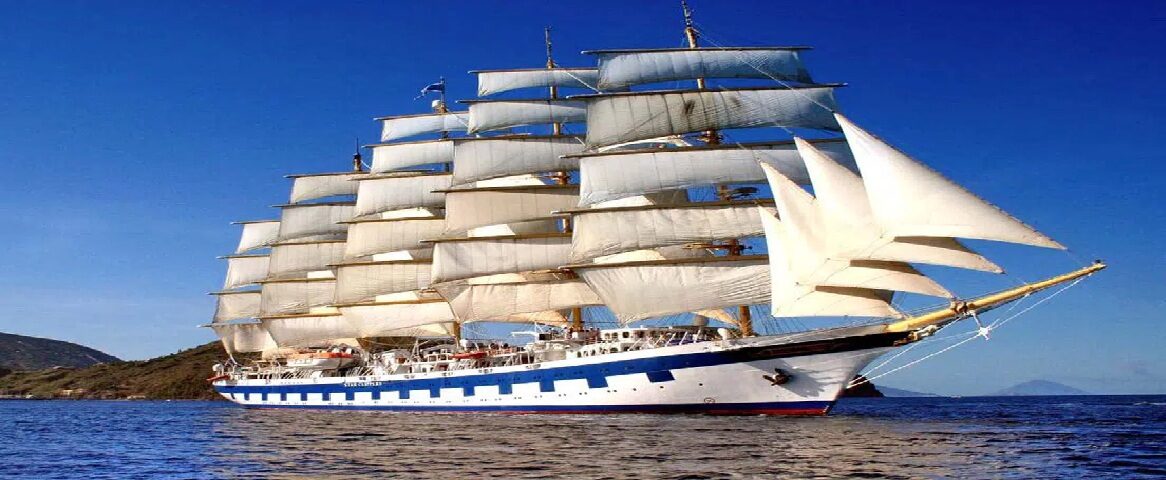

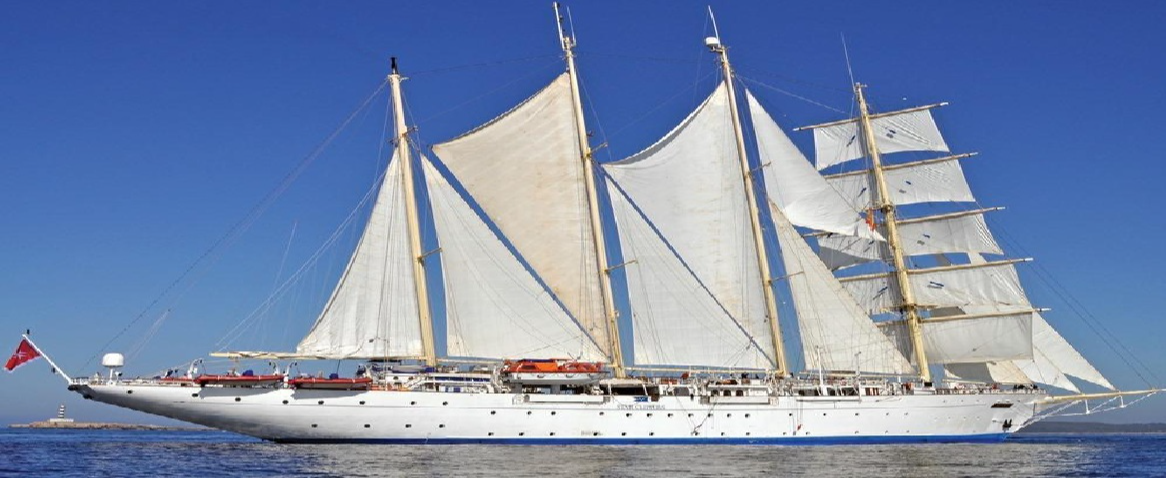
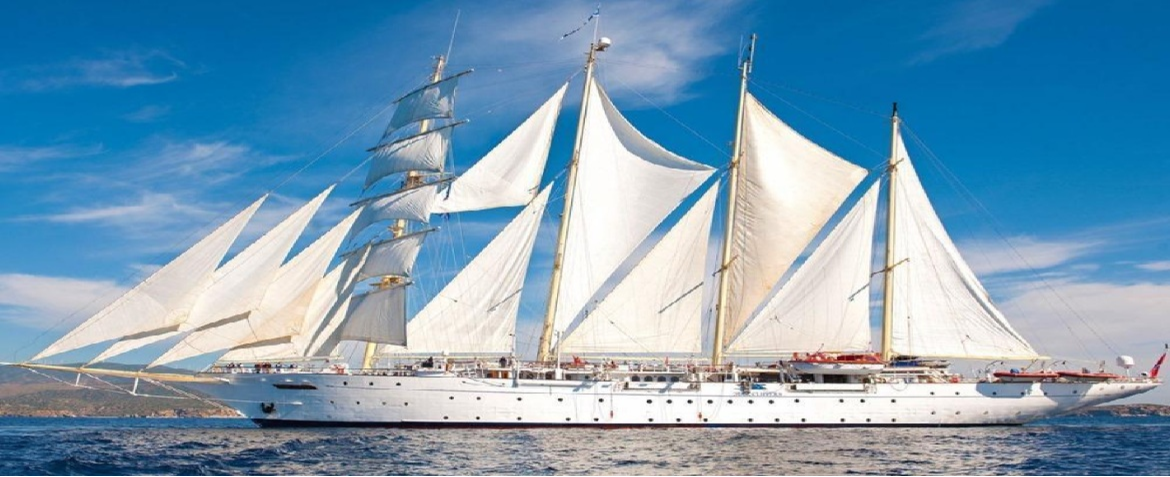

Motril Spain | Costa Tropical Cruise Port Near Granada
Frequently Asked Questions
At the port of Motril, on Andalusia's so-called tropical coast. The town centre is about two kilometres from the quay; taxis and shuttles cover it in a few minutes.
Because that is where most passengers go. The Alhambra is roughly 70 km from the terminal, about an hour by coach on the motorway up through the gorges. Motril is the port; Granada is the destination.
Yes, it is the safest option. Alhambra tickets sell out weeks in advance and an organised excursion guarantees entry. Allow a full day, including the Albaicín quarter if you want to see the city and not only the palace.
The palace-fortress of the Nasrid kings, set on its hill facing the snows of the Sierra Nevada: alabaster courtyards, cedar ceilings carved like honeycombs, and the Generalife gardens where water runs along every path. It is Spain's most visited monument.
Salobreña, under ten kilometres from the quay, is the finest half-day in the area and is easily done by taxi. The village stacks its whitewashed houses on a crag topped by a Moorish castle; from the walls the view runs over dark beaches and the old cane fields.
The pre-industrial sugar cane museum, the Mudéjar-born church of La Encarnación, the Virgen de la Cabeza sanctuary on its hill, and squares where life happens outdoors. Towards the sea, Poniente beach offers a palm-lined promenade and sailing schools.
Because sugar cane, introduced by the Arabs, supported the region for ten centuries. The last harvests date from the early 2000s, and a museum in the town centre traces this agricultural story, unique in Europe.
The name given to this sheltered strip where avocado, mango and cherimoya grow — crops found nowhere else in continental Europe. The local fruit turns up on market stalls and in desserts, while the Sierra Nevada stays snow-capped much of the year just behind.
Local cherimoyas, mangoes and avocados, and from the sea, sardines skewered and grilled over wood fires plus prawns from the bay, served at the beach chiringuitos. Local cooking happily combines the two.
With children, yes — provided you skip Granada. A full day of coach travel and palaces is long for them. Poniente beach and the village of Salobreña make a far better day.


