Leknes-Gravdal Vestvagoy Island Lofoten Norway
Norway
66
Cruises availables
At departure or passage at this port
Aurora Expeditions (1 Cruises)
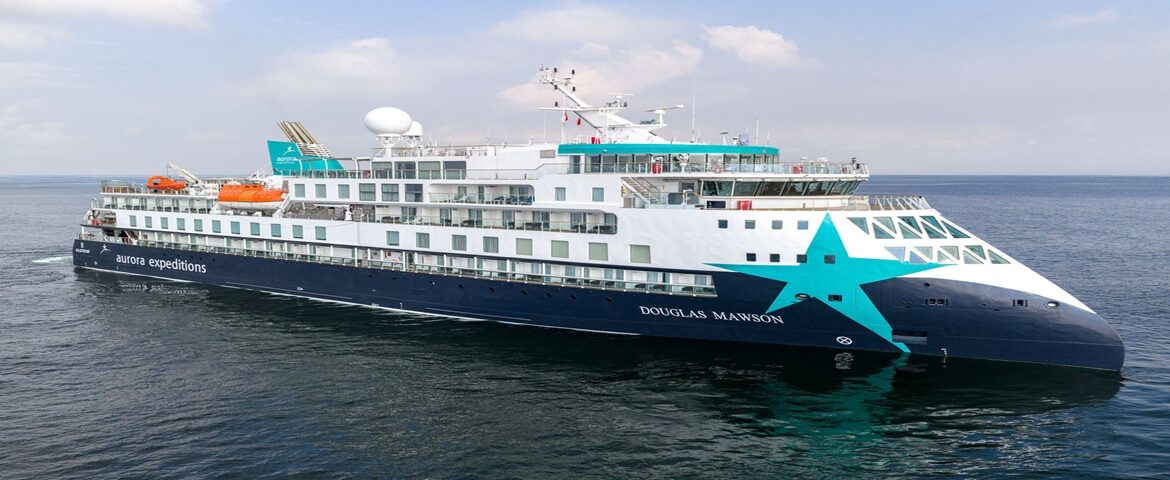

Costa Cruises (3 Cruises)
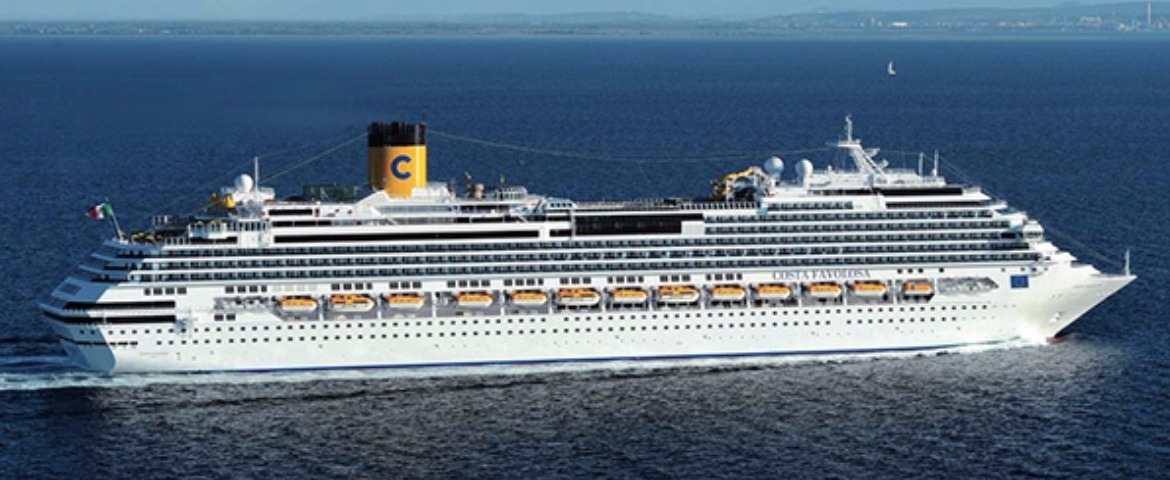

Crystal Cruises (6 Cruises)
Crystal Serenity
6 Cruises
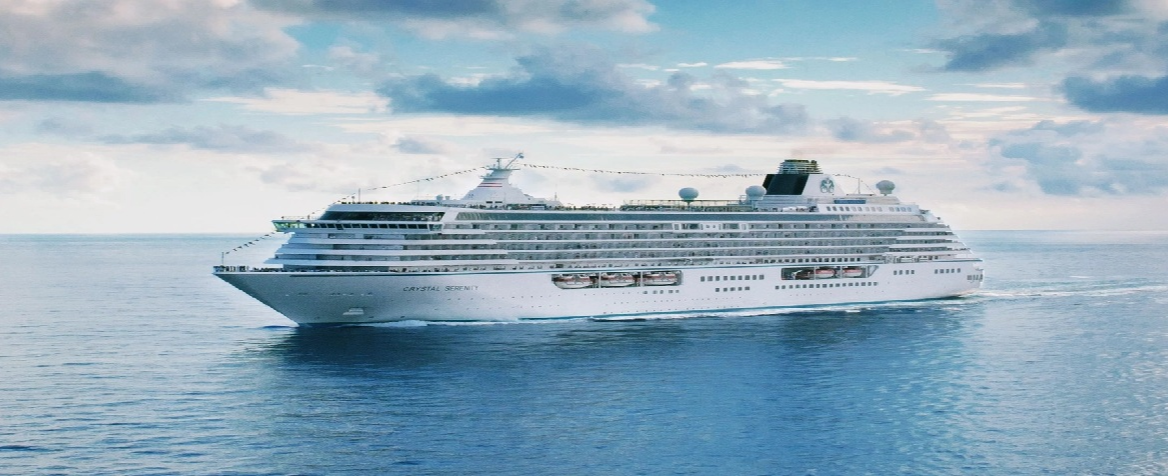

Cunard (3 Cruises)
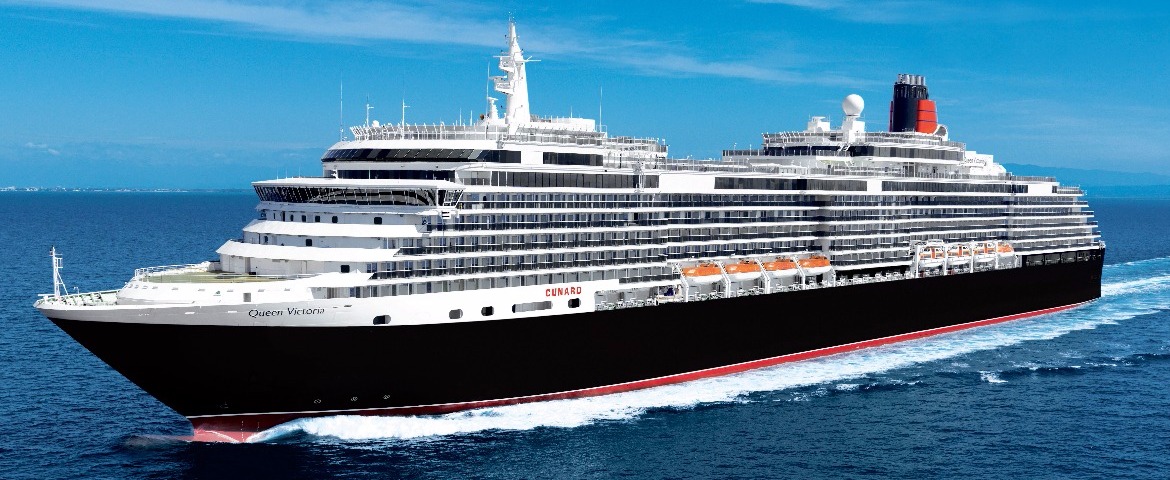

Explora Journeys (5 Cruises)
Explora IV
5 Cruises
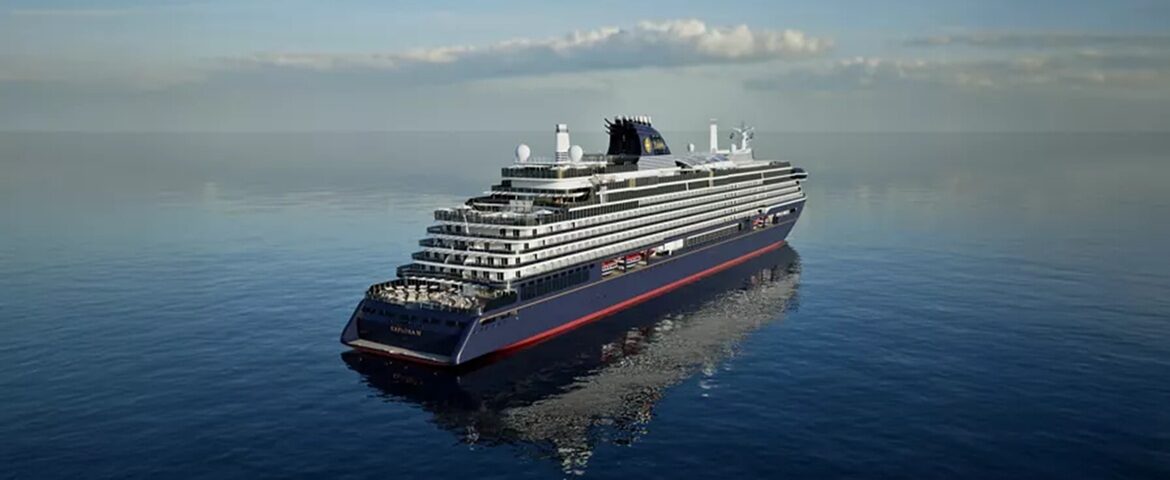

MSC Cruises (4 Cruises)
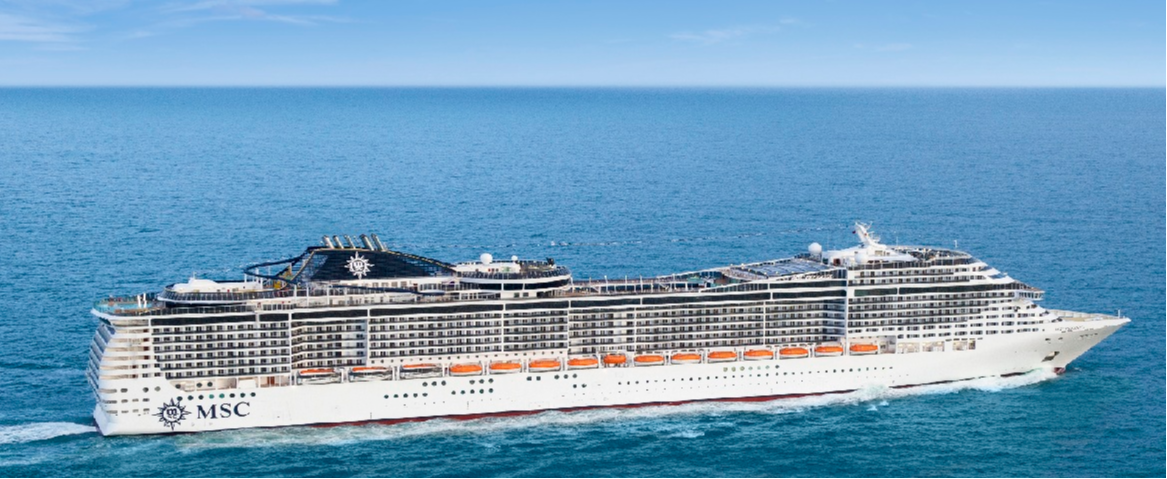

Oceania Cruises (2 Cruises)
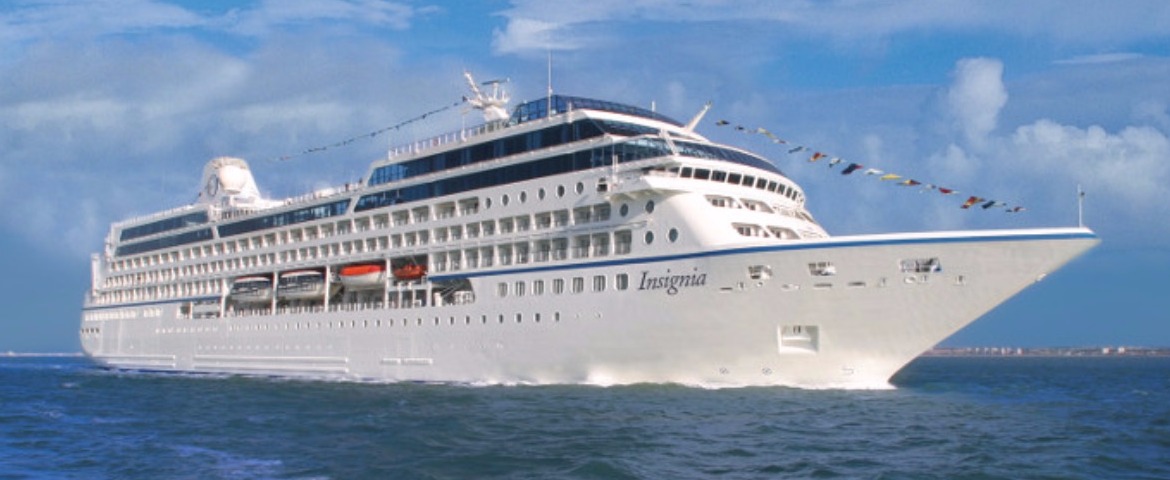

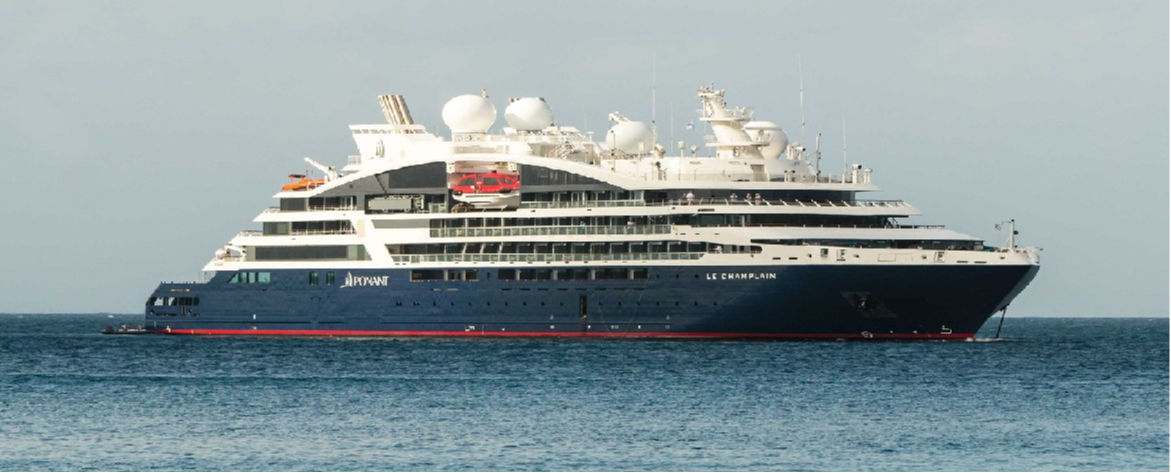



Scenic Cruises (16 Cruises)
Scenic Eclipse
8 Cruises

Scenic Eclipse II
8 Cruises
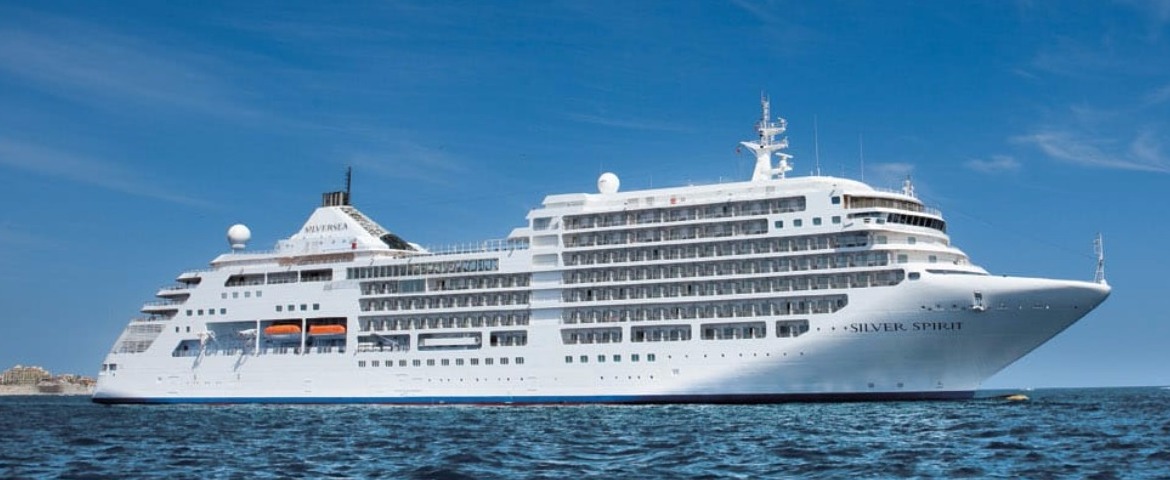
Silversea Cruises (3 Cruises)

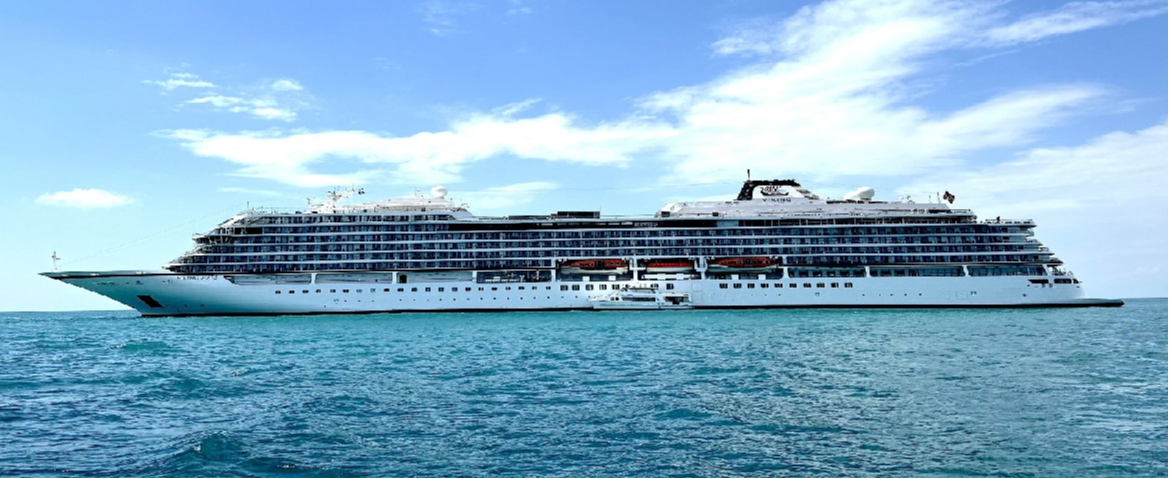
Viking Ocean Cruises (15 Cruises)
Viking Mars
10 Cruises

| 25 June | 12 days | One-way from Bergen to London-Greenwich |
450-628-6241
Call us
|
| 25 June | 13 days | One-way from Bergen to London-Tilbury |
450-628-6241
Call us
|
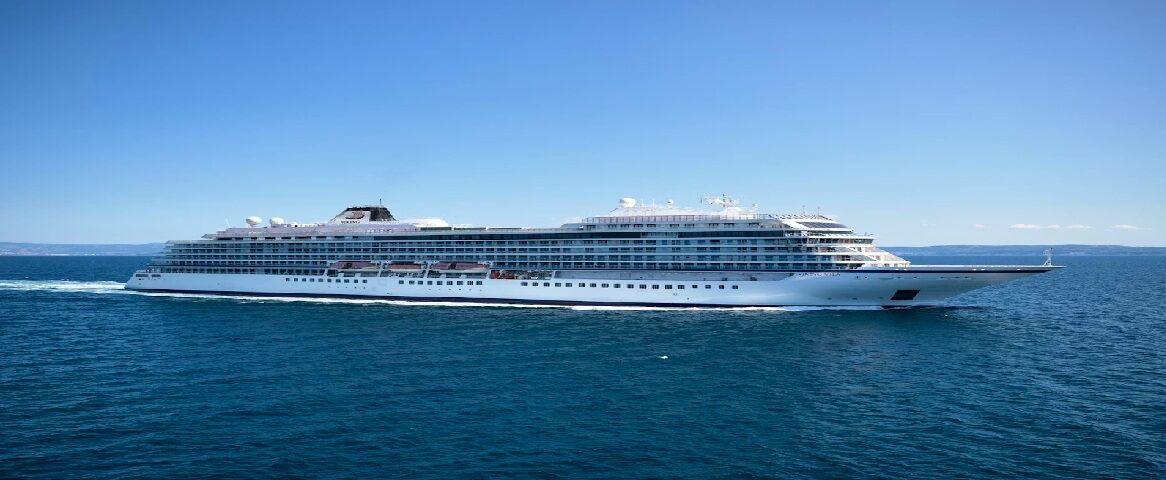
Viking Vela
5 Cruises

Port of Leknes-Gravdal, Norway | Cruise Port Guide
Frequently Asked Questions
Most ships anchor in Buksnesfjorden bay and land passengers by tender in five to ten minutes. The pier sits between two villages: Gravdal, a kilometre and a half to the south, and Leknes, the main town, three kilometres north.
Yes. A path follows the fjord to Gravdal, crowned by Buksnes church, rebuilt in 1905 in the Norwegian dragon style. The walk takes about fifteen minutes, through cropped grass, gull cries and scattered wooden houses.
One major outing, not two: the Lofotr Viking Museum at Borg, or the beaches of Haukland and Uttakleiv on the west coast. Trying to do both in a short call means spending the day in a vehicle.
The reconstruction of the largest Viking chieftain's house ever found, uncovered at Borg in the 1980s and 83 metres long. Wood fires, wool, smoke and costumed guides bring daily life in the Viking Age back to life. It is the island's most requested excursion.
They are the island's two celebrated beaches, a quarter of an hour's drive to the west coast. A two-kilometre coastal path links them, one of the finest short walks in northern Norway. A seasonal cafe serves waffles and hot chocolate to walkers.
The water stays cold, even at the height of summer. A few brave souls go in at Haukland for the photo, and nobody feels too sorry for them. The white sand and turquoise water fool the eye: this is not a Caribbean beach.
One of the oldest fishing villages in Lofoten, eight kilometres south of Gravdal: red cabins on stilts, filleting sheds, moored boats. Depending on the season, the smell of cod drying on wooden racks follows you along the quays.
Few. Distances are short but taxis are scarce: it is better to book an excursion or arrange your day the moment you land than to hope for a vehicle at the pier.
The Norwegian krone (NOK), with cards taken everywhere, including at the seasonal beach cafe and the Viking museum ticket desk. Cash is practically unnecessary.
Summer, when the midnight sun removes any sense of urgency and the beaches are accessible. Late in the season the low light gilds the hills from mid-afternoon, which many photographers prefer.


