Lyttelton-Christchurch New Zealand
New Zealand
220
Cruises availables
At departure or passage at this port
Azamara Club Cruises (23 Cruises)
Azamara Onward
7 Cruises
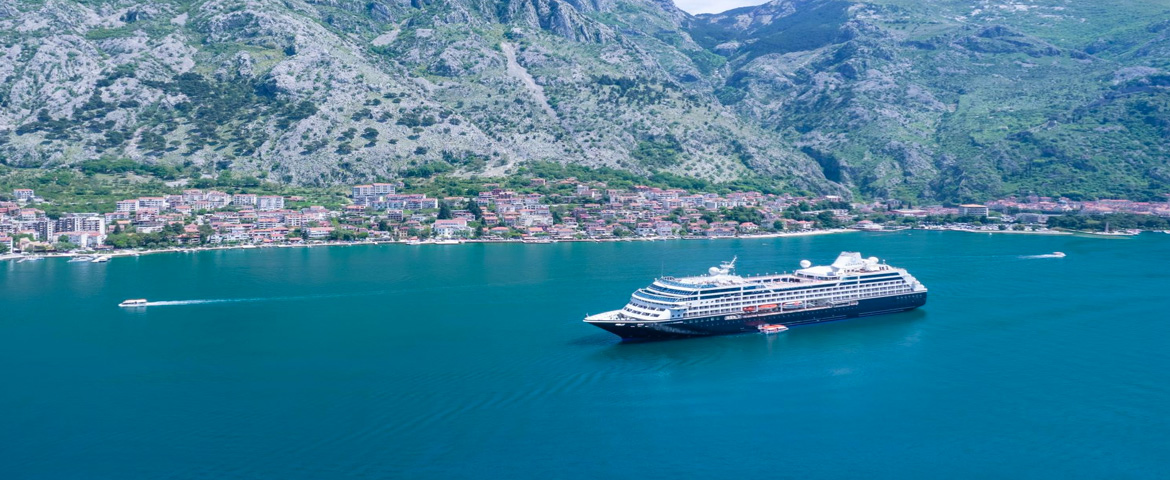

Azamara Pursuit
11 Cruises
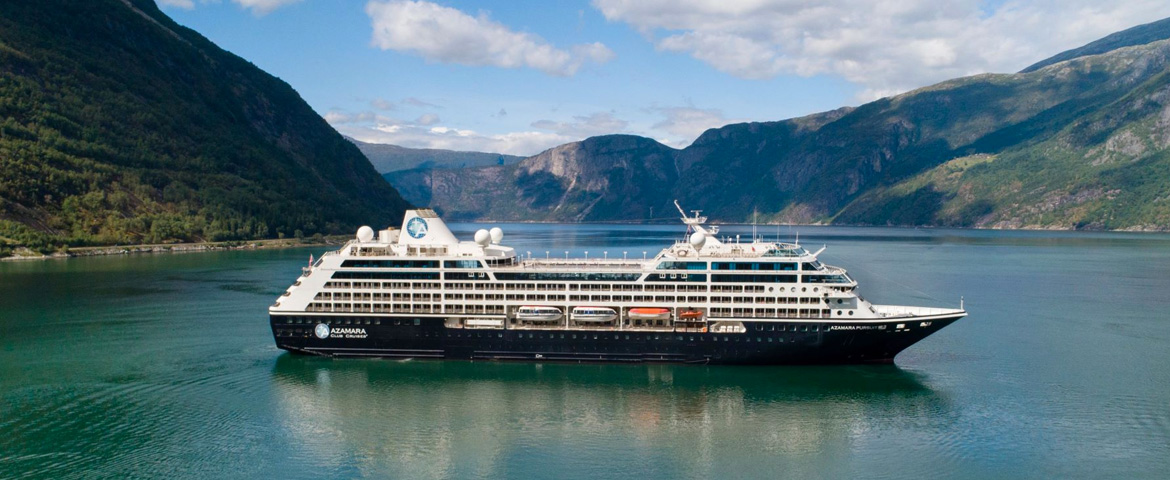
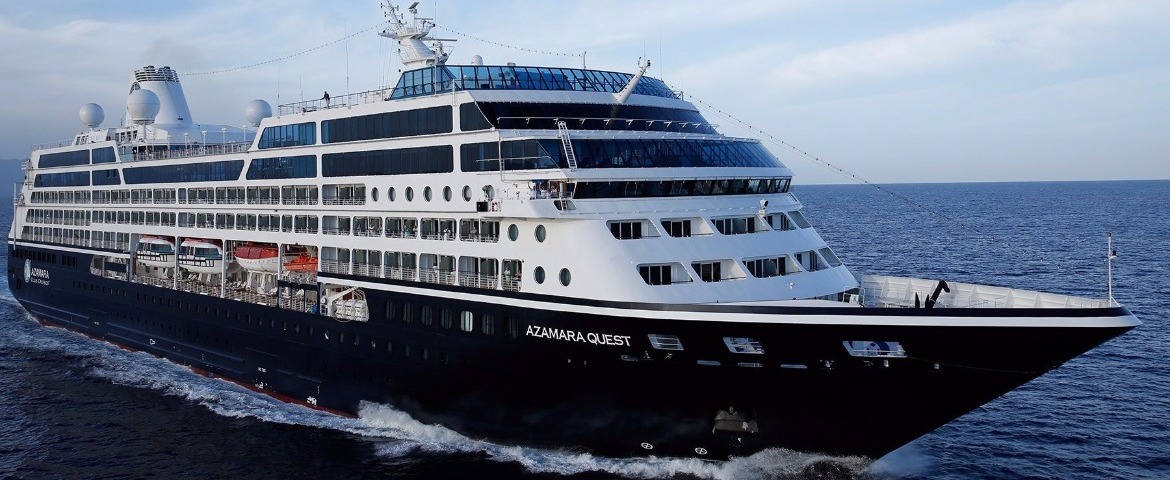
Azamara Quest
5 Cruises
Carnival Cruise Line (13 Cruises)
Carnival Splendor
13 Cruises


| 15 February | 10 days | Round-trip New Zealand Carnival Splendor Sydney |
450-628-6241
Call us
|
| 15 February | 11 days | Round-trip from Sydney, Australia |
450-628-6241
Call us
|
| 29 March | 11 days | Round-trip from Sydney, Australia |
450-628-6241
Call us
|
| 29 March | 10 days | Round-trip New Zealand Carnival Splendor Sydney |
450-628-6241
Call us
|
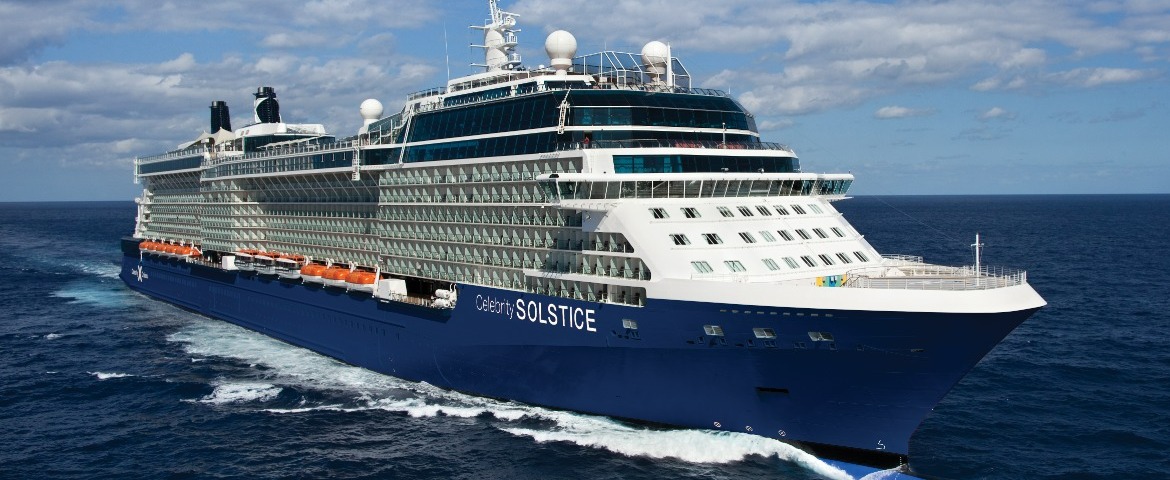
Celebrity Cruises (16 Cruises)
Celebrity Edge
15 Cruises


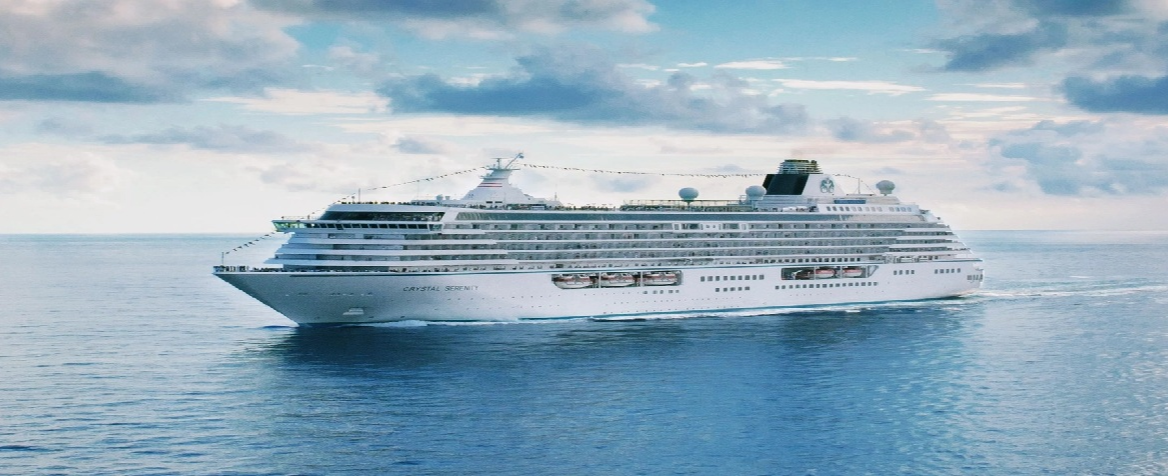
Crystal Cruises (4 Cruises)

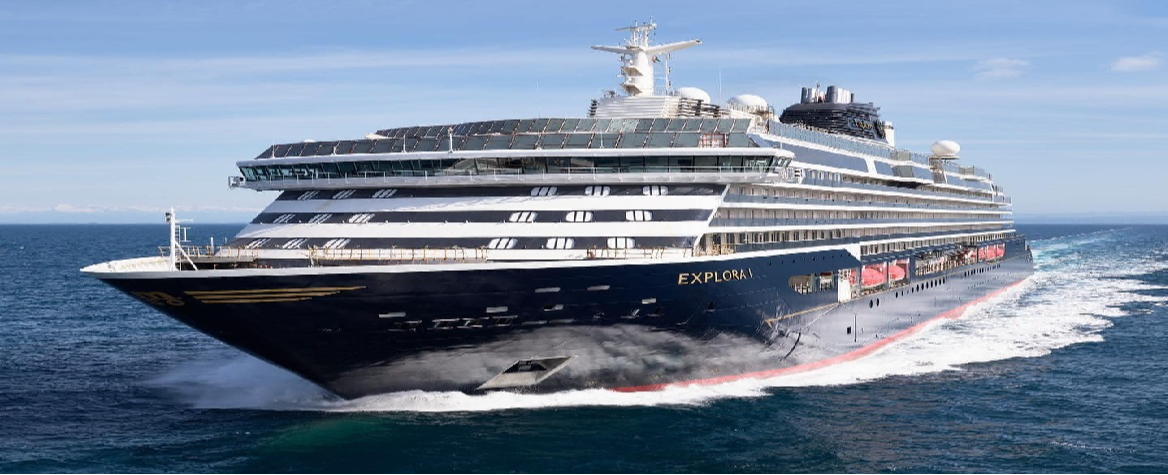
Explora Journeys (3 Cruises)

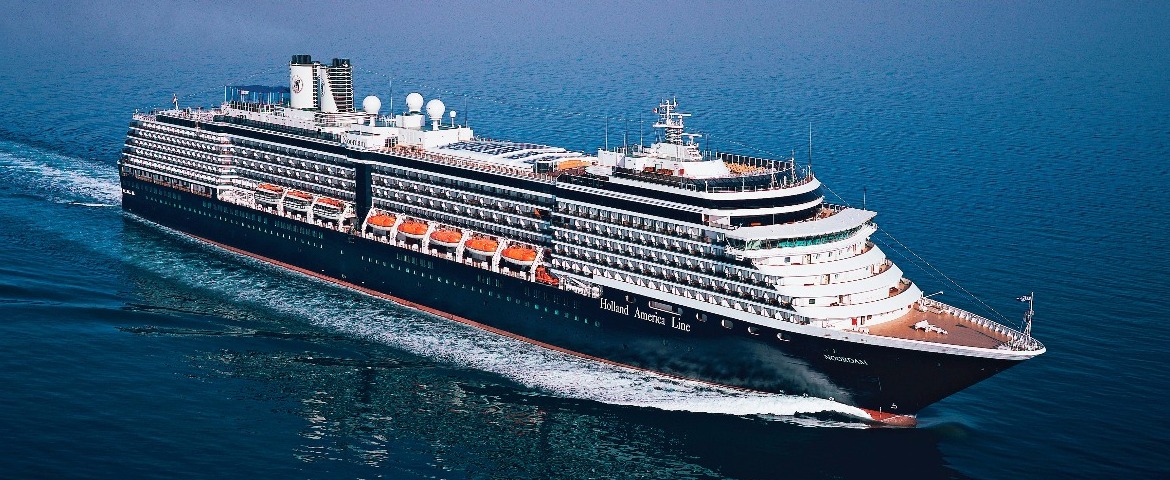
Holland America Line (19 Cruises)
ms Noordam
7 Cruises

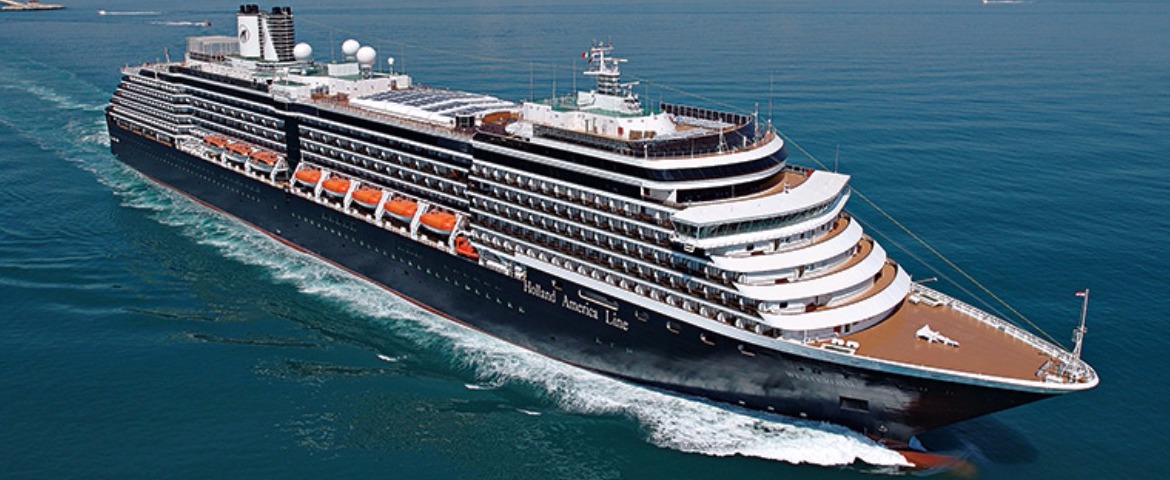
ms Westerdam
12 Cruises
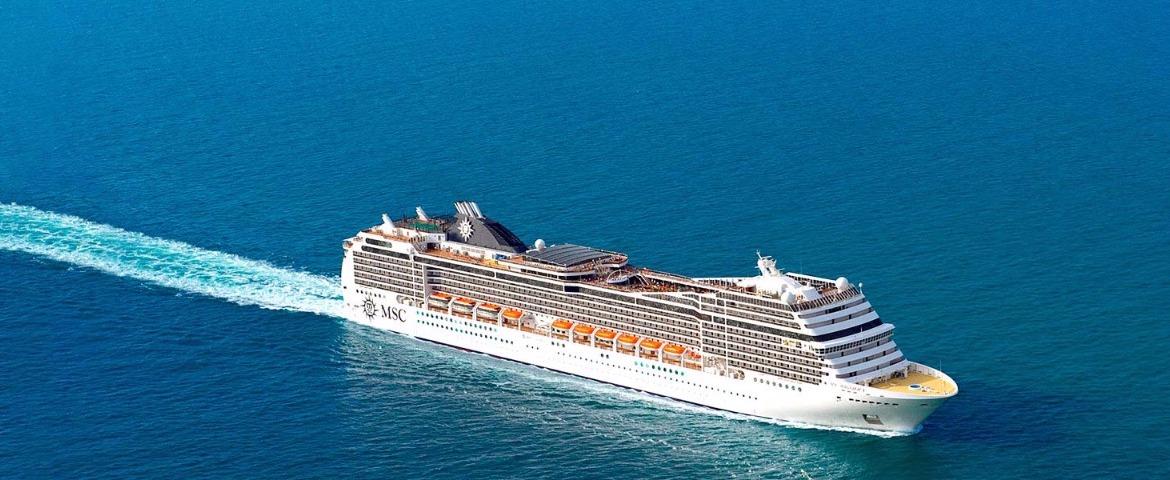
MSC Cruises (10 Cruises)
MSC Magnifica
10 Cruises

Norwegian Cruise Line (11 Cruises)
Norwegian Spirit
11 Cruises


| 5 February | 12 days | One-way from Auckland to Sydney |
From
1374$
|
| 16 February | 12 days | One-way from Sydney to Auckland |
From
1297$
|
| 27 February | 12 days | One-way from Auckland to Sydney |
From
1268$
|

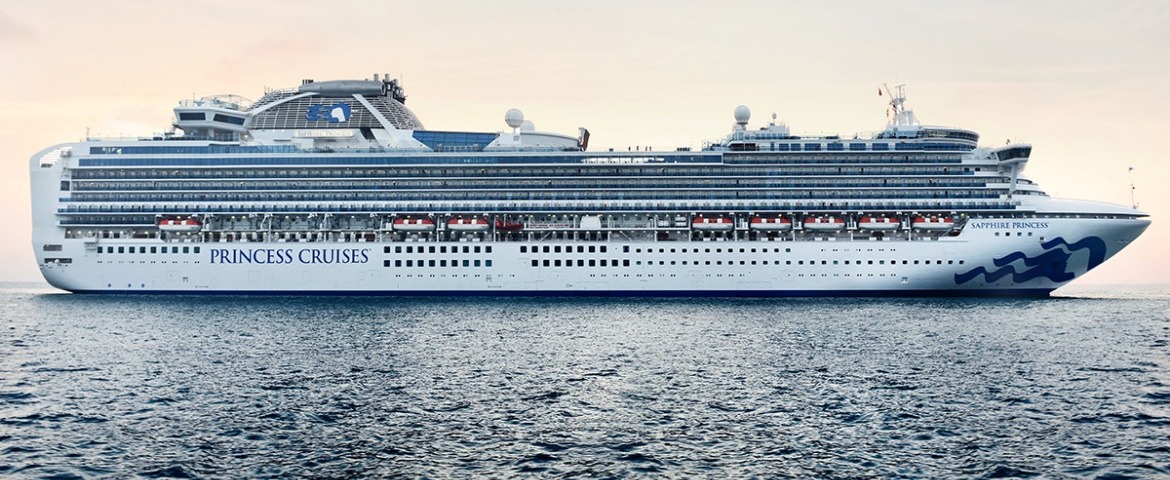
Princess Cruises (37 Cruises)
Coral Princess
11 Cruises



Grand Princess
8 Cruises

Royal Princess
14 Cruises

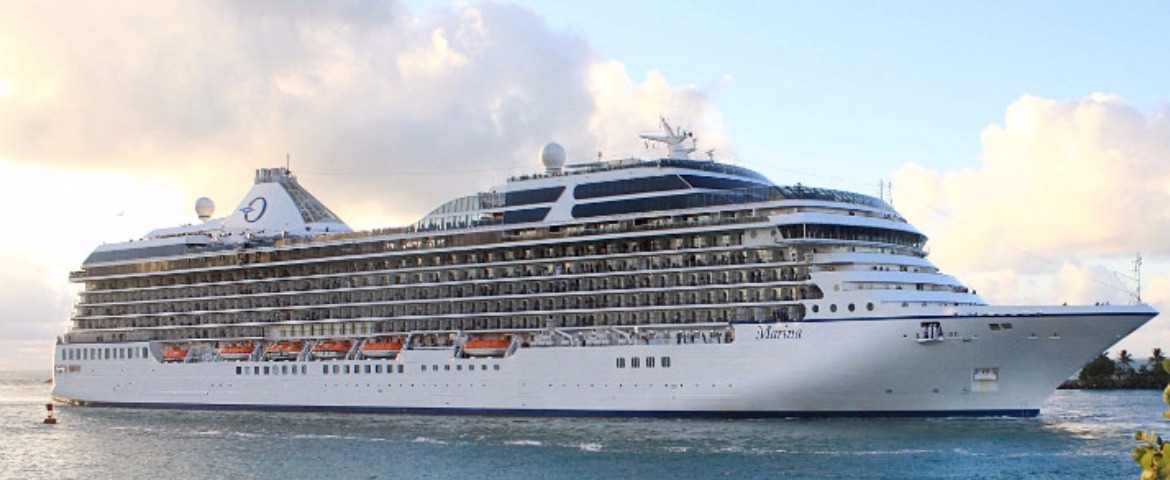
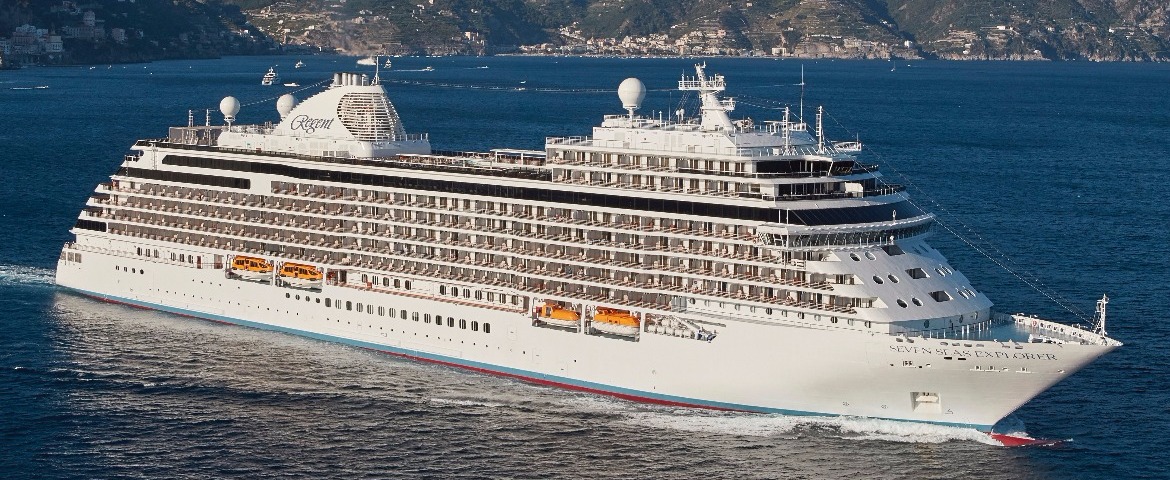
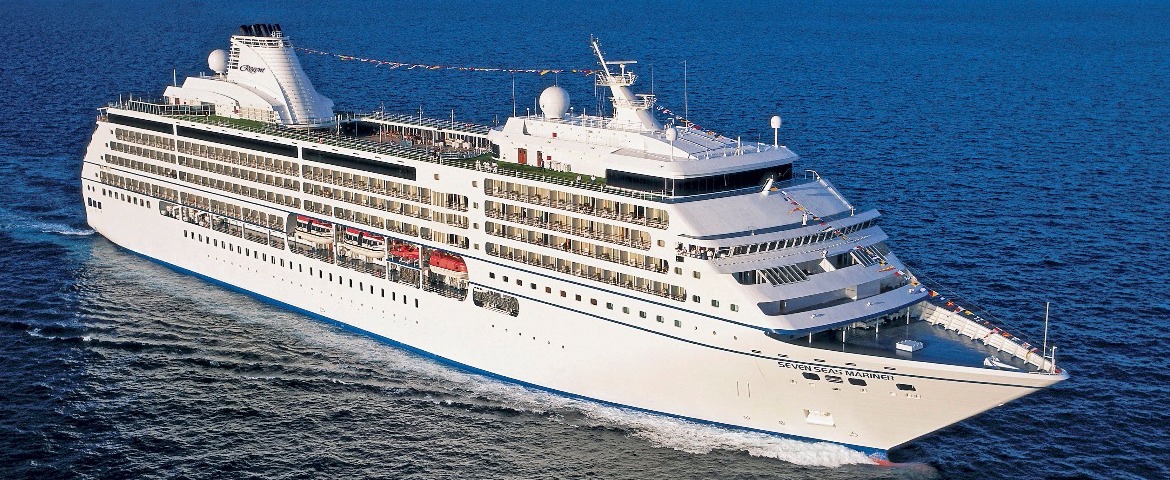
Regent Seven Seas Cruises (11 Cruises)

Seven Seas Mariner
6 Cruises
Royal Caribbean Cruises (8 Cruises)



Viking Ocean Cruises (49 Cruises)
Viking Orion
21 Cruises


| 21 September | 92 days | One-way from Vancouver to Auckland |
450-628-6241
Call us
|
| 21 September | 93 days | One-way from Vancouver to Auckland |
450-628-6241
Call us
|
Viking Venus
28 Cruises

| 4 January | 13 days | One-way from Auckland to Sydney |
450-628-6241
Call us
|
| 18 January | 13 days | One-way from Sydney to Auckland |
450-628-6241
Call us
|
| 1 February | 13 days | One-way from Auckland to Sydney |
450-628-6241
Call us
|
| 15 February | 13 days | One-way from Sydney to Auckland |
450-628-6241
Call us
|
| 7 September | 93 days | One-way from Vancouver to Auckland |
450-628-6241
Call us
|
| 7 September | 92 days | One-way from Vancouver to Auckland |
450-628-6241
Call us
|
| 7 January | 13 days | One-way from Auckland to Sydney |
450-628-6241
Call us
|
| 21 January | 13 days | One-way from Sydney to Auckland |
450-628-6241
Call us
|

Port of Lyttelton, New Zealand | Cruise Port Guide
Frequently Asked Questions
At Lyttelton, the historic port of the Canterbury region, tucked inside an ancient volcanic crater. Christchurch waits on the other side of the tunnel, about 12 kilometres or 20 minutes by shuttle.
Both, if the call is long: Lyttelton deserves an hour, Christchurch the rest of the day. Free shuttles link the wharf to Lyttelton village, and separate shuttles drop passengers on Cashel Street in central Christchurch.
A main street of roastery cafes, vintage shops and galleries in Victorian buildings that survived the earthquakes. Scott's and Shackleton's Antarctic expeditions sailed from here — plaques and pocket museums recall it. On Saturdays a farmers' market fills the street.
The heritage tram on its narrated loop, the cardboard transitional cathedral, the city-centre murals, then Hagley Park and the botanic gardens. The Canterbury Museum and its Antarctic gallery round out the day.
A transitional cathedral designed by architect Shigeru Ban after the 2010 and 2011 earthquakes, built from cardboard tubes. Yes, cardboard — and it has stood for over a decade.
Because the 2010 and 2011 earthquakes destroyed much of the centre. The old garden city reinvented itself: painted shipping containers turned into shops, giant murals by artists from around the world, contemporary architecture set among Victorian memory.
Yes. On the Avon River in Hagley Park, a punter in a straw boater and striped jacket poles flat-bottomed boats in the English manner. A British-inspired tradition the locals keep up with obvious pleasure.
From the heights of the Port Hills, a full circle over the Canterbury Plains, the snow-capped Southern Alps and the drowned crater where your ship lies.
Changeable — locals happily speak of four seasons in one day. The austral summer runs December to February, and even then a windbreaker in the bag settles the matter.
Yes, by excursion — Banks Peninsula and the French-heritage village of Akaroa make a fine day. But such trips take up most of the port call; combining them with central Christchurch would mean rushing.


