Ishigakijima Island Sakishima-Yaeyama, Japan Okinawa
173
Cruises availables
At departure or passage at this port
Azamara Club Cruises (12 Cruises)
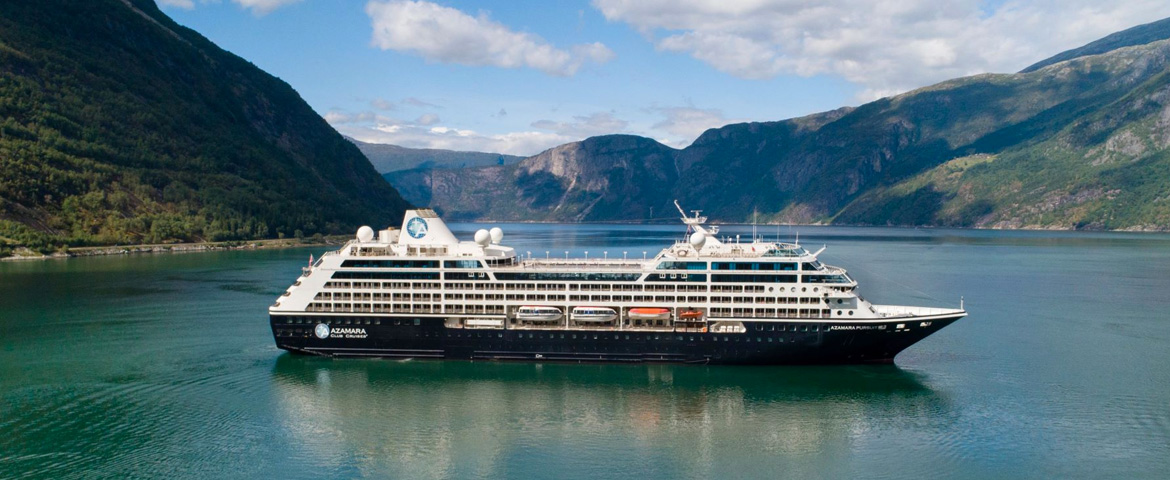
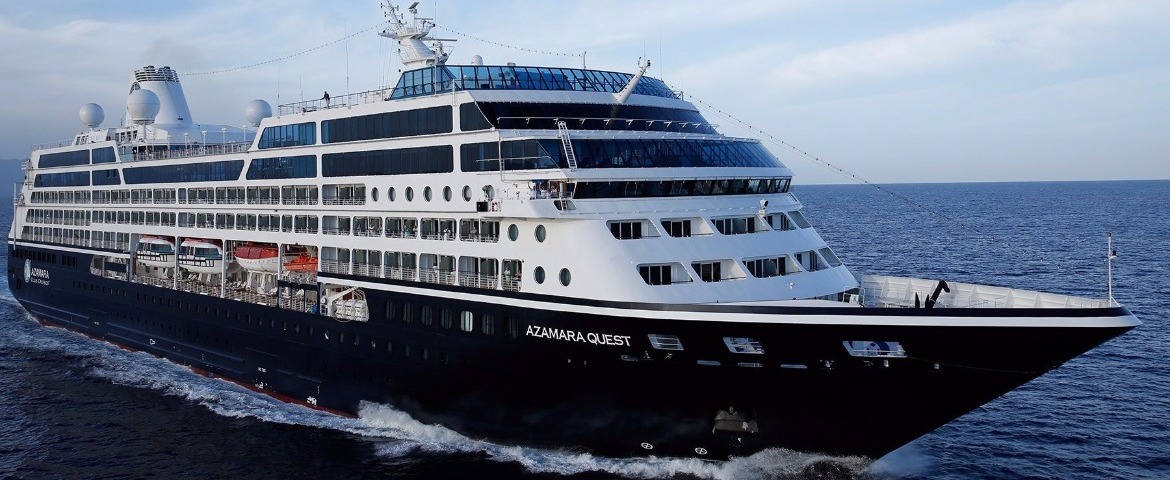
Azamara Pursuit
7 Cruises

Explora Journeys (11 Cruises)
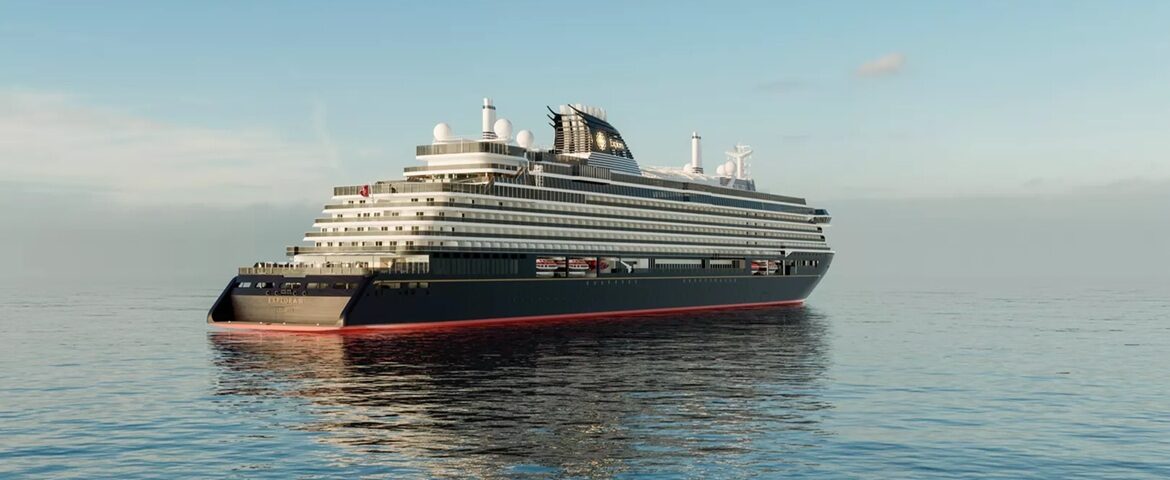
Explora III
11 Cruises

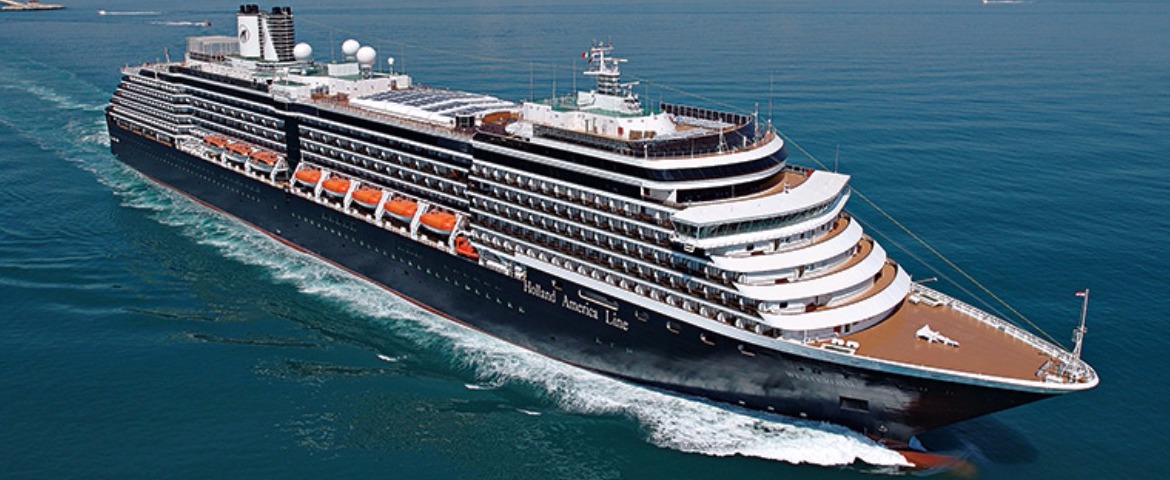
Holland America Line (2 Cruises)

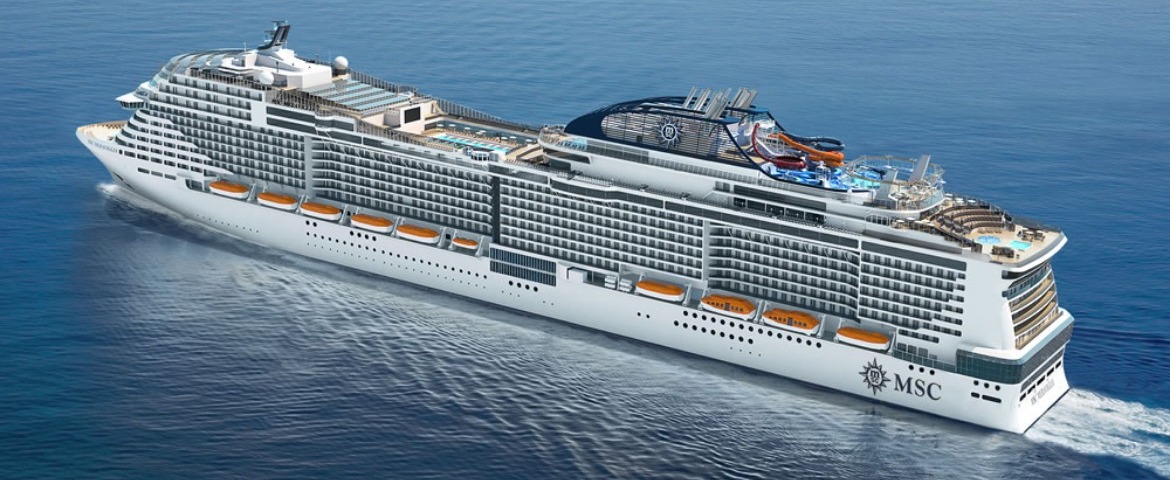
MSC Cruises (25 Cruises)
MSC Bellissima
25 Cruises

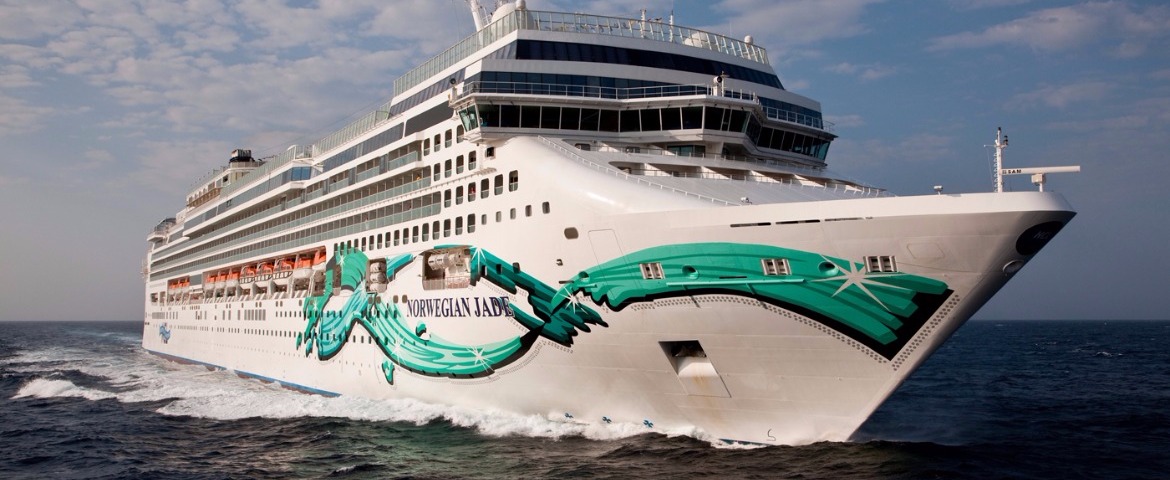
Norwegian Cruise Line (1 Cruises)

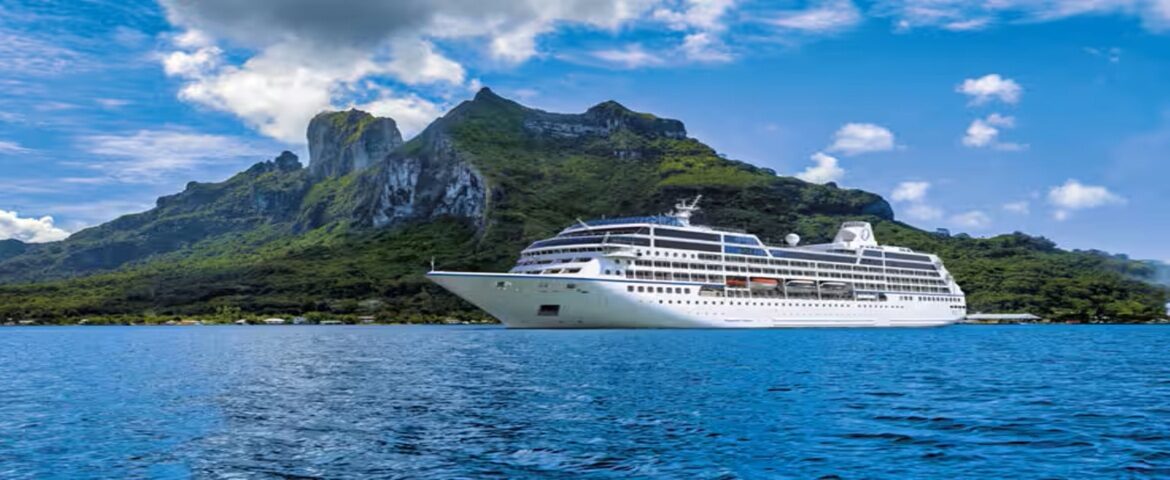
Oceania Cruises (21 Cruises)
Oceania Aurelia
6 Cruises

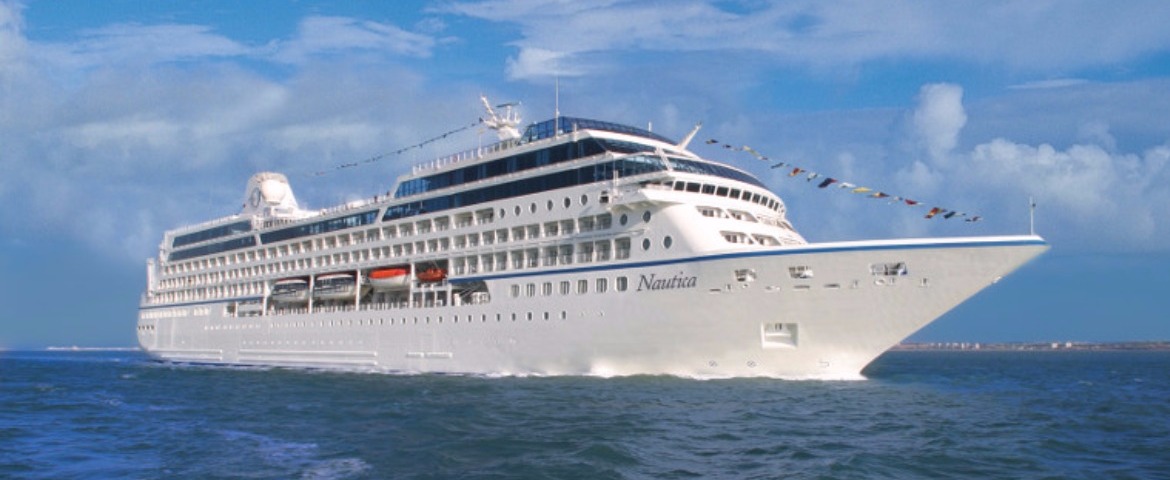
Oceania Nautica
6 Cruises
Ponant (1 Cruises)

Princess Cruises (42 Cruises)
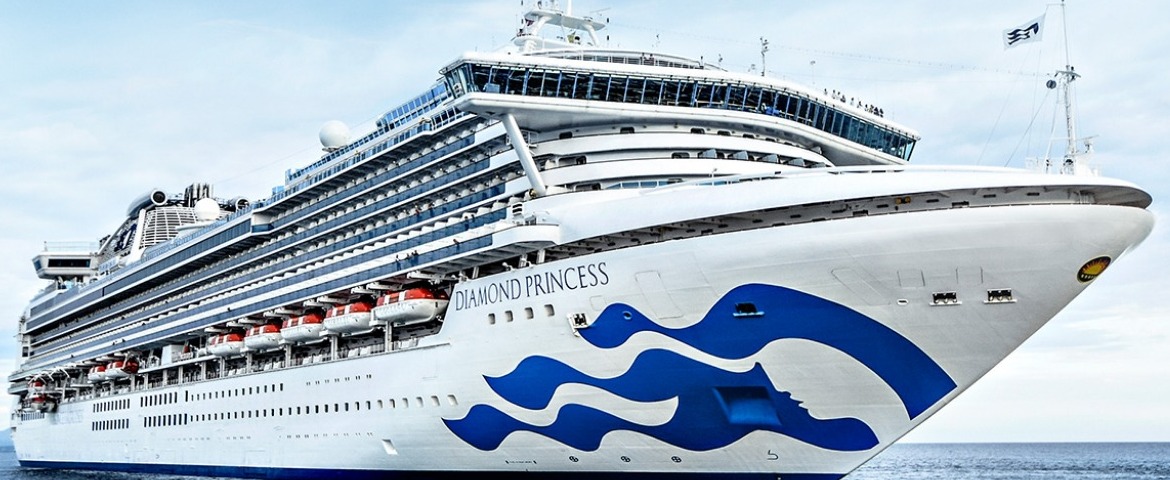
Diamond Princess
19 Cruises

Grand Princess
14 Cruises

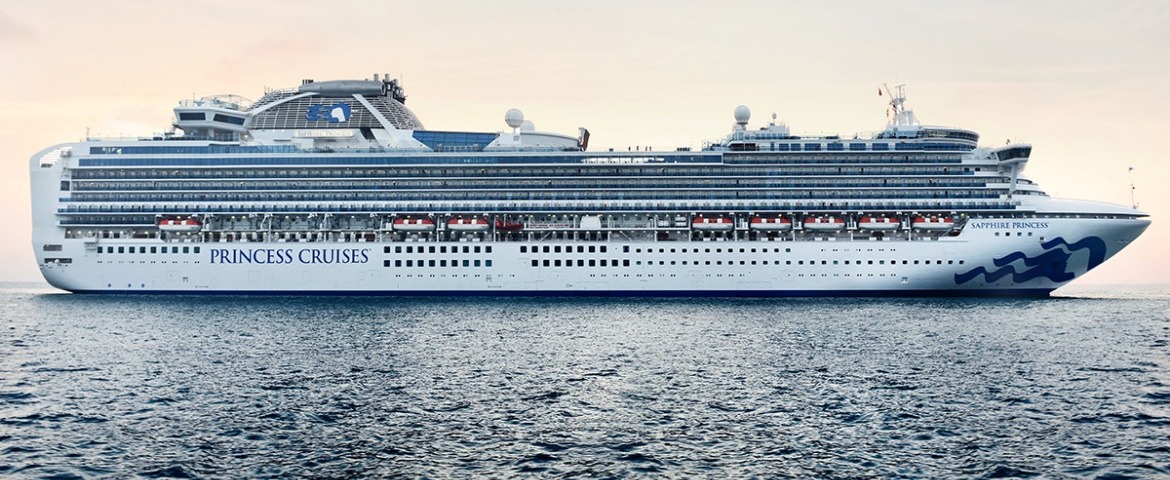
Sapphire Princess
9 Cruises
Regent Seven Seas Cruises (31 Cruises)
Seven Seas Explorer
16 Cruises
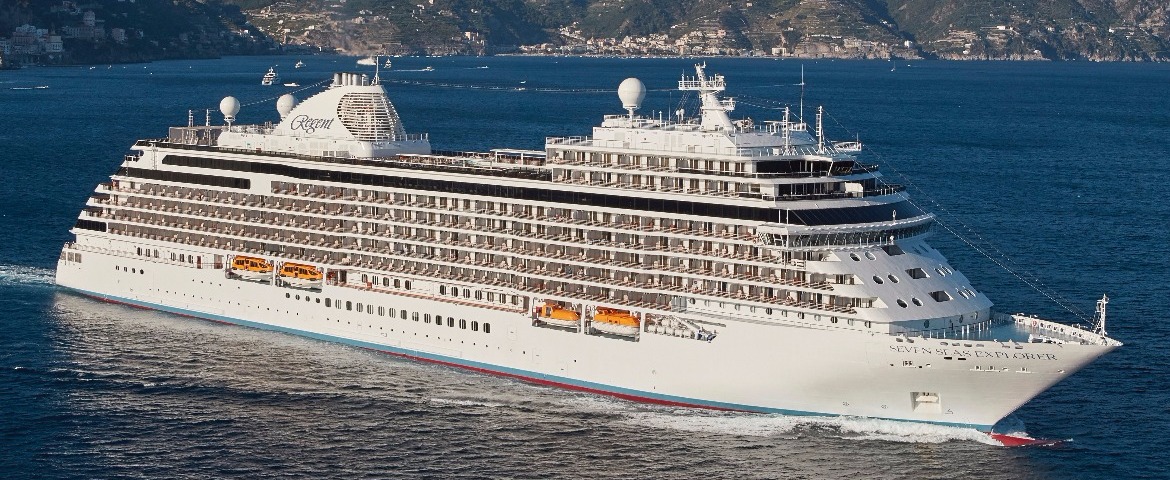

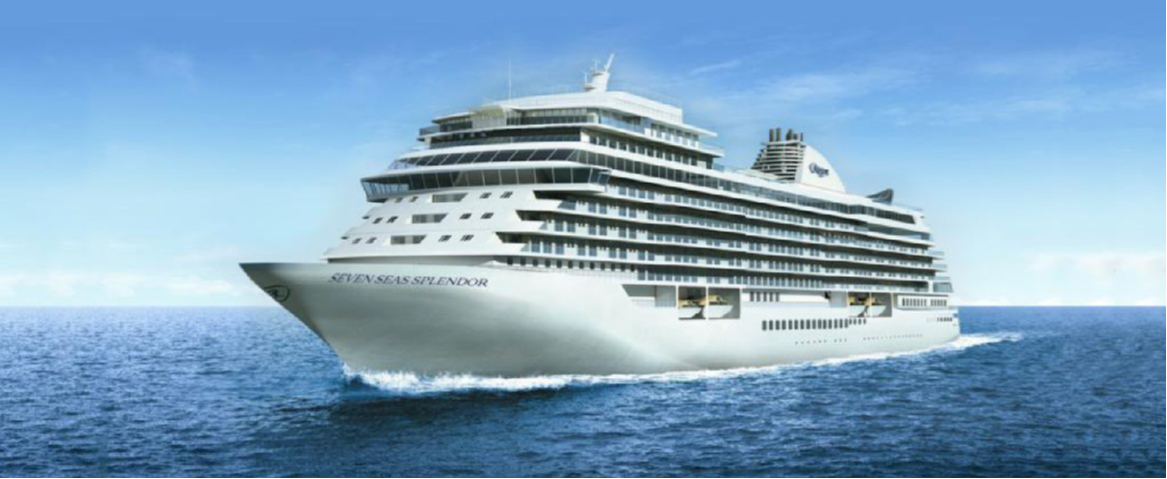
Seven Seas Splendor
15 Cruises
| 6 January | 133 days | Round-trip from San Francisco, USA |
450-628-6241
Call us
|
| 6 January | 140 days | One-way from San Francisco to Vancouver |
450-628-6241
Call us
|
| 26 March | 21 days | One-way from Singapore to Incheon |
450-628-6241
Call us
|
| 26 March | 21 days | One-way from Singapore to Incheon |
450-628-6241
Call us
|


Seabourn Cruise Line (16 Cruises)
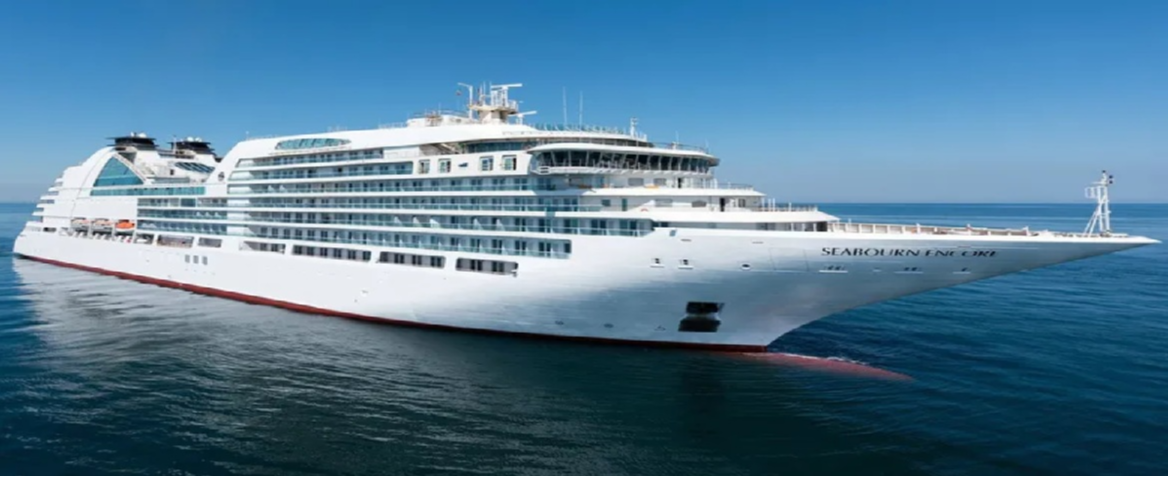
Seabourn Encore
16 Cruises

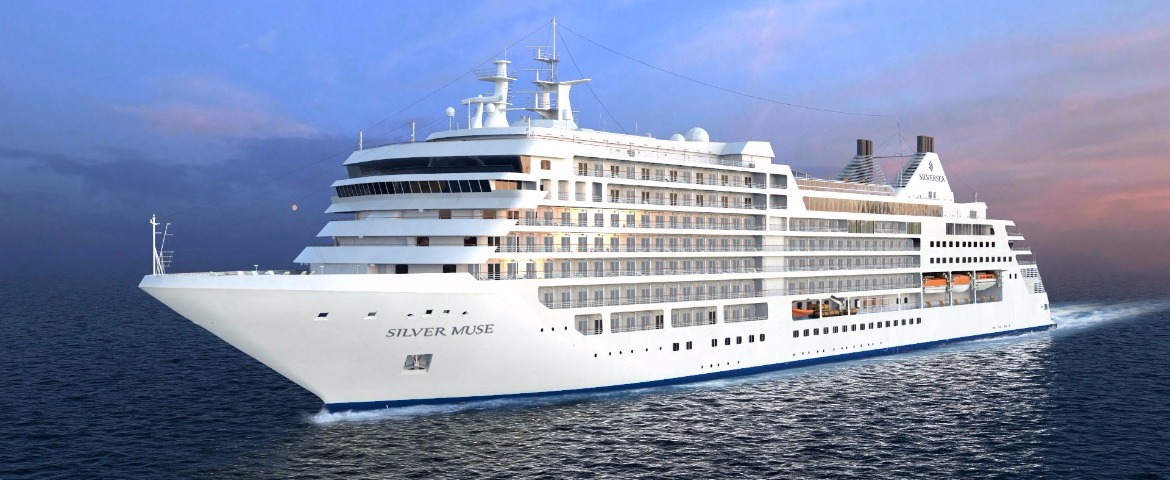
Silversea Cruises (4 Cruises)


Port of Ishigaki | Cruise Port Guide
Frequently Asked Questions
At the cruise terminal, about a kilometre and a half from the town centre. The distance is an easy walk along the waterfront, which saves waiting for a shuttle to reach the covered arcade and the inter-island ferry terminal.
At the far bottom left of the map, in the Yaeyama archipelago, closer to Taiwan than to Tokyo. Life here runs on subtropical time: coral reefs, mangroves, pineapple fields and an Okinawan ease that surprises anyone who knows only Japan's big cities.
No, swimming is prohibited: the site is protected and given over in part to black pearl cultivation. You see the lagoon from a glass-bottom boat, with departures every fifteen to thirty minutes, or from the park lookout.
About an hour by road or bus from the ship, in the island's northwest. That is a lot on a short call, but the lagoon, whose greens and blues shift with the passing clouds, fully justifies the trip.
An islet fifteen minutes by ferry from central Ishigaki, preserving an Okinawan village of a kind that barely survives elsewhere: low red-tiled houses guarded by shisa lions, coral stone walls, white sand lanes. You explore it by bicycle or in a water buffalo cart.
A hat and water: shade is scarce between the coral walls, and the Yaeyama sun is fierce. A half-day passes very quickly there. The ferry leaves from the island terminal right in the town centre.
Around Yonehara, where the reef comes close to shore and snorkelling starts a few strokes from the sand. The currents deserve respect: stay in supervised areas and follow local instructions, which are not decorative.
Yaeyama soba noodles in their clear broth, with pickled chillies alongside, in the town's covered arcade. Ishigaki beef, raised on the island, is served grilled at the counter and holds its own against its better-known cousins from Kobe or Miyazaki.
Local sea salt, sold in the arcade shops, and the archipelago's cane spirits. They fit in a backpack and tell the island's story better than a keyring.
The Japanese yen and Japanese, with an Okinawan accent and vocabulary. English is limited outside tourist sites. Bring cash for the arcade, the ferries and the small noodle counters.


