Montego Bay Jamaica
162
Cruises availables
At departure or passage at this port
Carnival Cruise Line (79 Cruises)
Carnival Breeze
15 Cruises




Carnival Horizon
11 Cruises

| 4 January | 7 days | Round-trip from Miami, USA |
From
564$
|
| 10 January | 7 days | Round-trip from Miami, USA |
From
566$
|
| 7 February | 7 days | Round-trip from Miami, USA |
From
595$
|
| 21 February | 7 days | Round-trip from Miami, USA |
From
637$
|

Carnival Liberty
15 Cruises


Carnival Venezia
12 Cruises


Costa Cruises (2 Cruises)


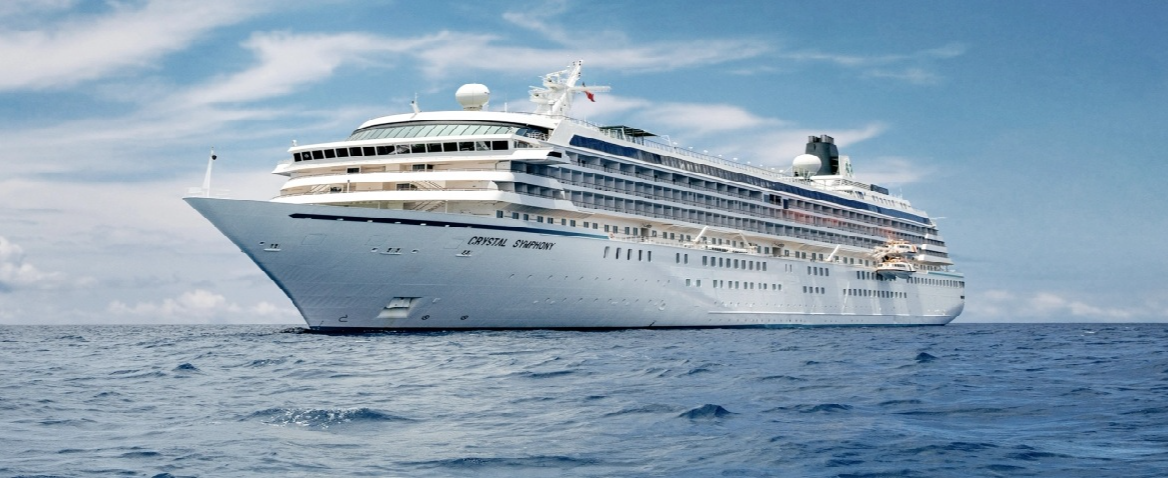
Crystal Cruises (11 Cruises)
Crystal Serenity
7 Cruises


Cunard (10 Cruises)
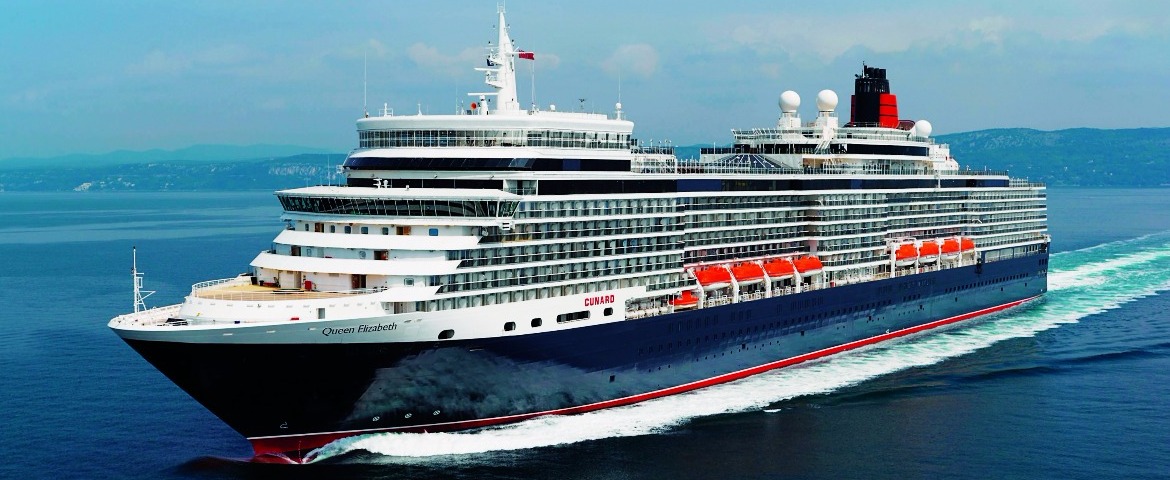
Queen Elizabeth
10 Cruises

Holland America Line (4 Cruises)




MSC Cruises (7 Cruises)


Norwegian Cruise Line (13 Cruises)




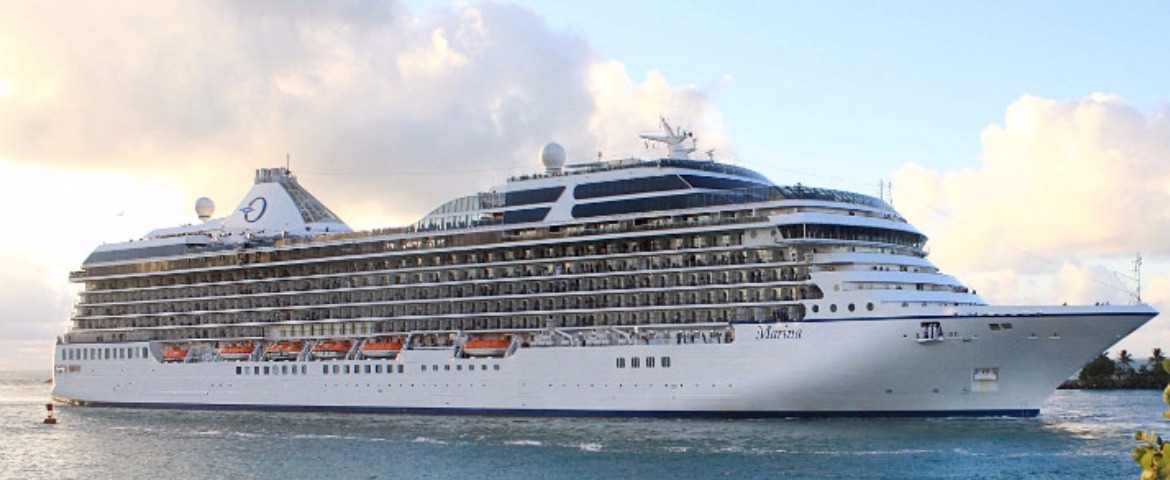

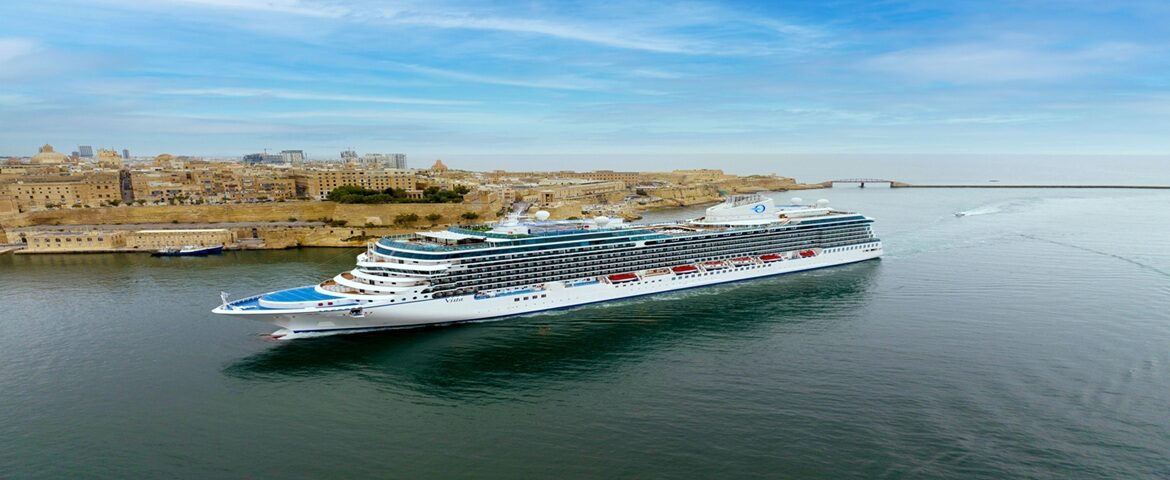
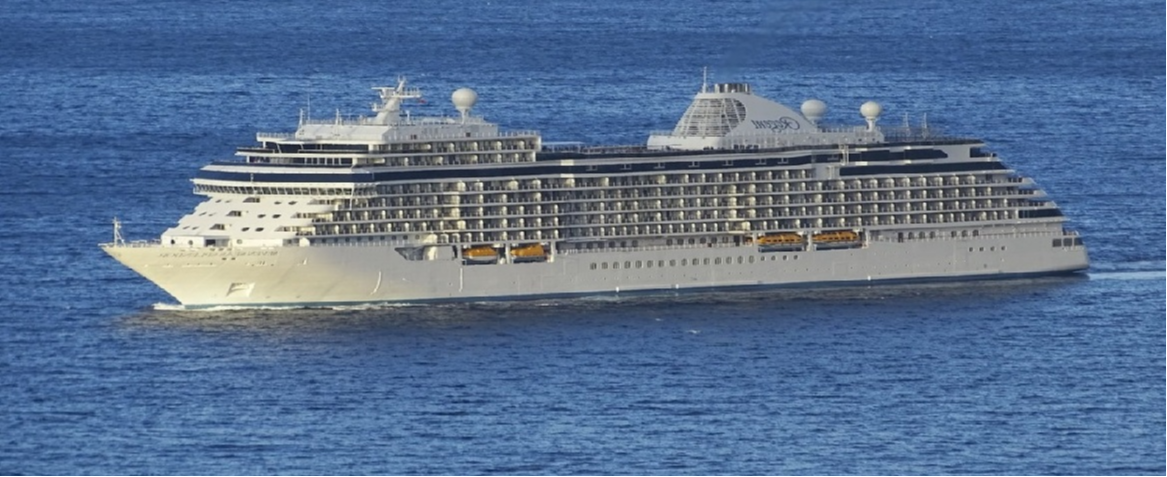
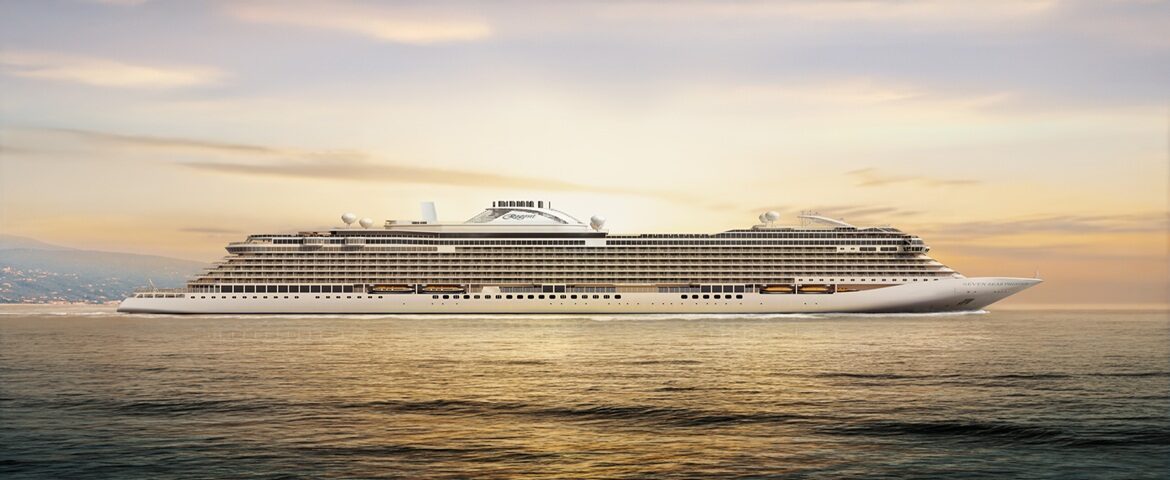
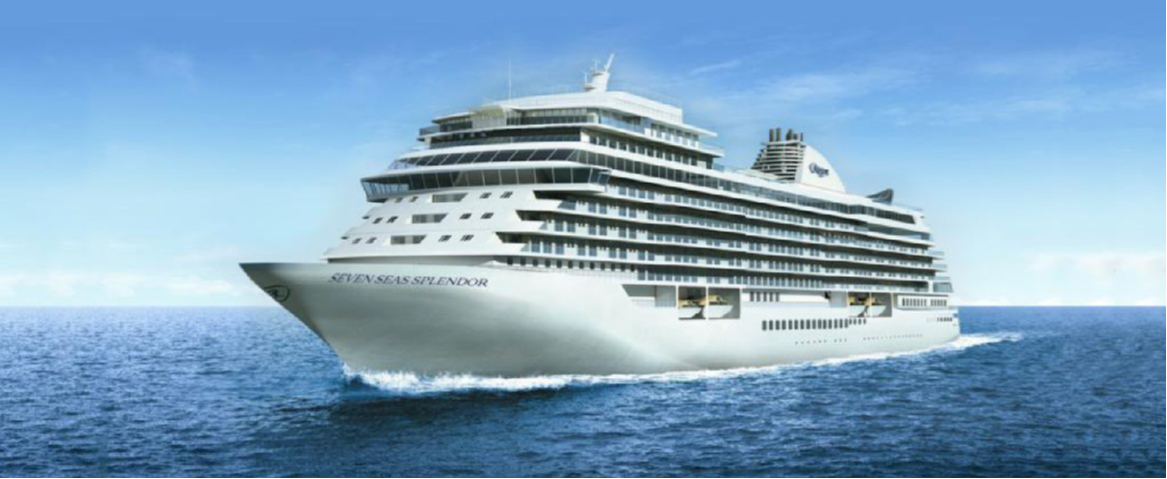
Regent Seven Seas Cruises (9 Cruises)


Royal Caribbean Cruises (3 Cruises)


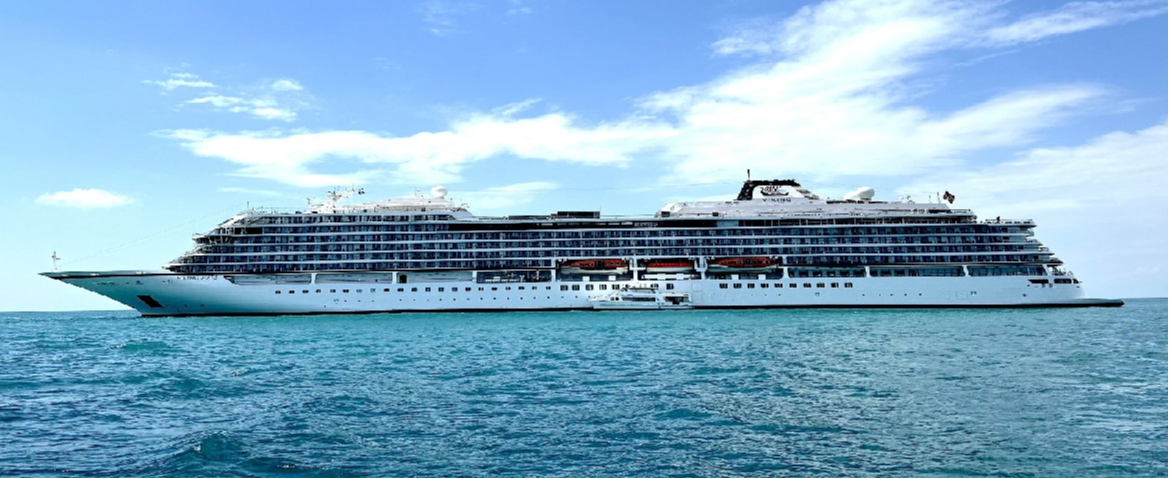


Port de Montego Bay, Jamaïque | Escales de croisières et guide du port
Frequently Asked Questions
On the Freeport peninsula, about five kilometres from the town centre. Nothing is walkable from the pier: taxis and shuttles cover the distance in 10 to 15 minutes. A hop-on shuttle links the port, the Hip Strip and downtown with a day pass.
Doctor's Cave Beach, about ten minutes by taxi from the terminal: pale sand, clear calm water, well-kept facilities. There is an entrance fee, which keeps the place peaceful even on busy days. The bay is part of Jamaica's first protected marine park.
Because it launched the resort. In the early twentieth century its waters were said to have healing properties; wealthy winter visitors followed, then the hotels. The shore is still run by a century-old club, and snorkelling trips leave straight from the beach.
Gloucester Avenue, a kilometre of bars, souvenir shops, artists' studios and terraces where the music spills onto the pavement. Nothing subtle, plenty of life: this is beach-resort Jamaica, unapologetically. Try a hot patty straight from the oven.
Yes, and the old centre deserves an hour even though few cruise passengers go there. On the main square, a group of statues honours Samuel Sharpe, the enslaved preacher whose 1831 uprising hastened abolition in the British colonies. The stone cage next to it served as a jail.
Yes, about twenty minutes east. The restored Georgian great house is toured to the story of Annie Palmer, the White Witch said to have done away with three husbands. Believe it or not, the period furniture and the sea panorama justify the visit.
One thing properly rather than three halfway. Doctor's Cave and the Hip Strip pair easily; Rose Hall fits the same half-day if you leave early. Adding the historic centre to both gets tight.
Yes. Doctor's Cave has calm water, shallow near the shore, chairs and umbrellas for hire, and a reduced rate for children. The Hip Strip is loud but safe by day. Avoid long walks under the midday sun.
The US dollar is accepted throughout the tourist areas, but change often comes back in Jamaican dollars. English is the official language; Jamaican patois dominates on the street. Cards work at hotels and the main beaches.
December to April, the dry season: heat tempered by the trade winds and calm seas. June to November is hurricane season, with short downpours and a risk of the ship being rerouted. September and October are the most exposed months.


