Dun Laoghaire Ireland
160
Cruises availables
At departure or passage at this port
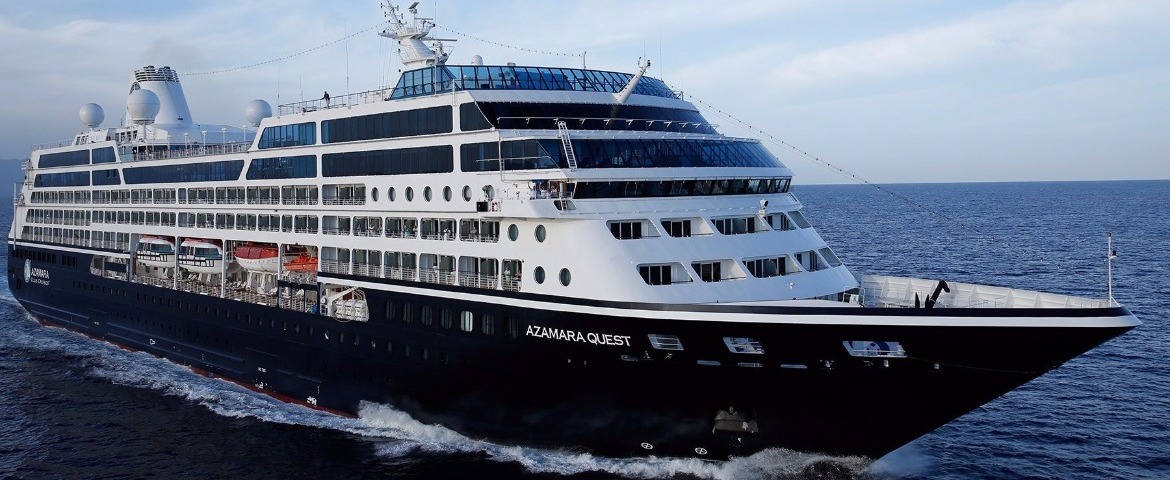
Azamara Club Cruises (5 Cruises)

Carnival Cruise Line (2 Cruises)


Celebrity Cruises (2 Cruises)


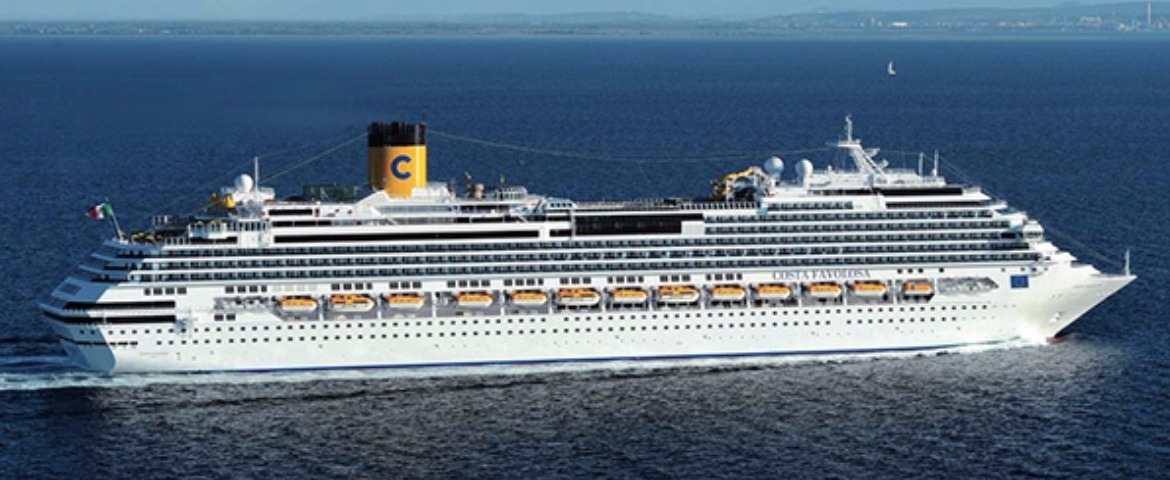
Costa Cruises (1 Cruises)

Crystal Cruises (2 Cruises)



Norwegian Cruise Line (11 Cruises)
Norwegian Star
11 Cruises
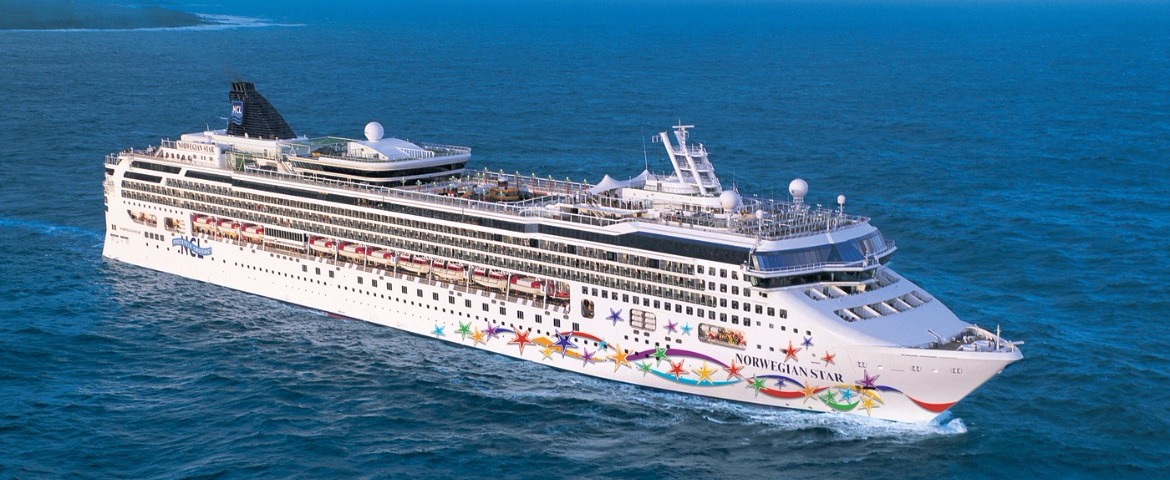
| 15 July | 10 days | Round-trip British Isles Norwegian Star Southampton |
From
1503$
|
| 25 July | 11 days | Round-trip British Isles Norwegian Star Southampton |
From
1904$
|
Oceania Cruises (18 Cruises)
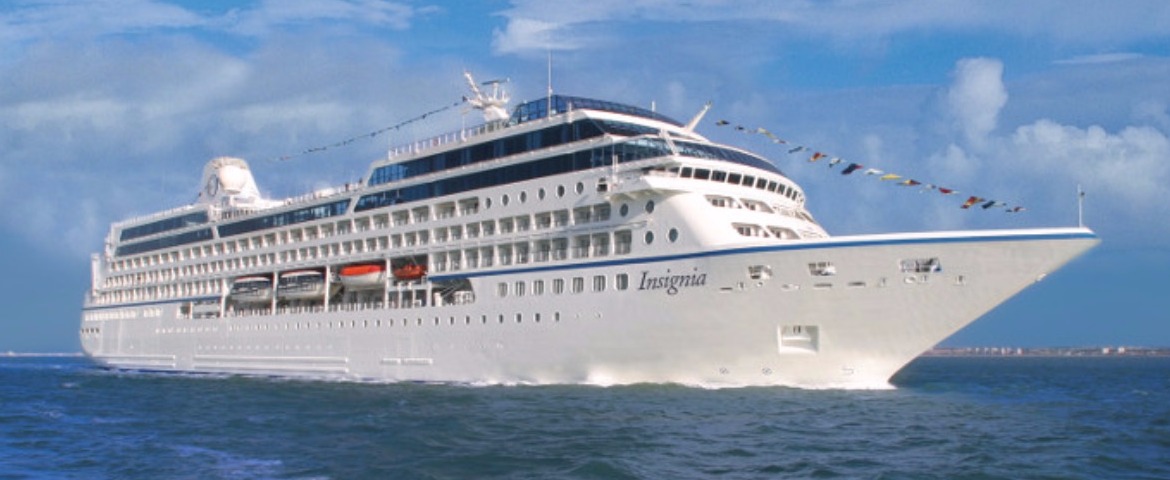
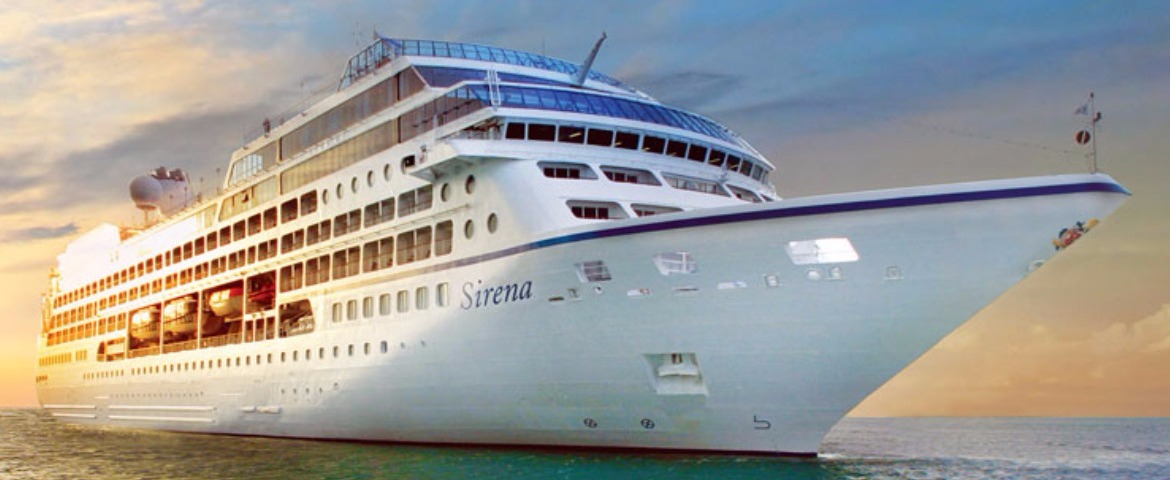
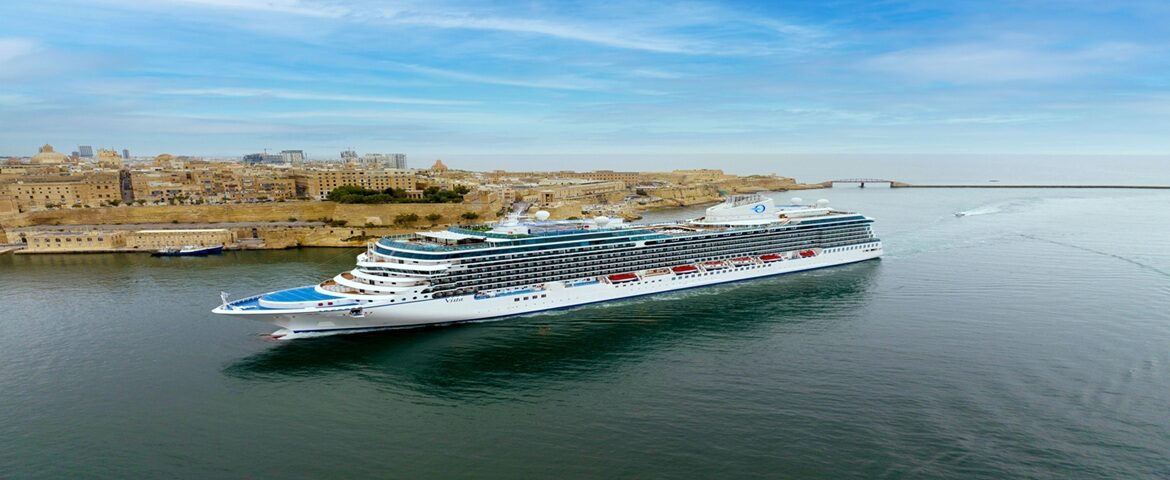
Oceania Insignia
4 Cruises

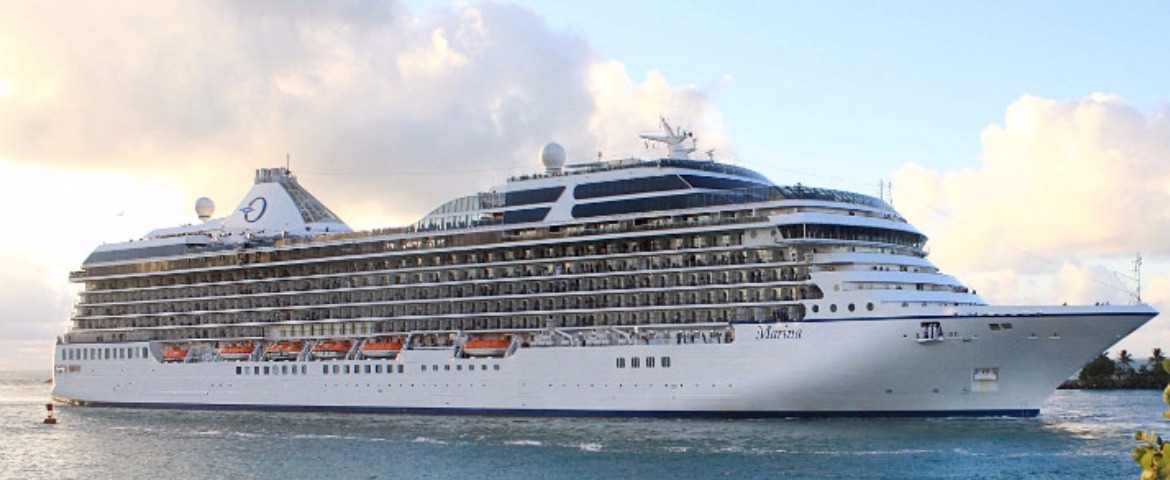
Oceania Marina
6 Cruises
Princess Cruises (63 Cruises)
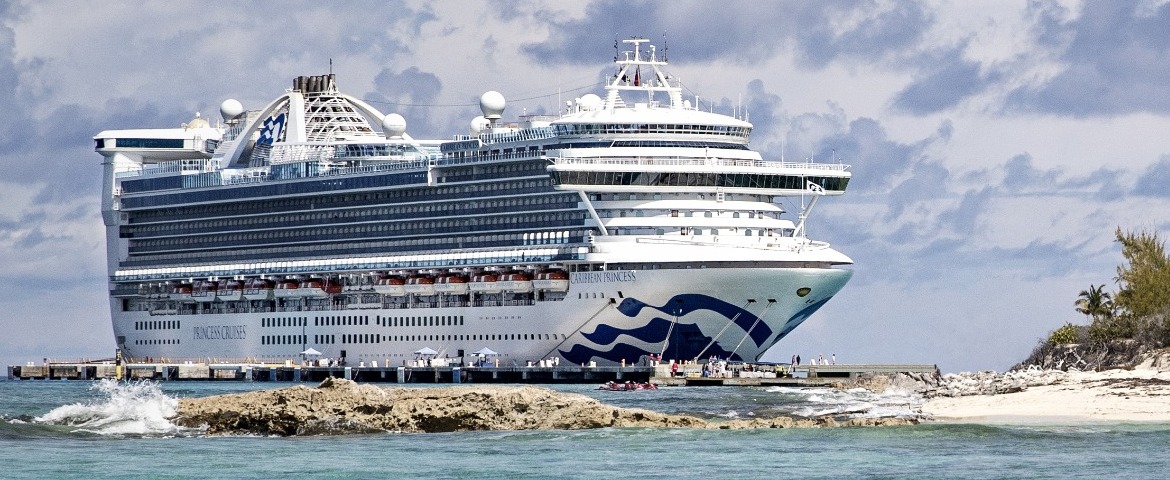
Caribbean Princess
26 Cruises

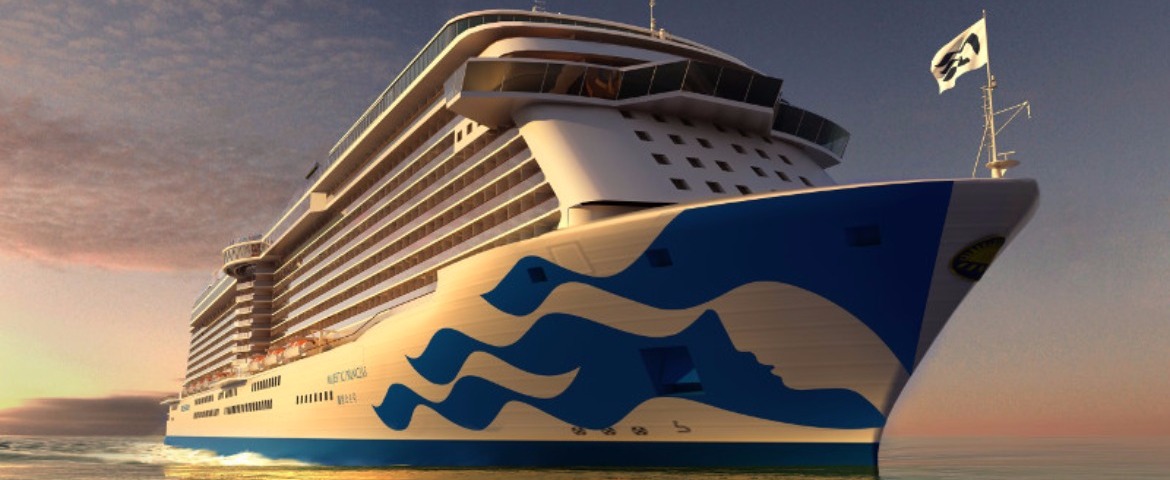
Majestic Princess
22 Cruises
| 7 April | 12 days | Round-trip British Isles Majestic Princess Southampton |
450-628-6241
Call us
|
| 19 April | 12 days | Round-trip British Isles Majestic Princess Southampton |
450-628-6241
Call us
|
| 12 July | 12 days | Round-trip British Isles Majestic Princess Southampton |
450-628-6241
Call us
|
| 24 July | 12 days | Round-trip British Isles Majestic Princess Southampton |
450-628-6241
Call us
|
Regal Princess
15 Cruises
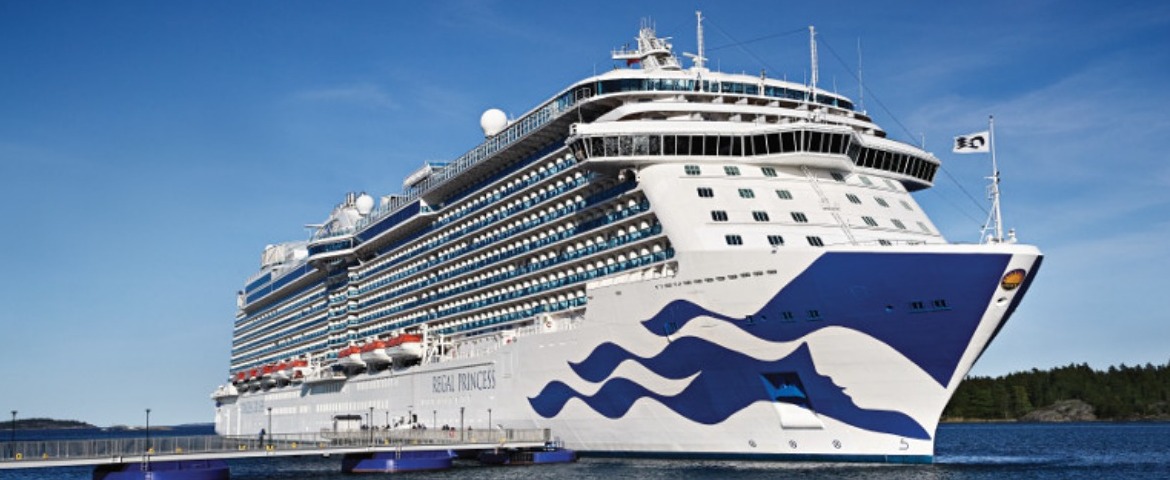
| 30 April | 64 days | Round-trip Mediterranean Sea Baltic Iceland British Isles Regal Princess Southampton |
450-628-6241
Call us
|
Regent Seven Seas Cruises (20 Cruises)
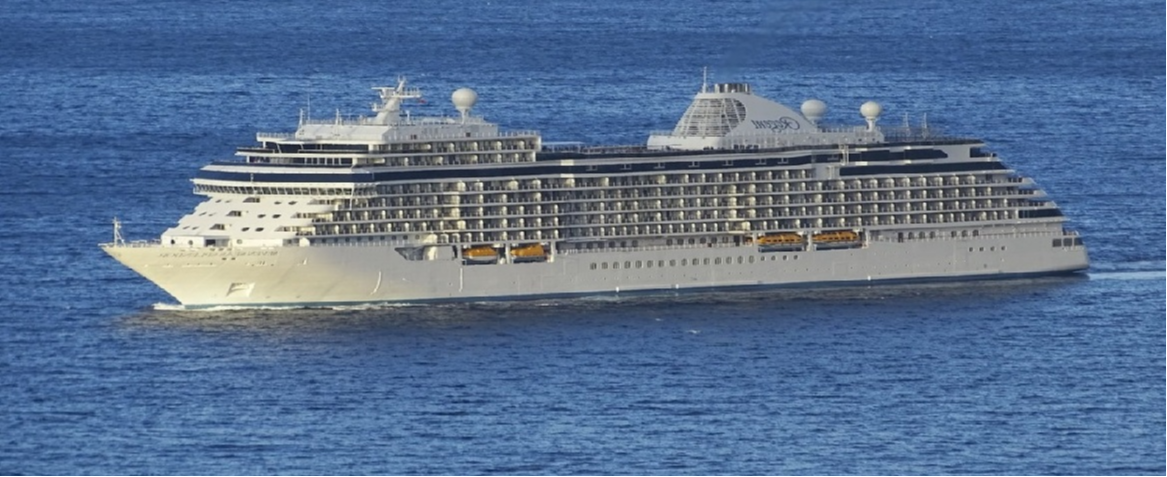

Seven Seas Mariner
7 Cruises

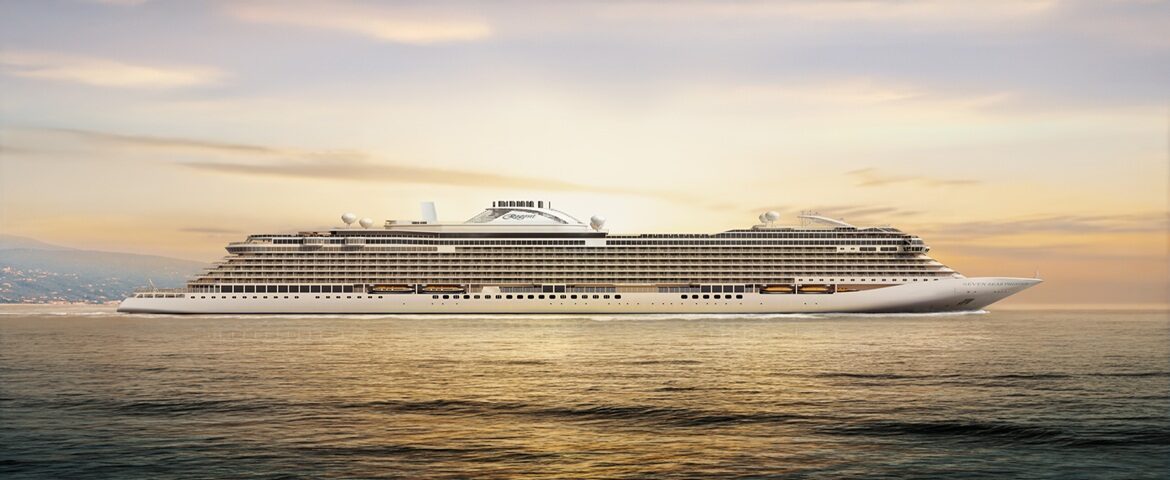
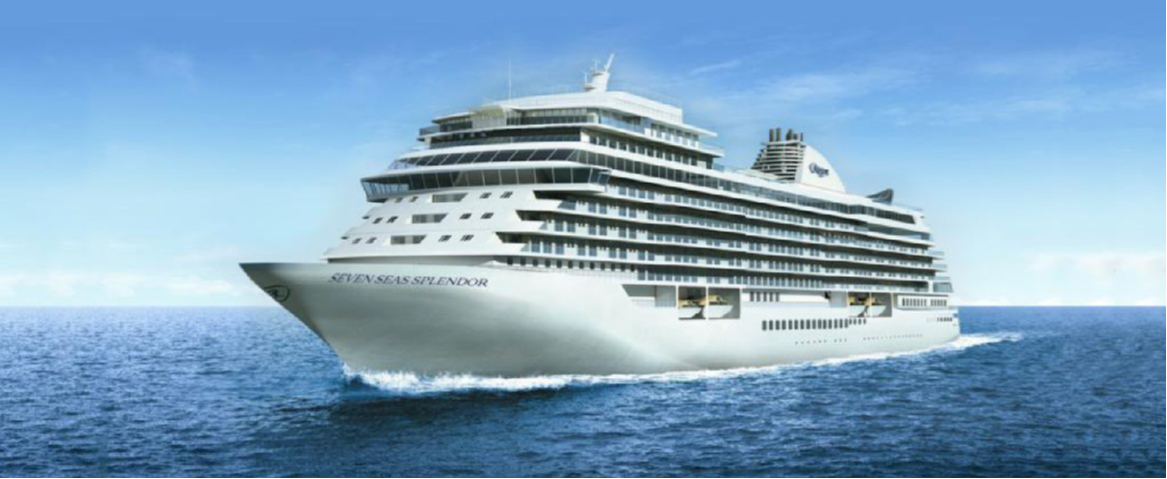
Seven Seas Splendor
4 Cruises
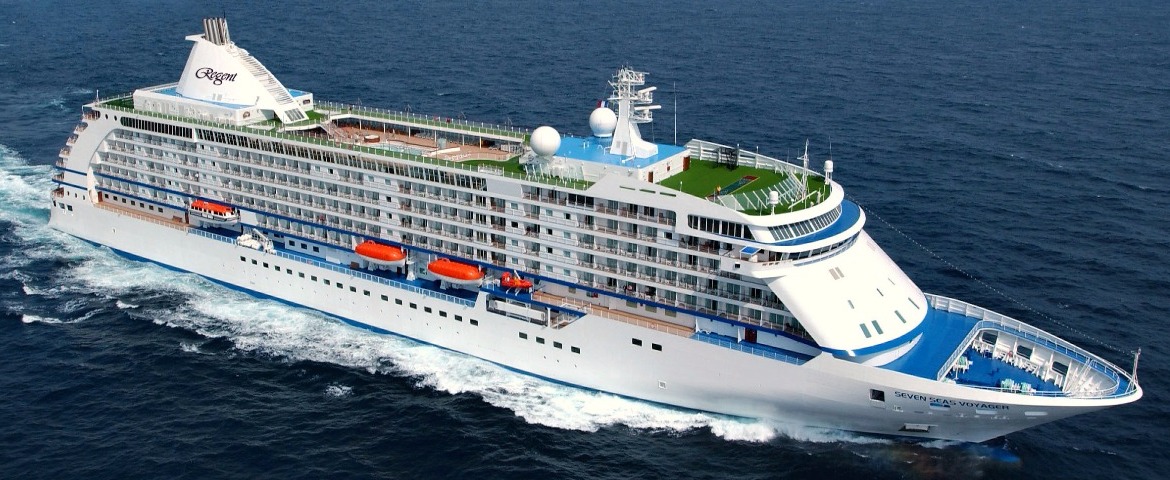
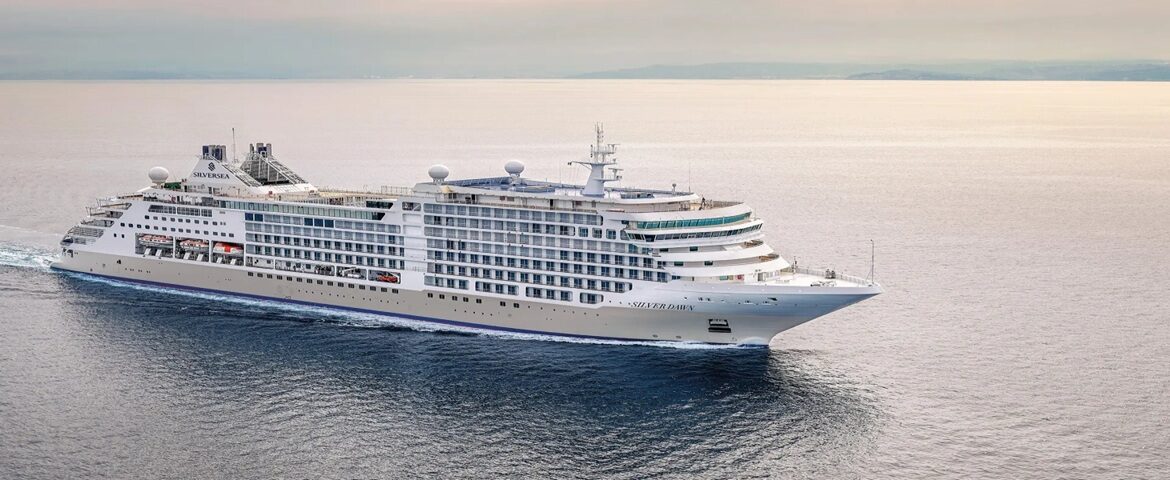
Silversea Cruises (1 Cruises)

Viking Ocean Cruises (30 Cruises)
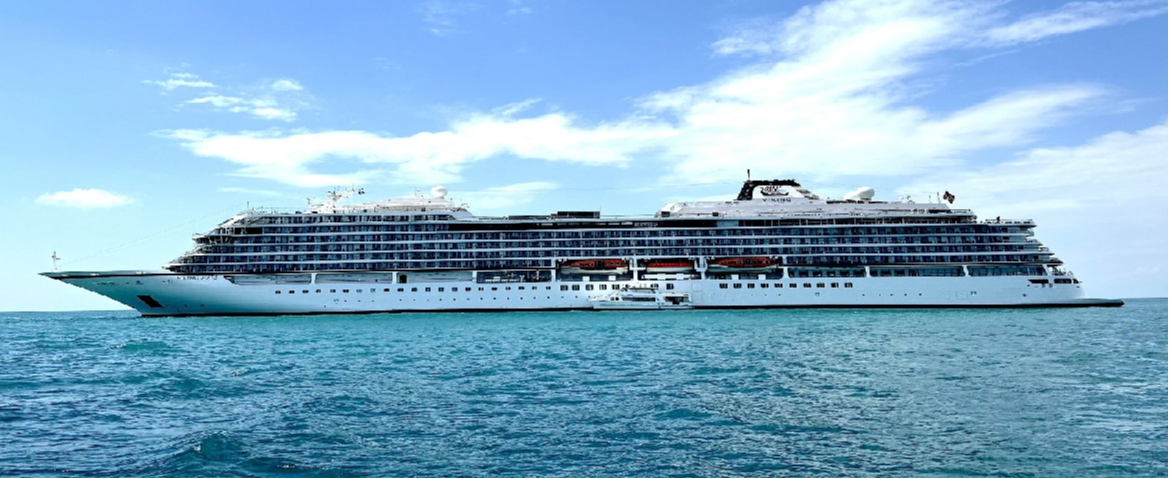

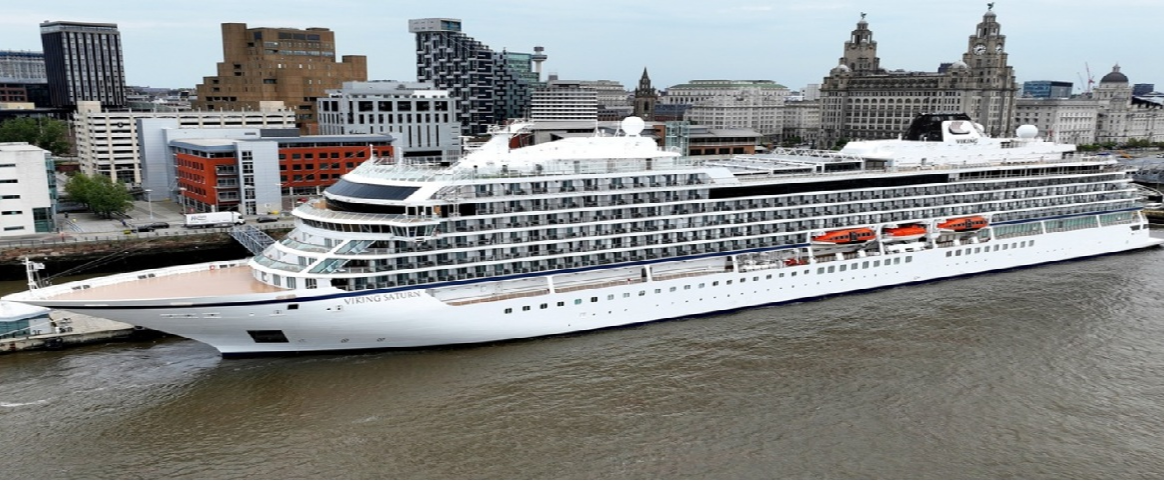
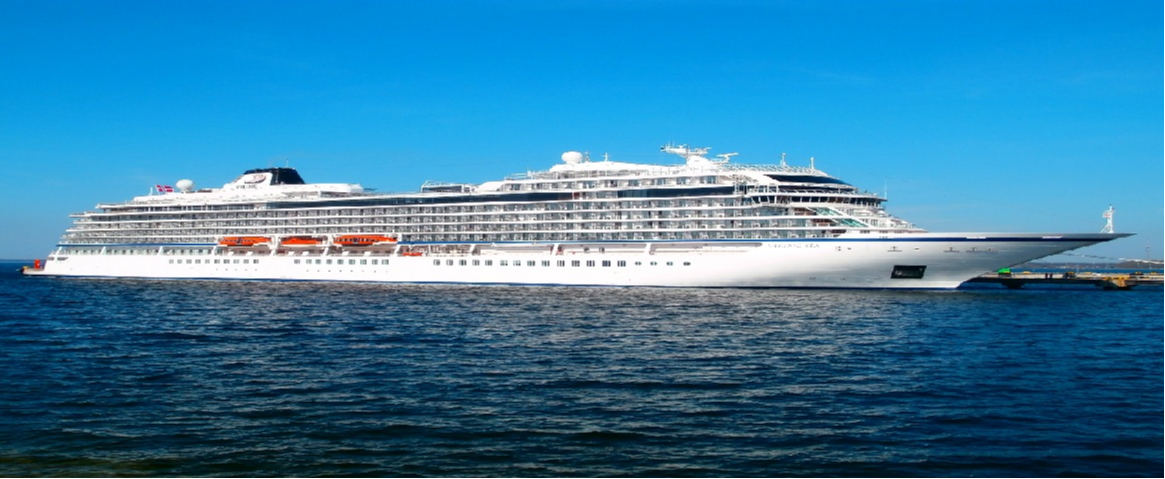
Viking Sky
12 Cruises
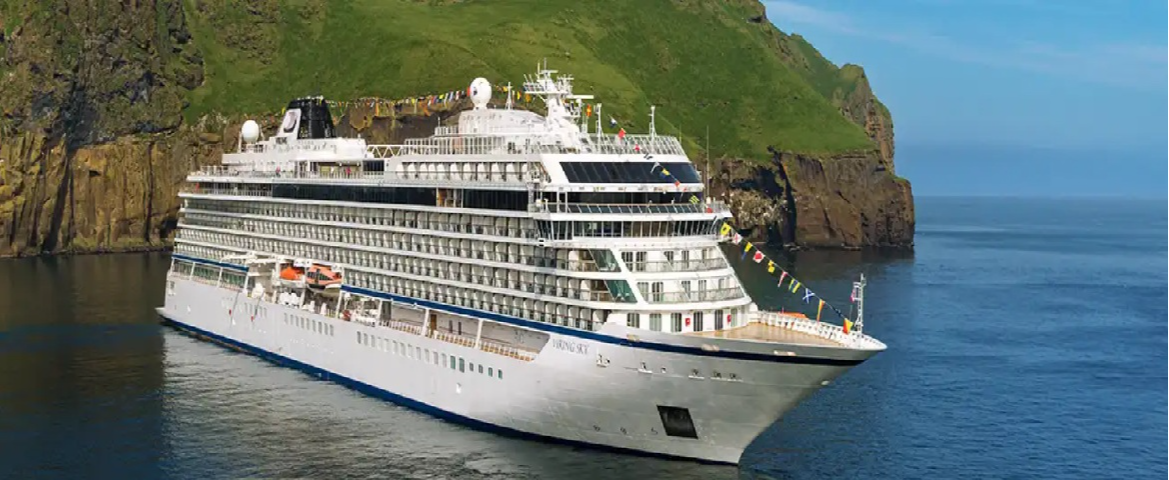
| 14 May | 26 days | One-way from London-Greenwich to Stockholm |
450-628-6241
Call us
|
| 14 May | 12 days | One-way from London-Greenwich to Bergen |
450-628-6241
Call us
|
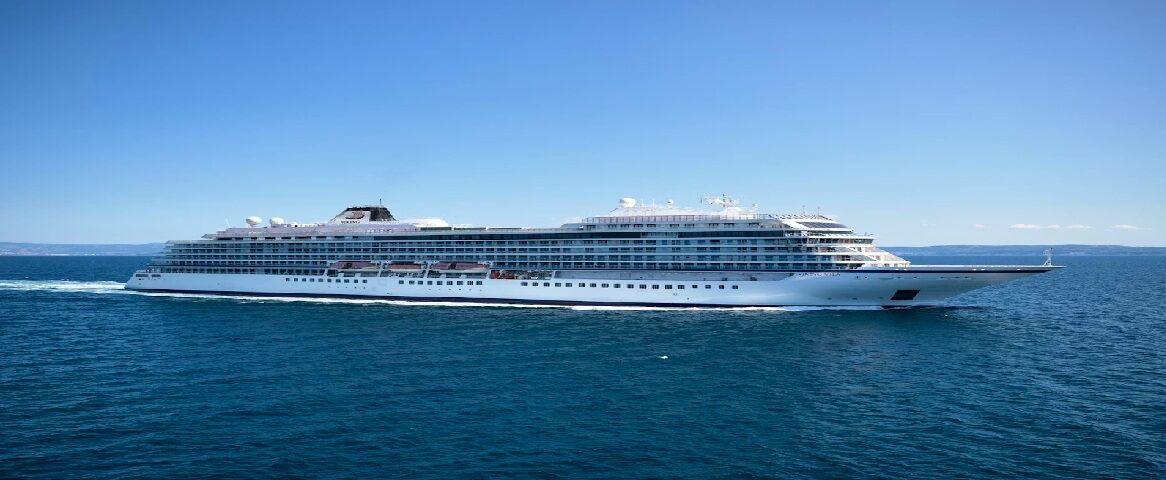
Viking Vela
8 Cruises

Port of Dún Laoghaire, Ireland | Cruise Port Guide
Frequently Asked Questions
Ships anchor offshore and land passengers at Carlisle Pier, steps from the centre of this Victorian seaside town. Dún Laoghaire is one of the largest artificial harbours in the world: two granite arms almost meet, leaving a 232-metre gap.
Easily. The station is three minutes from Carlisle Pier and DART suburban trains run to the city centre every 10 to 15 minutes, taking about twenty minutes. The line follows the bay and ranks among the finest urban rail journeys in Europe.
The local institution: a kilometre of granite polished by storms, walked by residents in all weather. Along it you pass a Victorian bandstand, anglers and, at the end, a small lighthouse facing the bay.
Yes: finish the walk with an ice cream cone from a seafront counter that has been serving since the 1950s. It is the kind of ritual that stays with people here far longer than any monument.
A museum housed in a former mariners' church, facing the landing pier, gathering models, instruments and shipwreck accounts. The giant lighthouse lens is the centrepiece of the collection.
The Martello tower at Sandycove, a half-hour walk south along the coast, is where the opening scene of Joyce's Ulysses is set. It now houses a small museum devoted to the writer.
Ireland's most famous swimming spot, just below Joyce's tower at Sandycove. People plunge into bracing water here all year round, a century-old tradition to watch — or to attempt, for the brave. The water is cold, with no exaggeration.
Three approaches. Without leaving town: the piers, the Maritime Museum, the LexIcon library and a cone facing the bay. As a walker: the coast to Sandycove, Joyce's tower and the Forty Foot. As an excursionist: the DART into Dublin in the morning, the promenade on your return.
Yes, for strong walkers: it lies beyond Sandycove, with its pocket-sized medieval castles and lanes where several Irish celebrities live. The DART brings you back in no time, sparing you the return walk.
Yes, in the People's Park, known for local produce, on Sundays. If your call falls on a Sunday it is an excellent addition to the pier walk and the LexIcon library, whose glass bays frame the bay like paintings.


