Milos Island Adamantas, Greece
213
Cruises availables
At departure or passage at this port
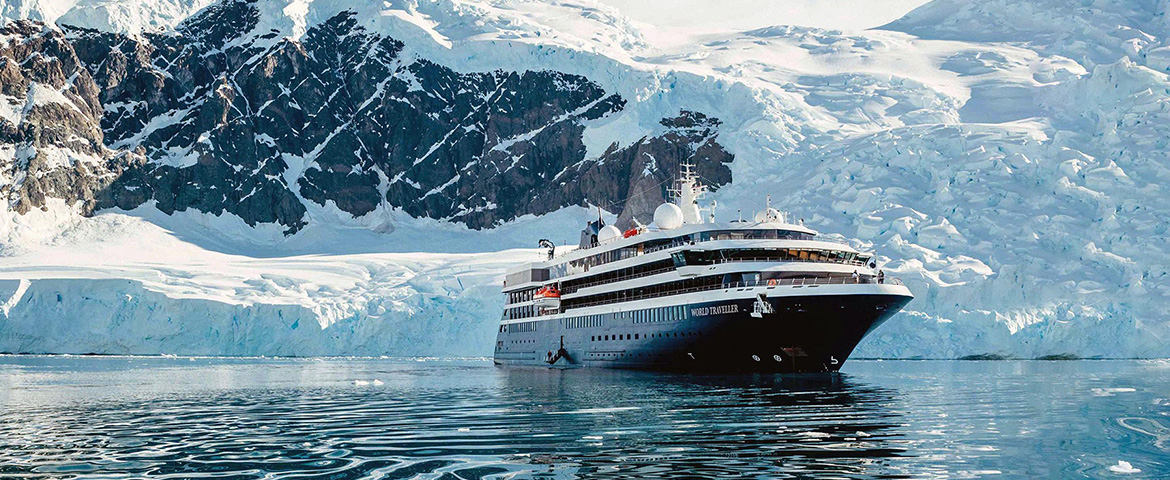
Atlas Ocean Voyages (3 Cruises)

Celestyal Cruises (91 Cruises)
Celestyal Journey
91 Cruises


CroisiEurope (7 Cruises)
MV La Belle de L'Adriatique
7 Cruises


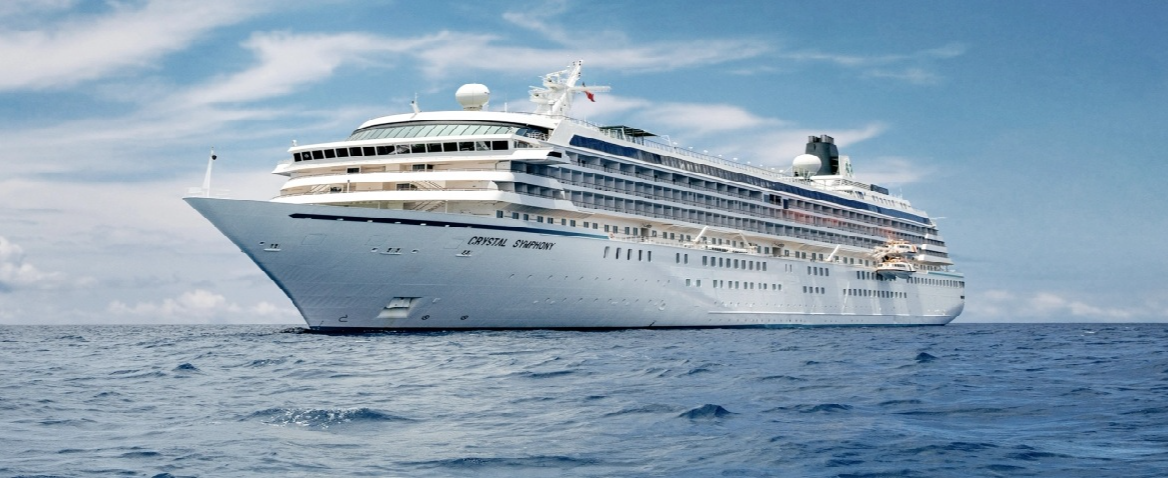
Crystal Cruises (8 Cruises)
Crystal Grace
6 Cruises


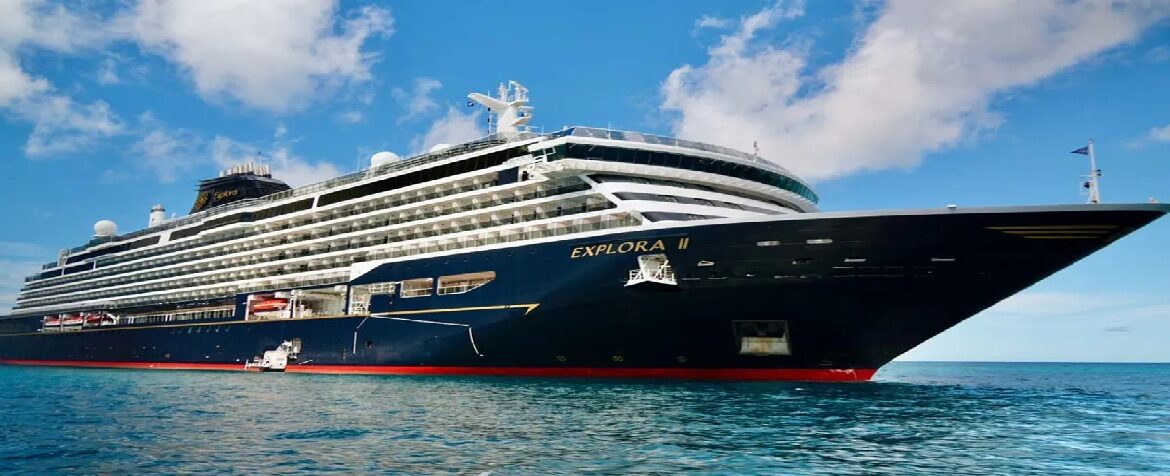
Explora Journeys (23 Cruises)
Explora II
23 Cruises

| 14 April | 20 days | Round-trip from Venice, Italy |
450-628-6241
Call us
|
| 24 April | 10 days | One-way from Piraeus-Athens to Venice |
450-628-6241
Call us
|
| 14 June | 15 days | Round-trip from Piraeus-Athens, Greece |
450-628-6241
Call us
|
| 21 June | 8 days | One-way from Venice to Piraeus-Athens |
450-628-6241
Call us
|
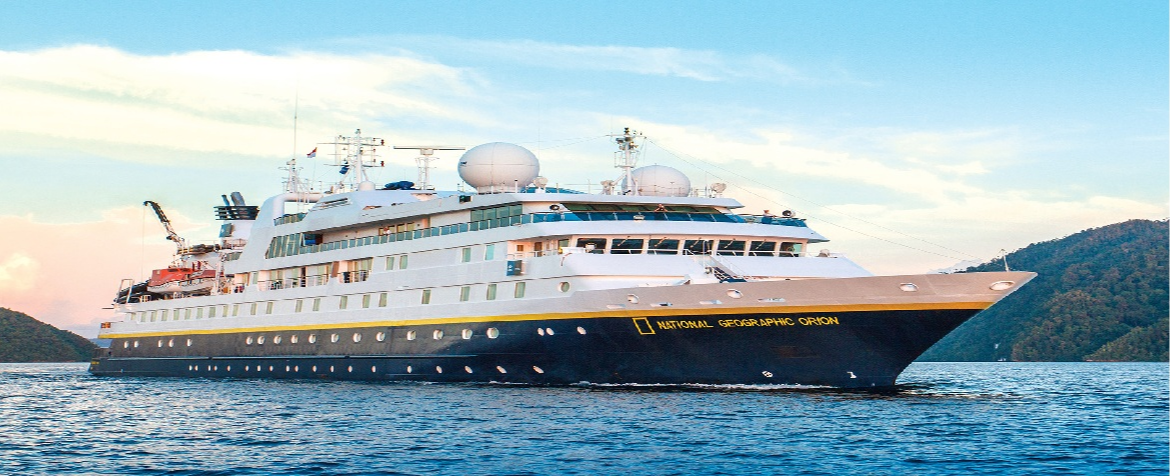
Lindblad Expeditions (7 Cruises)
National Geographic Orion
7 Cruises

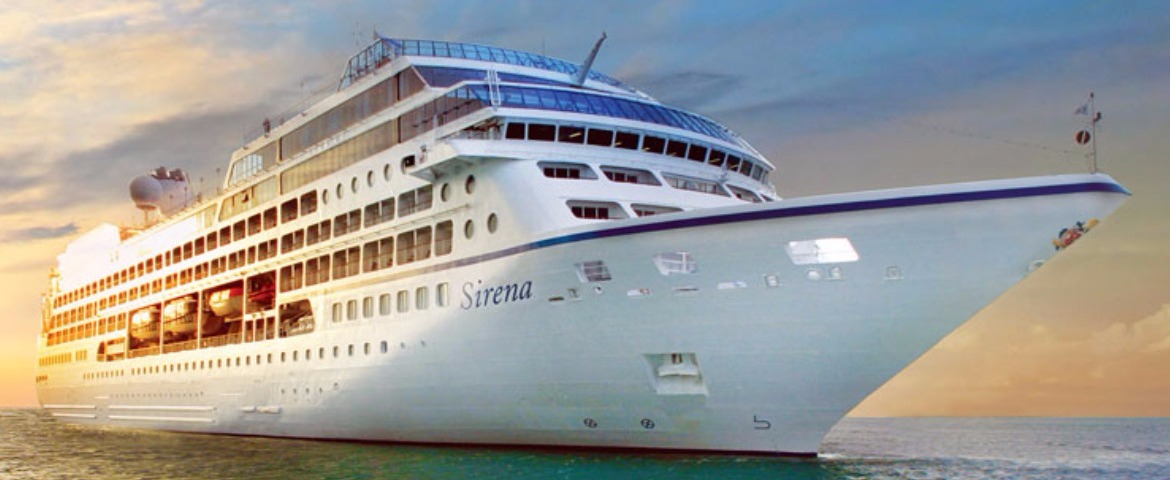
Oceania Cruises (15 Cruises)
Oceania Allura
4 Cruises
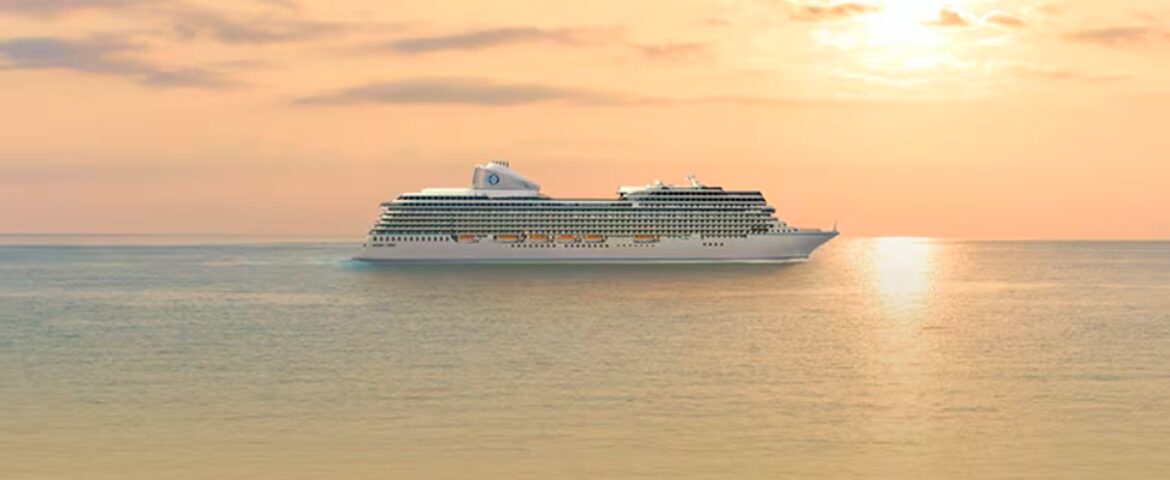

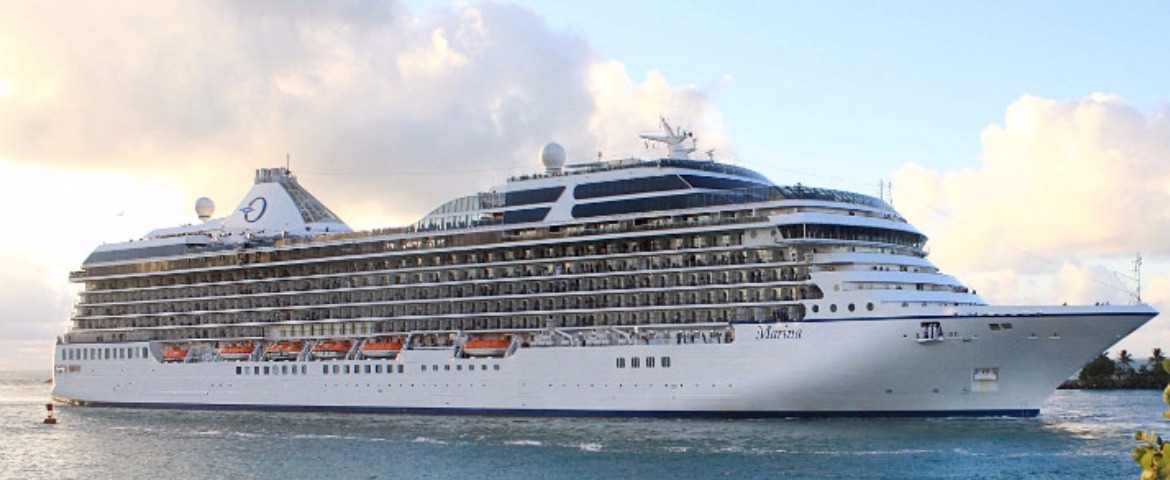
Oceania Marina
8 Cruises
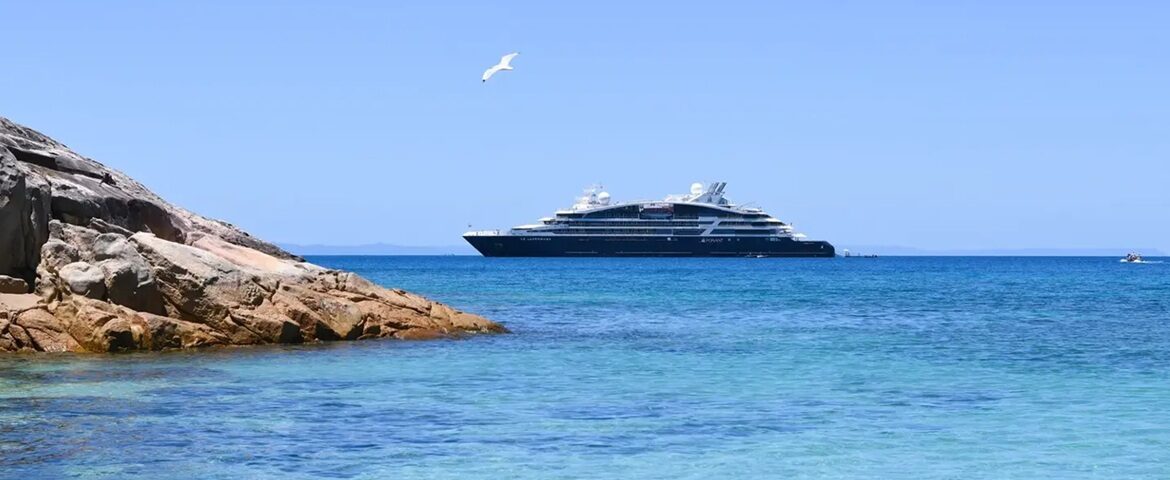
Ponant (2 Cruises)

Regent Seven Seas Cruises (20 Cruises)
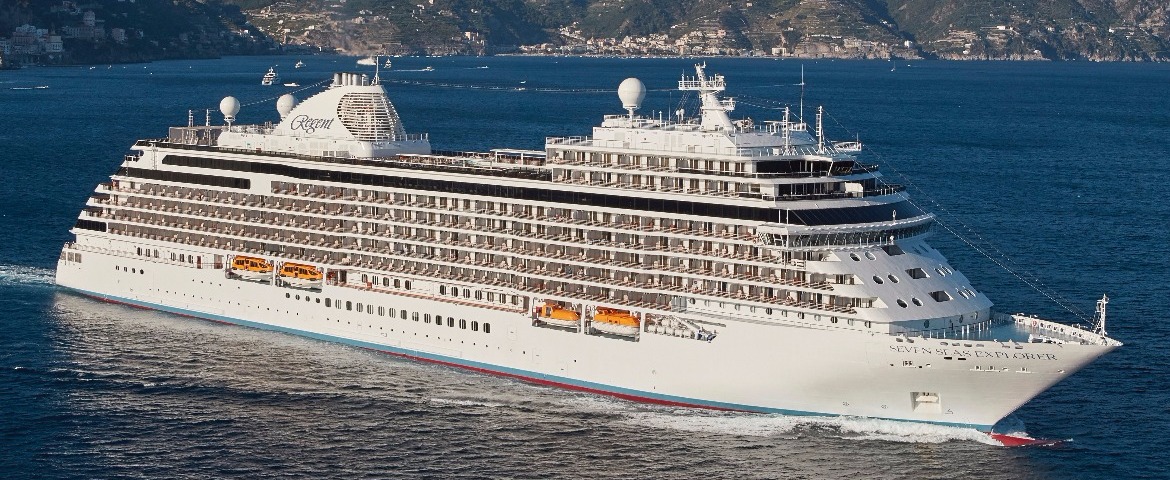
Seven Seas Explorer
7 Cruises

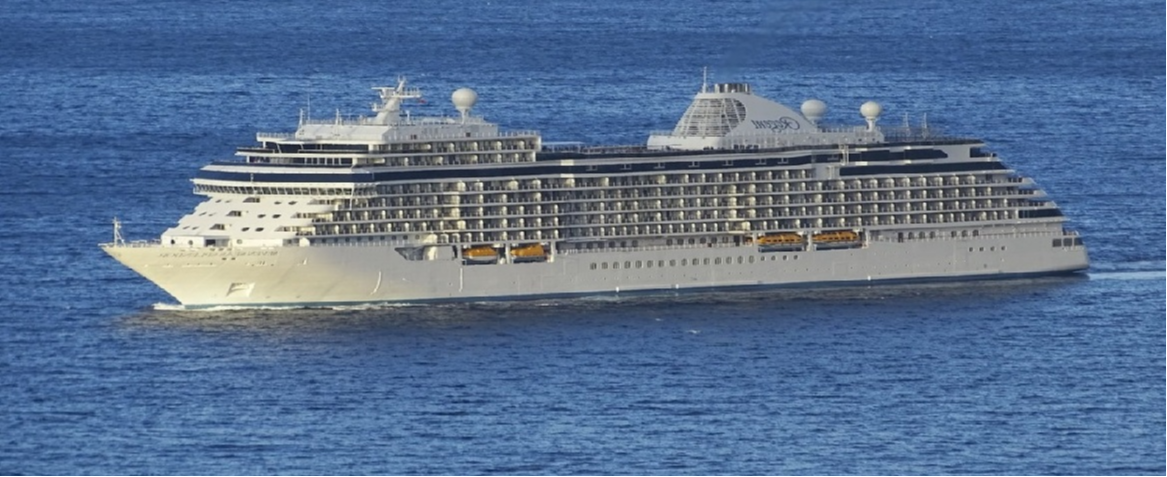
Seven Seas Grandeur
4 Cruises
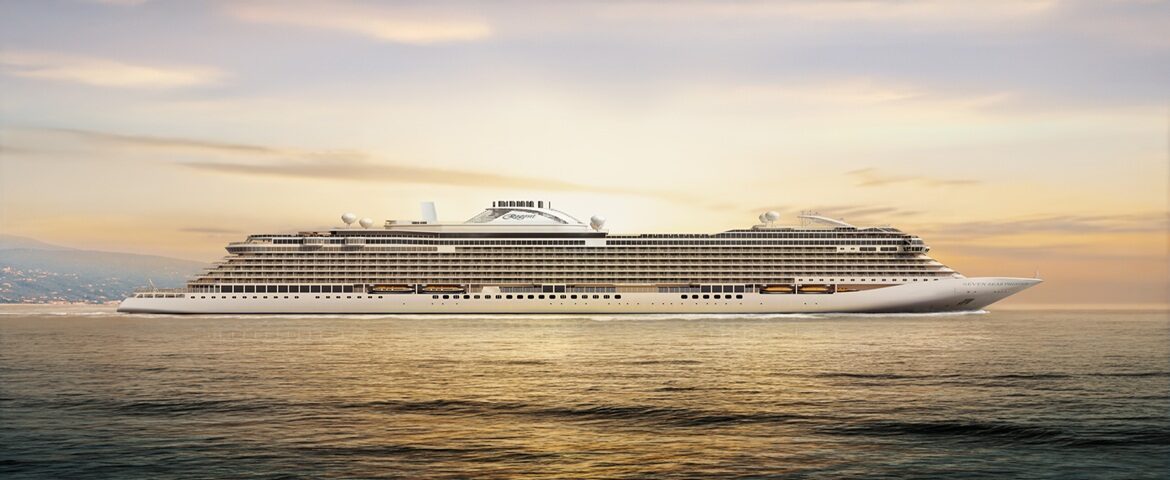
Seven Seas Prestige
9 Cruises
| 29 July | 15 days | One-way from Trieste to Civitavecchia-Rome |
450-628-6241
Call us
|
| 29 July | 14 days | One-way from Trieste to Civitavecchia-Rome |
450-628-6241
Call us
|
| 5 August | 8 days | One-way from Piraeus-Athens to Civitavecchia-Rome |
450-628-6241
Call us
|
| 5 August | 7 days | One-way from Piraeus-Athens to Civitavecchia-Rome |
450-628-6241
Call us
|
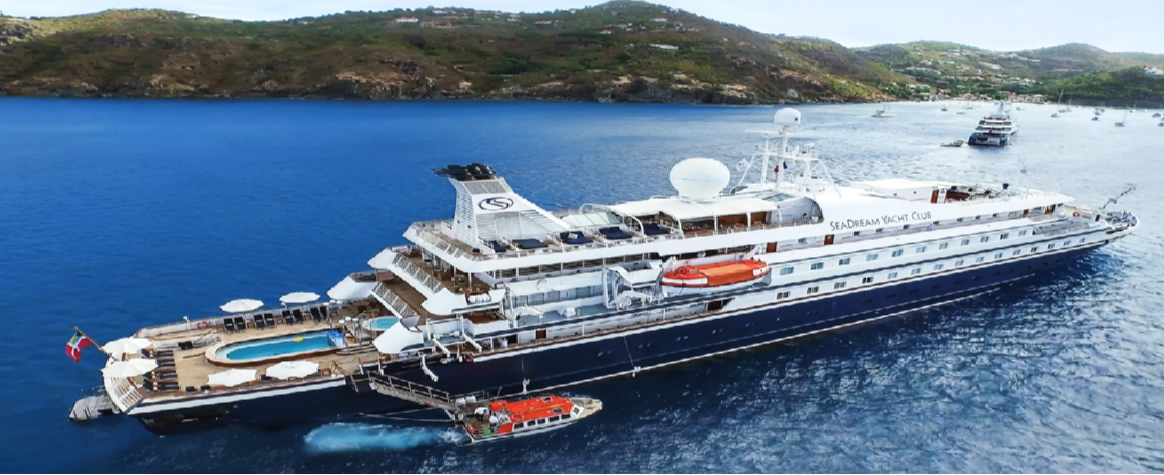
SeaDream Yacht Club (4 Cruises)

Silversea Cruises (19 Cruises)
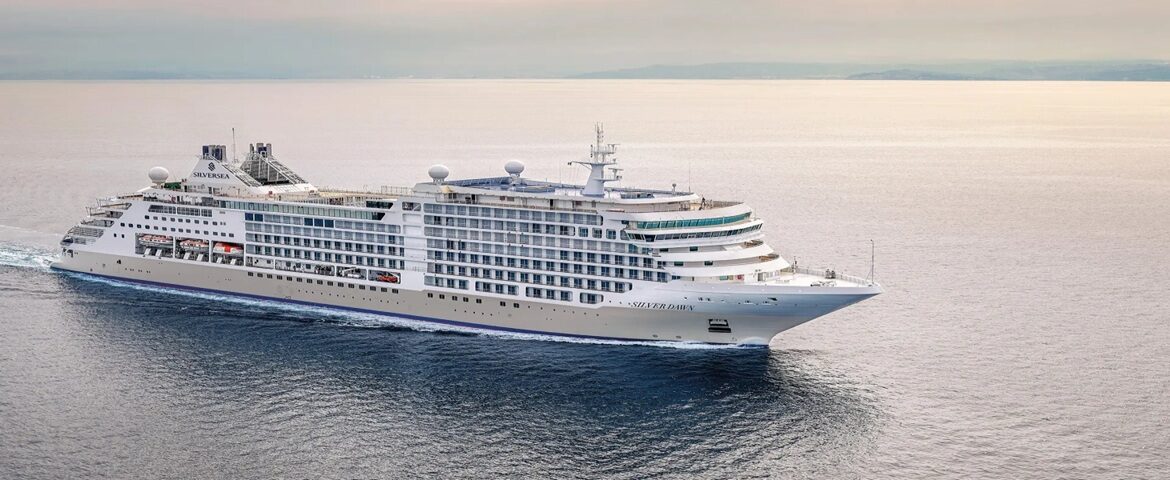
Silver Dawn
4 Cruises

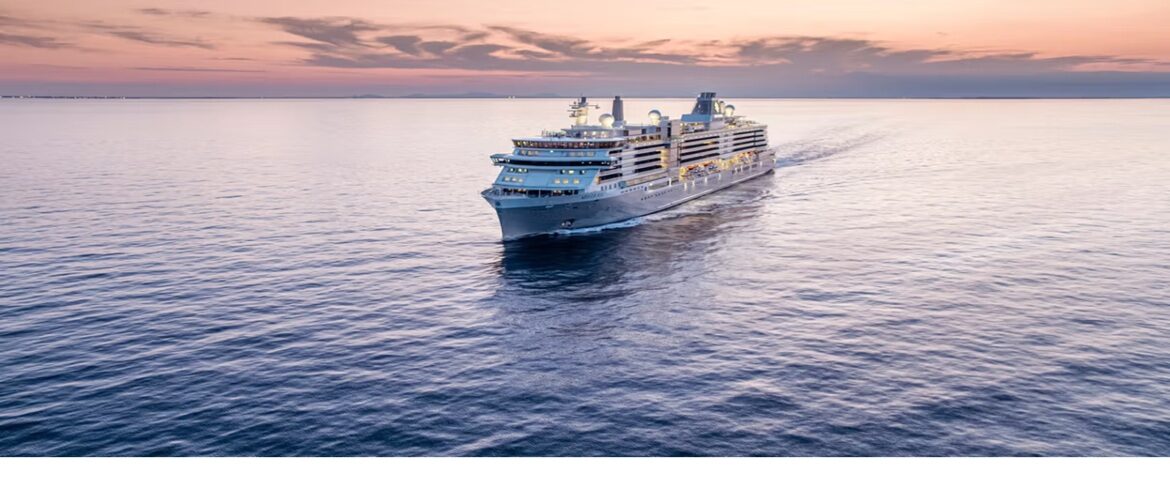
Silver Ray
7 Cruises
| 17 June | 20 days | One-way from Civitavecchia-Rome to Piraeus-Athens |
450-628-6241
Call us
|
| 26 June | 11 days | One-way from Barcelona to Piraeus-Athens |
450-628-6241
Call us
|
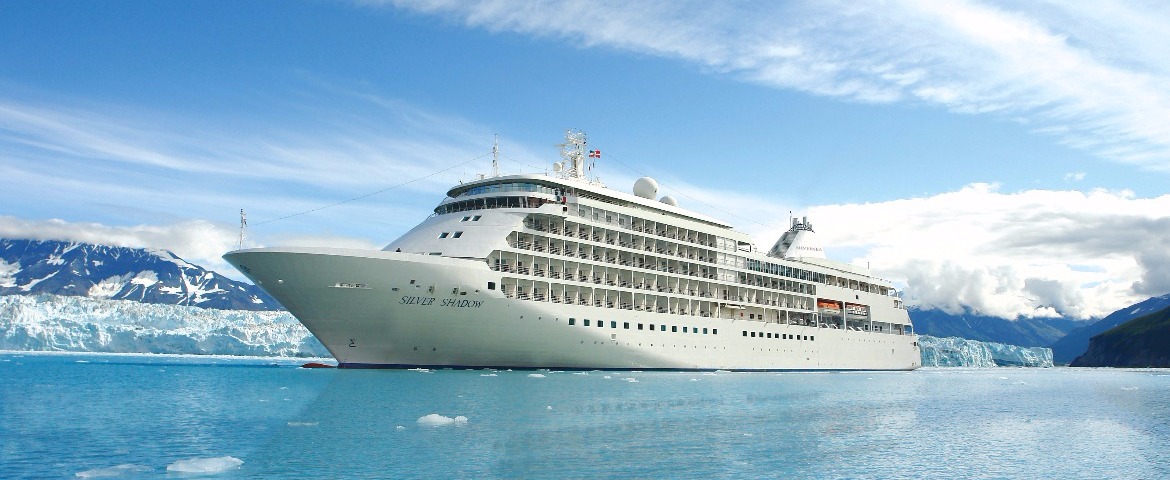
Silver Shadow
8 Cruises
| 5 January | 132 days | One-way from Miami to Villefranche-sur-Mer |
450-628-6241
Call us
|
| 5 January | 133 days | One-way from Miami to Villefranche-sur-Mer |
450-628-6241
Call us
|
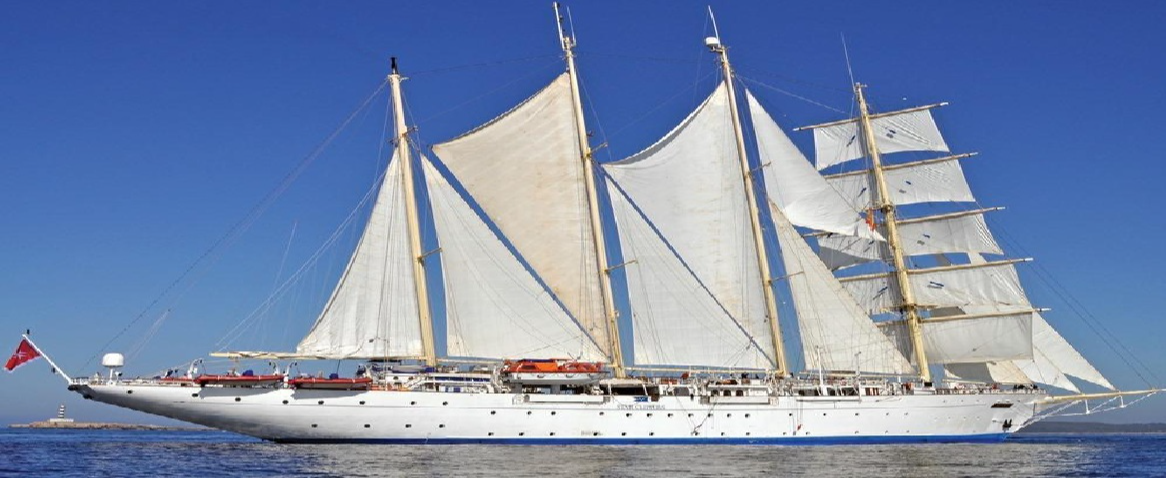
Star Clippers (9 Cruises)



Milos Adamas Greece | Cyclades Volcanic Island Cruise Guide
Frequently Asked Questions
At Adamas, the port village. Ships anchor in the bay, one of the largest in the Mediterranean, and tenders drop passengers in the heart of the village, right on the main square.
From the square, buses and taxis serve Plaka, Trypiti and Sarakiniko in season, with timetables posted on site. Taxis are few: agree on your return trip when you set out.
Sarakiniko first, then Plaka and its kastro, or else the ancient theatre and catacombs at Trypiti. The three areas are close together, but you must choose: full improvisation sits badly with bus timetables.
White volcanic rock polished by wind and waves a few kilometres north of Adamas, carved into frozen waves that plunge into turquoise water. You walk it barefoot as if on a warm glacier and swim in the narrow inlets.
In a field near Trypiti in 1820; a plaque marks the spot. The statue is now in the Louvre. The ancient marble theatre and the early Christian catacombs, among the oldest in Greece, are right beside it.
Only if the ship's schedule is generous: the boat trip to these sea caves, a former pirate hideout, takes up almost a full day. Book it knowing that.
A hat, water and decent shoes. Shade is scarce outside the villages, and the smooth surfaces at Sarakiniko turn slippery on windy days.
Yes, enough to fill the end of the day: a mining museum covering the obsidian and perlite worked here for millennia, craft shops and taverns where octopus dries in the sun outside the kitchens.
The euro and Greek, with English widely understood. Cards work in Adamas and Plaka; keep cash for taxis and small country taverns.
May through October. May, June and September offer the best balance: the sea is good, buses run and the heat stays bearable on the white rocks, which reflect fiercely in high summer.


