Havre-Saint-Pierre Quebec Canada
109
Cruises availables
At departure or passage at this port
Azamara Club Cruises (1 Cruises)



Explora Journeys (2 Cruises)

Holland America Line (4 Cruises)

Oceania Cruises (11 Cruises)


Seabourn Cruise Line (9 Cruises)
Seabourn Quest
9 Cruises
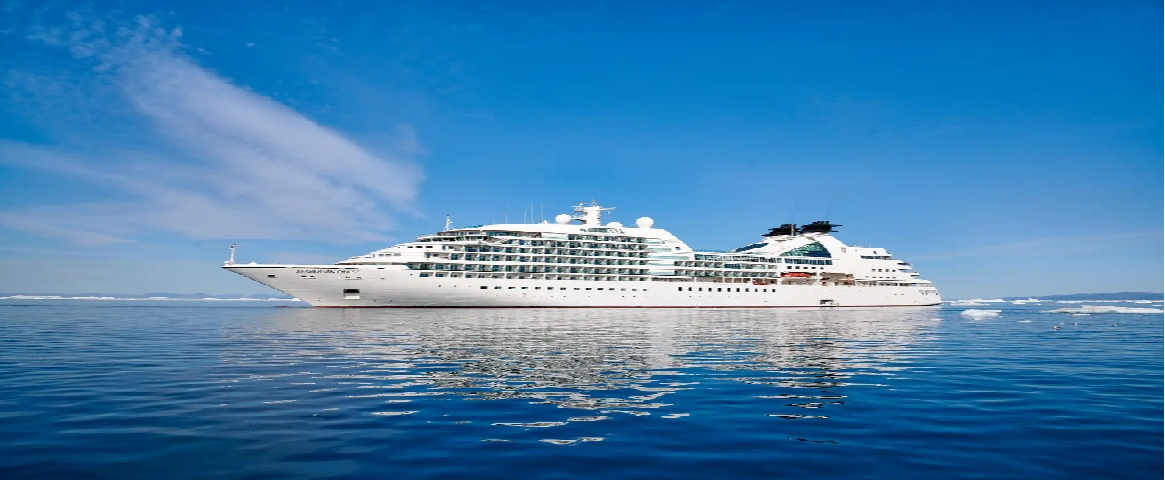

| 28 August | 37 days | One-way from Copenhagen to Montreal |
450-628-6241
Call us
|
| 28 August | 38 days | One-way from Copenhagen to Montreal |
450-628-6241
Call us
|

Viking Ocean Cruises (64 Cruises)
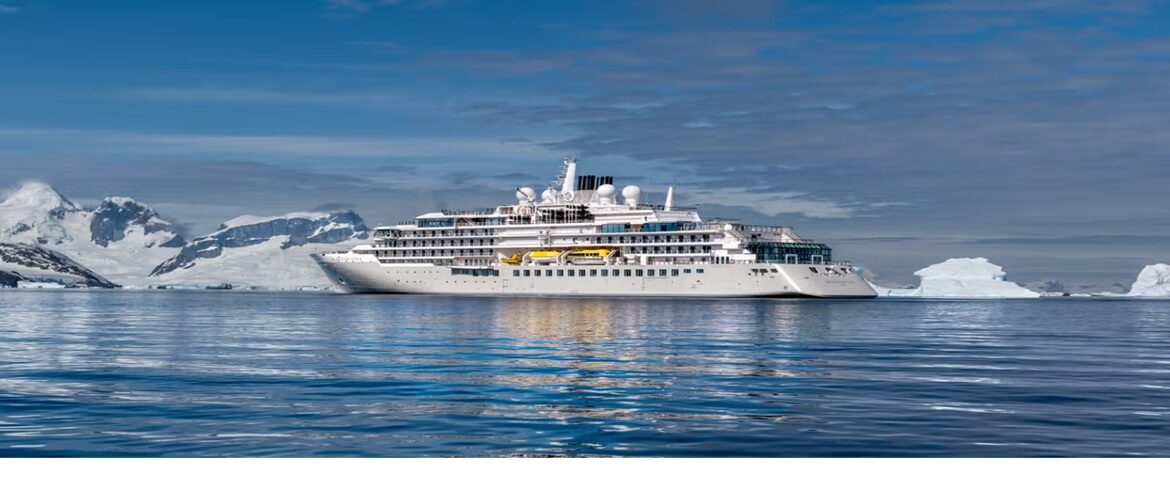
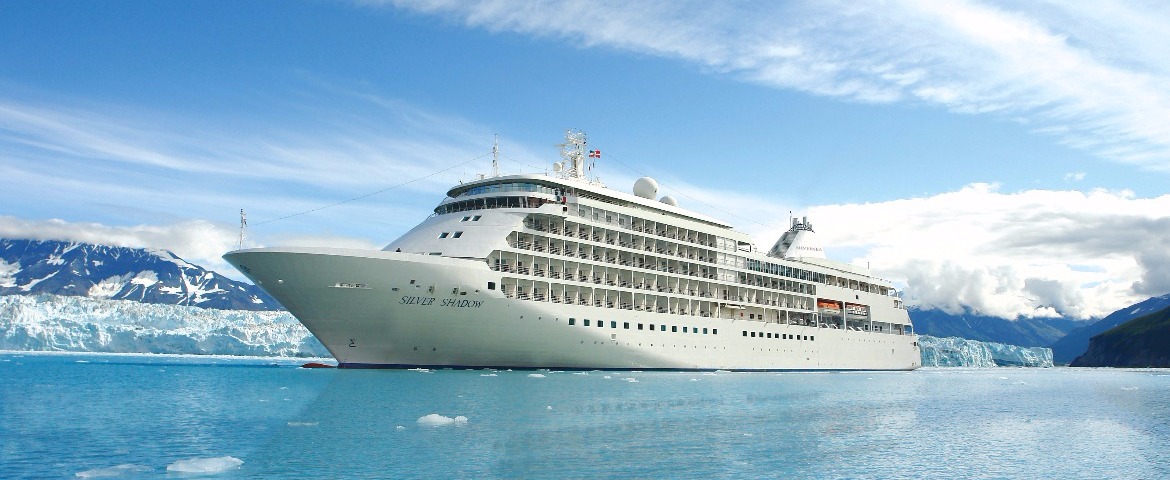
Viking Octantis
40 Cruises


| 2 March | 69 days | One-way from Buenos Aires to Milwaukee WI |
450-628-6241
Call us
|
| 3 March | 66 days | One-way from Buenos Aires to Milwaukee WI |
450-628-6241
Call us
|
| 20 April | 11 days | One-way from New York to Toronto |
450-628-6241
Call us
|
| 20 April | 13 days | One-way from New York to Toronto |
450-628-6241
Call us
|
| 15 March | 63 days | One-way from Buenos Aires to Milwaukee WI |
450-628-6241
Call us
|
| 16 March | 60 days | One-way from Buenos Aires to Milwaukee WI |
450-628-6241
Call us
|
| 27 April | 11 days | One-way from New York to Toronto |
450-628-6241
Call us
|
| 27 April | 13 days | One-way from New York to Toronto |
450-628-6241
Call us
|
| 19 March | 63 days | One-way from Buenos Aires to Milwaukee WI |
450-628-6241
Call us
|
| 20 March | 60 days | One-way from Buenos Aires to Milwaukee WI |
450-628-6241
Call us
|
| 1 May | 11 days | One-way from New York to Toronto |
450-628-6241
Call us
|
| 1 May | 13 days | One-way from New York to Toronto |
450-628-6241
Call us
|
Viking Polaris
24 Cruises

| 14 March | 63 days | One-way from Buenos Aires to Milwaukee WI |
450-628-6241
Call us
|
| 15 March | 60 days | One-way from Buenos Aires to Milwaukee WI |
450-628-6241
Call us
|
| 26 April | 11 days | One-way from New York to Toronto |
450-628-6241
Call us
|
| 26 April | 13 days | One-way from New York to Toronto |
450-628-6241
Call us
|
| 29 April | 11 days | One-way from New York to Toronto |
450-628-6241
Call us
|
| 29 April | 13 days | One-way from New York to Toronto |
450-628-6241
Call us
|
Windstar Cruises (6 Cruises)
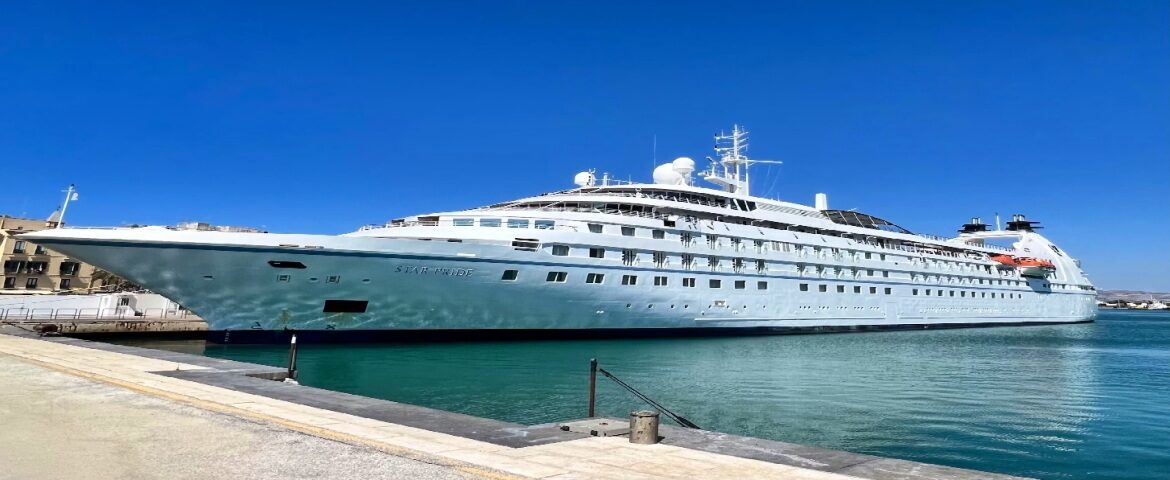
Star Pride
6 Cruises


Port of Havre-Saint-Pierre | Cruise Port Guide
Frequently Asked Questions
At the Pélagie-Cormier cruise terminal on the municipal wharf, a few minutes' walk from the village centre. The tourist information office, Parks Canada exhibits and cafés are on site or very close.
Entirely. The main street, the church, the shops and the Promenade des Anciens along the shore are all walkable from the wharf. From one end of the promenade you can see the first islets offshore.
The boat excursion to the Mingan Archipelago is the essential, often with a few hours ashore on Quarry Island. Keep an hour for the village itself: that is enough to reveal its Cayen character.
Strange grey stone towers freed by erosion, standing along the shores of the Mingan Archipelago National Park Reserve. Some suggest human figures, others giant mushrooms. Niapiskau Island holds the most photographed in Quebec.
Boat excursions leave from the Havre-Saint-Pierre wharf for the nearest islands. Parks Canada interpreters accompany most trips. Book early: places are limited and demand is high in summer.
Yes, the archipelago holds significant seabird colonies. Atlantic puffins nest in several parts of the reserve and fly in squadrons just above the waves; terns, eiders and razorbills complete the picture.
Descendants of the Acadian families from the Magdalen Islands who drew up their boats here in 1857. They still set the tone of the village, and the French spoken here carries a distinctive accent.
The village's cultural and interpretation centre, named after the local poet. It tells the story of the Acadian families, the fishery, the Lac Tio titanium mine and life on a coast long reachable only by boat.
Walking shoes: the island trails mix boardwalk, peat bog and rock. Add a windbreaker even in fine weather, because the open water cools things quickly.
Snow crab, fresh cod and seafood according to the landings. Asking what has just come in is still the best advice, and a few minutes on the wharf is enough to watch the fishing boats return.


